
Pakistan News
Pakistan’s Tightrope Diplomacy During the U.S.–Iran War

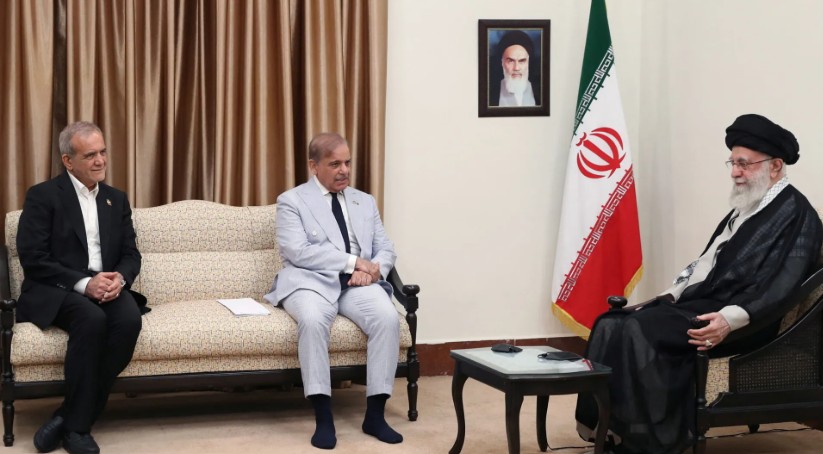
Paris (Imran Y. CHOUDHRY) :- Former Press Secretary to the President, Former Press Minister to the Embassy of Pakistan to France, Former MD, SRBC Mr. Qamar Bashir analysis : The war between the United States, Israel, and Iran did not erupt suddenly. Beneath the surface of the conflict lay years of planning, strategic positioning, and diplomatic maneuvering aimed at weakening Iran’s nuclear, missile, and regional influence. When the first strikes were launched, they appeared dramatic and unexpected to the outside world, but the broader geopolitical architecture had already been carefully prepared. Alliances were strengthened, intelligence networks expanded, and regional actors were positioned in ways that limited Iran’s ability to respond effectively. In this unfolding strategic landscape, Pakistan found itself walking a diplomatic tightrope, attempting to maintain balanced relations with Iran, Saudi Arabia, and the United States while safeguarding its own national interests.
One of the earliest signals that the geopolitical chessboard was being rearranged appeared soon after the new American administration assumed office. In an unprecedented gesture, the U.S. president hosted Pakistan’s Field Marshal for a high-profile meeting in Washington. The event was widely interpreted as a recognition of Pakistan’s strategic importance in the region and the central role played by its military leadership in shaping the country’s security policies. The meeting suggested that Washington was carefully engaging key regional players as it prepared for a more assertive approach toward Iran.
Following this engagement, Pakistan’s strategic posture began to shift in noticeable ways. Islamabad strengthened its defense cooperation with Saudi Arabia and Qatar, entering into a broader security framework with Gulf states that host significant American military installations. These arrangements reinforced Pakistan’s role in the Gulf’s defense architecture while simultaneously limiting its freedom to openly align with Iran in the event of a regional confrontation. The diplomatic message was clear: Pakistan remained a close partner of the Gulf states and the United States.
At the same time, another important strategic issue emerged. The United States expressed renewed interest in regaining operational flexibility at key regional facilities, including the strategically located Bagram Airbase in Afghanistan. Although the situation surrounding the base remained complex, the discussion itself highlighted Washington’s desire to strengthen its presence in the region and maintain strategic reach across South and Central Asia.
Parallel to these developments, Pakistan’s relations with Afghanistan began to deteriorate rapidly. For decades, despite periods of tension, the two countries had maintained a relationship rooted in shared culture, history, and geography. Even during difficult times, the narrative of fraternity and mutual interest had prevailed. However, increasing cross-border security incidents and accusations of militant infiltration gradually eroded trust. Preventive military strikes by Pakistan against militant targets inside Afghan territory further strained relations, transforming a historically complex but manageable relationship into one marked by deep suspicion.
The deterioration of Pakistan-Afghanistan relations created new geopolitical openings. Afghanistan’s leadership began exploring stronger ties with other regional actors, particularly India. This shift coincided with an already expanding partnership between India and Israel in areas such as defense technology, intelligence cooperation, and cybersecurity. Gradually, these relationships began to intersect in ways that reshaped the regional security environment.
The growing alignment between India and Israel is a part of Israel’s broader long-term strategic thinking. Israeli leaders have historically viewed nuclear and missile programs of Pakistan as potential threats to their national security. In the past, Israel has been associated with efforts to neutralize such capabilities in countries like Iraq, Syria, and others that were perceived as developing strategic weapons. From this perspective, the dismantling of Iran’s strategic infrastructure during the recent conflict is seen by some analysts as part of a wider effort to remove potential threats to Israel’s security.
Within this evolving landscape, Israel is strengthening its security cooperation with India and Afghanistan to position itself to establish spy and intelligence networks in Pakistan by using Afghanistan as a spring board. Similar methods by Israel have been extremely successful in taking out high profile leadership and kinetic and economic assets of Iraq, Syria, Libya, Lebanon, Qatar Yemen and Iran and the world over.
For Pakistan, these developments highlight the importance of vigilance and preparedness. The experience of Iran demonstrates how advanced intelligence capabilities, combined with technological surveillance, can identify and target critical infrastructure with extraordinary accuracy. Pakistan must therefore strengthen its counterintelligence systems, enhance cybersecurity defenses, and protect sensitive strategic facilities to ensure that its leadership and defense capabilities remain secure.
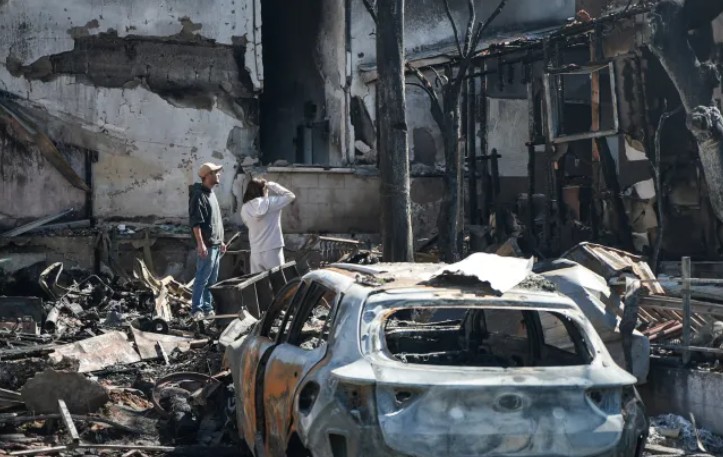
Meanwhile, the war itself delivered a severe blow to Iran’s strategic capabilities. Several key installations associated with its missile, drone, and nuclear programs reportedly suffered extensive damage. Economic infrastructure was also affected as sanctions tightened and regional instability disrupted trade and energy markets. The cumulative effect significantly weakened Iran’s ability to project power across the region.
The consequences of the conflict were felt far beyond Iran’s borders. Global oil markets experienced dramatic volatility, with prices briefly soaring before gradually stabilizing. For Pakistan, an energy-importing nation already struggling with economic pressures, these fluctuations created additional financial strain. Rising fuel prices translated into inflation, higher transportation costs, and growing hardship for ordinary citizens.
Amid these challenges, Pakistan continued to maintain a carefully balanced diplomatic approach. At international forums such as the United Nations, Pakistani representatives emphasized the principles of sovereignty, dialogue, and peaceful conflict resolution. Islamabad expressed concern about escalating hostilities while avoiding steps that might jeopardize its relationships with key partners in the Gulf or with Washington.
This delicate balancing act illustrates the complexity of Pakistan’s geopolitical environment. Few countries must simultaneously manage such diverse relationships with competing global and regional powers. Maintaining constructive ties with Iran, Saudi Arabia, the United States, and other regional actors requires a level of diplomatic precision rarely seen in international politics.
The broader lesson from the crisis is that modern conflicts are often shaped long before the first shots are fired. Strategic alliances, diplomatic engagements, intelligence networks, and regional realignments gradually build the framework within which military operations eventually unfold. By the time war begins, many of the key variables have already been determined.
Pakistan’s experience during the U.S.–Iran conflict underscores the importance of strategic foresight. While the war reshaped the Middle East’s balance of power, Islamabad managed to avoid direct involvement while preserving its relationships with multiple partners. Through cautious diplomacy and calculated restraint, Pakistan maintained stability at home while navigating one of the most volatile geopolitical crises of the decade.
As the region moves forward, Pakistan’s challenge will be to convert this diplomatic survival into long-term strategic advantage. Strengthening economic resilience, enhancing security infrastructure, and continuing a balanced foreign policy will be essential for navigating an increasingly uncertain global order.
In an era defined by shifting alliances and emerging power struggles, Pakistan’s ability to walk the diplomatic tightrope may prove to be its greatest strategic strength. By combining prudence, vigilance, and diplomatic agility, the country can continue to protect its sovereignty, safeguard its strategic assets, and remain a stabilizing force in a turbulent region.




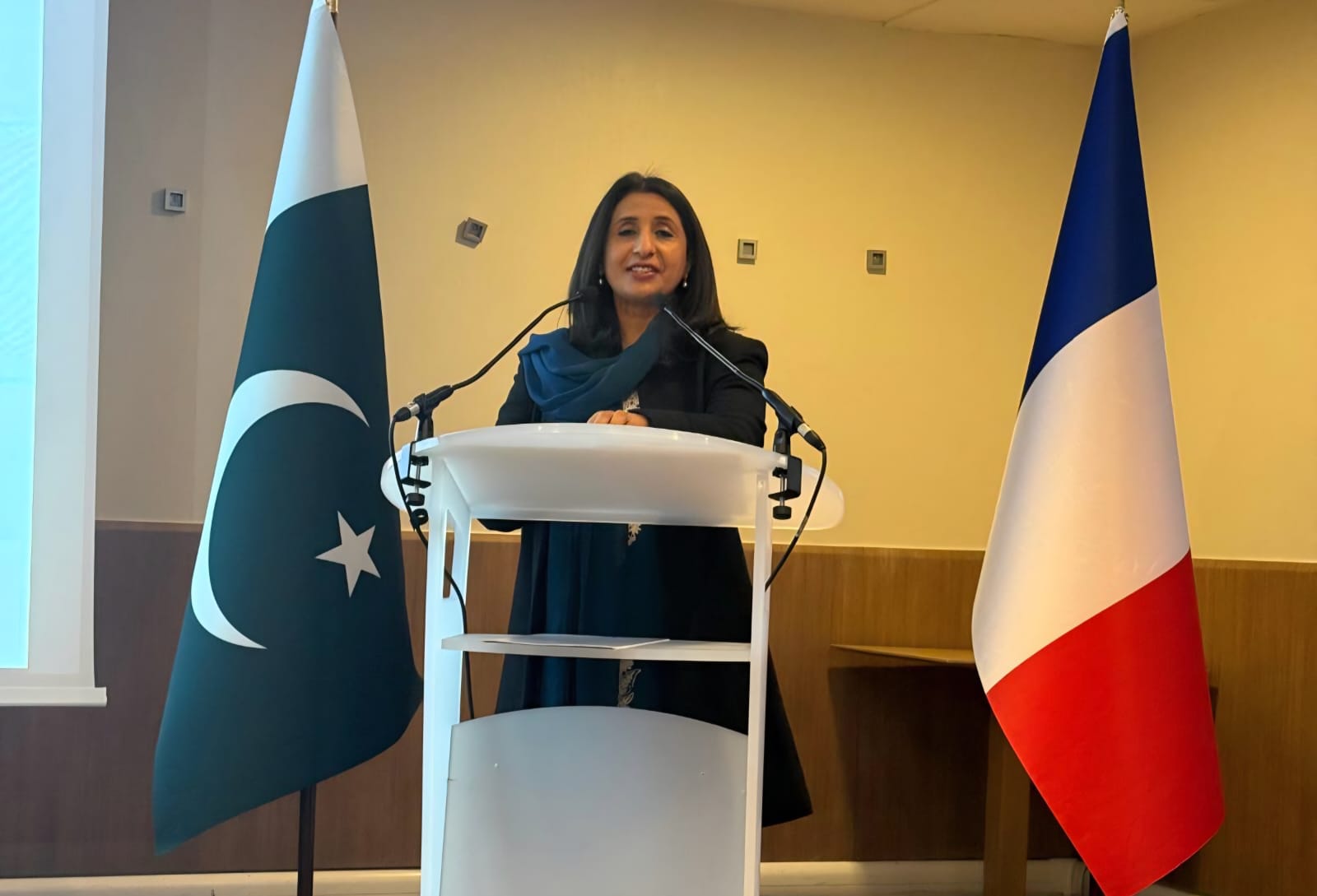
Paris ( Imran Y. CHOUDHRY):- A ‘Pakistan-France Trade and Investment Forum’ was held in Paris today, bringing together government officials, business leaders, industry experts and representatives of trade bodies of both countries.
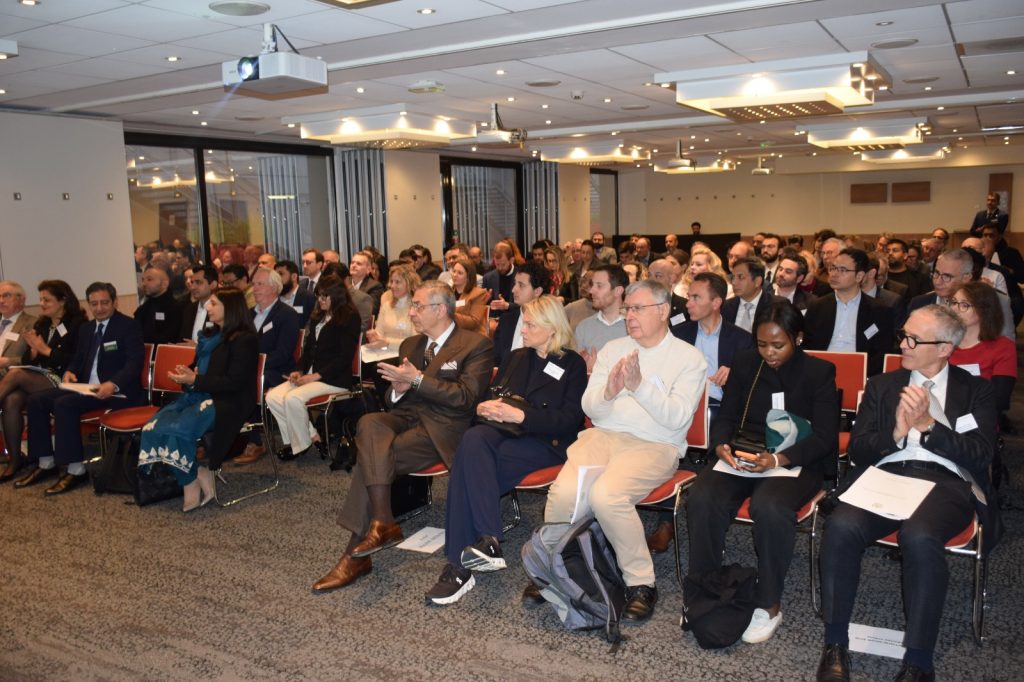
The Forum was held in implementation of an understanding reached between President Emmanuel Macron and Prime Minister Shehbaz Sharif in 2024, to build strong economic partnership between Pakistan and France. The objective of the Forum was to connect businesses, exchange ideas, explore new avenues of bilateral cooperation and showcase Pakistan’s trade and investment potential. It witnessed participation of over seventy French and Pakistani companies from diverse sectors including agriculture, information technology, textiles, energy and tourism.
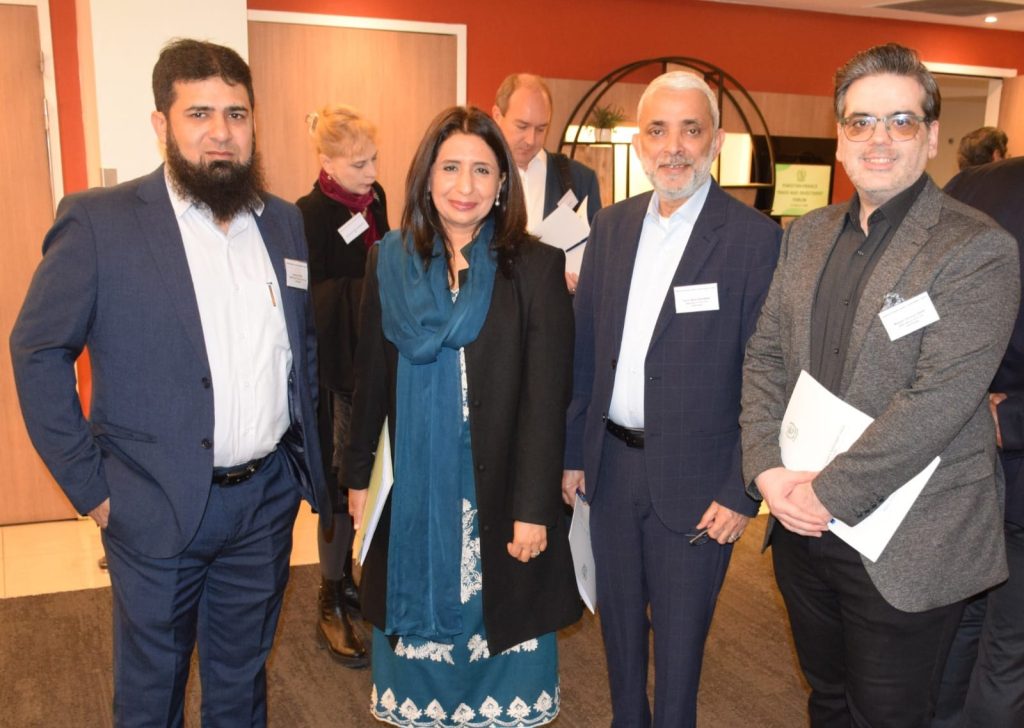
Ambassador Mumtaz Zahra Baloch opened the Business Forum and highlighted Pakistan’s economic growth and potential as an attractive trade partner for France. She outlined investor-focused initiatives and institutional facilitation mechanisms in Pakistan to promote trade and investment. She encouraged Pakistani and French businesses to explore collaborative opportunities, and develop joint ventures and win-win partnerships.
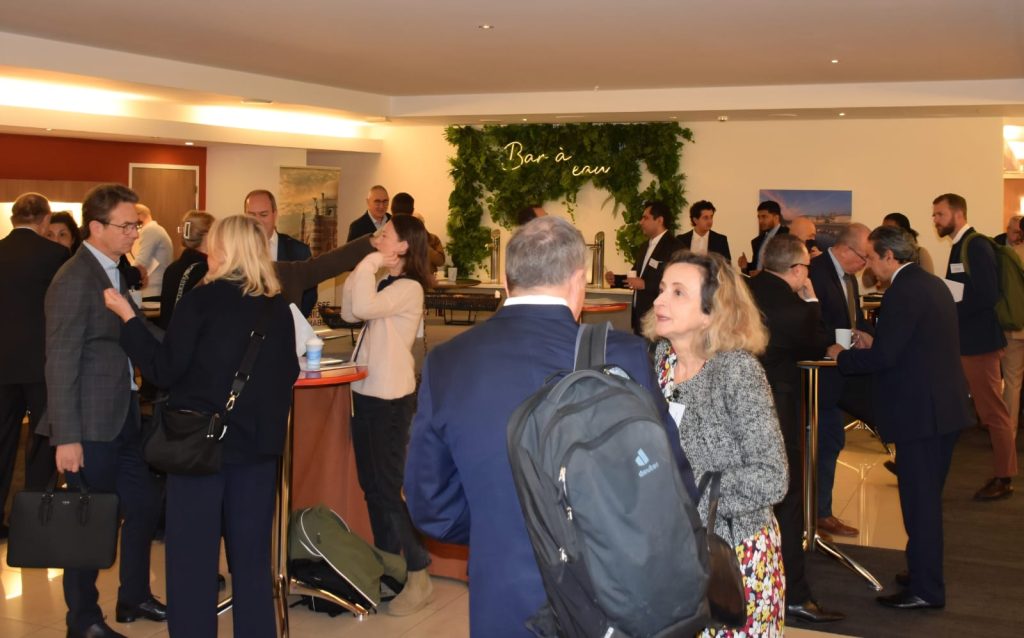
Speakers from the French side included Thierry Pflimlin, Chairman of the France-Pakistan Business Council at MEDEF International, Patricia Glasel, Vice President of the Conseillers du Commerce Extérieur de la France (CCEF) and Ardavan Amir-Aslani. They highlighted the growing momentum in France-Pakistan economic relations; identified the opportunities for trade and investment with Pakistan; and underscored the importance of strengthening private sector linkages to further facilitate bilateral trade and investment.
The plenary session was followed by ‘Breakout and Business-to-Business (B2B)’ sessions to discuss and identify tangible avenues for collaboration in textiles, agriculture and dairy, and Information Technology.
Pakistan News
Dr. Mohammad Faisal Joins Distinguished Quetta Association Event in London Gathering Reinforces Shared Military Heritage of Pakistan and Britain
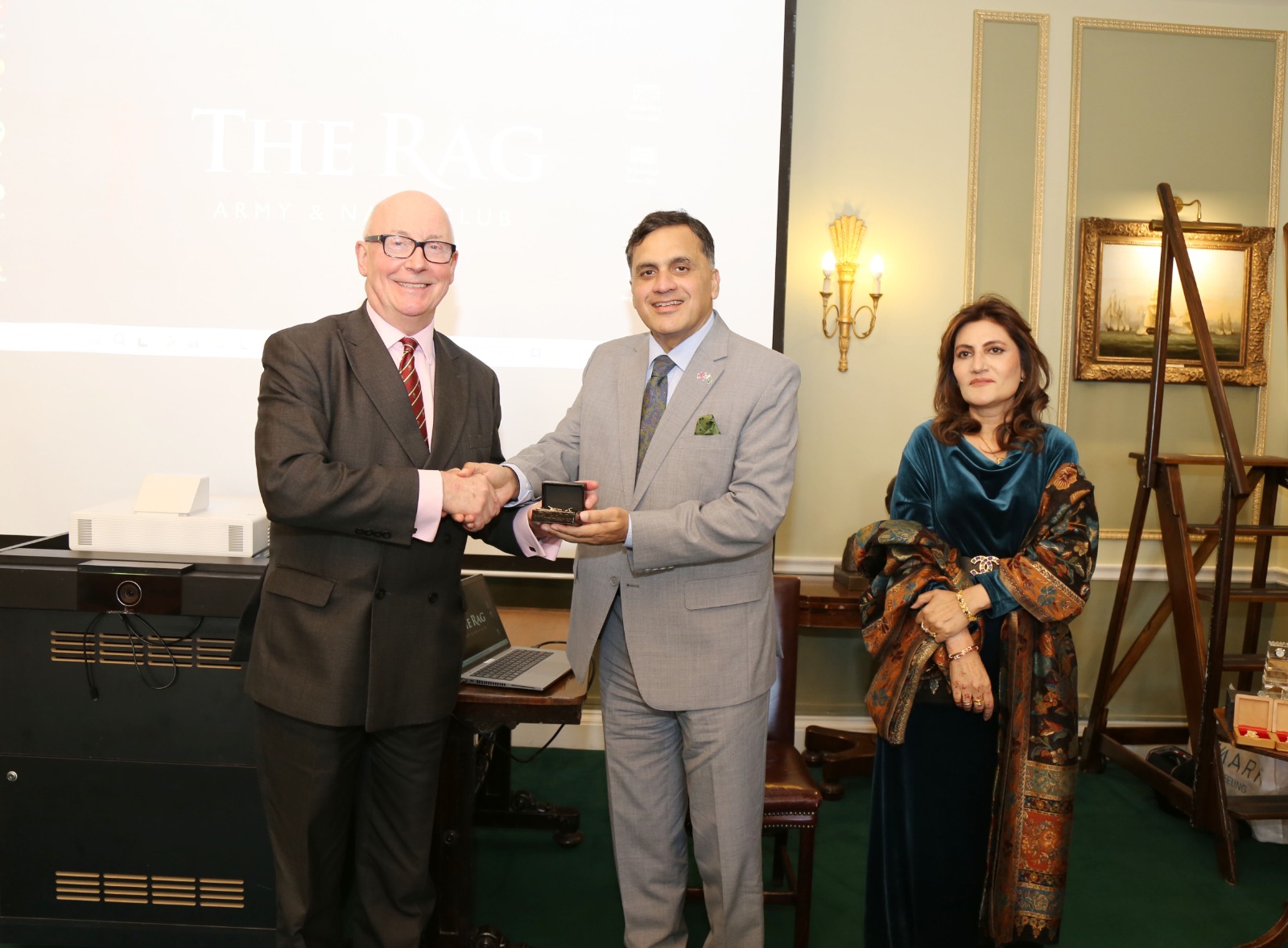
High Commissioner @DrMFaisal and his spouse @drsarahnaeem2 attended, as guests of honor, a distinguished gathering of the Quetta Association at the Army & Navy Club, London.
Military Officers from the Defence Wing of Pakistan High Commission, London, with their families also attended.
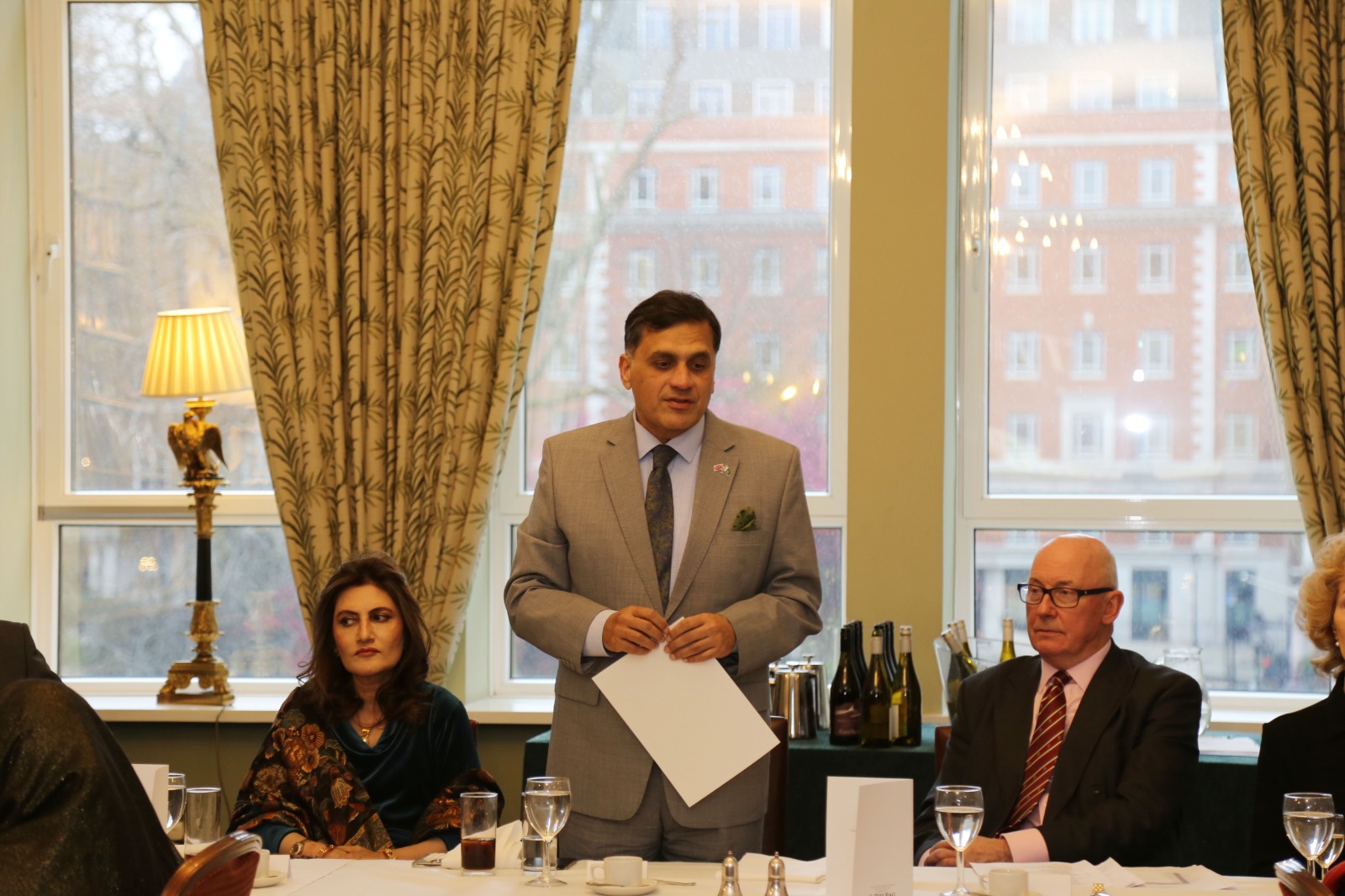
Quetta Association brings together British officers who graduated from the prestigious Command & Staff College, Quetta, Pakistan. The institution has produced outstanding military leaders, including British Field Marshals Sir Claude Auchinleck and Sir William Slim, whose leadership during the Second World War remains widely respected. Field Marshal Syed Asim Munir is also graduate of this prestigious institution.
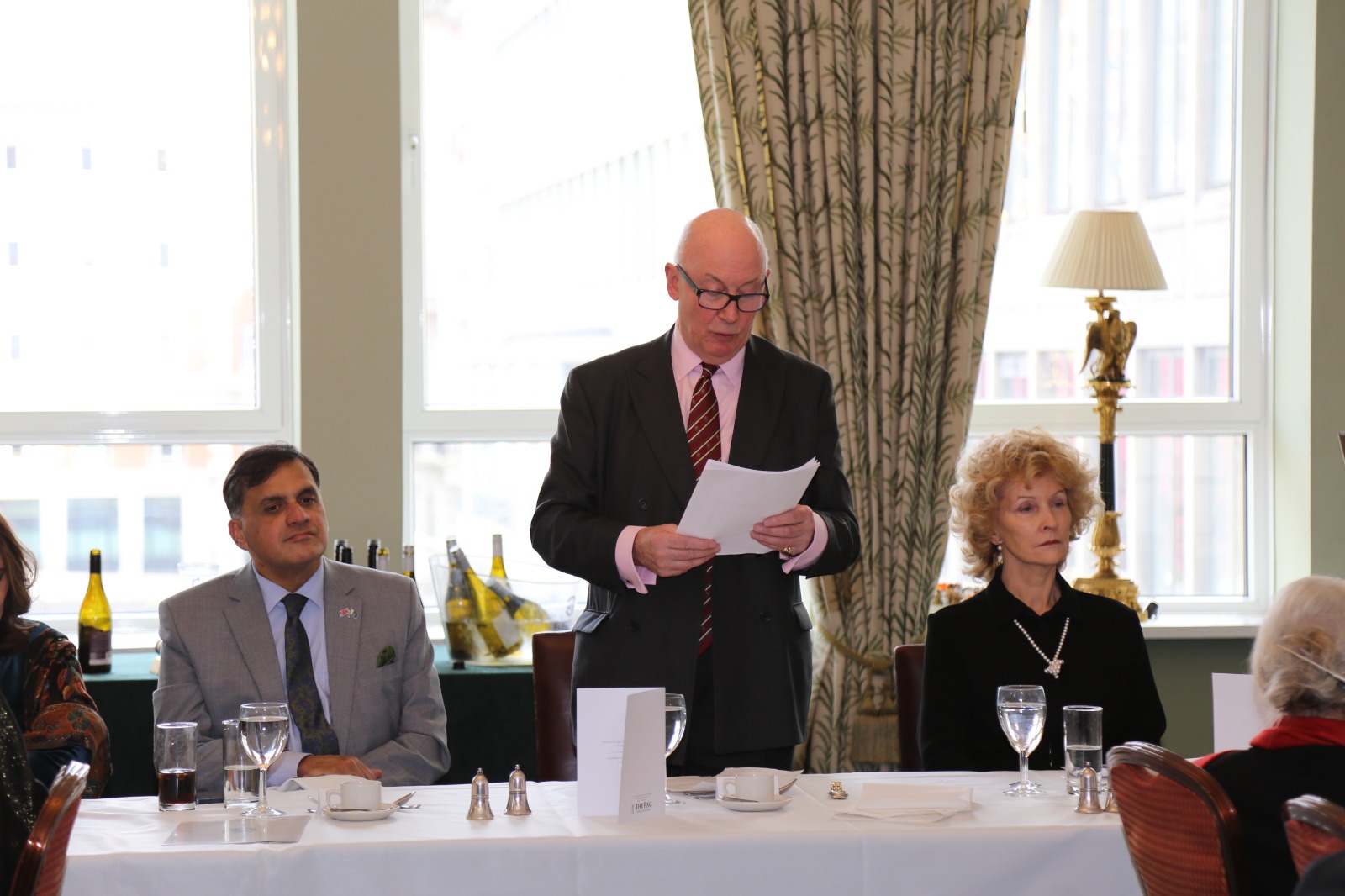
The High Commissioner appreciated the annual gathering that underscored the Association’s enduring role as a vital bridge linking the British Army and Pakistan Army through shared professional heritage and camaraderie.
Decorated British military officers and their families paid glowing tributes while referring to the hospitality accorded by Pakistan during their stay in Quetta.
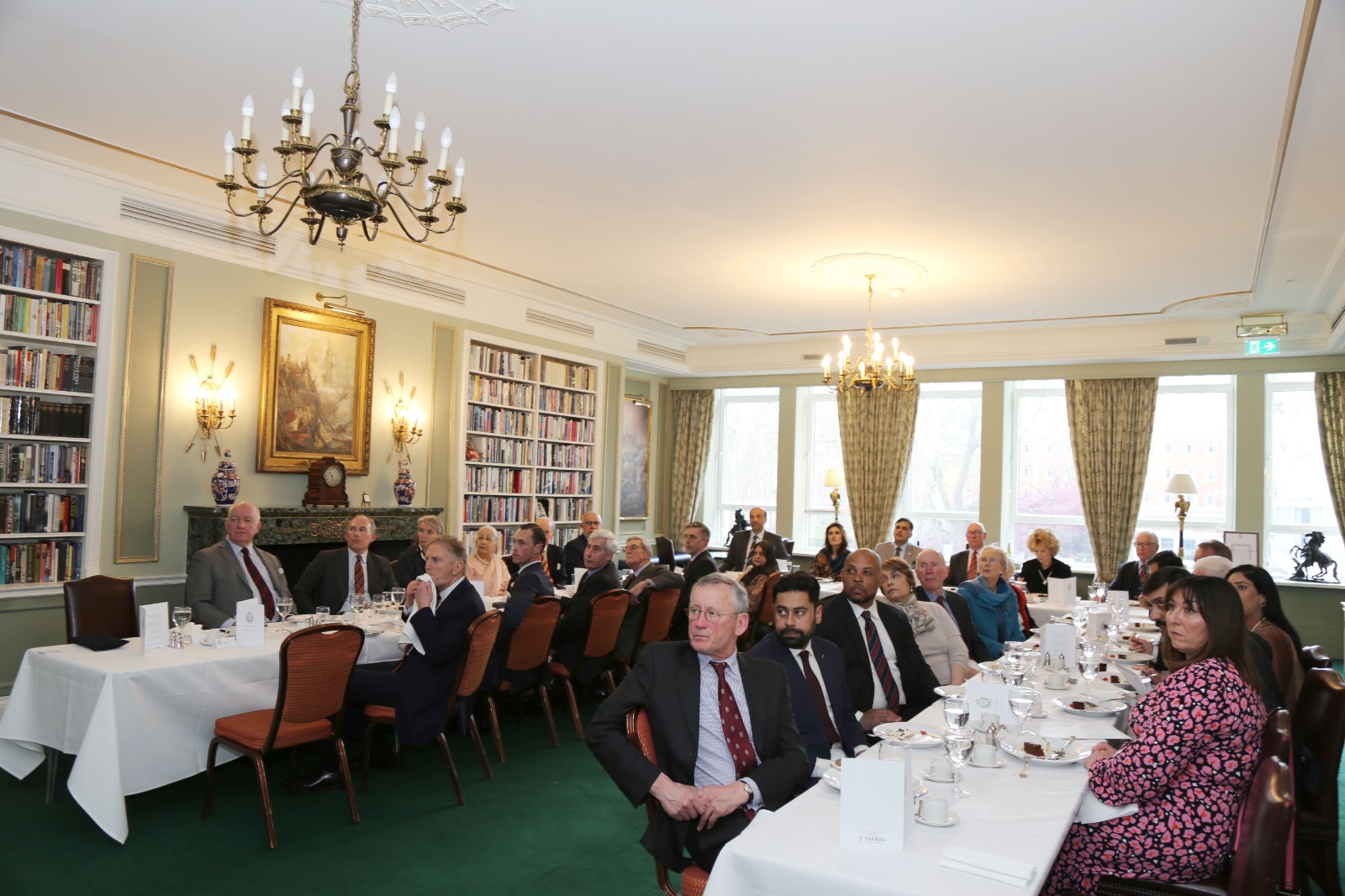
Graduate senior British Officers present at the gathering included Lt. Gen. Sir Alistair Irwin KCB CBE (1980) and Maj. Gen. Seumus Kerr CBE (1985).
Mementos were exchanged between the British officers and officers of @PakistaninUK.
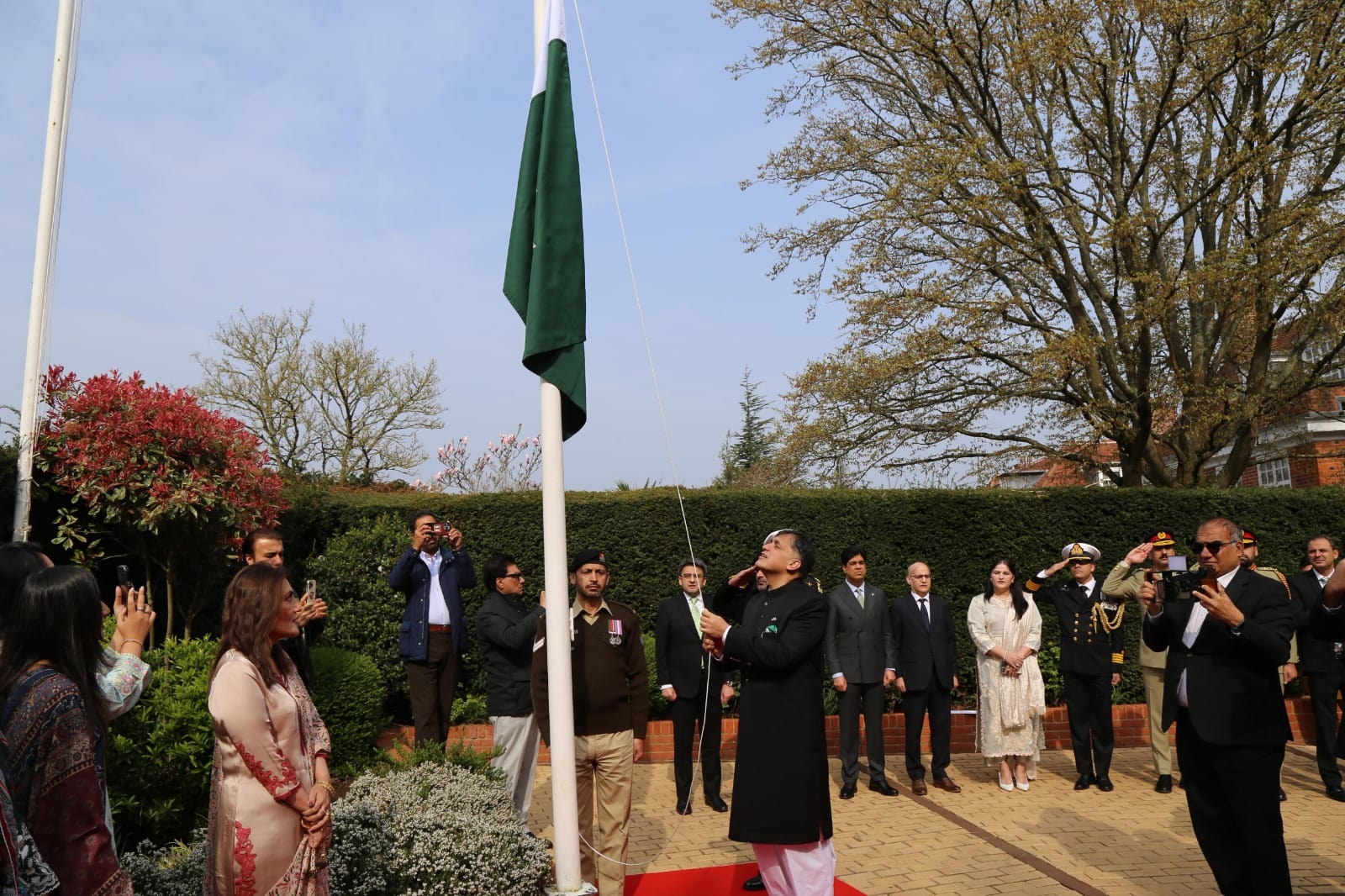
In a simple and dignified ceremony held at Pakistan House, London, the High Commissioner of Pakistan to UK Dr. Mohammad Faisal raised the Pakistan Flag on the occasion of Pakistan Day.
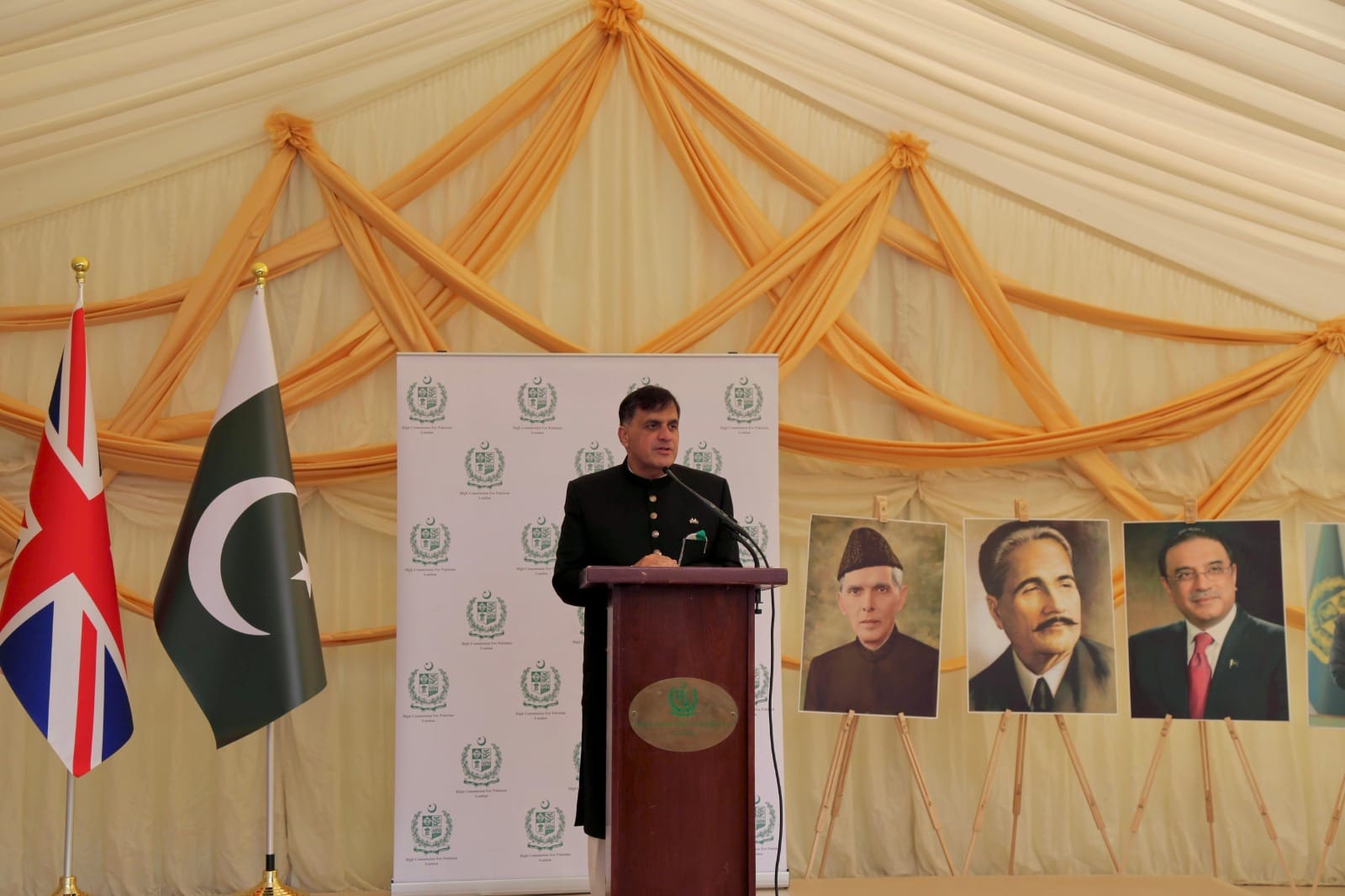
The ceremony was attended by Officials of the High Commission, British – Pakistanis and Media representatives.
Messages of the President, the Prime Minister and Deputy Prime Minister / Foreign Minister were read out.
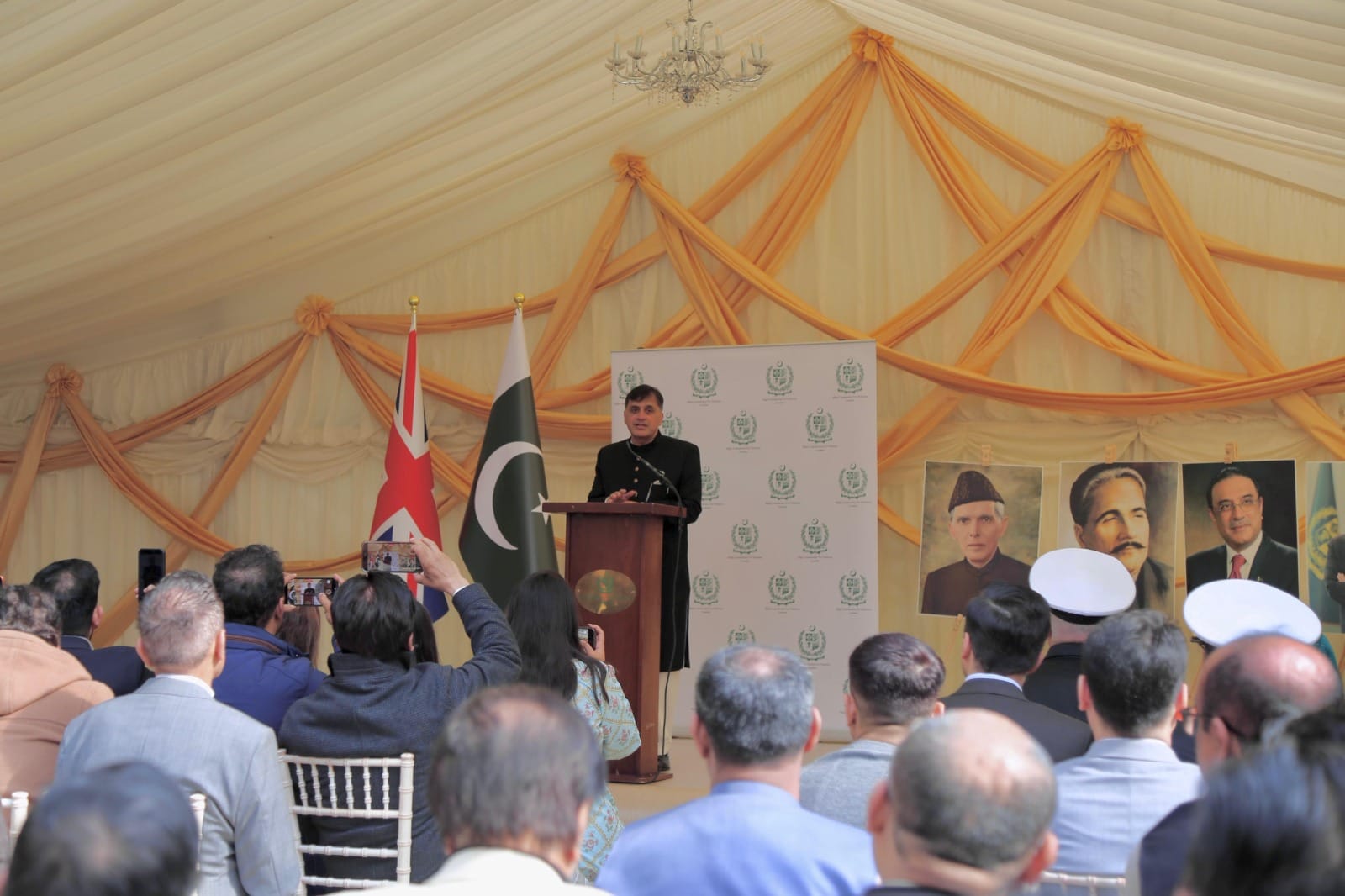
In his keynote address, the High Commissioner said that Pakistan Day was a tribute to our founding fathers who united the Muslims of Indian sub-continent where they could live independently as a Nation and live according to their customs & traditions.
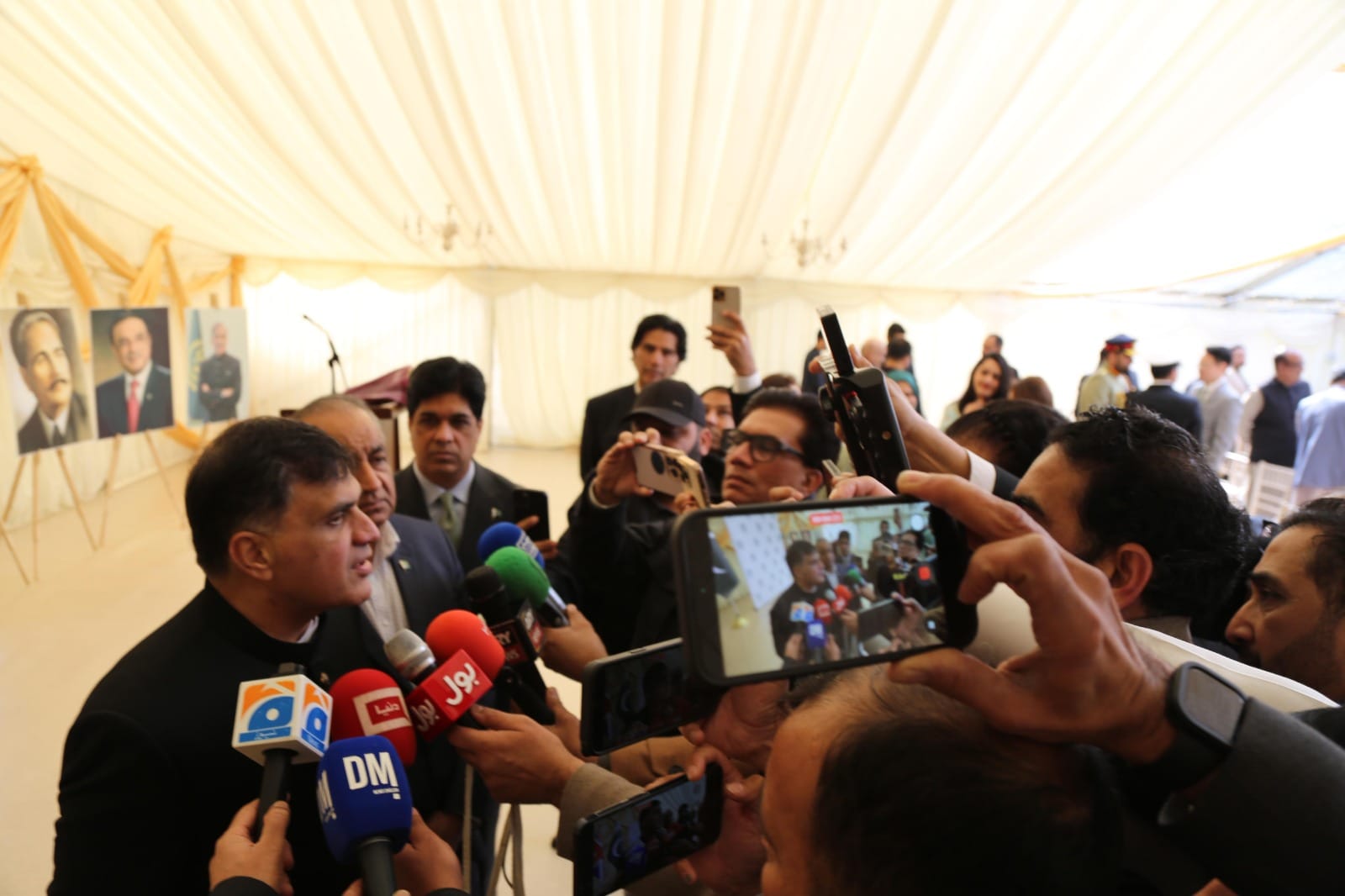
Dr. Faisal stated that Pakistan had always professed peace and stability in the region. However, Pakistan will not tolerate any aggression from neighbouring countries.
The High Commissioner said that Pakistani nation, despite the difficulties, remains resilient and demonstrates courage & perseverance.
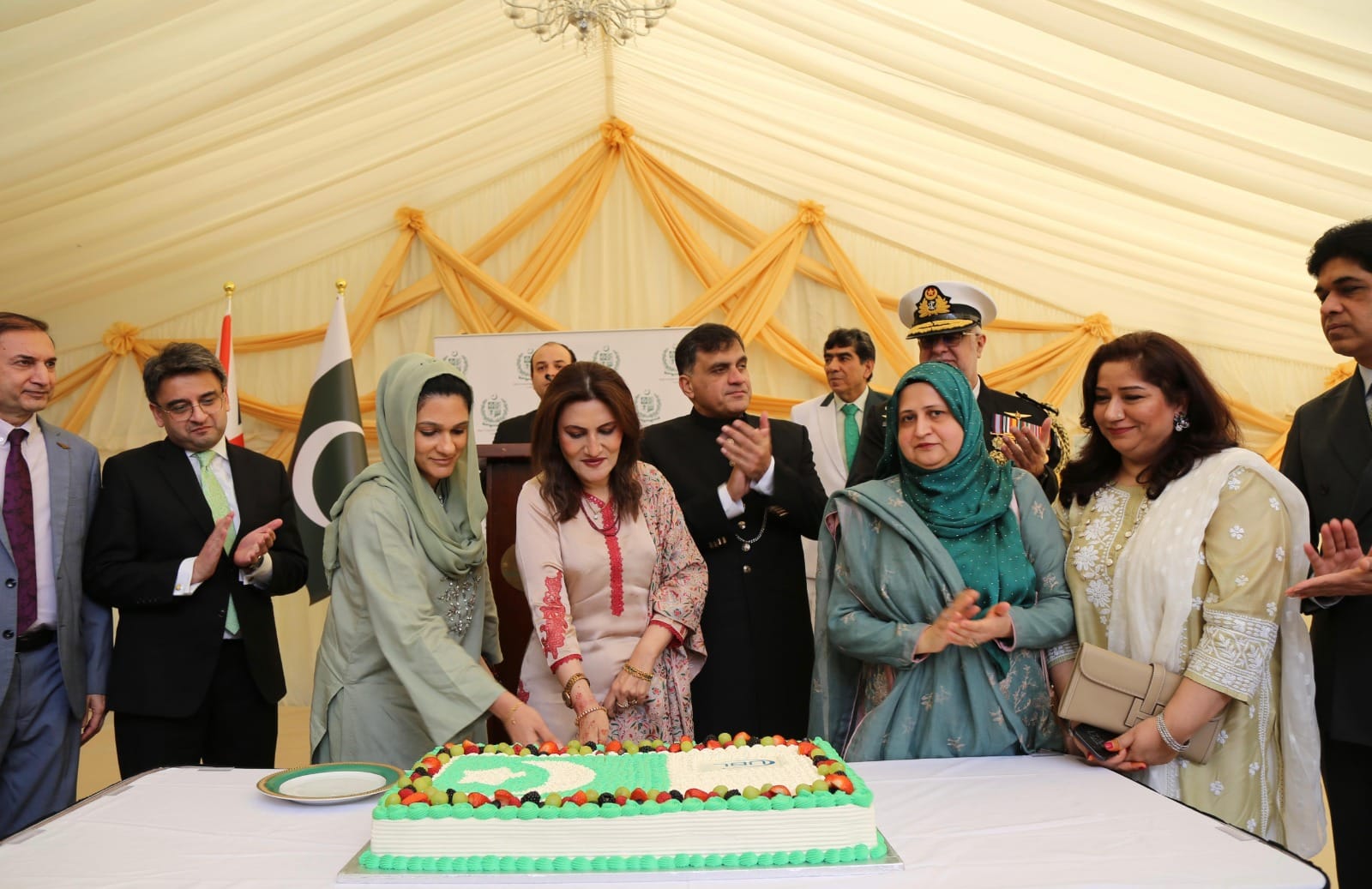
Dr. Mohammad Faisal stated that, in line with the instructions of the Prime Minister, the Deputy Prime Minister / Foreign Minister and the Federal Cabinet, Pakistan High Commission London is implementing strict austerity measures. However, these measures will not affect the performance & working of the High Commission.
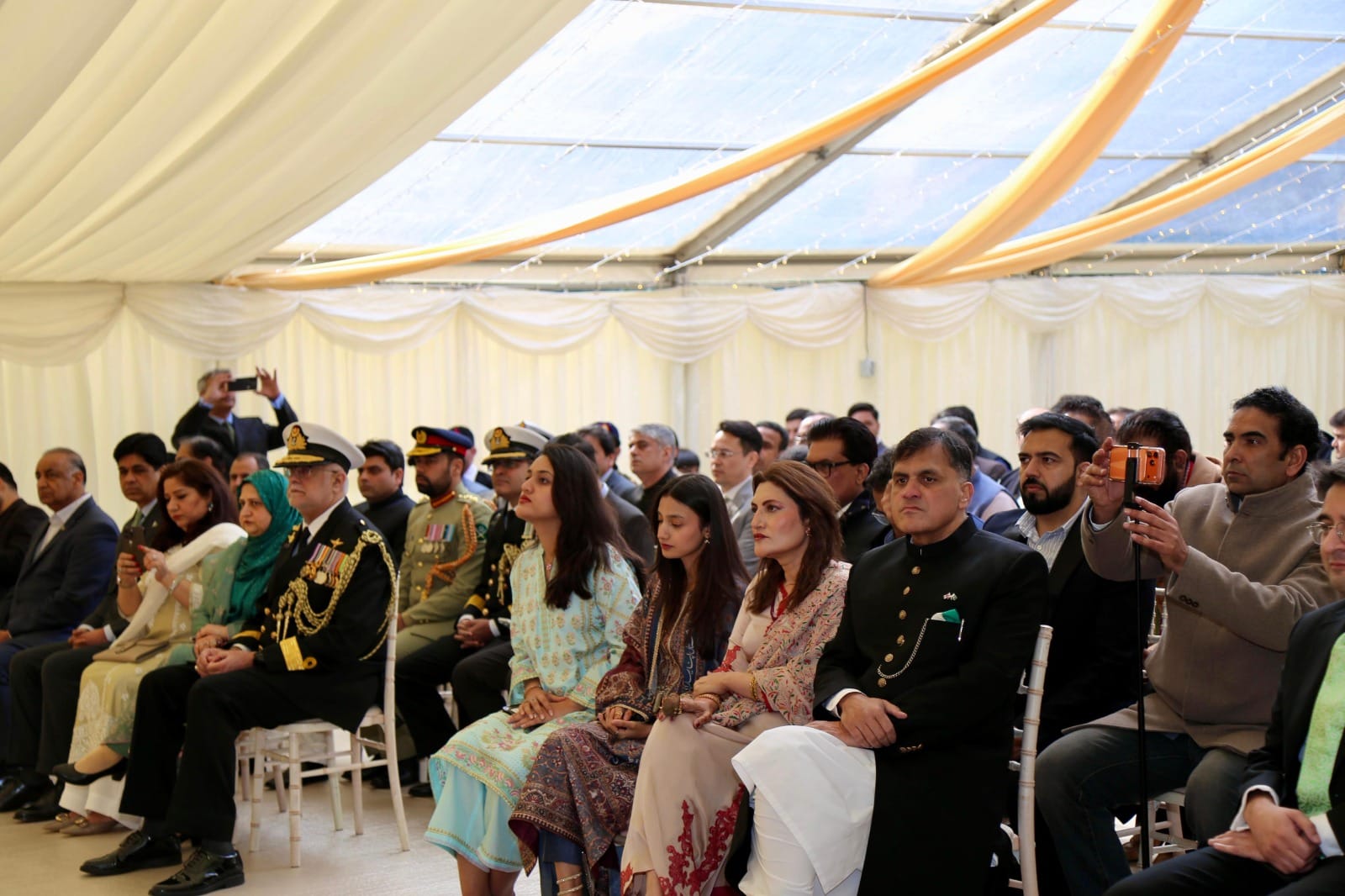
He acknowledged the remarkable contributions of Pakistani diaspora in UK and their extraordinary performance in various fields. He said that their achievements are a source of immense pride for Pakistan.
The High Commissioner expressed solidarity with the people of Indian Illegally Occupied Jammu and Kashmir and committed to continue diplomatic, moral and political support for their right to self determination under UN Resolutions.
London
23rd March, 2026


How the World Is Forced to Fund the Iran War

Scholars Urge UN to Protect Iran’s Scientific Sites Amid Airstrikes Global Academics Warn Attacks Threaten Research, Health, and Civilian Safety

How Iran Humiliated U.S. and Israeli Power


-

 Europe News1 year ago
Chaos and unproven theories surround Tates’ release from Romania
-

 American News1 year ago
Trump expands exemptions from Canada and Mexico tariffs
-

 American News1 year ago
Trump Expels Zelensky from the White House
-

 Pakistan News9 months ago
Comprehensive Analysis Report-The Faranian National Conference on Maritime Affairs-By Kashif Firaz Ahmed
-

 American News1 year ago
Zelensky bruised but upbeat after diplomatic whirlwind
-

 Art & Culture1 year ago
The Indian film showing the bride’s ‘humiliation’ in arranged marriage
-

 Pakistan News1 year ago
Can Pakistan be a Hard State?
-

 Entertainment1 year ago
Champions Trophy: Pakistan aim to defend coveted title as historic tournament kicks off today