
Pakistan News
Pakistan: A Pendulum between Democracy and Dictatorship

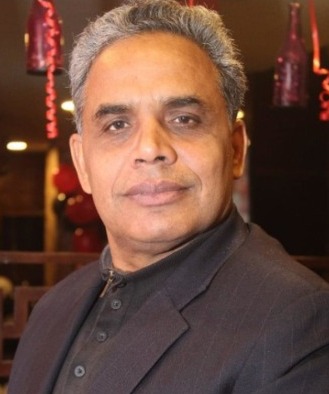
By Akhtar Hussain Sandhu
Pakistan has been passing through a turbulent phase by means of internal and external challenges. All the administrative authorities are trying to bridle this nuisance and menace. The crucial national and international problems, including terrorism, failure of the political parties, the impotent role of bureaucracy, and the external threats to the state, have popularized the military leadership. Field Marshal Syed Asim Munir leads the only organized institution of army in Pakistan that performs its duties tremendously and vigilantly.
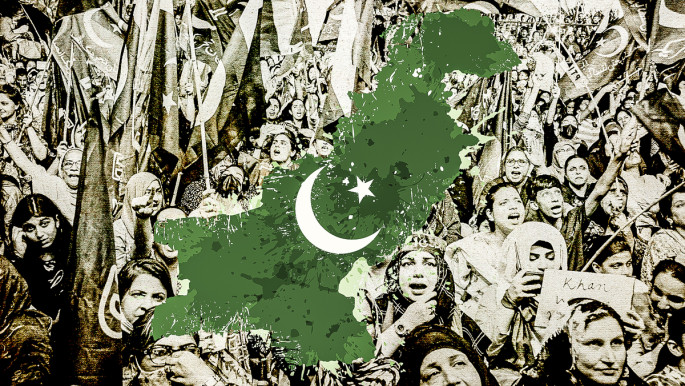
The maleficent and precarious plans of India, the Tehrik-i-Taliban Pakistan, and Tehrik-i-Labbaik Pakistan, the violent role of political parties have multiplied the challenges for Pakistan. It is even Pakistan Tehrik-i-Insaf Pakistan that supports extremist and violent activities, which ultimately damages the image of the country. Although the civil government is credited in restoring the performance of foreign affairs, but the real credit goes to the Chief of Army Staff Gen. Gen. Asim Munir, who paved the way for cordial relations with the Arab and powerful countries, including USA, China, and Russia. The Afghan Taliban government is already supporting TTP, which attacked the Pakistan Army’s posts and martyred 23 soldiers. The TTP had already martyred many civilians, law enforcement officials, and military officers and soldiers in the recent past.
Moreover, the Afghan foreign minister Amir Muttaqi’s visit to India set in a new collaboration against Pakistan. Under the influence of this Afghan-India understanding, the long Pak-Afghan border was hit by the TTP militants and the Afghan army, but the Pakistan army bulldozed their sinister and nefarious aims and defeated the Afghan army within two hours testifying the myth that Afghanistan never defeated any attacking nation without external support. The Pakistan Army has not interfered with the election process of the Chief Minister KPK, which indicates that the army would remain aloof from the politics. Gen. Asim Munir proved his professional ethics, fairplay, and impartiality to uplift the image of Pakistan in the world. Pakistan’s armed forces, with their great professionalism, defended the country and retaliated with full thrust when Iran, India, and Afghanistan attacked Pakistan. An honest and visionary leadership is the asset of a nation; therefore, the majority of Pakistani people are proud of their institutions especially the army and leadership.
On the other hand, such circumstances pave the way for a military dictatorship because the failure of the political parties results in the decay of the democratic system. Pakistan at the moment experiences the best model of collaboration between the government and army, along with the best model of foreign relations but at the same time, Pakistan is undergoing the worst phase because of the violent politics of PTI, TTP, TLP, along with grave danger on the eastern and western borders. India and Afghanistan are inflicting a collaborative aggression on the civilians and armed forces of Pakistan.
Despite this critical situation, moral and administrative corruption by almost all government institutions, including police, revenue, customs, smuggling, nepotism, drug sale, media abuse, atrocities by the rich, encroachments, leasing government lands, commission on contracts, weak performance in the education sector, impotent role in expelling the Afghan refugees, ill-treatment at the airports by the dealing staff, slave mindset of the bureaucracy, and sifarash seem toeing the traditionally dirty politics, corrupt mindset and rotten governance by the government institutions which will definitely increase a favorable sentiments for the army chief and detestation for the political parties.
On all fronts, the people of Pakistan witness an effective role of Gen. Asim Munir that will result in the extension or direct rule of the Field Marshal. The performance of the political parties is declining their prestige in the eyes of the people as the PTI does not get rid of the violent and anti-Pakistan politics; PMLN, being in the government, is losing the sympathy base among the masses, and PPP has already no rising potential in the national politics. They have focused on the role of pressure groups confined to the provincial forces.
The PPP confined itself to Sindh, PMLN in Punjab, PTI in KPK, while no political genuine process in Balochistan, Azad Kashmir, and Gilgit-Baltistan. Although the Pakistani establishment is away from the politics of Pakistan but it cannot remain silent on the assumptions perceived by the establishment. The Supreme Court of Pakistan is divided between the judges having a ‘populist approach’ and a ‘constitutionalist mindset.’ Most of the judges are inducted based on their political affiliation, and the political parties expect them to return the same love, which has led the Pakistani judicial system to the worst performance list issued at international level.
The Police and other departments are used by the ruling party to embarrass the opposition. Even the political parties have internal groups that are taken and treated as rival political forces. The political parties use their offshoots in the educational institutions as their armed supporters. The lawyers have political and financial predilections; therefore, the main leadership producing institution has become a political stooge, blackmailer, qabza mafia, and drumbeater of the politicians and pseudo-religious leaders. Sometimes, some people assume that Pakistan is perhaps not suitable for democracy. I assume that western societies, where democracy is successful, develop different social and cultural dynamics. Pakistan’s socio-cultural reality is different from the West; therefore, the imported Western system cannot work effectively in Pakistan. It is the moral obligation of Pakistan’s social scientists to develop and adapt a conducive system fit to our socio-political reality. In this perspective, local cultures and mindset is to be considered to make democracy successful in our country. An honest and dedicated leadership is need of the time, our politicians are required to be trustworthy through their fair political decision-making. Amidst the prevailing circumstances, one cannot find any honest, uncompromised, and strong leadership in the political parties of Pakistan. In the state of crisis, people look forward toward the military leadership in Pakistan. There has been a game of hide and seek between democracy and dictatorship in Pakistan. During the tenure of Gen. Qamar Javed Bajwa, the political crisis emerged based on the doubt of the military intervention for ten years, but external and internal threats and economic crisis did not allow the military to occupy Islamabad. The coming years seem to be crucial, and the constant political crises may give chance to military leadership to lead the country directly.




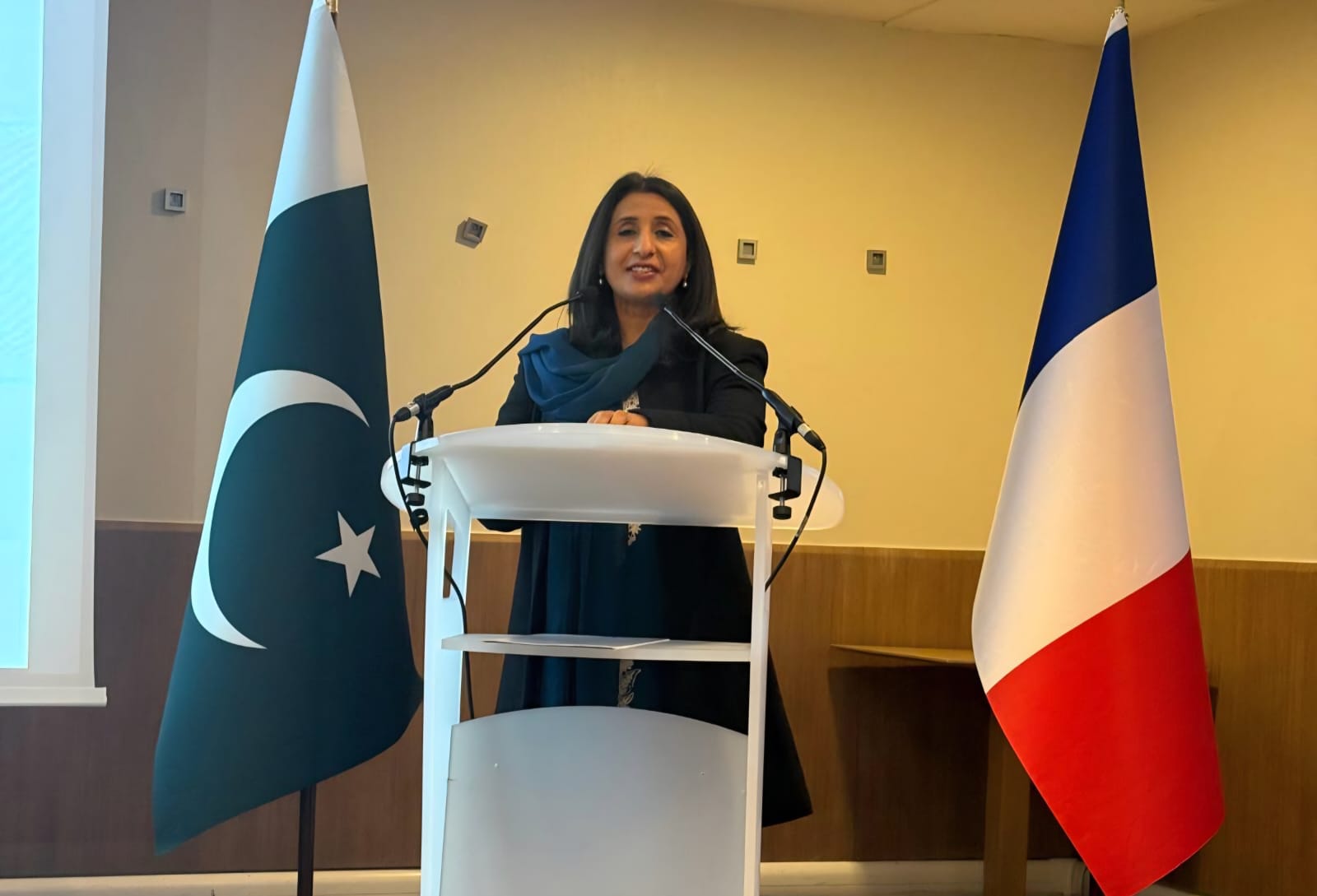
Paris ( Imran Y. CHOUDHRY):- A ‘Pakistan-France Trade and Investment Forum’ was held in Paris today, bringing together government officials, business leaders, industry experts and representatives of trade bodies of both countries.
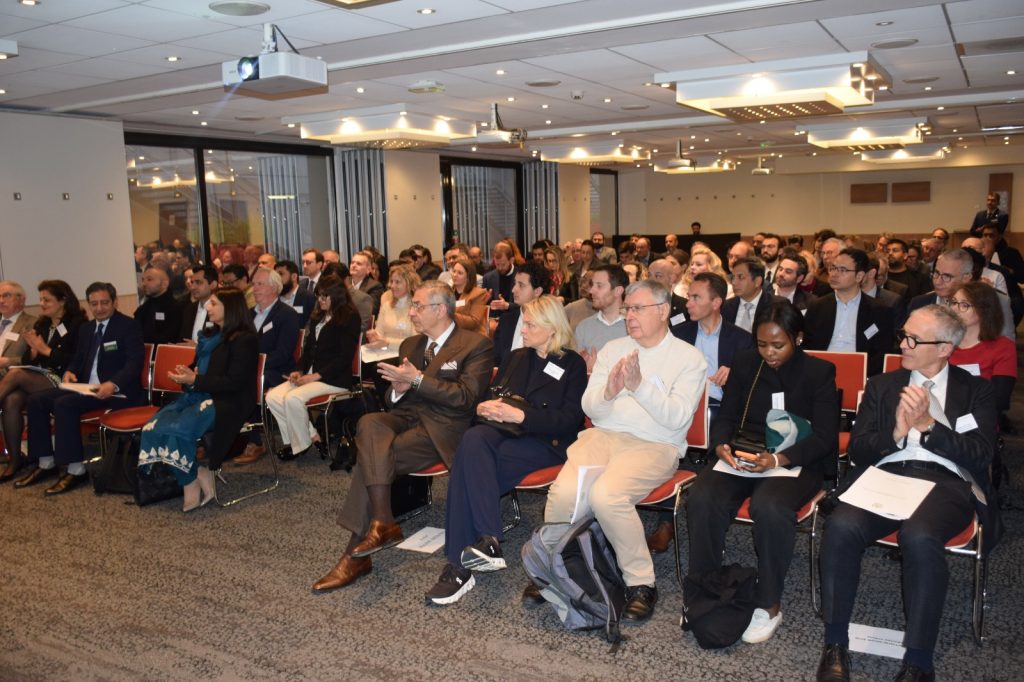
The Forum was held in implementation of an understanding reached between President Emmanuel Macron and Prime Minister Shehbaz Sharif in 2024, to build strong economic partnership between Pakistan and France. The objective of the Forum was to connect businesses, exchange ideas, explore new avenues of bilateral cooperation and showcase Pakistan’s trade and investment potential. It witnessed participation of over seventy French and Pakistani companies from diverse sectors including agriculture, information technology, textiles, energy and tourism.
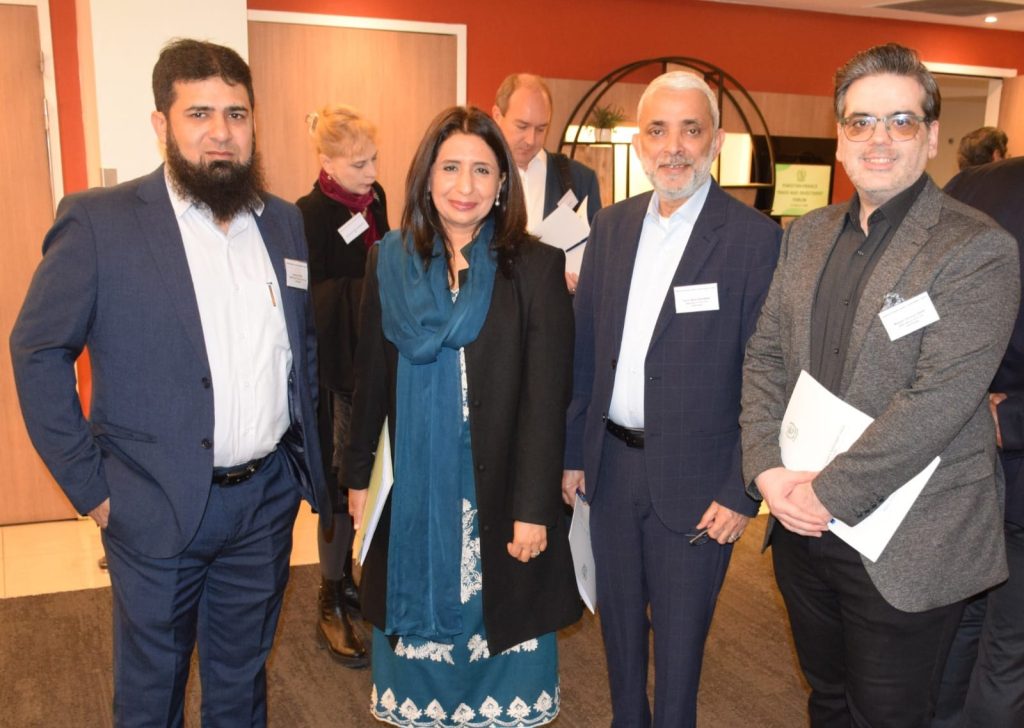
Ambassador Mumtaz Zahra Baloch opened the Business Forum and highlighted Pakistan’s economic growth and potential as an attractive trade partner for France. She outlined investor-focused initiatives and institutional facilitation mechanisms in Pakistan to promote trade and investment. She encouraged Pakistani and French businesses to explore collaborative opportunities, and develop joint ventures and win-win partnerships.
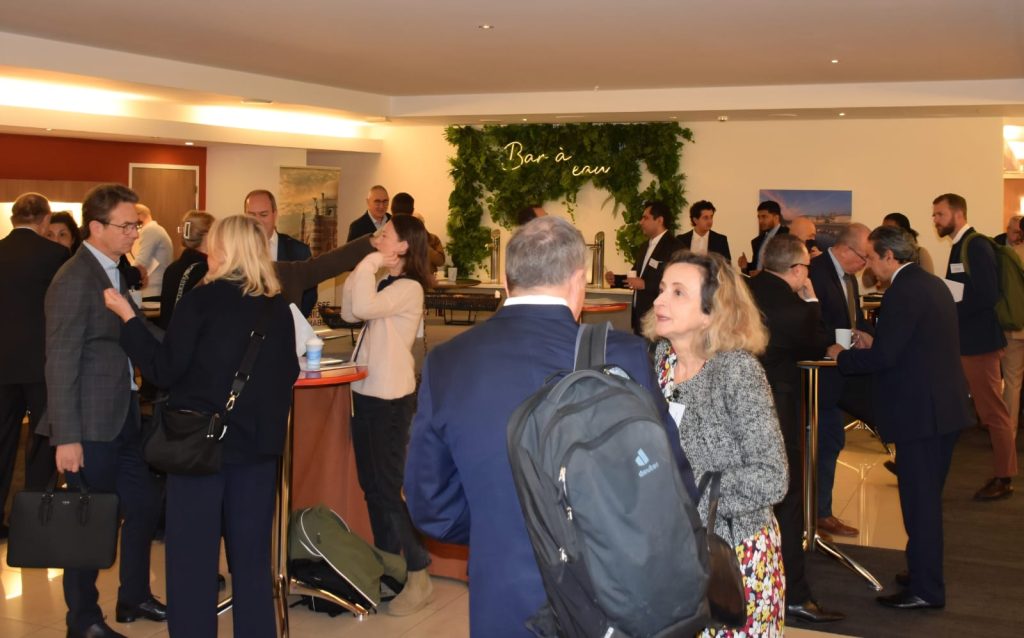
Speakers from the French side included Thierry Pflimlin, Chairman of the France-Pakistan Business Council at MEDEF International, Patricia Glasel, Vice President of the Conseillers du Commerce Extérieur de la France (CCEF) and Ardavan Amir-Aslani. They highlighted the growing momentum in France-Pakistan economic relations; identified the opportunities for trade and investment with Pakistan; and underscored the importance of strengthening private sector linkages to further facilitate bilateral trade and investment.
The plenary session was followed by ‘Breakout and Business-to-Business (B2B)’ sessions to discuss and identify tangible avenues for collaboration in textiles, agriculture and dairy, and Information Technology.
Pakistan News
Dr. Mohammad Faisal Joins Distinguished Quetta Association Event in London Gathering Reinforces Shared Military Heritage of Pakistan and Britain
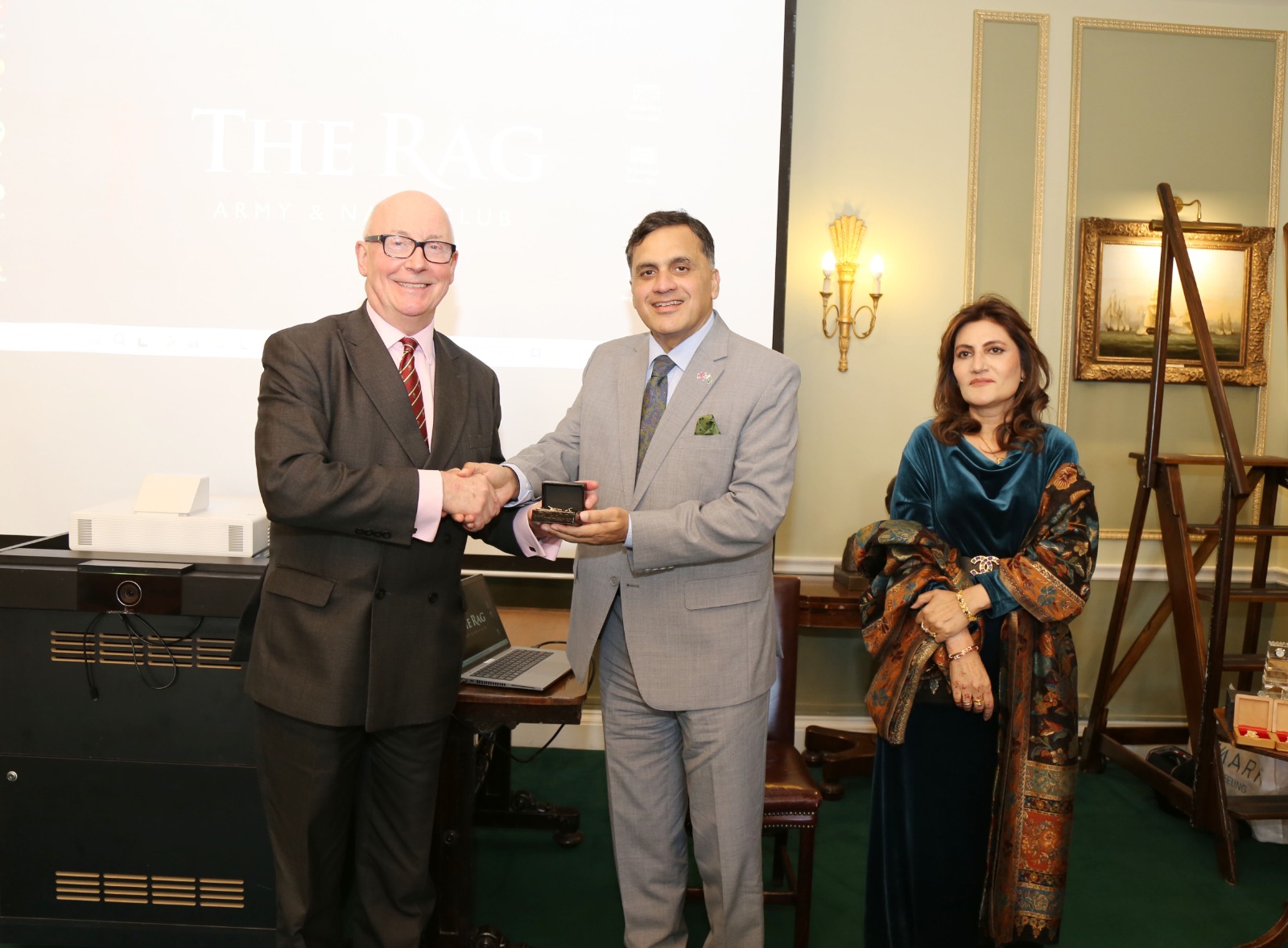
High Commissioner @DrMFaisal and his spouse @drsarahnaeem2 attended, as guests of honor, a distinguished gathering of the Quetta Association at the Army & Navy Club, London.
Military Officers from the Defence Wing of Pakistan High Commission, London, with their families also attended.
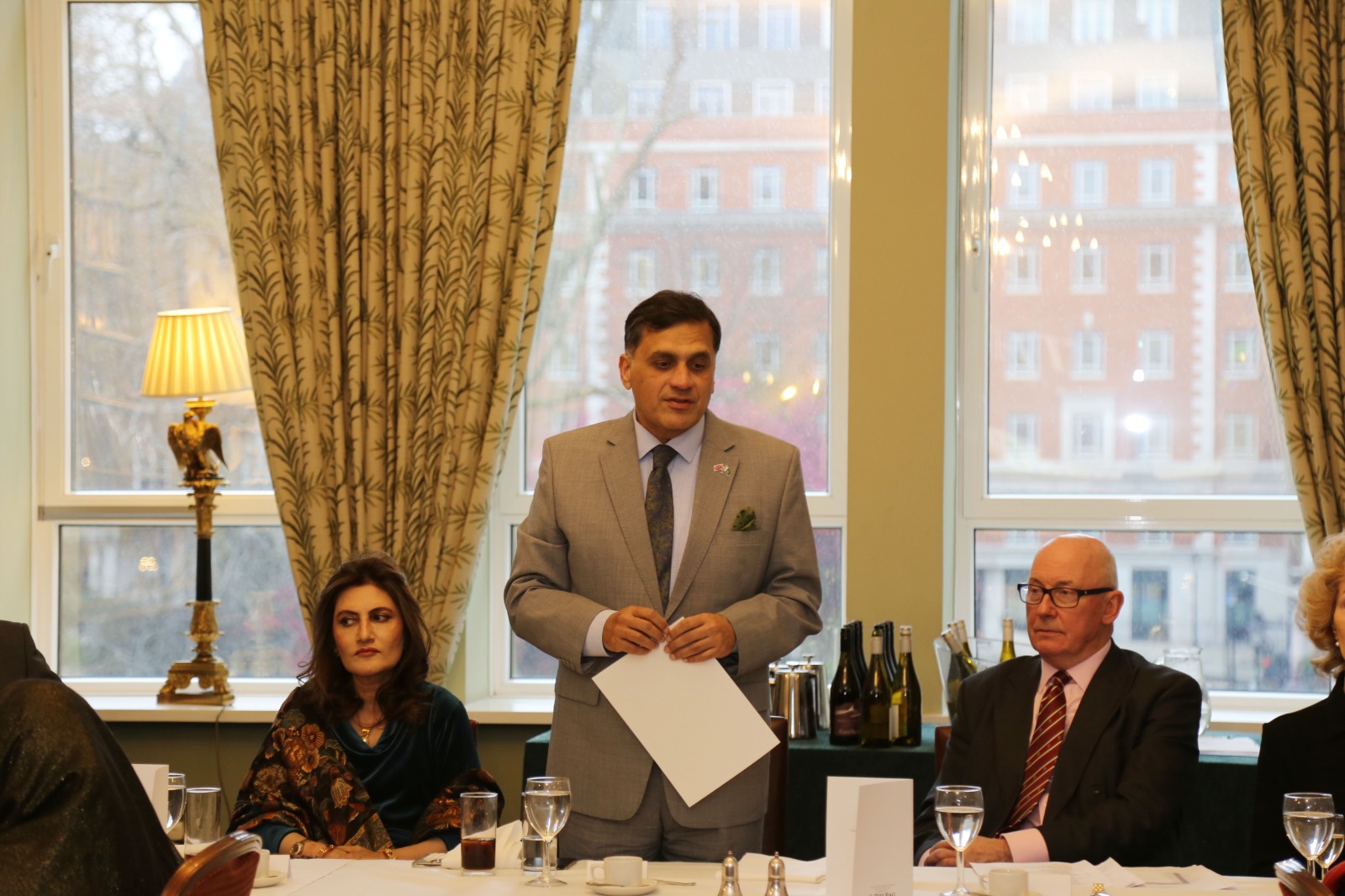
Quetta Association brings together British officers who graduated from the prestigious Command & Staff College, Quetta, Pakistan. The institution has produced outstanding military leaders, including British Field Marshals Sir Claude Auchinleck and Sir William Slim, whose leadership during the Second World War remains widely respected. Field Marshal Syed Asim Munir is also graduate of this prestigious institution.
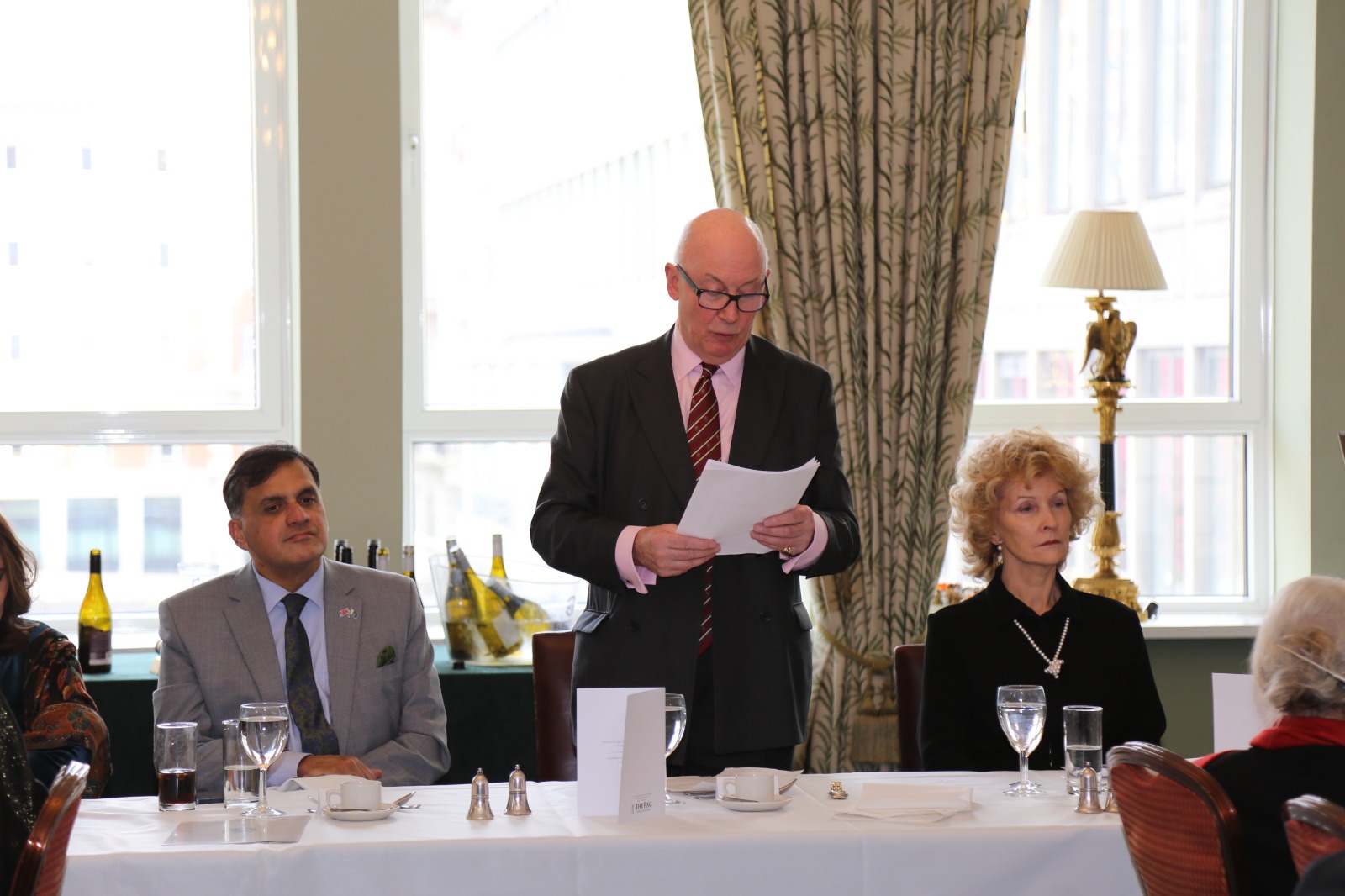
The High Commissioner appreciated the annual gathering that underscored the Association’s enduring role as a vital bridge linking the British Army and Pakistan Army through shared professional heritage and camaraderie.
Decorated British military officers and their families paid glowing tributes while referring to the hospitality accorded by Pakistan during their stay in Quetta.
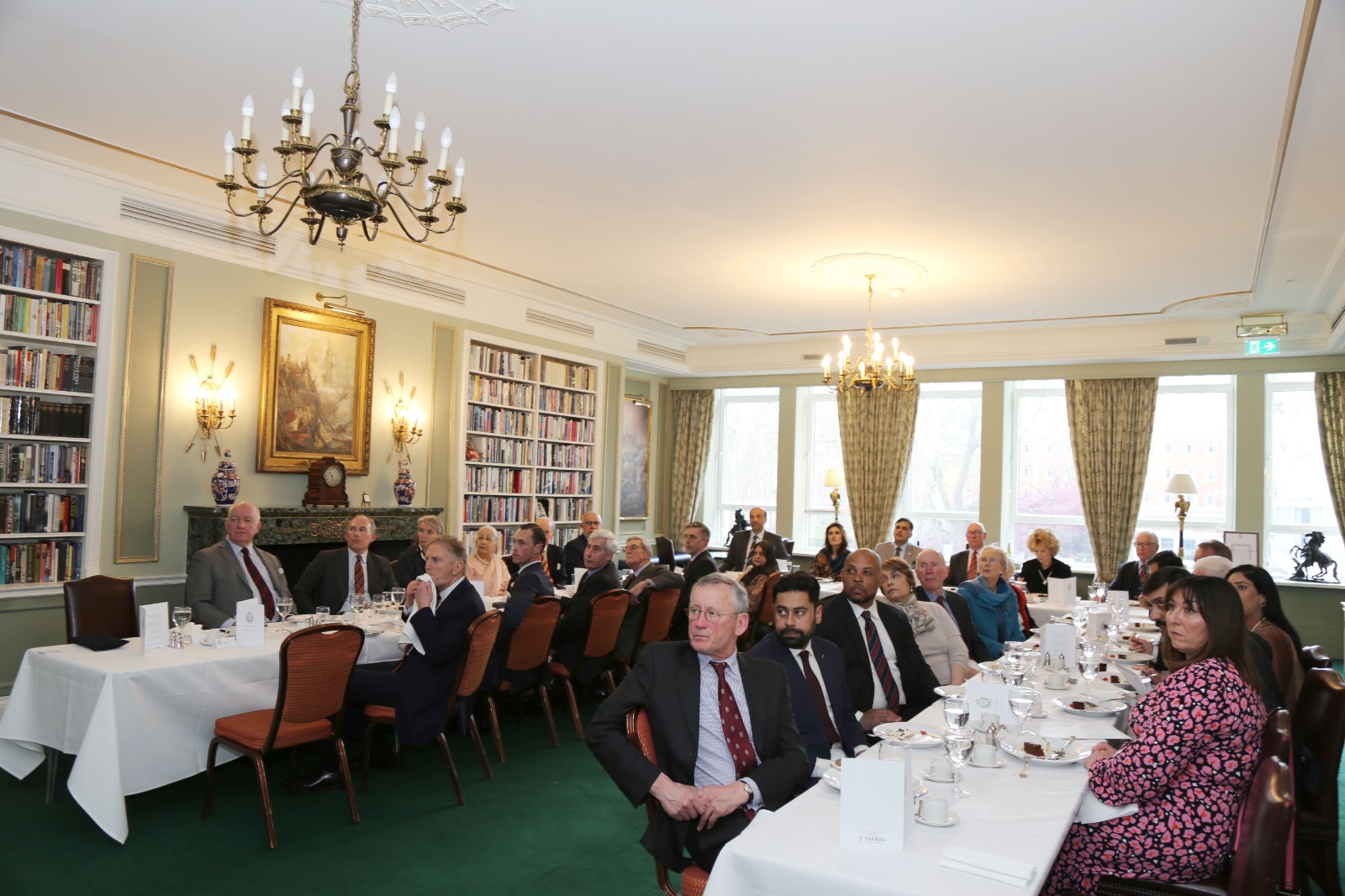
Graduate senior British Officers present at the gathering included Lt. Gen. Sir Alistair Irwin KCB CBE (1980) and Maj. Gen. Seumus Kerr CBE (1985).
Mementos were exchanged between the British officers and officers of @PakistaninUK.
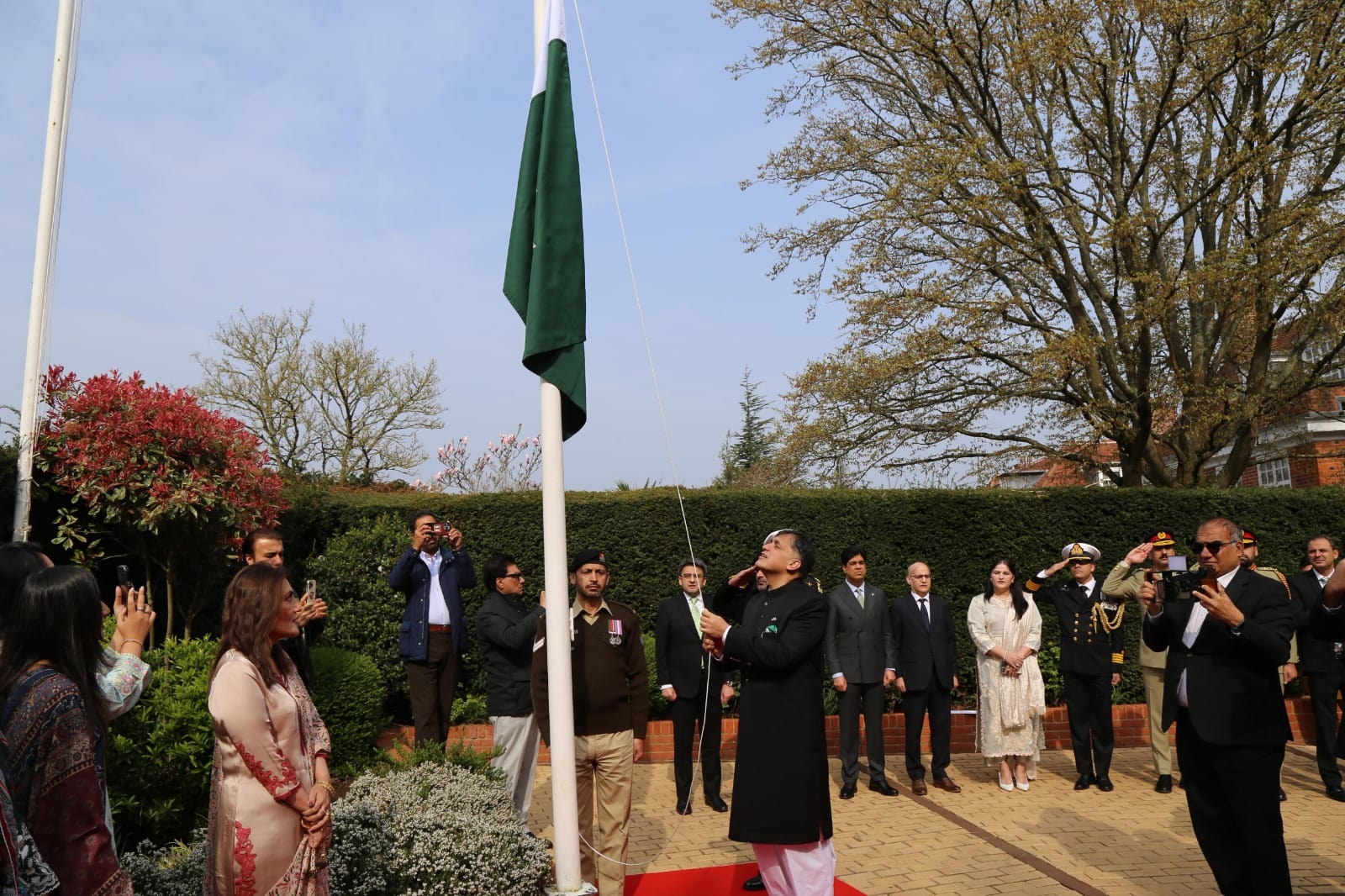
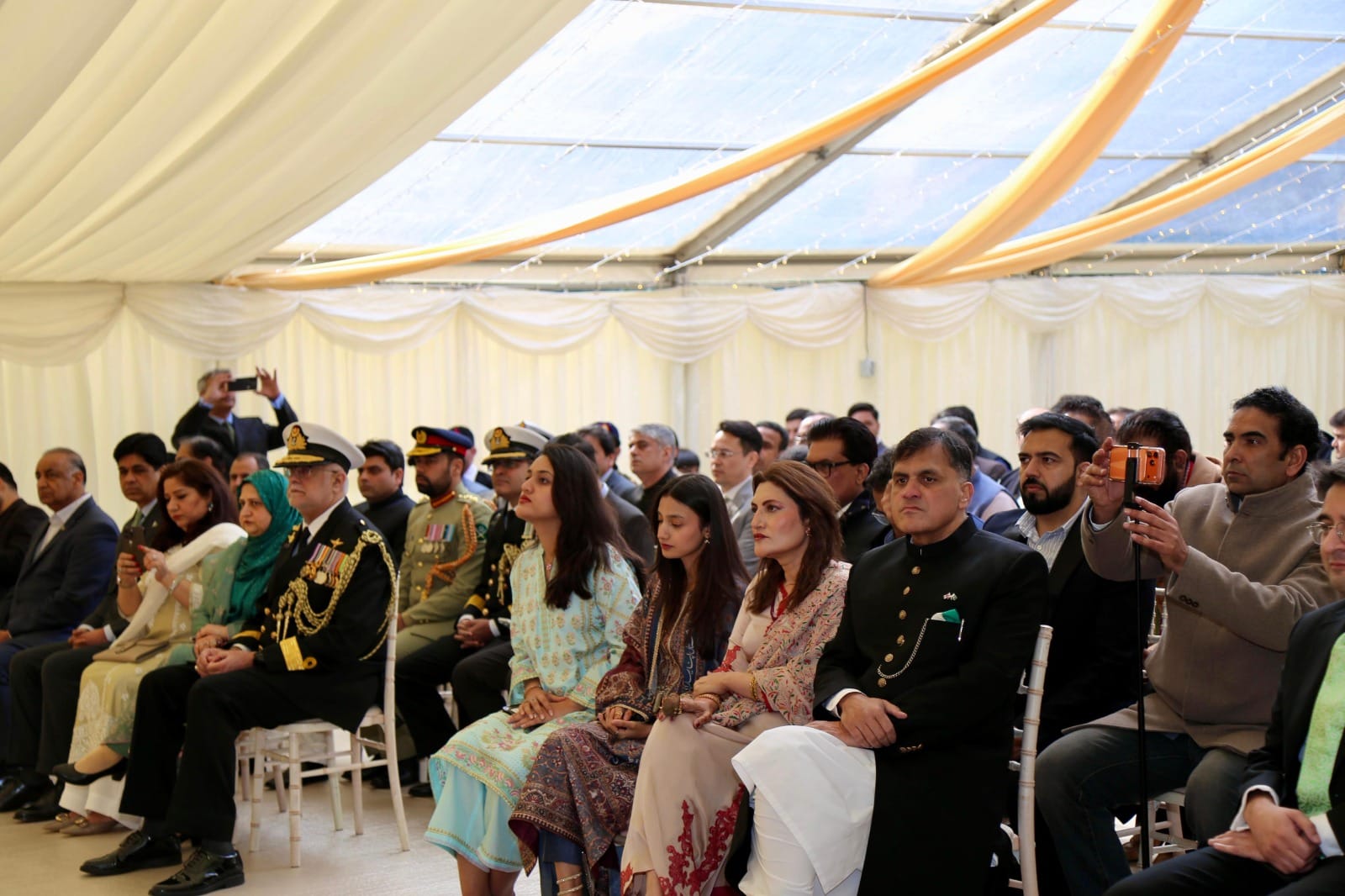
In a simple and dignified ceremony held at Pakistan House, London, the High Commissioner of Pakistan to UK Dr. Mohammad Faisal raised the Pakistan Flag on the occasion of Pakistan Day.
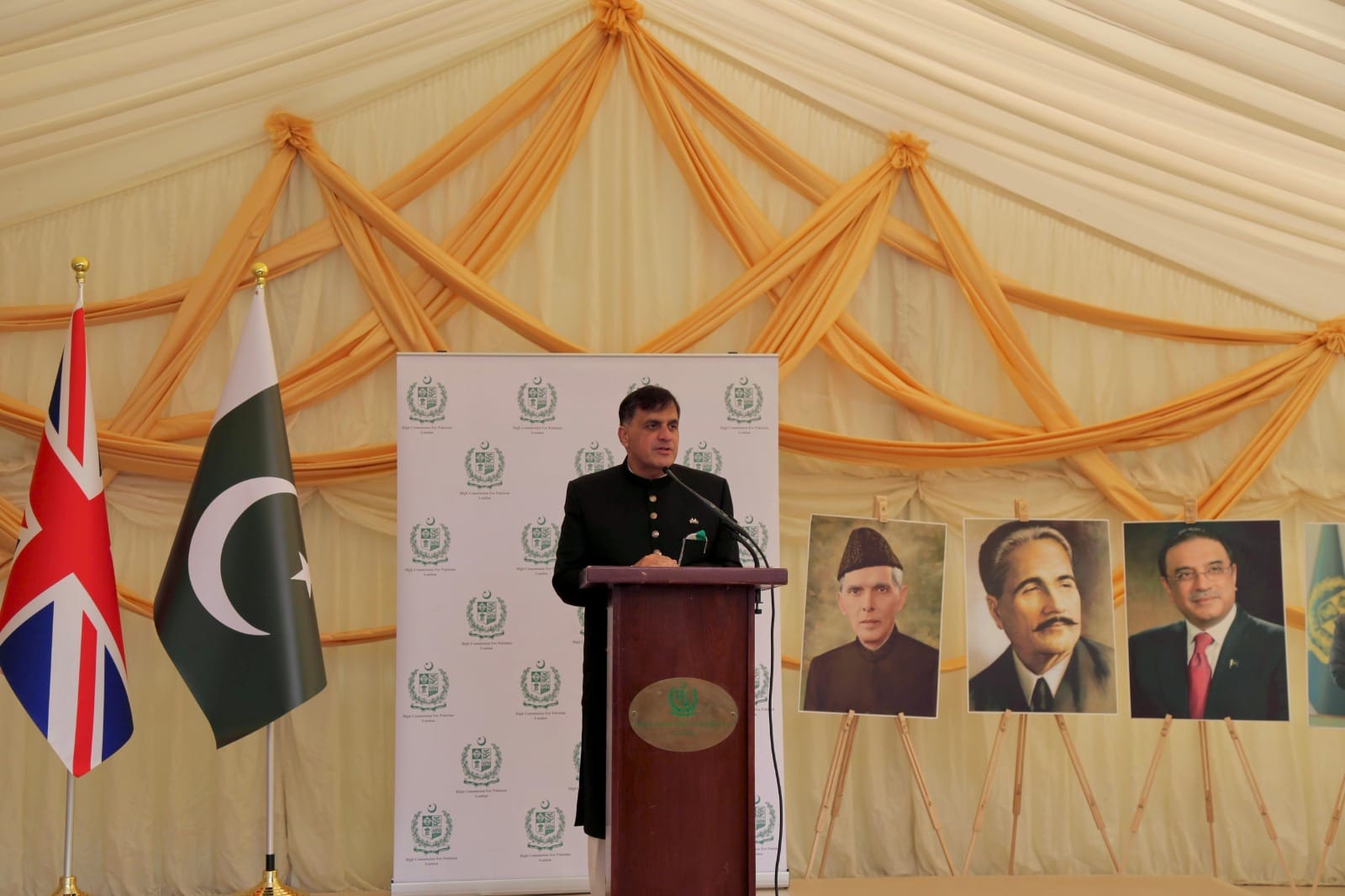
The ceremony was attended by Officials of the High Commission, British – Pakistanis and Media representatives.
Messages of the President, the Prime Minister and Deputy Prime Minister / Foreign Minister were read out.
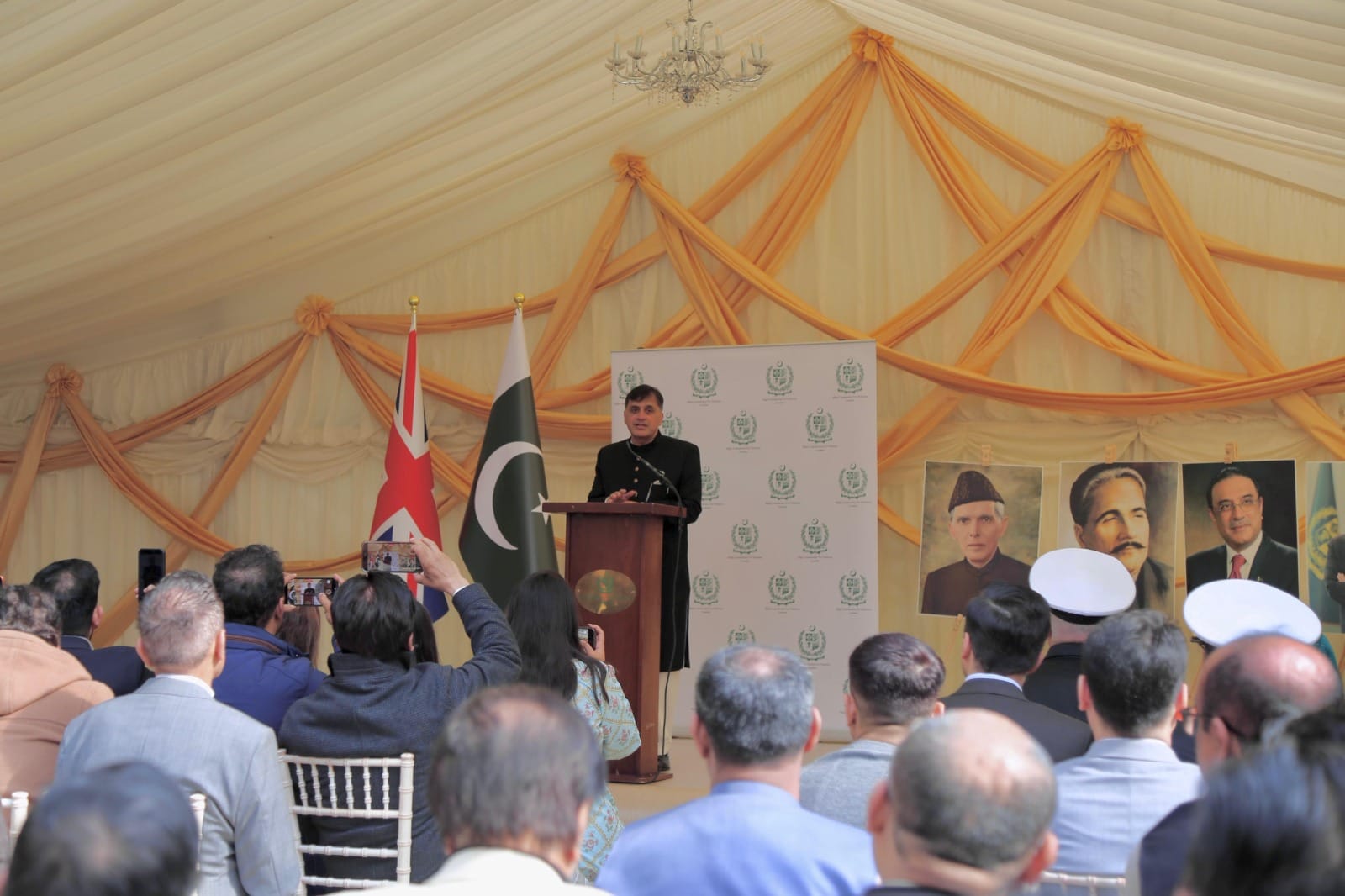
In his keynote address, the High Commissioner said that Pakistan Day was a tribute to our founding fathers who united the Muslims of Indian sub-continent where they could live independently as a Nation and live according to their customs & traditions.
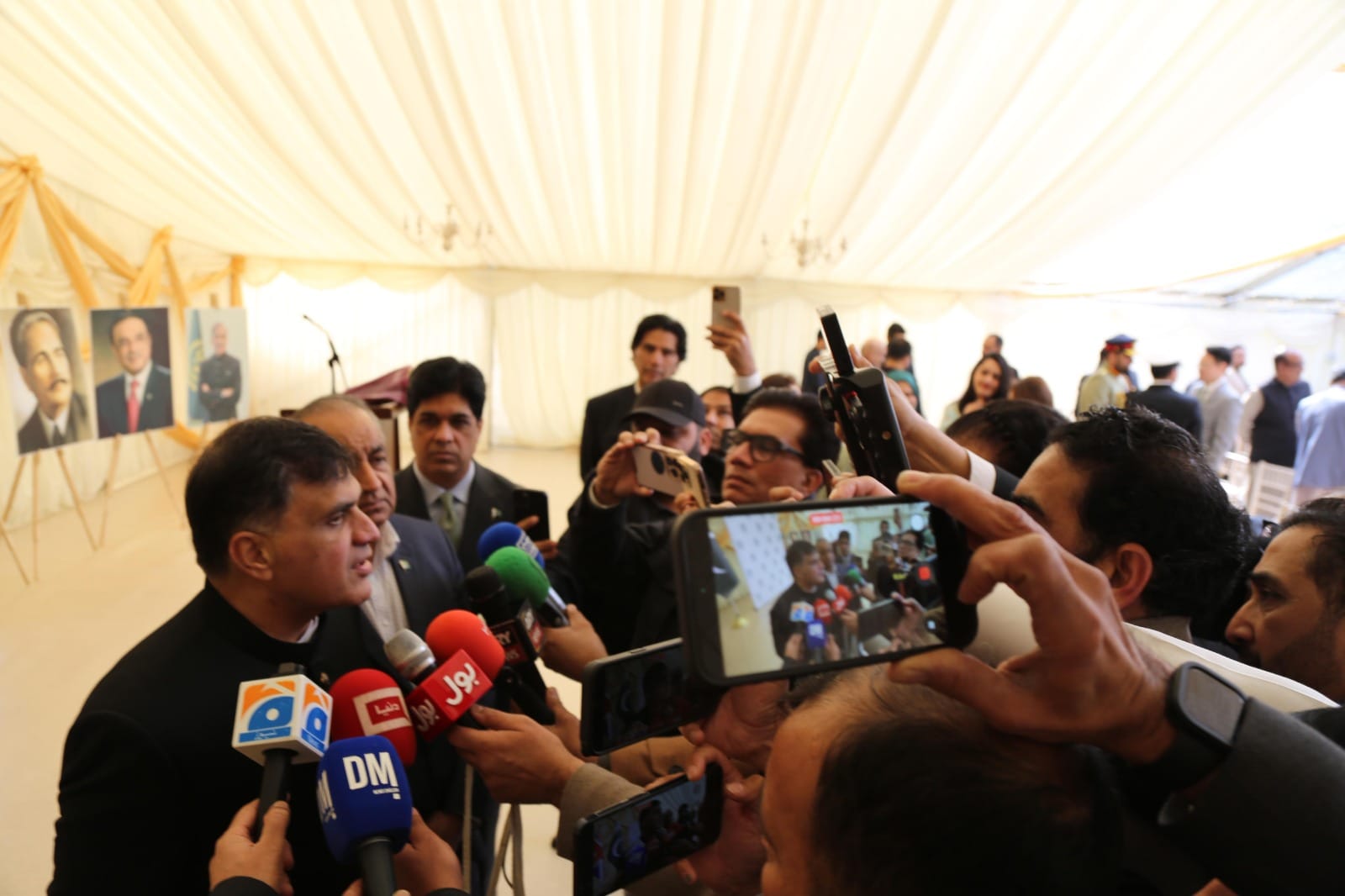
Dr. Faisal stated that Pakistan had always professed peace and stability in the region. However, Pakistan will not tolerate any aggression from neighbouring countries.
The High Commissioner said that Pakistani nation, despite the difficulties, remains resilient and demonstrates courage & perseverance.
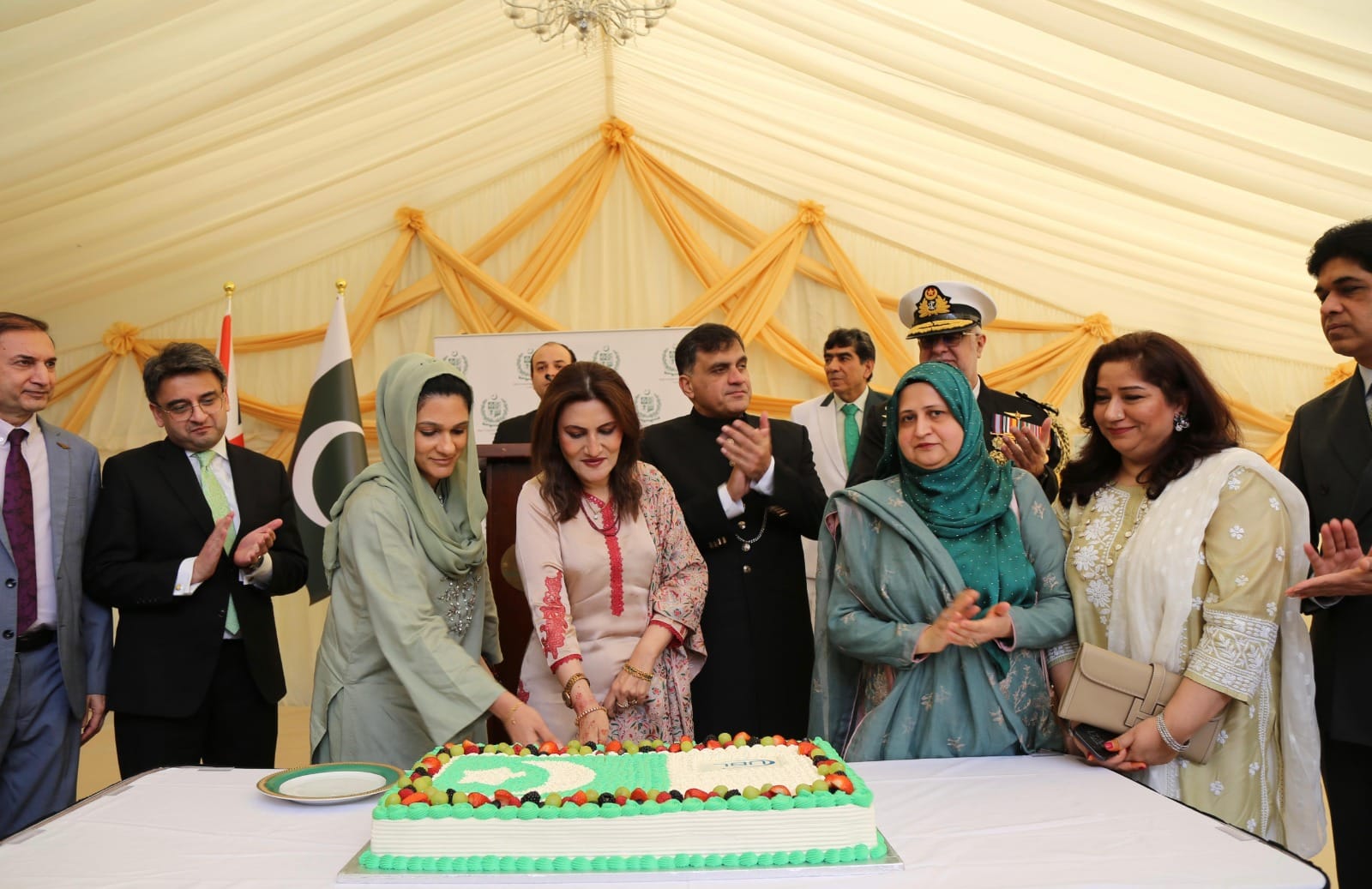
Dr. Mohammad Faisal stated that, in line with the instructions of the Prime Minister, the Deputy Prime Minister / Foreign Minister and the Federal Cabinet, Pakistan High Commission London is implementing strict austerity measures. However, these measures will not affect the performance & working of the High Commission.
He acknowledged the remarkable contributions of Pakistani diaspora in UK and their extraordinary performance in various fields. He said that their achievements are a source of immense pride for Pakistan.
The High Commissioner expressed solidarity with the people of Indian Illegally Occupied Jammu and Kashmir and committed to continue diplomatic, moral and political support for their right to self determination under UN Resolutions.
London
23rd March, 2026


How the World Is Forced to Fund the Iran War

Scholars Urge UN to Protect Iran’s Scientific Sites Amid Airstrikes Global Academics Warn Attacks Threaten Research, Health, and Civilian Safety

How Iran Humiliated U.S. and Israeli Power


-

 Europe News1 year ago
Chaos and unproven theories surround Tates’ release from Romania
-

 American News1 year ago
Trump expands exemptions from Canada and Mexico tariffs
-

 American News1 year ago
Trump Expels Zelensky from the White House
-

 Pakistan News9 months ago
Comprehensive Analysis Report-The Faranian National Conference on Maritime Affairs-By Kashif Firaz Ahmed
-

 American News1 year ago
Zelensky bruised but upbeat after diplomatic whirlwind
-

 Art & Culture1 year ago
The Indian film showing the bride’s ‘humiliation’ in arranged marriage
-

 Pakistan News1 year ago
Can Pakistan be a Hard State?
-

 Entertainment1 year ago
Champions Trophy: Pakistan aim to defend coveted title as historic tournament kicks off today