
Pakistan News
PAK-AFGHAN DIALOGUE: TERRORISTS VERSUS PACIFISTS


By Akhtar Hussain Sandhu
The PAK-AFGHANdialogue held at Istanbul could not be successful as desired by both the countries, Pakistan’s federal minister, Mr. Atta Tarar, revealed the news through his statement on 29 and then 30 October. Both agreed to continue the ceasefire and further talks to deal with the terrorist groups existing in Afghanistan. This gathering in Istanbul was a continuation of the talks concluded in Doha (Qatar), which had resulted in a ceasefire between Pakistan and Afghanistan. The Taliban leaders acknowledged the open secret that the incumbent regime in Afghanistan is sponsoring the terrorist activities in Pakistan. Yet the Pakistani delegation showed the world that Pakistan is a pacifist state seeking an effective action against the terrorist groups within Afghanistan. The dialogues were at the verge of failure but both sat again and concluded agreed points of meeting on 6 November 2025. If transit trade remains blocked, then Pakistani pressure will sustain otherwise weapons will be imported through Karachi by Afghanistan. Hopefully, tension will dwindle down soon because the Afghan delegation did not repeat the Durand Line and other issues in the last meetings. National Mobilization Front, a dissident group in Afghanistan, has declared if India support Taliban, they would support the Sikhs and Khalistan movement in India. Moreover, very important leaders of TTP have been killed by the Pakistani forces that shows the commitment to eliminate the terrorists from the Pakistani soil.
Pakistan moved only one major agenda item, that Afghanistan should not support the Tehrik-i-Taliban Pakistan (TTP) and other terrorist groups that have been launching suicide attacks against the military and civilians in Pakistan. This is the same demand that the Talibans had already promised in the Doha agreement. Now, in the recent talks organized in Istanbul, the Taliban leaders confessed the presence of the terrorists of Tehrik-i-Taliban Pakistan (TTP) and other banned terrorist organizations in Afghanistan, which are being sponsored and facilitated by the Taliban regime. Pakistan had closed Chaman, Torkham, and other borders.
No transit trade is allowed, and repatriation of the so-called Afghan refugees is in progress. Hundreds of trucks are parked due to the persistent security concerns by Pakistan over the terrorist attacks facilitated by Afghanistan. All the terrorist organizations of Baluchistan, KPK, and Punjab are involved in immoral, illegal, and un-Islamic activities with the help of the Taliban regime. They must know that state affairs don’t not function on religious basis but on ‘National Interest.’ Therefore, Afghanistan will have to respect international laws and cosmopolitan ethics.
Afghanistan is working as the Indian proxy that Pakistan cannot tolerate at any cost. Turkey and Qatar played a sincere role in bringing the Talibans and Pakistan to the table, but the Indian-backed Kabul regime did not let the talks end with a positive result. The agreement was approaching a successful end, but Kabul, through the delegation, tabled a new demand for Pakistani help if the USA attacks. This was an immature gesture because Istanbul talks were a part of the agenda already concluded at Doha, in which no such point was a part of the agenda. The facilitators of the Muslim countries were surprised by the support of the terrorists and the erratic behavior of the Taliban delegation.
Significantly, the point of Islamic laws and Shariah propagated by the Talibans is worth discussing that since the skirmishes started on the Pak-Afghan borders or even before, the so-called advocates of Shariah have been hiding behind the falsified narrative and utter lies constantly. They adopted the same lies during the meeting at Istanbul, but were embarrassed when the Pakistani delegation presented undeniable proof and argued in the form of audio and video recordings. The real followers of Islam do not tell lies, do not kill innocent people, do not desecrate and mutilate human corpses, and do not conspire against Muslims with the help of non-Muslim state.
The world is mostly witnessing ‘war diplomacy’ while the Talibans always adopted ‘terrorism economy’ and ‘violence diplomacy’, which means to use terrorists as bargaining chips or tools. As compensation, they beg money from different countries. Pakistan knows this false show and the Taliban’s nuisance value; therefore, on the demand of money for the settlement of the terrorists far away from the Durand Line, Pakistan simply refused to pay. Pakistan had already mortified and crushed their arrogance, haughtiness, and fake image of being warriors within a few hours. Even Pakistan seems ready to revise the false curricula of Pakistan Studies and history in which the marauders are glorified.
Pakistan shared the stance vividly that if any terrorist attack in Pakistan is linked to the Afghan areas, Pakistan would hit Kabul and other main cities of Afghanistan. The engagement policy of General Asim Munir has stamped how Pakistan’s Law Enforcement Agencies would react to the anti-Pakistan conspiracies. On the failure of the Istanbul talks, the Talibans threatened to attack Islamabad, although they lack an air force which means they will use terrorists and suicide attacks. The terrorists must be clear that Islamabad will retaliate fiercely and protect the borders and ensure the security of the civilians.
However, Pakistan must repatriate the Afghan refugees as soon as possible. We hear that some of the policemen are taking bribes to show that the Afghans either have been repatriated or disappeared somewhere. The soil of Pakistan is more sacred than any other neighboring land, and the people of Pakistan are more important than anyone else on the earth; therefore, the state must take stern actions against the terrorists, traitors, corrupt officials, smugglers, terrorists and their sympathizers. Pakistan right now enjoys a soft image, effective establishment, and powerful military leadership at the international level. Therefore, this is the right time to root out the anti-Pakistan extremist elements and terrorism from the country.




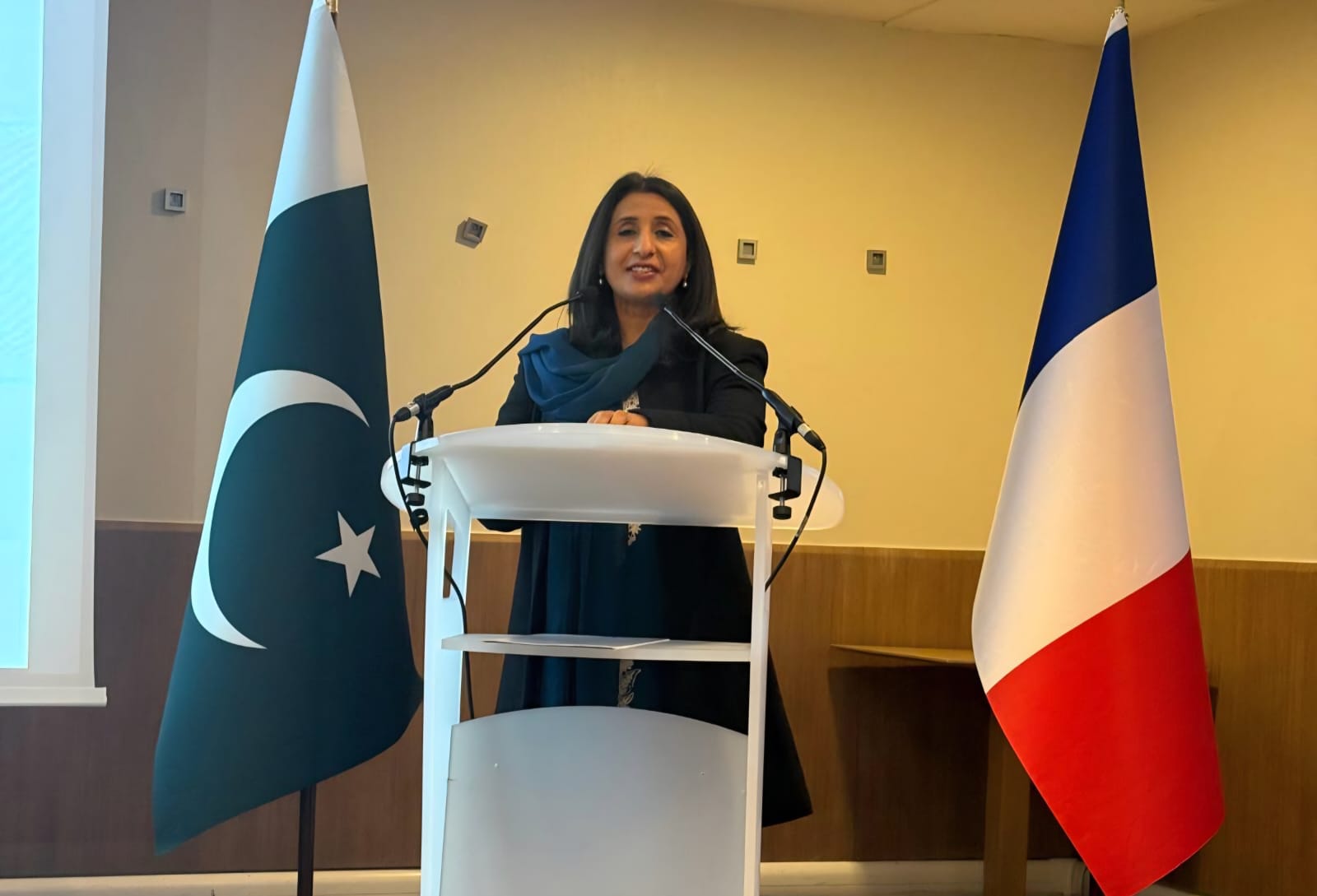
Paris ( Imran Y. CHOUDHRY):- A ‘Pakistan-France Trade and Investment Forum’ was held in Paris today, bringing together government officials, business leaders, industry experts and representatives of trade bodies of both countries.
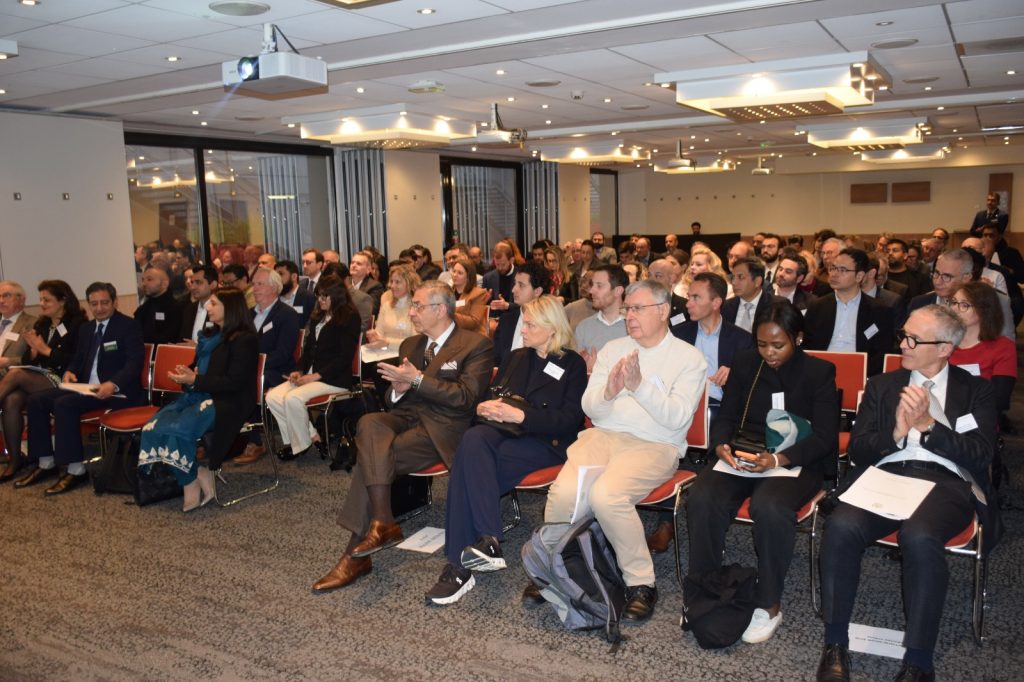
The Forum was held in implementation of an understanding reached between President Emmanuel Macron and Prime Minister Shehbaz Sharif in 2024, to build strong economic partnership between Pakistan and France. The objective of the Forum was to connect businesses, exchange ideas, explore new avenues of bilateral cooperation and showcase Pakistan’s trade and investment potential. It witnessed participation of over seventy French and Pakistani companies from diverse sectors including agriculture, information technology, textiles, energy and tourism.
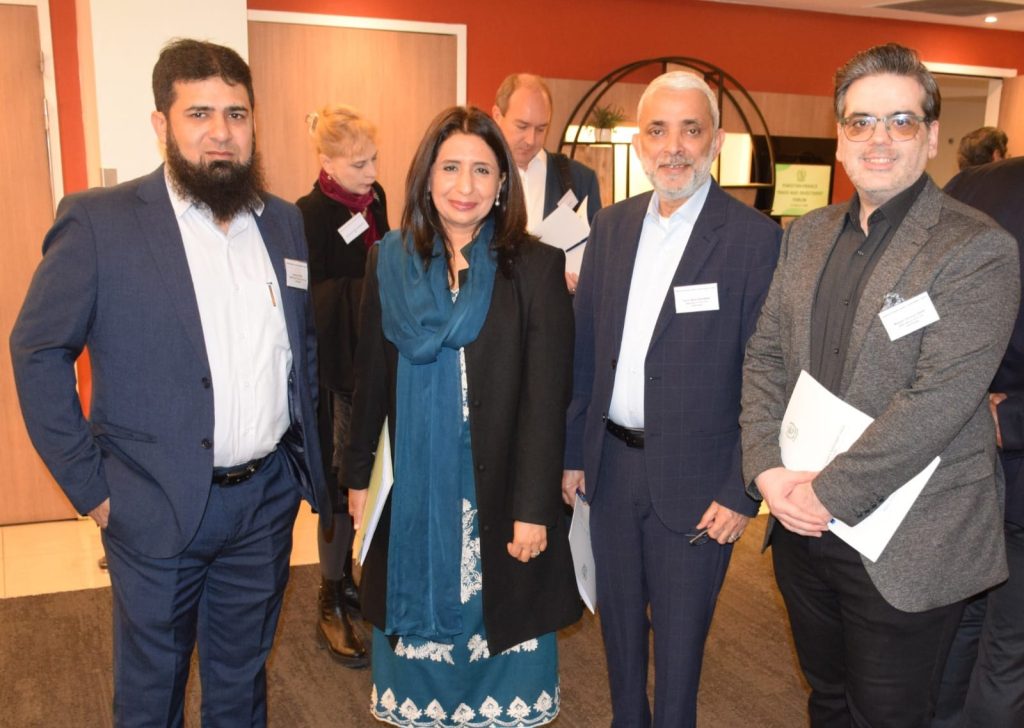
Ambassador Mumtaz Zahra Baloch opened the Business Forum and highlighted Pakistan’s economic growth and potential as an attractive trade partner for France. She outlined investor-focused initiatives and institutional facilitation mechanisms in Pakistan to promote trade and investment. She encouraged Pakistani and French businesses to explore collaborative opportunities, and develop joint ventures and win-win partnerships.
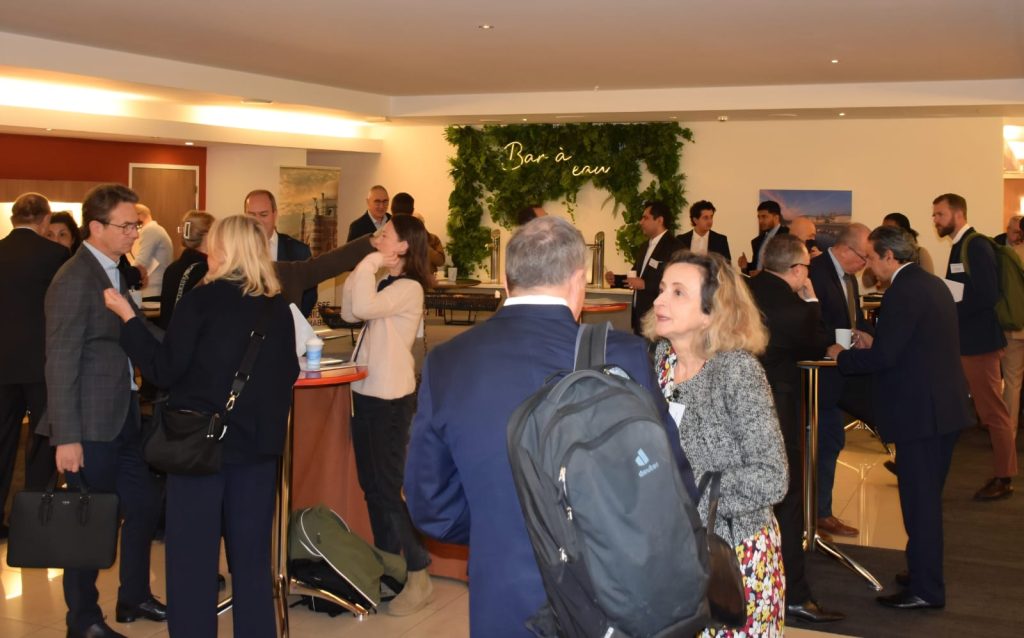
Speakers from the French side included Thierry Pflimlin, Chairman of the France-Pakistan Business Council at MEDEF International, Patricia Glasel, Vice President of the Conseillers du Commerce Extérieur de la France (CCEF) and Ardavan Amir-Aslani. They highlighted the growing momentum in France-Pakistan economic relations; identified the opportunities for trade and investment with Pakistan; and underscored the importance of strengthening private sector linkages to further facilitate bilateral trade and investment.
The plenary session was followed by ‘Breakout and Business-to-Business (B2B)’ sessions to discuss and identify tangible avenues for collaboration in textiles, agriculture and dairy, and Information Technology.
Pakistan News
Dr. Mohammad Faisal Joins Distinguished Quetta Association Event in London Gathering Reinforces Shared Military Heritage of Pakistan and Britain
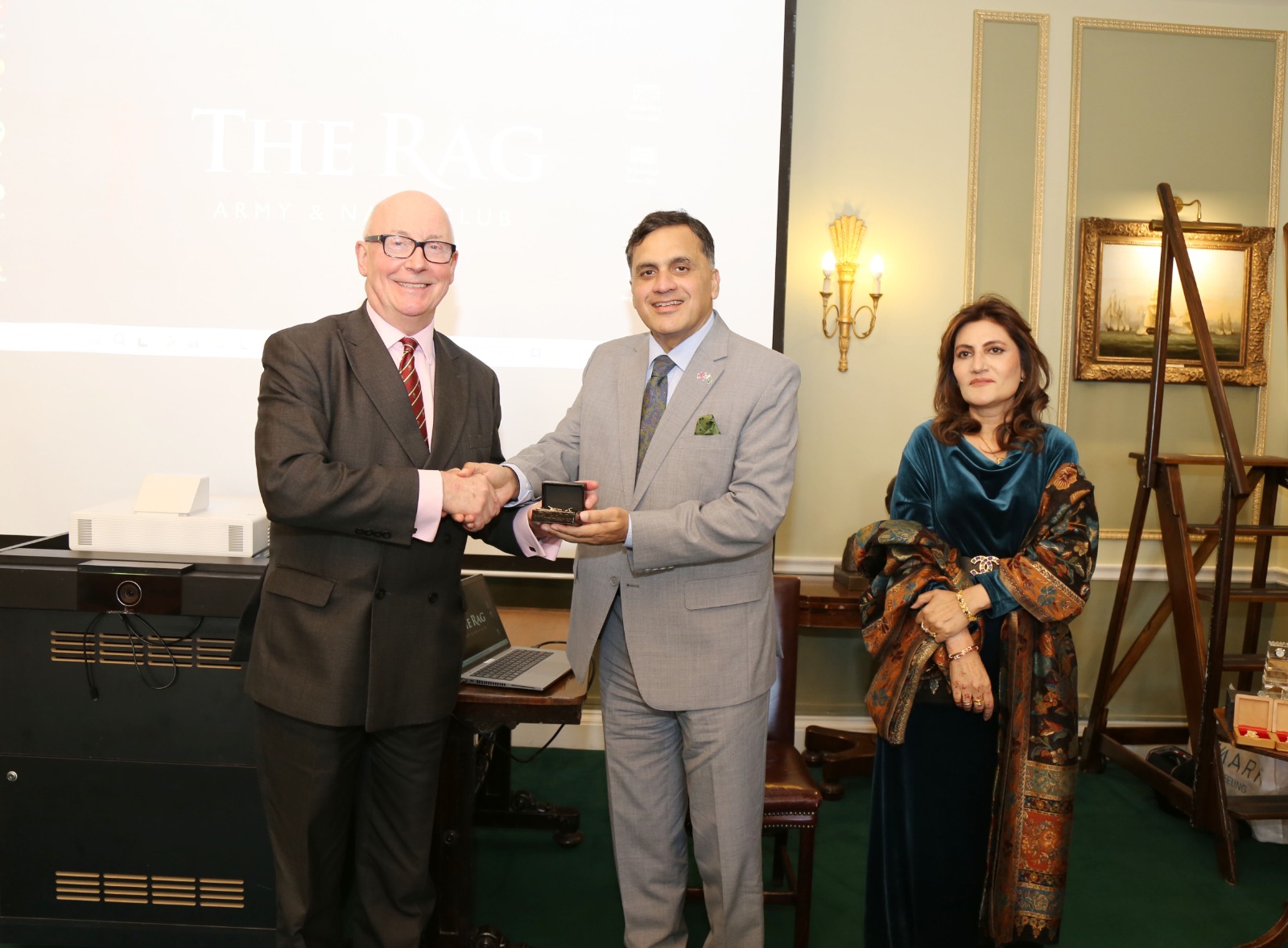
High Commissioner @DrMFaisal and his spouse @drsarahnaeem2 attended, as guests of honor, a distinguished gathering of the Quetta Association at the Army & Navy Club, London.
Military Officers from the Defence Wing of Pakistan High Commission, London, with their families also attended.
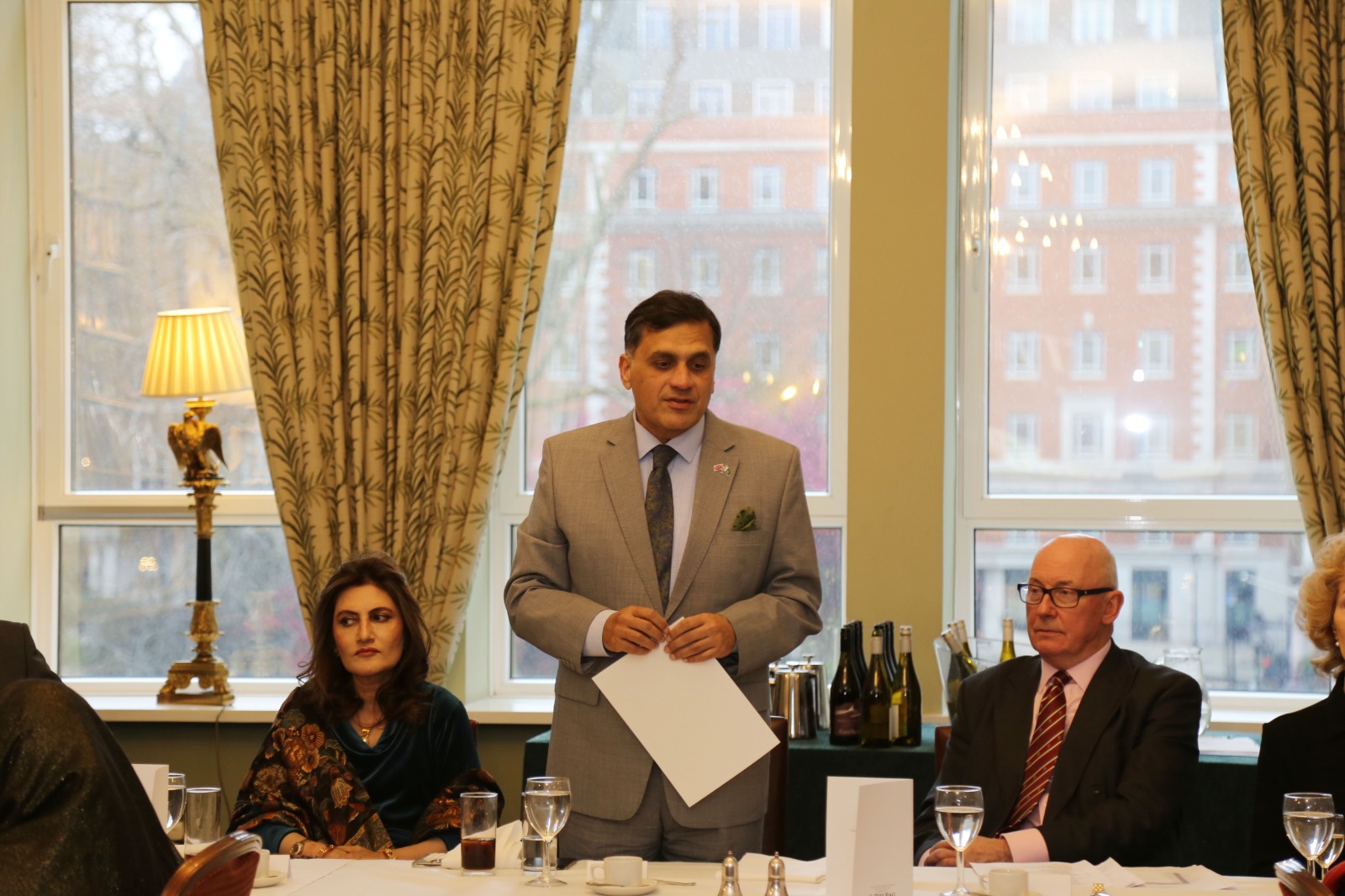
Quetta Association brings together British officers who graduated from the prestigious Command & Staff College, Quetta, Pakistan. The institution has produced outstanding military leaders, including British Field Marshals Sir Claude Auchinleck and Sir William Slim, whose leadership during the Second World War remains widely respected. Field Marshal Syed Asim Munir is also graduate of this prestigious institution.
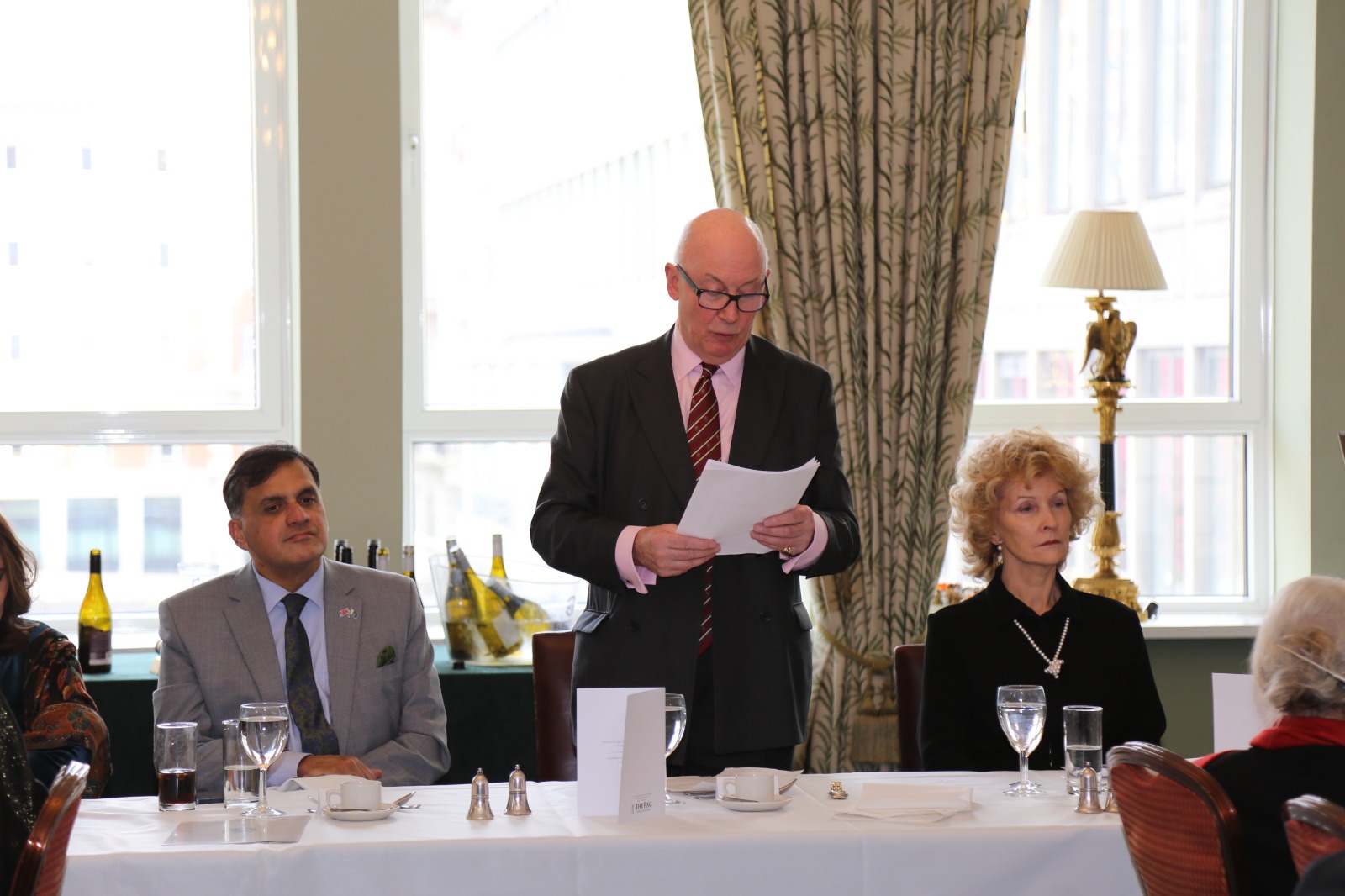
The High Commissioner appreciated the annual gathering that underscored the Association’s enduring role as a vital bridge linking the British Army and Pakistan Army through shared professional heritage and camaraderie.
Decorated British military officers and their families paid glowing tributes while referring to the hospitality accorded by Pakistan during their stay in Quetta.
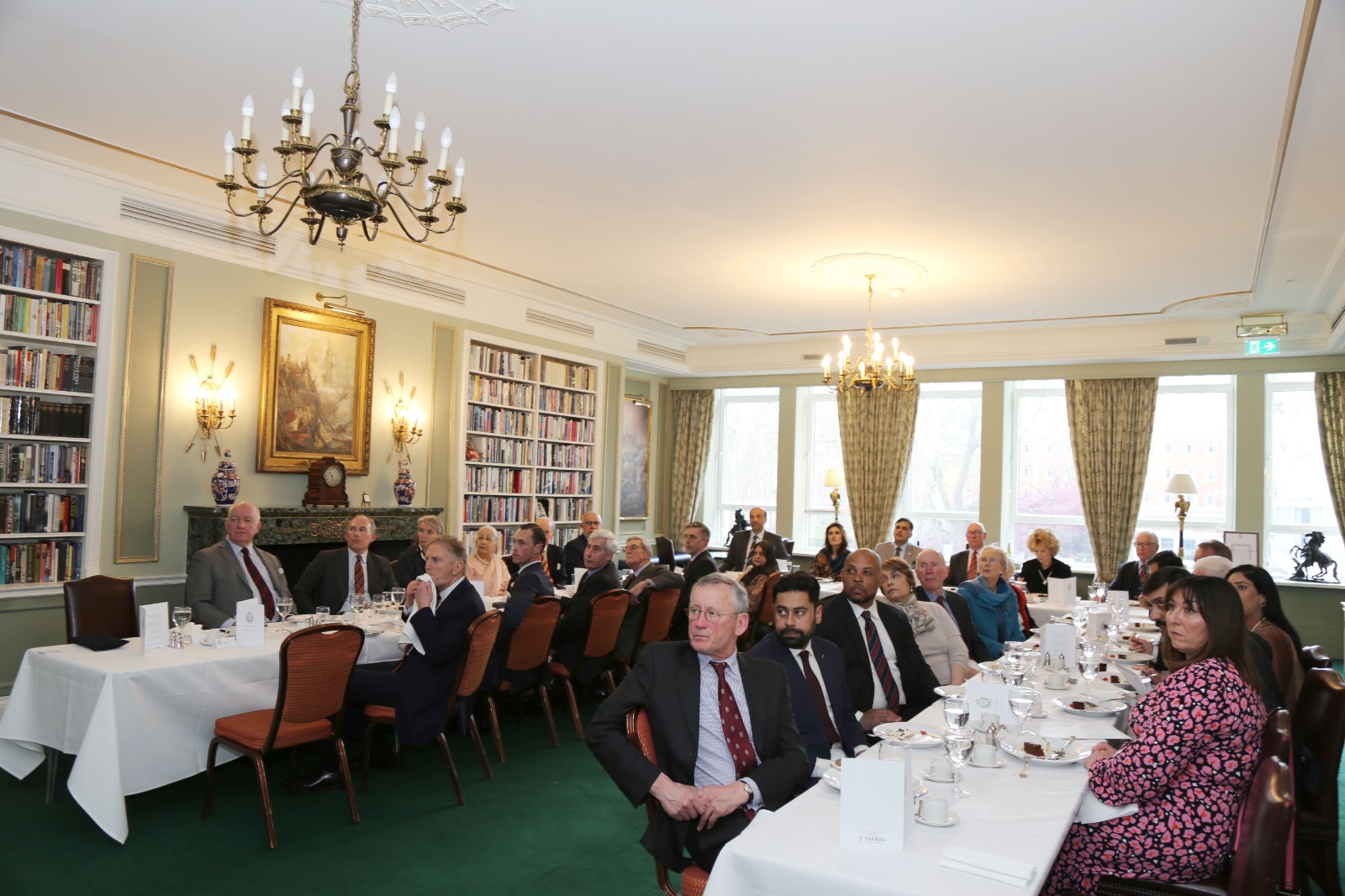
Graduate senior British Officers present at the gathering included Lt. Gen. Sir Alistair Irwin KCB CBE (1980) and Maj. Gen. Seumus Kerr CBE (1985).
Mementos were exchanged between the British officers and officers of @PakistaninUK.
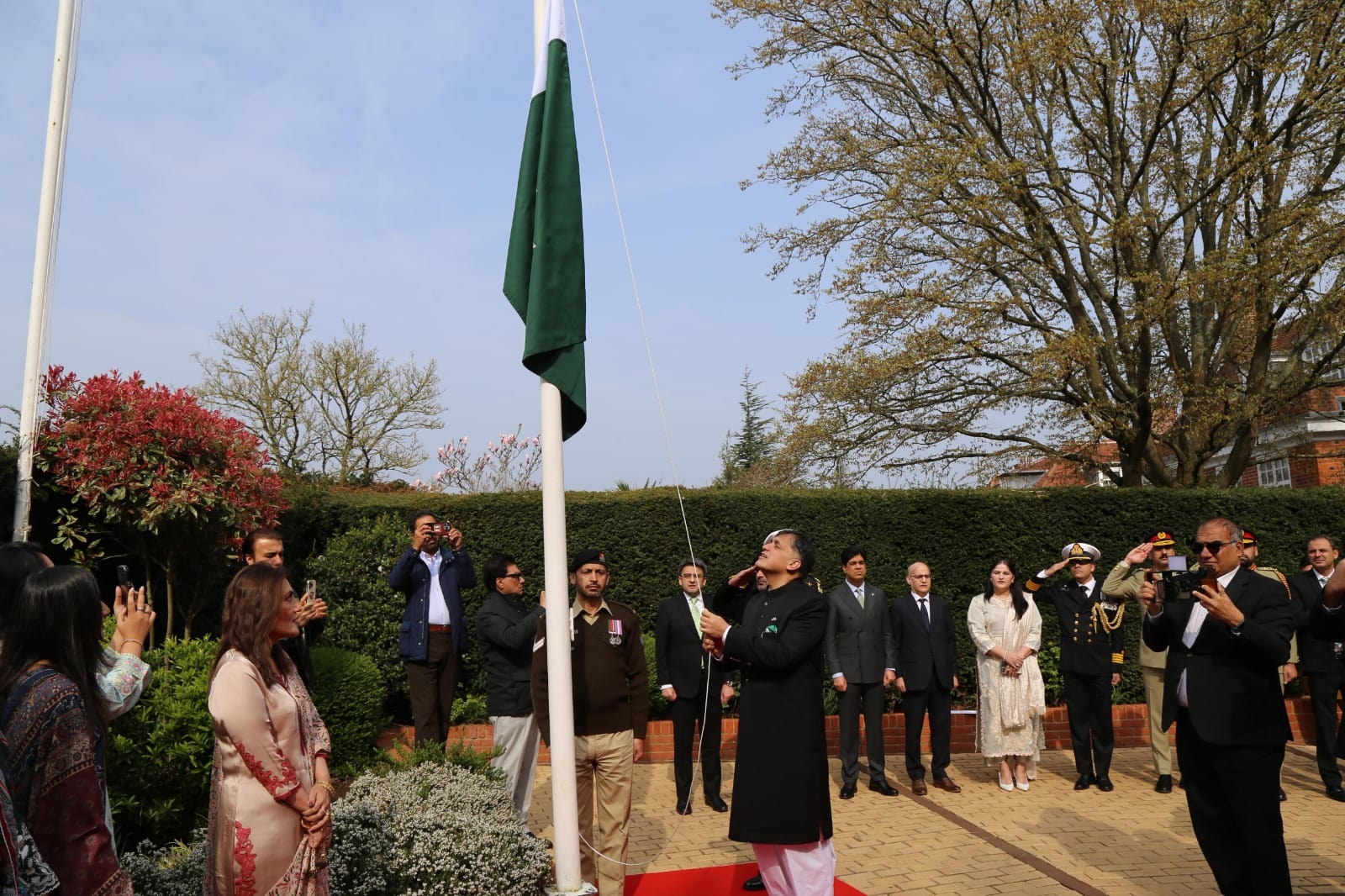
In a simple and dignified ceremony held at Pakistan House, London, the High Commissioner of Pakistan to UK Dr. Mohammad Faisal raised the Pakistan Flag on the occasion of Pakistan Day.
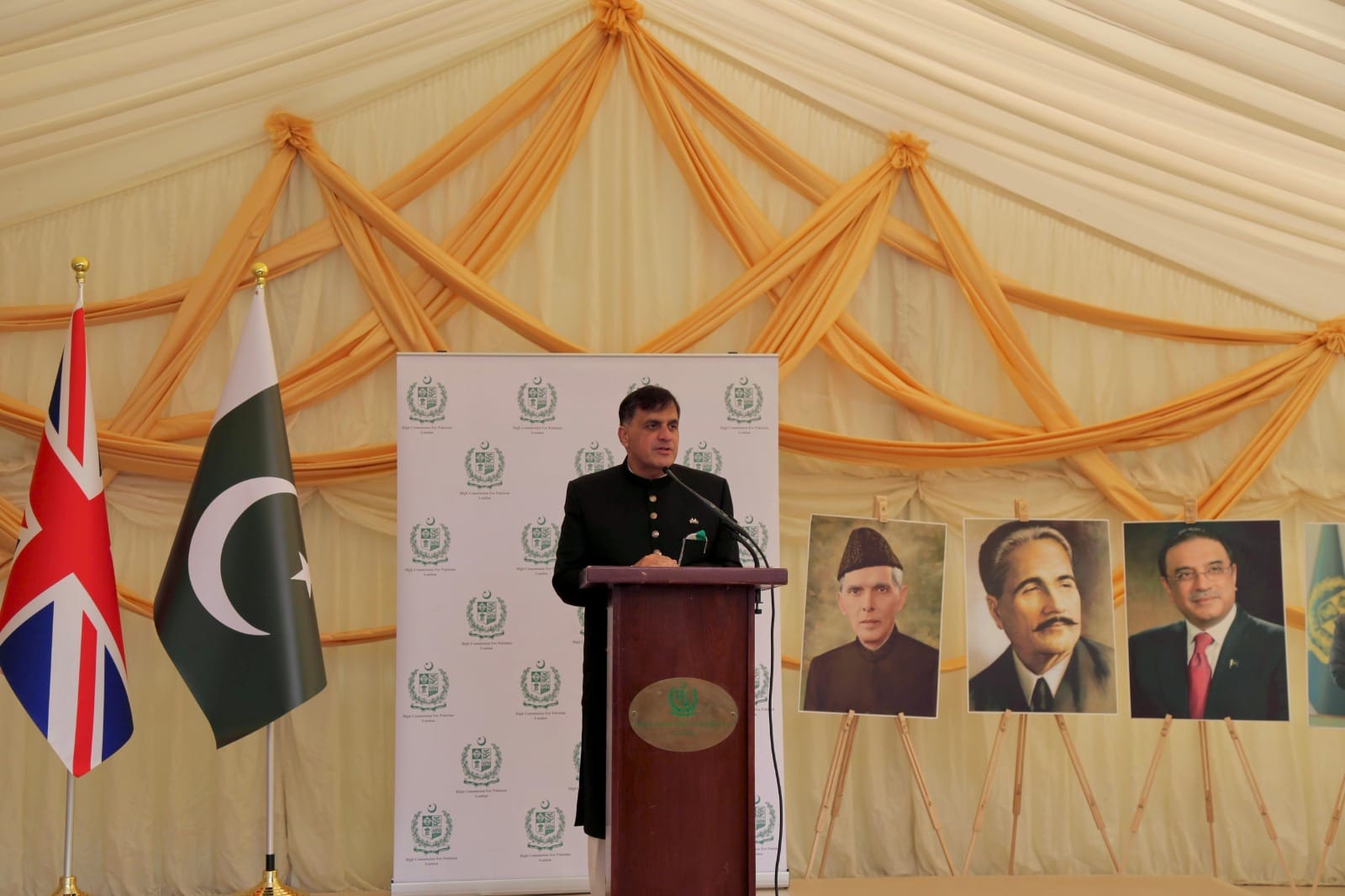
The ceremony was attended by Officials of the High Commission, British – Pakistanis and Media representatives.
Messages of the President, the Prime Minister and Deputy Prime Minister / Foreign Minister were read out.
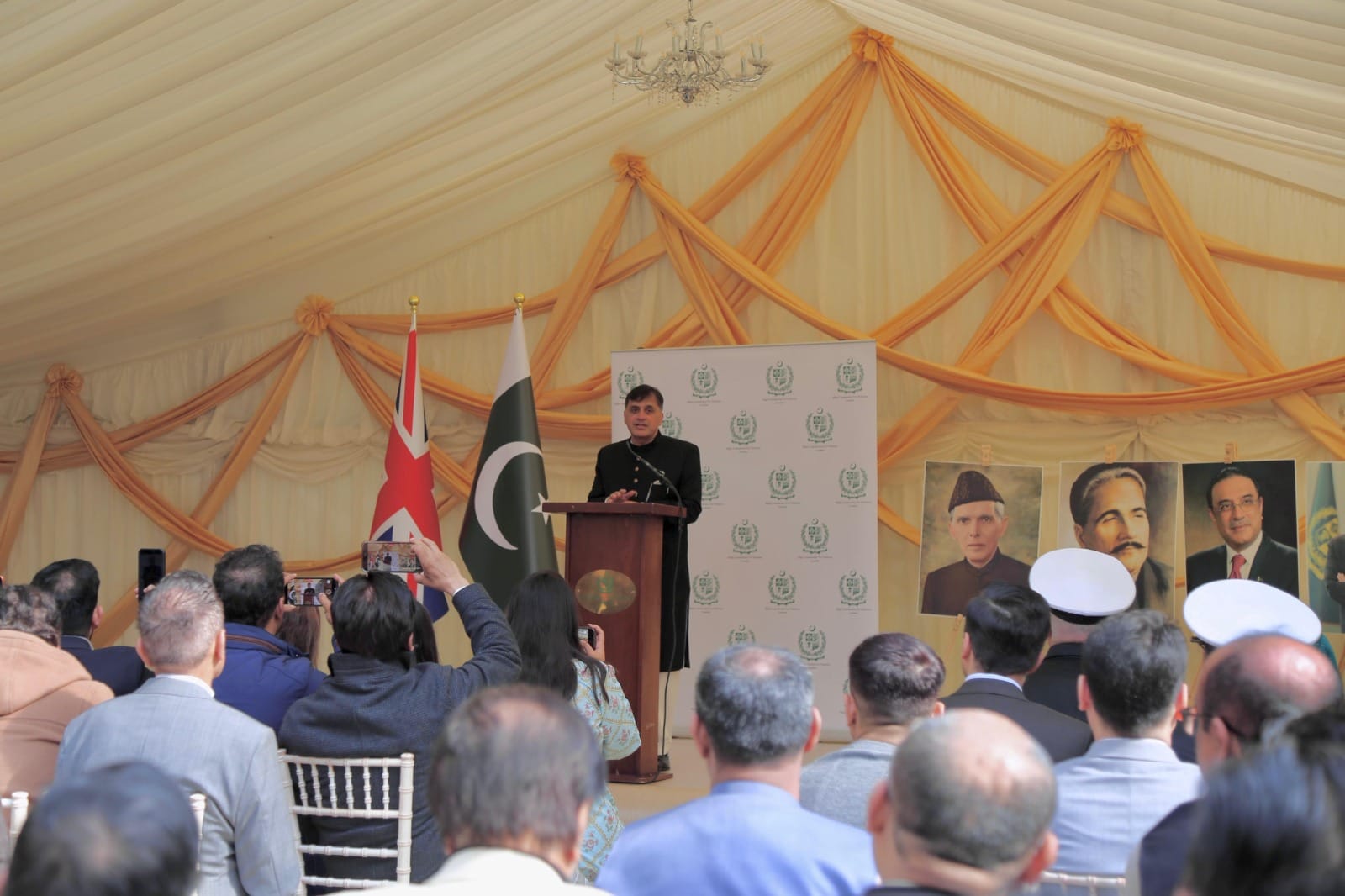
In his keynote address, the High Commissioner said that Pakistan Day was a tribute to our founding fathers who united the Muslims of Indian sub-continent where they could live independently as a Nation and live according to their customs & traditions.
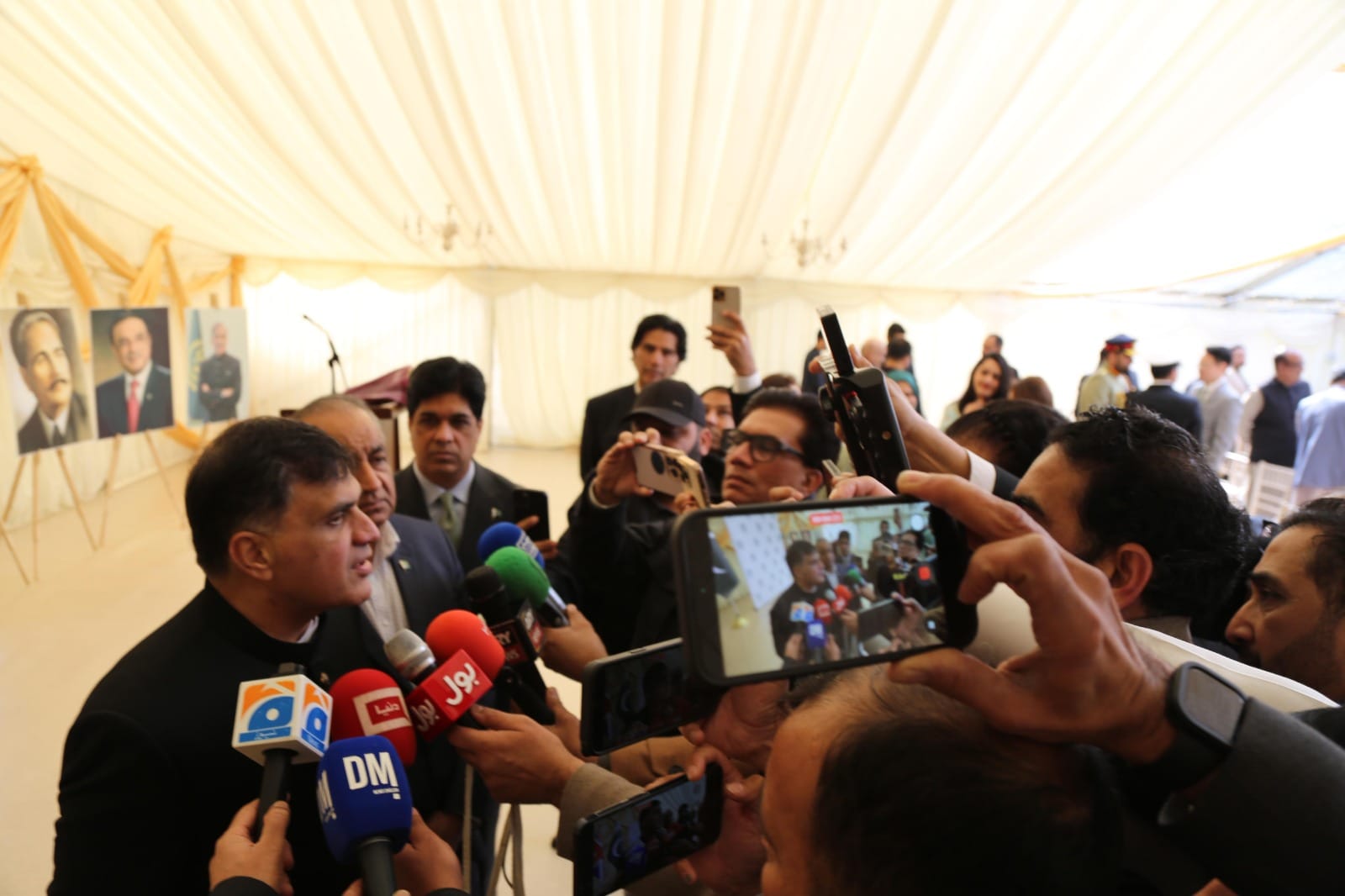
Dr. Faisal stated that Pakistan had always professed peace and stability in the region. However, Pakistan will not tolerate any aggression from neighbouring countries.
The High Commissioner said that Pakistani nation, despite the difficulties, remains resilient and demonstrates courage & perseverance.
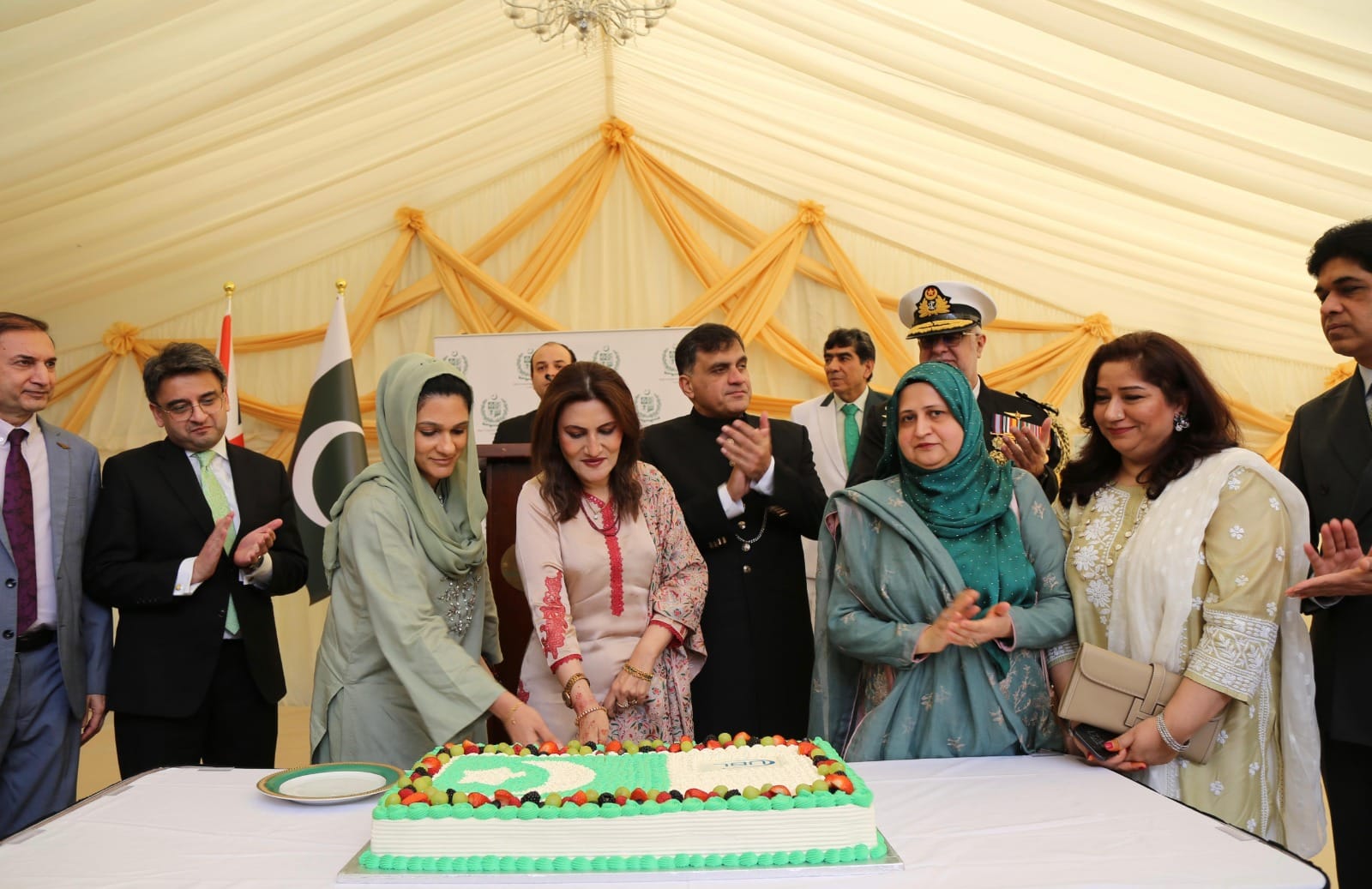
Dr. Mohammad Faisal stated that, in line with the instructions of the Prime Minister, the Deputy Prime Minister / Foreign Minister and the Federal Cabinet, Pakistan High Commission London is implementing strict austerity measures. However, these measures will not affect the performance & working of the High Commission.
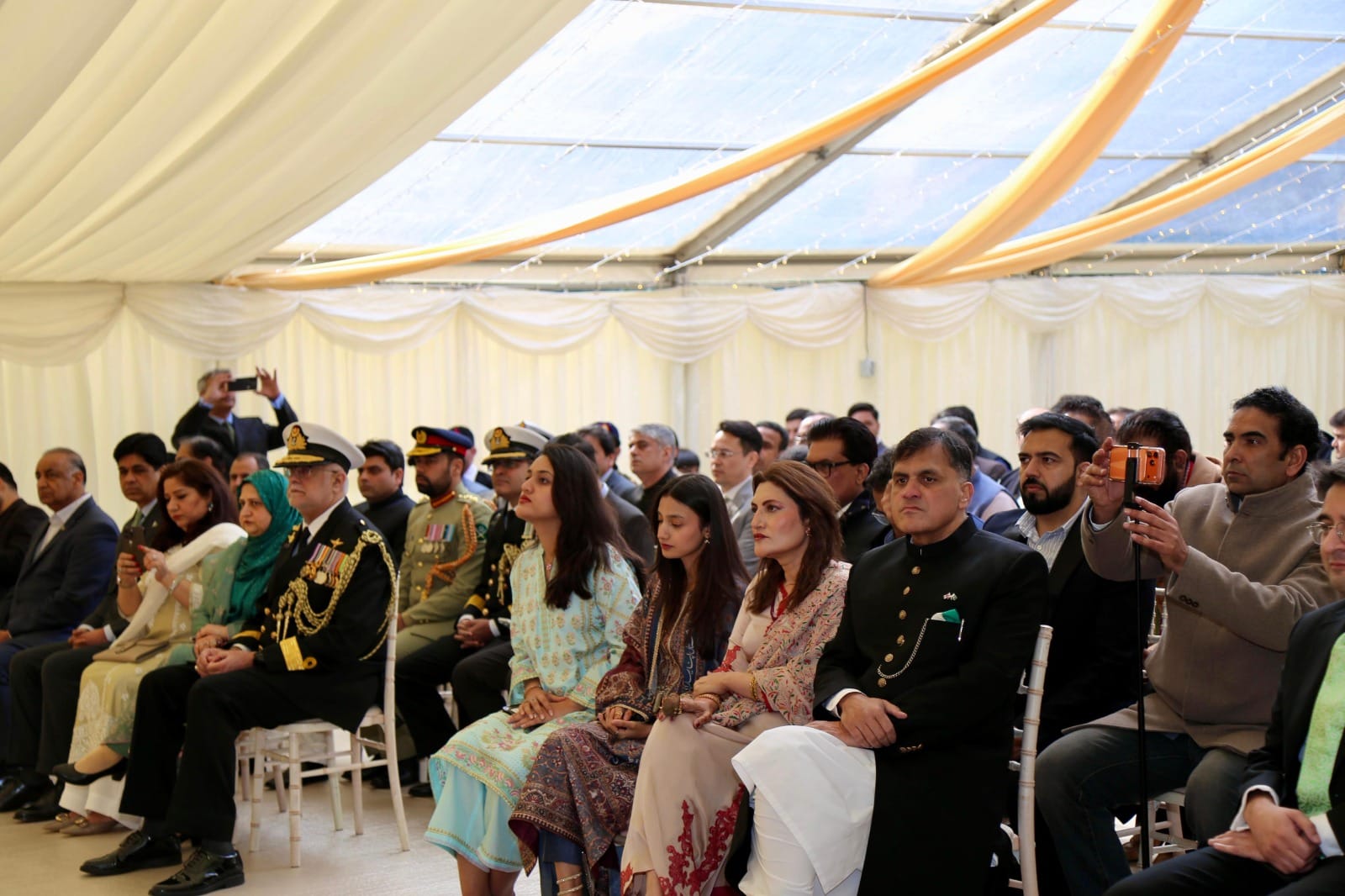
He acknowledged the remarkable contributions of Pakistani diaspora in UK and their extraordinary performance in various fields. He said that their achievements are a source of immense pride for Pakistan.
The High Commissioner expressed solidarity with the people of Indian Illegally Occupied Jammu and Kashmir and committed to continue diplomatic, moral and political support for their right to self determination under UN Resolutions.
London
23rd March, 2026


How the World Is Forced to Fund the Iran War

Scholars Urge UN to Protect Iran’s Scientific Sites Amid Airstrikes Global Academics Warn Attacks Threaten Research, Health, and Civilian Safety

How Iran Humiliated U.S. and Israeli Power


-

 Europe News1 year ago
Chaos and unproven theories surround Tates’ release from Romania
-

 American News1 year ago
Trump expands exemptions from Canada and Mexico tariffs
-

 American News1 year ago
Trump Expels Zelensky from the White House
-

 Pakistan News9 months ago
Comprehensive Analysis Report-The Faranian National Conference on Maritime Affairs-By Kashif Firaz Ahmed
-

 American News1 year ago
Zelensky bruised but upbeat after diplomatic whirlwind
-

 Art & Culture1 year ago
The Indian film showing the bride’s ‘humiliation’ in arranged marriage
-

 Art & Culture1 year ago
International Agriculture Exhibition held in Paris
-

 Pakistan News1 year ago
Can Pakistan be a Hard State?