
Europe News
Plans to protect UK steel industry as tariff threat looms
Nulla pariatur. Excepteur sint occaecat cupidatat non proident, sunt in culpa qui officia deserunt mollit anim id est laborum.


The government has announced plans to protect the UK’s steel industry in a bid to secure its long-term future, as it faces the impact of potential tariffs.
The Plan for Steel will include measures that seek to bring down the cost of production and encourage the use of domestic steel in infrastructure projects.
It also hopes to protect UK steel from “unfair trading practices abroad”, including being undercut by cheaper suppliers.
The announcement comes days after US President Donald Trump said he would impose a 25% tariff on all steel imports from 12 March – something the UK sector fears would cost it millions in trade.
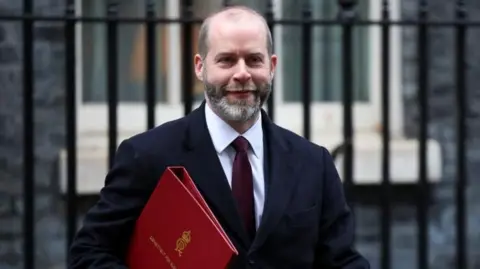
Business Secretary Jonathan Reynolds launched a consultation on the government’s Plan for Steel to look at long-term issues facing the industry, after ministers committed to providing up to £2.5bn in support.
While the consultation does not directly address the threat tariffs may pose to the sector, Reynolds said the financial support for the steel industry was “to protect our industrial heartlands, maintain jobs, and drive growth”.
Shadow business secretary Andrew Griffith said the “uncertainty” the steel industry faced due to US tariffs was something the government “has been entirely silent on when instead they should be talking to the US, our closest trading partner”.
The Plan for Steel will address issues that have been “holding the industry back for too long”, the Department for Business and Trade (DBT) said.
These include:
- Identifying opportunities to expand steel production
- Encouraging the use of UK-made steel in public infrastructure projects, such as the proposed Heathrow Airport expansion
- Improving scrap processing facilities
- Investing in electric arc furnaces, which are less energy-intensive than blast furnaces and take out the need for high carbon-emitting coke
The consultation will also examine electricity costs for steel companies “to make the UK competitive globally”, and how to protect the sector from unfair trading practices abroad, such as cheap imports flooding the market, the DBT added.
The announcement does not directly address the potential impact of Trump’s tariff plans at this stage, nor does it include a firm commitment to reduce energy bills.
The government has previously said it would not retaliate immediately to the tariffs announced by Trump, despite many in the steel industry calling on Britain to join the EU and Canada in threatening reciprocal measures.
Reynolds told the BBC earlier this week the UK had a strong case to avoid the import taxes – which Trump has said will be enforced “without exceptions or exemptions” – as British exports to the US were small in comparison to other nations and steel was used in areas such as defence.
- Trump says metal tariffs to start in March
- UK signals it will seek US steel tariff exemption
- Three US goods that could rise in price due to metal tariffs
- Is Trump right when he says the US faces unfair trade?
UK Steel, which represents the industry, has said the tariffs would be a “devastating blow” that would damage the sector’s £400m-a-year contribution to UK-US trade.
The UK is not a big supplier of steel to the US, with the country accounting for about 10% of British steel exports.
But there are concerns within the industry the tariffs might not just hinder exports to the US, but also lead to excess steel being “dumped” in the UK.
This could occur if other countries no longer exporting to the US decide to offload steel at cheaper prices, which could potentially lead to UK steelmaking businesses being undercut.
The government hopes its plan will secure jobs in the UK’s steel industry and secure its future.
Financial support could benefit Scotland and areas such as Scunthorpe, Lincolnshire, Rotherham in South Yorkshire and Redcar in North Yorkshire “which have a strong history of steel production”, the DBT said.
Help will be available through the National Wealth Fund, which partners the government with the private sector and local authorities to finance infrastructure and other projects.
The DBT said it was “wasting no time” supporting UK steel, pointing to the government’s backing of expanding Heathrow Airport, which it said would require 400,000 tonnes of steel.
The UK steel industry has faced heavy job losses in recent years.
Tata Steel said it was replacing traditional blast furnaces with an electric arc furnace at its largest UK site in Port Talbot, Wales. Traditional steelmaking at the site ceased in September, resulting in 2,800 job cuts.
British Steel announced in 2023 it would close blast furnaces in Scunthorpe, and unveiled plans to roll out an electric arc furnace, which requires fewer workers to keep it going, with 3,000 jobs expected to be axed.
Taken from BBC News

Europe News
Ahmadiyya Muslim Community distance organisation from “Ahmadi Religion of Light and Peace” After Media Confusion
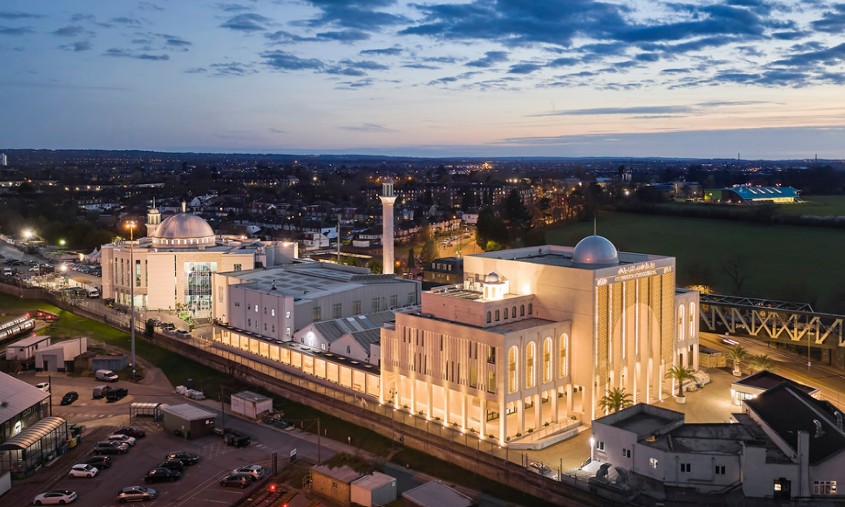
After the UK based religious group ‘The Ahmadi Religion of Peace and Light” was raided by police, with nine arrests for modern slavery and child marriage, the Ahmadiyya Muslim Community has issued a formal statement distancing itself from the organisation.
Due to the similarity in name, what followed was a wave of public confusion triggered by recent media reports.
A clarification statement issued by the UK president of the Ahmadiyya Muslim Community, Mr Rafiq Hayat, explains that the organisations are entirely unrelated and asked media outlets to ensure this distinction is made clear in all future reporting — including previously published online material.
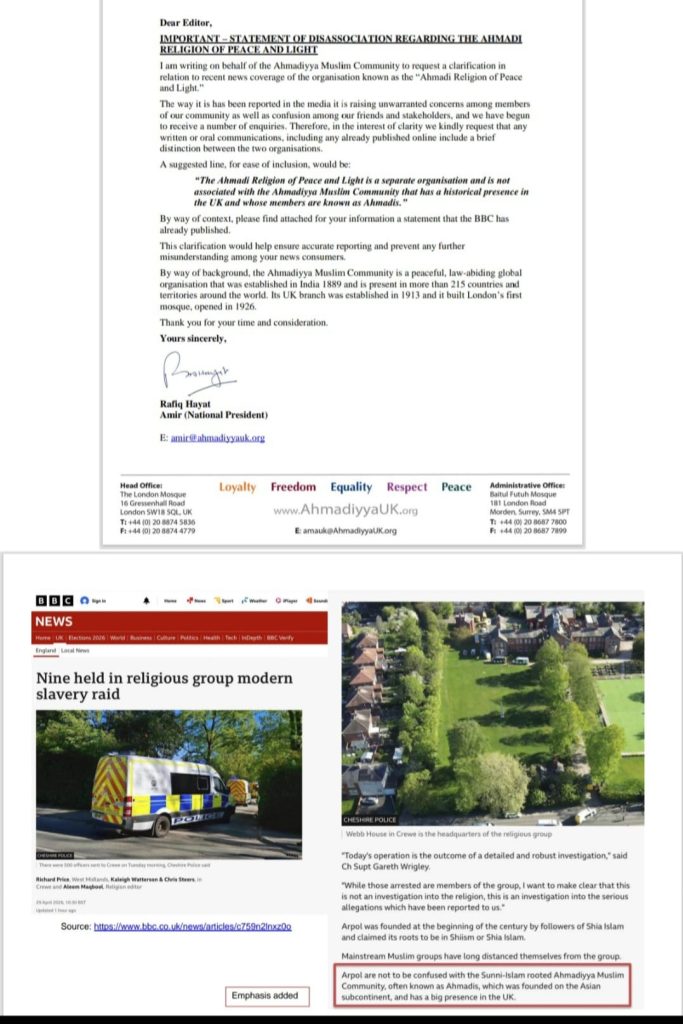
The Community has proposed a standard clarification line for journalists: “The Ahmadi Religion of Peace and Light is a separate organisation and is not associated with the Ahmadiyya Muslim Community that has a historical presence in the UK and whose members are known as Ahmadis.”
Whilst the BBC has already issued a clarification, this statement encourages other media outlets to also do so, suggesting that both friends and stakeholders of the community as well as members of the community have been confused by the media coverage.
The Ahmadiyya Community which has been established in the UK since 1913 and built London’s first mosque in 1926 which is still functioning, have long established themselves as a Muslim sect which abides by the motto “Love for All, Hatred for None.”
Paris (Imran Y. CHOUDHRY):- The World Famous International Agricultural Show has showcased various agricultural sectors. Paris will play host to three complementary exhibitions: the Paris International Agricultural Show (SIA), the Agricultural Technologies and Solutions Exhibition (SIA’PRO), and the Concours Général Agricole.
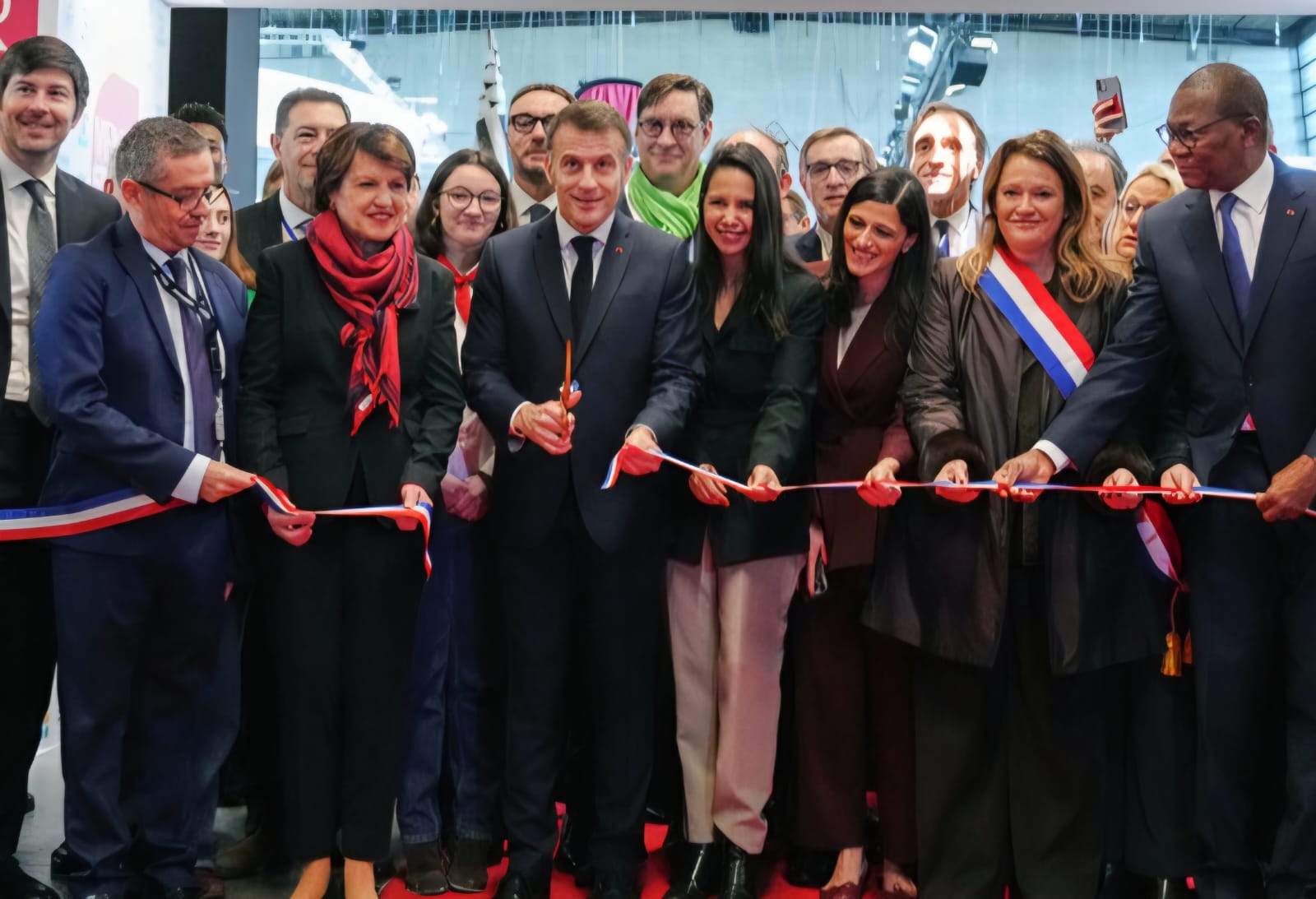
The 2026 Paris International Agricultural Show opened its doors with a call to support the agricultural sector, with a particular focus on the bovine sector.
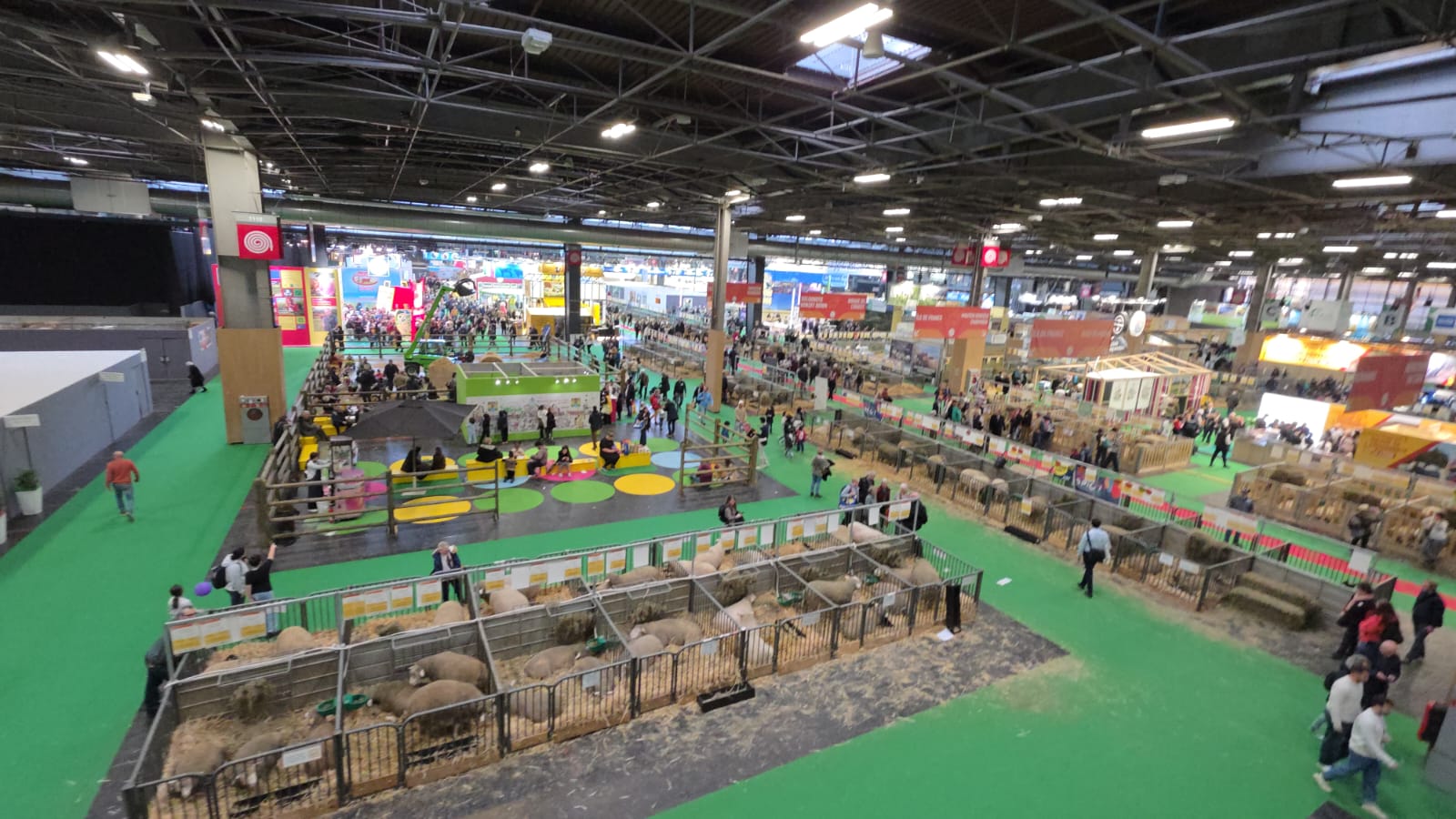
Among the highlights, the final of the Ovinpiades des Jeunes Bergers — the Young Shepherds’ Competition — and the opening of the Concours Général Agricole. Côte d’Ivoire is this year’s guest of honour, showcasing its agricultural innovations. Visitors around the world can explore new spaces such as AGRI’CULTURE, featuring screenings, live performances and a themed bookshop. A varied programme of activities for children and a fishmongers’ competition further enrich the event.
French President Emmanuel Macron attended the opening day and inauguration of the 62nd International Agricultural Fair (Salon de l’Agriculture).
The launch of the Year of Pastoralism at the Grand Ring and the most prestigious Concours Général Agricole wine competition, featuring 100% blind tastings. Côte d’Ivoire, the guest country, celebrates its key sectors: cocoa, coffee, forestry and innovation, through a vibrant and immersive pavilion. On the new additions front, the AGRI’LIBRAIRIE in the AGRI’CULTURE pavilion offers over 800 titles and author meet-and-greet sessions. Today’s programme includes the Texel breed competition, herbal infusion workshops, and Gargantua demonstrations and tastings. Behind the scenes, preparations are underway for SIA’PRO, with professional networking sessions.
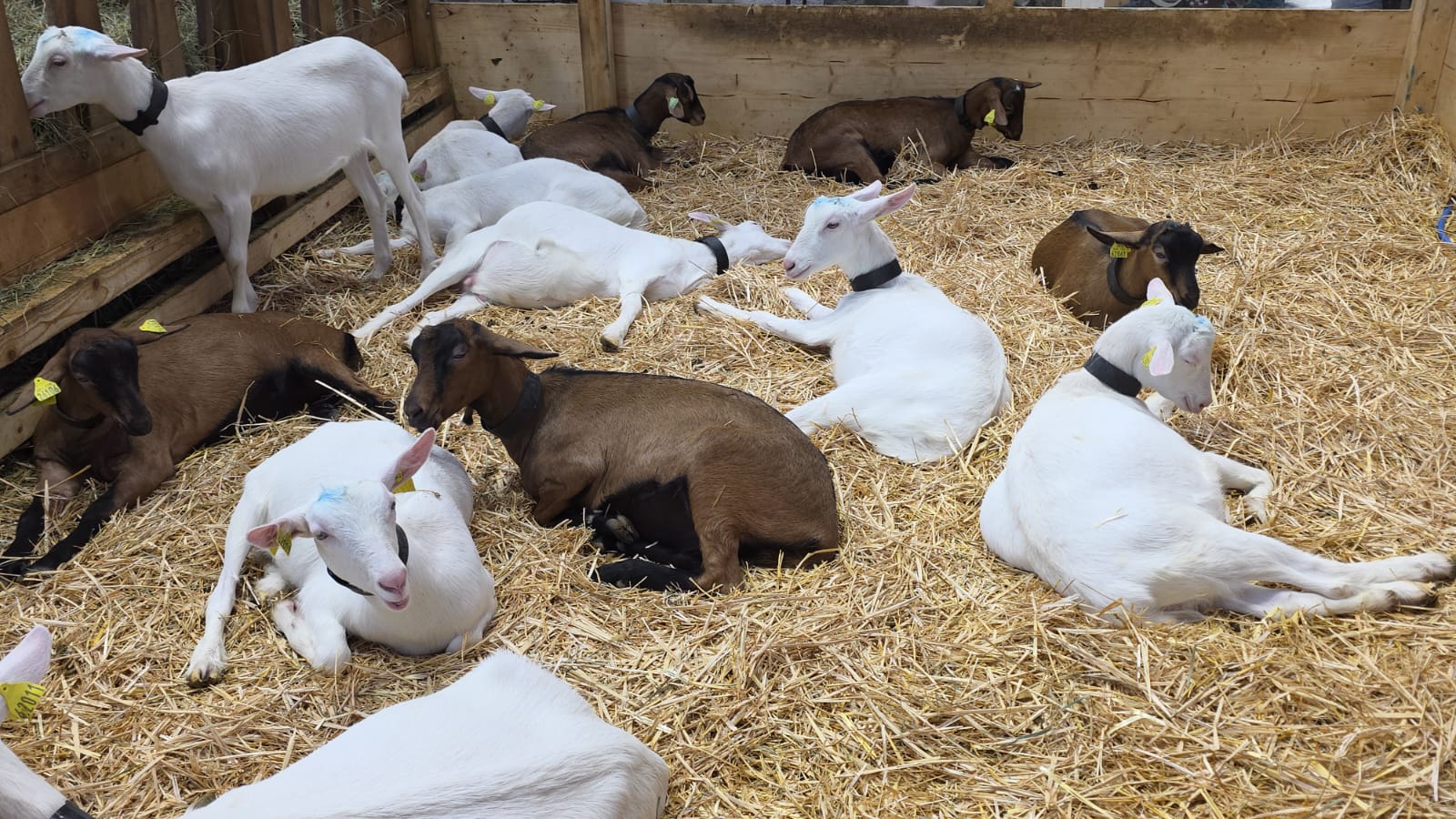
The horses and donkeys featuring shows, demonstrations, a pop-up pony club and a special performance by the Cadre Noir. Today’s highlights include a live cooking show with Redouane Bougheraba and Top Chef winner Quentin Mauro, as well as the official launch of Terres de Jim. New this year: guided tours for visually impaired visitors and the opening of SIA’PRO, the professional trade show dedicated to agricultural technologies and solutions. The 3rd GAIA hackathon also kicks off, focusing on AI and agroecology. Finally, the Maison des Vétos invites families to discover careers in animal health.
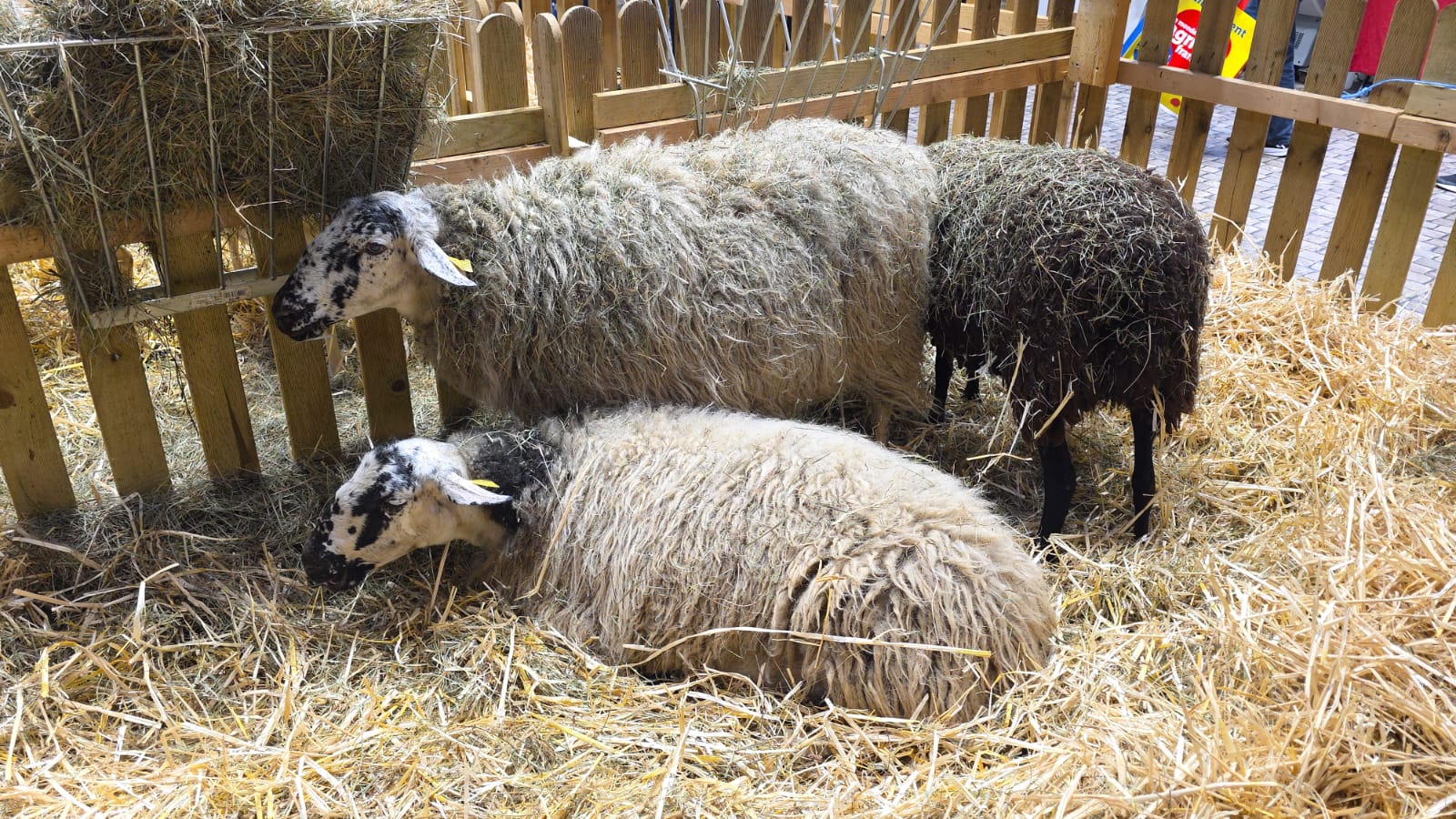
Women in agriculture as part of the International Year of Women Farmers, featuring testimonials and discussions on their role and ongoing inequalities. A major highlight is the exceptional Cadre Noir de Saumur gala on the Grand Ring, followed by a signing session. Entertainment includes a first-ever classical concert at the CGA restaurant, the official crowning of Miss and Mister Agri, and tastings at the Pacific Village. Pastoralism also takes center stage with the immersive “Transhumance 360°” exhibition. Finally, the Vendée brioche makes its experimental debut at the Concours Général Agricole.
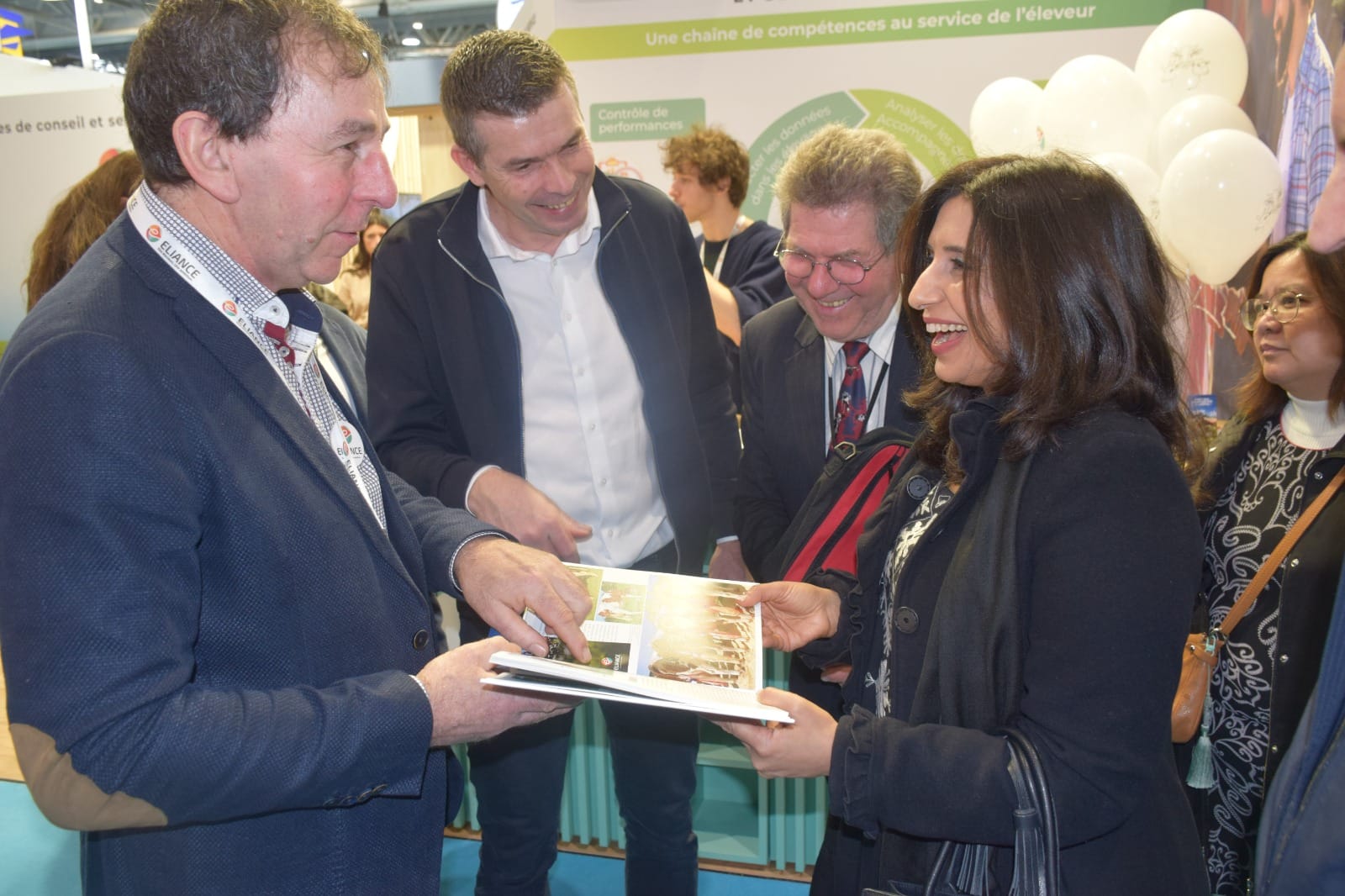
At this exhibition Pakistani Ambassador Madam Mumtaz Zahra Baloch also visited and represented Pakistan at the Ministerial Session on the sidelines of the exposition. During the visit, Ambassador Baloch held constructive exchanges with farmers, innovators, and industry leaders to explore new avenues for cooperation between Pakistan and France in modern agriculture and sustainable agri-technology.
This year, the Paris International Agricultural Show is marked by crises due to climate disasters, trade tensions and unstable incomes, as well as animal disease outbreaks, which have led to there being no cows or poultry at this edition.
Photos @ Imran Y. CHOUDHRY

Paris (Imran Y. CHOUDHRY) :- Former Press Secretary to the President, Former Press Minister to the Embassy of Pakistan to France, Former MD, SRBC Mr. Qamar Bashir analysis : When Zohran Mamdani declared that he was not apologetic for being Muslim, immigrant, or young, he did more than assert personal pride. Speaking in New York, a city that hosts the United Nations and anchors global finance, he gave voice to a generational shift that has been quietly building across Western democracies. For decades, immigrants—particularly Muslims and people of color—were advised to soften identity, mute faith, and avoid visibility in exchange for conditional acceptance. Mamdani rejected that logic outright. His message was simple and disruptive: visibility is not a risk to manage; it is a civic right. That declaration resonated far beyond city limits because it named a shared experience millions recognize but were taught not to articulate publicly.
This refusal to remain invisible marks a turning point in immigrant political psychology. The old bargain promised tolerance in exchange for silence, but it never delivered equality. A younger generation has decided that restraint does not produce belonging; participation does. Across the United States, Canada, the United Kingdom, and Europe, immigrant and Muslim leaders are stepping into public life without apology, claiming rights already guaranteed by constitutions but unevenly honored by societies. What makes this moment consequential is not a change in law, but a change in posture. The question is no longer whether immigrants can assimilate quietly, but whether democracies will accept citizens who insist on full and visible membership.
The backlash has been swift and revealing. In the United States, chants of “go back to your country” have re-entered political discourse, often directed at citizens—naturalized or native-born—who happen to be nonwhite or Muslim. The phrase collapses under constitutional scrutiny. The Fourteenth Amendment is unambiguous: anyone born or naturalized in the United States is a citizen entitled to equal protection. There is no legal hierarchy between a white immigrant from Germany and a brown immigrant from Pakistan if both hold citizenship. The Constitution does not recognize ancestry, religion, or skin color as criteria for belonging. When exclusionists invoke “we” against “they,” they are not making a lawful claim; they are expressing an ideological preference unsupported by constitutional order.
The same contradiction appears across Western societies. In the United Kingdom, citizenship law makes no distinction between a citizen of Irish or Polish descent and one whose family came from Somalia or India. In France, republican principles formally reject ethnic or religious hierarchies. In Canada, multiculturalism is embedded in public policy. Yet the rhetoric of “we” and “they” persists. This reveals the true fault line: not law versus immigration, but law versus an imagined nation defined by race and culture rather than citizenship. The demand that immigrants leave—even when legally indistinguishable from any other citizen—exposes anxiety about status, not threats to legality.
That anxiety intensifies when immigrants move from invisibility to competition. For decades, immigrant labor was tolerated, even welcomed, so long as it remained concentrated in low-status sectors—driving taxis, cleaning offices, harvesting crops, staffing hotels. Western economies depend heavily on this work. But the discomfort grows when immigrants and their children compete openly for political office, executive authority, and intellectual leadership. The issue is not presence; it is parity. The shift from tolerated utility to equal competition unsettles assumptions about who is entitled to lead.
Economic data underscores this dynamic. Immigrants make up nearly one-fifth of the U.S. labor force and are overrepresented in essential blue-collar jobs. At the same time, more than a quarter of foreign-born workers are employed in high-skill fields such as medicine, engineering, and technology. This two-ended presence disrupts stereotypes of immigrants as permanent dependents. They are not merely sustaining economies from below; they are contesting power at the top. The resulting tension is often reframed as cultural conflict, but its roots lie in competition over opportunity and influence.
Demography adds another layer. Muslim and immigrant communities across the West are younger on average than white majorities and tend to have higher birth rates, largely because of age structure. Research consistently shows these gaps narrow with education and income over time, yet demographic momentum is politically potent. Rather than discuss convergence, populist movements amplify fear, casting ordinary population change as existential threat. Against this narrative, the new immigrant leadership emphasizes citizenship over biology. Belonging, they argue, is not inherited by bloodline but exercised through participation.
Misunderstandings about law and culture further inflame the debate. In the UK, for example, sharia councils are often portrayed as parallel legal systems undermining state authority. In reality, they function primarily as voluntary religious mediation bodies in personal matters and have no power to override national law. The controversy illustrates how easily fear replaces fact. The emerging immigrant leaders are not demanding legal exceptionalism; they are demanding equal protection and dignity within existing constitutional frameworks.
Crime statistics are similarly distorted. Variations in arrest and incarceration rates across groups reflect complex factors—age distribution, socioeconomic deprivation, neighborhood effects, and policing practices. Simplistic narratives that equate minority presence with criminality ignore these realities. The unapologetic generation understands this history of distortion, which is why its rhetoric centers on due process, constitutional rights, and equal treatment rather than appeals for tolerance.
What Mamdani’s words crystallized is the end of managed identity. Earlier generations believed safety lay in invisibility. Today’s leaders argue that invisibility never guaranteed safety—only silence. They replace caution with confidence: know your rights, claim your space, and compete openly. This posture is not radical; it is constitutional. It insists that democratic promises apply without qualification.
The significance of this moment lies in its transatlantic scope. From New York to London, from Toronto to Paris, immigrant and Muslim voices are echoing the same refusal: no apology for faith, origin, or age. This is why the reaction has been intense. The shadows are emptying. Communities once encouraged to hide are stepping into public life with assurance.
The challenge facing Western democracies is therefore stark. Citizenship either means equality under law, or it becomes a racialized privilege. If constitutions are taken seriously, there can be no lawful “we” empowered to expel a “they” among fellow citizens. As unapologetic immigrants step into the light, the meaning of belonging must expand to match the law. If it does not, the contradiction will haunt Western democracies far more persistently than immigration itself.


The museum charting how humans understand the world

Sexual crimes against women, kids: 80pc of offenders are people known to victims, says Punjab IGP

Shanghai Cooperation Organisation names Lahore as its ‘Tourism and Cultural capital’


-
 Sports3 months ago
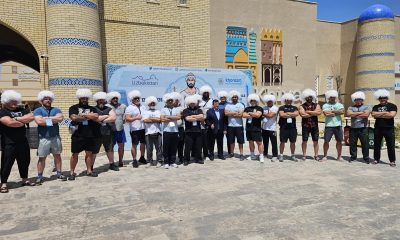
South Korea’s Yoo Useong Steps Onto the Global Strongman Stage as World Strongman Federation Professional Athlete
-

 Art & Culture1 year ago
A Survey of Mata-E-Zeest
-

 Europe News2 years ago
Chaos and unproven theories surround Tates’ release from Romania
-

 American News1 year ago
Trump expands exemptions from Canada and Mexico tariffs
-

 American News2 years ago
Trump Expels Zelensky from the White House
-

 Art & Culture1 year ago
Will Snow White be a ‘victim of its moment’? How the Disney remake became 2025’s most divisive film
-

 Pakistan News1 year ago
Comprehensive Analysis Report-The Faranian National Conference on Maritime Affairs-By Kashif Firaz Ahmed
-

 Entertainment2 years ago
Champions Trophy: Pakistan aim to defend coveted title as historic tournament kicks off today