
Art & Culture
Andong’s Gwangsan Kim Clan Manuscript Suun Japbang: ‘Yukjjim’ Brings a 500-Year Culinary Tradition to London

— Special feature for the 2025 Hampton Court Palace Food Festival
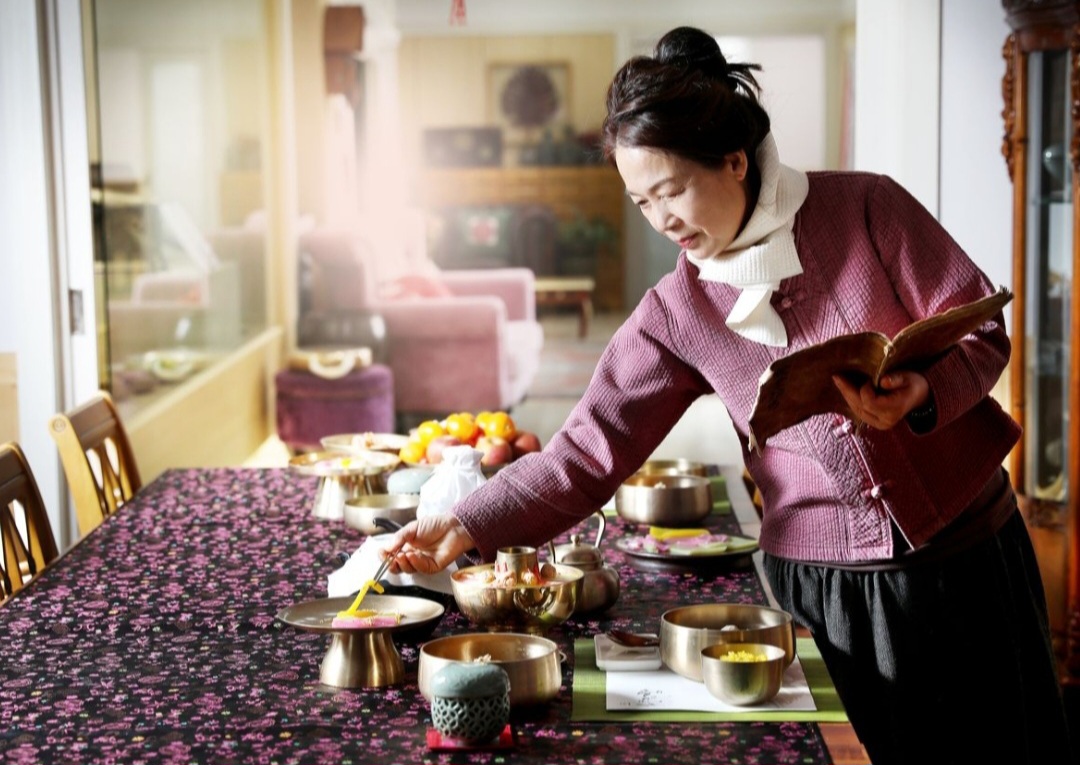
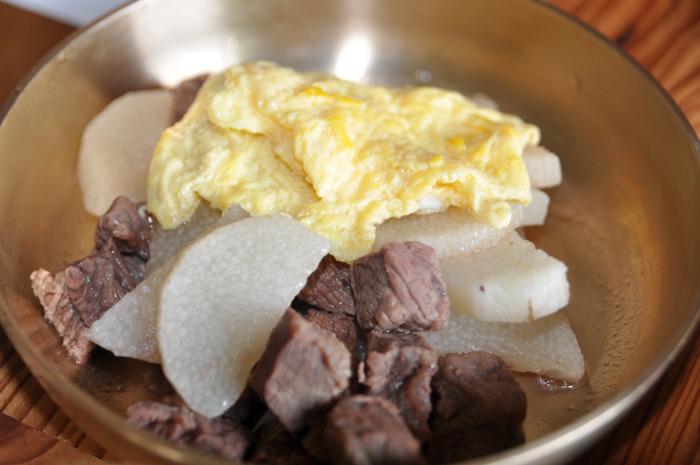
LONDON/ANDONG — From 23 to 25 August 2025, the historic grounds of Hampton Court Palace will host a rare encounter with Korea’s early culinary scholarship as the classical cookbook Suun Japbang (需雲雜方) takes the stage in an official programme at the Hampton Court Palace Food Festival. During the festival, Head Housewife (Jongbu) Kim Do-eun of the Gwangsan Kim clan’s Seolwoldang head family in Andong will present a live demonstration of yukjjim, a braised-beef dish interpreted through the principles found in Suun Japbang, inviting European audiences to experience the essence of early-Joseon gastronomy.
A window on the Joseon kitchen: identity and significance of Suun Japbang
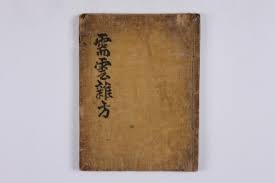
Compiled in the early 16th century by the Andong scholar Kim Yu (1491–1555) and later supplemented by his grandson Kim Ryeong (1577–1641), Suun Japbang is a two-volume, one-book manuscript in classical Chinese. It systematises 121 entries spanning brewing, jangs (fermented pastes and soy sauce), kimchi, soups, preservation and even seed sowing—an integrated record of the lifestyle, practical science and aesthetics of a literati household in early Joseon. Since coming to light in 1986, it has been recognised by the academy as one of the earliest extant Korean culinary texts.
Transmitted within the Gwangsan Kim clan of Yean, Andong, the manuscript is now entrusted to the Korean Studies Advancement Centre (Andong) and was designated a “Treasure” on 24 August 2021 under Korea’s national heritage system. The listing records it as a documentary heritage manuscript (one book, twenty-three folios), underscoring that this is far more than a family recipe notebook: it is a state-recognised record of cultural heritage.
The title itself is philosophically charged. “Suun” (需雲) invokes the I Ching’s Hexagram 5 (Xu), traditionally associated with the refined etiquette of eating, drinking and hosting; “Japbang” (雜方) means “various methods”. Together, they amount to a declaration of diverse, elevated culinary methods befitting a cultivated household.
Towards UNESCO Memory of the World
In February 2024, the City of Andong and the Korean Studies Advancement Centre convened a scholarly conference to place Suun Japbang and its companion text Eumsik Dimibang on a pathway to UNESCO’s Memory of the World register. Scholars assessed both works as documentary heritage, considering structure, content, cultural background and contemporary application, and announced a roadmap to publish English translations and distribute them to UNESCO-affiliated bodies.
The strategy is pragmatic: following domestic nomination, the partners intend to seek inscription first on the Asia-Pacific regional list (MOWCAP) in 2026, then progress to the international register — a staged approach designed to strengthen competitiveness in a crowded field.
For context, UNESCO’s Memory of the World programme catalogues humanity’s documentary heritage to promote preservation, accessibility and awareness. Inscription typically brings capacity-building, improved digital access and international visibility. In Korea, coordination among the National Heritage Authority, the Korean National Commission for UNESCO, local government and academia provides the institutional and diplomatic foundations required for a credible bid.
The government has also signalled an expansion of cooperative funding with UNESCO in 2025, a favourable tailwind for international promotion and partnerships around documentary heritage such as Suun Japbang.
“Hands of the head housewife, palates of the world”: spotlight on Kim Do-eun
Kim Do-eun, the 15th Jongbu (head housewife) of the Seolwoldang head family of the Gwangsan Kim clan, leads the Suun Japbang Traditional Food Experience Centre and has spent years translating classical recipes for the modern table. In 2013 she co-founded the Suun Japbang Research Institute to commercialise menus grounded in textual verification, and in 2015 showcased the potential of these 500-year-old recipes through a gala dinner at Seoul’s Michelin-starred La Yeon. Her modern readings of meat and soup preparations — notably Seoyeotang, which foregrounds Dioscorea opposita (Chinese yam) — have drawn critical attention.
She has often argued in interviews that authentic globalisation comes not by diluting tradition to suit foreign palates, but by allowing audiences to encounter the taste of tradition itself. Rooted in the Confucian ethos of ritual filial piety and hospitality (bongjesa jeopbingak), her philosophy animates documentary heritage as a living culture.
Her public engagement is vigorous. At the Andong Mask Dance Festival, the “Jongbu’s Kitchen” programme has attracted over 200 visitors per day, with the Suun Japbang chicken dish Jeon-gye-a proving especially popular. In 2025 she launched a contemporary Jeon-gye-a in collaboration with local restaurateurs — extending both textual translation and hands-on experience as twin wheels of Suun Japbang’s modern life.
Yukjjim in London: from manuscript to table
The centrepiece of the London appearance will be yukjjim. Drawing on the manuscript’s meat-cookery traditions — including lines of technique associated with jang-seasoned meats (“jangyuk”) and noodle-meat dishes (“yukmyeon”) — Kim will present a mature braise that marries soy-based seasoning, aromatics, controlled ageing and low-temperature braising. The aim is not merely to cook meat, but to express the depth of Korea’s fermented jangs while delivering peak texture.
According to the UK programme brief, Kim will demonstrate a modern articulation of yukjjim grounded in principles first recorded in Suun Japbang — translating the symbolism of the Jongbu, a traditional domestic authority, into a public culinary language. In Andong, the dish will prominently feature Andong Hanwoo (Korean native beef). Benefiting from the upper Nakdong River’s relatively dry climate and wide diurnal temperature range, Andong Hanwoo is prized for consistent marbling, resilient texture and a deep, lingering flavour — qualities that align naturally with yukjjim’s precisely judged braise.
Why London, and why now?
The Hampton Court Palace Food Festival, a signature event of the UK bank-holiday weekend, is a meeting-point of historic setting and contemporary gastronomy. Its royal-garden backdrop offers an optimal platform for Korea’s documentary gastronomy to converse directly with European culinary discourse. (Official hours for 2025: 10:00–18:00, 23–25 August.)
Andong, moreover, is a custodian city of the 2010 UNESCO World Heritage inscription “Historic Villages of Korea: Hahoe and Yangdong”. From seowon (Confucian academies), head-family ritual culture and seasonal customs to the culinary practices that supported them, the soil from which Suun Japbang emerged is dense with layered cultural strata. In London, yukjjim becomes the medium through which record and place speak in concert.
Prospects for UNESCO inscription and next steps
Experts cite several strengths: an unbroken transmission of a complete manuscript, rarity as an early private-household cookbook, a dense compendium of fermentation, preservation and health-nourishment knowledge, and a clear genealogical provenance within a single clan. If the 2024 conference roadmap — translation and annotated editions, international networks and staged MOWCAP-to-international inscription — proceeds as planned, observers judge the medium- to long-term prospects encouraging. Key hurdles will include demonstrating outstanding universal value, advancing preservation and access, and broad public engagement.
From a policy perspective, the outlook is constructive. With its 2021 designation as a national “Treasure”, Suun Japbang already stands on firm domestic ground, while the government’s widening of UNESCO-related cooperation funding creates a supportive environment for international advocacy. Priorities now include stabilised conservation and digital archiving, multi-language scholarly apparatus and outreach, and a management plan aligned to international review criteria.
Conclusion: a 500-year recipe, a diplomacy of today
Suun Japbang is both a document of knowledge born in a Joseon-era kitchen and, today, a language of cultural diplomacy at the world’s table. Kim Do-eun’s yukjjim is the terminus of a long journey and the opening sentence of the next. In the gardens of Hampton Court, a distinctly Korean grammar of taste — fermentation and restraint, season and ritual — will meet European sensibilities. The record stirs to life; the dish crosses borders. At the centre stands a book written five centuries ago: Suun Japbang.
Visitor information (for UK readers)
- Event: Hampton Court Palace Food Festival
- Dates: 23–25 August 2025, 10:00–18:00
- Venue: Hampton Court Palace, London
Special programme: “Suun Japbang Showcase” — live demonstration of yukjjim by Head Housewife Kim Do-eun and an introduction to Korea’s classical culinary texts.





Art & Culture
Deputy High Commissioner Haseeb Bin Aziz Inaugurates “Masters of Canvas” Art Exhibition at Pakistan High Commission London
PRESS RELEASE
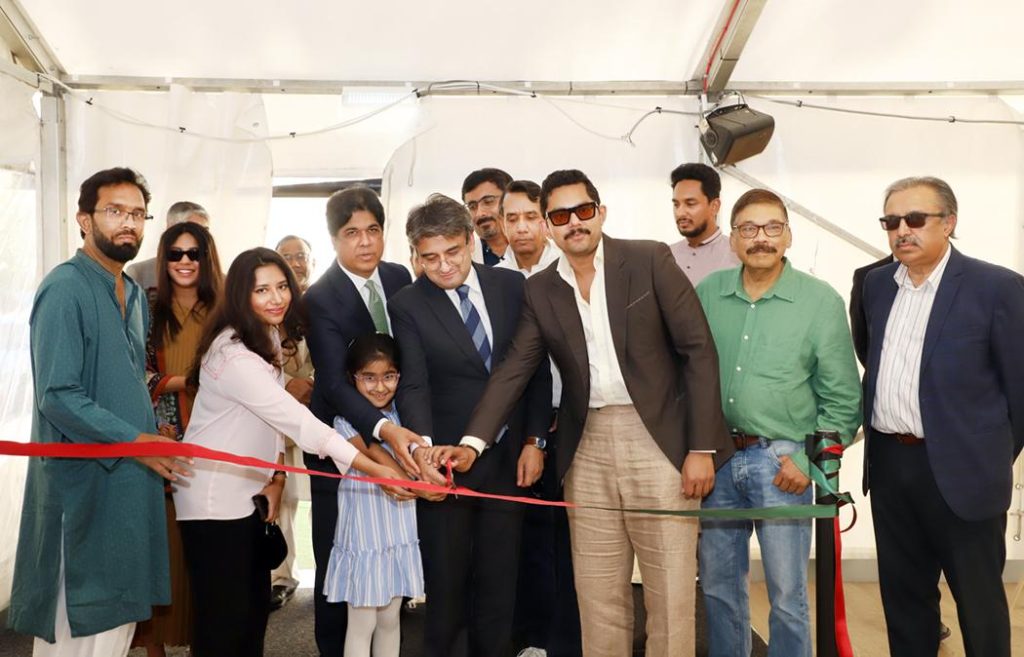
London, UK — Deputy High Commissioner of Pakistan, Mr. Haseeb Bin Aziz, inaugurated the prestigious art exhibition “Masters of Canvas” at the Pakistan High Commission in London, celebrating the exceptional talent, diversity and enduring legacy of Pakistan’s distinguished artists.
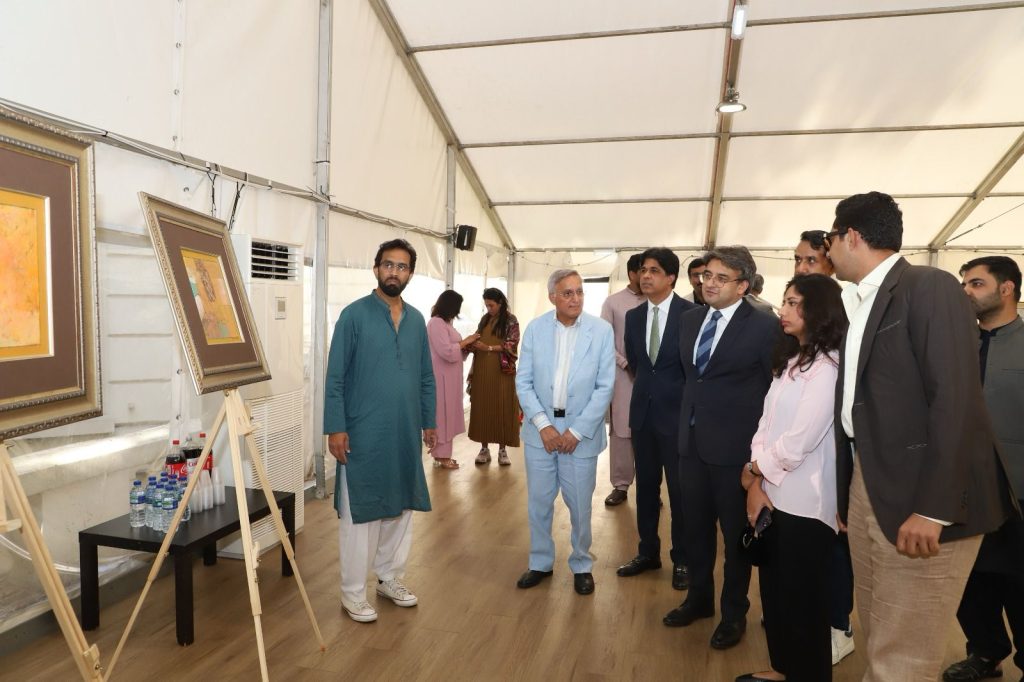
The exhibition brings together the works of renowned senior Pakistani artists and calligraphers Late Ahmed Khan, Late Mashkoor Raza, M.A. Bukhari, Chitra Pritam and Qamar Siddiqui, offering audiences in the United Kingdom a rare opportunity to experience original works of Pakistani art.
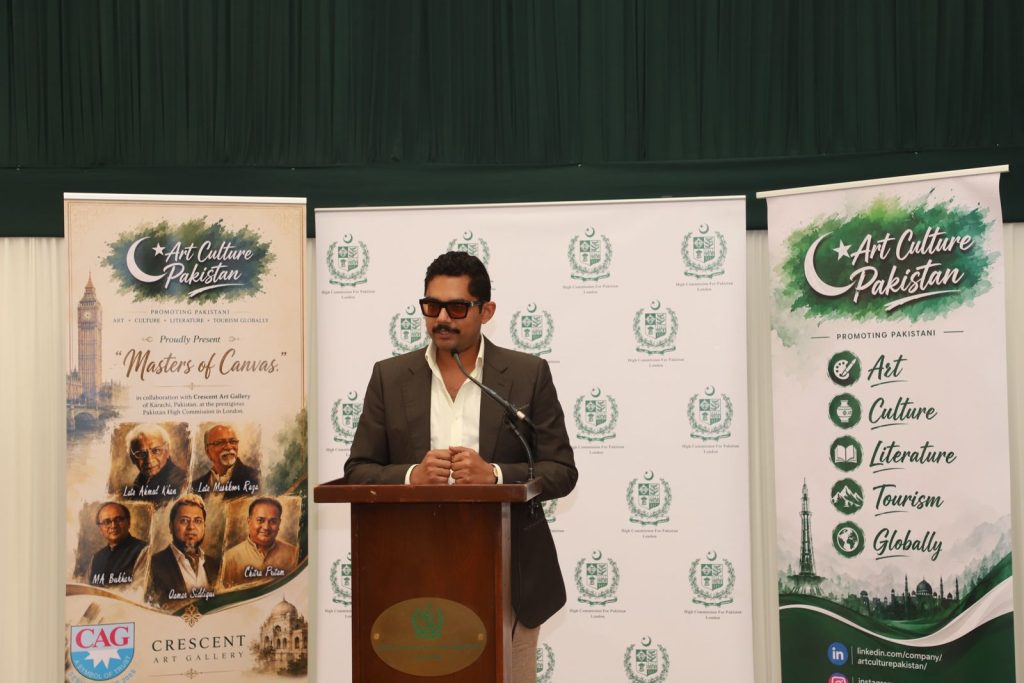
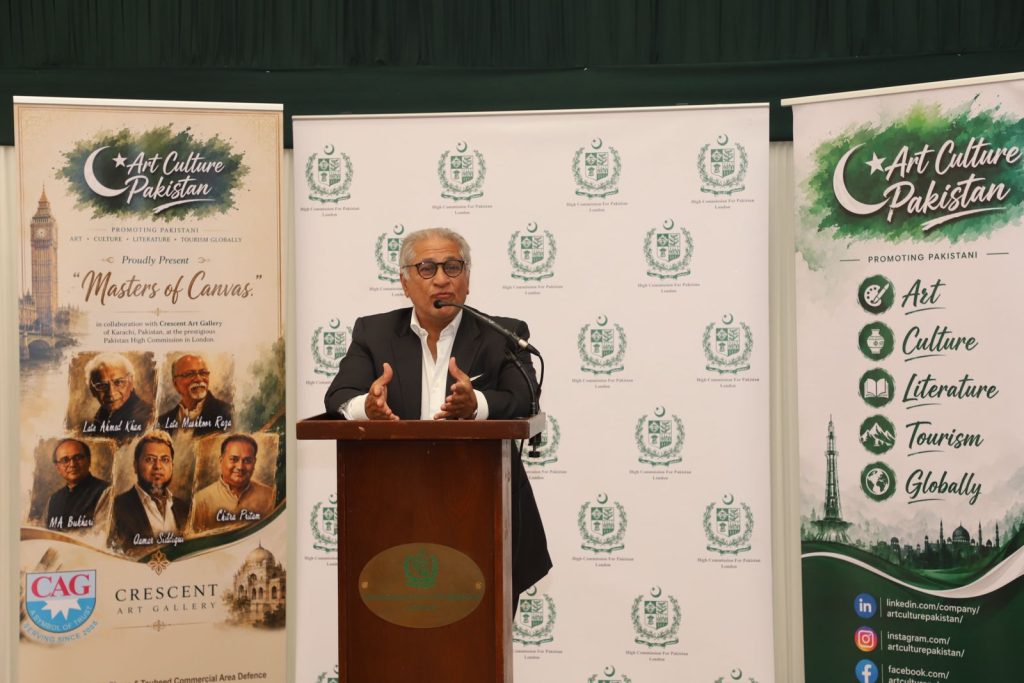
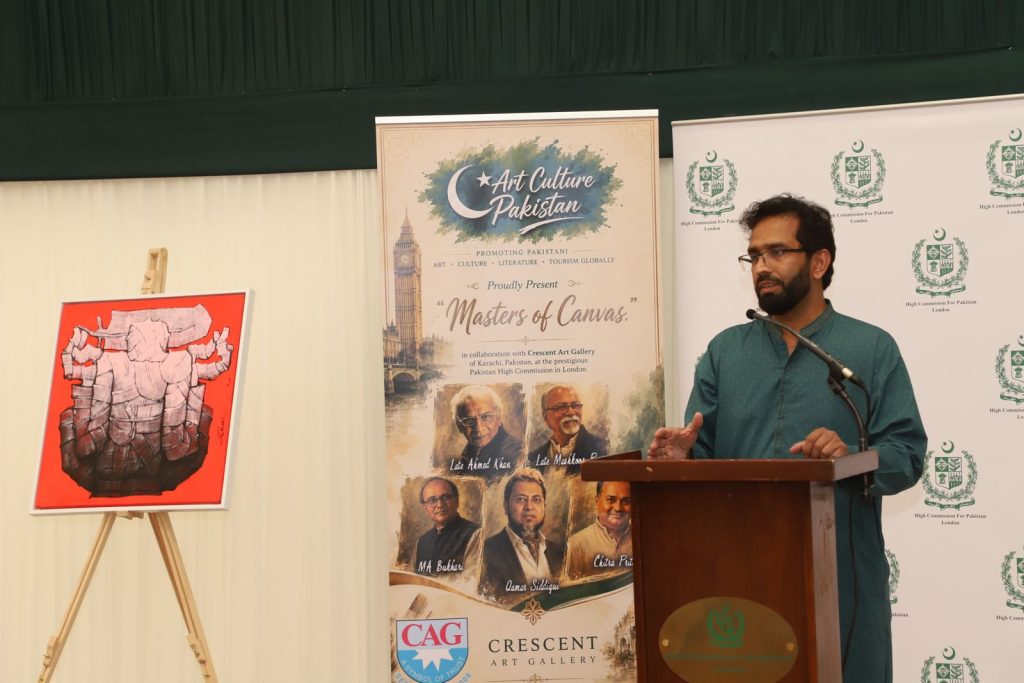
Speaking at the inauguration, Deputy High Commissioner Haseeb Bin Aziz paid tribute to the distinguished artists, appreciating their remarkable contributions to Pakistan’s artistic and cultural heritage. He also commended the efforts of Art Culture Pakistan and Crescent Art Gallery, Karachi, for bringing the work of these celebrated artists to the United Kingdom and providing an important platform for Pakistani art and culture to reach international audiences.
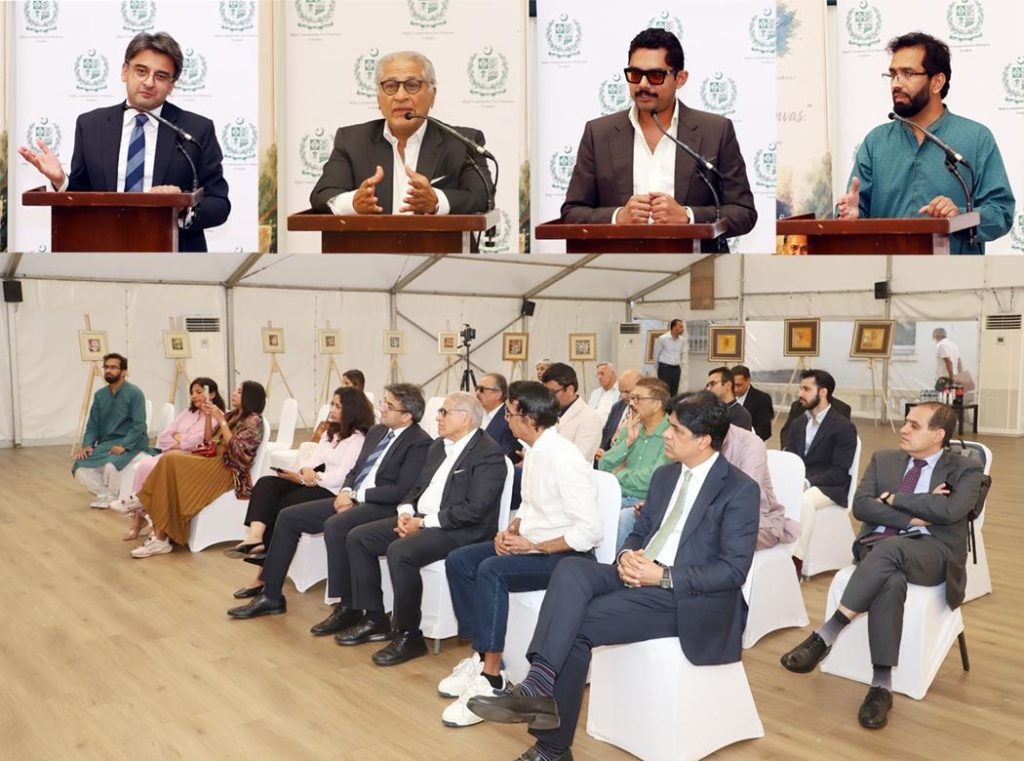
The exhibition is proudly presented by Art Culture Pakistan, an initiative founded by Mr. Akber Mehmood, in collaboration with Crescent Art Gallery, Karachi, founded by Mr. Nasir Javed, together with Mr. Sameer Nasir and curator Ms. Sidra Nasir. Through their continued commitment to the promotion of Pakistani art and culture, the organisations have worked to introduce outstanding Pakistani artists to audiences across Pakistan and internationally.
Addressing the gathering, Mr. Sameer Nasir of Crescent Art Gallery encouraged members of the audience to actively participate in and support cultural events of this nature. He emphasised that growing public interest in Pakistani art and culture can help create greater opportunities for cultural exchange and contribute to strengthening Pakistan’s soft image in the United Kingdom and beyond.
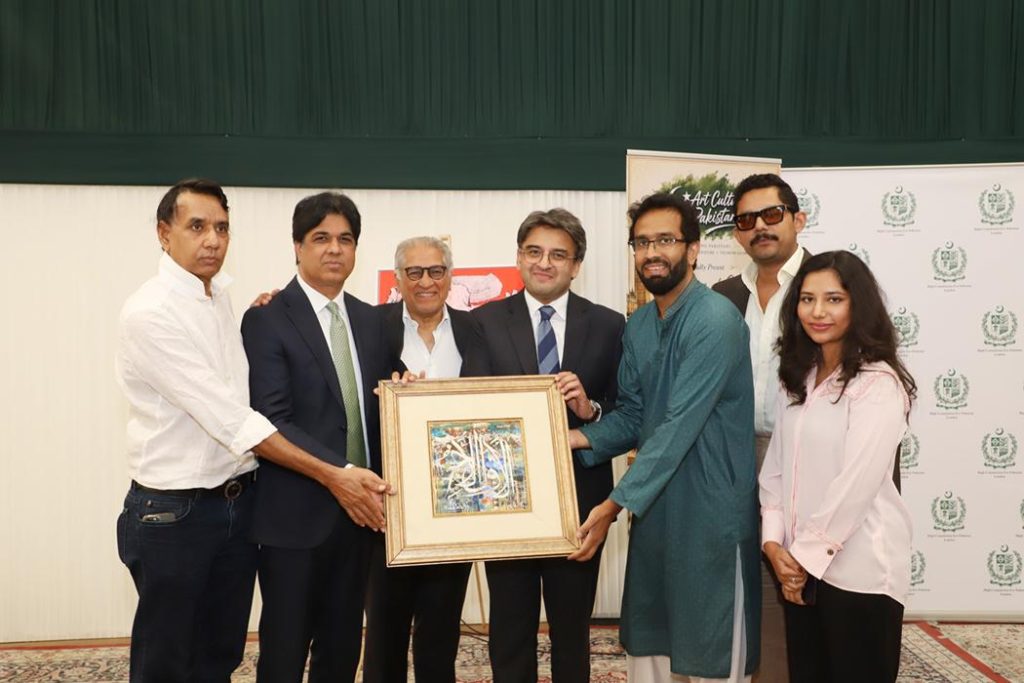
Mr. Asif Rangoonwala of the British Pakistan Foundation also congratulated the organisers for bringing such a prestigious selection of Pakistani artists to London. He described the exhibition as a rare cultural occasion, highlighting the significance of presenting original artworks from Pakistan to London audiences after a considerable period. He encouraged attendees to value and support such unique opportunities to engage directly with Pakistan’s rich artistic heritage.
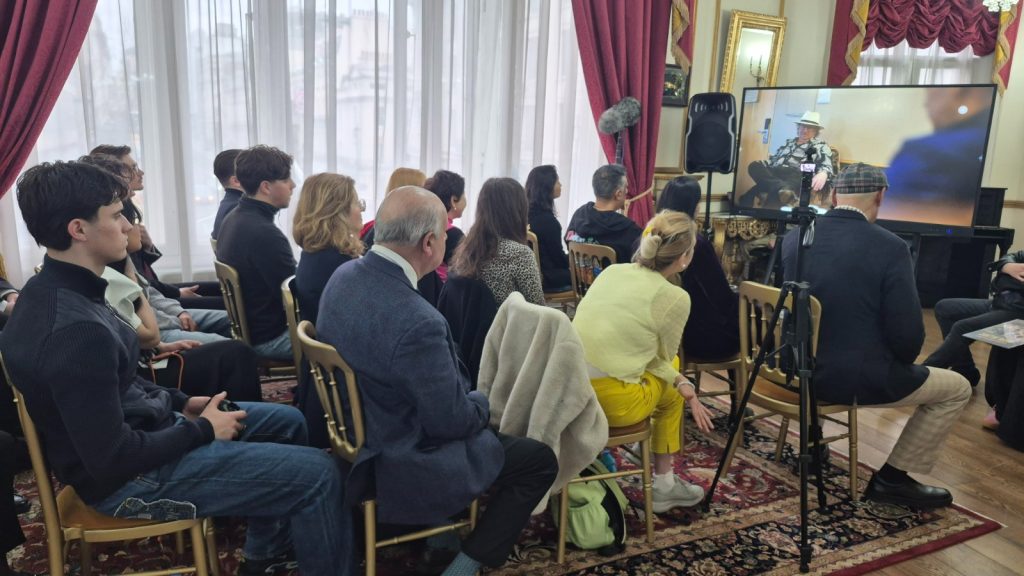
The event also featured a special video presentation titled “Masters of Canvas,” presented by Mr. Akber Mehmood of Art Culture Pakistan. The presentation introduced the featured artists, showcasing their artworks and highlighting the distinctive genres and artistic approaches that have shaped their careers.
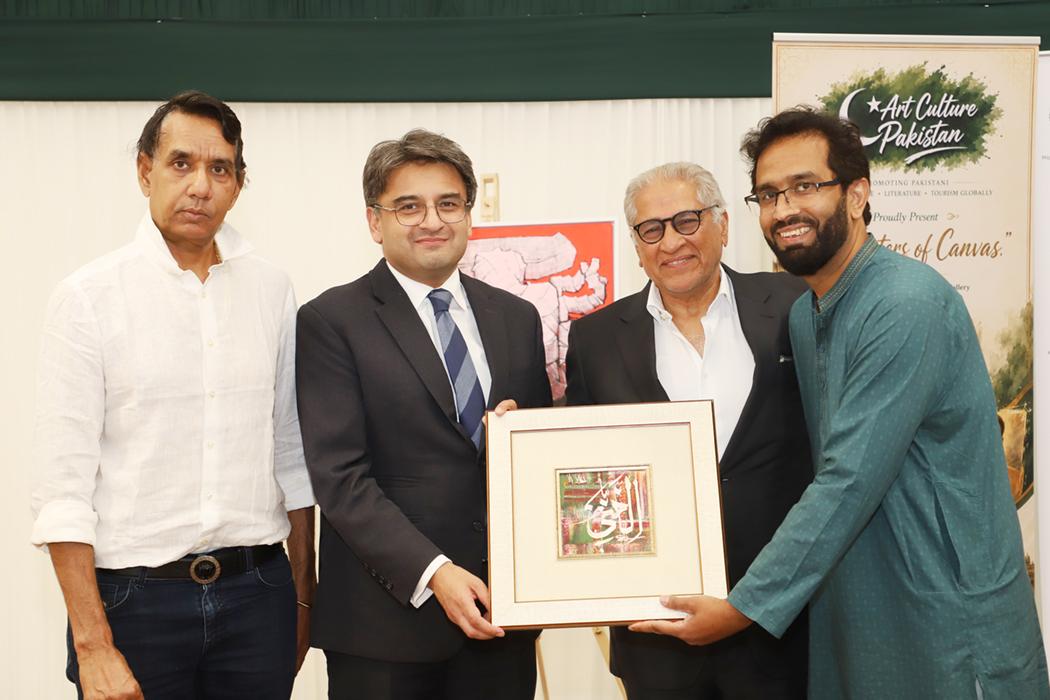
“To conclude the event, exquisite calligraphic masterpieces by the venerable maestro M.A. Bukhari were presented on behalf of Art Culture Pakistan to Deputy High Commissioner Haseeb bin Aziz, British Pakistani Foundation CEO Asif Rangoonwala, and Press Attaché Mr Ali Nawaz Malik.”
By Dilyara Lindsay
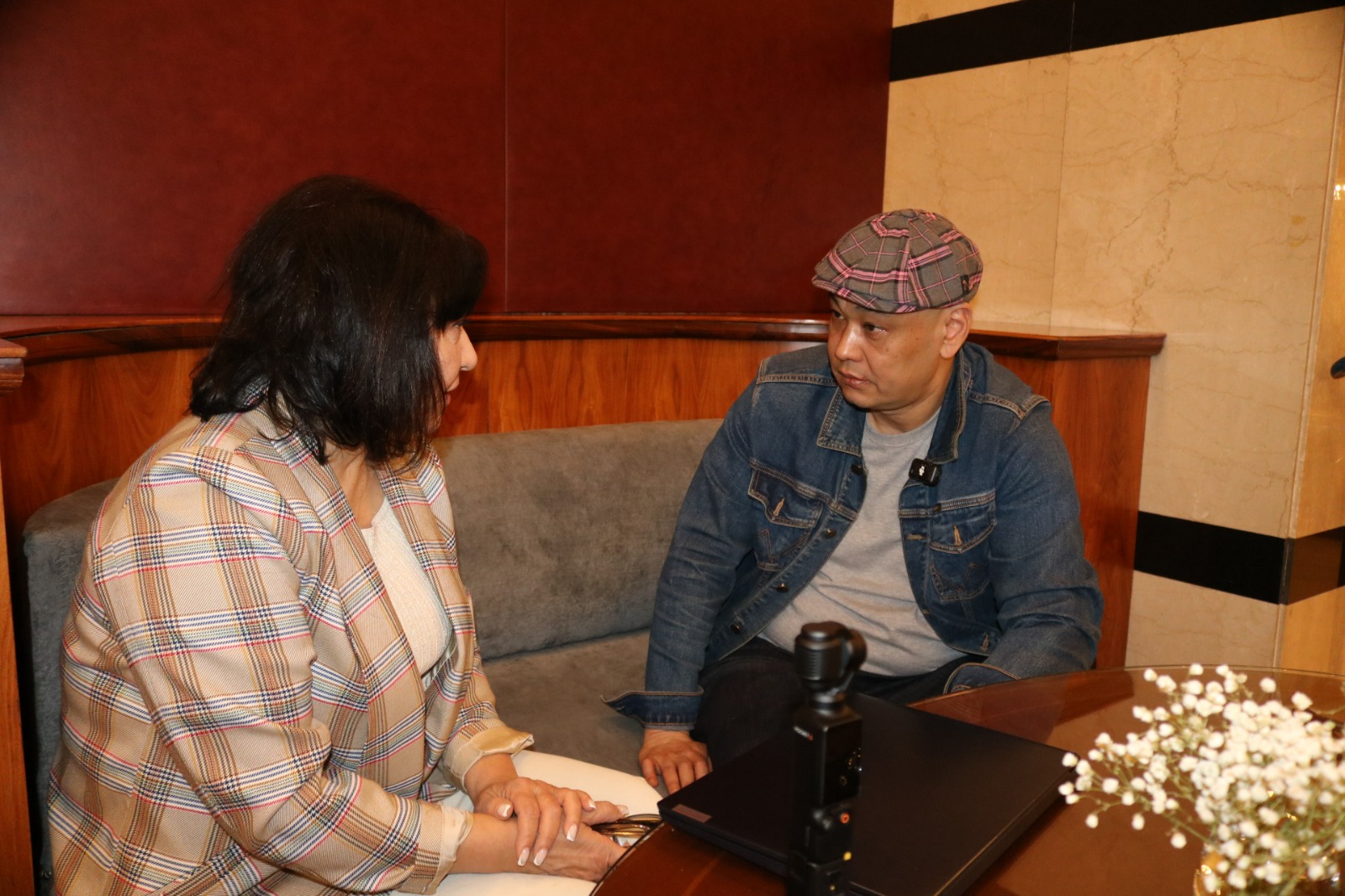
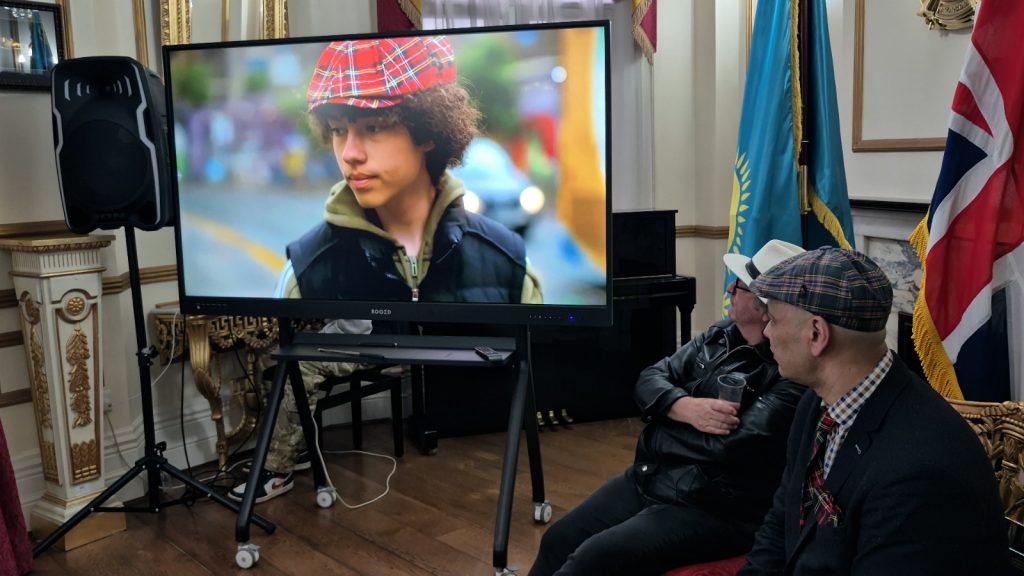
In a remarkable story of transformation from diplomacy to artistic expression, renowned Kazakh musician and songwriter Jantik – whose full name is Zhantemir Baimukhamedov – has opened up about his journey from the corridors of foreign affairs to the international music stage. In an exclusive interview with our Cultural Desk, the former diplomat turned performer discussed his childhood influences, his decision to leave public service for music, and his dream of recording at Abbey Road Studios.
Q: Mr. Baimukhamedov, thank you for speaking with us. Let’s start at the beginning. How did music first enter your life?
A: Music has been part of me since childhood. I was born into a family where music was deeply cherished. My father was a guitarist – he was considered the first Elvis of Almaty and Kazakhstan back in the 1960s. He started in Moscow, living in a dormitory for foreign students, and that’s how he got hold of rare tapes of Western music. Through him, I discovered Elvis Presley, The Beatles, and the sound that shaped my imagination.
Q: You trained formally in music as a child. What did that involve?
A: I attended music school and sang in a choir. But I also pursued academic studies – history with a specialization in English. So music and education went side by side.
Q: Then your path took an unexpected turn toward diplomacy. How did that happen?
A: After the collapse of the Soviet Union in 1992, the Ministry of Foreign Affairs was searching for officers. I was selected for advanced diplomatic studies and was sent to the London Diplomatic Academy in 1993. After completing my studies, I joined Kazakhstan’s Ministry of Foreign Affairs, serving as an interpreter under the attaché. I also worked as an assistant to the Ambassador of Malaysia to Kazakhstan.
Q: Yet the call of music proved stronger. What made you leave diplomacy?
A: Yes, in 1996 I made the bold decision to leave diplomacy and devote myself entirely to the arts. That choice defined the next chapter of my life. Music was not just a hobby – it was my true calling.
Q: What was your professional breakthrough?
A: That same year, I joined the newly opened national television channel Khabar, where I produced a youth entertainment programme called High-Five Front. It was often described as Kazakhstan’s answer to MTV. Since then, I have performed in more than 3,500 live events as both a singer and master of ceremonies. I established my own band, and we have been performing regularly.
Q: You recently achieved a long-held dream: recording at Abbey Road Studios. Tell us about that.
A: Yes, this year we released a 14-track vinyl album recorded at the iconic Abbey Road Studios in London with acclaimed producer Stuart Epps. Recording at Abbey Road was a dream I had carried since my teenage years. To see it become reality is one of the proudest moments of my life.
Q: Your music bears a deep imprint of British musical heritage. Which artists have influenced you most?
A: From The Beatles and The Rolling Stones to Led Zeppelin, Oasis, and Stone Roses – I credit several generations of British artists for shaping my creative language. As a teenager, my friends and I would copy the Beatles, the Animals, The Who, then later Supergrass and Oasis. There were three British invasions: the 60s, the 70s, and the 90s. All of them influenced me. You can hear those sounds in my album.
Q: You’ve described your mission as giving Kazakhstan a place in the global musical conversation. Can you elaborate?
A: Absolutely. While my work draws strongly from British influences, I see my artistic mission as something larger. Using a metaphor: The Beatles planted a great musical tree. Many branches have grown from it. I hope to add a Kazakh branch that will continue to grow and prosper. I am not incorporating traditional folk elements – I am directly engaging with British music culture while bringing my Kazakh voice into that tradition.
Q: Beyond your own career, you are also committed to nurturing young talent. Tell us about your music school.
A: I established a music school for emerging musicians. Talented young people deserve a stage. If I can help create that path for them – including my own daughter, who I believe is very talented – then I feel I am doing something meaningful. I provide practical stage experience. This business is hard. You have to be number one. It took me 30 years. You have to be a maniac towards your target.
Q: How have diplomatic institutions supported your artistic journey?
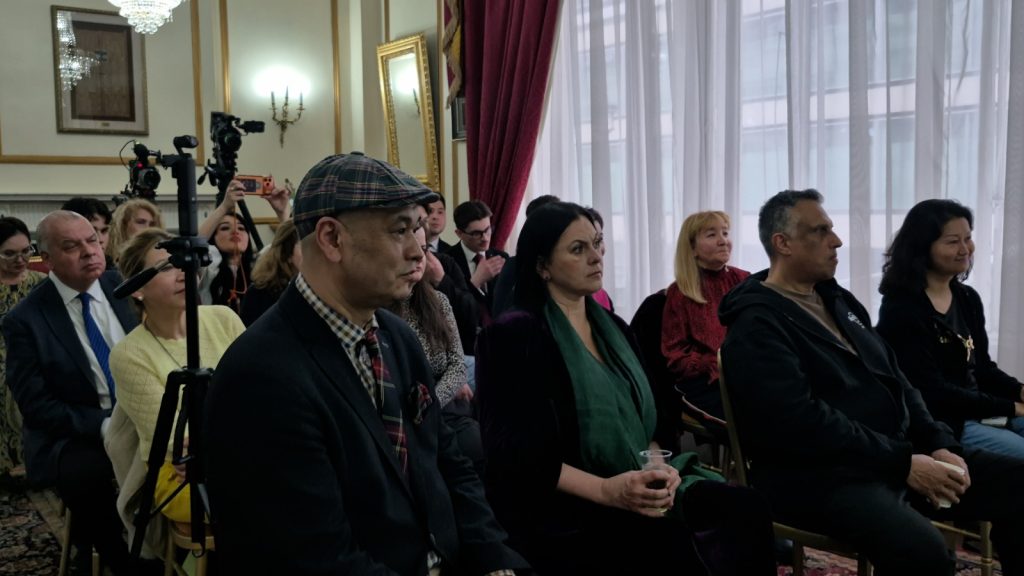
A: I am very grateful to the Kazakh Embassy in London. They helped me greatly and put serious effort into organizing a successful press conference. Diplomats attended, as well as representatives of the Eurasian Creative Guild, where I serve as an ambassador. Special thanks to Marat Akhmedjanov and all the guild members in the UK. They gave me encouragement and power to continue my work.
Q: What are your future ambitions?
A: I want to bring my band to the United Kingdom and fulfill another long-held ambition: performing at the Glastonbury Festival. That has been my dream for more than two decades. Of course, everything depends on funding. I spent a lot on this project – more than a beautiful car. If sponsors exist, I would love to apply to them. If not, I will work hard to make it happen.
Q: Finally, what would you say is your ultimate goal as an artist?
A: My intention is to put Kazakhstan on the world music map. That is what I am doing. For an artist who has already crossed the boundaries between diplomacy and music, the journey appears far from over. And I am just getting started.
ZhantemirBaimukhamedov’s latest vinyl album, recorded at Abbey Road Studios with producer Stuart Epps, is now available. He continues to perform and mentor young musicians through his school in Almaty.
Art & Culture
Part 2-Muslim-Sikh Harmony in Punjab: Akhtar Hussain Sandhu with Arshdeep Kaur Battu in a TV Interview on Sanjha TV (Canada)

Dr. Akhtar Hussain Sandhu, expert on Sikh/Punjab Studies, historian, scholar and columnist from Pakistan, currently living in USA was interviewed by famous anchor Arshdeep Kaur Battu for Sanjha TV, Surrey (Canada). The Light Newspaper is publishing first part of this interview and the rest of parts will be published in the forthcoming Sundays.
Translated by:
Farooq Muhammad Wyne
Lecturer in English
Government Islamia College Civil Lines, Lahore
Part 2
Earlier, you mentioned “Wand” (Division); division didn’t only occur in 1947. Way before that, Delhi was part of Punjab, and then it was separated by the British, and no one spoke out against this territorial loss of Punjab. NWFP and other regions extending up to Kabul during the reign of Maharaja Ranjit Singh were part of Punjab, and even Kashmir was under Punjab; later, Kashmir separated, but no Punjabi leader cried or protested. Moving on, Haryana got separated, Himachal Pradesh, Chandigarh gained the status of union territory, who spoke against that?
The leadership crisis in Punjab has always existed. The major issue in Punjab is the crisis of leadership, even today. We (the Punjabis) neither have unity nor capable leadership. A leader is someone who thinks about people. There is a word called “Ishq.” It is something that cannot be associated with a man or a woman; it would be an insult to the word “Ishq” if it is used in this context. “Ishq” means losing your comfort, wealth, and everything you have for the sake of a ‘cause’ or mission. The cause of ultimate societal betterment. “Ishq” entails selflessness and self-negation in pursuit of higher objectives. Spirituality, which entails selflessness and self-negation, is the prime quality of a capable leader, but it is rarely seen today. If someone doesn’t rise above his materialistic gains and vested interests, he cannot benefit people and hence cannot become a leader. Such a person will deliver speeches for the public good but will have his own motives. So, the leadership of Punjab is now suffering from materialism. They (the politicians) need money, ministries, and status. In conclusion, Punjabis lack unity and leadership.
Host: We often remember Bhagat Singh, especially in September when his holiday is celebrated. Bhagat Singh would have never imagined that his Punjab would be divided into two parts, and elderly Punjabis would lament the division of the land. His only dream was that Punjabis should remain united, undivided, and in harmony. I often think his soul must be writhing to see the current state of Punjabis.
Guest: Regarding Bhagat Singh, there are many elements to discuss. Sadly, some members of the Sikh community have ostracized him from the Sikh community. My question is, if someone calls himself a Gursikh (a devoted follower of Sikh Gurus), will the Guru cast him away? If a Sikh goes to the Guru and calls himself his follower, will the Guru say to him, “No, since you do this and that, you go away”? No, the Guru will not say such a thing. When the Guru himself does not reject him, who are we to reject him (Bhagat Singh)? Whoever goes to the holy door of the Gurus is accepted wholeheartedly and embraced. The purity of their (Holy men’s) souls and intellects is very clear; they accept any kind of man, be it good or otherwise. But now, this phenomenon of excommunicating people is prevalent, where individuals are labeled as believers or disbelievers, Sikhs or non-Sikhs. When such states of affairs are prevalent in Punjab, what kind of leadership can we expect?
At least Bhagat Singh was fighting for independence, for Punjab, and for India’s freedom against the colonizers. Just look at these aspects; aren’t they enough? Why do people delve into deeper issues? He was a writer, and if someone is a writer, his task is to write. If someone is a reformer, his task is to reform. If someone is a poet, his task is to write poetry. If someone is a lyricist, he will be remembered for his art. That’s how people should be remembered (for their works), and we don’t need to invade their personal lives to find faults and defects.
Host: But such things are pervading.
Guest: Personal affairs of revered personalities should be left to themselves. Just look at their work. If I am a Professor or researcher on Punjab, that’s enough. No one needs to
look at my religion or personal inclinations or affiliations; this isn’t necessary. Today, you invited me on your television show, for which I am very grateful, but that is because I am a researcher on Punjab. If you invite a political leader, then you would look at him from a political perspective, not a religious one. Likewise, if someone is a reformer, he will be viewed from another context. Whoever contributes to his field gets recognized; hence, we don’t need to delve into his personal or family affairs. This is a drawback in Punjabi culture; they observe minutiae, irrelevant and inconsequential details, and then politicize the whole thing. This is one of the most problematic issues in Punjab.
Host: We often highlight that education is important. We also say that if youth are equipped with education, it will change the course of the country. The youth of any country holds utmost importance. Previously, we were discussing women’s education, how much education and awareness are being provided to (Punjabi) women, and how many of them are being encouraged to join schools and universities and then join the profession they love and aspire to. But whenever we talk about Sikhya (Education), the element of religion cannot be excluded. It is often said (regarding Punjab of Pakistan) that Muslims are given educational opportunities while Non-Muslims are not. Are these things real? Are they happening in Pakistan?
Guest: My father Ch. Khadim Hussain used to say that in childhood, a man’s energy is in his hands and legs; he tries to run, play, and jump. Gradually, the energy moves towards his chest and heart, and he wants to change the world; he wants to become an activist. When he crosses his forties, he becomes mature and a thinker; he starts thinking. This is the age of his wisdom. When he becomes too old, his energies start to fade away, and he only speaks and starts babbling like a child. This is the cycle of life. Our scholars (Vidwan) think, use wisdom, and show the path, values, and wisdom. It is the task of the youth to implement those values and wisdom. Youth is the backbone of any society, and they are the ones who change society. The experience they gather when they reach the age of wisdom is then used to lead people forward from that perspective. Youth is very important. Hence, if the youth is kept away from education, there will be a lapse of awareness among them. This is why the youth, especially those in education, shall realize that their primary objective is learning, not money. The first textbook a child reads is his mother; she inculcates religious and moral values into him. The second textbook of a child is his society and surroundings; he learns from his society, as it is the second institution of learning. The third textbook of a child is his primary educational institution. But when he goes to university, the door becomes open for him; he is already socially constructed by his religion, society, and school. This is the time when he decides in which direction he wants to move, let’s say engineering, medical, religion, or IT. At that moment, he has to strike a balance between the training and learning he received earlier and the direction he now wants to move in. If he fails to do that, it will create an identity crisis in him. This is why he should not cut himself off from the learning he takes from his mother tongue and culture. The important thing is that whichever field he chooses, he has to carry his culture along with him.
If the student forgets his culture, he will face a severe identity crisis; he won’t be able to distinguish between his roots, i.e., whether he is Punjabi or belongs to the West. In Punjab, the English language is taken as a measure of intelligence and education; if someone speaks English in Punjab, he is often considered a scholar. But even in an English society, let’s say an insane or psychologically ill person also speaks English; does it denote wisdom? Of course not. English should not be given preference over Punjabi in Punjab. English is just a language, a mode of communication, and wisdom is
something else. Education doesn’t teach you wisdom; rather, it hones your skills and capabilities. It tells you how to behave. If there is a saint or an engineer inside you, getting an education will bring it out. Likewise, if there is a poet, writer, or historian in you, education will bring it out. The teacher is also an educationist and a facilitator. Our (Punjabi) students are away from books, and even before that, they are away from their Punjabi language and culture. They can speak one or two sentences in Punjabi but aren’t able to carry out a substantial conversation. I remember I was training some officers in Lahore. I asked them, “Do you know Punjabi language? As you’re all Punjabis,” they replied in assent, saying if they can’t speak Punjabi, then who would? So, I read out the lyrics of a famous Punjabi song:
Pichhe pichhe aunda meri chaal vehnda aen, Chirey valia vekhda aen ve, mera lawng gawacha
(translated as, following me, keep a watch on the route I walked; O turbaned boy, keep watching while my nose ornament is lost).
Then I asked what “Chiray wala” means in Punjabi, and they replied, “Those who have a straight line or distinct mark in their hairstyle (cheer).” I tried to suppress my laughter and said a “turban” (safaa) is called Cheera in Punjabi. The officers were shocked. Likewise, I was once posted in Murree as a Lecturer. While traveling in public transport in Punjab, you know in our society these days, the FM Radios have changed their styles. The Radio Jockeys speak while music plays in the background. So, neither can you enjoy her talk nor the music. The song being played was “Mahi merya rond na marin, me da laaya jind jan da” (My beloved, do not betray me as I have put my life at stake for you), probably sung by Noor Jahan. The Radio jockey said while lowering the volume, “I consulted a Punjabi scholar about the meaning of ‘rond marna,’ and he told me it means to shoot someone.” This shows the youth’s nonseriousness of Punjabis towards their language and culture.
Host: I think parents play an important role in the upbringing of children because whatever language the parents speak, the child will try to repeat it, as is the case in Observational Learning of a Child.
Guest: In our Punjab (both Eastern and Western), it is often said that if you don’t speak Hindi or English on the Indian side of Punjab, you probably won’t be able to compete in Indian civil services and other competitive exams. On our (Pakistani) side of Punjab, it is widely regarded that if you don’t know Urdu and English, you might not ace the civil services examinations. This is why they are encouraged to learn such languages, the language of capital (market language), which isn’t bad, but the problem arises when you discourage Punjabis from speaking Punjabi. The second thing is that when our children get this “heen bhavna” or inferiority complex, perhaps the Punjabi language is not a good language. But I think Punjabi youth can still struggle to regain the lost glory of their language. You see, in our home, it was said that if you don’t learn English and Urdu, you won’t succeed. Gradually, I started studying my culture; I read the poetry of Waris Shah, Bulleh Shah, Mian Muhammad Bakhsh, and Sultan Bahu, the famous Punjabi poets. Each verse of such gems contains pearls of wisdom. If our youth is getting away from Punjabi culture, they would lose gems of
wisdom. For example, our proverbial wisdom such as “Dhyian sab dian sanjhiyan hundian ne” (Daughters are cherished and valued by the entire community) or “Wadyan da ehtram karna chai da ay” (the elderly shall be respected), such ethics and values cannot come from the West. If we defy our (Punjabi) culture, we will not only be cut off from our language and heritage, but we will also lose the gems of wisdom that they carry. Especially poets like Mian Muhammad Bakhsh; his poetry is full of wisdom and appeals to the intellect.


Media As A Bridge between Civilizations

China’s Fusion Breakthrough: Death Knell for the Oil Age

A Nation’s Real Strength Rests in Spirituality, Not Military Might


-
 Sports2 months ago
South Korea’s Yoo Useong Steps Onto the Global Strongman Stage as World Strongman Federation Professional Athlete
-

 Art & Culture1 year ago
A Survey of Mata-E-Zeest
-

 Europe News1 year ago
Chaos and unproven theories surround Tates’ release from Romania
-

 American News1 year ago
Trump expands exemptions from Canada and Mexico tariffs
-

 American News1 year ago
Trump Expels Zelensky from the White House
-

 Art & Culture1 year ago
Will Snow White be a ‘victim of its moment’? How the Disney remake became 2025’s most divisive film
-

 Pakistan News1 year ago
Comprehensive Analysis Report-The Faranian National Conference on Maritime Affairs-By Kashif Firaz Ahmed
-

 Entertainment2 years ago
Champions Trophy: Pakistan aim to defend coveted title as historic tournament kicks off today