
Pakistan News
Trump’s Spotlight on Shahbaz

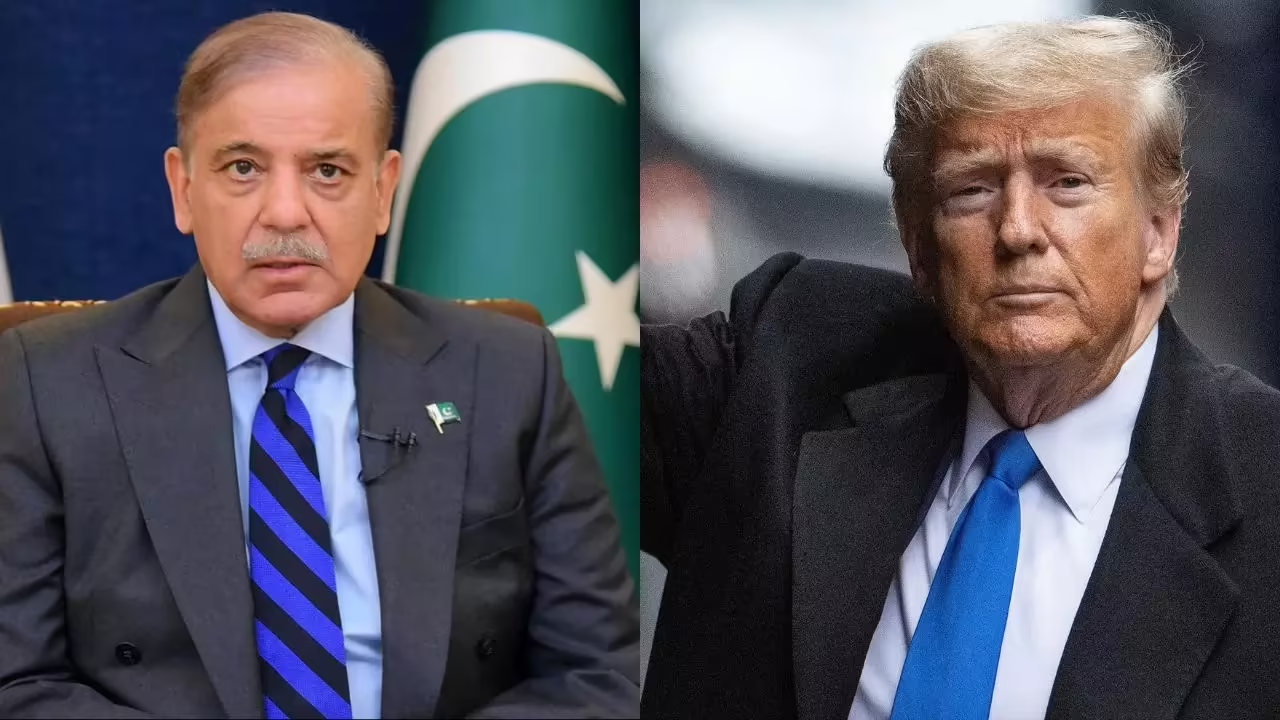
Paris (Imran Y. CHOUDHRY) :- Former Press Secretary to the President, Former Press Minister to the Embassy of Pakistan to France, Former MD, SRBC Mr. Qamar Bashir analysis : The recent summit hosted by President Donald Trump, with Egypt’s Prime Minister beside him, carried moments that went beyond protocol. When Trump extended an affectionate greeting to Prime Minister Shehbaz Sharif, it was more than a warm gesture—it symbolized a historic shift in U.S.–Pakistan relations. That moment showed how Islamabad’s civilian leadership and its military command under Field Marshal Asim Munir had moved from the margins of suspicion to the heart of Washington’s strategic calculus. This closeness did not emerge overnight. It had been cultivated in the months before America’s devastating strike on Iran’s nuclear facilities, when Pakistan’s leadership first engaged with Trump in serious dialogue. Since then, Pakistan has become central in persuading the Muslim world and wealthy Arab capitals to support Trump’s ambitious 21-point Gaza Peace Plan.
What followed at the summit underscored the depth of this bond. While European leaders, presidents, and prime ministers from around the globe sat on the sidelines, Shehbaz Sharif was invited by Trump to take the podium and publicly offer praise. No other leader was given such a platform. Trump, clearly pleased, remarked that the true achievement of the summit was not only the signing of the Hamas–Israel agreement but the dawn of a new era of friendship, reconstruction, and hope for Gaza. In a further gesture, Trump mentioned Field Marshal Munir by name, praising his leadership and role in regional stability. It was a recognition that carried consequences far beyond the hall, signaling to the world that Pakistan was no longer merely a participant but an indispensable partner in shaping the future of the Middle East.
The political consequences at home are equally profound. A country that only recently teetered on the brink of economic collapse now finds itself under the protective shield of Washington’s goodwill. Trump’s personal embrace of Pakistan’s leadership, combined with the IMF’s readiness to release fresh funds and the global media’s acknowledgment of reforms, all but ensures that Shehbaz Sharif’s government will complete its five-year term. Bloomberg’s recent report, which placed Pakistan as the second most improved emerging economy in terms of sovereign default risk, has become an anchor for this perception of stability. It suggests that regime change, once a lingering fear, is no longer an imminent threat.
For the opposition led by Imran Khan, this represents a near-terminal blow. PTI, once a movement with momentum, now appears fractured, riddled with blame games and leadership rifts. International recognition of government performance compounds the decline of PTI’s appeal. The likelihood of Khan’s return to power grows slimmer with each passing day, not only in this term but perhaps in the next electoral cycle as well. Continuity, not disruption, now defines the political horizon.
Bloomberg’s endorsement is more than a headline. Between June 2024 and September 2025, Pakistan’s sovereign default probability fell by as much as 2,200 basis points. From being ranked among the riskiest economies in the world, Pakistan rose to the second-best performer among emerging markets, behind only Turkiye. The turnaround was achieved through strict fiscal discipline, compliance with IMF conditions, timely debt repayments, and reforms that improved investor confidence. To lenders and investors, the message is clear: Pakistan is no longer a default story but a recovery story. To citizens, it signals hope that the worst may be behind them.
Yet beneath this optimism lies a more complex reality. The improvement in sovereign risk is significant but does not tell the whole story. Pakistan’s growth for FY25 was revised upward to 3.04% after industrial output rebounded, while third-quarter growth came in at 2.4%. These figures are encouraging but modest, reflecting stabilization rather than a boom. Inflation, which had once spiraled above 30%, cooled dramatically to just 4.1% by late 2024, allowing the State Bank to cut policy rates from a suffocating 22% down to 12%. This drop, however, owes as much to global commodity relief as it does to policy discipline.
Investment has shown some sparkle: the Special Investment Facilitation Council pushed foreign direct investment up by 16% in one month, IT exports rose 32%, and the Karachi Stock Exchange doubled in a single year. Exports rose by 10% to $30.64 billion in FY2024, though a persistent trade deficit remains, fueled by costly imports of petroleum and machinery. Most recently, a $1.2 billion IMF agreement reached in October 2025 has shored up liquidity, while the 2025–26 budget ambitiously targets 4.2% growth.
These data points reinforce Bloomberg’s narrative to an extent. Inflation is under control, growth is stabilizing, investors are returning, and credit risk has narrowed. Yet deep challenges persist. Job creation remains weak, and official data is thin. Small and medium enterprises, which form the backbone of domestic employment, still face crushing costs from energy tariffs, taxation, and financing constraints. Structural reforms in governance, energy, and taxation continue to lag. Pakistan’s revival, while real, is fragile—dependent on external goodwill and vulnerable to global shocks.
What makes the Bloomberg recognition consequential is its convergence with Trump’s embrace. Together, they create a powerful narrative dividend: Pakistan is not only stable, but strategically indispensable. For Washington, Islamabad’s role in rallying Muslim and Arab states behind the Gaza framework is invaluable. For Pakistan, the dividend is survival and the chance to thrive under international endorsement. IMF funds flow more smoothly, investors take notice, and international media highlight the recovery rather than the collapse. Confidence breeds confidence, and the government’s legitimacy is strengthened at home.
But overreliance on narrative is dangerous. Recognition from Bloomberg or praise from Trump cannot substitute for deep economic transformation. If oil prices spike, if U.S. interest rates rise, or if domestic reforms stall, the narrative could unravel quickly. Investors are patient only as long as reforms continue; corruption or complacency could break the cycle of confidence. Pakistan’s future cannot rest solely on symbolic endorsements. It must be built on durable change that translates into jobs, thriving businesses, and improved living standards.
The outlook is both promising and precarious. If Pakistan can maintain fiscal prudence, expand exports, exploit its mineral wealth, and modernize its economy, this Bloomberg moment may be remembered as the beginning of a genuine turnaround. With Washington’s backing, the country enjoys a rare window of stability that could last five to ten years, enough time to set the foundation for durable prosperity. But history offers harsh lessons: moments of reprieve squandered, opportunities lost to complacency or discord.
The challenge now is not to mistake recognition for resolution. Trump’s embrace and Bloomberg’s endorsement are powerful signals of global confidence, but unless they are matched by tangible improvements in jobs, trade, and technology, they will remain fleeting headlines. Pakistan stands at a turning point, its reprieve fragile but full of possibility. Whether this moment becomes a renaissance or a relapse depends not on the applause abroad but on the reforms at home.




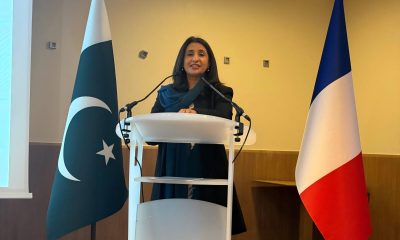

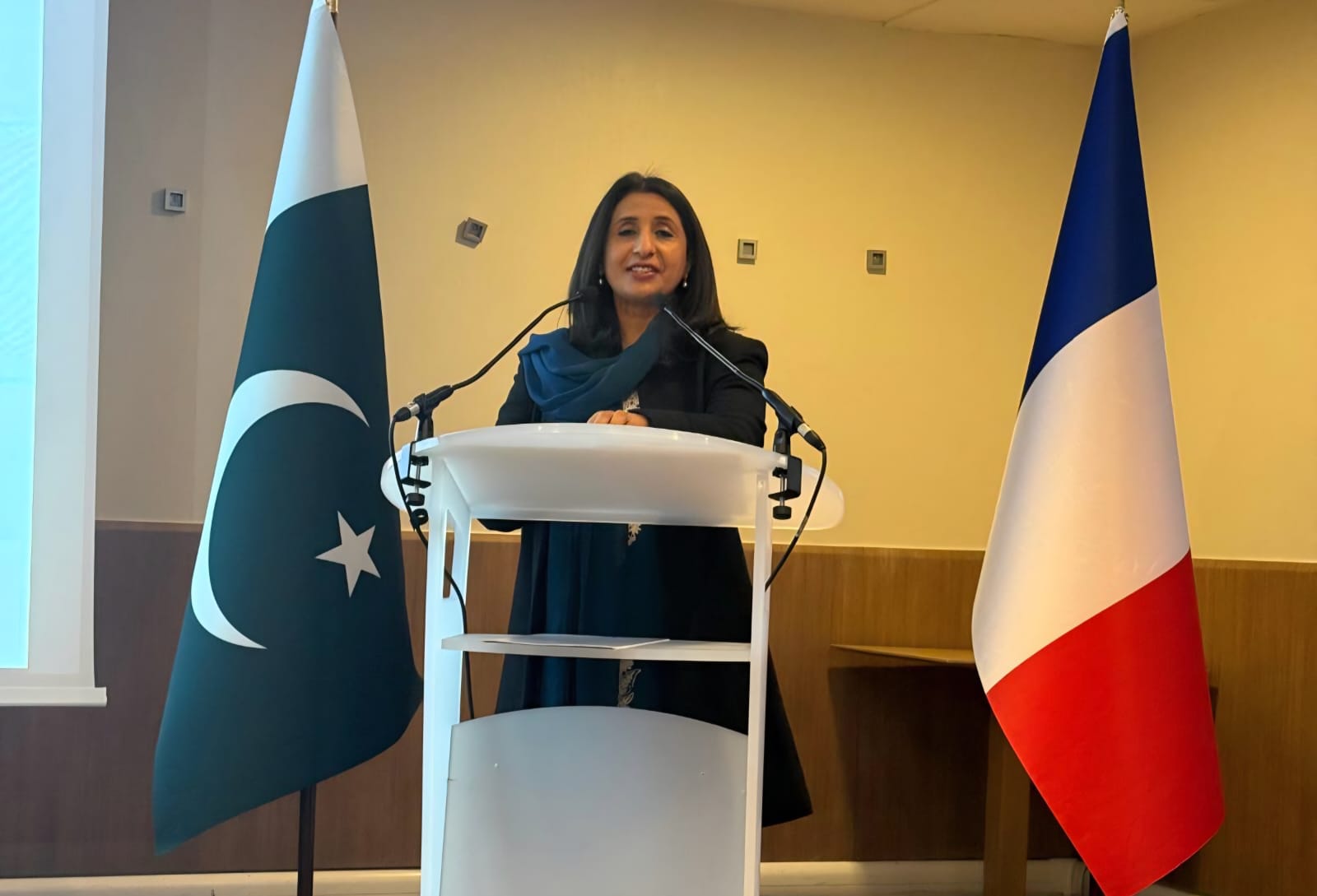
Paris ( Imran Y. CHOUDHRY):- A ‘Pakistan-France Trade and Investment Forum’ was held in Paris today, bringing together government officials, business leaders, industry experts and representatives of trade bodies of both countries.
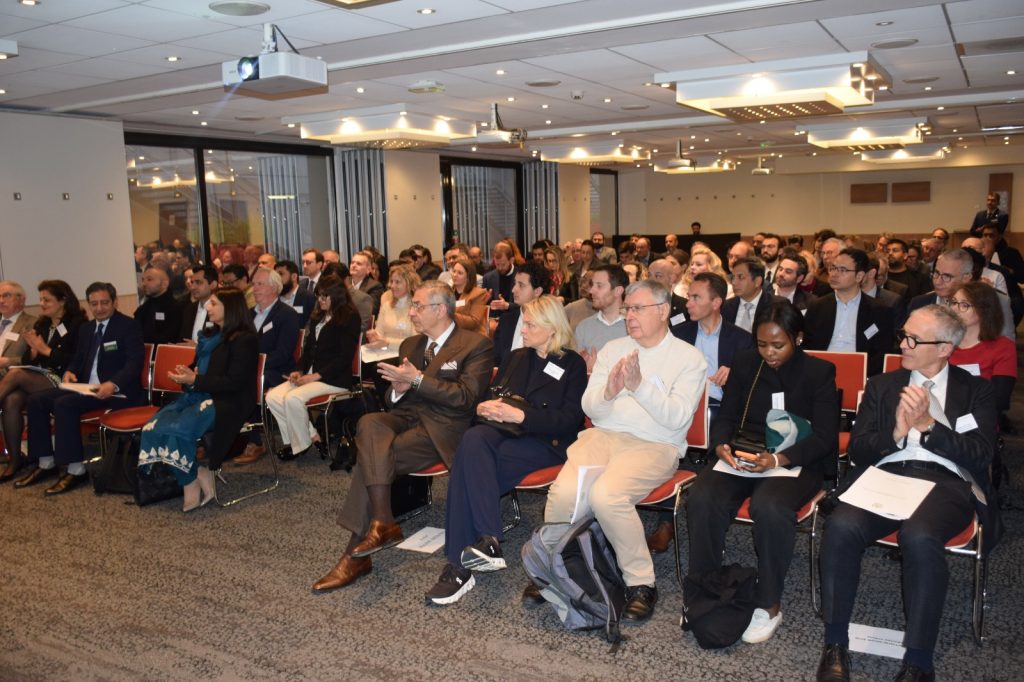
The Forum was held in implementation of an understanding reached between President Emmanuel Macron and Prime Minister Shehbaz Sharif in 2024, to build strong economic partnership between Pakistan and France. The objective of the Forum was to connect businesses, exchange ideas, explore new avenues of bilateral cooperation and showcase Pakistan’s trade and investment potential. It witnessed participation of over seventy French and Pakistani companies from diverse sectors including agriculture, information technology, textiles, energy and tourism.
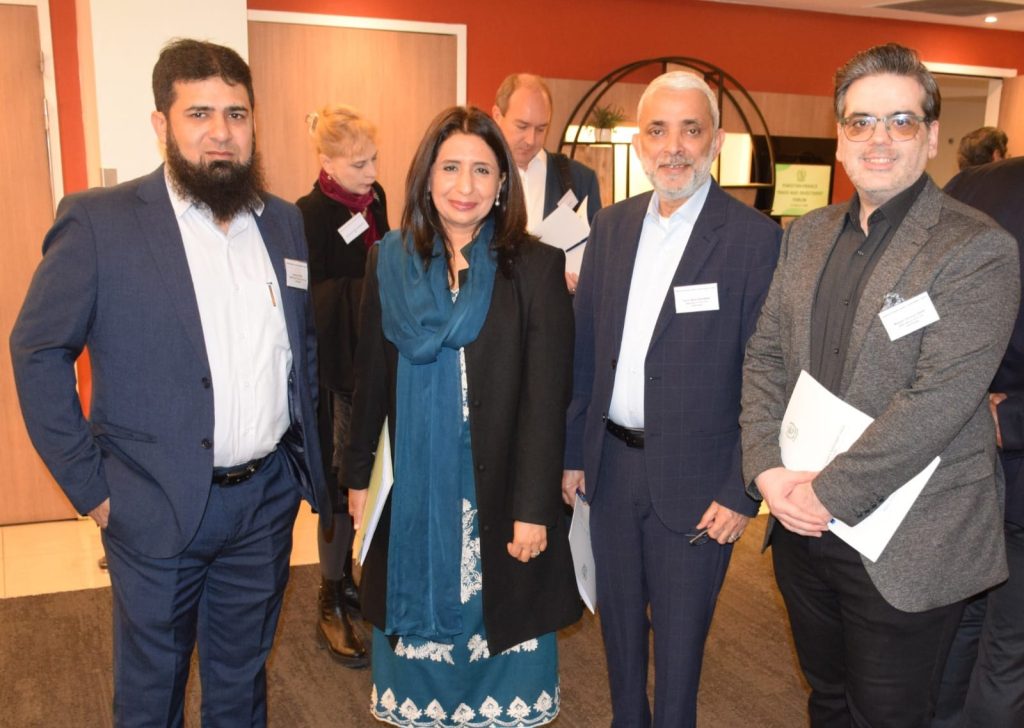
Ambassador Mumtaz Zahra Baloch opened the Business Forum and highlighted Pakistan’s economic growth and potential as an attractive trade partner for France. She outlined investor-focused initiatives and institutional facilitation mechanisms in Pakistan to promote trade and investment. She encouraged Pakistani and French businesses to explore collaborative opportunities, and develop joint ventures and win-win partnerships.
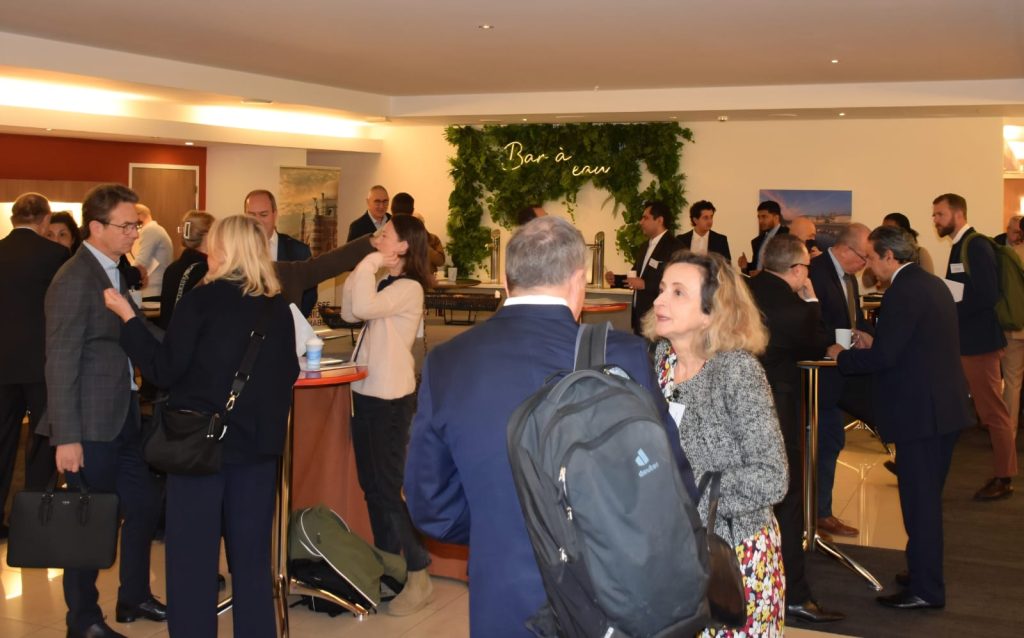
Speakers from the French side included Thierry Pflimlin, Chairman of the France-Pakistan Business Council at MEDEF International, Patricia Glasel, Vice President of the Conseillers du Commerce Extérieur de la France (CCEF) and Ardavan Amir-Aslani. They highlighted the growing momentum in France-Pakistan economic relations; identified the opportunities for trade and investment with Pakistan; and underscored the importance of strengthening private sector linkages to further facilitate bilateral trade and investment.
The plenary session was followed by ‘Breakout and Business-to-Business (B2B)’ sessions to discuss and identify tangible avenues for collaboration in textiles, agriculture and dairy, and Information Technology.
Pakistan News
Dr. Mohammad Faisal Joins Distinguished Quetta Association Event in London Gathering Reinforces Shared Military Heritage of Pakistan and Britain
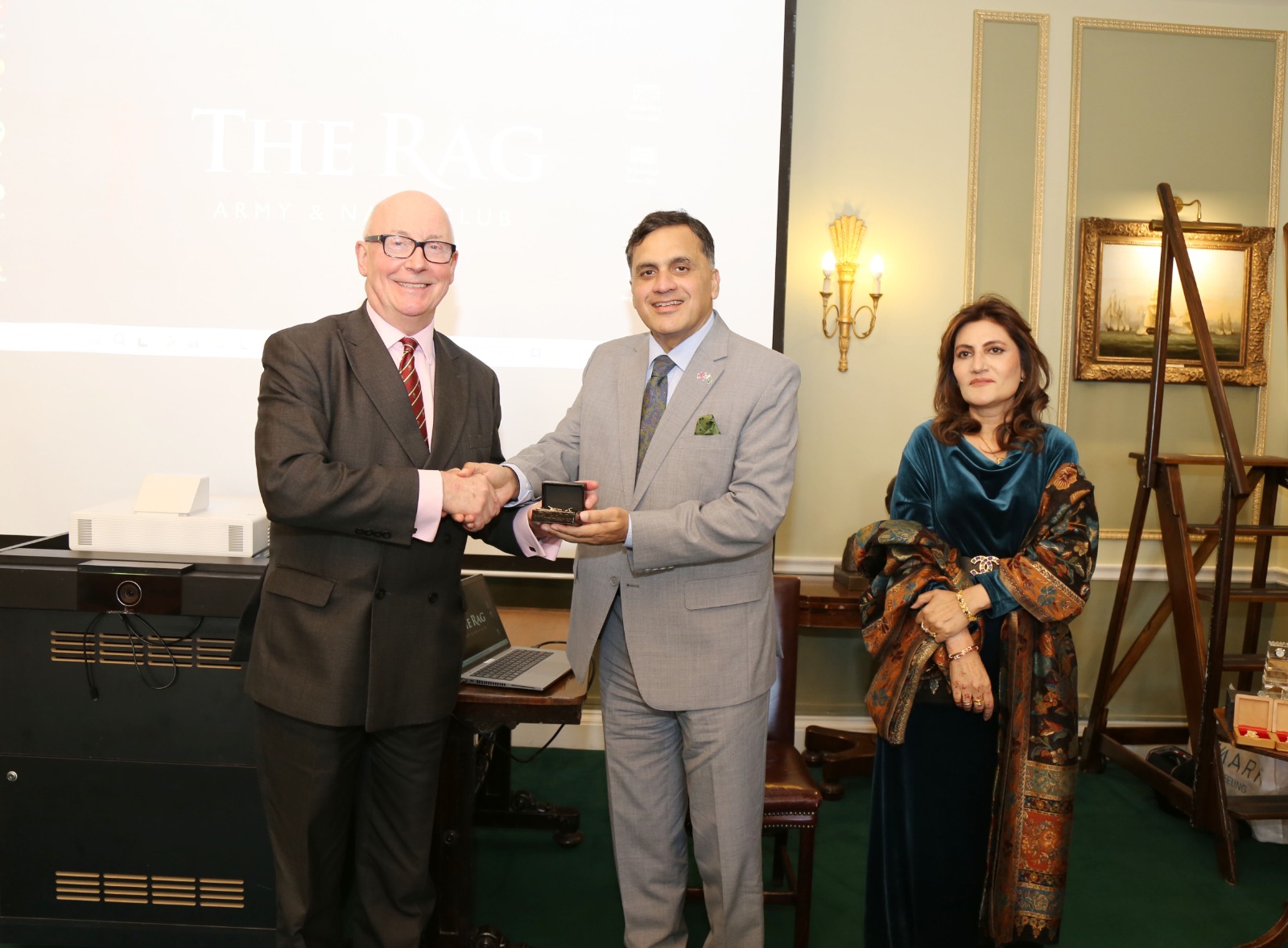
High Commissioner @DrMFaisal and his spouse @drsarahnaeem2 attended, as guests of honor, a distinguished gathering of the Quetta Association at the Army & Navy Club, London.
Military Officers from the Defence Wing of Pakistan High Commission, London, with their families also attended.
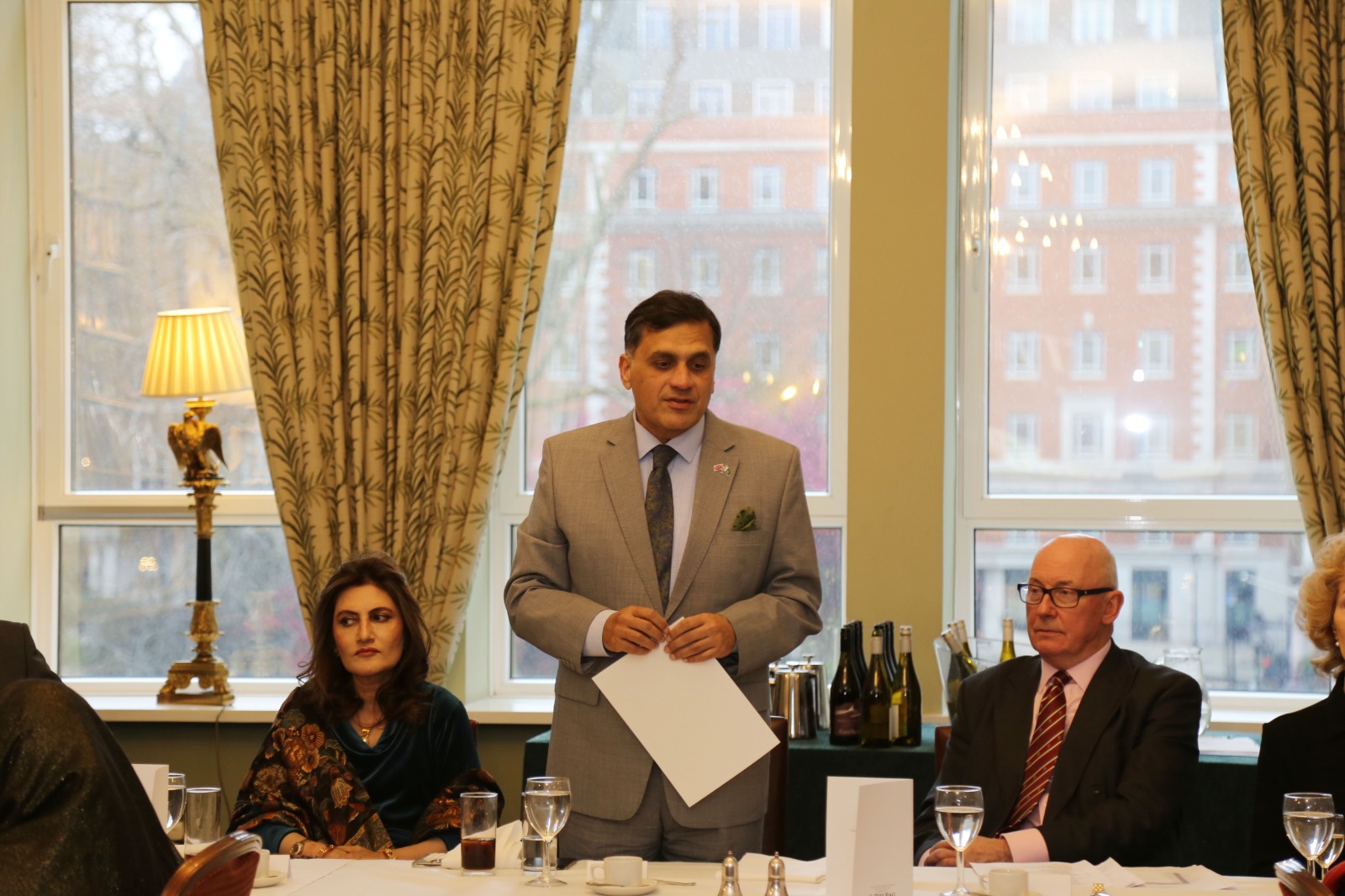
Quetta Association brings together British officers who graduated from the prestigious Command & Staff College, Quetta, Pakistan. The institution has produced outstanding military leaders, including British Field Marshals Sir Claude Auchinleck and Sir William Slim, whose leadership during the Second World War remains widely respected. Field Marshal Syed Asim Munir is also graduate of this prestigious institution.
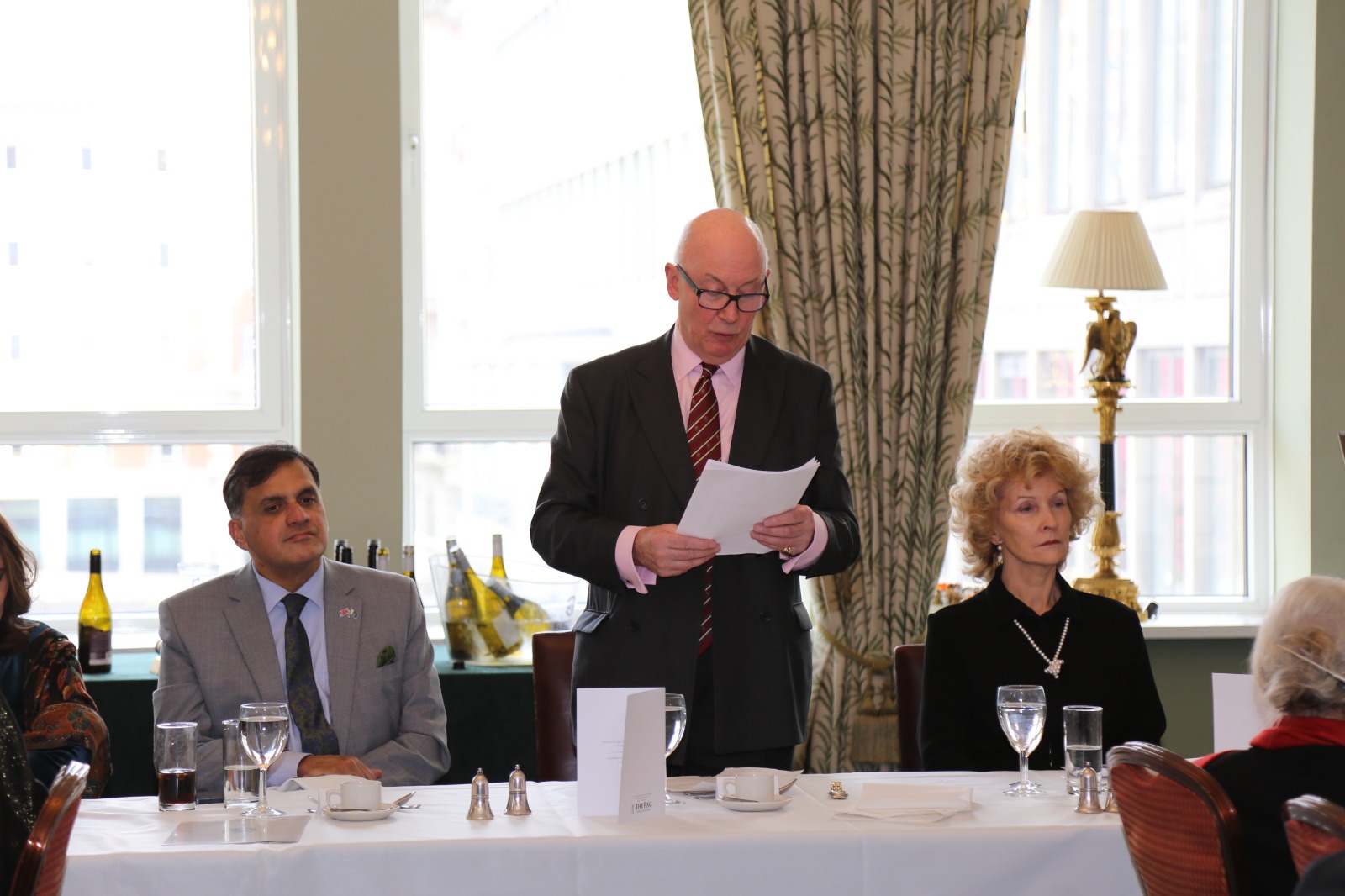
The High Commissioner appreciated the annual gathering that underscored the Association’s enduring role as a vital bridge linking the British Army and Pakistan Army through shared professional heritage and camaraderie.
Decorated British military officers and their families paid glowing tributes while referring to the hospitality accorded by Pakistan during their stay in Quetta.
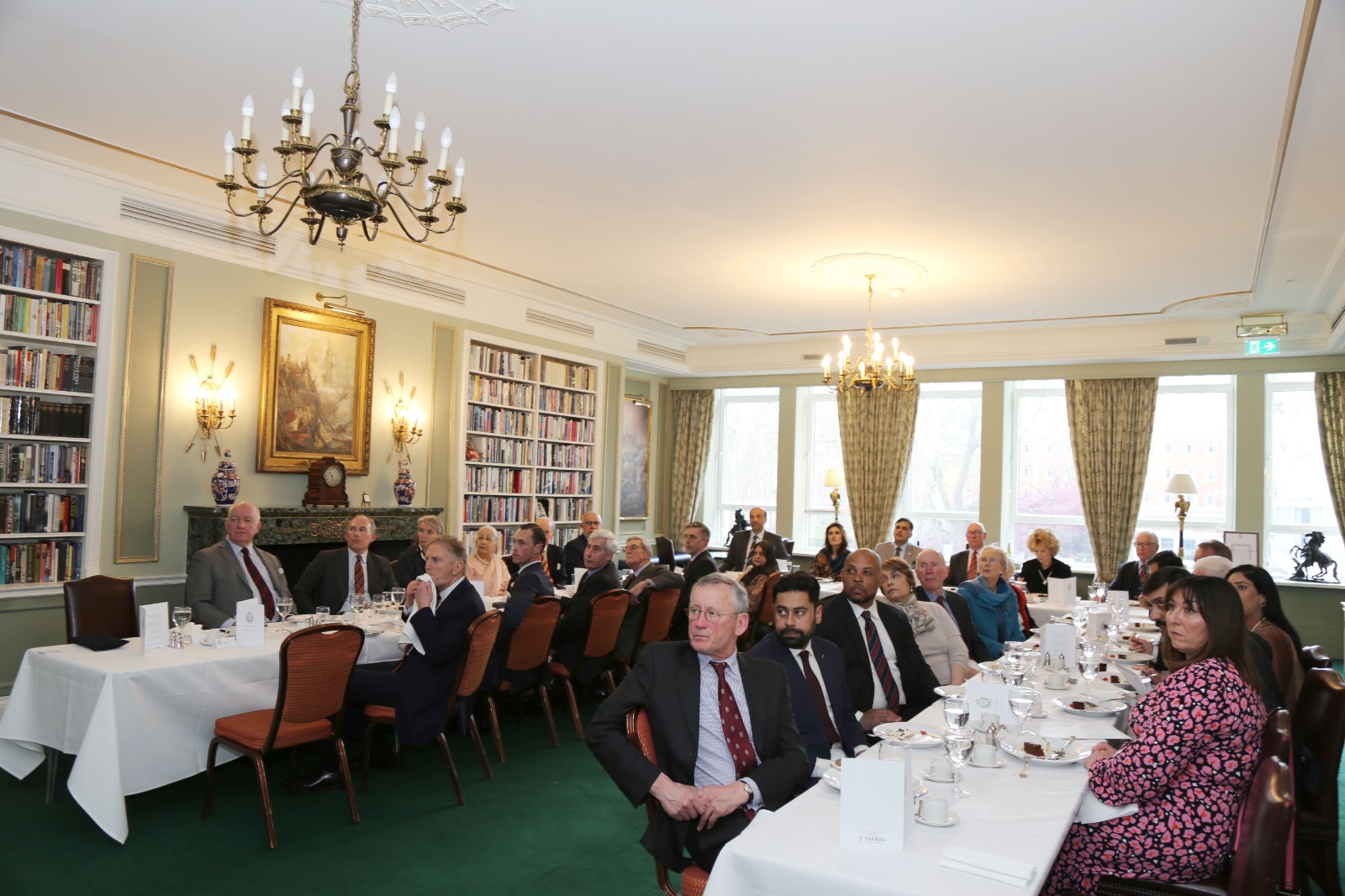
Graduate senior British Officers present at the gathering included Lt. Gen. Sir Alistair Irwin KCB CBE (1980) and Maj. Gen. Seumus Kerr CBE (1985).
Mementos were exchanged between the British officers and officers of @PakistaninUK.
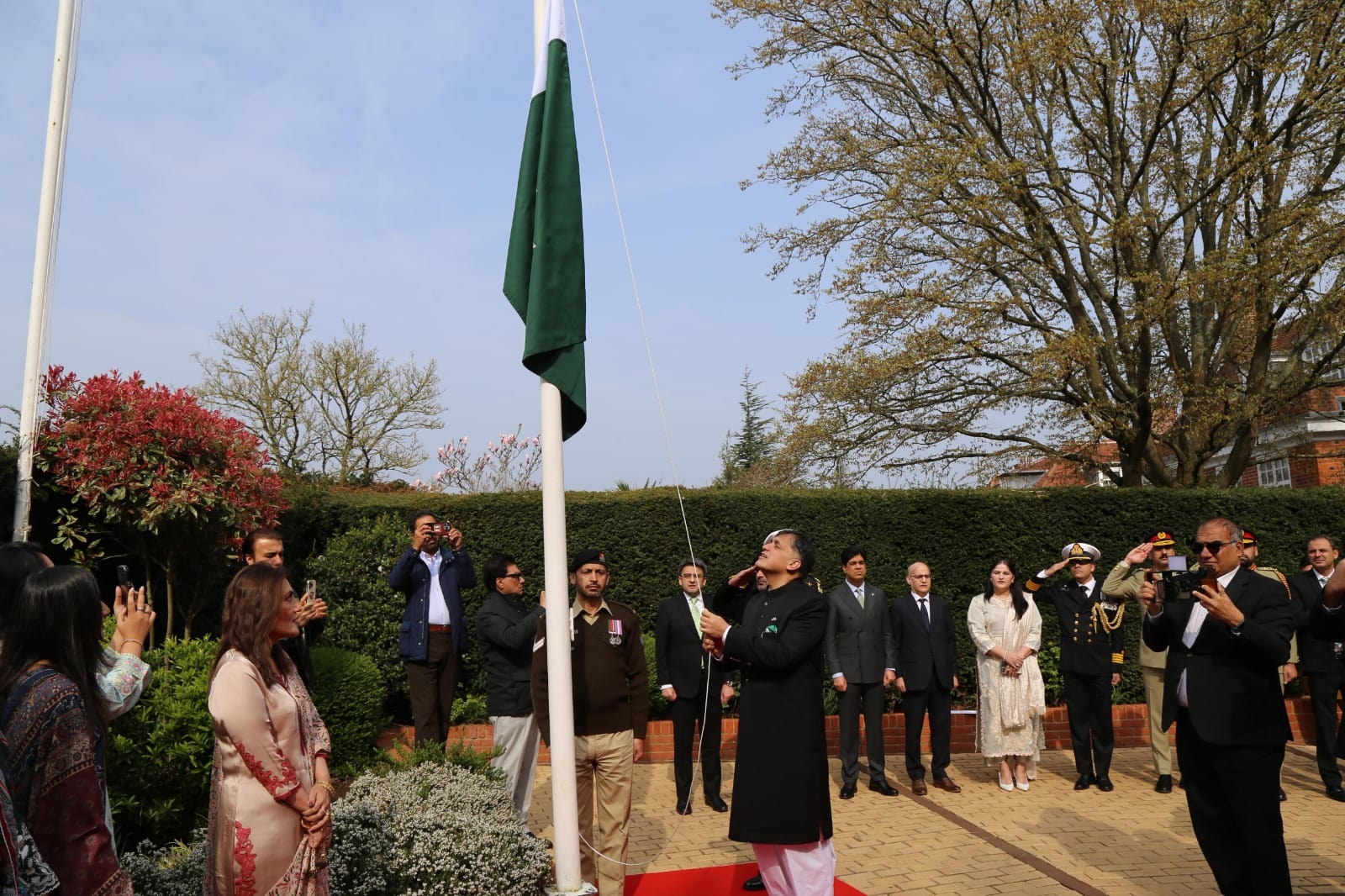
In a simple and dignified ceremony held at Pakistan House, London, the High Commissioner of Pakistan to UK Dr. Mohammad Faisal raised the Pakistan Flag on the occasion of Pakistan Day.
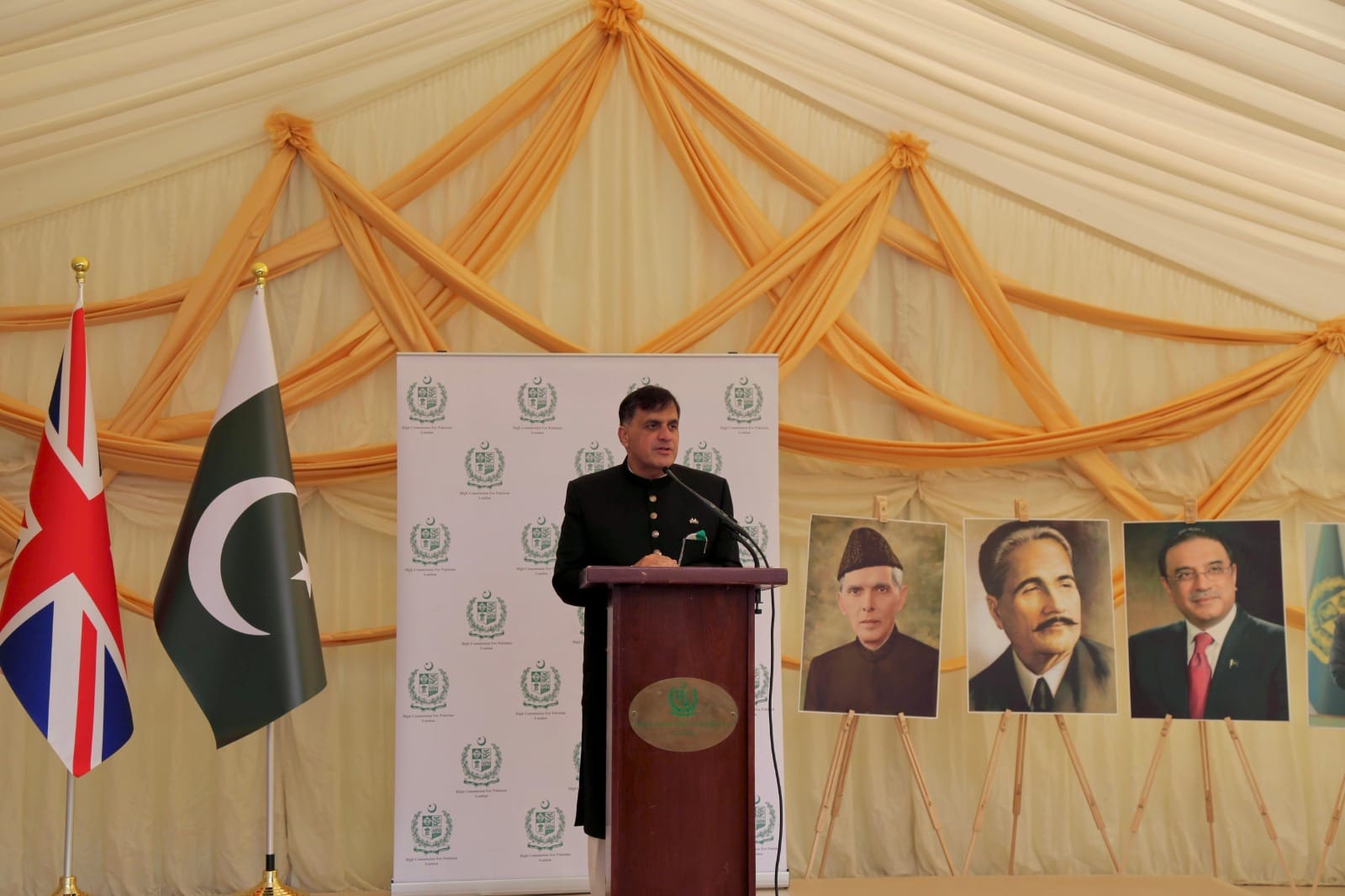
The ceremony was attended by Officials of the High Commission, British – Pakistanis and Media representatives.
Messages of the President, the Prime Minister and Deputy Prime Minister / Foreign Minister were read out.
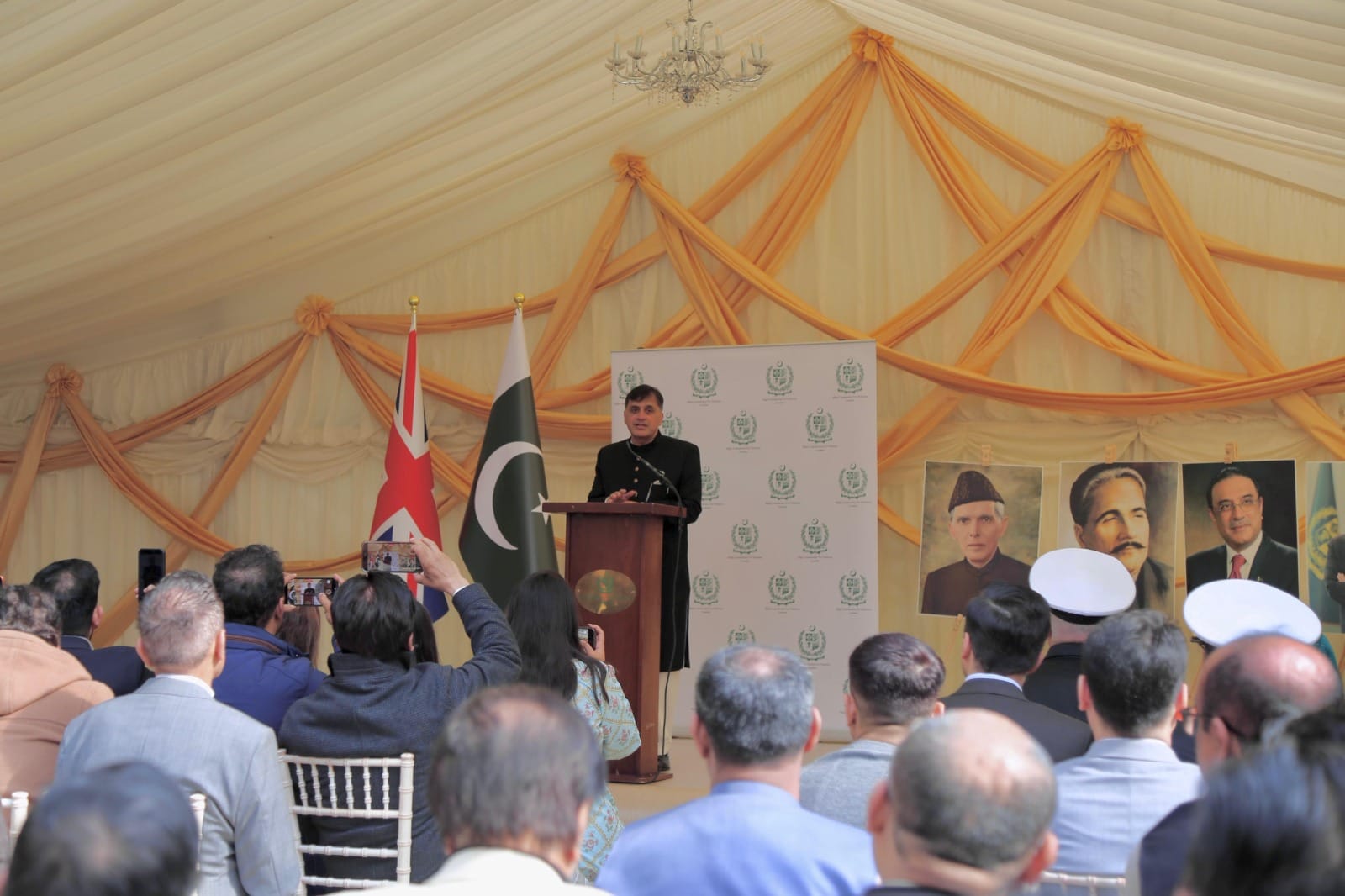
In his keynote address, the High Commissioner said that Pakistan Day was a tribute to our founding fathers who united the Muslims of Indian sub-continent where they could live independently as a Nation and live according to their customs & traditions.
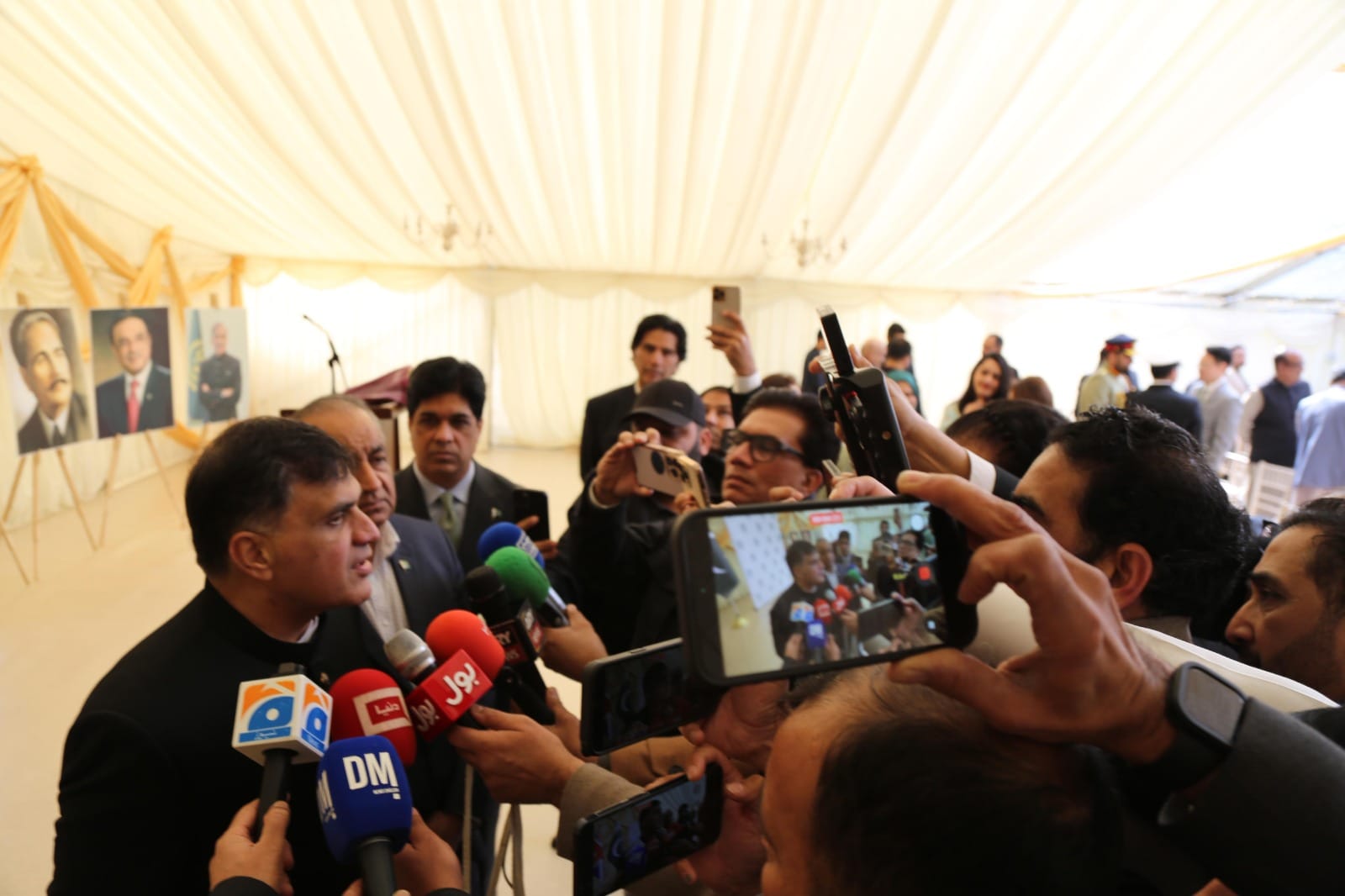
Dr. Faisal stated that Pakistan had always professed peace and stability in the region. However, Pakistan will not tolerate any aggression from neighbouring countries.
The High Commissioner said that Pakistani nation, despite the difficulties, remains resilient and demonstrates courage & perseverance.
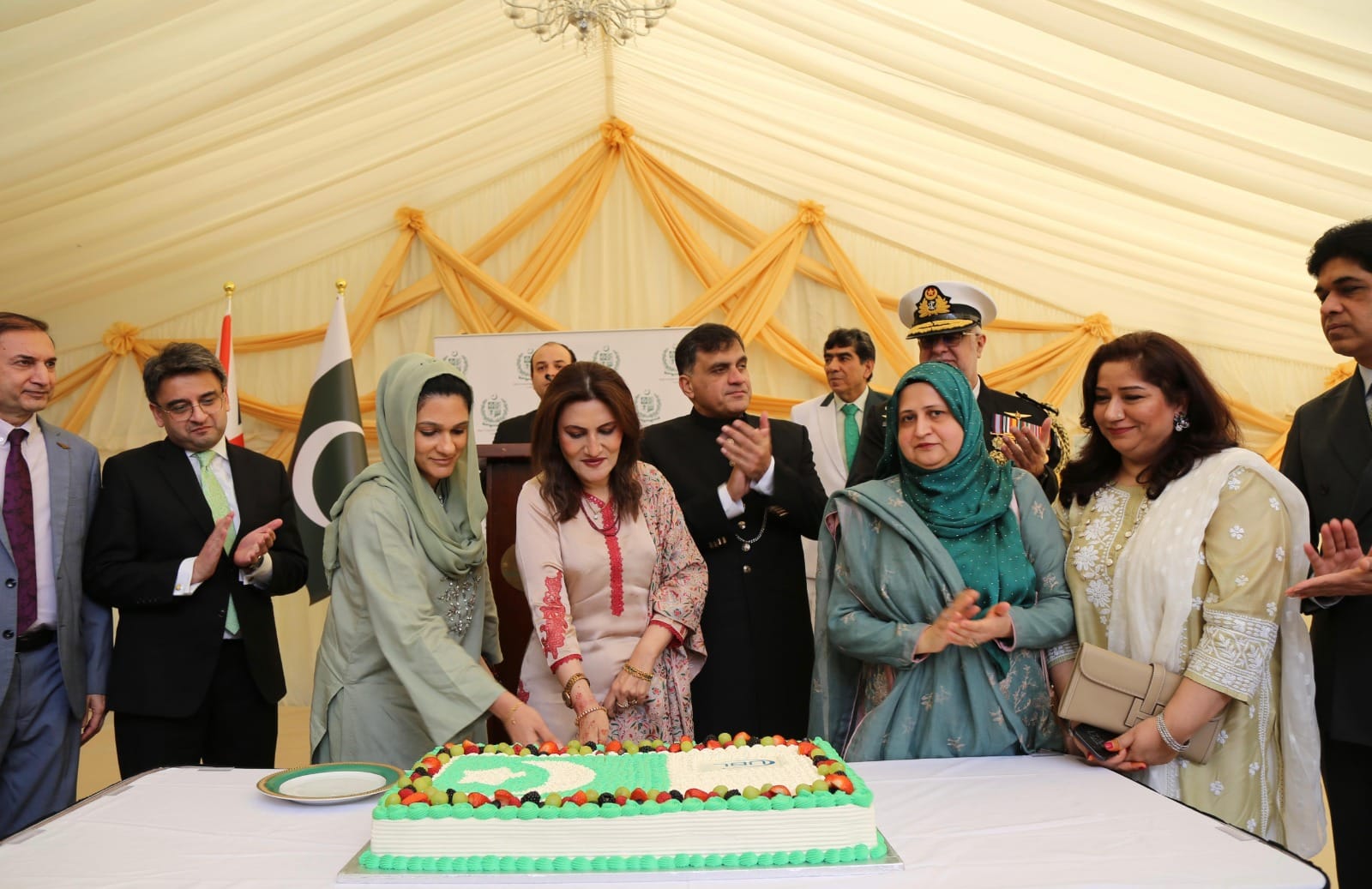
Dr. Mohammad Faisal stated that, in line with the instructions of the Prime Minister, the Deputy Prime Minister / Foreign Minister and the Federal Cabinet, Pakistan High Commission London is implementing strict austerity measures. However, these measures will not affect the performance & working of the High Commission.
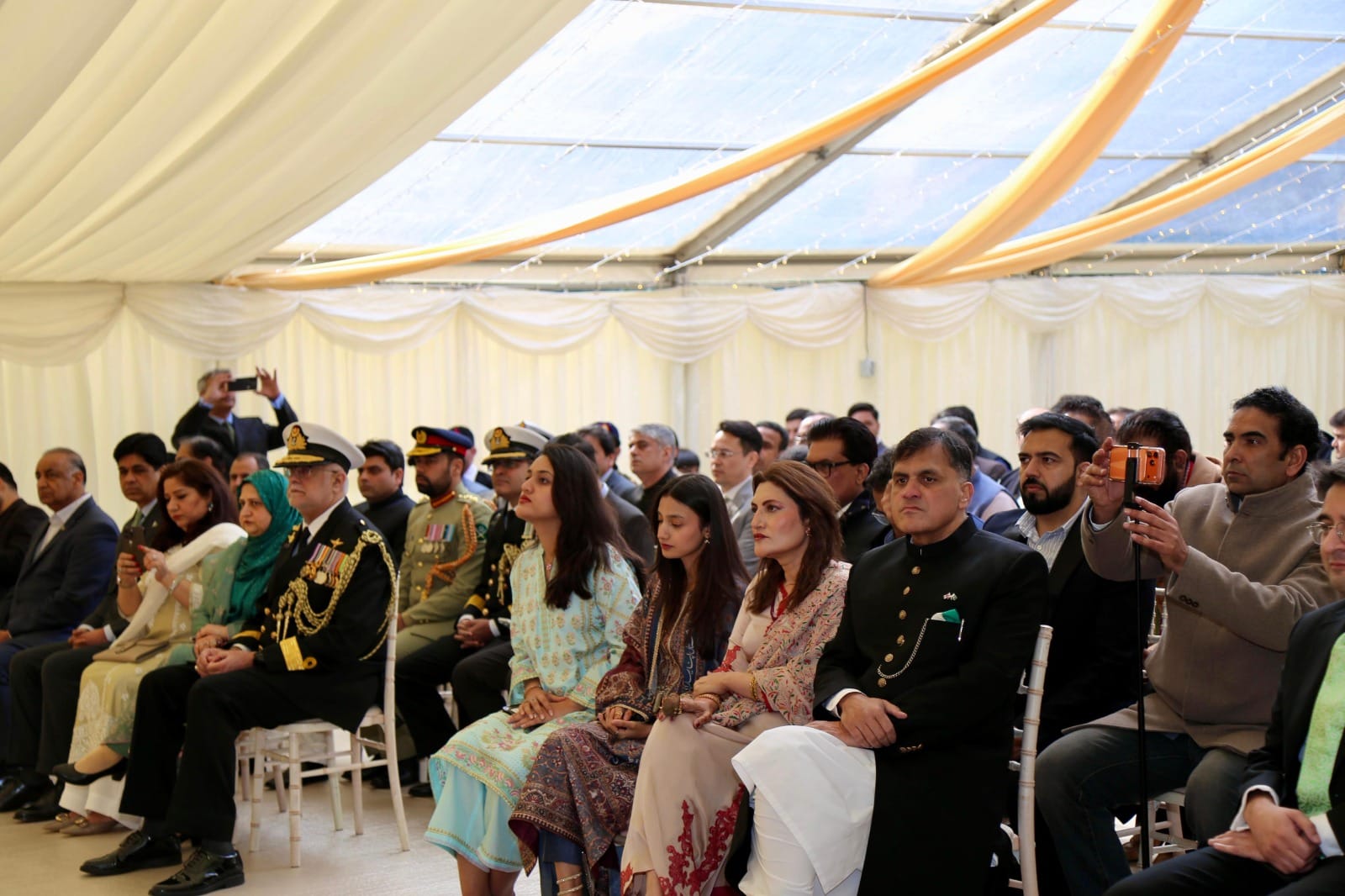
He acknowledged the remarkable contributions of Pakistani diaspora in UK and their extraordinary performance in various fields. He said that their achievements are a source of immense pride for Pakistan.
The High Commissioner expressed solidarity with the people of Indian Illegally Occupied Jammu and Kashmir and committed to continue diplomatic, moral and political support for their right to self determination under UN Resolutions.
London
23rd March, 2026


How the World Is Forced to Fund the Iran War

Scholars Urge UN to Protect Iran’s Scientific Sites Amid Airstrikes Global Academics Warn Attacks Threaten Research, Health, and Civilian Safety

How Iran Humiliated U.S. and Israeli Power


-

 Europe News1 year ago
Chaos and unproven theories surround Tates’ release from Romania
-

 American News1 year ago
Trump expands exemptions from Canada and Mexico tariffs
-

 American News1 year ago
Trump Expels Zelensky from the White House
-

 Pakistan News9 months ago
Comprehensive Analysis Report-The Faranian National Conference on Maritime Affairs-By Kashif Firaz Ahmed
-

 American News1 year ago
Zelensky bruised but upbeat after diplomatic whirlwind
-

 Art & Culture1 year ago
The Indian film showing the bride’s ‘humiliation’ in arranged marriage
-

 Pakistan News1 year ago
Can Pakistan be a Hard State?
-

 Entertainment1 year ago
Champions Trophy: Pakistan aim to defend coveted title as historic tournament kicks off today