
Pakistan News
THE battle is over. Now brace for the fallout. This changes everything-The Fall Out


Rarely have we seen fortunes reverse as rapidly as they just did.
The military’s standing has skyrocketed, and a long line will now form outside the general’s door of people and groups and parties waiting their turn to shower him with honorifics. Banners are going up in cities, ads in newspapers, by business and industry groups.
Let’s start with this. India’s aggressive intent regarding Pakistan has been made so clear now that there is no room left for debate on the need for defence preparedness. The J-10s that brought down the Rafales had been procured in 2022, the year Pakistan came close to default. In hindsight, it was a necessary decision. Remember the rushed summoning of a joint session of parliament in January 2022, during which the amendments to the State Bank Act were passed within minutes of being tabled? All that was done to hurriedly comply with IMF requirements that the government had spent the previous year resisting.
The second batch of six landed on Aug 30, literally days after the IMF Board approved another tranche of $1.1bn. And the subsequent batches all landed in the months ahead. At the time it was possible to ask questions about why a country that was struggling with husbanding its foreign exchange reserves should be buying such advanced fighter planes. But not anymore.
For someone who has been a peace dove all his life, who has advocated for redirection of defence expenditures towards peaceful, development purposes, these words are not easy to write. But reality is stubborn, and two things bring home reality better than anything else: war and the economy.
Both are enterprises ruthless in exacting the costs of folly and mistakes. Neither of the two can be wished away, spun into something other than what they are, or otherwise argued away.
https://www.dawn.com/news/card/1910984
The reality today is that Pakistan faces an adversary to the east that requires the highest levels of preparedness to confront. Two nuclear powers have never before exchanged missile fire of this magnitude. No nuclear power has initiated hostilities against another on the basis of a casus belli manufactured out of thin air.
In the case of Pahalgam, no evidence linking Pakistan to the attack has been provided. Not even an iota. In fact, at the time the Indian authorities had started blaming Pakistan they could not even answer simple questions about the attack in Pahalgam. How many attackers were there? What weapons did they carry? How many bullets were fired? What route did they take to get to the site? What conveyance did they use? How did they leave the site? Were they in touch with any handlers during the attack? And so on.
This is irresponsible behaviour on the part of a nuclear-armed state. It was also extreme recklessness to use the dual-use, nuclear-capable Brahmos missile to attack Pakistani cities and air force bases during the missile exchanges. These actions — leaping to kinetic hostilities even before any evidence has come in, using nuclear-capable missiles for delivery of conventional payloads — belie a political intent behind the aggression.
It is hard to figure out what military objectives India sought to achieve through this war. It is easier to see that their political leadership is using a muscular assertion of military power to score political points back home.
Except it backfired. As per the political script, Pakistan was supposed to wilt in the face of such bellicosity and aggression. Instead, Pakistan fired back and they hurried to call for a ceasefire. Perhaps they thought that because Pakistan is strapped for cash and on an IMF programme, relatively isolated from the world, it will not be able to take fire for very long and will sue for peace early in the engagements.
Whatever the calculus at the other end, it is clear now that Pakistan has no option but to upgrade its defences and prepare for another round. India was once living proof that a pluralist democracy is not a luxury only rich countries can afford. But its democracy succumbed to demagoguery almost a decade ago. Now that the demagogue whom they have elected as their prime minister, a man who has told his citizenry that he is not naturally born but a divine being sent down with a mission, is consolidating his place and using war as entertainment with which to power his politics. Pakistan cannot take this threat lightly.
As the government prepares its budget for fiscal year 2026, it will have to keep in mind the elevated requirements that will come from the upgradation of its defences and replenishment of inventory consumed during the war.
https://www.dawn.com/news/card/1910489
Everybody will seek to ride on the revitalised political capital of the military. Politicians and business leaders will compete with each other to sing their praises, and try to weld their own particular interests with those of the military. ‘You need dollars to maintain readiness, and we exporters can bring you dollars’, they will say. ‘But we need the cost of doing business to be brought down to be able to do so’, and so on.
The government, which was looking forward to a little more fiscal space in the year ahead compared to the year past, will have to postpone some of its plans to spend its way back into people’s hearts perhaps. And the opposition, the poor PTI, lost at sea as they already were after the collapse of their ‘final call’ last November, will struggle to find its voice amid the din of applause for the military. This is what the fallout of the war will look like.
The writer is a business and economy journalist.
Dawn News




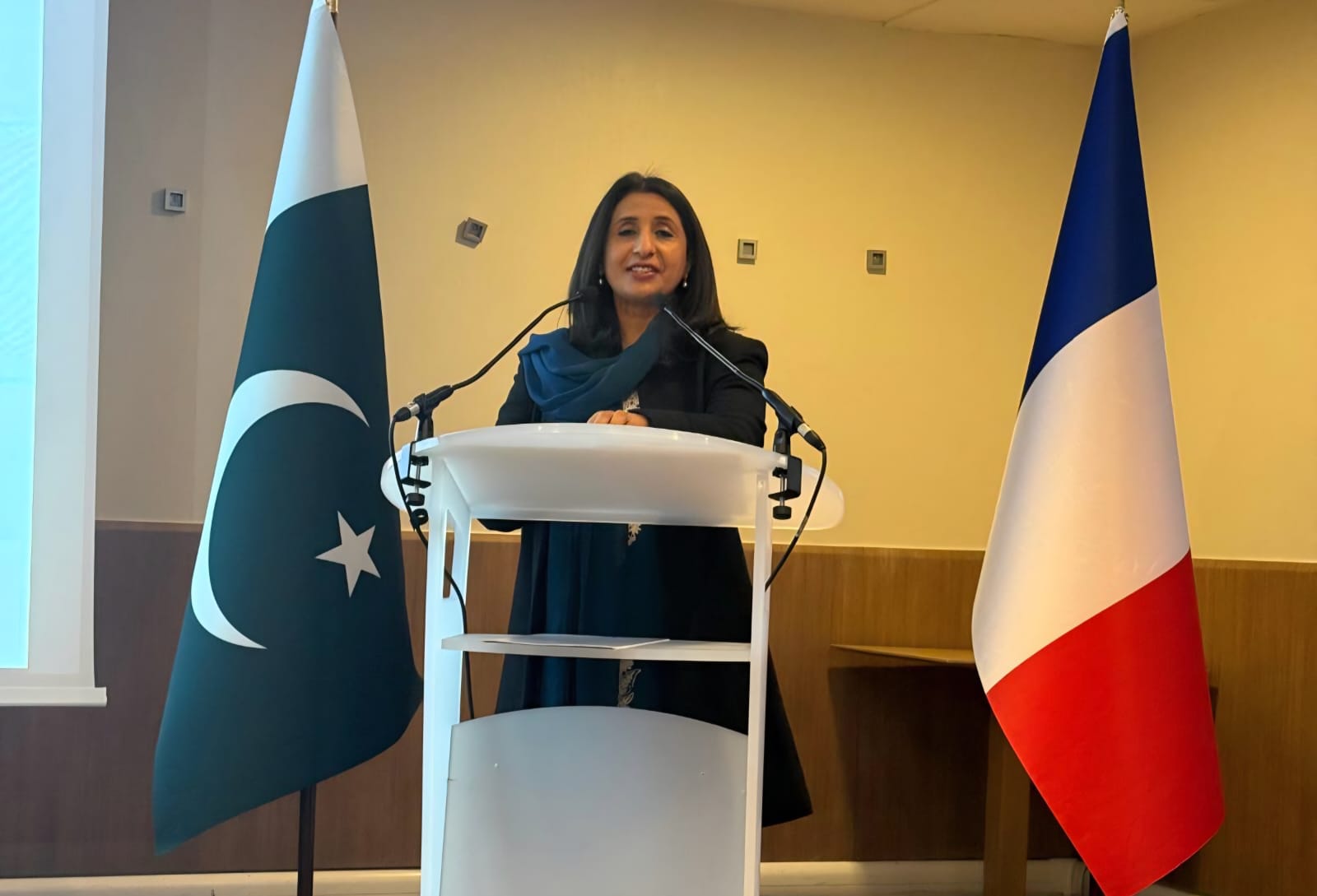
Paris ( Imran Y. CHOUDHRY):- A ‘Pakistan-France Trade and Investment Forum’ was held in Paris today, bringing together government officials, business leaders, industry experts and representatives of trade bodies of both countries.
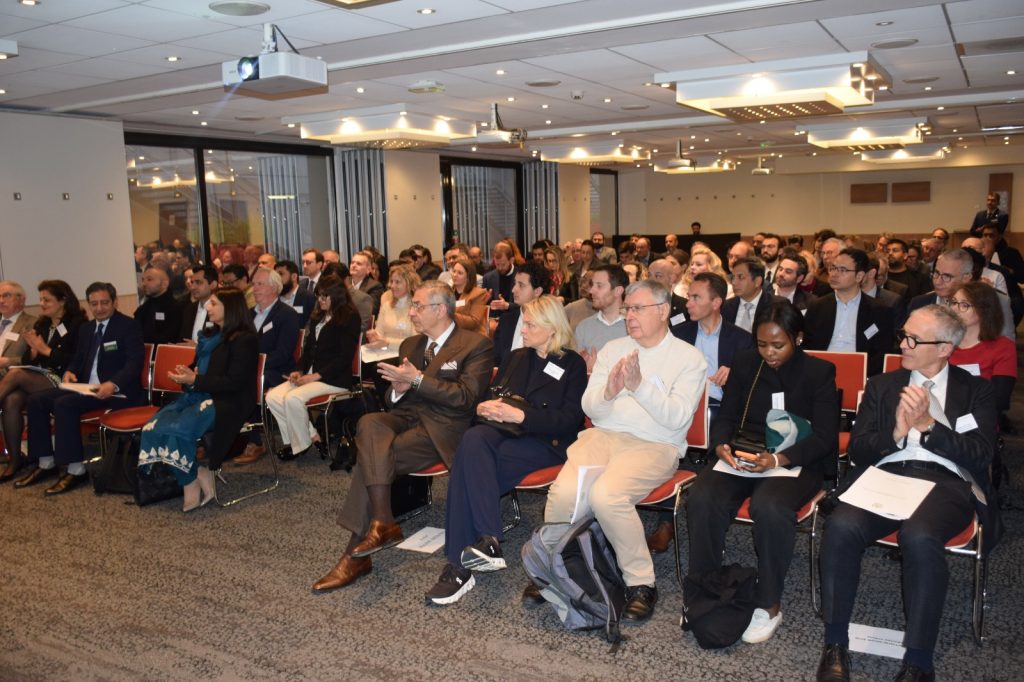
The Forum was held in implementation of an understanding reached between President Emmanuel Macron and Prime Minister Shehbaz Sharif in 2024, to build strong economic partnership between Pakistan and France. The objective of the Forum was to connect businesses, exchange ideas, explore new avenues of bilateral cooperation and showcase Pakistan’s trade and investment potential. It witnessed participation of over seventy French and Pakistani companies from diverse sectors including agriculture, information technology, textiles, energy and tourism.
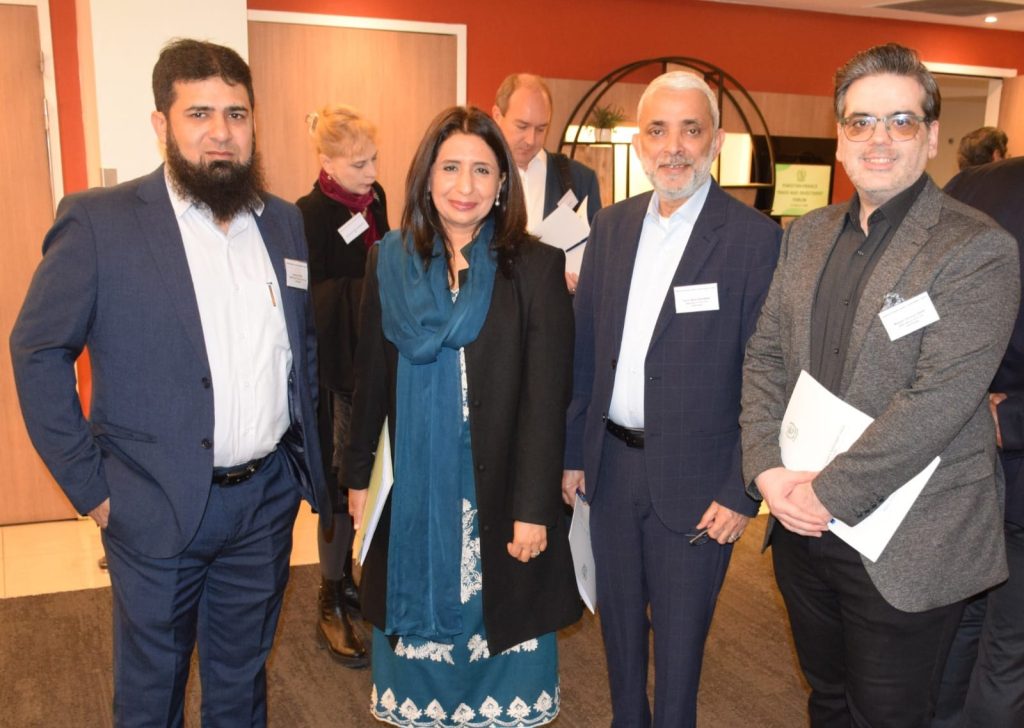
Ambassador Mumtaz Zahra Baloch opened the Business Forum and highlighted Pakistan’s economic growth and potential as an attractive trade partner for France. She outlined investor-focused initiatives and institutional facilitation mechanisms in Pakistan to promote trade and investment. She encouraged Pakistani and French businesses to explore collaborative opportunities, and develop joint ventures and win-win partnerships.
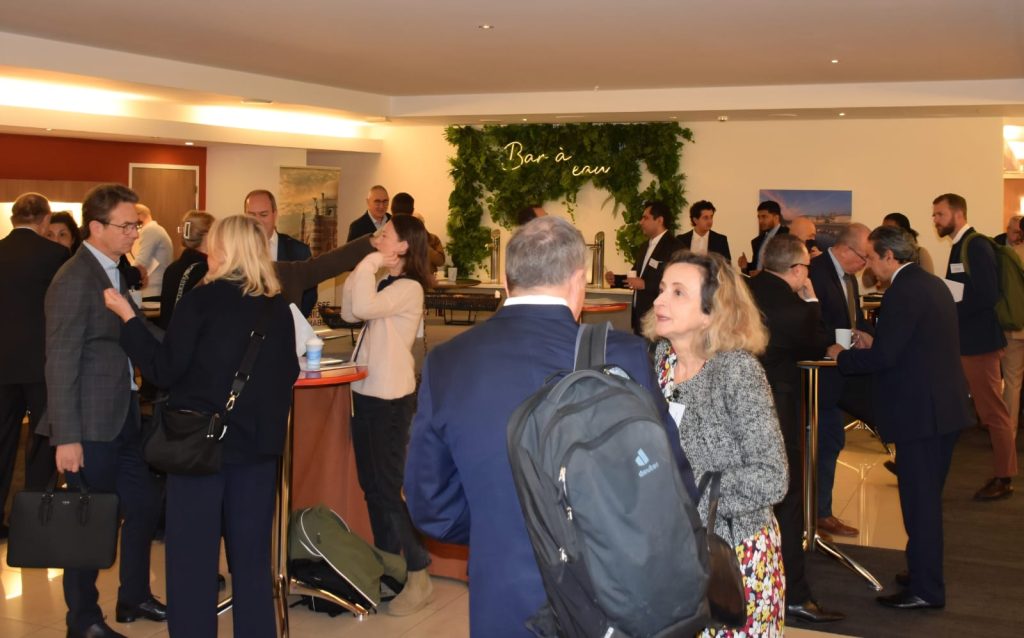
Speakers from the French side included Thierry Pflimlin, Chairman of the France-Pakistan Business Council at MEDEF International, Patricia Glasel, Vice President of the Conseillers du Commerce Extérieur de la France (CCEF) and Ardavan Amir-Aslani. They highlighted the growing momentum in France-Pakistan economic relations; identified the opportunities for trade and investment with Pakistan; and underscored the importance of strengthening private sector linkages to further facilitate bilateral trade and investment.
The plenary session was followed by ‘Breakout and Business-to-Business (B2B)’ sessions to discuss and identify tangible avenues for collaboration in textiles, agriculture and dairy, and Information Technology.
Pakistan News
Dr. Mohammad Faisal Joins Distinguished Quetta Association Event in London Gathering Reinforces Shared Military Heritage of Pakistan and Britain
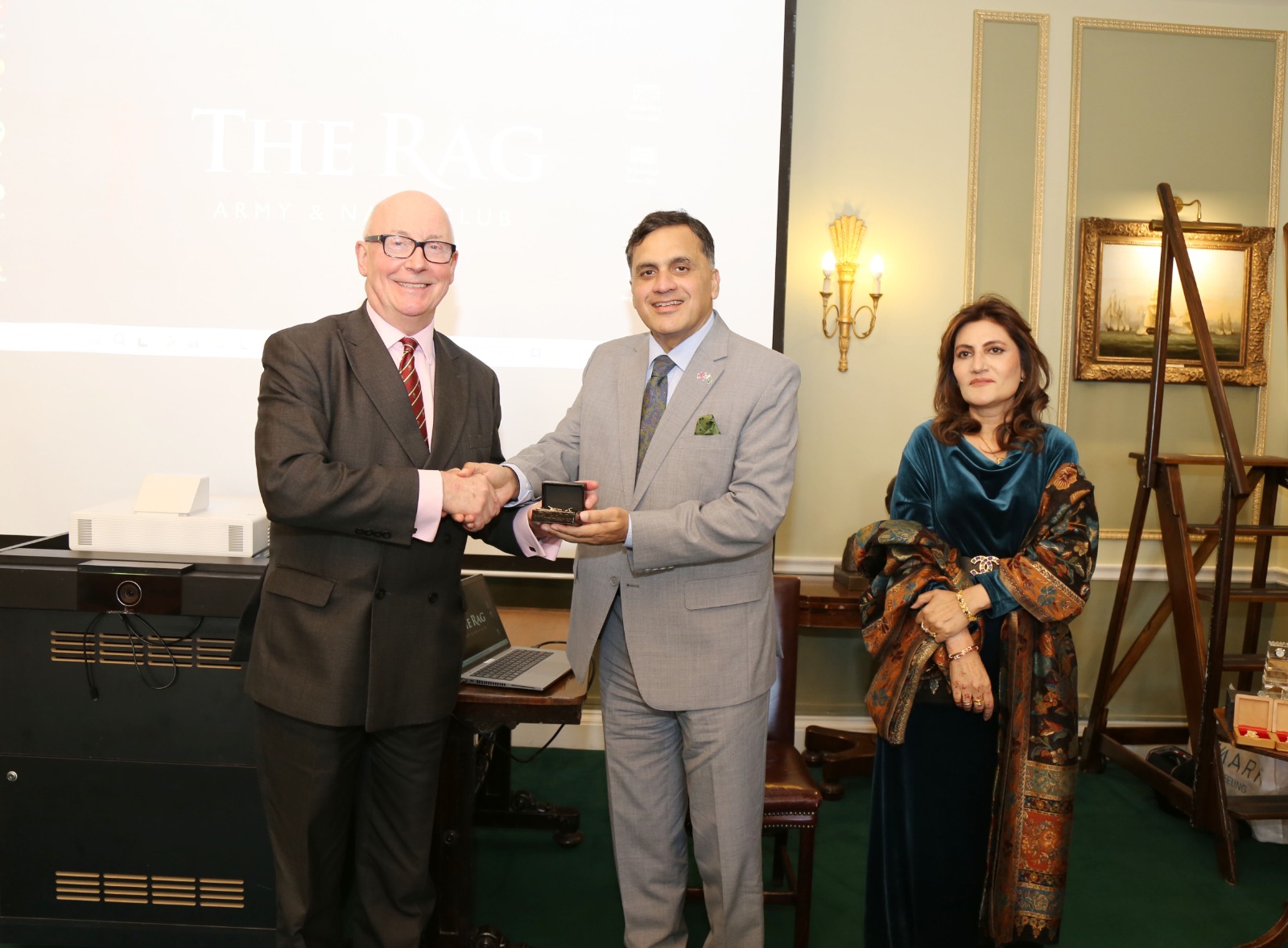
High Commissioner @DrMFaisal and his spouse @drsarahnaeem2 attended, as guests of honor, a distinguished gathering of the Quetta Association at the Army & Navy Club, London.
Military Officers from the Defence Wing of Pakistan High Commission, London, with their families also attended.
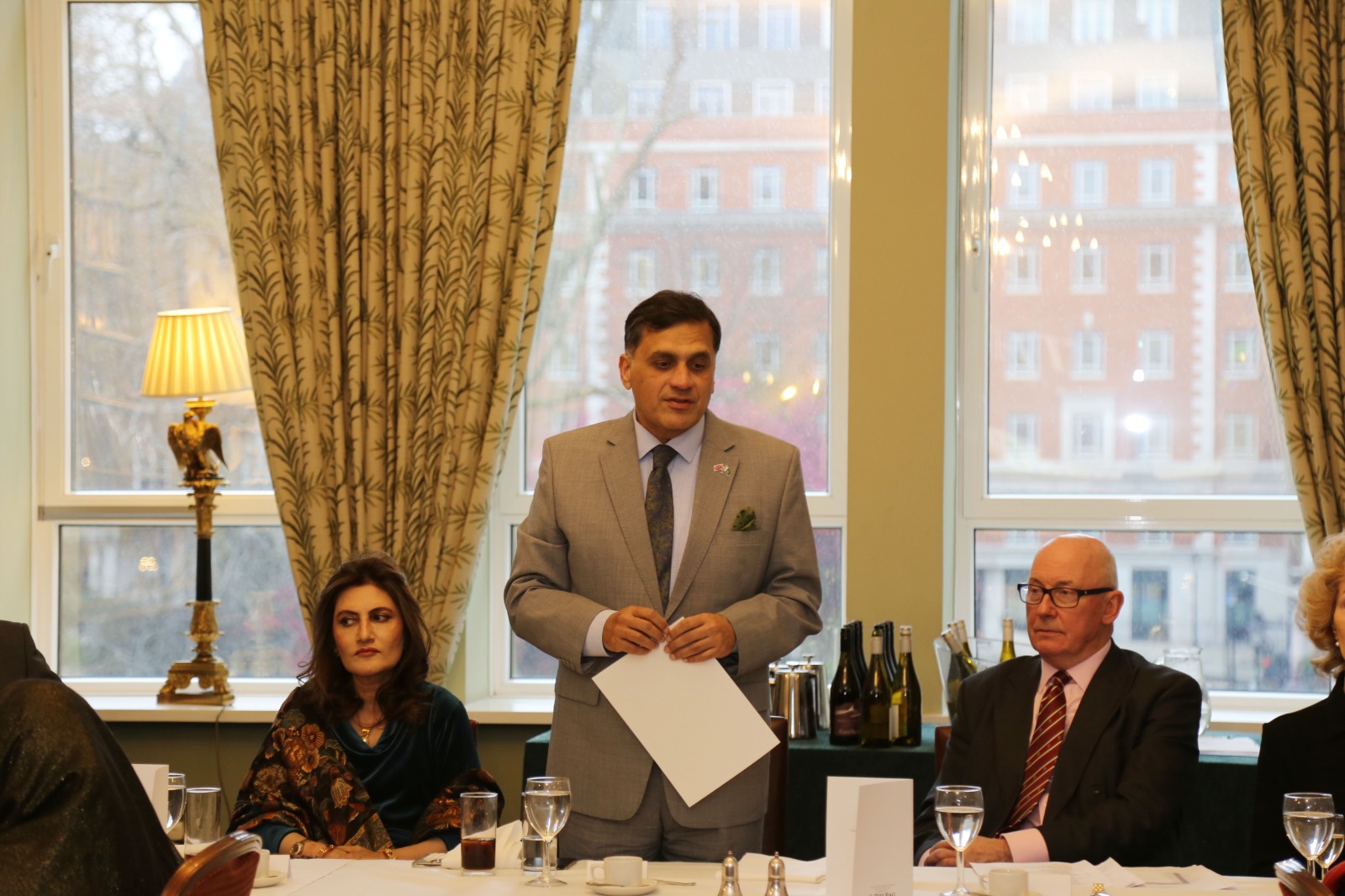
Quetta Association brings together British officers who graduated from the prestigious Command & Staff College, Quetta, Pakistan. The institution has produced outstanding military leaders, including British Field Marshals Sir Claude Auchinleck and Sir William Slim, whose leadership during the Second World War remains widely respected. Field Marshal Syed Asim Munir is also graduate of this prestigious institution.
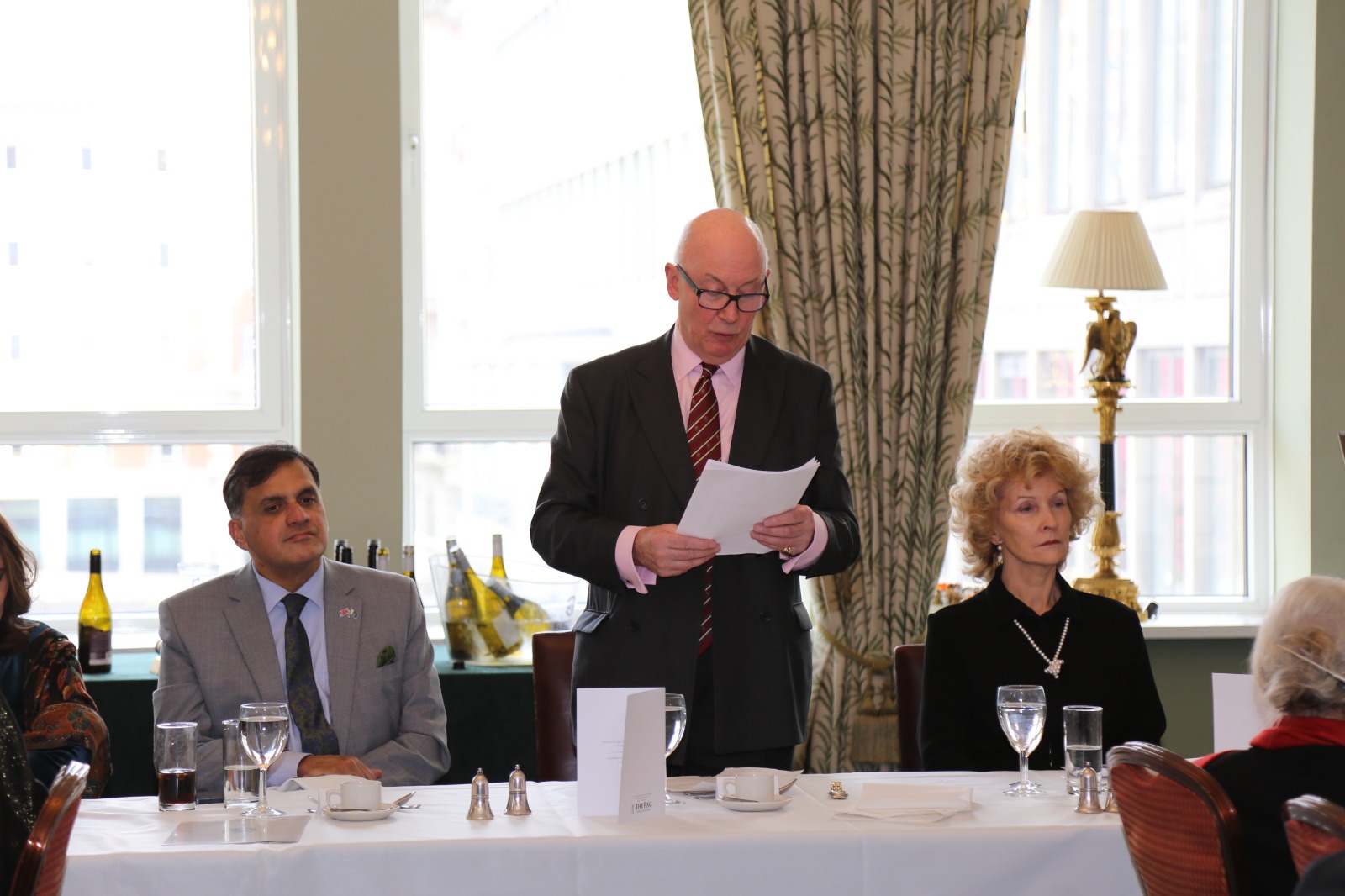
The High Commissioner appreciated the annual gathering that underscored the Association’s enduring role as a vital bridge linking the British Army and Pakistan Army through shared professional heritage and camaraderie.
Decorated British military officers and their families paid glowing tributes while referring to the hospitality accorded by Pakistan during their stay in Quetta.
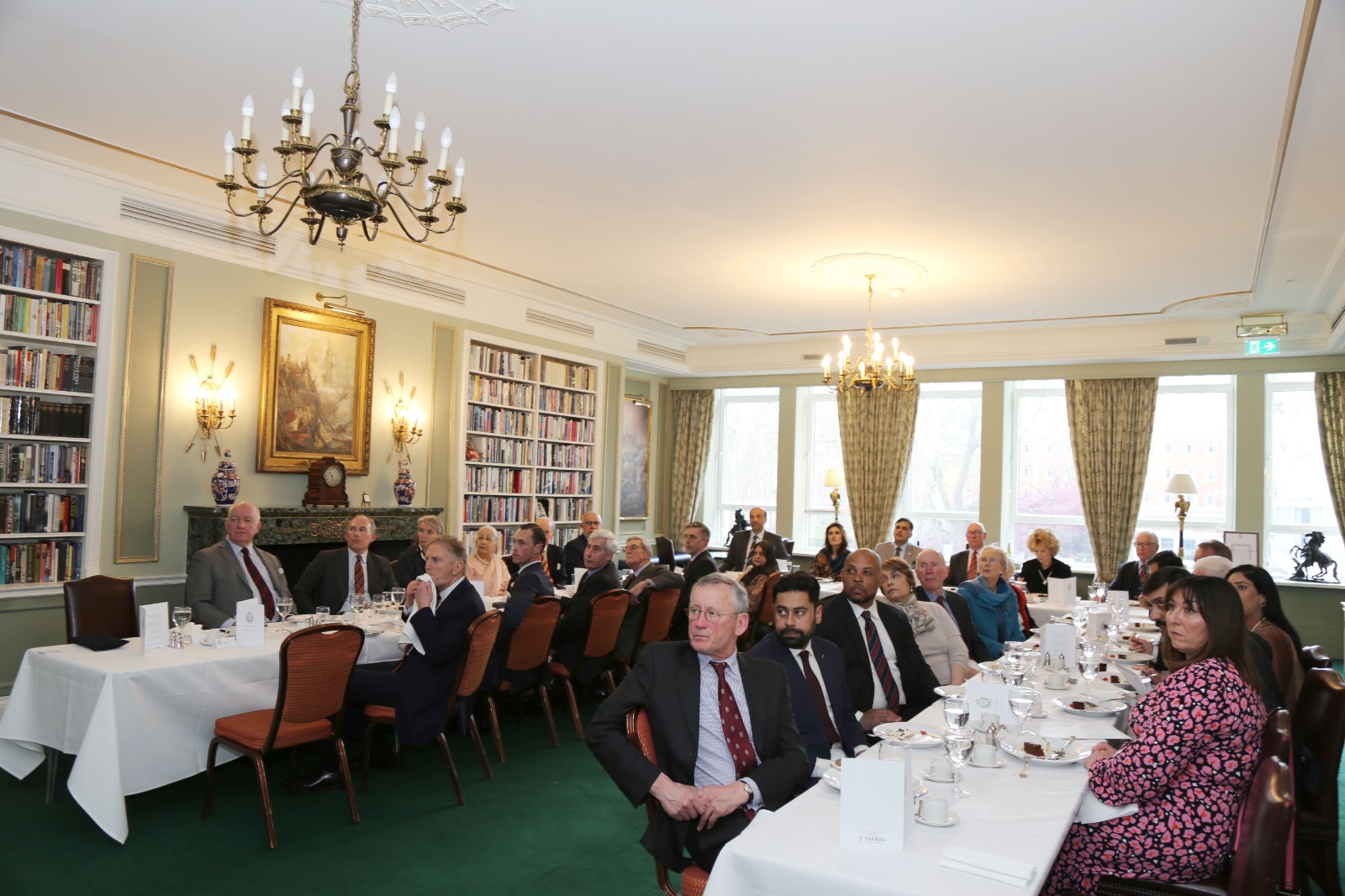
Graduate senior British Officers present at the gathering included Lt. Gen. Sir Alistair Irwin KCB CBE (1980) and Maj. Gen. Seumus Kerr CBE (1985).
Mementos were exchanged between the British officers and officers of @PakistaninUK.
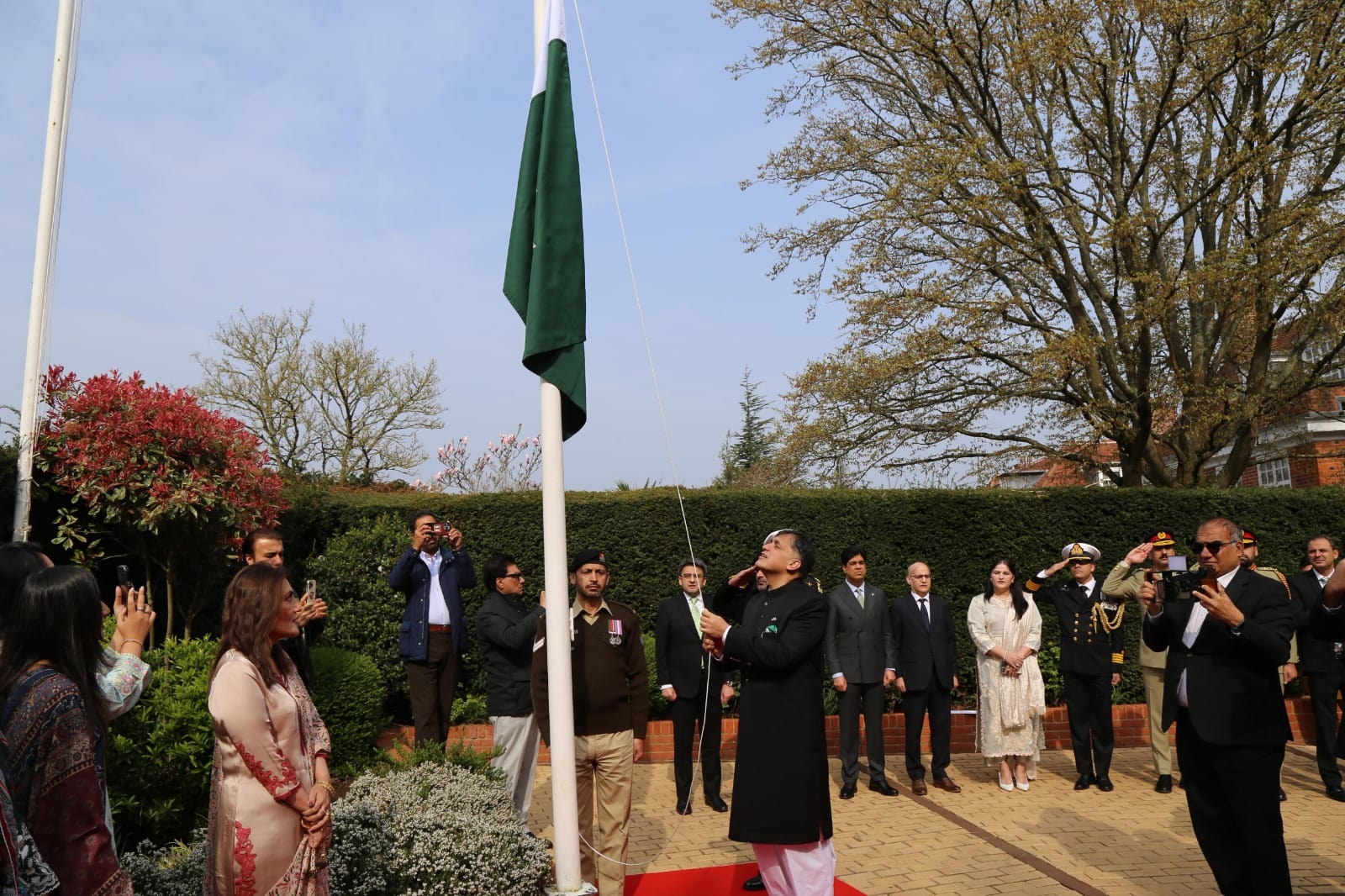
In a simple and dignified ceremony held at Pakistan House, London, the High Commissioner of Pakistan to UK Dr. Mohammad Faisal raised the Pakistan Flag on the occasion of Pakistan Day.
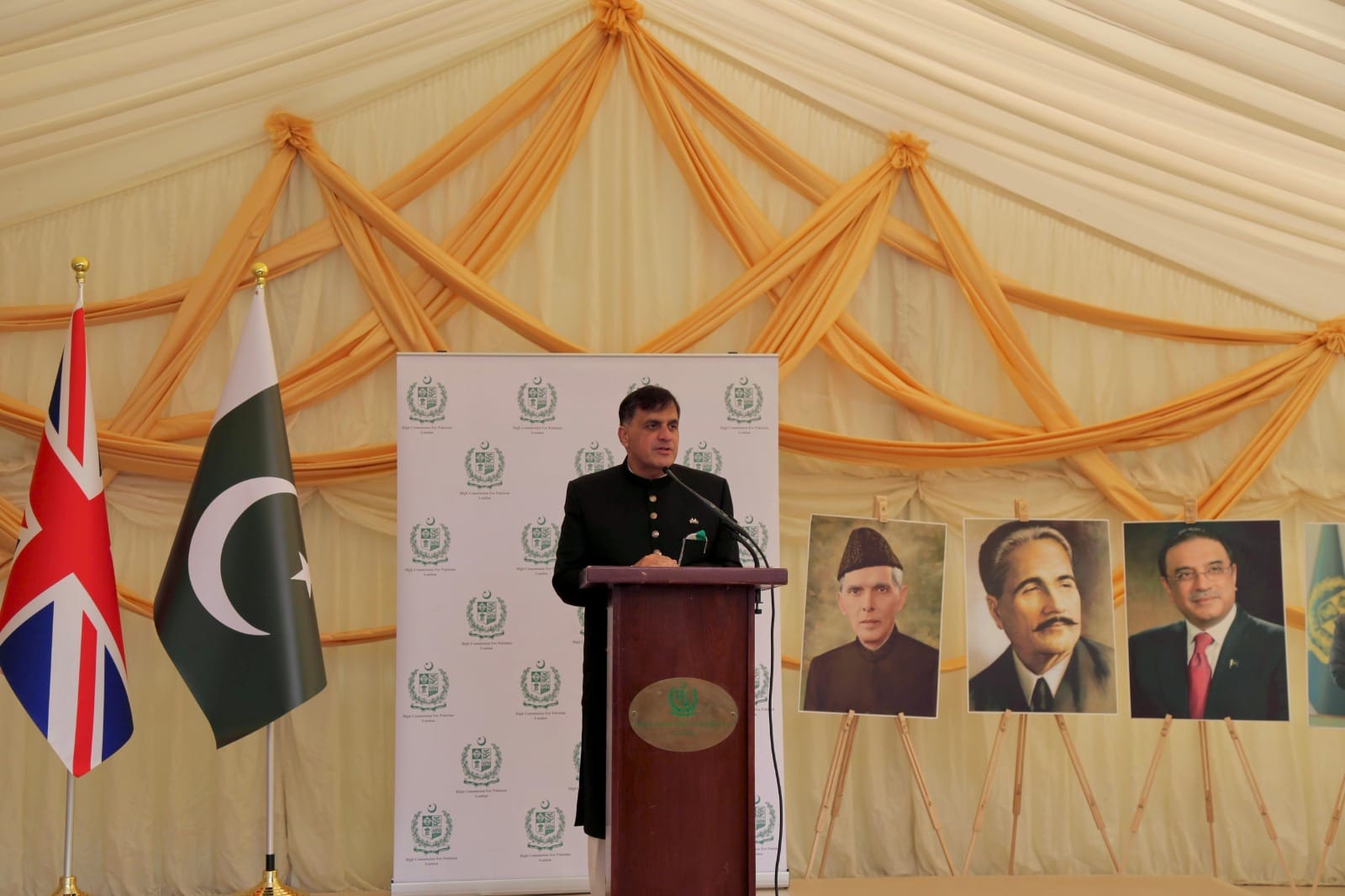
The ceremony was attended by Officials of the High Commission, British – Pakistanis and Media representatives.
Messages of the President, the Prime Minister and Deputy Prime Minister / Foreign Minister were read out.
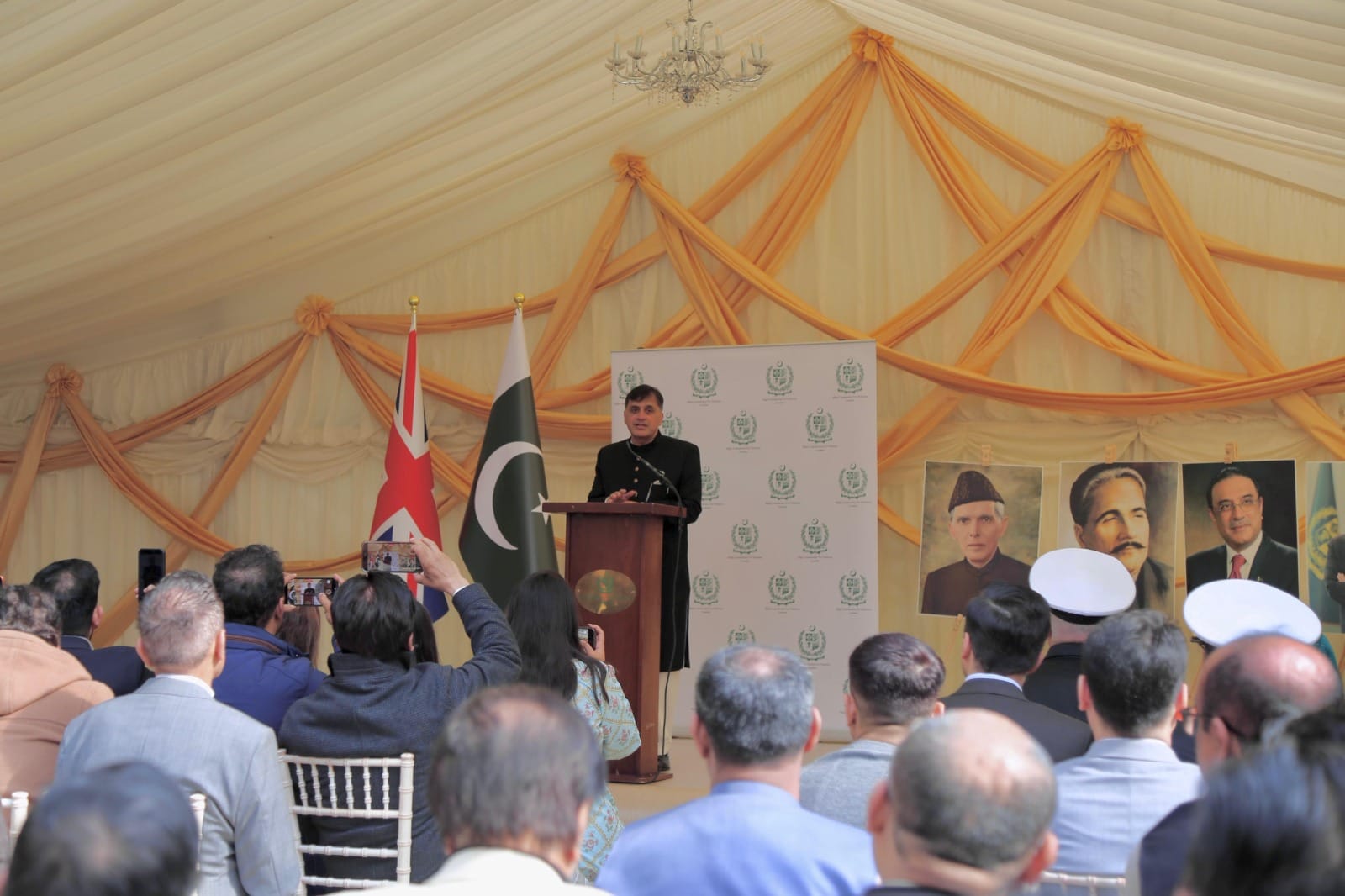
In his keynote address, the High Commissioner said that Pakistan Day was a tribute to our founding fathers who united the Muslims of Indian sub-continent where they could live independently as a Nation and live according to their customs & traditions.
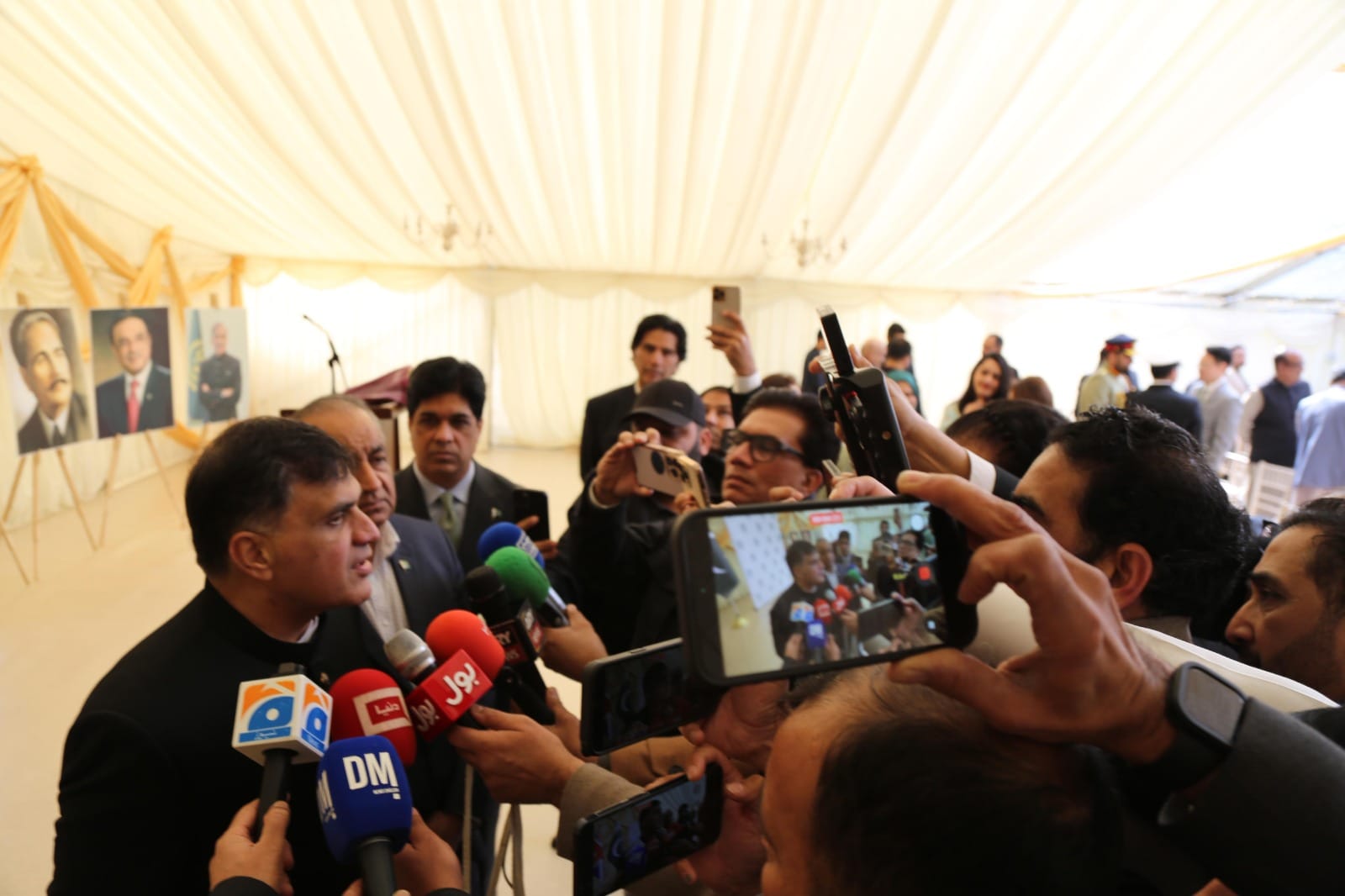
Dr. Faisal stated that Pakistan had always professed peace and stability in the region. However, Pakistan will not tolerate any aggression from neighbouring countries.
The High Commissioner said that Pakistani nation, despite the difficulties, remains resilient and demonstrates courage & perseverance.
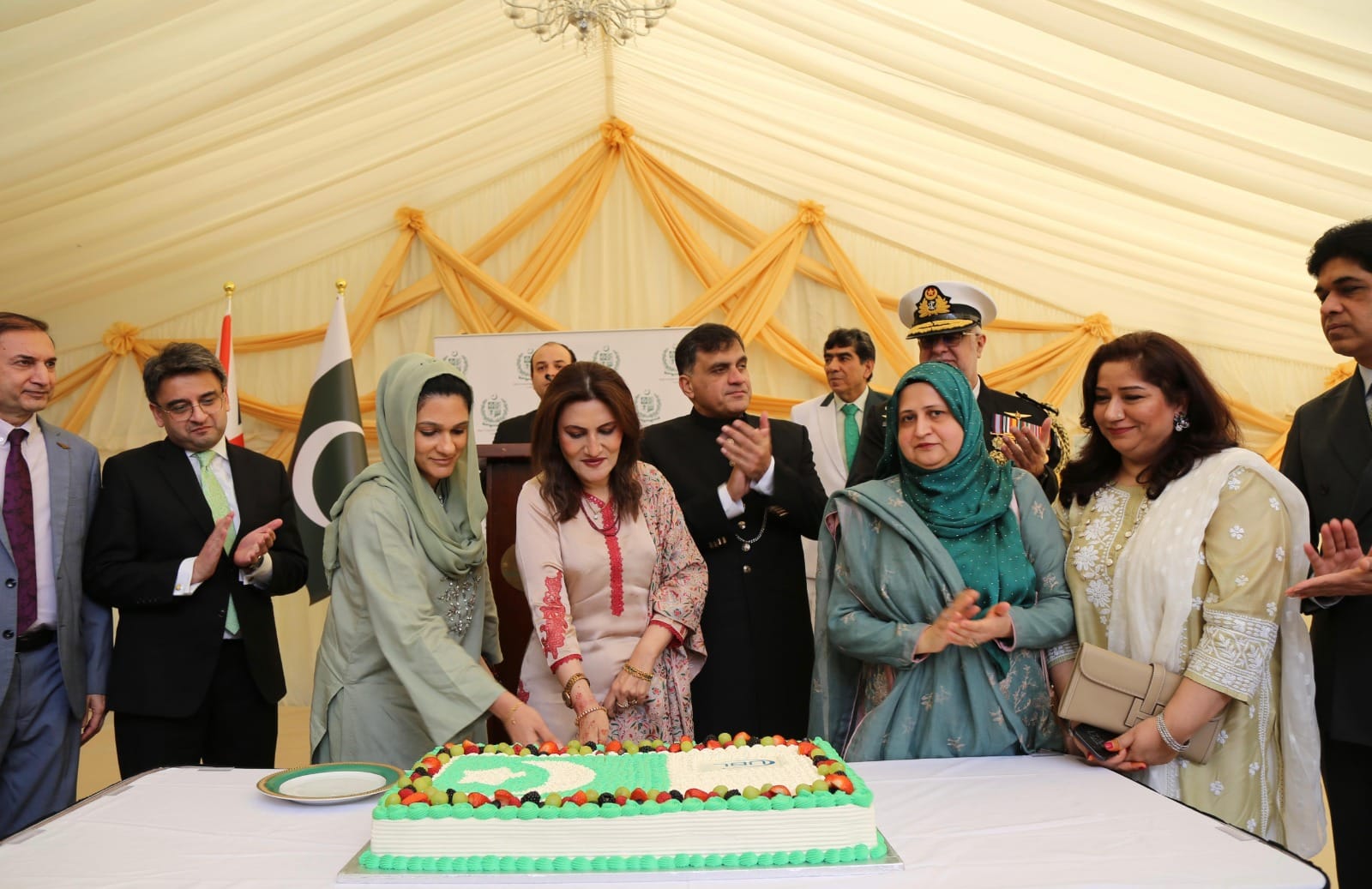
Dr. Mohammad Faisal stated that, in line with the instructions of the Prime Minister, the Deputy Prime Minister / Foreign Minister and the Federal Cabinet, Pakistan High Commission London is implementing strict austerity measures. However, these measures will not affect the performance & working of the High Commission.
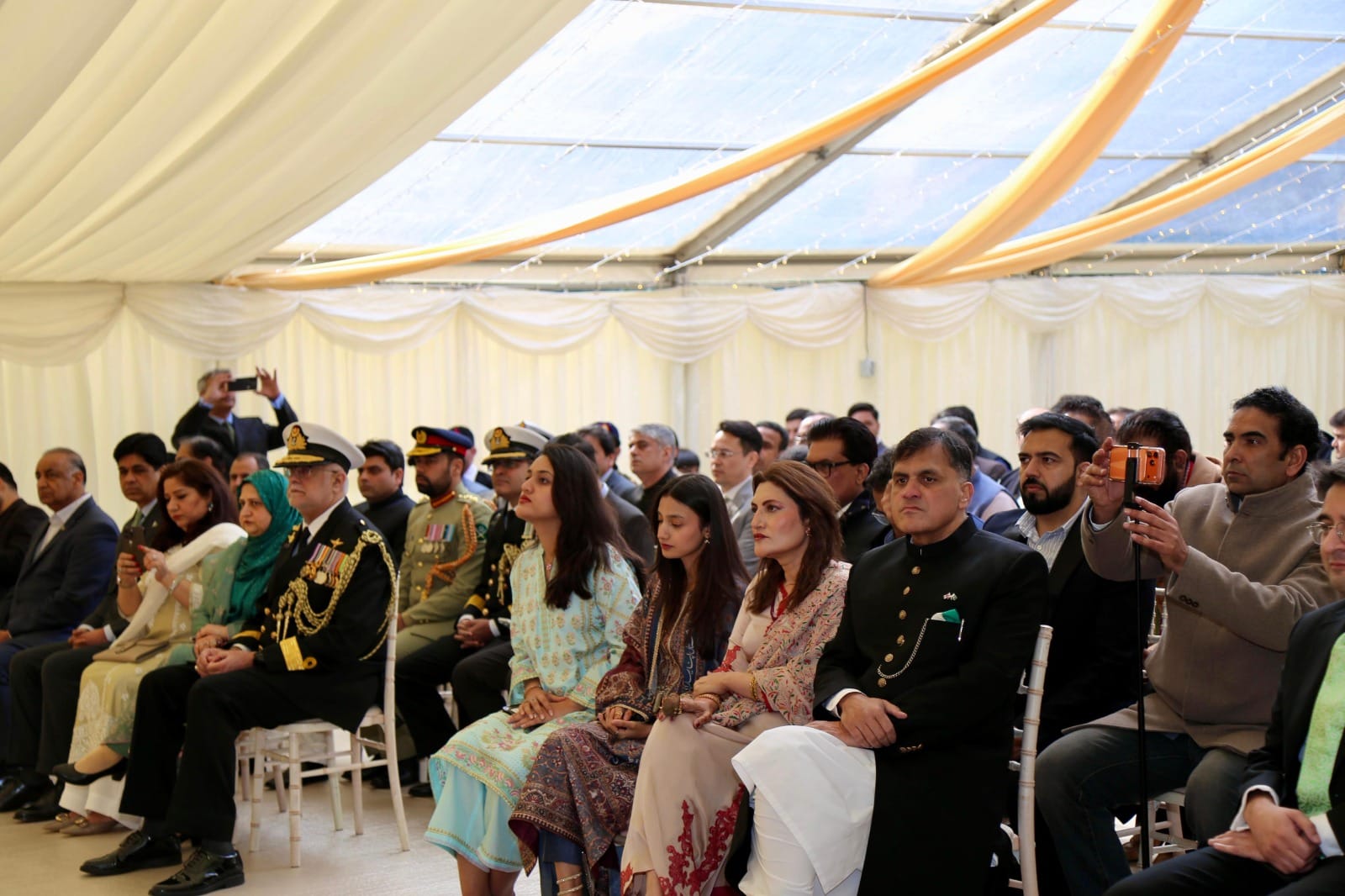
He acknowledged the remarkable contributions of Pakistani diaspora in UK and their extraordinary performance in various fields. He said that their achievements are a source of immense pride for Pakistan.
The High Commissioner expressed solidarity with the people of Indian Illegally Occupied Jammu and Kashmir and committed to continue diplomatic, moral and political support for their right to self determination under UN Resolutions.
London
23rd March, 2026


How the World Is Forced to Fund the Iran War

Scholars Urge UN to Protect Iran’s Scientific Sites Amid Airstrikes Global Academics Warn Attacks Threaten Research, Health, and Civilian Safety

How Iran Humiliated U.S. and Israeli Power


-

 Europe News1 year ago
Chaos and unproven theories surround Tates’ release from Romania
-

 American News1 year ago
Trump expands exemptions from Canada and Mexico tariffs
-

 American News1 year ago
Trump Expels Zelensky from the White House
-

 Pakistan News9 months ago
Comprehensive Analysis Report-The Faranian National Conference on Maritime Affairs-By Kashif Firaz Ahmed
-

 American News1 year ago
Zelensky bruised but upbeat after diplomatic whirlwind
-

 Art & Culture1 year ago
The Indian film showing the bride’s ‘humiliation’ in arranged marriage
-

 Pakistan News1 year ago
Can Pakistan be a Hard State?
-

 Entertainment1 year ago
Champions Trophy: Pakistan aim to defend coveted title as historic tournament kicks off today