
Pakistan News
Situationer: Torn between preserving life and livelihood

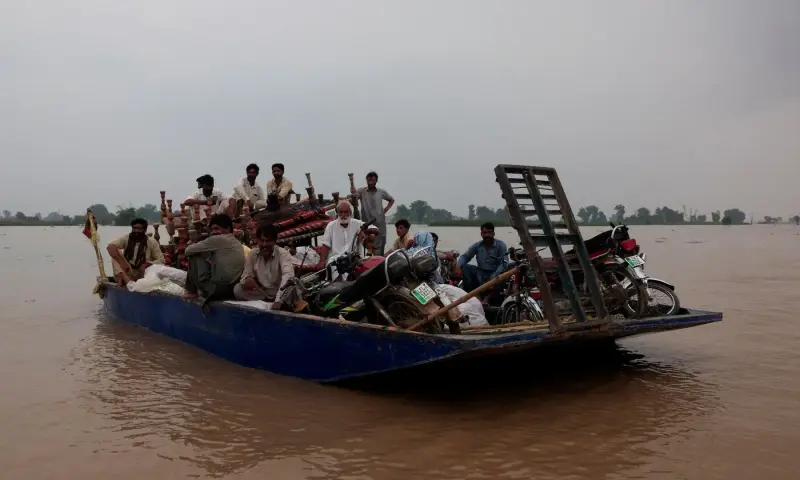
At the flood relief camp established by Rangers near the Talwar post on the border with India, Javed Ali, a man in his 40s, disembarks from a rescue boat.
He is accompanied by his wife, a toddler daughter and around a dozen members his family, who have come to the camp in the hope of getting some relief goods.
“The flood hit our village, Nagar, about 10 days ago, but the water did not reach our homes until three days back. On Thursday, it surrounded my house and the rest of my neighbourhood. We could not leave on our own because there was water all around the village.”
“I kept calling the helpline, as well as a welfare organisation, but despite promises that they would send the boat, help arrived today after three days. Now, tell me where to go from here?” he asks, pointedly.
Javed’s daughter has a fever and she has developed a skin allergy due to exposure to rain and floodwater. His niece and wife also have similar symptoms, so they make a beeline for the medical camp, where a doctor examines them and gives them some medicine.
When asked where they they will go from here, Javed says they have to make it to their relatives in Bhai Pheru. “But I don’t know how to reach Kasur from here,” he says, looking around for help.
A rescuer tells him that their duty is to evacuate them from flooded areas; they cannot promise further conveyance.
Javed’s is one of the many families who were rescued and brought to the relief camp near the Talwar post. The border with India can be seen across the huge body of water that spreads as far as the eye can see.
This site has become an assembly point for flood-hit people from around 16 villages, the last Pakistani settlements before the border. Now, they are all inundated with water from the River Sutlej.
The meandering Sutlej flowing alongside lush green rice fields: this is the sight that greets us on our way to the Ganda Singh border.
Initially, as we head down the main road, there is no sign of flooding. But as the village of Mahalam Kalan nears, around 15km from Ferozepur Road, the presence of Rangers bunkers and military personnel indicates that something is up.
At Rajiwala Araiyaan, the floodwater comes into view, along with a hullabaloo of activity, with hordes of flood-affected people and their cattle gathering in groups as relief activities are in full swing.
It has been two weeks since waters from the overflowing Sutlej first hit this area, but rescue boats are still busy ferrying those stranded in nearly villages.
A medical camp has been established near the Talwar Post, so that flood victims can receive first aid before they head out, most seeking shelter with relatives in nearby towns, or in relief camps.
The embankment at Rajiwala Road, on the edge of the floodwaters, is quite muddy due to fresh rain. Here, we see about 50 sheep, and Salman – a young man in his 20s – tending to them. He tells us he brought his animals to safety in a rickety boat around 11 days ago.
“There is nothing left in our houses. All we have were these animals. We are keeping the sheep here, but we have sent cows and other large animals ahead for fodder. There is nothing here. We don’t even have fodder for the sheep. We are arranging everything on our own, including food.”
He says there were 150 houses in his village, all of which were empty by the time they left. The authorities are preventing anyone from going back, so most people are understandably quite anxious about the state of their homes.
The main concern here is not just with people or property; it is the animals. Most of the flood-hit villagers are farmers who depend on their cattle for their livelihood. They cannot simply leave them behind, and relocating them to far-flung places is not feasible.
Mushtaq and Shahid, from the Bhikhiwind village, have also tethered their cows and buffaloes near the relief camp. They point to their village from where they sit; there is nothing there but deep, unnavigable waters.
They say that in the past, the water would reach their village, but it never breached their homes. This year, they said, there was more water than they had ever seen in their lives.
There were 25 families living in Bhikhiwind, all of whom have now been evacuated.
Around a fortnight ago, when they first evacuated, one man from each family stayed behind to protect their animals and property. However, law enforcement forced these stragglers out too, and now the people complain they have no support from the government, either in arranging food for themselves or fodder for their animals.
When we head over to the relief camp set up in the Rajiwala school, the guards don’t let us enter.
Amir Ali, a policeman deployed at the camp, says that residents of around 16 flooded villages had been brought to the camp. If people don’t leave their flooded villages and homes, the police brings them over forcibly, he says.
But the women from Bhikhiwind tell us that the day the army chief visited the area, they were enrolled at the camp. However, they did not receive any food, despite waiting the entire day.
The disappointed families say that they don’t expect anything from the government now. “Only Al-Khair and Al-Khidmat Foundation gave us some food,” says Mushtaq.
However, officials deputed at the relief camp deny these allegations. “Many people from the villages which are not affected by flood also approach the camp to demand food and fodder. We need to check their CNICs and seek the evidence of animals and family members,” said an official.
Muhammad Farooq has been voluntarily operating a raft (locally known as a Baira) since the flood hit. When we meet him, he is bringing ashore a motorcycle-rickshaw, a couple of heads of cattle, as well as people from the villages of Changa Singh and Dhupsari.
He says he gets diesel from the deputy commissioner’s office to run his Baira, which he uses to transport people, their animals and other heavy loads to the camp.
Asif, a resident of Changa Singh, is disembarking from Farooq’s raft as we arrive. He has just returned from a visit to his inundated village, which he left about eight days ago.
When they left, some elders were left behind to look after the houses, and every couple of days, someone returns to check on them. On this trip, Asif spent the night trying to save his family’s wheat stocks, placing them on the rooftop and covering them up to protect them from the elements.
But as the heavens open up, he looks crestfallen, fearing the rain might spoil their wheat too.
Header Image: Residents travel with their belongings on a boat as they head towards a higher ground in Punjab’s Kasur district, Aug 29. — Reuters

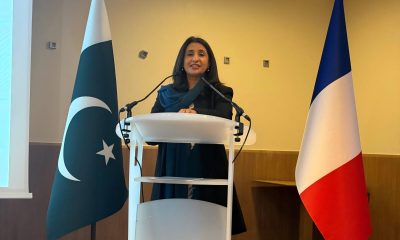



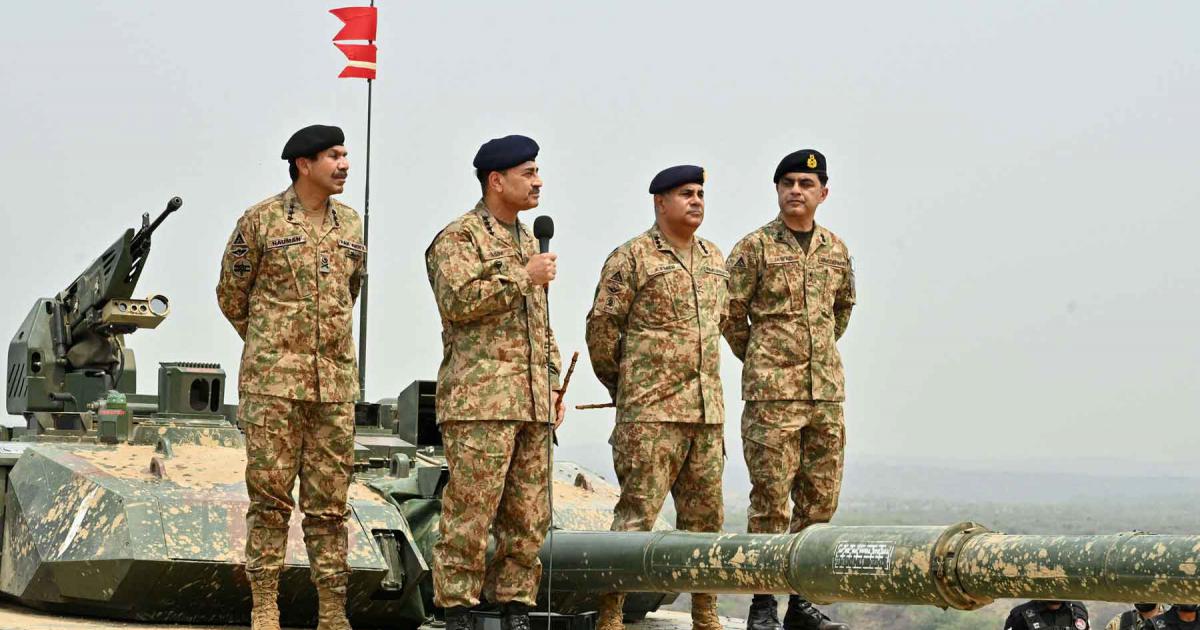
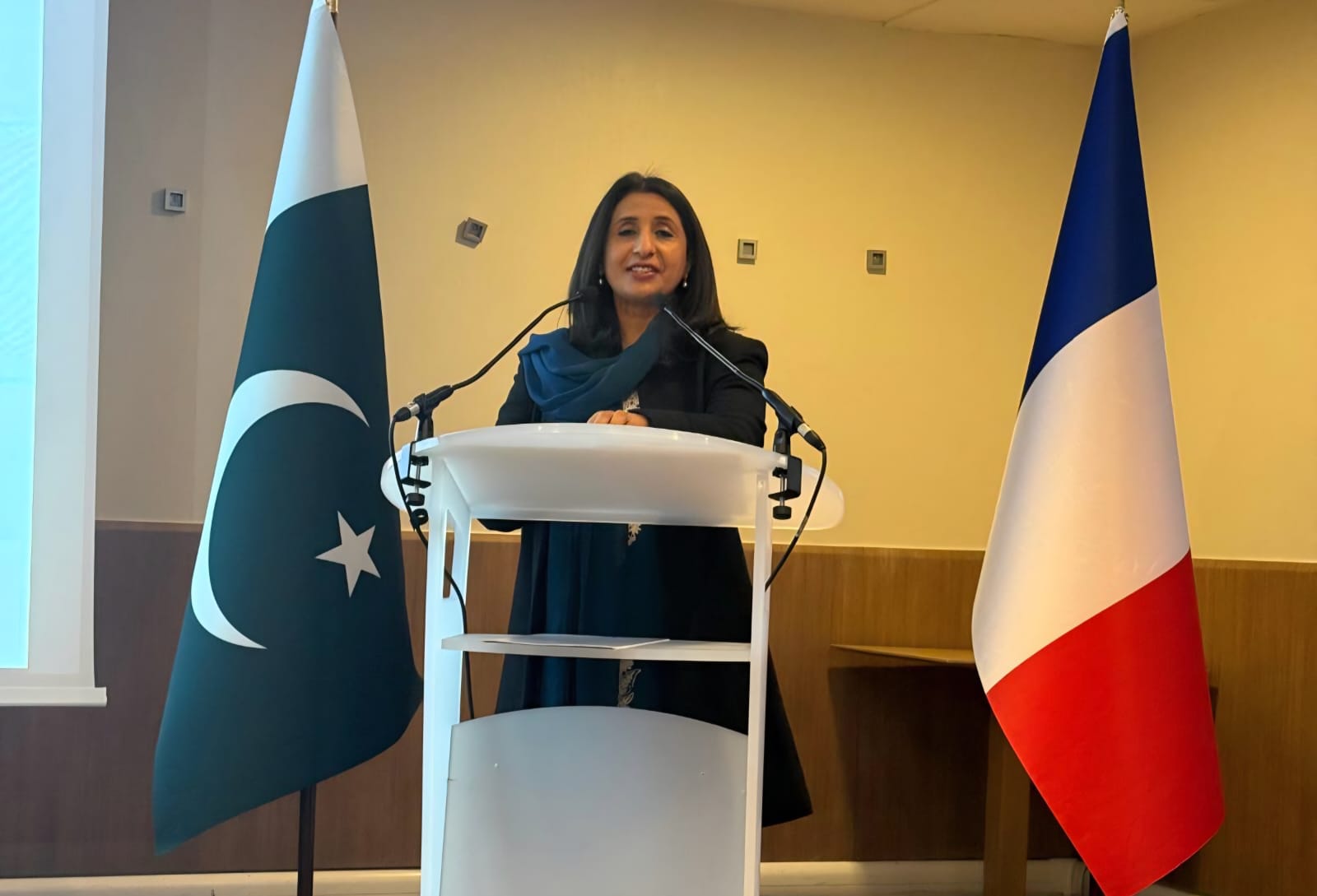
Paris ( Imran Y. CHOUDHRY):- A ‘Pakistan-France Trade and Investment Forum’ was held in Paris today, bringing together government officials, business leaders, industry experts and representatives of trade bodies of both countries.
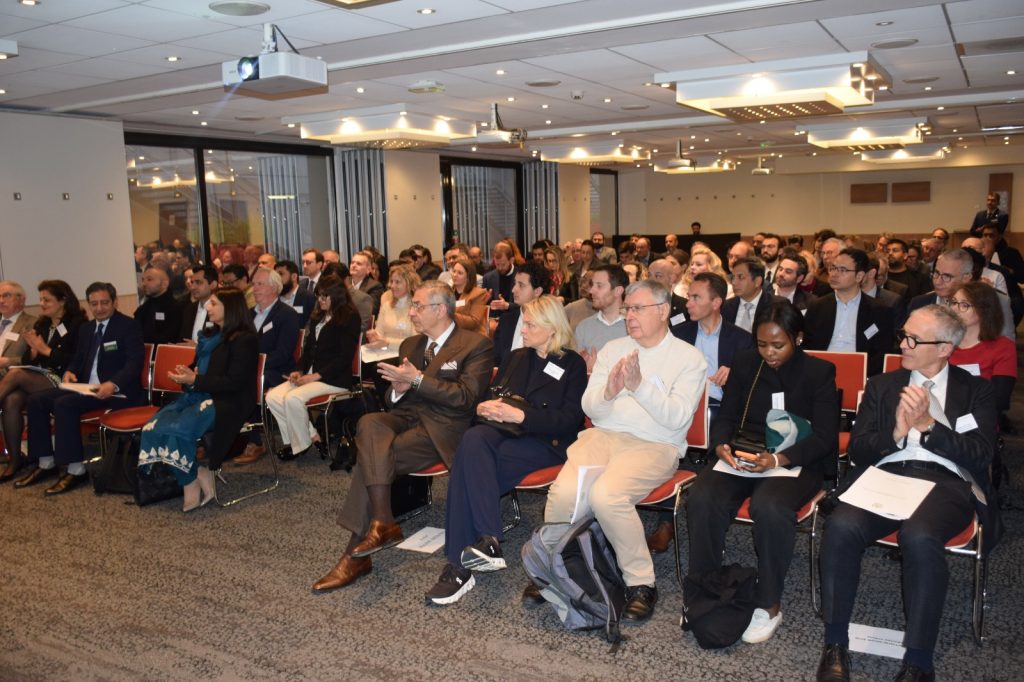
The Forum was held in implementation of an understanding reached between President Emmanuel Macron and Prime Minister Shehbaz Sharif in 2024, to build strong economic partnership between Pakistan and France. The objective of the Forum was to connect businesses, exchange ideas, explore new avenues of bilateral cooperation and showcase Pakistan’s trade and investment potential. It witnessed participation of over seventy French and Pakistani companies from diverse sectors including agriculture, information technology, textiles, energy and tourism.
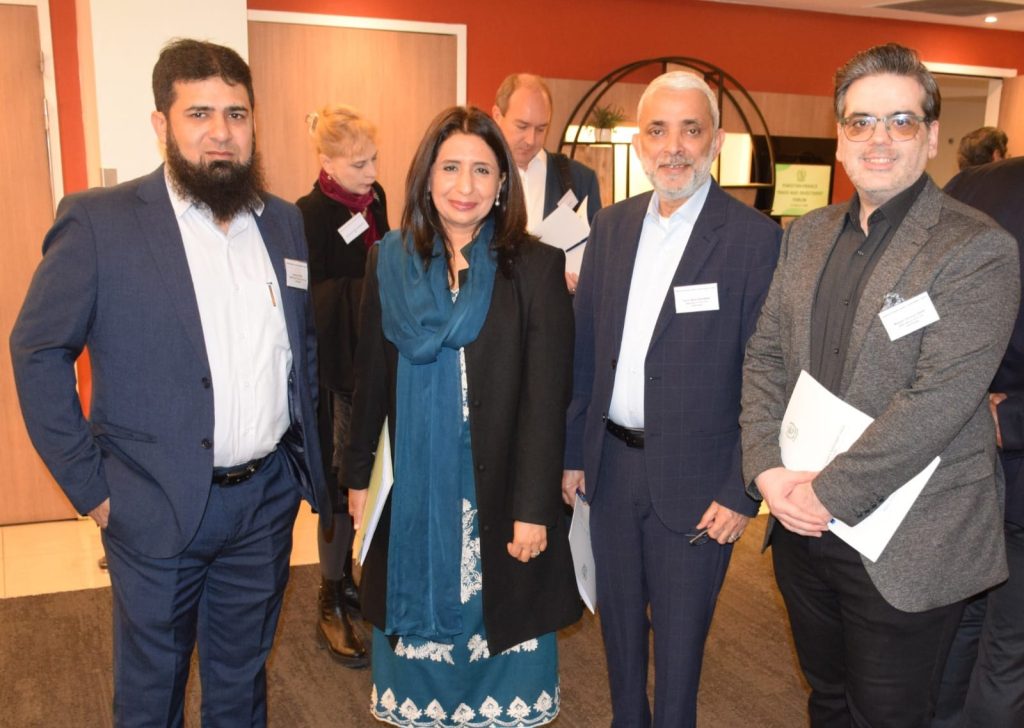
Ambassador Mumtaz Zahra Baloch opened the Business Forum and highlighted Pakistan’s economic growth and potential as an attractive trade partner for France. She outlined investor-focused initiatives and institutional facilitation mechanisms in Pakistan to promote trade and investment. She encouraged Pakistani and French businesses to explore collaborative opportunities, and develop joint ventures and win-win partnerships.
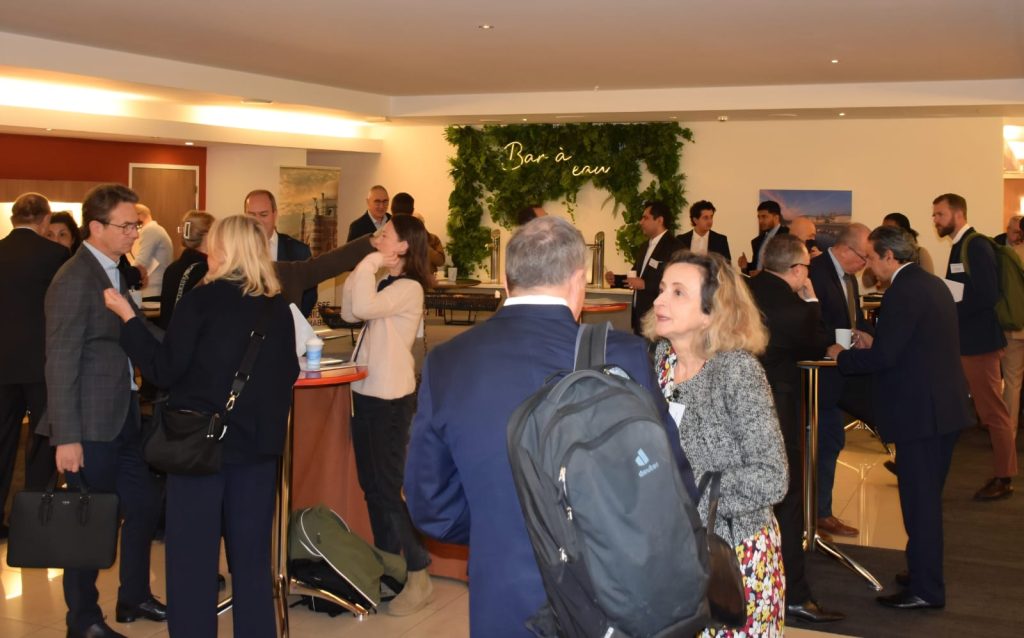
Speakers from the French side included Thierry Pflimlin, Chairman of the France-Pakistan Business Council at MEDEF International, Patricia Glasel, Vice President of the Conseillers du Commerce Extérieur de la France (CCEF) and Ardavan Amir-Aslani. They highlighted the growing momentum in France-Pakistan economic relations; identified the opportunities for trade and investment with Pakistan; and underscored the importance of strengthening private sector linkages to further facilitate bilateral trade and investment.
The plenary session was followed by ‘Breakout and Business-to-Business (B2B)’ sessions to discuss and identify tangible avenues for collaboration in textiles, agriculture and dairy, and Information Technology.
Pakistan News
Dr. Mohammad Faisal Joins Distinguished Quetta Association Event in London Gathering Reinforces Shared Military Heritage of Pakistan and Britain
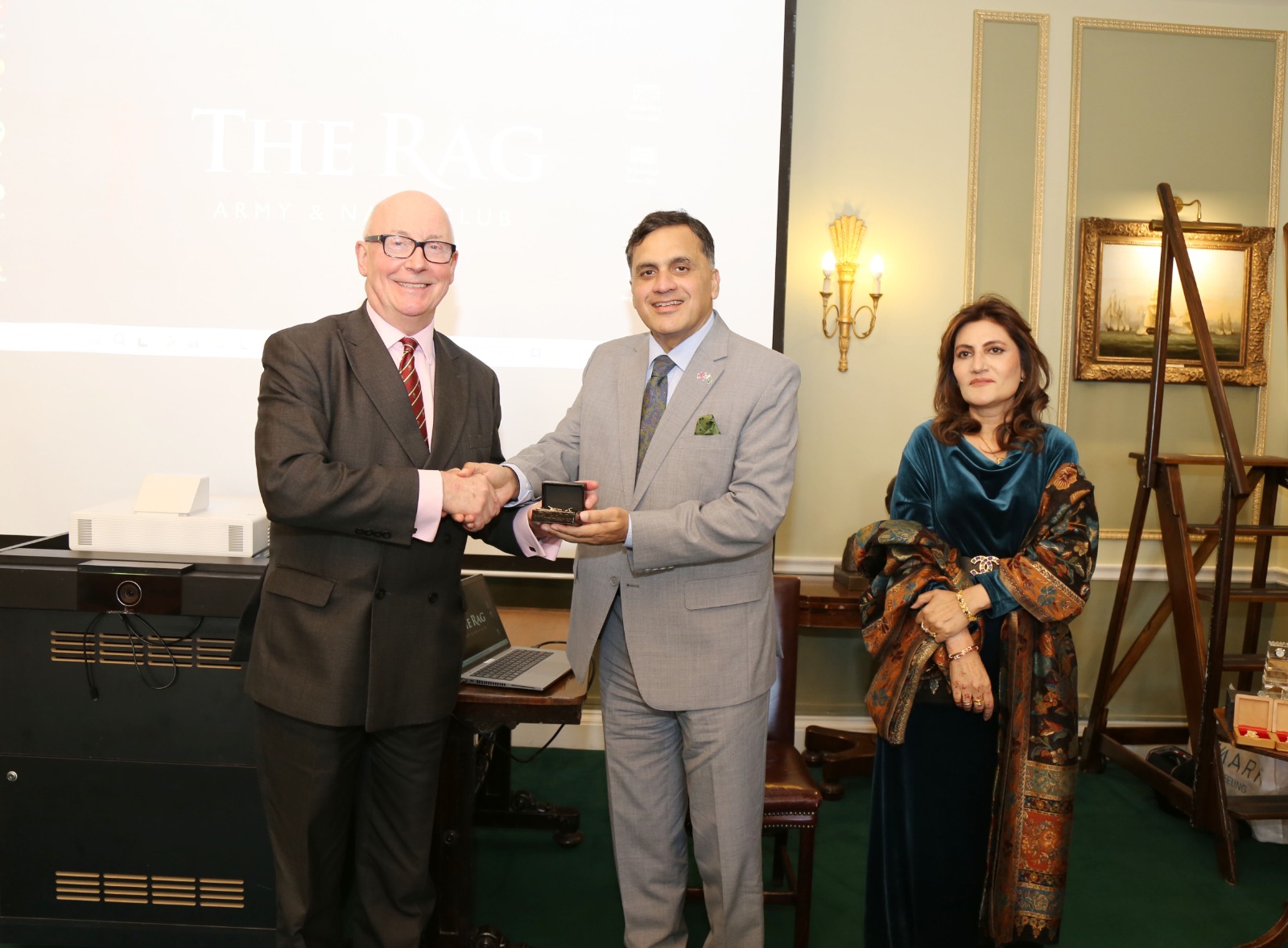
High Commissioner @DrMFaisal and his spouse @drsarahnaeem2 attended, as guests of honor, a distinguished gathering of the Quetta Association at the Army & Navy Club, London.
Military Officers from the Defence Wing of Pakistan High Commission, London, with their families also attended.
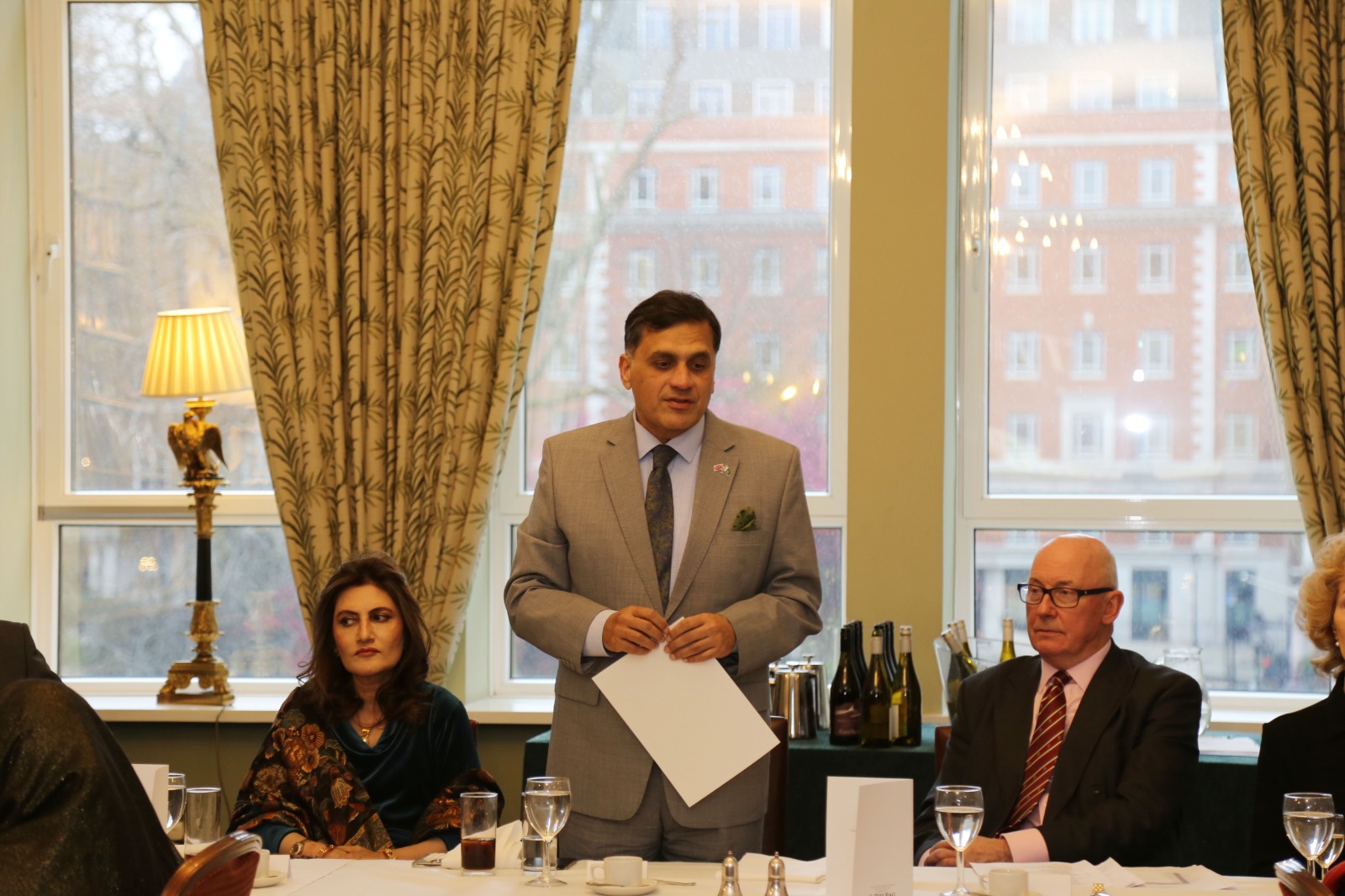
Quetta Association brings together British officers who graduated from the prestigious Command & Staff College, Quetta, Pakistan. The institution has produced outstanding military leaders, including British Field Marshals Sir Claude Auchinleck and Sir William Slim, whose leadership during the Second World War remains widely respected. Field Marshal Syed Asim Munir is also graduate of this prestigious institution.
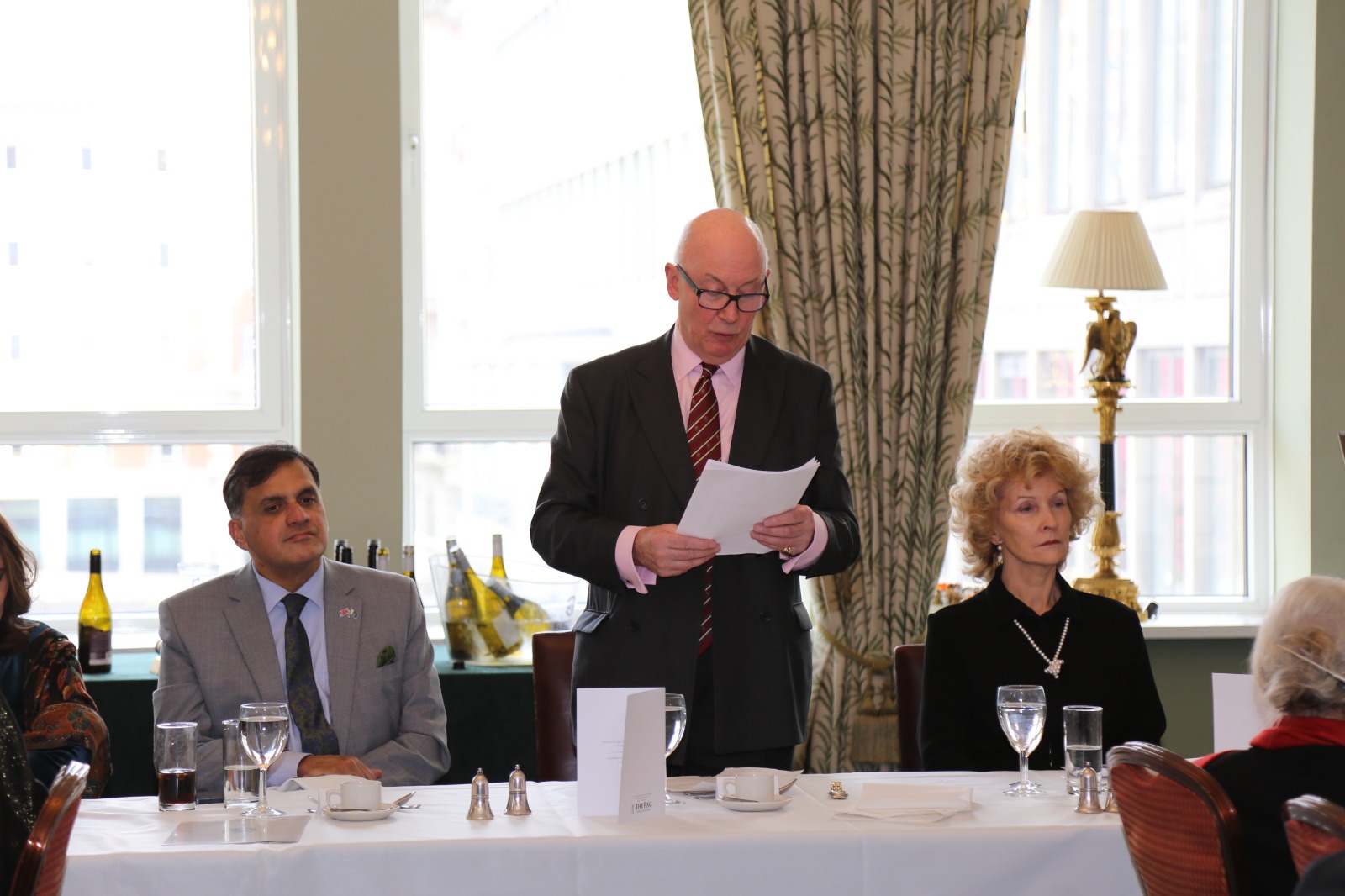
The High Commissioner appreciated the annual gathering that underscored the Association’s enduring role as a vital bridge linking the British Army and Pakistan Army through shared professional heritage and camaraderie.
Decorated British military officers and their families paid glowing tributes while referring to the hospitality accorded by Pakistan during their stay in Quetta.
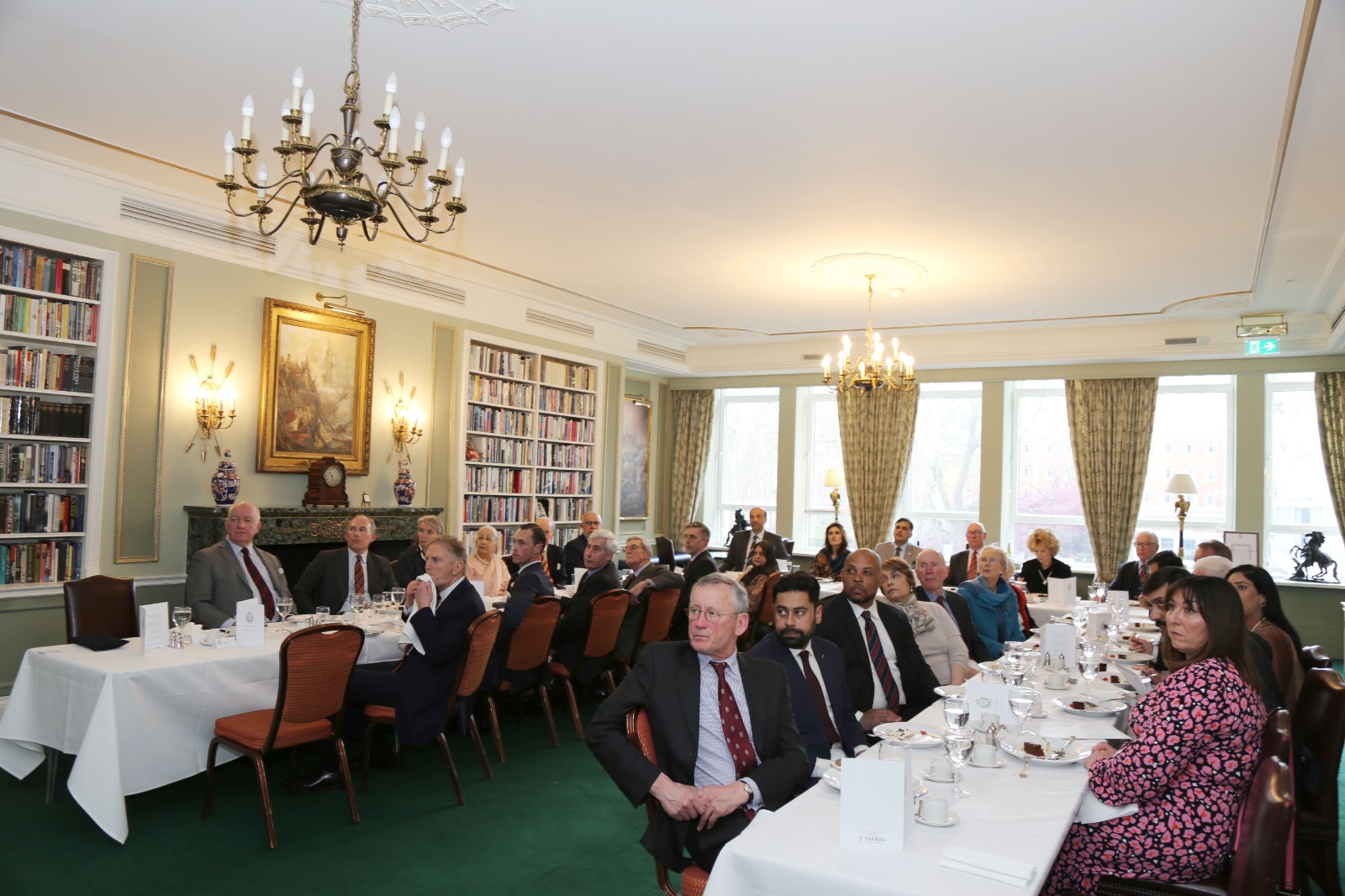
Graduate senior British Officers present at the gathering included Lt. Gen. Sir Alistair Irwin KCB CBE (1980) and Maj. Gen. Seumus Kerr CBE (1985).
Mementos were exchanged between the British officers and officers of @PakistaninUK.
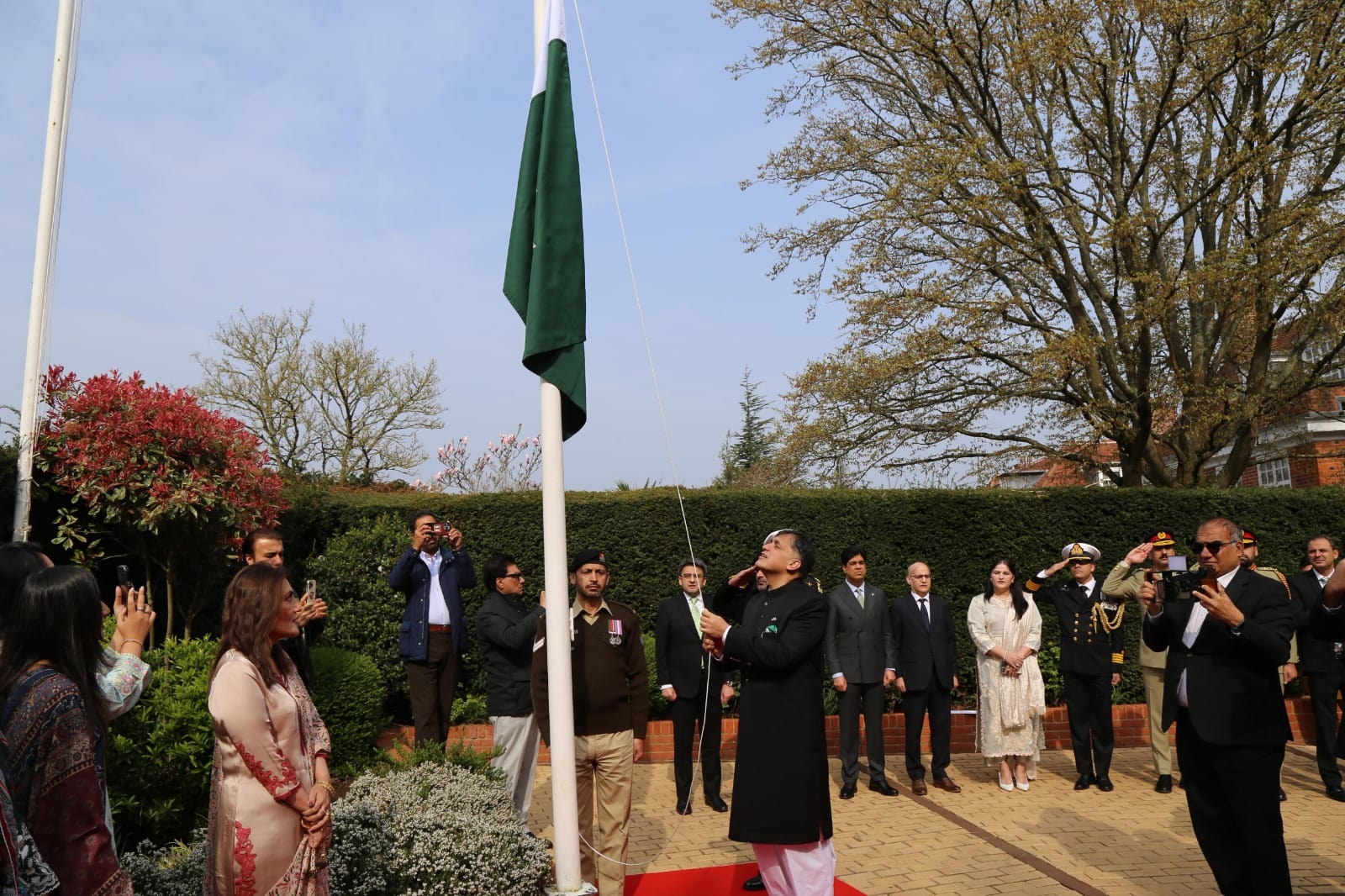
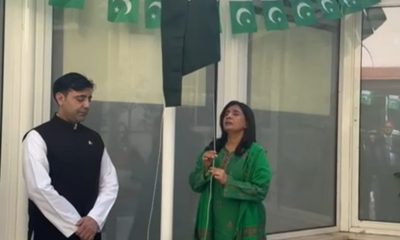
In a simple and dignified ceremony held at Pakistan House, London, the High Commissioner of Pakistan to UK Dr. Mohammad Faisal raised the Pakistan Flag on the occasion of Pakistan Day.
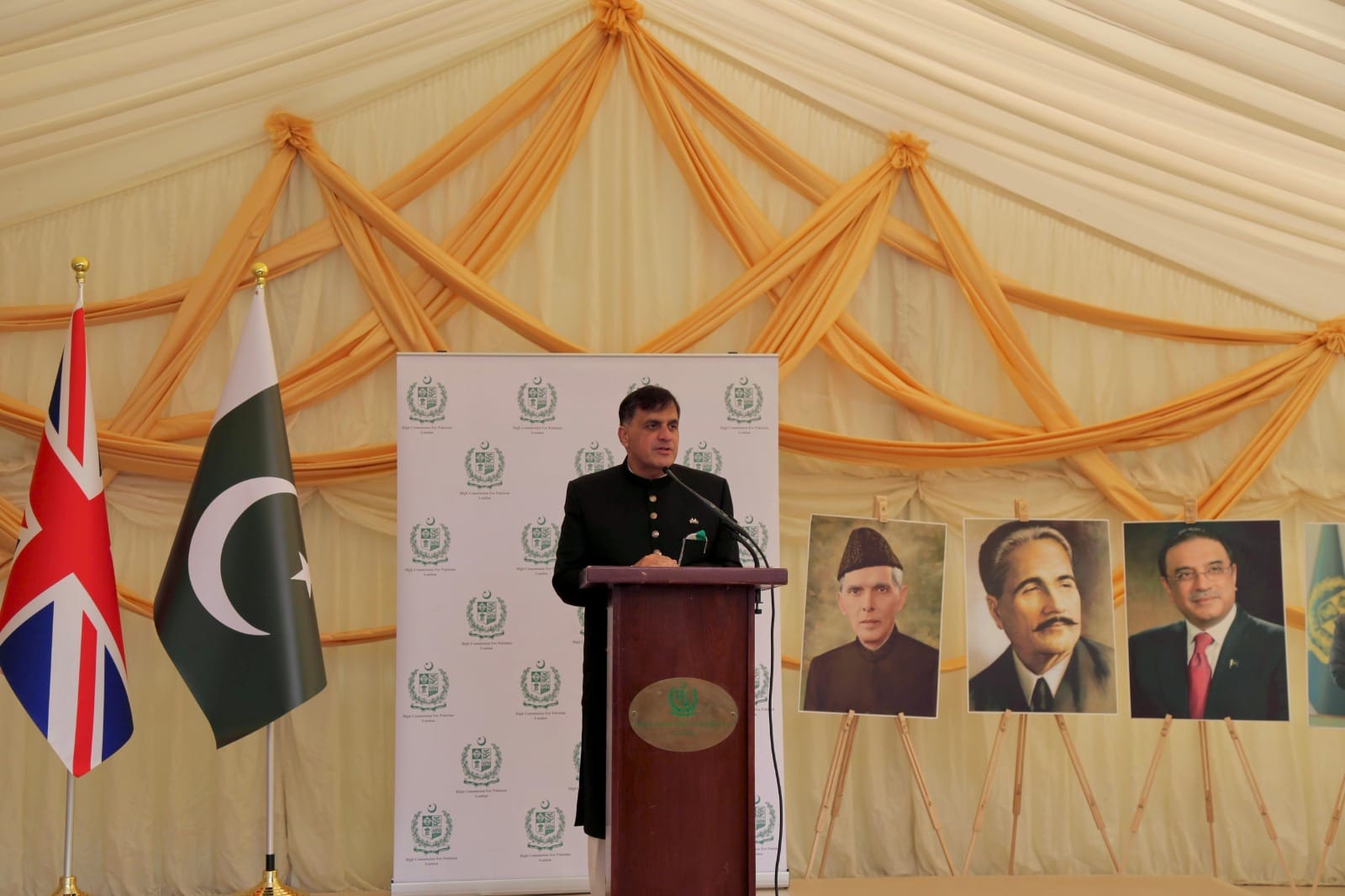
The ceremony was attended by Officials of the High Commission, British – Pakistanis and Media representatives.
Messages of the President, the Prime Minister and Deputy Prime Minister / Foreign Minister were read out.
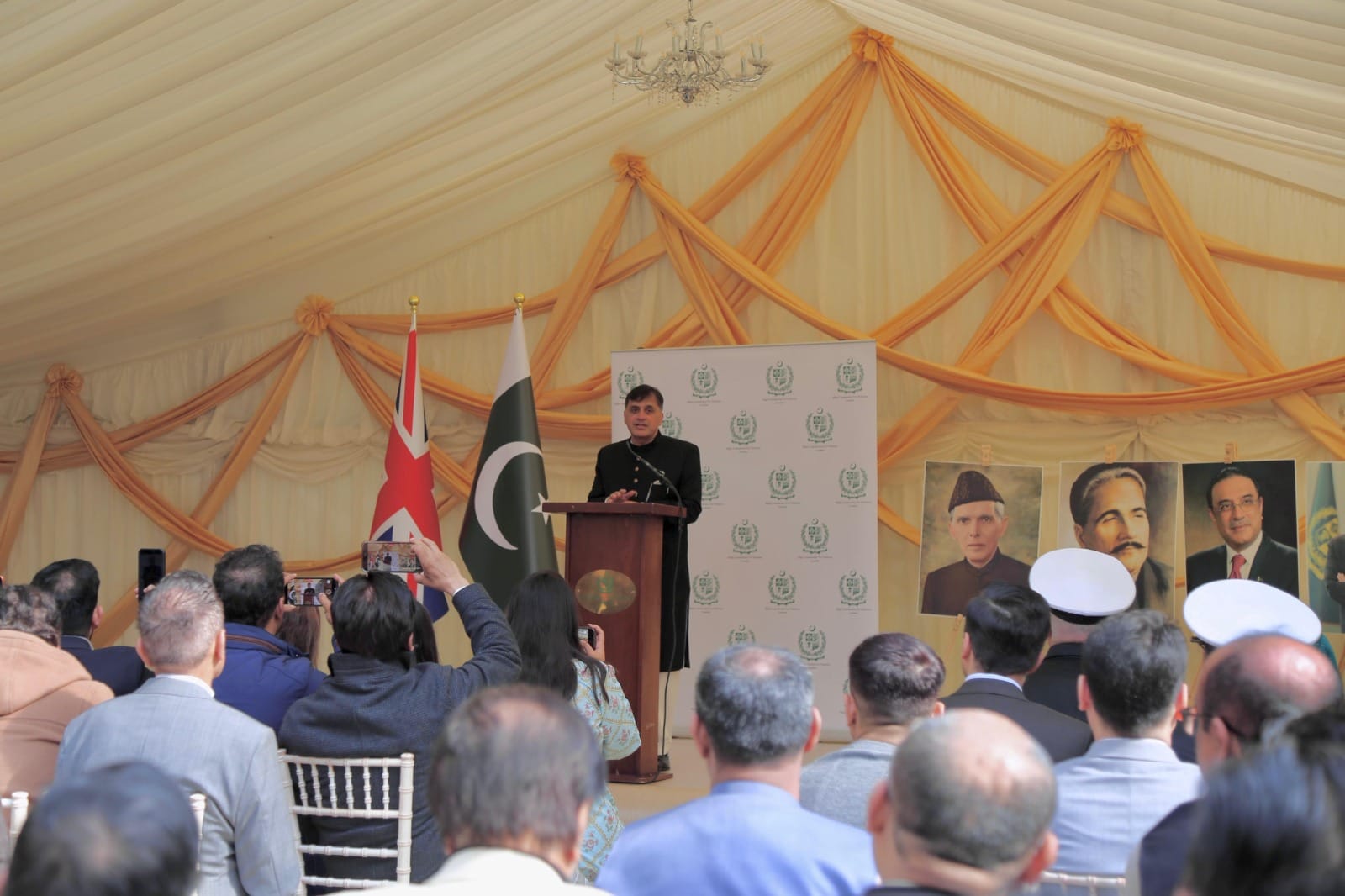
In his keynote address, the High Commissioner said that Pakistan Day was a tribute to our founding fathers who united the Muslims of Indian sub-continent where they could live independently as a Nation and live according to their customs & traditions.
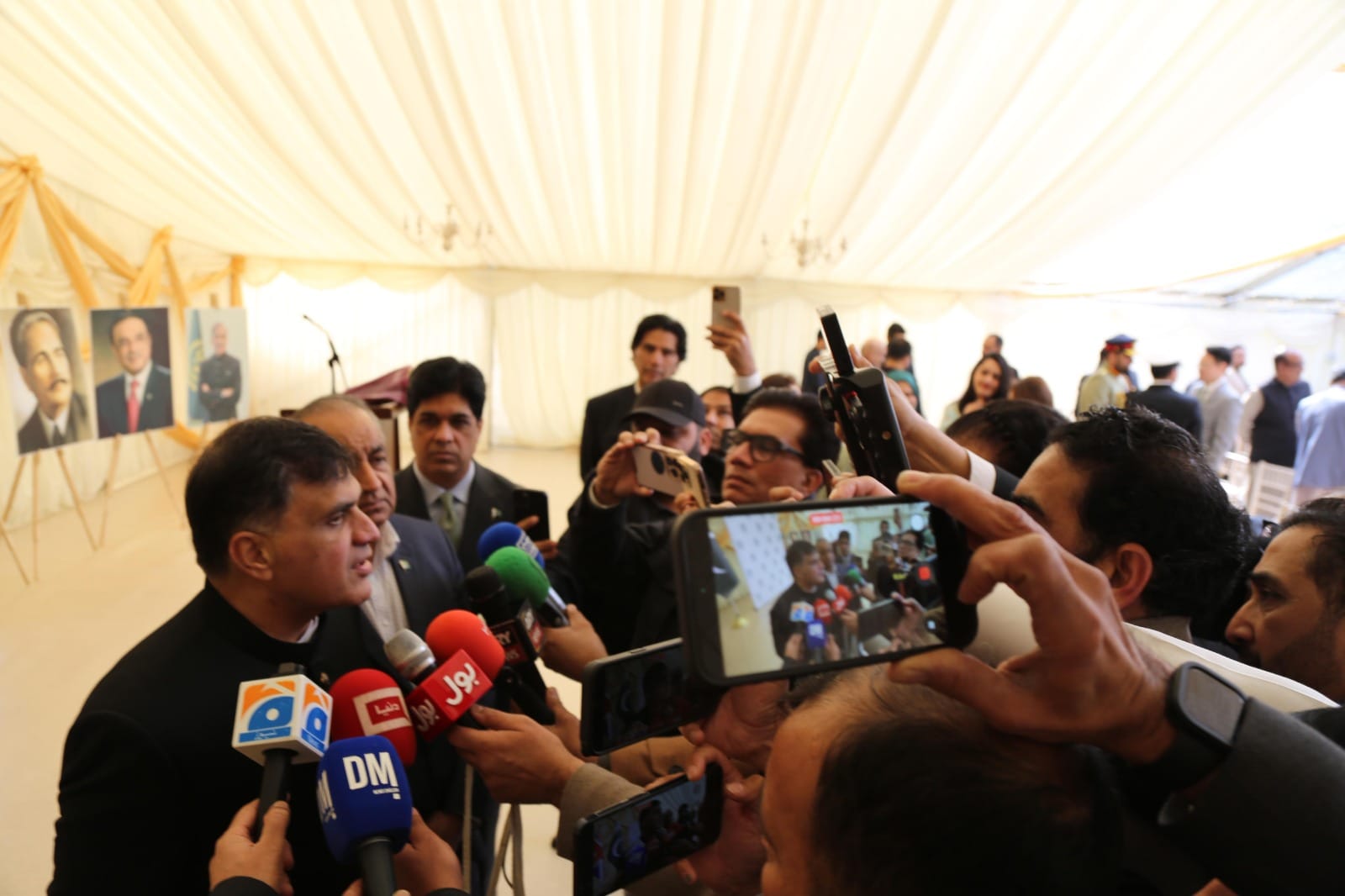
Dr. Faisal stated that Pakistan had always professed peace and stability in the region. However, Pakistan will not tolerate any aggression from neighbouring countries.
The High Commissioner said that Pakistani nation, despite the difficulties, remains resilient and demonstrates courage & perseverance.
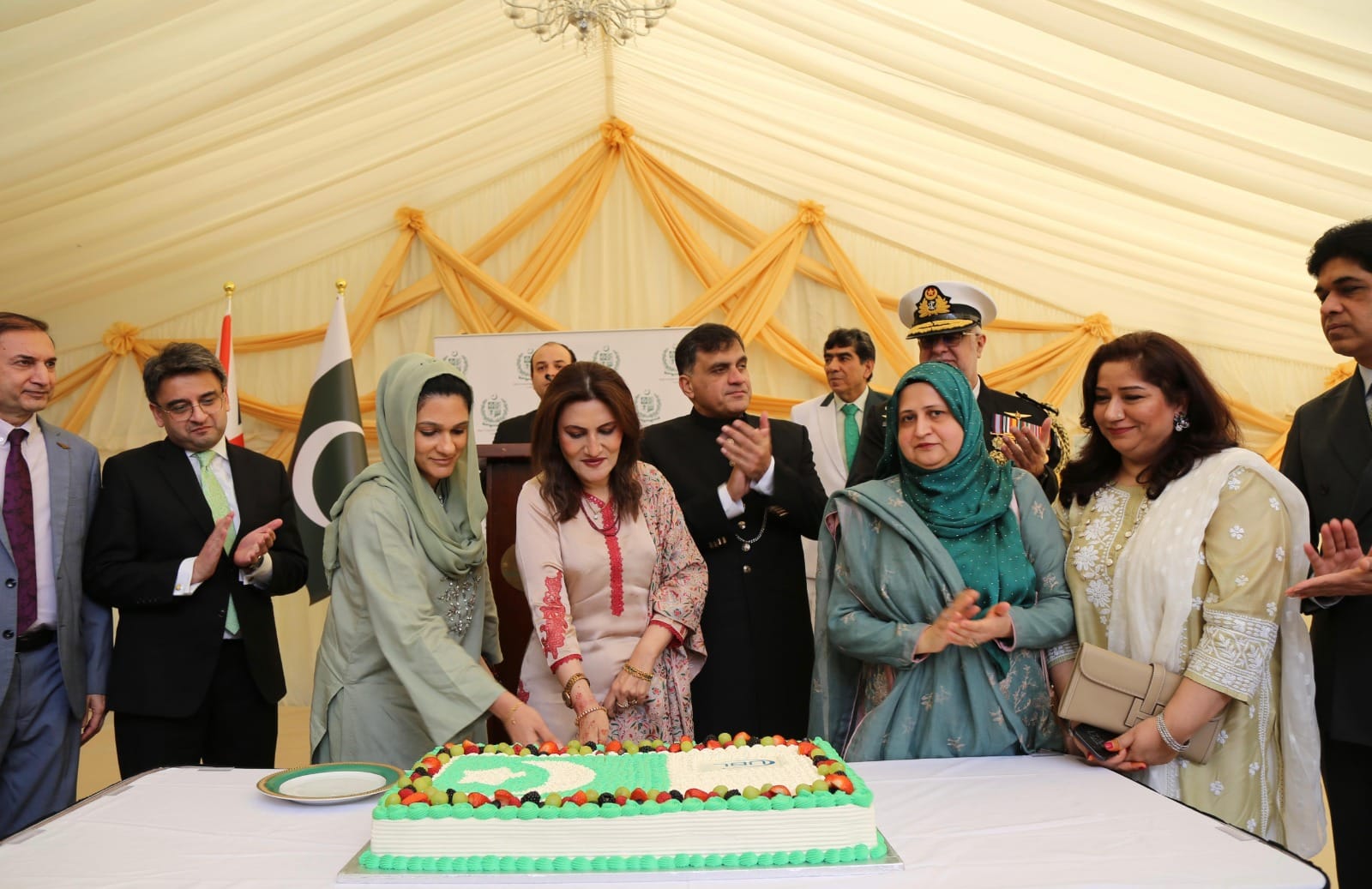
Dr. Mohammad Faisal stated that, in line with the instructions of the Prime Minister, the Deputy Prime Minister / Foreign Minister and the Federal Cabinet, Pakistan High Commission London is implementing strict austerity measures. However, these measures will not affect the performance & working of the High Commission.
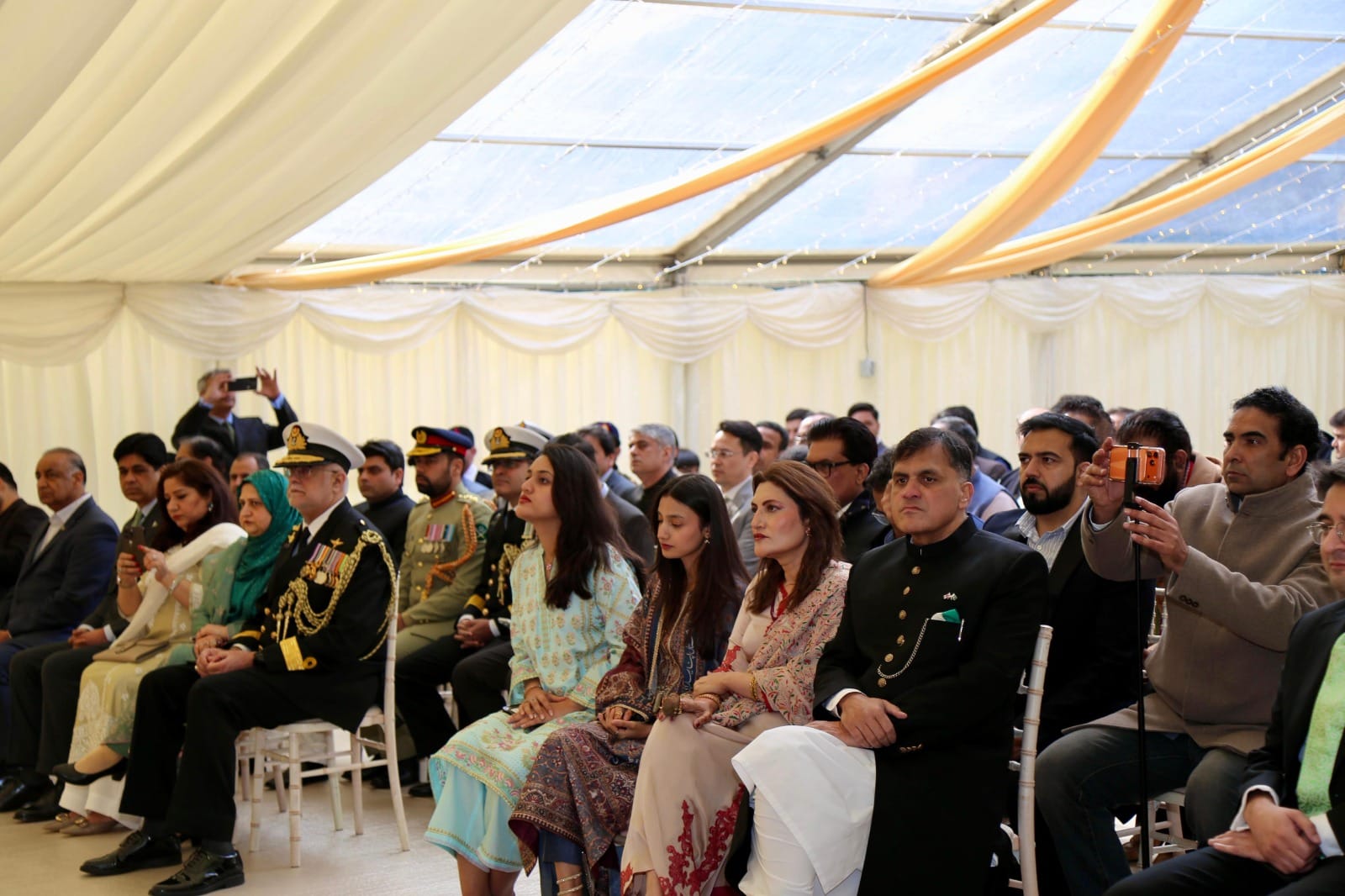
He acknowledged the remarkable contributions of Pakistani diaspora in UK and their extraordinary performance in various fields. He said that their achievements are a source of immense pride for Pakistan.
The High Commissioner expressed solidarity with the people of Indian Illegally Occupied Jammu and Kashmir and committed to continue diplomatic, moral and political support for their right to self determination under UN Resolutions.
London
23rd March, 2026


How the World Is Forced to Fund the Iran War

Scholars Urge UN to Protect Iran’s Scientific Sites Amid Airstrikes Global Academics Warn Attacks Threaten Research, Health, and Civilian Safety

How Iran Humiliated U.S. and Israeli Power


-

 Europe News1 year ago
Chaos and unproven theories surround Tates’ release from Romania
-

 American News1 year ago
Trump expands exemptions from Canada and Mexico tariffs
-

 American News1 year ago
Trump Expels Zelensky from the White House
-

 Pakistan News9 months ago
Comprehensive Analysis Report-The Faranian National Conference on Maritime Affairs-By Kashif Firaz Ahmed
-

 American News1 year ago
Zelensky bruised but upbeat after diplomatic whirlwind
-

 Art & Culture1 year ago
The Indian film showing the bride’s ‘humiliation’ in arranged marriage
-

 Pakistan News1 year ago
Can Pakistan be a Hard State?
-

 Art & Culture1 year ago
International Agriculture Exhibition held in Paris