
Pakistan News
How Pakistan Became Israel’s Primary Target (PART-I)

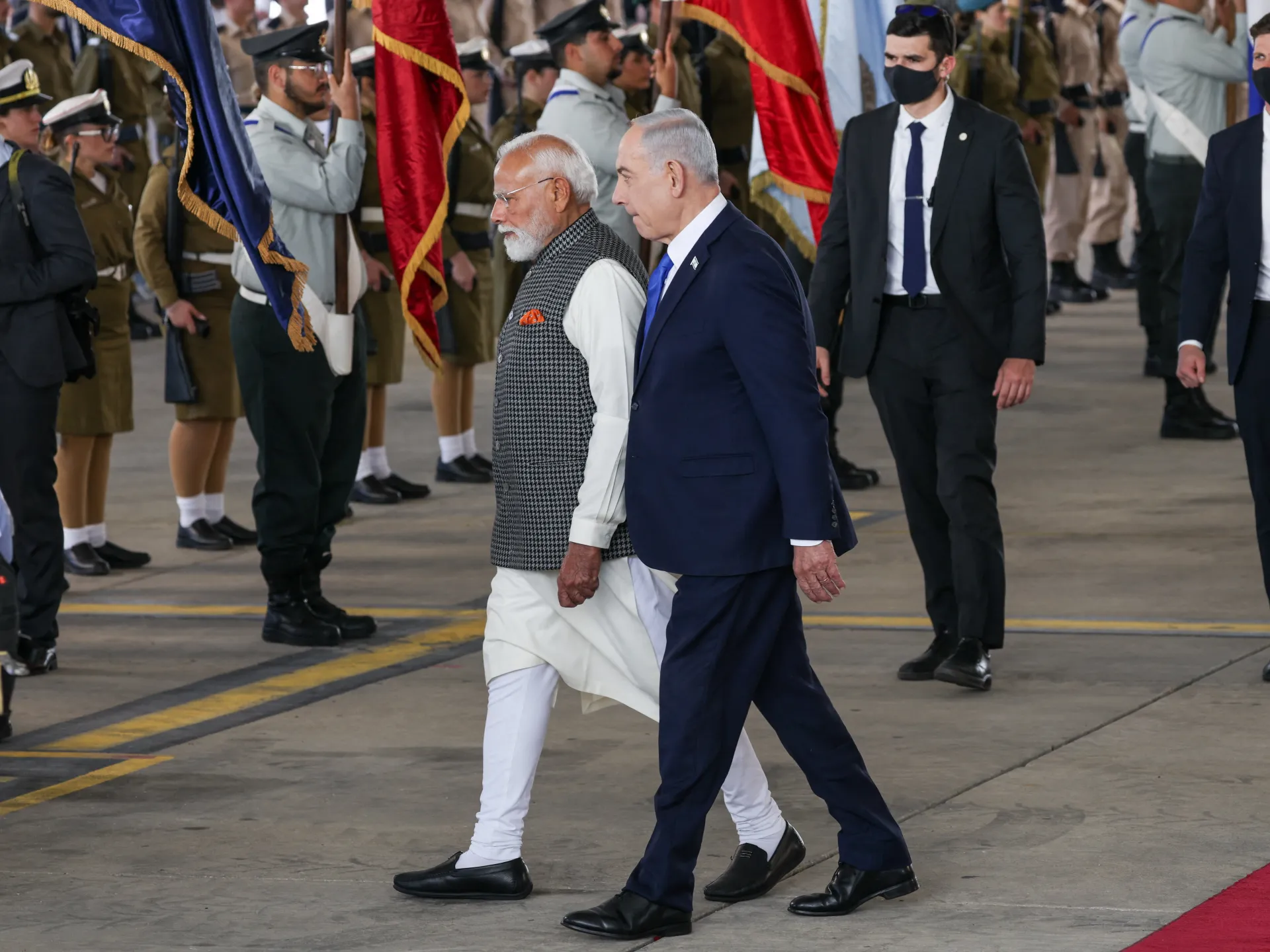
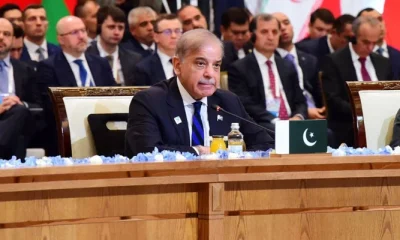
Paris (Imran Y. CHOUDHRY) :- Former Press Secretary to the President, Former Press Minister to the Embassy of Pakistan to France, Former MD, SRBC Mr. Qamar Bashir analysis : The geopolitical sands of Southwest Asia have shifted dramatically in recent months. In a stunning reversal of roles, Pakistan—once viewed as a struggling state battling internal insurgencies and economic instability—has emerged as a pivotal power broker on the world stage. Through its successful mediation between the United States and Iran and its efforts to avert a global economic crisis, Islamabad has positioned itself as a formidable voice in international diplomacy. This diplomatic ascendancy, however, has come at a considerable cost. By challenging the established order and offering a counterbalance to Israeli power in the region, Pakistan has inadvertently painted a target on its own back. The result is a new and dangerous proxy war being fought on Pakistani soil, leveraging the Tehrik-e-Taliban Pakistan and the Balochistan Liberation Army as tools to bleed the nation from within.
The calculus of power in the Middle East has been fundamentally upended. As the only nuclear-armed Muslim state with a growing arsenal, Pakistan is increasingly viewed by regional actors as a necessary counterweight to Israel’s unbridled military might and expansionist ambitions. The narrative in Islamabad and across many Middle Eastern capitals is that Israel, guided by a maximalist ideology and backed by its own nuclear capabilities, seeks to redraw the map of the region.
The perceived Greater Israel project, aiming to control territory from the Nile to the Euphrates, necessitates the destruction or fracture of all regional power structures. Under this worldview, Israel’s strategy is to create chaos, foster fractured governments, and use nuclear blackmail to cow its adversaries.
In this context, Pakistan’s nuclear umbrella is seen as the ultimate deterrent against Israeli aggression. By providing a potential shield for nations like Turkey, Egypt, and Iran, Pakistan has become a primary obstacle to Israel’s regional ambitions. This is the crux of the new animosity. Israel has recognized that it cannot neutralize Iran, Turkey, or other regional rivals without first neutralizing the threat from Pakistan.
The diplomatic achievements of Pakistan—including its instrumental role in stopping the wars in Lebanon and Gaza—have made it a major thorn in the eye of Israel. What Pakistan achieved diplomatically is perhaps greater in value and impact than what Iran achieved through its military confrontations with the United States and Israel.
This remarkable ascent has transformed Pakistan from a peripheral player into a central actor in the Middle Eastern power equation, and with that transformation has come the inevitable attention of adversaries who view its rise as a direct threat to their interests.
To counter this emerging threat, Israel is purportedly pivoting to a strategy of asymmetric warfare, exploiting Pakistan’s internal vulnerabilities through a classic playbook: find, fund, and arm proxy actors to destabilize a state from within, avoiding a direct and costly conventional confrontation.
The first prong of this strategy involves the TTP. Pakistan has long differentiated between the good Taliban in Afghanistan and the bad Taliban at home, but this distinction has become dangerously moot. The Afghan Taliban, now in power in Kabul, has provided safe havens, training camps, and logistical support to the TTP, allowing them to operate with near impunity across the porous border.
Now Israel in collaboration with India and elements within the Afghan government, is providing arms, ammunition, financial incentives, and operational guidance to the TTP. This financing and advanced training are intended to motivate TTP operatives to intensify their attacks on Pakistan’s military and civilian power centers, creating a constant state of insecurity that weakens the state from within.
The second, equally dangerous prong involves the separatist movements in Balochistan. The Balochistan Liberation Army and other ethnic insurgent groups are waging a war for independence, and while these movements have deep-rooted local grievances, they have become receptive to external manipulation.
The exiled Baloch leaders have expressed a willingness to align with Israel, viewing it as a potential guarantor of their independence. This creates a perverse alliance of convenience. India’s Research and Analysis Wing has a well-documented history of fomenting unrest in Balochistan to destabilize Pakistan, with the arrest of Indian naval officer Kulbhushan Jadhav in 2016 serving as a key example.
Now, Israel is reportedly deepening this cooperation, offering advanced intelligence, satellite reconnaissance, and perhaps even technological assistance to these separatist groups. In return, the BLA and its affiliates are promising to act as Israel and India’s stooges in a post-conflict scenario, leveraging whatever remains of a fractured Pakistan. The goal is to cripple the Pakistani state, potentially allowing external actors to seize control of the strategic Gwadar port and neutralize Pakistan’s nuclear assets.
Beyond the proxy war, there is an immediate and visceral threat that Pakistan must contend with: Israel’s technological prowess in targeted assassinations. Israel has a documented history of using sophisticated, often commercially available technology to track and eliminate high-value targets across the globe.
This includes the use of advanced surveillance software, remote-controlled weaponry, and even cyber-enabled sabotage of critical infrastructure. Pakistan, with its community of nuclear scientists, military strategists, and political leaders, is vulnerable to such tactics.
The threat is not merely hypothetical. Pakistan must ensure that the technology used by Israel for assassinating marked rivals and people of high political, scientific, and military value cannot be successfully deployed within its borders.
This demands a comprehensive overhaul of Pakistan’s internal security protocols, including strict monitoring of digital communications, protection of supply chains from cyber-tampering, and rigorous vetting of personnel with access to sensitive information. Failure to address this vulnerability could result in the loss of the nation’s most valuable minds and a catastrophic blow to its strategic capabilities.
Passive defense, however, is no longer sufficient. The current situation demands a proactive and offensive strategy. Pakistan cannot simply wait for an attack to occur; it must act to deter it. The core recommendation emerging from strategic analysts is the creation of a counter-spy network in Israel.
This is not merely an intelligence-gathering operation; it is a strategic necessity that would provide Islamabad with two critical advantages. First, a counter-network would provide Islamabad with powerful leverage, as knowing that Pakistan possesses the capability to respond in kind within Israeli territory would raise the stakes for any Israeli-initiated action in Pakistan.
Second, the doctrine of proportional response is central to this strategy. If Israel engages in sabotage, assassination, or support for proxy militancy within Pakistan, Islamabad must be prepared to reply in the same coin, delivering a proportional, measured, and effective response inside Israel itself. The goal is not escalation, but the creation of a credible deterrent that ensures the cost of aggression is too high to be borne.
This is where the expertise of Pakistan’s Inter-Services Intelligence becomes paramount. The ISI has decades of experience in covert operations, counterinsurgency, and intelligence gathering in Afghanistan and against Indian targets.
These accumulated skills must now be refocused on the Israeli threat. Pakistan has shown its diplomatic capability to de-escalate major international conflicts; now it must demonstrate its resolve to defend its sovereignty and nuclear assets against covert infiltration and sabotage.
The agency must evaluate the situation from all angles and place security mechanisms that are not only defensive but also offensive in nature. Pakistan should use all the deceptive and intelligence-gathering methods that Israel has employed to weaken countries within their own borders and apply them in Israel itself, creating a countervailing power that ensures proportional and responsible retaliation for any aggression. If this is not done now, it will be too late, and Pakistan will have to face the consequences of inaction. To be continued…….






Paris (Imran Y. CHOUDHRY) :- Former Press Secretary to the President, Former Press Minister to the Embassy of Pakistan to France, Former MD, SRBC Mr. Qamar Bashir analysis : Political assassination has remained one of the darkest instruments of international power politics. Throughout modern history, governments and intelligence agencies have been accused of eliminating individuals they regard as threats to their national security beyond their own borders. Whether such operations are justified as self-defense, counterterrorism, or preemptive action, they raise profound legal, moral, and strategic questions that continue to divide the international community.
Among the countries most frequently associated with targeted killings is Israel. Over the decades, numerous operations attributed to Israeli intelligence have targeted leaders, military commanders, scientists, and members of armed organizations across the Middle East and beyond. Israel has often neither confirmed nor denied these operations, while maintaining that it has the right to defend its citizens against imminent threats.
Critics argue that regardless of the intended objective, extrajudicial assassinations violate fundamental principles of international law. Every individual, irrespective of nationality or political affiliation, is entitled to due process. When states assume the authority to investigate, prosecute, convict, and execute individuals without judicial oversight, they bypass the very legal framework that the international community has spent decades constructing. Such actions inevitably raise questions about sovereignty, accountability, and the rule of law.
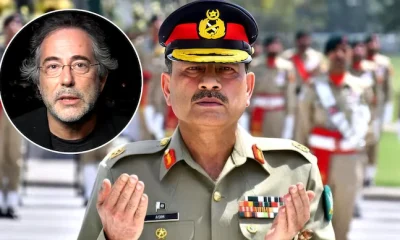
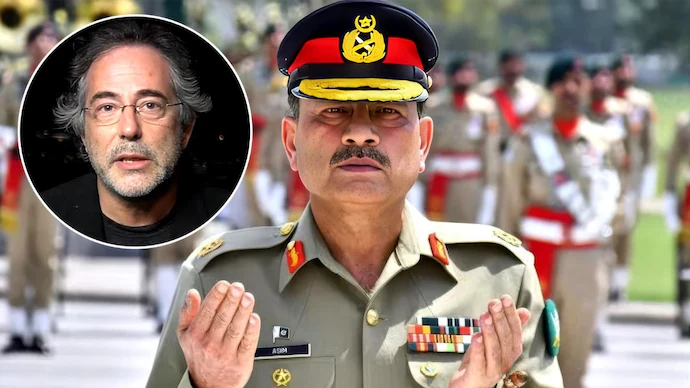
The recent allegation made by journalist Pepe Escobar that Israel’s intelligence agency allegedly planned to assassinate Pakistan’s Field Marshal Asim Munir and members of the Pakistani delegation during their visit to Switzerland has once again reignited this debate. According to Escobar, Pakistan received intelligence regarding an alleged assassination plot and conveyed a stern warning through diplomatic channels.
However, Pakistani authorities have categorically rejected the allegation, describing it as “baseless fiction” and “complete nonsense.” They have stated that the visit proceeded normally, that no security concerns were raised by either Swiss or American authorities, and that no such threat existed. Consequently, there is currently no publicly available evidence substantiating the allegation.
Yet irrespective of whether this particular claim proves true or false, the controversy has drawn renewed attention to a broader and well-established question: how should the international community respond when states are accused of conducting targeted killings beyond their borders?
The perception that certain countries possess the capability to eliminate adversaries almost anywhere in the world has contributed to a growing sense of strategic imbalance. Many nations have witnessed the deaths of senior political figures, military commanders, or scientists in attacks widely attributed to foreign intelligence services. In most instances, these incidents have not resulted in direct military retaliation against the alleged perpetrators.
This reality inevitably raises questions about deterrence.
History repeatedly demonstrates that deterrence often depends upon an adversary’s belief that aggression will carry unacceptable consequences. Nations possessing credible military capabilities are generally perceived differently from those unable to impose meaningful costs upon an aggressor. Whether one examines nuclear deterrence during the Cold War or conventional military balances today, the principle remains remarkably consistent: strength influences strategic calculations.
Supporters of this view argue that states capable of defending themselves are less likely to become targets of coercion or external aggression. They contend that maintaining strong defensive capabilities—including intelligence, missile defense, and conventional military preparedness—reduces the likelihood of hostile actions by increasing their potential cost.
The recent military confrontation between India and Pakistan has reinforced, for many Pakistanis, the importance of maintaining credible defensive capabilities. Regardless of differing assessments of the conflict’s military outcomes, the episode demonstrated how deterrence continues to shape strategic behavior in South Asia. It also reinforced the belief among many observers that military preparedness remains an essential component of national security.
However, deterrence alone cannot provide a lasting solution.
If every state concludes that its security depends upon possessing the ability to respond with equivalent force, the world risks entering an increasingly dangerous cycle of retaliation. International stability cannot rest solely upon reciprocal threats. It must ultimately be supported by institutions capable of enforcing universally accepted legal standards.
The greatest weakness of the present international order lies not in the absence of legal principles but in their inconsistent application. International law prohibits unlawful killings, violations of sovereignty, and attacks upon protected persons. Yet accountability frequently depends upon political considerations rather than consistent legal enforcement. Powerful states often face little practical consequence when accused of violating these norms, while weaker states remain subject to extensive international scrutiny.
This inconsistency undermines confidence in the international legal system itself.
The world therefore requires stronger mechanisms to investigate allegations of politically motivated assassinations. Independent international investigations should be initiated whenever credible evidence emerges that state actors have participated in extrajudicial killings beyond their borders. If responsibility is established through transparent legal processes, appropriate sanctions and legal consequences should follow irrespective of the country’s political influence or military power.
Such accountability should never be selective. The principles governing sovereignty, due process, and the sanctity of human life must apply equally to allies and adversaries alike. International justice loses credibility when similar actions receive dramatically different responses depending upon who commits them.
The objective should not be to legitimize retaliation through further assassinations. Rather, it should be to strengthen institutions capable of preventing such acts before they occur. Durable peace cannot be achieved by replacing one unlawful killing with another. It can only emerge when international law is consistently enforced and political disputes are resolved through diplomacy rather than covert violence.
Ultimately, the lesson for every nation is twofold. First, countries must maintain sufficient defensive capabilities to safeguard their sovereignty and protect their citizens against external threats. Second, the international community must develop stronger, more impartial mechanisms to hold accountable any state or organization that engages in unlawful political assassinations.
Power may deter aggression in the short term, but only justice can secure peace in the long term. Unless international institutions become capable of enforcing the law equally against all states, the normalization of political assassination will continue to erode the foundations of global order, encouraging a world governed increasingly by force rather than by law.
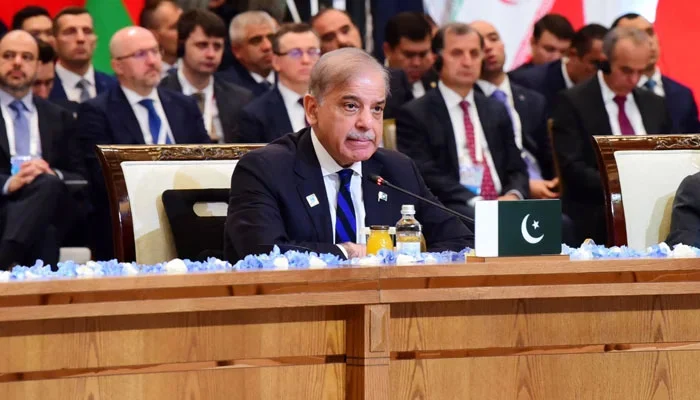
Paris (Imran Y. CHOUDHRY) :- Former Press Secretary to the President, Former Press Minister to the Embassy of Pakistan to France, Former MD, SRBC Mr. Qamar Bashir analysis : As the FIFA World Cup 2026 unfolds across the United States, Canada, and Mexico, billions of people are captivated by the world’s greatest sporting event. Every goal, every save, every pass, every moment of triumph and heartbreak revolves around a single object: Trionda, the official FIFA World Cup 2026 match ball manufactured in Sialkot, Pakistan.
For Pakistanis, Trionda is much more than a football. It is a symbol of excellence, craftsmanship, innovation, and international recognition. Although Pakistan has never qualified for the final stages of the FIFA World Cup, it has nevertheless become an indispensable participant in the tournament. Every team plays with a football made in Pakistan. Every goal scored in the tournament is scored with a football produced by Pakistani hands.
Yet, as I watch these developments from the United States, I find that Trionda is only one part of a much larger story.
The real story is that Pakistan today finds itself at the center of global attention not merely because of what it manufactures, but because of what it has increasingly come to represent: a country capable of building bridges where others build walls, a country capable of facilitating dialogue when confrontation appears inevitable, and a country whose voice is increasingly being heard in discussions that shape the future of regions far beyond its borders.
The first source of pride is Trionda itself. The success of Sialkot’s football industry demonstrates that Pakistan possesses the talent, ingenuity, and entrepreneurial spirit necessary to compete at the highest levels of international manufacturing.
The second and perhaps more consequential source of pride is Pakistan’s growing diplomatic stature. The Middle East recently stood at the edge of a dangerous and potentially devastating confrontation. The conflict involving Iran, Israel, and the United States threatened not only regional stability but also the global economy. Energy supplies, international shipping routes, financial markets, trade flows, and investment confidence all faced uncertainty. The consequences of a prolonged conflict would have extended far beyond the region, affecting billions of people around the world. It was during this critical period that Pakistan emerged as an active diplomatic participant.
What makes Pakistan’s diplomatic role particularly noteworthy is not merely the outcome of the negotiations but the degree to which Pakistan was perceived as a trusted facilitator of communication during a period of extraordinary tension.
In international diplomacy, agreements are often delayed, diluted, or derailed by layers of intermediaries, competing bureaucracies, conflicting agendas, and institutional rivalries. Messages pass through multiple channels, each adding interpretation, hesitation, or distortion. Frequently, noise overwhelms substance and misunderstandings replace clarity.
The diplomatic engagement associated with Pakistan appeared different. The most valuable asset in diplomacy is not military strength, economic power, or political influence. It is trust. Trust cannot be purchased. It cannot be demanded. It must be earned through consistency, discretion, credibility, and reliability over time.
The events surrounding the negotiations suggested that Pakistan had accumulated a remarkable reservoir of such trust. It appeared capable of maintaining communication with multiple stakeholders simultaneously while preserving confidence on all sides. Whether engaging with Washington, Tehran, regional capitals, or major international partners, Pakistan demonstrated a capacity to remain a credible interlocutor at a moment when credible interlocutors were desperately needed.
The resulting Memorandum of Understanding carried significance far beyond the text of the document itself. It symbolized the possibility that dialogue could prevail over escalation and negotiation over confrontation. It also reflected a level of confidence in Pakistan’s diplomatic role that would have been difficult to imagine only a few years ago.
For many Pakistanis, one of the most powerful aspects of the process was the perception that Pakistan’s leadership had earned the confidence necessary to engage directly with key decision-makers during a period of historic importance. Whether viewed from Islamabad, Washington, Tehran, Ankara, Beijing, or elsewhere, the broader message was clear: Pakistan was no longer merely observing history; it was participating in it.
The importance of this trust cannot be overstated. Military power creates deterrence. Economic power creates leverage. Diplomatic trust creates opportunity. A nation that can communicate with competing powers, maintain relationships across geopolitical divides, and contribute to reducing tensions acquires a form of influence that cannot be measured merely in economic or military terms. Such influence enhances strategic relevance and elevates international standing.
The third source of pride has been Pakistan’s performance at the United Nations. During one of the most sensitive periods in recent international affairs, Pakistan’s representatives articulated their positions with clarity, conviction, and professionalism. They defended principles of sovereignty, international law, dialogue, and peaceful dispute resolution while engaging effectively with representatives of major powers.
For overseas Pakistanis, these moments were especially meaningful. Watching Pakistan’s voice resonate within the world’s most important diplomatic forum created a sense that the country was participating confidently in debates of global significance.
The interventions of Pakistan’s representatives reflected preparation, intellectual rigor, and diplomatic maturity. Rather than reacting emotionally to unfolding events, they advanced their positions in a manner that projected confidence and credibility. Their performance demonstrated that Pakistan possesses diplomats capable of representing the country effectively on the most consequential international stages.
The fourth source of pride has been the performance of Pakistan’s Ambassador to the United States. As someone who has spent much of his professional life in communications, public diplomacy, and media management, I watched his appearances with particular interest. He appeared before major American and international media organizations and faced probing questions from experienced journalists determined to test every aspect of Pakistan’s position.
What distinguished his performance was his composure. He neither avoided difficult questions nor allowed himself to become entangled in controversy. Instead, he consistently articulated Pakistan’s perspective with clarity, confidence, and discipline. He explained Pakistan’s positions, defended its interests, advocated peace and stability, and communicated effectively with influential audiences throughout the world.
His media engagements projected an image of Pakistan that was thoughtful, responsible, and constructive. He demonstrated that it is possible to defend national interests vigorously while maintaining professionalism and diplomatic decorum. Taken together, these developments tell a larger story.
For too long, international narratives about Pakistan have focused almost exclusively on instability, conflict, and crisis. While challenges undoubtedly remain, they do not define the nation. Pakistan is also a country of skilled workers, innovative entrepreneurs, capable diplomats, resilient citizens, and remarkable achievements.
The challenge now is to convert visibility into lasting progress. Diplomatic credibility should translate into stronger partnerships. International recognition should attract greater investment. Enhanced visibility should create new opportunities for trade, technology, commerce, and economic growth.
Most importantly, these achievements should inspire Pakistan’s younger generation. The workers of Sialkot, the entrepreneurs who built world-class industries, the diplomats who represented the nation abroad, and the leaders who pursued dialogue rather than confrontation all demonstrate what Pakistan can achieve when vision, competence, and determination come together.
As billions continue to watch FIFA World Cup 2026, Trionda will remain at the center of every match. Yet beyond football itself lies a larger and more enduring story: the story of a nation that is increasingly finding its voice, earning trust, building influence, and contributing to the world in ways that command attention and respect.
For Pakistanis at home and abroad, that is a source of immense pride. And perhaps it is also a glimpse of the Pakistan of tomorrow—a Pakistan whose greatest contribution to the world is measured not by conflict or controversy, but by excellence, diplomacy, credibility, and constructive engagement.
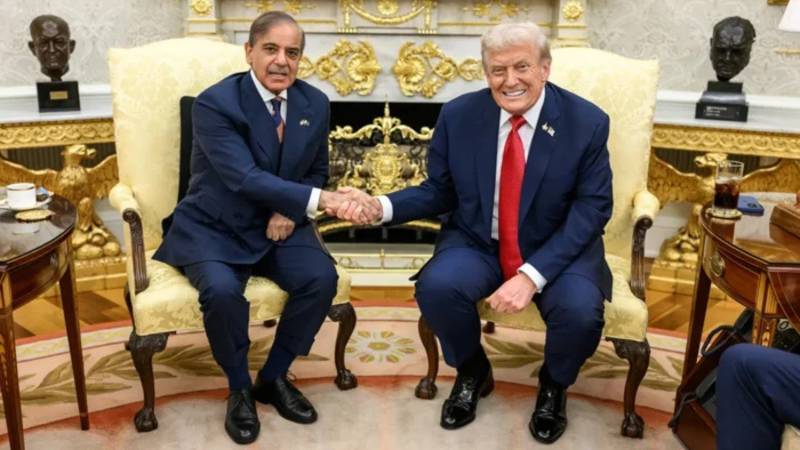
Paris (Imran Y. CHOUDHRY) :- Former Press Secretary to the President, Former Press Minister to the Embassy of Pakistan to France, Former MD, SRBC Mr. Qamar Bashir analysis : When a journalist recently asked President Donald Trump whether Iranian players and officials would be granted visas to participate in the FIFA World Cup 2026, the president paused briefly before responding in a relaxed tone: “Let them come and play.” The remark was simple, even reassuring. Yet behind those few words lies a far more complicated reality—one that has transformed what should have been a celebration of global unity into a tournament overshadowed by war, diplomacy, sanctions, and geopolitical rivalry.
Pakistan’s contribution to the 2026 FIFA World Cup extends far beyond manufacturing. In recent months, Pakistan has been widely recognized for playing a constructive diplomatic role in encouraging dialogue and helping facilitate efforts that contributed to a ceasefire from April 7 onward in one of the world’s most consequential and potentially economically devastating conflicts. Had a wider war erupted, the global economy could have suffered losses running into trillions of dollars. By supporting dialogue over confrontation, Pakistan demonstrated how mediation can help prevent destruction and preserve stability. Now, in a remarkable parallel, Pakistan will once again be at the center of a global story—not through diplomacy alone, but through football. The same nation that helped promote peace between opposing sides will provide the football that connects players, supporters, and nations from every continent. Billions of viewers watching from homes around the world, on television screens and digital devices, will witness a Pakistani-made football at the center of the action, symbolizing connection rather than conflict.
The football itself—the very heart and soul of the tournament—will be manufactured in Sialkot, Pakistan. For decades, Sialkot has been recognized as one of the world’s leading producers of footballs, supplying an estimated majority of premium match balls used globally.
There is profound symbolism in this reality. At a time when Pakistan has been acknowledged for encouraging dialogue and de-escalation in international affairs, a football produced by Pakistani craftsmen will sit at the center of every match played in North America. The same ball will travel across stadiums, connect nations, inspire fans, and perhaps even help create moments of reconciliation between rivals. Just as diplomacy seeks common ground between adversaries, football creates a shared arena where competition remains peaceful and mutual respect can flourish.
In a strange twist of history, while Pakistan sought dialogue between opposing sides in the geopolitical arena, a Pakistani-made football may become the instrument through which those same rivals compete peacefully on the sporting field. This is, after all, the essence of sport.
Football provides an alternative battlefield—one where competition replaces conflict, goals replace missiles, and victory is measured not by destruction but by skill, teamwork, and perseverance.
Yet the ongoing conflict has unquestionably affected the atmosphere surrounding the tournament. Many supporters who would ordinarily travel freely now face uncertainty. Political tensions have entered discussions that should ideally focus on football. Questions of visas, security, sanctions, and diplomacy have become part of the World Cup narrative.
The 2026 FIFA World Cup is unlike any tournament in history. For the first time, 48 nations will participate. For the first time, three countries—the United States, Canada, and Mexico—will jointly host the event. The tournament is scheduled to begin on June 11, 2026, and conclude with the final on July 19, 2026. Spread across 16 stadiums and lasting more than a month, it is expected to become the most watched, most technologically advanced, and most commercially successful sporting event ever organized.
Yet as the countdown to kickoff continues, the shadow of the Iran–United States conflict hangs heavily over the tournament. For Iran, qualification for the World Cup was already a matter of national pride. Memories remain fresh of the extraordinary celebrations that followed Iran’s victory over the United States in a previous World Cup. Although Iran did not win the tournament, that single victory was celebrated across the country as a triumph of national dignity and resistance. Players returned home to hero-like receptions, welcomed as champions who had humbled a global superpower on football’s biggest stage.
Now history threatens to repeat itself under even more dramatic circumstances. The difference is that this time the two nations are not merely football rivals. They are adversaries emerging from a dangerous military confrontation that shook global markets, disrupted international trade routes, and pushed the Middle East to the brink of a wider regional war.
Yet football has a unique way of transforming adversity into motivation. If the two countries meet again on the field, it will undoubtedly become one of the most watched matches in World Cup history. It will not merely be a football game. It will be a contest loaded with symbolism, emotion, and political significance. The United States will enjoy home-ground advantage, but Iran will arrive carrying the passion of a nation determined to prove itself once again against a powerful rival.
Beyond the geopolitical drama, the World Cup itself promises to redefine sporting entertainment. The opening ceremonies across the three host nations are expected to feature some of the world’s most recognizable artists. FIFA has announced that the first-ever FIFA World Cup final halftime show will be curated by Coldplay’s Chris Martin and Phil Harvey in partnership with Global Citizen. While FIFA has not yet officially confirmed the complete lineup for the opening ceremony, closing celebrations, or halftime performers, the involvement of Chris Martin and Phil Harvey has already generated significant global interest. Major celebrations are planned in Los Angeles, Mexico City, Toronto, and Vancouver.
For FIFA, the challenge is immense. The organization must preserve the spirit of inclusivity and neutrality while navigating one of the most politically sensitive tournaments in modern history. The hope shared by football lovers across the world is simple: that peace returns before the opening whistle is blown.
If diplomacy succeeds and tensions subside, FIFA World Cup 2026 could become a powerful symbol of reconciliation. If hostilities continue, the conflict risks overshadowing what should be humanity’s greatest sporting celebration.
The world will be watching not only to see who lifts the trophy in New Jersey on July 19, but also to see whether football can once again accomplish what politics often cannot—bringing together nations divided by ideology, conflict, and history.
You could replace the concluding paragraph with the following stronger version:
From the battlefields of the Middle East to the football grounds of North America, the intertwined stories of the Iran conflict and FIFA World Cup 2026 may ultimately remind humanity that nations are far better served competing with a football than with missiles and bombs.
History may also remember Pakistan for playing a unique dual role in both events. In one of the most dangerous geopolitical crises of recent times, Pakistan emerged as a voice for dialogue, de-escalation, and peace, helping encourage diplomatic efforts aimed at preventing a wider regional war that could have devastated the global economy.
At the same time, in the world’s largest sporting spectacle, the very football that will unite 48 nations and captivate billions of viewers will be manufactured in Sialkot, Pakistan. Thus, in both a historic quest for peace and a historic celebration of sport, Pakistan occupies a symbolic place at the center of the story—serving as a mediator in one arena and providing the central element of the game in the other. It is a rare moment when a nation becomes associated simultaneously with the pursuit of peace and the spirit of global unity through sport.


How Pakistan Became Israel’s Primary Target (PART-I)

The Real Reason Trump Crumbled Against Iran

Israel’s Mission Impossible


-

 Europe News1 year ago
Chaos and unproven theories surround Tates’ release from Romania
-

 American News1 year ago
Trump expands exemptions from Canada and Mexico tariffs
-

 American News1 year ago
Trump Expels Zelensky from the White House
-

 Pakistan News1 year ago
Comprehensive Analysis Report-The Faranian National Conference on Maritime Affairs-By Kashif Firaz Ahmed
-

 Art & Culture1 year ago
Will Snow White be a ‘victim of its moment’? How the Disney remake became 2025’s most divisive film
-

 Entertainment1 year ago
Champions Trophy: Pakistan aim to defend coveted title as historic tournament kicks off today
-

 American News1 year ago
Zelensky bruised but upbeat after diplomatic whirlwind
-

 Pakistan News1 year ago
Can Pakistan be a Hard State?