
Pakistan News
Field Marshal’s Strategic Offer to the Muslim World

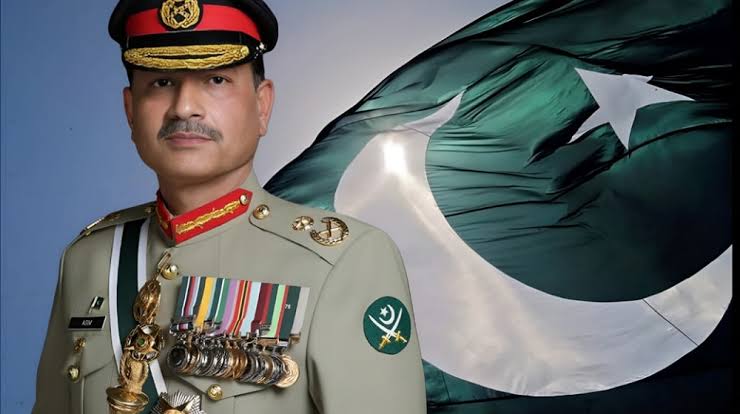
Paris (Imran Y. CHOUDHRY) :- Former Press Secretary to the President, Former Press Minister to the Embassy of Pakistan to France, Former MD, SRBC Mr. Qamar Bashir analysis : During his recent visit to Libya, Pakistan’s Field Marshal addressed a high-level gathering that included senior Libyan leaders and top military officials. What he presented was not a routine diplomatic message but a strategic doctrine shaped by Pakistan’s own experience of war, sanctions, and pressure. He reminded the audience that Pakistan learned long ago that depending on foreign military technology becomes dangerous when the nation faces existential threat. In moments of conflict, supplier nations often convert technology into leverage—delaying or freezing spare parts, blocking software updates, halting ammunition supply, or suspending technical support. When the survival of the nation hangs in the balance, such dependency can turn fatal. That is why Pakistan deliberately chose to minimize reliance on imported technology and began developing its own air defence systems, land warfare platforms, naval capabilities, cyber and electronic warfare tools, and—above all—independent and secure communication systems. This was a long and difficult journey, born not of luxury but of necessity.
The Field Marshal explained that this strategy was tested decisively during the twelve-day confrontation with India, when Pakistan’s integrated cyber, communications, missile defence and air combat systems were exposed to real battlefield stress. According to him, Pakistan did not lose a single aircraft, while neutralizing India’s most advanced platforms including Rafale, MiG-29 and Tejas fighters. Indian command-and-control networks were disrupted by cyber operations. Even India’s S-400 missile defence system failed to deliver the deterrence New Delhi expected. These developments, he said, proved that Pakistan had achieved technological parity—and even superiority in certain domains—despite facing a much larger and wealthier adversary.
But what turned his address into a historic moment was not the recounting of Pakistan’s battlefield resilience; it was the offer that followed. The Field Marshal declared that Pakistan is now ready to share its indigenous defence technologies with Muslim countries who seek strategic autonomy, self-respect, and credible deterrence. These technologies, already tested in war, will not be used as political leverage but as a means to strengthen the collective defence of the Muslim world. In his most emphatic words, he advised Muslim leaders: “Ensure your armed forces are strong enough to protect your sovereignty, your dignity, and your independence. Without that strength, no country can ever truly claim to be independent.”
This message reverberates far beyond South Asia. In the Middle East, nearly every state hosts U.S. military bases, finances their operations, and relies heavily on Western defence umbrellas. Yet recent conflicts—such as the Israel-Hamas war and the Israel-Iran escalation—revealed an uncomfortable truth. These military installations, systems and manpower were not mobilized to defend the host nations. Instead, they were activated primarily to shield Israel. The wealthy Gulf states therefore face a paradox: they pay for foreign troops on their soil, yet remain strategically exposed when their national interests diverge from those of Washington.
In this context, Pakistan’s offer becomes transformative. Saudi Arabia’s expanding defence partnership with Pakistan reflects a strategic awakening. A combination of Pakistani technology, combat experience, and human capital—supported by Middle Eastern financial strength—could reshape the regional security order. If replicated across other Muslim states, this framework could eliminate the perceived need to host foreign military bases as guardians of sovereignty. Equally important, jointly-developed or indigenous systems would remove the external leverage that often appears during crises: no blocked spare parts, no sudden software restrictions, no political strings attached at the moment of war.
It is inevitable that such a shift would alarm existing power centres. Israel would see any dilution of its technological edge as a direct challenge. The United States, Israel’s principal guarantor, would likely apply diplomatic and economic pressure to prevent Muslim states from seeking autonomous defence solutions. There will be narratives claiming Pakistan’s capabilities are exaggerated, or dismissing its industrial scale as inferior. Yet, as the Field Marshal implied, credibility is measured on the battlefield—not in marketing brochures. Pakistan’s systems have already faced real-world combat and performed under fire.
The argument also rests on a deeper reality: technology evolves fastest where capital and experience converge. With Gulf investment, Pakistan’s defence industries can rapidly innovate, expand and customize systems suited to regional threat environments. For Pakistan itself, the benefits would be equally meaningful. Defence exports would generate much-needed foreign exchange, strengthen geopolitical influence, and position Pakistan as a provider—not merely a consumer—of security within the Muslim world.
Still, the Field Marshal acknowledged that breaking existing dependencies will not be easy. Many Muslim states are deeply embedded in Western defence ecosystems, bound by treaties, procurement pipelines and political expectations. Escaping that orbit will take courage, foresight and coordination. But strategic independence begins with the first decisive step. Pakistan’s offer represents that moment.
From a broader perspective, this proposal could finally allow Muslim nations to stand on their own feet in matters of defence. It could create an ecosystem where capability replaces dependency, dignity replaces insecurity, and sovereignty becomes more than a symbolic word. Pakistan is not promising miracles. Rather, it is offering tested technology, operational knowledge, and a philosophy of self-reliance, backed by the lived experience of facing a larger, wealthier and well-equipped adversary—and surviving without external rescue.
Of course, powerful forces will resist this change. Israel and its allies will exert pressure. Some Muslim leaders will hesitate. There may be attempts at sabotage and diplomatic intimidation. But the Field Marshal’s words cut through the doubt: true independence is impossible without strong, sovereign, and self-reliant armed forces.
Pakistan’s outreach is therefore more than a defence export initiative. It is a strategic doctrine—one that seeks to align technology, sovereignty, and dignity across the Muslim world. If embraced, it could mark the beginning of a new era in which Muslim nations no longer rely on others to guarantee their security, nor fear political manipulation at the moment of crisis. The path ahead is difficult, but history has always favored nations that choose self-reliance over dependency, courage over caution, and dignity over fear. For the Muslim world, this may be the first genuine opportunity in generations to defend itself on its own terms—and to respond to aggression with confidence and capability rather than hesitation and dependence.



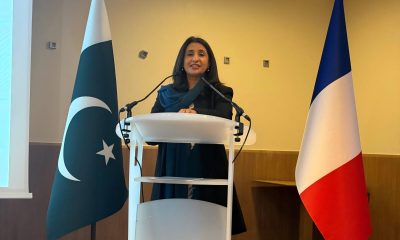

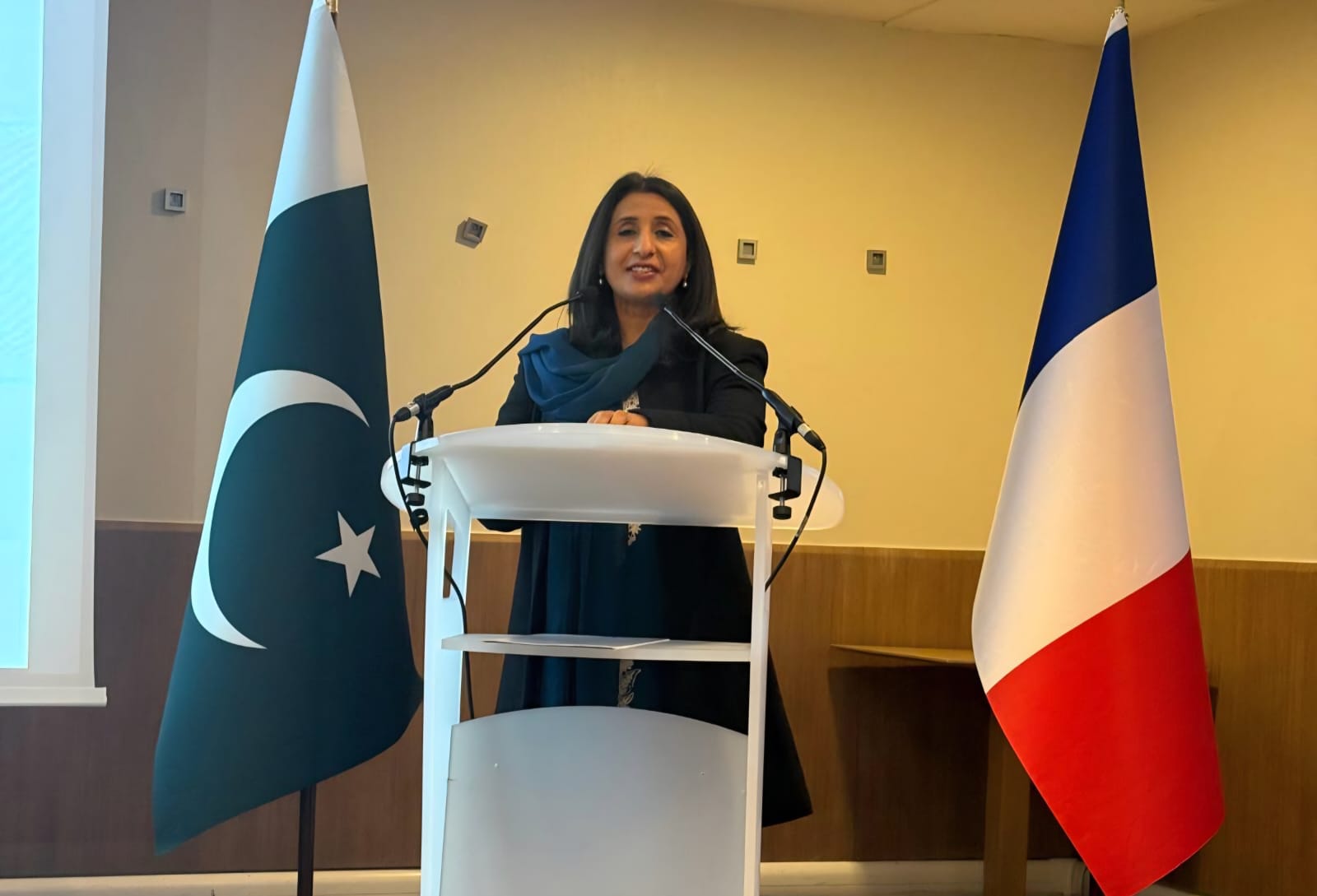
Paris ( Imran Y. CHOUDHRY):- A ‘Pakistan-France Trade and Investment Forum’ was held in Paris today, bringing together government officials, business leaders, industry experts and representatives of trade bodies of both countries.
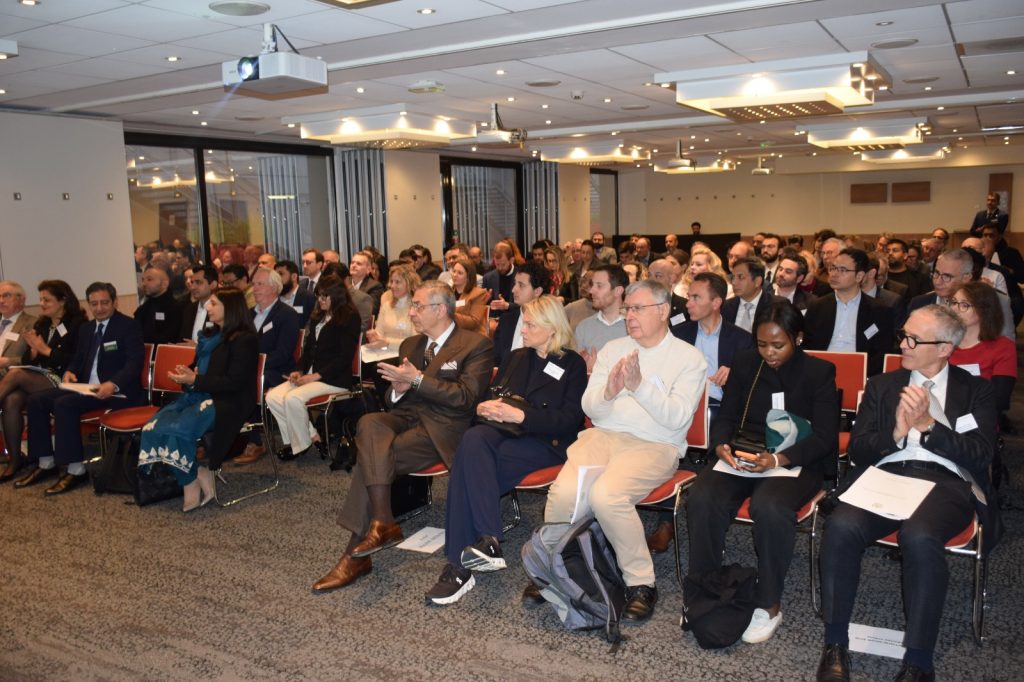
The Forum was held in implementation of an understanding reached between President Emmanuel Macron and Prime Minister Shehbaz Sharif in 2024, to build strong economic partnership between Pakistan and France. The objective of the Forum was to connect businesses, exchange ideas, explore new avenues of bilateral cooperation and showcase Pakistan’s trade and investment potential. It witnessed participation of over seventy French and Pakistani companies from diverse sectors including agriculture, information technology, textiles, energy and tourism.
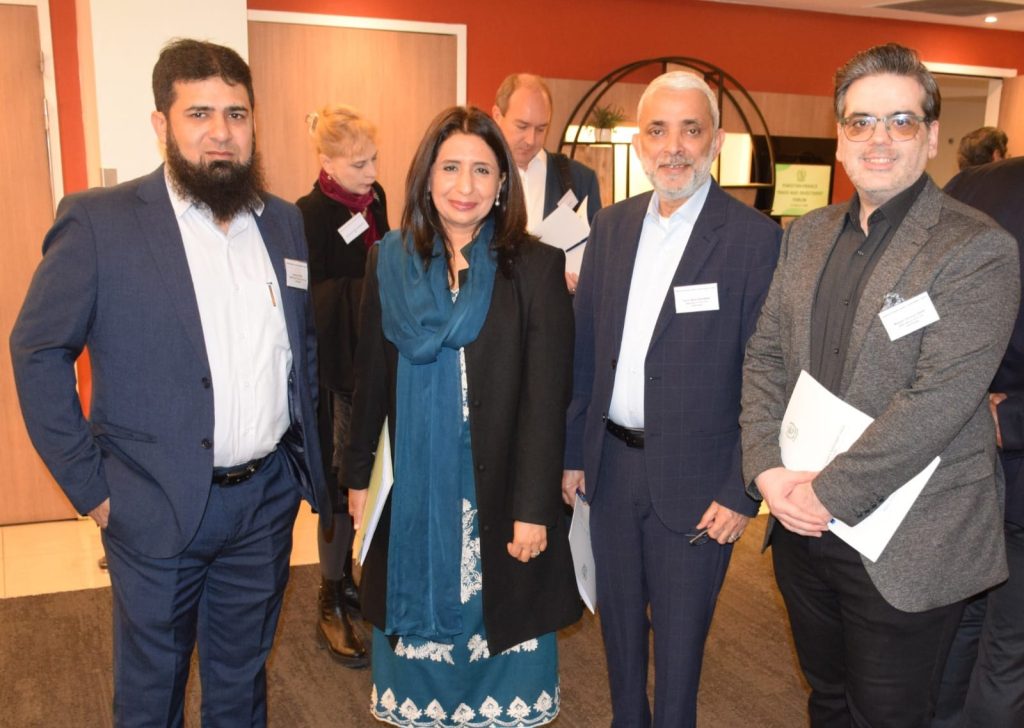
Ambassador Mumtaz Zahra Baloch opened the Business Forum and highlighted Pakistan’s economic growth and potential as an attractive trade partner for France. She outlined investor-focused initiatives and institutional facilitation mechanisms in Pakistan to promote trade and investment. She encouraged Pakistani and French businesses to explore collaborative opportunities, and develop joint ventures and win-win partnerships.
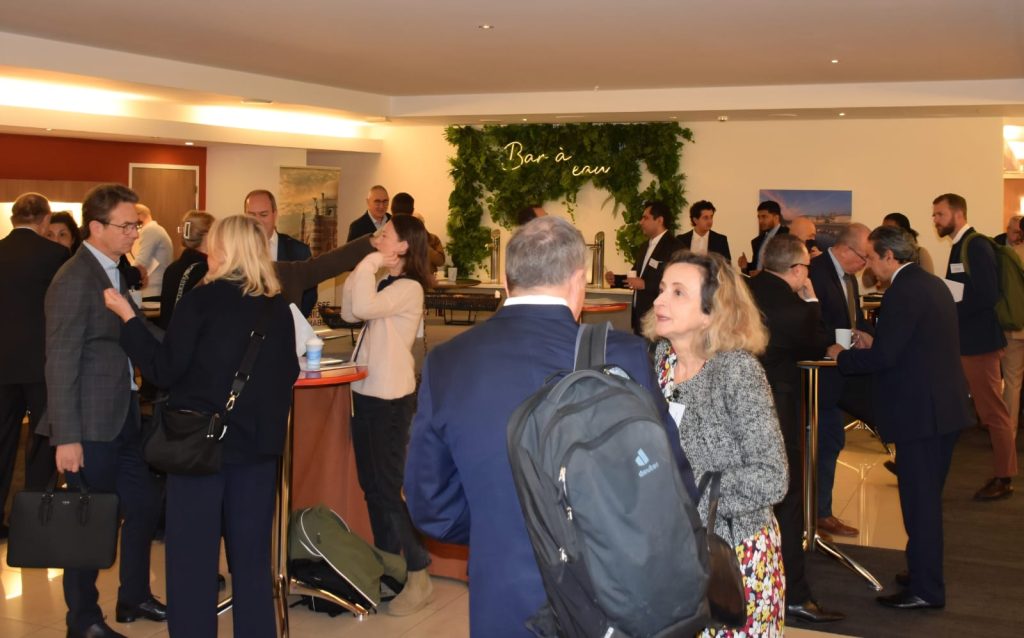
Speakers from the French side included Thierry Pflimlin, Chairman of the France-Pakistan Business Council at MEDEF International, Patricia Glasel, Vice President of the Conseillers du Commerce Extérieur de la France (CCEF) and Ardavan Amir-Aslani. They highlighted the growing momentum in France-Pakistan economic relations; identified the opportunities for trade and investment with Pakistan; and underscored the importance of strengthening private sector linkages to further facilitate bilateral trade and investment.
The plenary session was followed by ‘Breakout and Business-to-Business (B2B)’ sessions to discuss and identify tangible avenues for collaboration in textiles, agriculture and dairy, and Information Technology.
Pakistan News
Dr. Mohammad Faisal Joins Distinguished Quetta Association Event in London Gathering Reinforces Shared Military Heritage of Pakistan and Britain
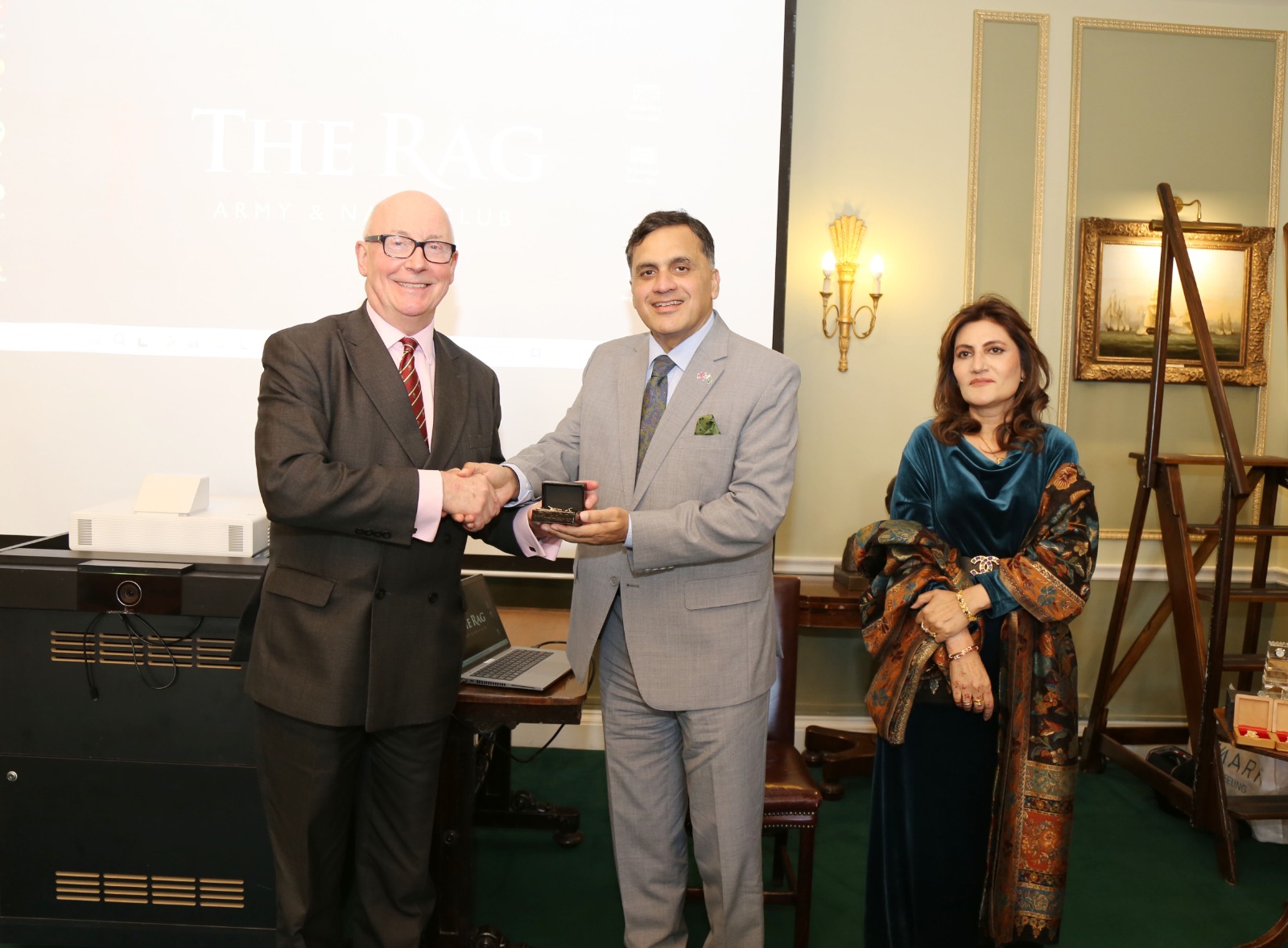
High Commissioner @DrMFaisal and his spouse @drsarahnaeem2 attended, as guests of honor, a distinguished gathering of the Quetta Association at the Army & Navy Club, London.
Military Officers from the Defence Wing of Pakistan High Commission, London, with their families also attended.
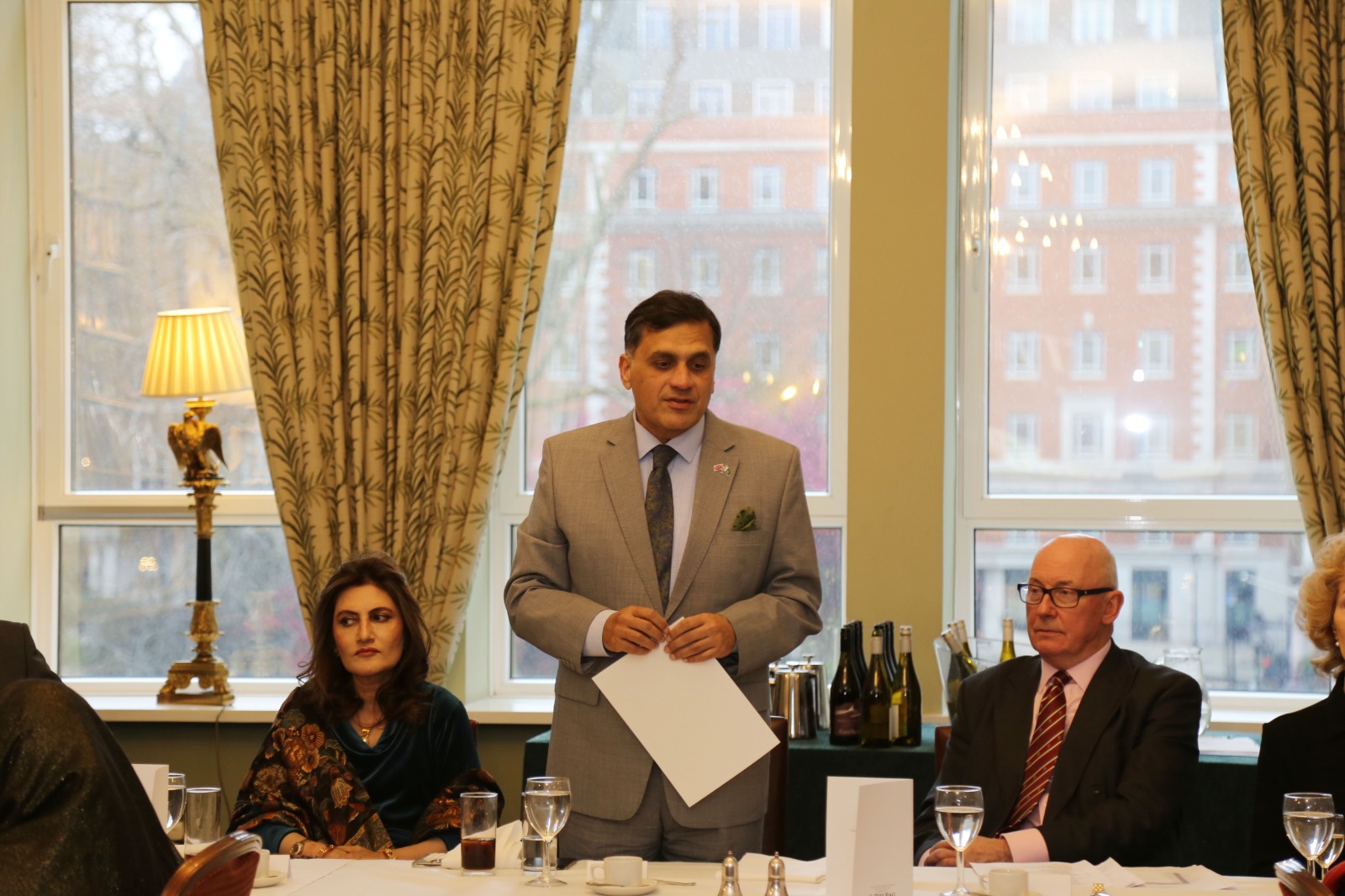
Quetta Association brings together British officers who graduated from the prestigious Command & Staff College, Quetta, Pakistan. The institution has produced outstanding military leaders, including British Field Marshals Sir Claude Auchinleck and Sir William Slim, whose leadership during the Second World War remains widely respected. Field Marshal Syed Asim Munir is also graduate of this prestigious institution.
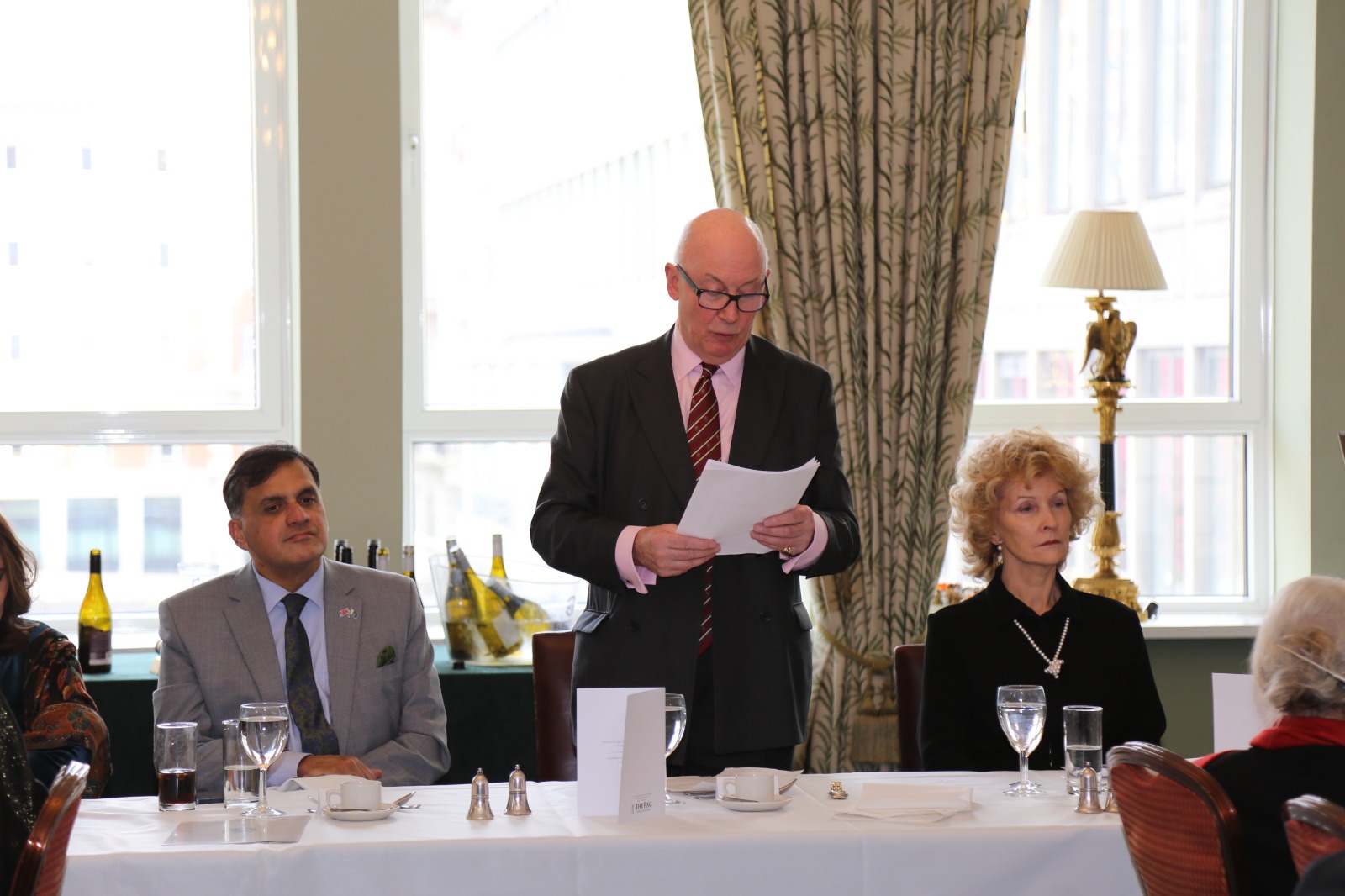
The High Commissioner appreciated the annual gathering that underscored the Association’s enduring role as a vital bridge linking the British Army and Pakistan Army through shared professional heritage and camaraderie.
Decorated British military officers and their families paid glowing tributes while referring to the hospitality accorded by Pakistan during their stay in Quetta.
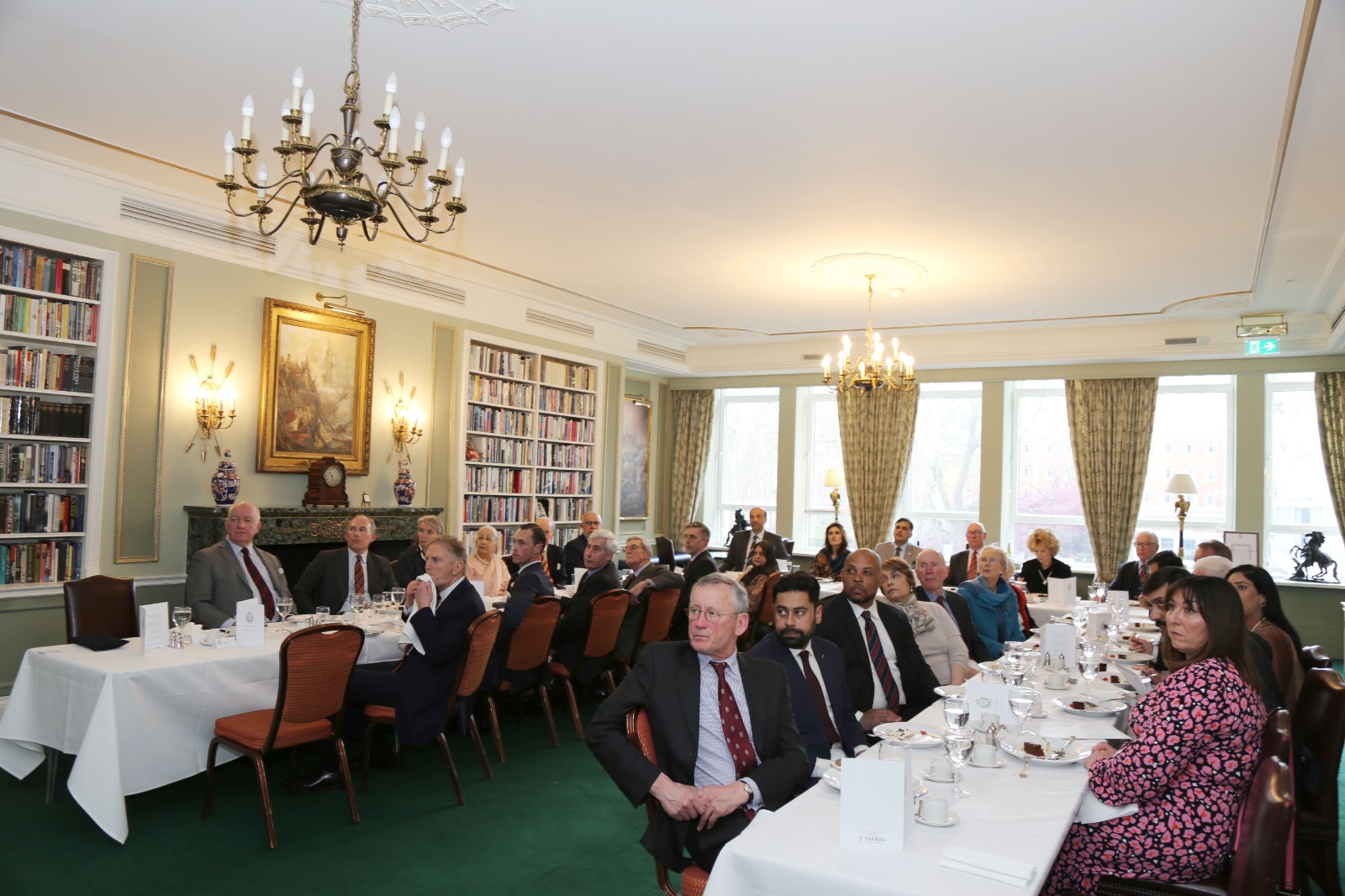
Graduate senior British Officers present at the gathering included Lt. Gen. Sir Alistair Irwin KCB CBE (1980) and Maj. Gen. Seumus Kerr CBE (1985).
Mementos were exchanged between the British officers and officers of @PakistaninUK.
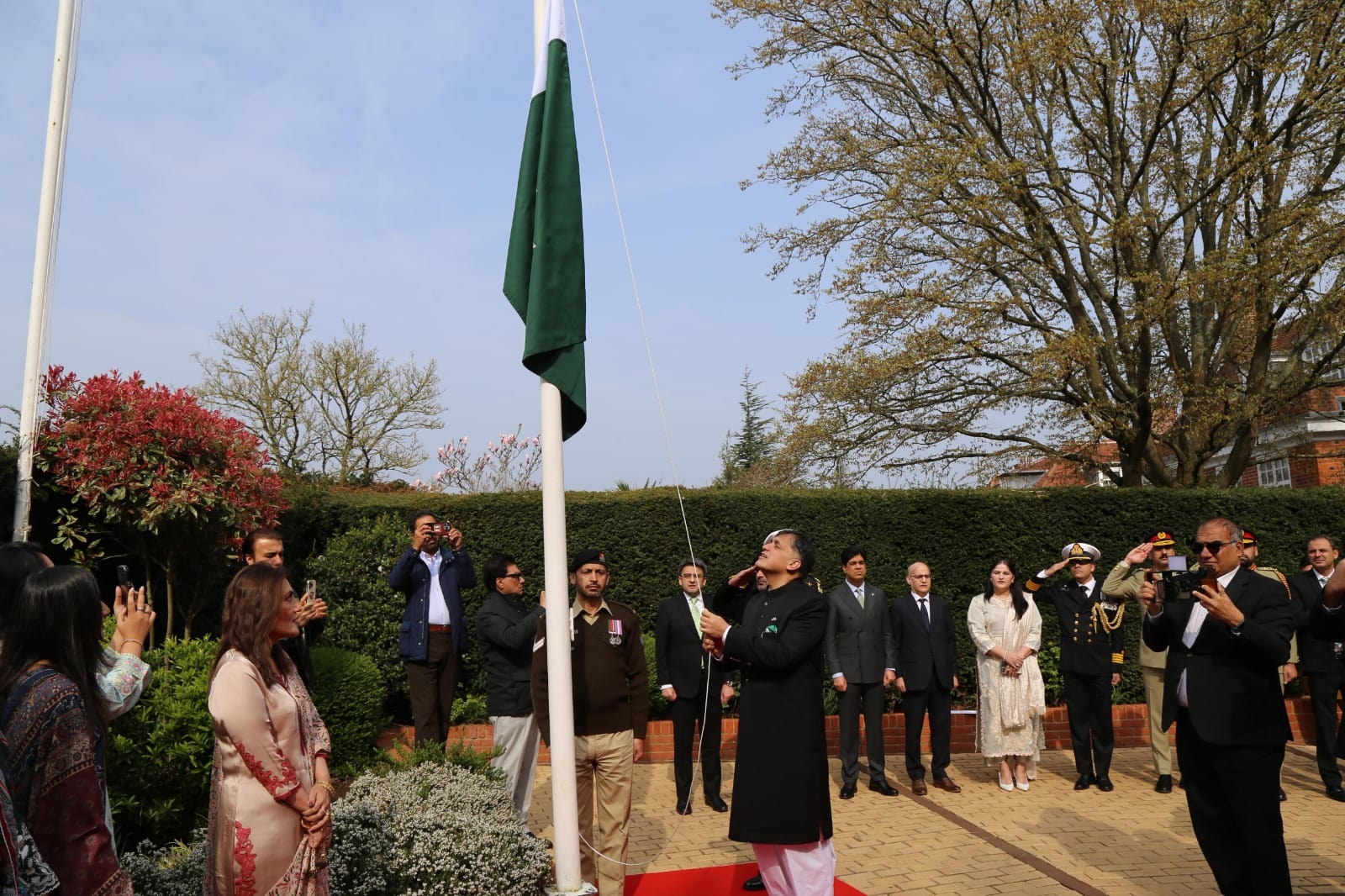
In a simple and dignified ceremony held at Pakistan House, London, the High Commissioner of Pakistan to UK Dr. Mohammad Faisal raised the Pakistan Flag on the occasion of Pakistan Day.
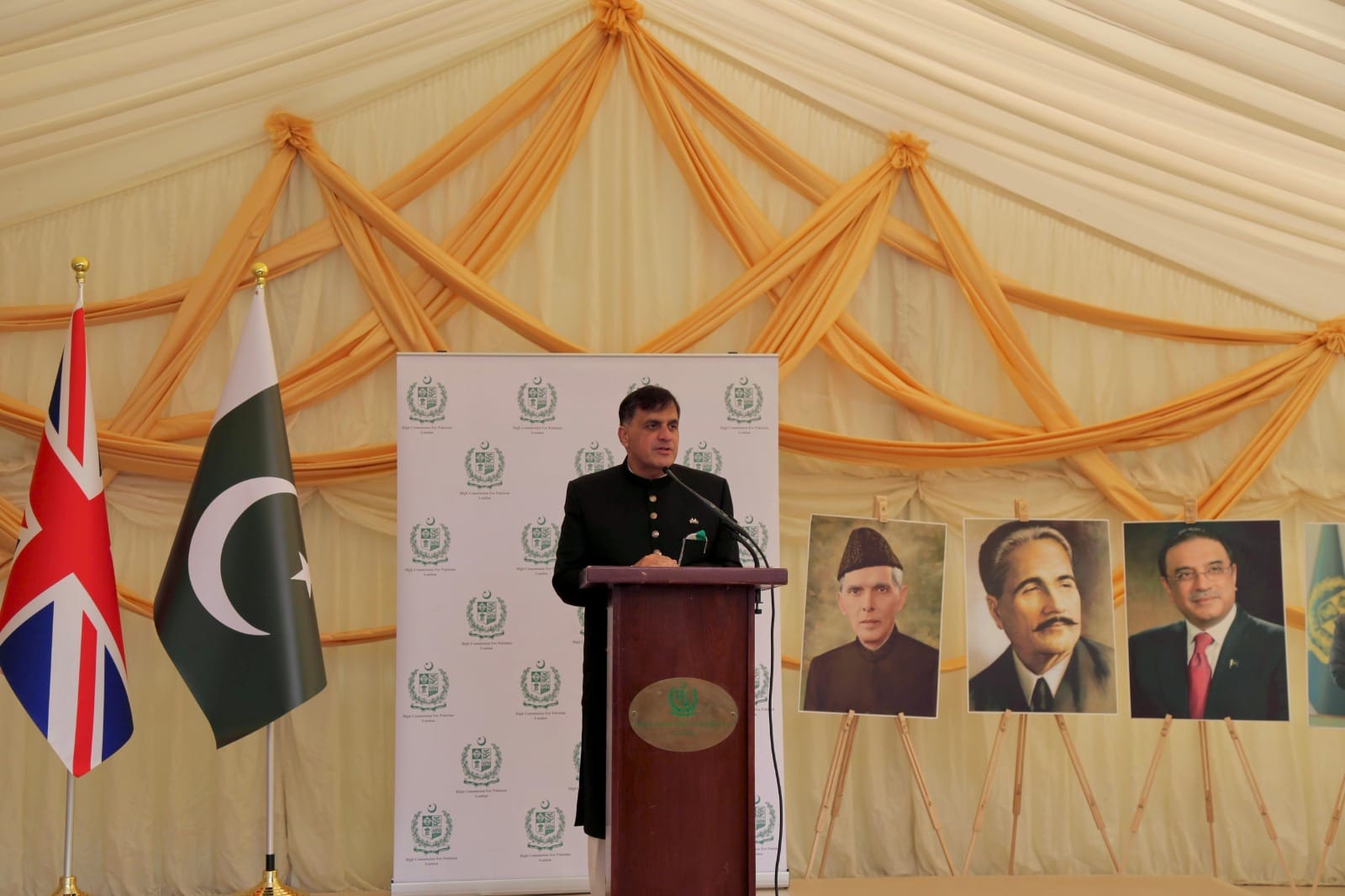
The ceremony was attended by Officials of the High Commission, British – Pakistanis and Media representatives.
Messages of the President, the Prime Minister and Deputy Prime Minister / Foreign Minister were read out.
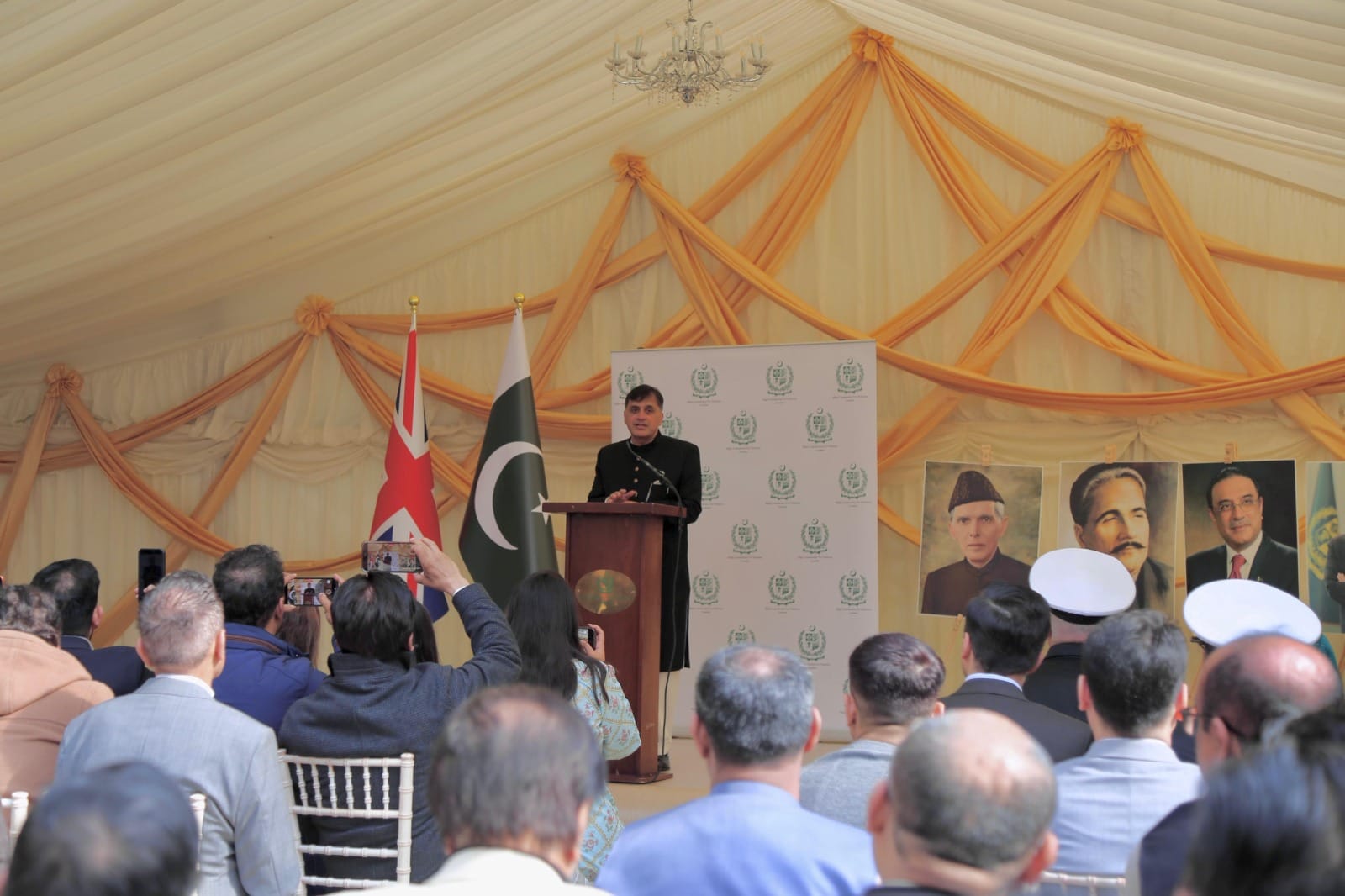
In his keynote address, the High Commissioner said that Pakistan Day was a tribute to our founding fathers who united the Muslims of Indian sub-continent where they could live independently as a Nation and live according to their customs & traditions.
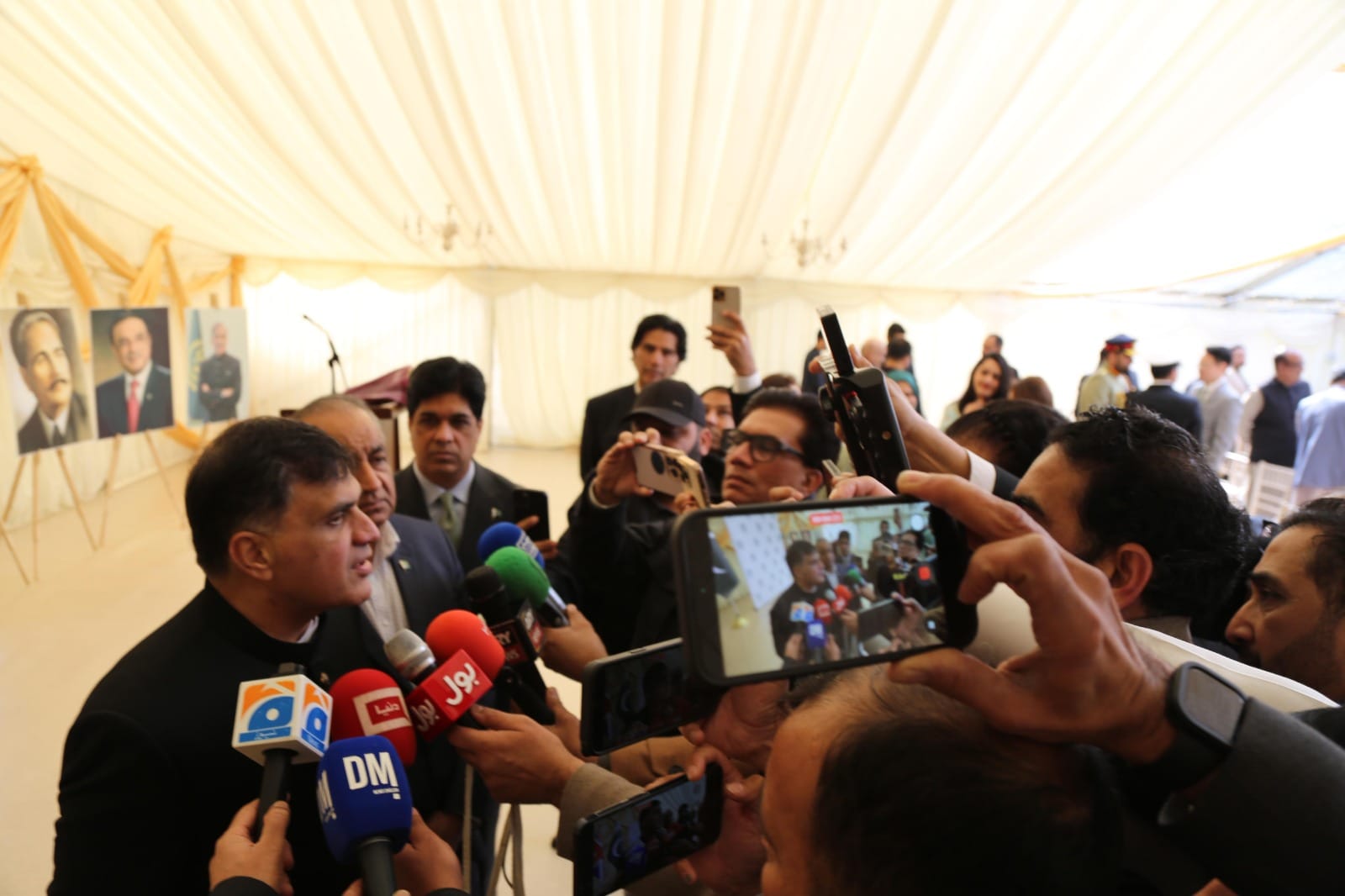
Dr. Faisal stated that Pakistan had always professed peace and stability in the region. However, Pakistan will not tolerate any aggression from neighbouring countries.
The High Commissioner said that Pakistani nation, despite the difficulties, remains resilient and demonstrates courage & perseverance.
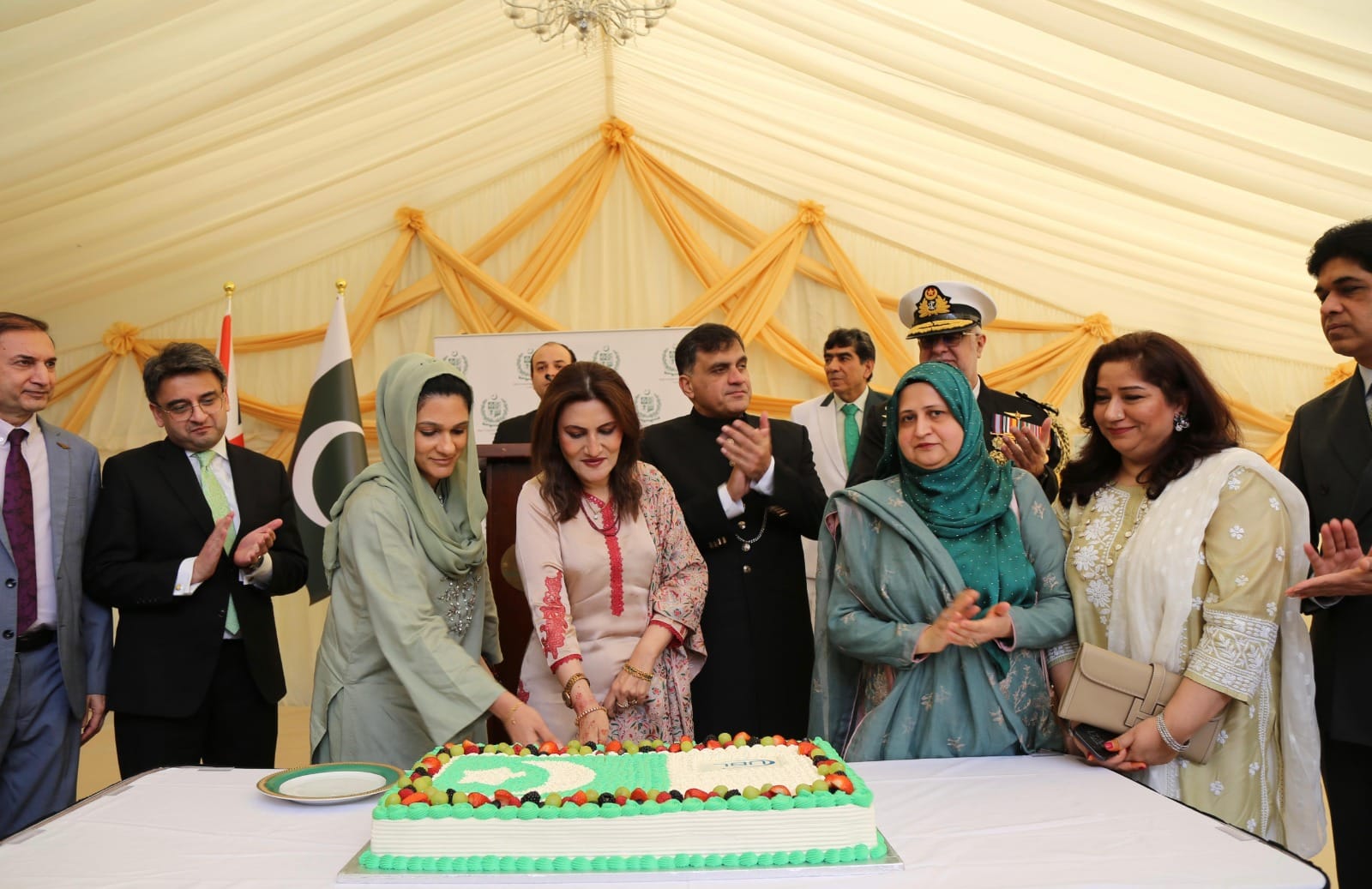
Dr. Mohammad Faisal stated that, in line with the instructions of the Prime Minister, the Deputy Prime Minister / Foreign Minister and the Federal Cabinet, Pakistan High Commission London is implementing strict austerity measures. However, these measures will not affect the performance & working of the High Commission.
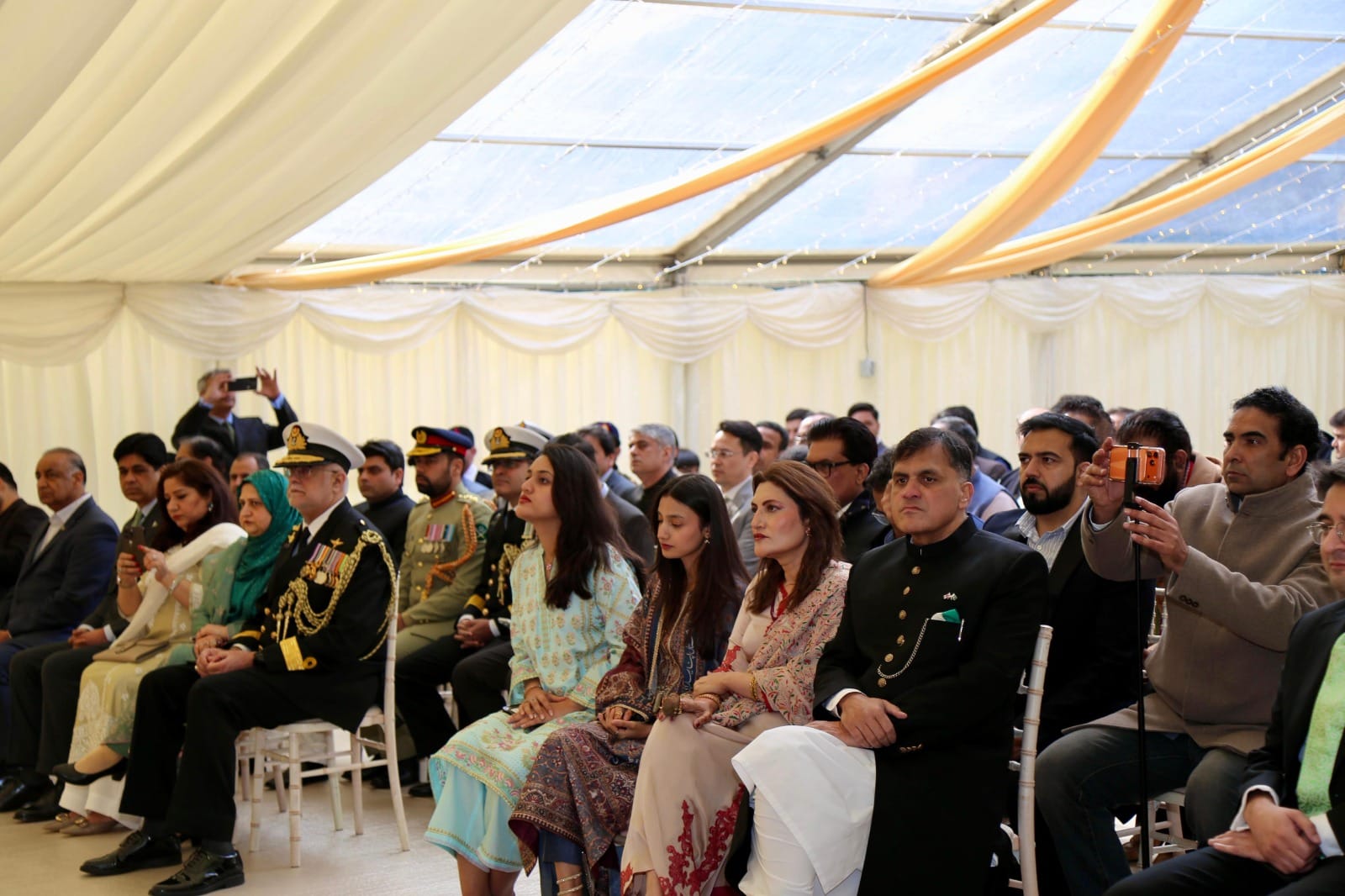
He acknowledged the remarkable contributions of Pakistani diaspora in UK and their extraordinary performance in various fields. He said that their achievements are a source of immense pride for Pakistan.
The High Commissioner expressed solidarity with the people of Indian Illegally Occupied Jammu and Kashmir and committed to continue diplomatic, moral and political support for their right to self determination under UN Resolutions.
London
23rd March, 2026


How the World Is Forced to Fund the Iran War

Scholars Urge UN to Protect Iran’s Scientific Sites Amid Airstrikes Global Academics Warn Attacks Threaten Research, Health, and Civilian Safety

How Iran Humiliated U.S. and Israeli Power


-

 Europe News1 year ago
Chaos and unproven theories surround Tates’ release from Romania
-

 American News1 year ago
Trump expands exemptions from Canada and Mexico tariffs
-

 American News1 year ago
Trump Expels Zelensky from the White House
-

 Pakistan News9 months ago
Comprehensive Analysis Report-The Faranian National Conference on Maritime Affairs-By Kashif Firaz Ahmed
-

 American News1 year ago
Zelensky bruised but upbeat after diplomatic whirlwind
-

 Art & Culture1 year ago
The Indian film showing the bride’s ‘humiliation’ in arranged marriage
-

 Pakistan News1 year ago
Can Pakistan be a Hard State?
-

 Entertainment1 year ago
Champions Trophy: Pakistan aim to defend coveted title as historic tournament kicks off today