
Pakistan News
A manmade mental crisis

“We need to stop just pulling people out of the river. We need to go upstream and find out why they’re falling in” — Desmond Tutu
THERE is much talk of a ‘mental health crisis’ in Pakistan currently. Campaigns for ‘raising awareness and reducing stigma’ have been launched, encouraging people to talk about and seek help for mental health issues. There is a call for increased funding, upscaling mental health services and integrating mental health into primary care. These are all important and mental health definitely needs to be prioritised. But it is also equally important to reflect on what is driving this mental health crisis in Pakistan and what can be done about it.
The mental health crisis is not merely a health issue. It is a reflection of how power, inequality, and governance intersect to shape the emotional lives of millions of Pakistanis. The crisis is not a natural disaster but manmade — the outcome of 78 years of brutalisation of the people through social and economic injustice, political instability and structural poverty.
Pakistan’s history is defined by political turbulence. For almost half of its existence, Pakistan has had direct military rule and an indirect one even when there is a façade of civilian government. The events of the last three years, the stolen mandate, state violence and oppression, emasculation of the judiciary and parliament have all but eroded what little public trust there was in state institutions. This has serious psychological consequences. Pakistanis live in a permanent state of uncertainty. Political chaos is fuelling collective anxiety, cynicism, and a loss of civic sense. Fear and distrust have become national emotions.
For millions of Pakistanis, psychological suffering is inseparable from economic hardship. Rising inflation, unemployment and collapsing purchasing power has turned everyday life into a test of survival. When families cannot afford school fees or electricity bills, when people feel they cannot make ends meet, when savings evaporate overnight, mental distress is the natural outcome. Poverty is not only material deprivation; it is psychological violence inflicted by an unequal system.
Over 60 per cent of Pakistan’s population is under 30 years of age. What should be a demographic dividend has become a demographic crisis. Young people face shrinking opportunities, high unemployment, and an outdated education system disconnected from labour markets. Merit is sacrificed for nepotism and favouritism; hard work is replaced by connections. A society that denies its youth opportunity also denies them hope. No wonder every other young person wants to leave the country.
For millions of Pakistanis, psychological suffering is inseparable from economic hardship.
This suffering is not a ‘test of God’; it is political. The failure to provide social justice, address poverty, provide basic necessities, to control corruption — by neglecting social development — represents a deliberate abdication of state responsibility. The emotional cost is borne silently in our homes and workplaces across the country. This is criminal.
Among the many silent tragedies, Pakistan is the tragedy of suicides. The World Health Organisation estimates that between 13,000-20,000 people die by suicide each year and 10-20 times more attempt suicide, mostly by young people, under the age of 30 years. Poverty and unemployment stand out as major causes. This in a country that was created in the name of Islam, whose central tenet is social justice. We need to ask ourselves why then is the prohibition on suicides not having its deterrent effect in a country with 97pc Muslims.
This silence is strategic. To confront the mental health crisis would be to confront its root causes — poverty, inequality, corruption, and misgovernance. Instead, individuals are told to be patient, to pray, or to endure. Endurance, in this context, is not resilience; it is resignation. There is no greater insult than to label the silent suffering of Pakistanis as ‘resilience’. People have no choice but to struggle on.
Addressing the mental health crisis in Pakistan requires far more than setting up clinical services, increasing the number of psychiatrists and psychologists, setting up crisis helplines or offering interventions through apps or digital platforms. It demands a reordering of political and economic priorities. This means addressing the root causes of the mental distress of the population. We need truly representative governments, not one that is imposed on us. We need to curb corruption, which has eaten into the moral fabric of our society. We need to declare a national emergency in education in the country. Why are 25m children out of school in Pakistan? What is the future for them? We can spend billions of dollars over four days in a ‘war’ with one of our neighbours but cannot provide universal health coverage to our people.
Nearly one in three Pakistanis are estimated to be in need of mental healthcare. Yet, there is no separate budget for mental health and mental health spending is estimated to be less than 0.5pc of the national health budget. Whatever little is there, is eaten up by corruption and mismanagement. Access to psychiatric care remains confined to a few major cities, where it is largely unaffordable for the vast majority.
Pakistan’s vulnerability to climate change has added a devastating dimension to the mental distress of its population. The 2022 floods displaced over 30m people, destroying homes, livelihoods, and communities. It was replayed in the recent floods in Punjab and KP. Many survivors continue to experience post-traumatic stress, anxiety, and depression — yet mental health remains absent from national disaster response and recovery plans. A nation’s true strength is measured not by the size of its economy or its armed forces, but by peace of mind of its citizens. Until Pakistan learns to prioritise the mental well-being of its people as a central pillar of its policies, our crisis of the mind will remain, silently but unmistakably, of our own making.
The writer is a consultant psychiatrist.
Published in Dawn, November 1st, 2025

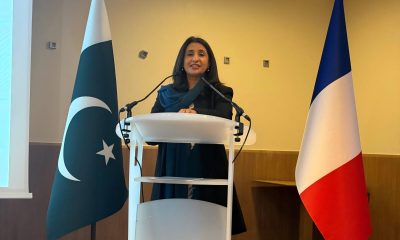



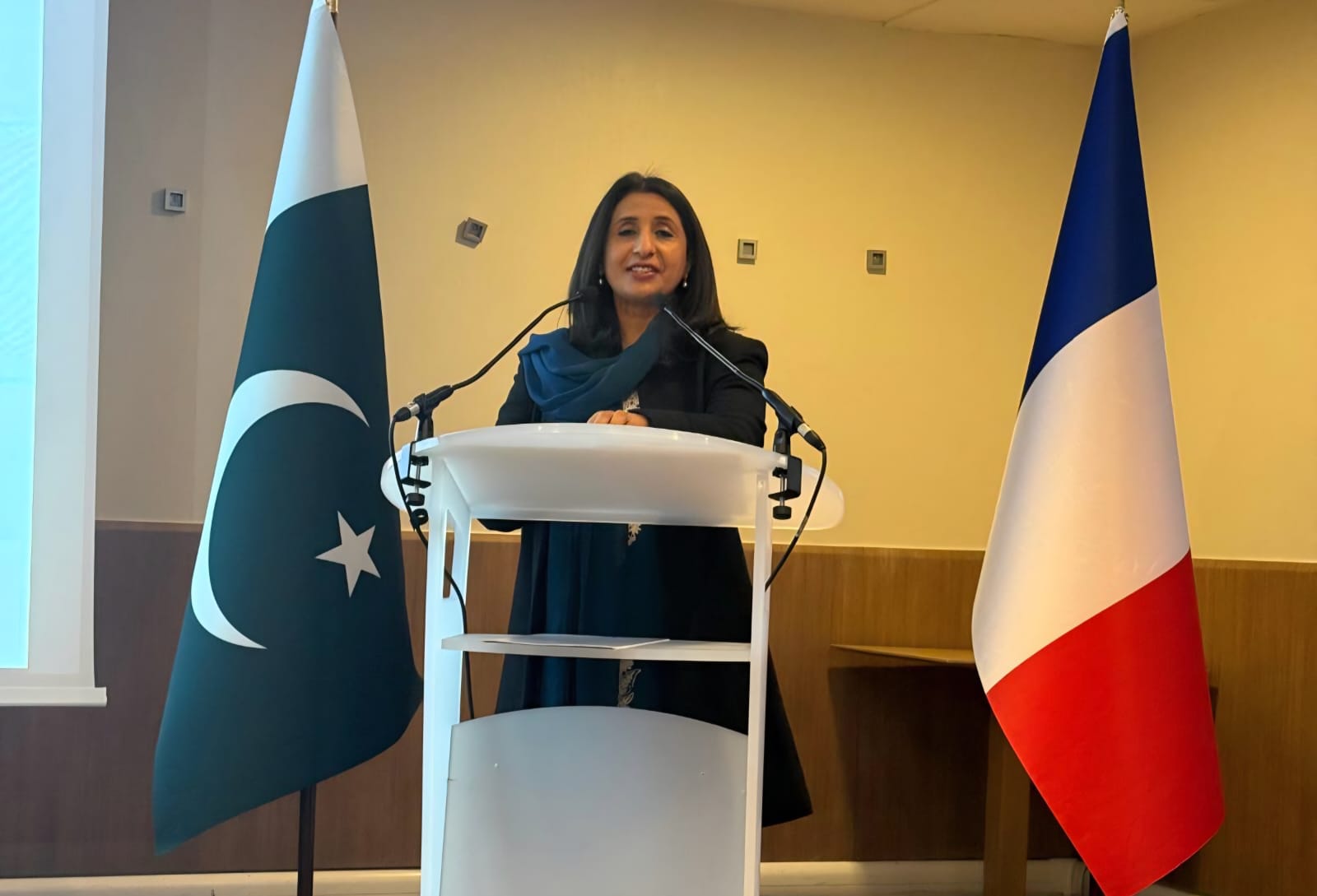
Paris ( Imran Y. CHOUDHRY):- A ‘Pakistan-France Trade and Investment Forum’ was held in Paris today, bringing together government officials, business leaders, industry experts and representatives of trade bodies of both countries.
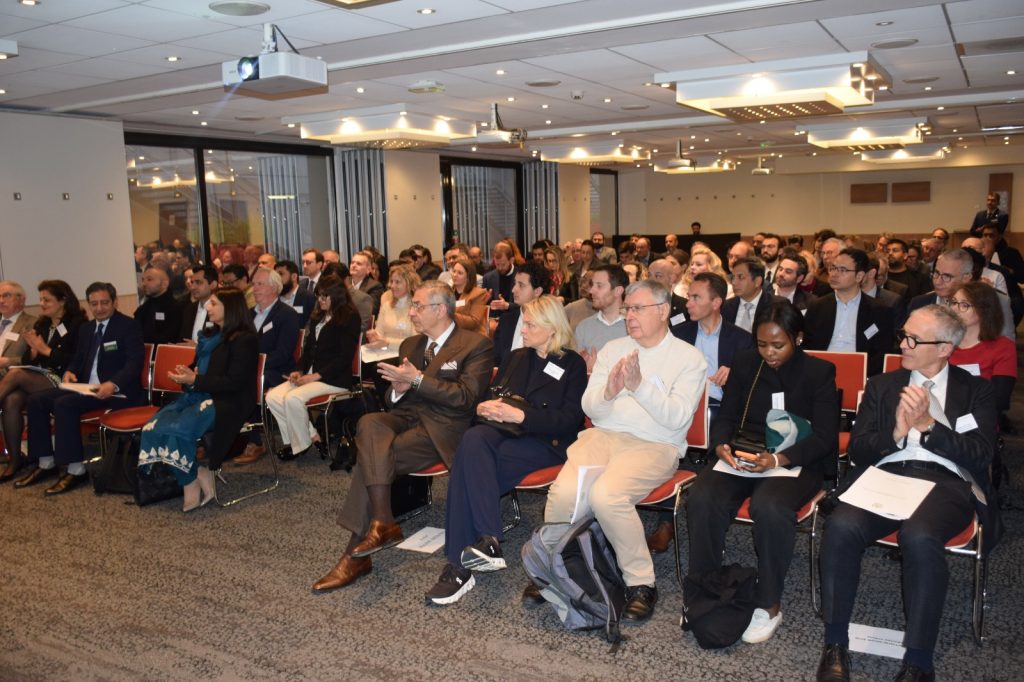
The Forum was held in implementation of an understanding reached between President Emmanuel Macron and Prime Minister Shehbaz Sharif in 2024, to build strong economic partnership between Pakistan and France. The objective of the Forum was to connect businesses, exchange ideas, explore new avenues of bilateral cooperation and showcase Pakistan’s trade and investment potential. It witnessed participation of over seventy French and Pakistani companies from diverse sectors including agriculture, information technology, textiles, energy and tourism.
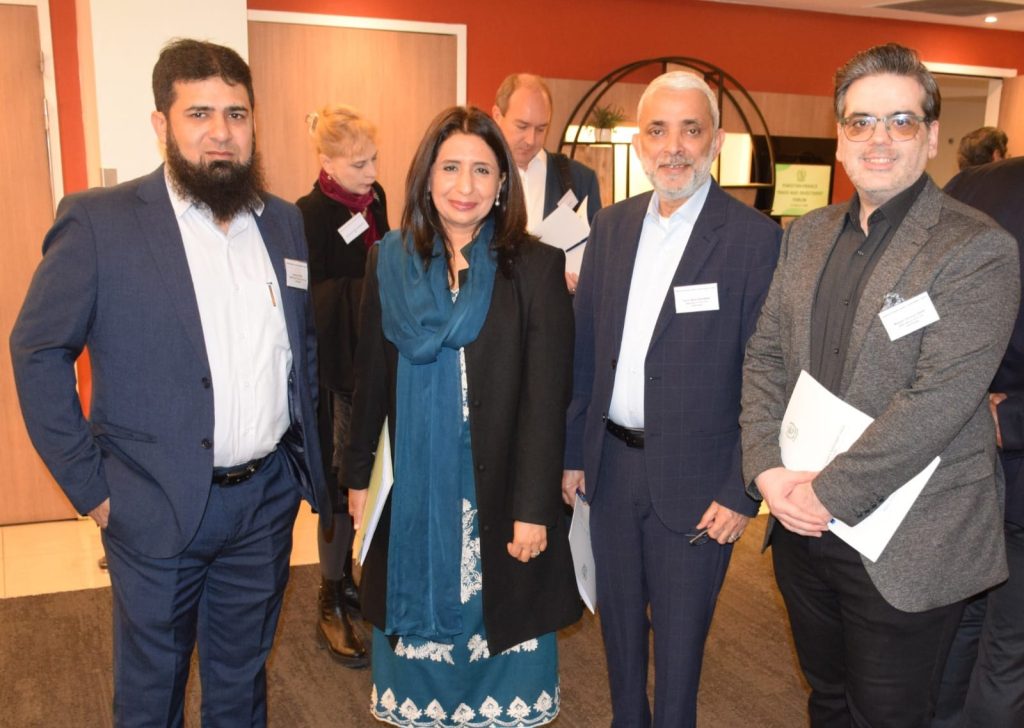
Ambassador Mumtaz Zahra Baloch opened the Business Forum and highlighted Pakistan’s economic growth and potential as an attractive trade partner for France. She outlined investor-focused initiatives and institutional facilitation mechanisms in Pakistan to promote trade and investment. She encouraged Pakistani and French businesses to explore collaborative opportunities, and develop joint ventures and win-win partnerships.
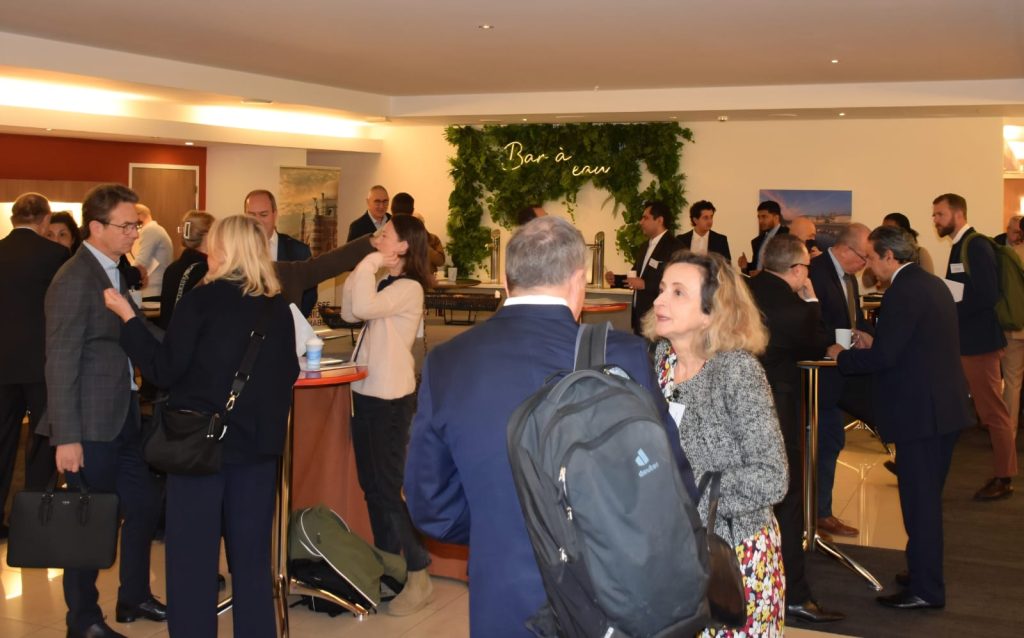
Speakers from the French side included Thierry Pflimlin, Chairman of the France-Pakistan Business Council at MEDEF International, Patricia Glasel, Vice President of the Conseillers du Commerce Extérieur de la France (CCEF) and Ardavan Amir-Aslani. They highlighted the growing momentum in France-Pakistan economic relations; identified the opportunities for trade and investment with Pakistan; and underscored the importance of strengthening private sector linkages to further facilitate bilateral trade and investment.
The plenary session was followed by ‘Breakout and Business-to-Business (B2B)’ sessions to discuss and identify tangible avenues for collaboration in textiles, agriculture and dairy, and Information Technology.
Pakistan News
Dr. Mohammad Faisal Joins Distinguished Quetta Association Event in London Gathering Reinforces Shared Military Heritage of Pakistan and Britain
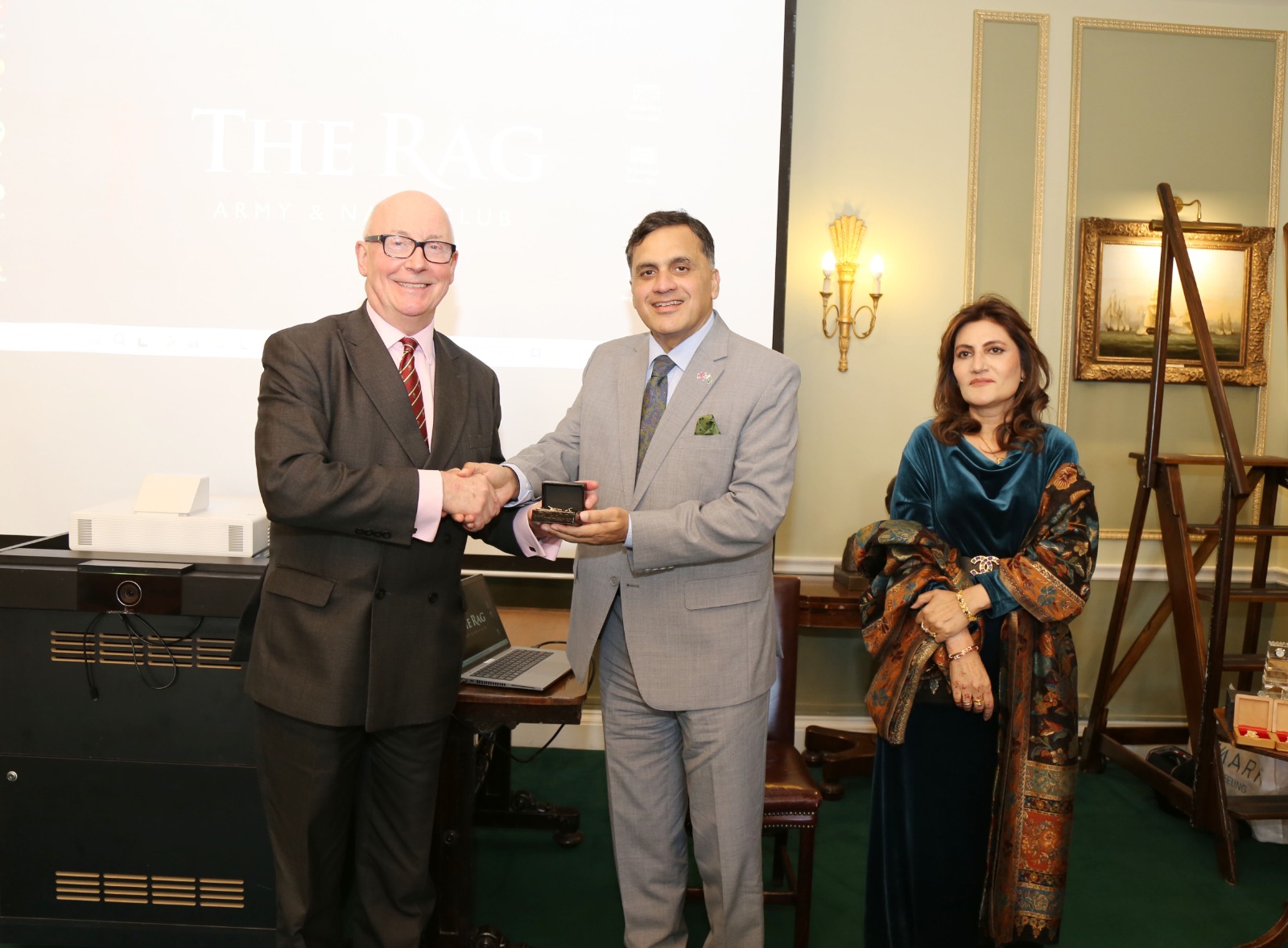
High Commissioner @DrMFaisal and his spouse @drsarahnaeem2 attended, as guests of honor, a distinguished gathering of the Quetta Association at the Army & Navy Club, London.
Military Officers from the Defence Wing of Pakistan High Commission, London, with their families also attended.
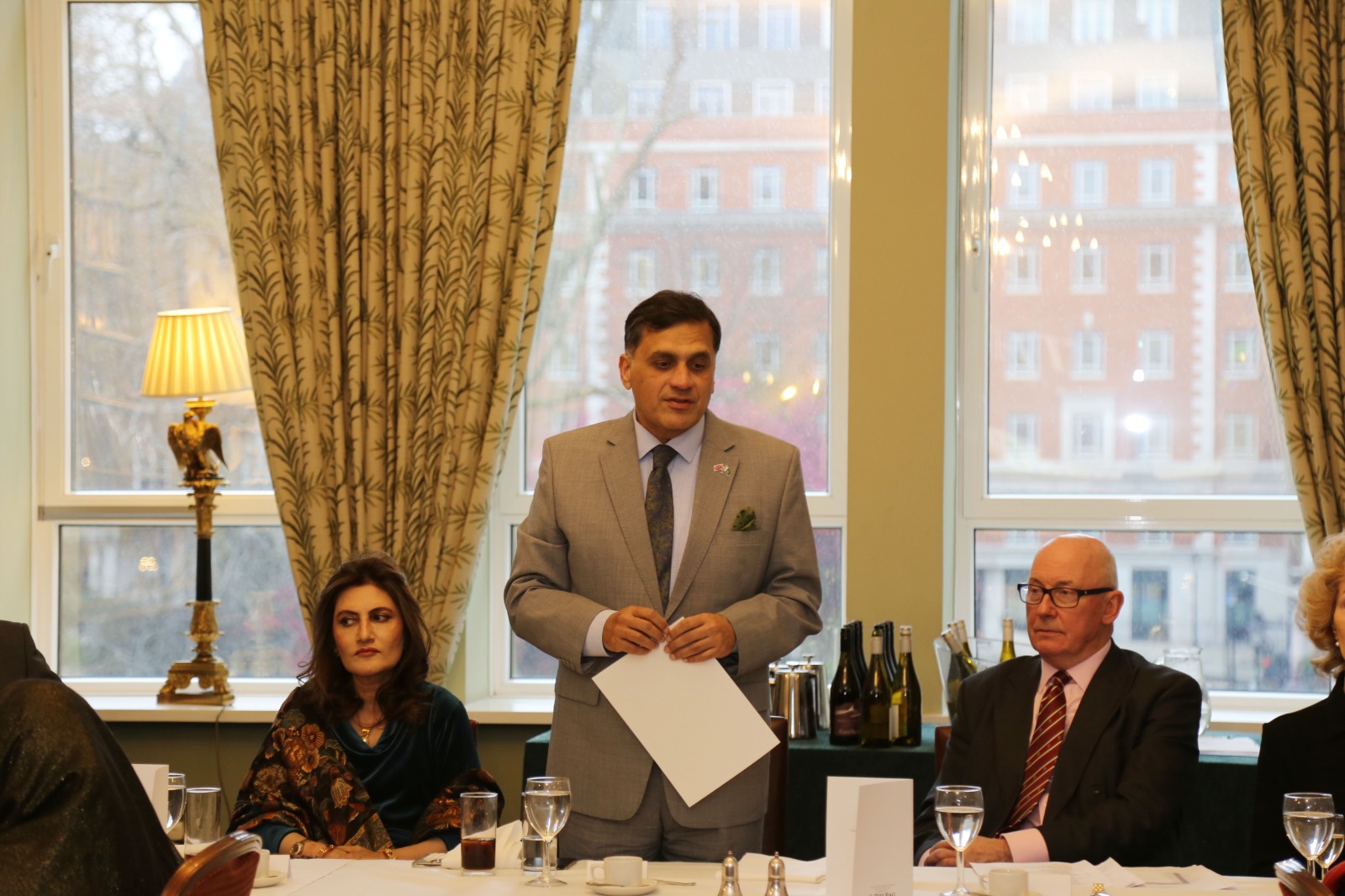
Quetta Association brings together British officers who graduated from the prestigious Command & Staff College, Quetta, Pakistan. The institution has produced outstanding military leaders, including British Field Marshals Sir Claude Auchinleck and Sir William Slim, whose leadership during the Second World War remains widely respected. Field Marshal Syed Asim Munir is also graduate of this prestigious institution.
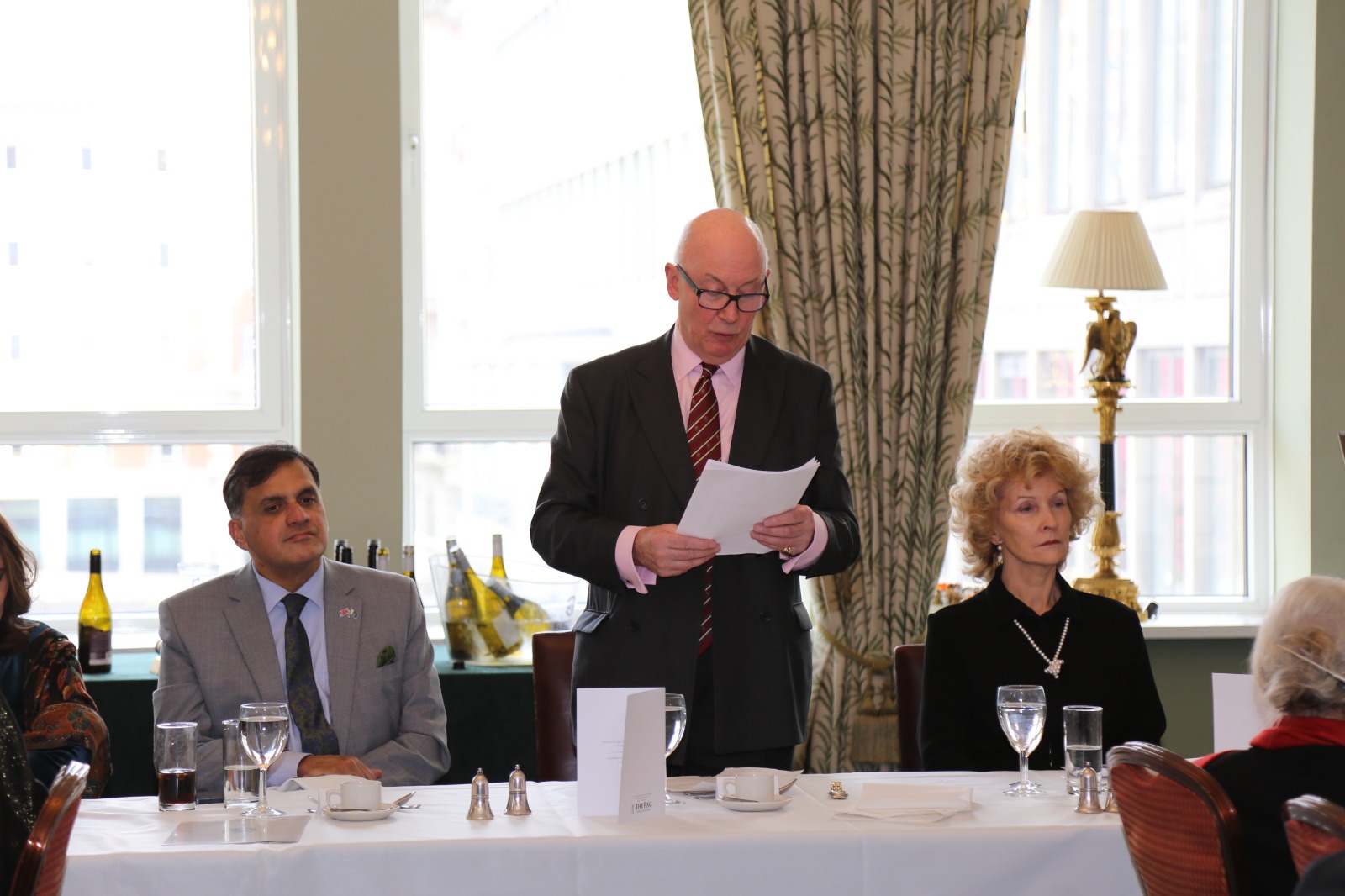
The High Commissioner appreciated the annual gathering that underscored the Association’s enduring role as a vital bridge linking the British Army and Pakistan Army through shared professional heritage and camaraderie.
Decorated British military officers and their families paid glowing tributes while referring to the hospitality accorded by Pakistan during their stay in Quetta.
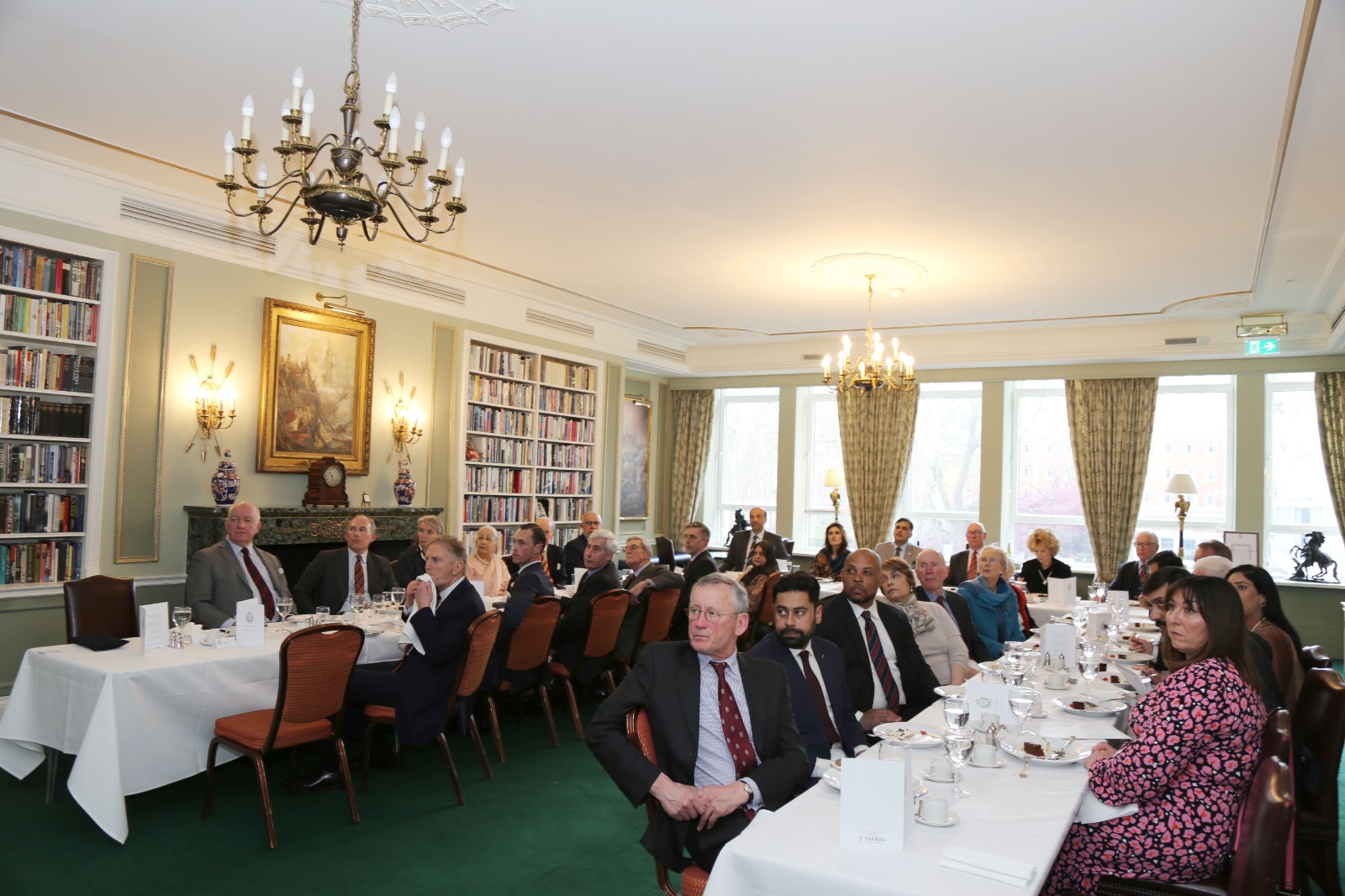
Graduate senior British Officers present at the gathering included Lt. Gen. Sir Alistair Irwin KCB CBE (1980) and Maj. Gen. Seumus Kerr CBE (1985).
Mementos were exchanged between the British officers and officers of @PakistaninUK.
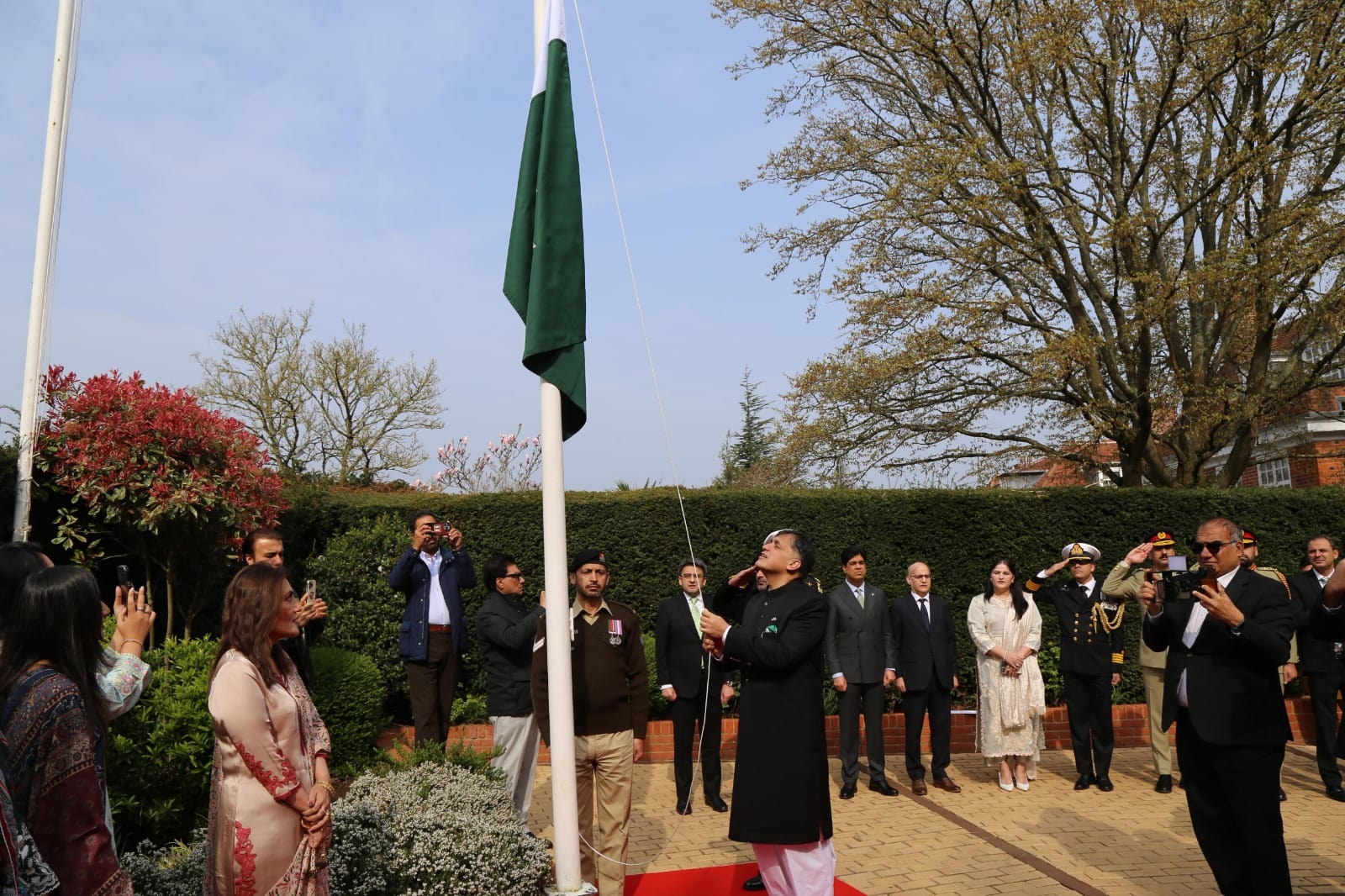
In a simple and dignified ceremony held at Pakistan House, London, the High Commissioner of Pakistan to UK Dr. Mohammad Faisal raised the Pakistan Flag on the occasion of Pakistan Day.
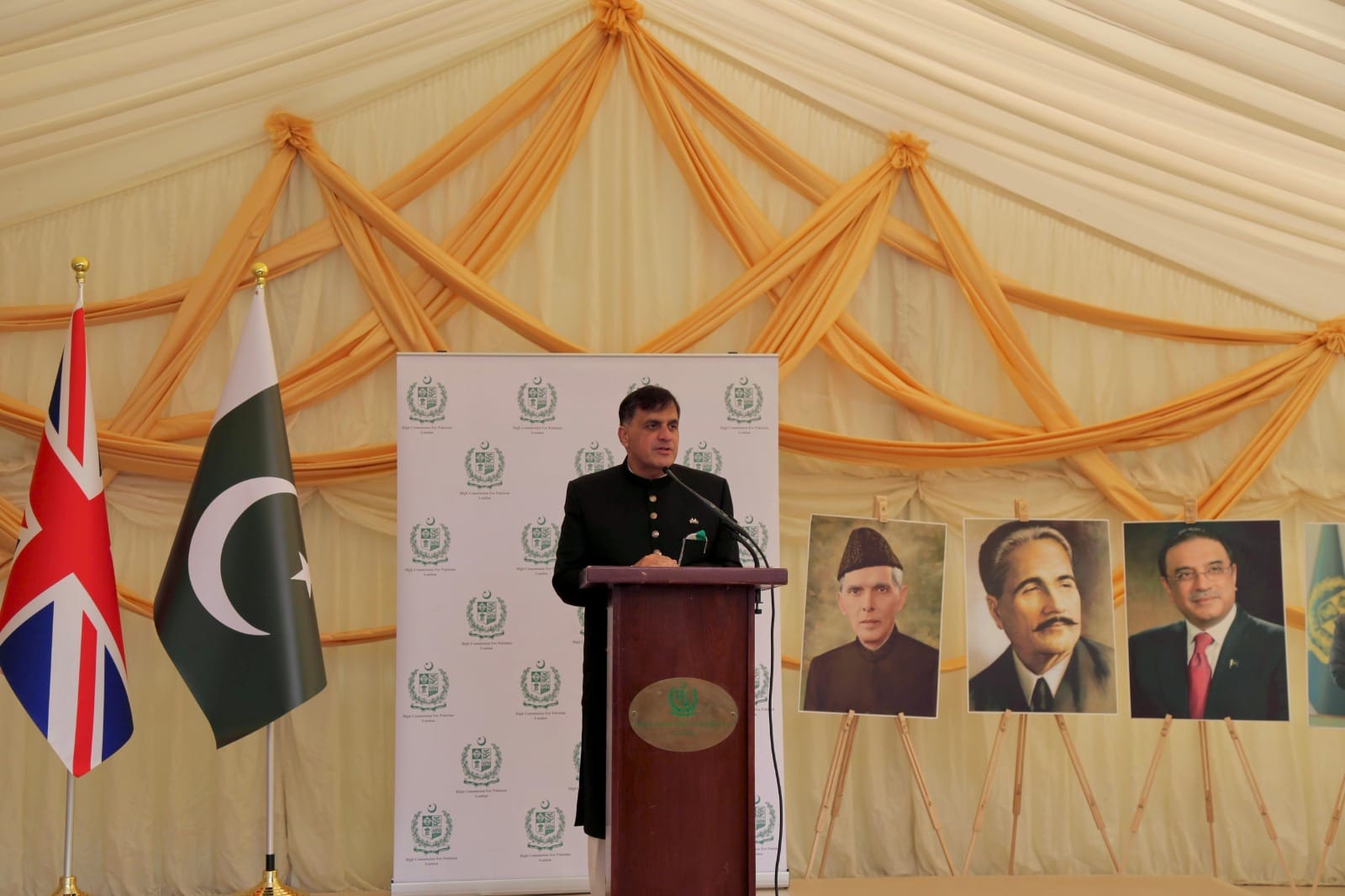
The ceremony was attended by Officials of the High Commission, British – Pakistanis and Media representatives.
Messages of the President, the Prime Minister and Deputy Prime Minister / Foreign Minister were read out.
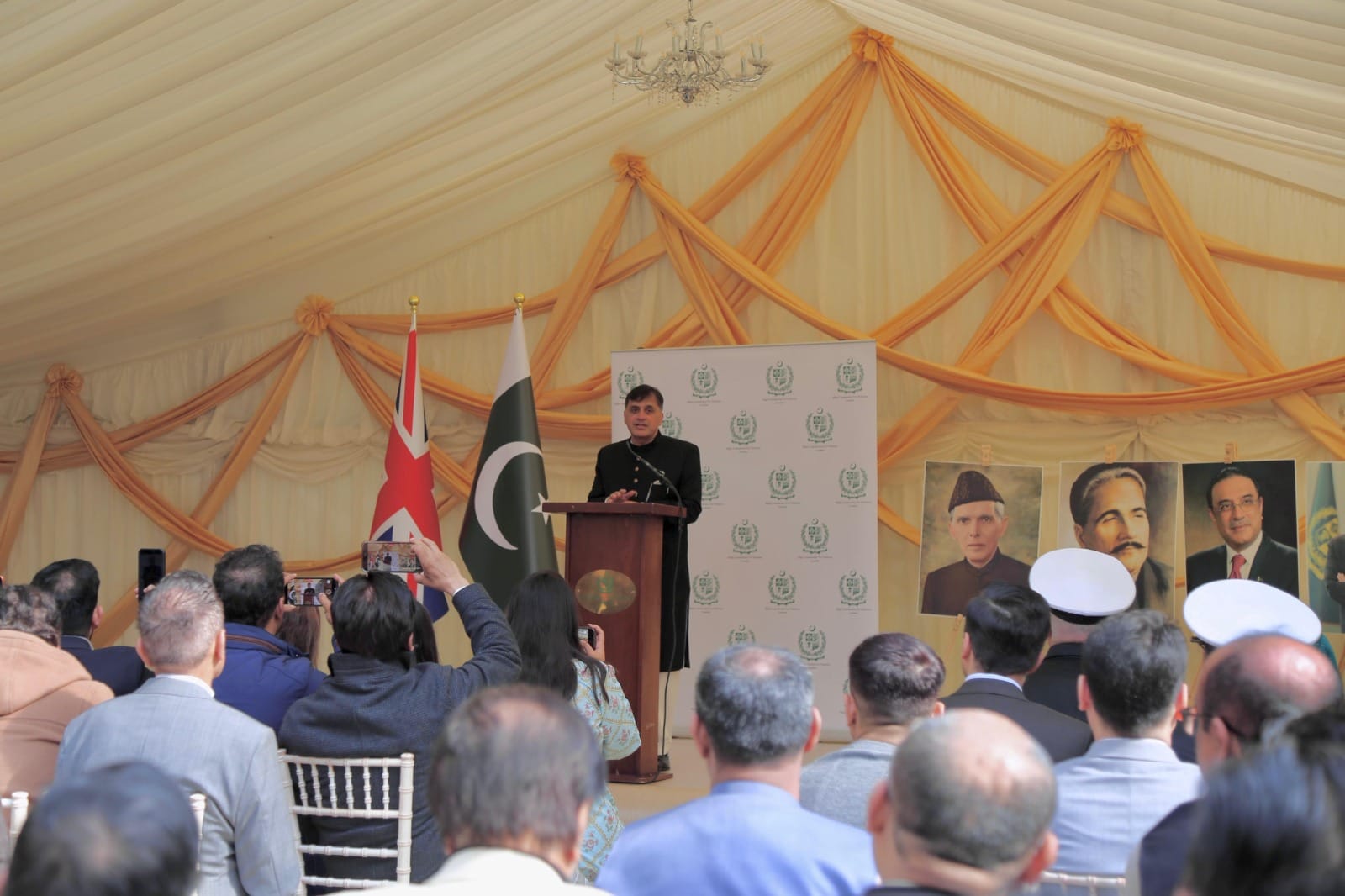
In his keynote address, the High Commissioner said that Pakistan Day was a tribute to our founding fathers who united the Muslims of Indian sub-continent where they could live independently as a Nation and live according to their customs & traditions.
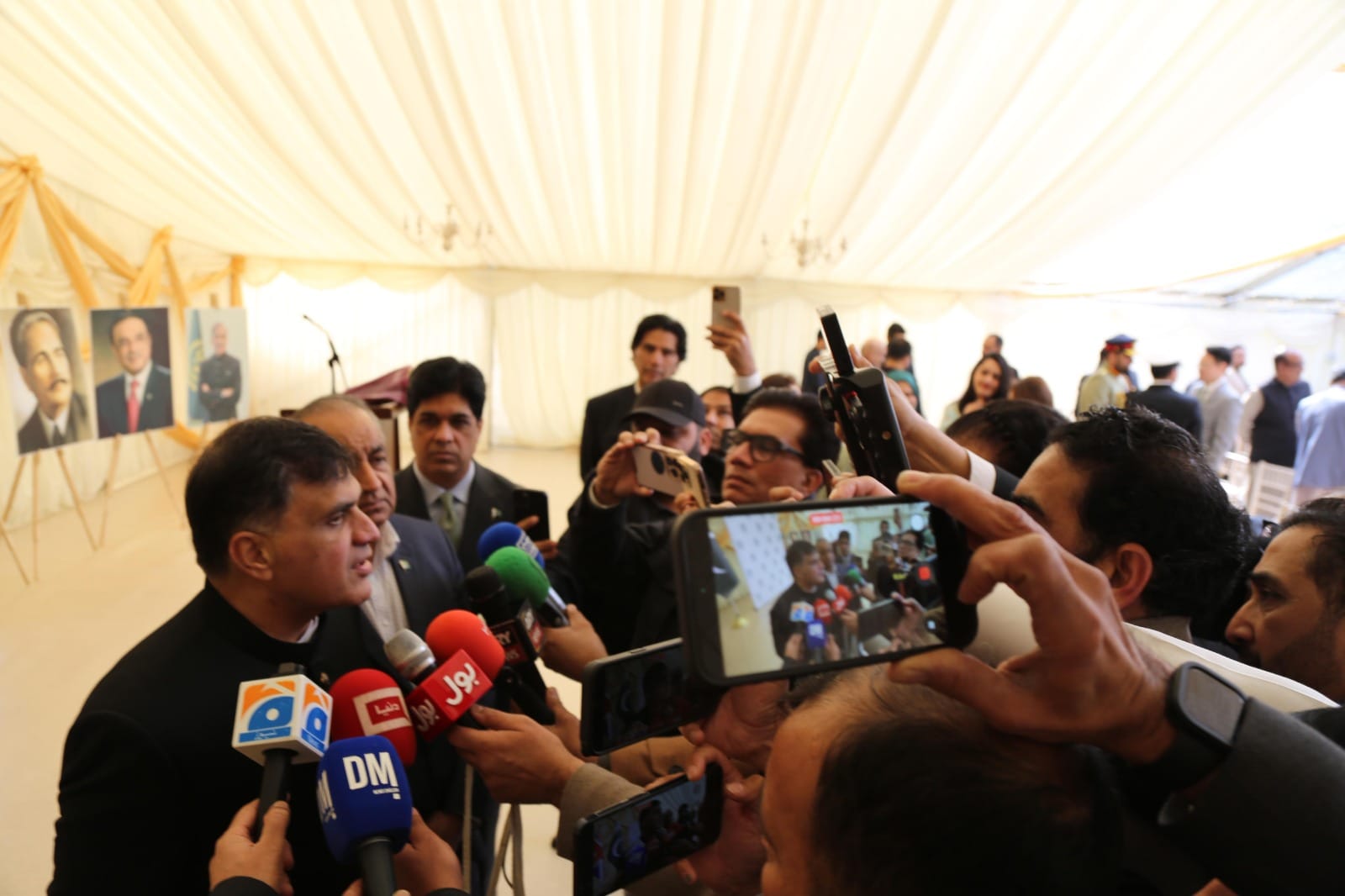
Dr. Faisal stated that Pakistan had always professed peace and stability in the region. However, Pakistan will not tolerate any aggression from neighbouring countries.
The High Commissioner said that Pakistani nation, despite the difficulties, remains resilient and demonstrates courage & perseverance.
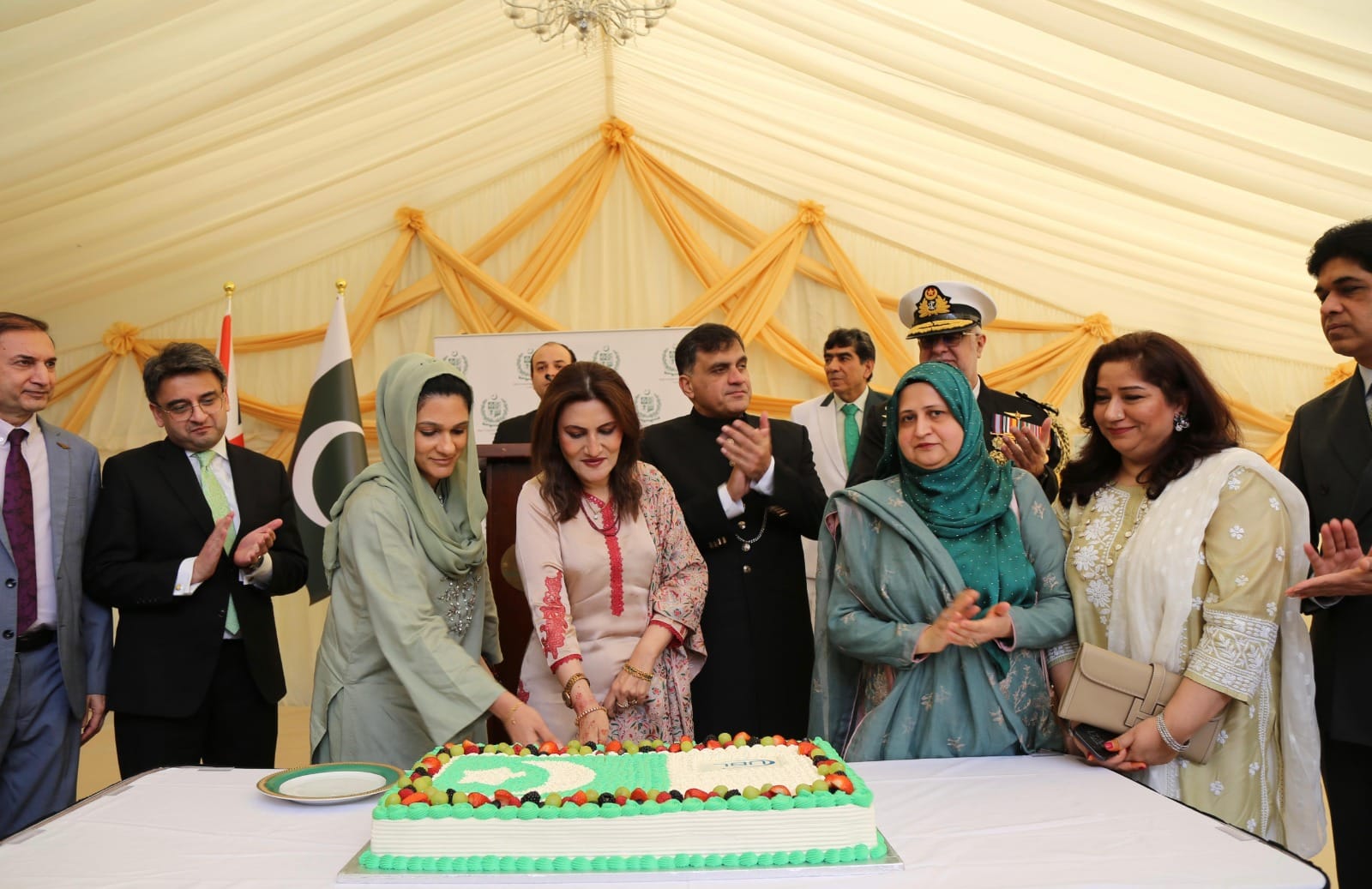
Dr. Mohammad Faisal stated that, in line with the instructions of the Prime Minister, the Deputy Prime Minister / Foreign Minister and the Federal Cabinet, Pakistan High Commission London is implementing strict austerity measures. However, these measures will not affect the performance & working of the High Commission.
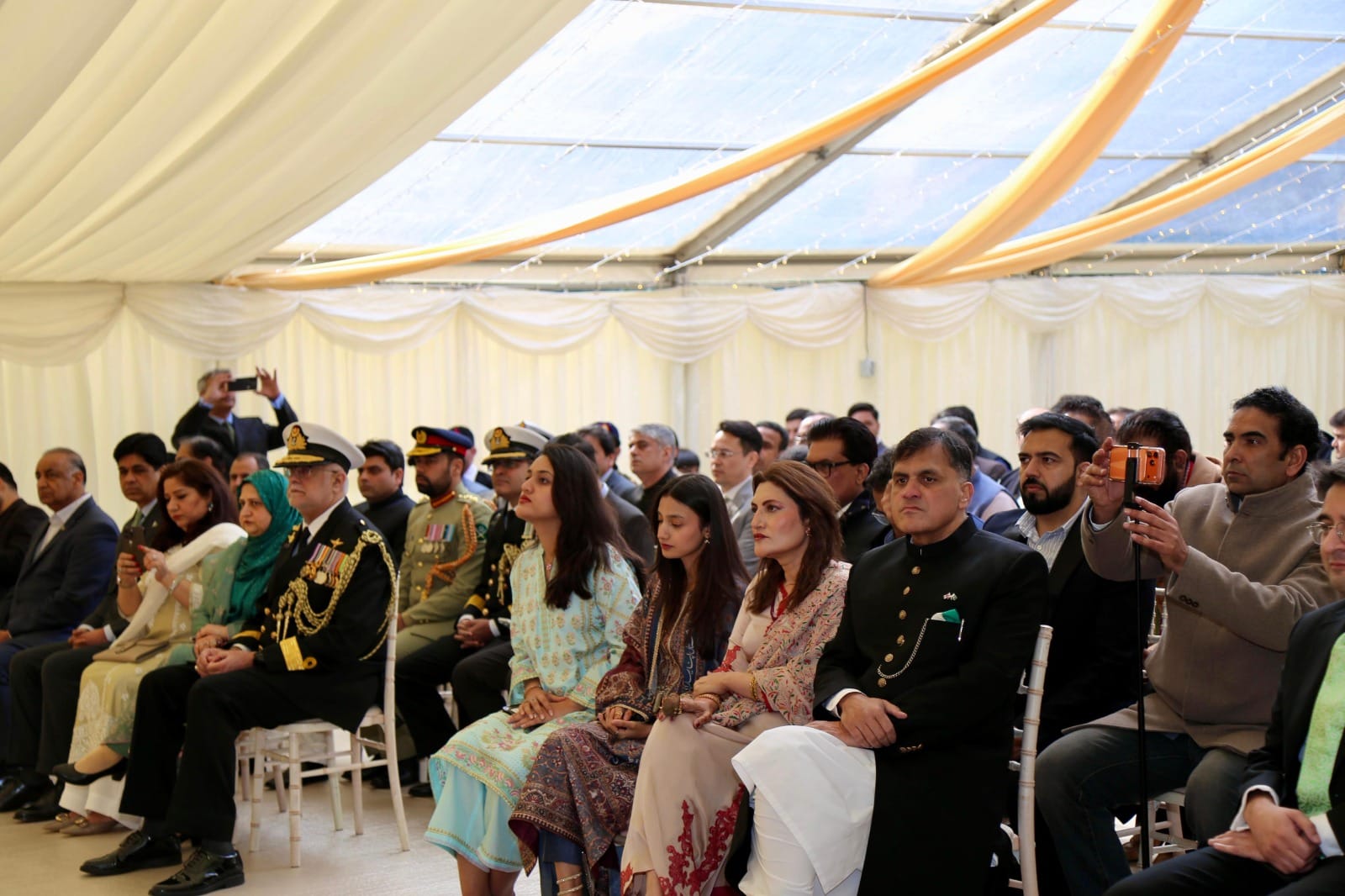
He acknowledged the remarkable contributions of Pakistani diaspora in UK and their extraordinary performance in various fields. He said that their achievements are a source of immense pride for Pakistan.
The High Commissioner expressed solidarity with the people of Indian Illegally Occupied Jammu and Kashmir and committed to continue diplomatic, moral and political support for their right to self determination under UN Resolutions.
London
23rd March, 2026


How the World Is Forced to Fund the Iran War

Scholars Urge UN to Protect Iran’s Scientific Sites Amid Airstrikes Global Academics Warn Attacks Threaten Research, Health, and Civilian Safety

How Iran Humiliated U.S. and Israeli Power


-

 Europe News1 year ago
Chaos and unproven theories surround Tates’ release from Romania
-

 American News1 year ago
Trump expands exemptions from Canada and Mexico tariffs
-

 American News1 year ago
Trump Expels Zelensky from the White House
-

 Pakistan News9 months ago
Comprehensive Analysis Report-The Faranian National Conference on Maritime Affairs-By Kashif Firaz Ahmed
-

 American News1 year ago
Zelensky bruised but upbeat after diplomatic whirlwind
-

 Art & Culture1 year ago
The Indian film showing the bride’s ‘humiliation’ in arranged marriage
-

 Art & Culture1 year ago
International Agriculture Exhibition held in Paris
-

 Pakistan News1 year ago
Can Pakistan be a Hard State?