
Pakistan News
In fiery presser, ISPR DG terms Imran Khan ‘mentally ill, national security threat’

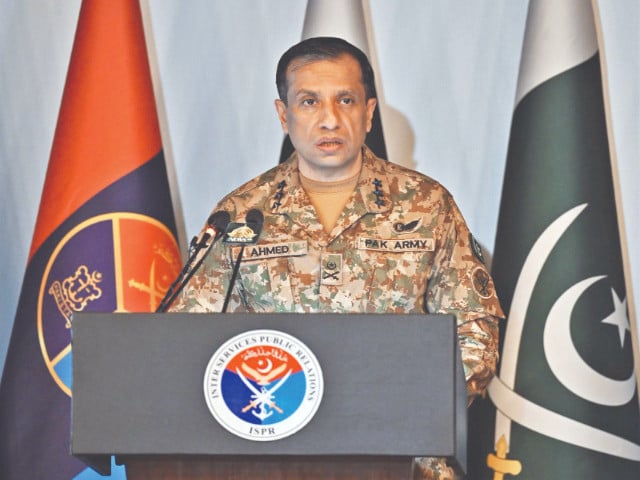
“His ego and desires have grown to such an extent that he says if not me, then nothing,” says Lt Gen Chaudhry
Inter-Services Public Relations (ISPR) Director General Lt Gen Ahmed Sharif Chaudhry on Friday castigated Pakistan Tehreek-e-Insaf (PTI) founder Imran Khan and his party’s “anti-army’s rhetoric”, terming him a “mentally ill person, whose conduct had become a “serious national security threat”.
Addressing an over two-hour-long press conference in Rawalpindi, the military’s spokesperson slammed the former prime minister for working with “external elements, spreading disinformation, provoking unrest and persistently targeting the armed forces”.
The ISPR chief said today’s briefing was aimed at outlining internal national security challenges, saying that nothing is above the state of Pakistan.
Without naming anyone, Lt Gen Chaudry referred to the jailed PTI founder saying: “His ego and desires have grown to such an extent that he says if not me, then nothing.”
Describing what he called a “delusional mindset” of a “person captive of his own thoughts,” Lt Gen Chaudhry said that the narrative promoted by a particular political figure has “evolved into a national security threat”.
The ISPR DG said that anyone who attacks the armed forces or its leadership is effectively “creating space for another army”.
Lt Gen Chaudhry asserted that the PTI founder keeps the Constitution, the law and established rules aside while promoting this narrative.
He said that the PTI founder sends a narrative against the military and its leadership whenever a meeting is held at Adiala jail.
PTI founder ‘mentally ill’
Addressing the presser, the ISPR DG slammed Imran for “placing personal ego above national interest and of repeatedly promoting an anti-Pakistan, anti-army narrative”.
“This mentally ill individual tweeted two days ago. He believes nothing exists beyond him — not even Pakistan.”
“We respect Pakistan’s political leadership but keep the army away from your politics,” the military’s spokesperson said, adding: “We will not allow anyone to create a rift between Pakistan’s army and the people”.
Lt Gen Chaudhry said Imran had promoted a “scientific system” of coordinated troll activity, driven narratives through his own social media accounts, and repeatedly likened himself to Sheikh Mujibur Rahman.
Indian, Afghan and some international media, he said, amplified his messaging, with troll networks abroad boosting content in synchronised cycles.
According to the ISPR DG, the former premier has now become a national security threat and is working in coordination with external elements.
Giving another recent example, the general said this individual had claimed that anyone from his own party who visited the National Defence University (NDU) would be a traitor. “According to his logic, anyone who goes to ISPR is also a traitor,” he added.
Noting that the freedom of expression is allowed under Article 19 of the Constitution, the ISPR DG said that it carries certain restrictions with it as well and does not permit anyone to speak against the state and national security.
Lt Gen Chaudhry said the “mentally disturbed individual” had recently posted a tweet and asked his supporters to target military leadership that stood firm against an enemy eight times stronger in the Operation Bunyan-um-Marsoos.
“There is an entire science behind this,” the ISPR DG said.
Referring to the PTI founder, Lt Gen Chaudhary said: “Who are you? Whose language are you speaking? What do you think of yourself?”
The DG ISPR said that the public had already witnessed the “symptoms of a disturbed mindset”.
He asked whether the individual had not previously instigated the May 9 attack on the General Headquarters (GHQ).
“This person believes that anyone serving in the Pakistan Army is a traitor,” the DG ISPR asserted, adding that this person considers himself to be the only one who is right and believes everyone else is wrong.
He questioned why this individual did not speak about Pakistan’s significant issues.
Vows response to attack on army
The ISPR DG said that the PTI founder first creates a narrative aimed at halting remittances to push Pakistan toward default, and then calls for targeting the army’s leadership, which successfully stood firm against India during the four-day war in May.
“When you ask his party, they say that we do not know where the narrative comes from,” the military’s spokesperson said.
“A person who thinks that nothing is above his own self, even Pakistan, has [in fact] become a national security threat,” the general warned, saying that “this person is working with external elements”.
“If someone attacks the Pakistan Army, then we will also respond.”
Referring to the social media post concerned, he shed light on how the Indian media and troll accounts, operating from outside Pakistan, pick up on this narrative.
“Accounts come after the tweet in a sequential manner [….] The original narrative was given by this mental patient by tweeting.”
“Uzma Khan is sitting on the Indian media and telling PTI to attack,” Lt Gen Chaudhry highlighted.
The ISPR DG cautioned that anyone attacking Pakistan’s Armed Forces “under their own political mindset” should expect a response.
Reaffirming the institution’s stance, he said, “We are the armed forces of Pakistan and do not represent any political ideology.”
CDF notification propaganda
The ISPR DG described the propaganda surrounding the CDF notification as “a flood of lies,” questioning what kind of politics of freedom of expression this represented.
“Please grow up. Talk about real issues,” he said, adding that even routine military news was being used to generate propaganda.
Continuing his remarks, the ISPR DG said that Afghan social media was also actively involved in amplifying the narrative of the PTI founder.
“Three days ago, they repeated their narrative of dialogue with the terrorists. They pushed the line that intelligence-based operations should not be carried out,” he added.
“By the logic of this mentally disturbed individual, if India had attacked, he would have walked around with a begging bowl saying, ‘Come, let’s talk.'”
The ISPR DG noted that the PTI founder was the same person “who suggested opening an office for khawarij in Peshawar”.
“This obsession with talks is not new for him,” the DG ISPR said, adding that the former premier provokes people to stand against operations.
“We are absolutely clear that his politics or his personality cannot be above the state,” he stressed.
“This is a mental disorder — this is a terror-crime nexus. It involves drugs, NCP, kidnapping for ransom and several other things.”
The ISPR DG cautioned that anyone who stands against the political terror-crime nexus could face orchestrated attacks.
‘Terrorism and extremism’
Lt Gen Chaudhry reaffirmed that the Pakistan Army stood between the public and “khawarij terrorists”.
While Pakistan had never refused dialogue, he said talks with violent extremists were out of the question. Citing Paigham-e-Pakistan, he reminded that the country’s top Ulema had rejected extremism.
He said some individuals had revived the narrative of “talking to the khawarij” only three days earlier.
The DG ISPR criticised those opposing security operations, saying the Khyber Pakhtunkhwa police were sacrificing their lives daily.
He questioned why some urged the halting of intelligence-based operations, stressing that terrorism would not end in a day and required political will. He said those advancing such arguments worked against the unanimous national narrative.
The ISPR DG said that by December 3, as many as 1.8 million illegal Afghan migrants had been repatriated under government policy.
‘State is supreme’
Emphasising constitutional hierarchy, the ISPR DG said the state — and the elected government — were supreme, not individuals or institutions. The army, he said, was an institution functioning under civilian authority.
Freedom of speech under Article 19 had limits, he noted, and could not be exercised against national security.
Responding to criticism of military capability and governance, he said the army had proved itself in battle, and that the country had not defaulted despite predictions.
Calling the current discourse a “disease — a mental disorder”, he said the business of lies and deception would no longer continue.
He dismissed online attacks, referring to them as “a barking dog — do not worry about it”.
“We stand on the side of truth, and we will remain on the side of truth,” he added.
‘Media must act responsibly’
Lt Gen Chaudhry urged the media to act responsibly, “call truth truth and falsehood false”, and focus on real national issues.
Pakistan, he said, had let billions of dollars’ worth of floodwater flow into the sea, maintained severely inadequate water storage and faced population pressures, requiring serious debate on food security.
He said the country had “politicised everything — even the national narrative”.
He said questions on governance triggered attacks from the “political-crime nexus”.
Criticising political leaders who kept their own children abroad, he urged them to send their children to the army.
Governor’s rule, he noted, was solely the government’s decision. “We are clear that no individual or politics is greater than the state.”
Concluding the briefing, Lt Gen Chaudhry said the army would not allow rifts between the institution and the public. He warned political actors to stop dragging the military into their disputes, adding that attacks on the army would draw responses.
“It is clear as daylight: we will protect the state,” he said. Calling for maturity, he said: “We are all Bunyan-um-Marsoos — a solid, united structure. Pakistan will remain, and the Pakistan Army will remain.”
News Taken From Geo News
https://www.geo.tv/latest/637487-ispr-dg-lt-gen-chaudhry-to-address-press-conference-today





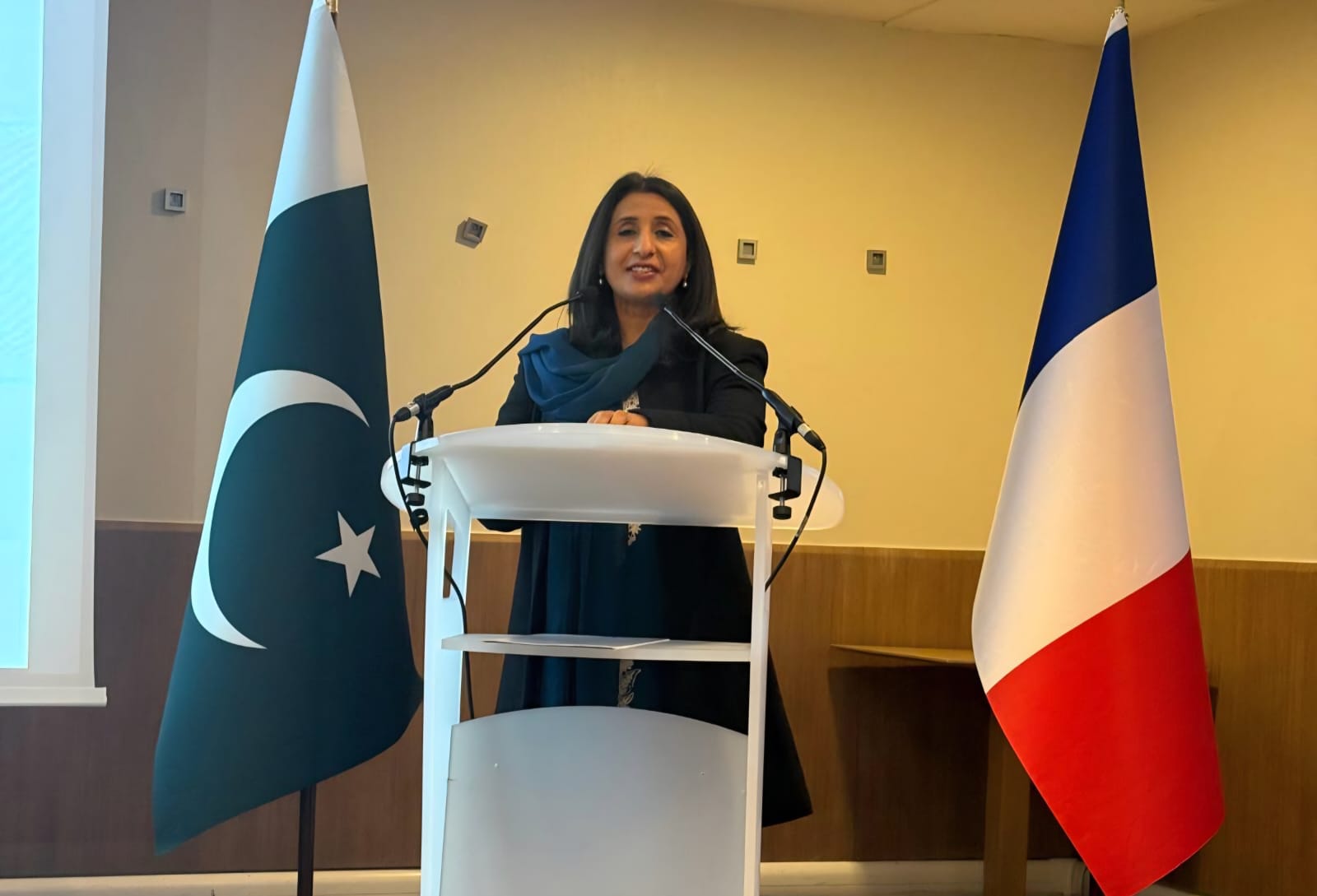
Paris ( Imran Y. CHOUDHRY):- A ‘Pakistan-France Trade and Investment Forum’ was held in Paris today, bringing together government officials, business leaders, industry experts and representatives of trade bodies of both countries.
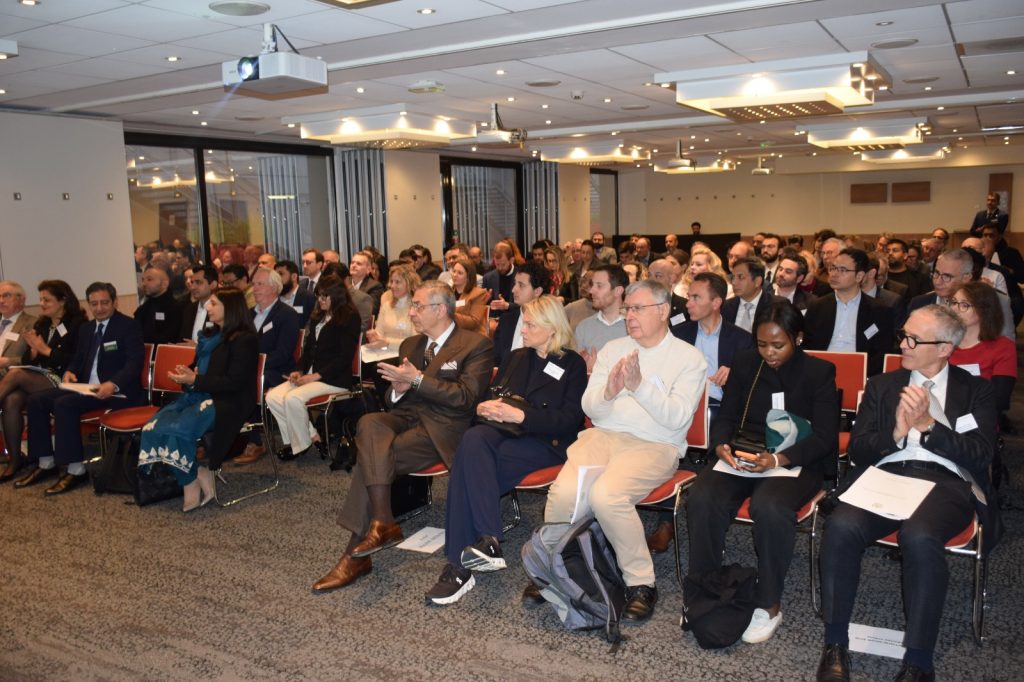
The Forum was held in implementation of an understanding reached between President Emmanuel Macron and Prime Minister Shehbaz Sharif in 2024, to build strong economic partnership between Pakistan and France. The objective of the Forum was to connect businesses, exchange ideas, explore new avenues of bilateral cooperation and showcase Pakistan’s trade and investment potential. It witnessed participation of over seventy French and Pakistani companies from diverse sectors including agriculture, information technology, textiles, energy and tourism.
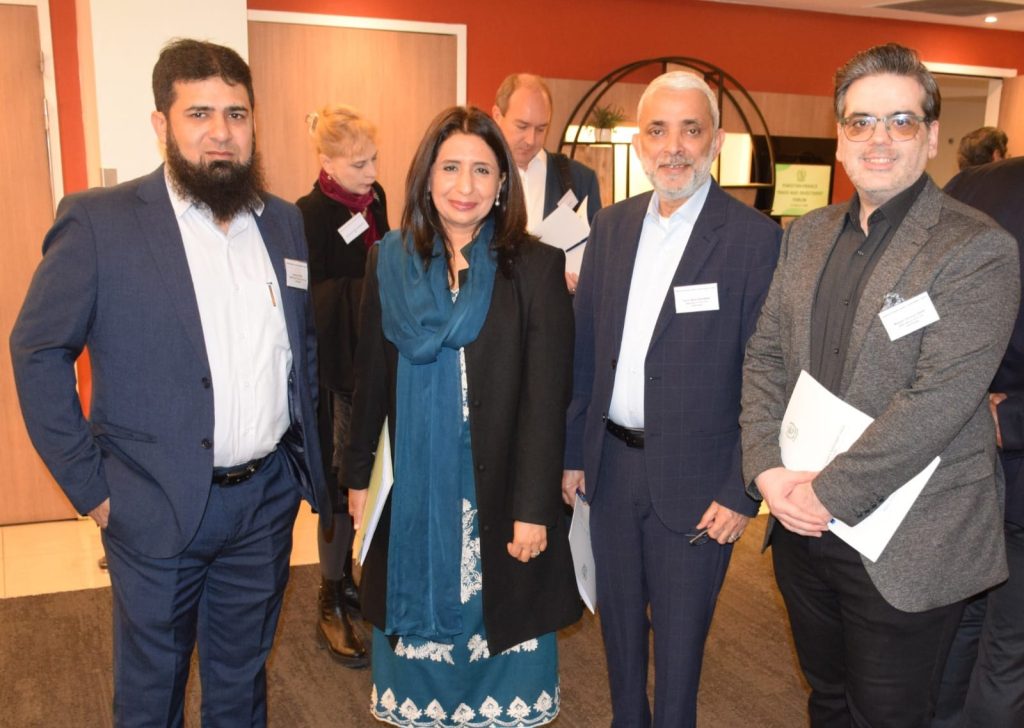
Ambassador Mumtaz Zahra Baloch opened the Business Forum and highlighted Pakistan’s economic growth and potential as an attractive trade partner for France. She outlined investor-focused initiatives and institutional facilitation mechanisms in Pakistan to promote trade and investment. She encouraged Pakistani and French businesses to explore collaborative opportunities, and develop joint ventures and win-win partnerships.
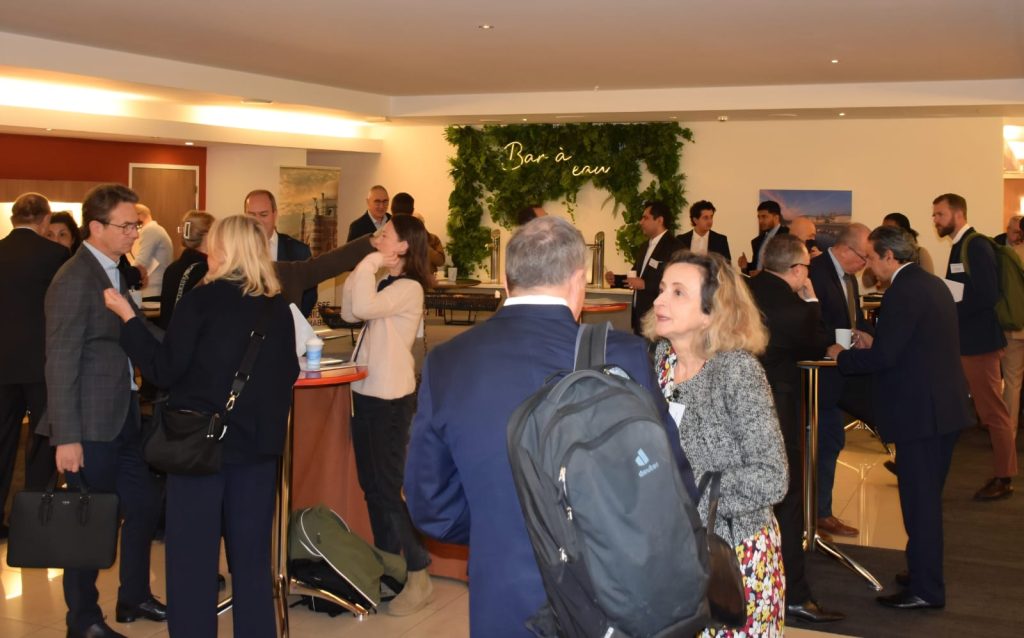
Speakers from the French side included Thierry Pflimlin, Chairman of the France-Pakistan Business Council at MEDEF International, Patricia Glasel, Vice President of the Conseillers du Commerce Extérieur de la France (CCEF) and Ardavan Amir-Aslani. They highlighted the growing momentum in France-Pakistan economic relations; identified the opportunities for trade and investment with Pakistan; and underscored the importance of strengthening private sector linkages to further facilitate bilateral trade and investment.
The plenary session was followed by ‘Breakout and Business-to-Business (B2B)’ sessions to discuss and identify tangible avenues for collaboration in textiles, agriculture and dairy, and Information Technology.
Pakistan News
Dr. Mohammad Faisal Joins Distinguished Quetta Association Event in London Gathering Reinforces Shared Military Heritage of Pakistan and Britain
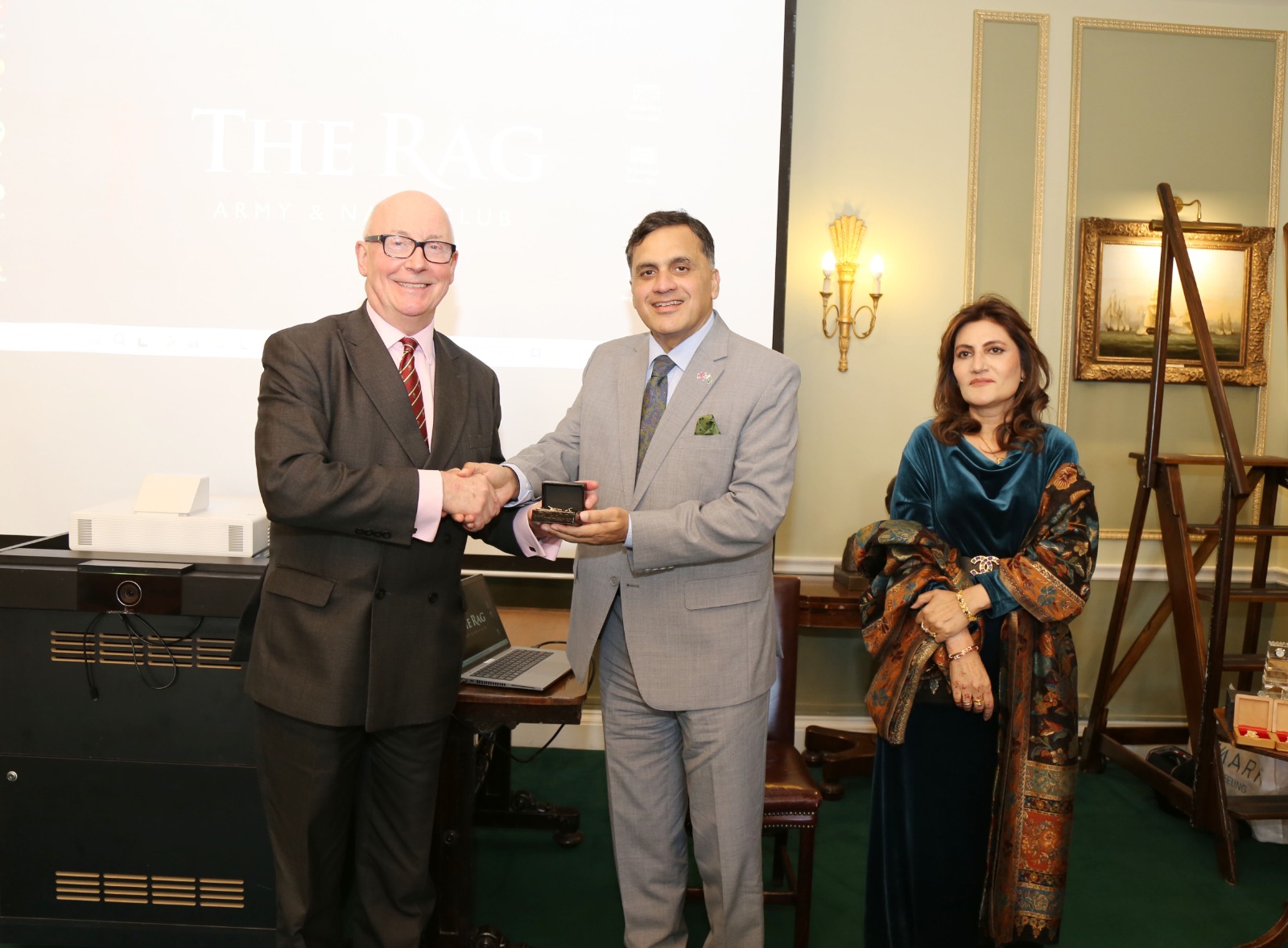
High Commissioner @DrMFaisal and his spouse @drsarahnaeem2 attended, as guests of honor, a distinguished gathering of the Quetta Association at the Army & Navy Club, London.
Military Officers from the Defence Wing of Pakistan High Commission, London, with their families also attended.
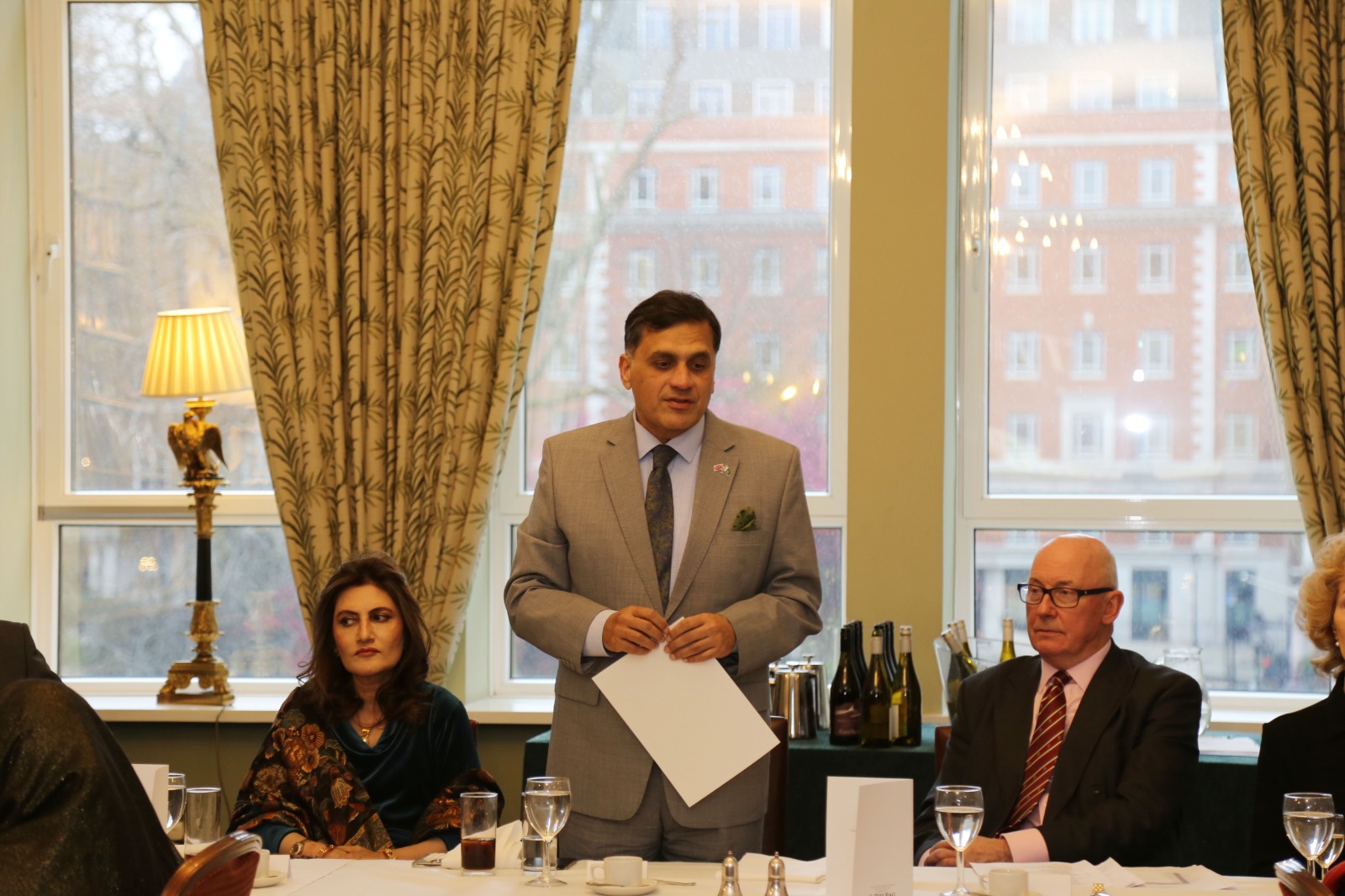
Quetta Association brings together British officers who graduated from the prestigious Command & Staff College, Quetta, Pakistan. The institution has produced outstanding military leaders, including British Field Marshals Sir Claude Auchinleck and Sir William Slim, whose leadership during the Second World War remains widely respected. Field Marshal Syed Asim Munir is also graduate of this prestigious institution.
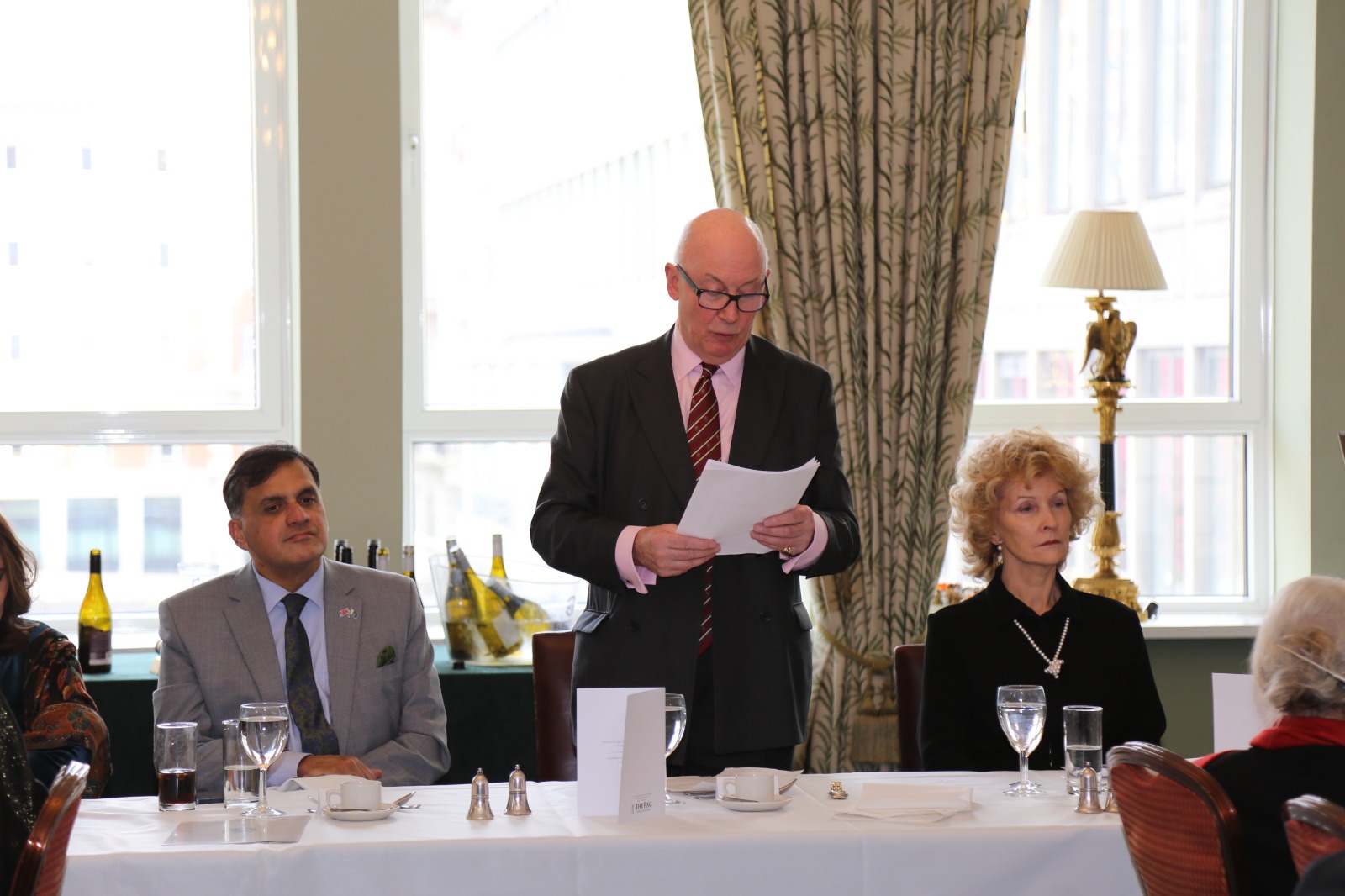
The High Commissioner appreciated the annual gathering that underscored the Association’s enduring role as a vital bridge linking the British Army and Pakistan Army through shared professional heritage and camaraderie.
Decorated British military officers and their families paid glowing tributes while referring to the hospitality accorded by Pakistan during their stay in Quetta.
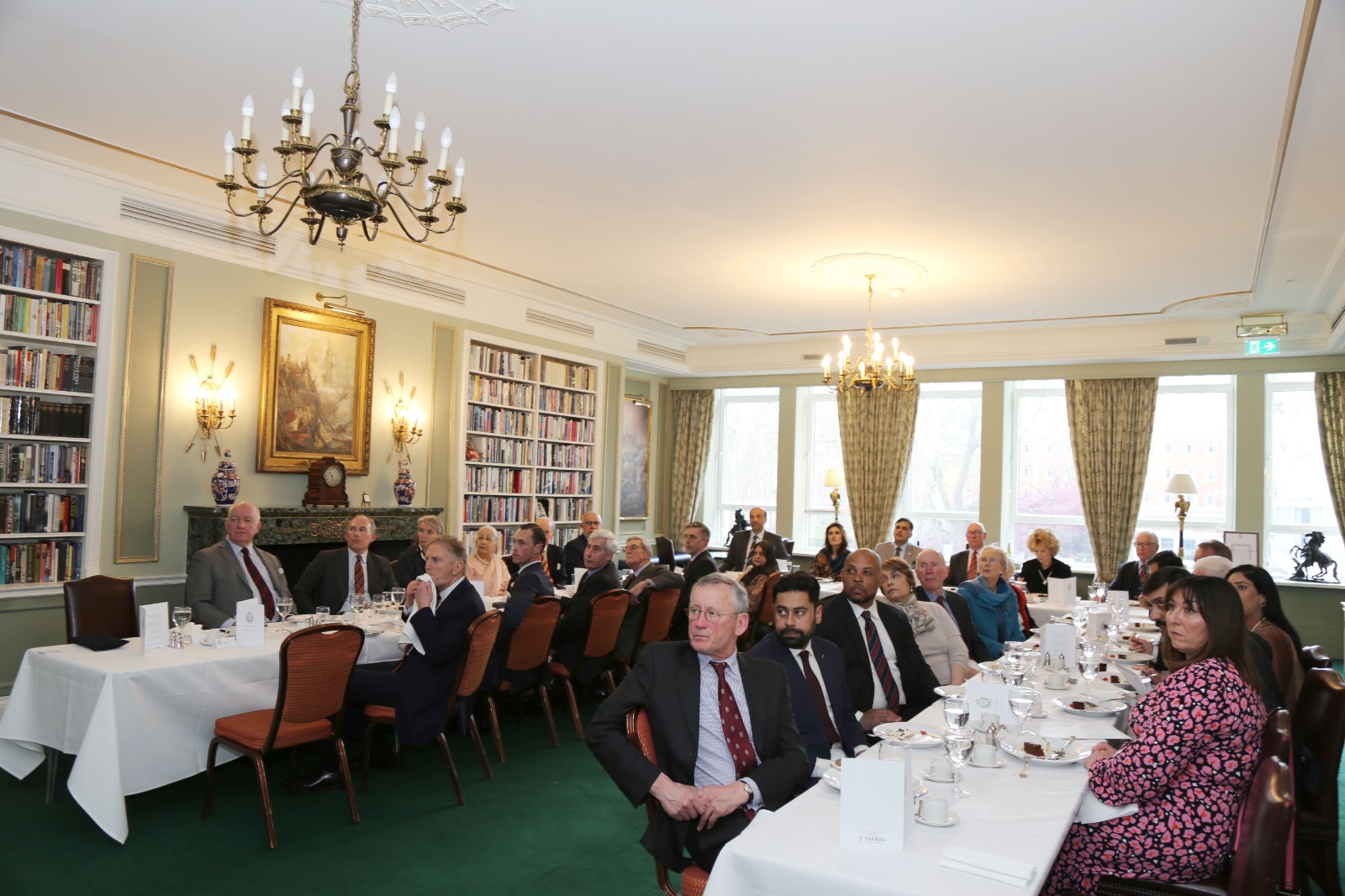
Graduate senior British Officers present at the gathering included Lt. Gen. Sir Alistair Irwin KCB CBE (1980) and Maj. Gen. Seumus Kerr CBE (1985).
Mementos were exchanged between the British officers and officers of @PakistaninUK.
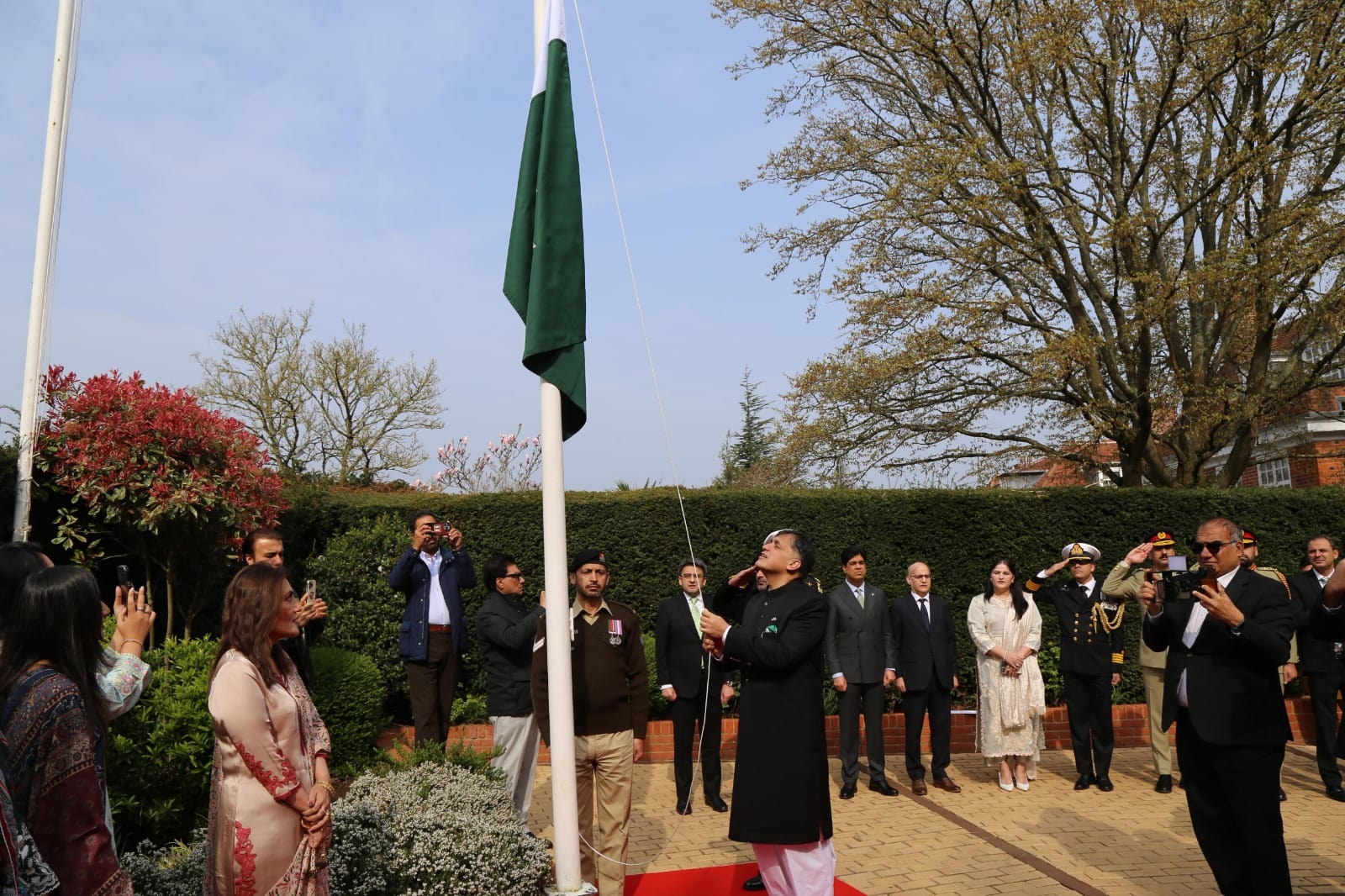
In a simple and dignified ceremony held at Pakistan House, London, the High Commissioner of Pakistan to UK Dr. Mohammad Faisal raised the Pakistan Flag on the occasion of Pakistan Day.
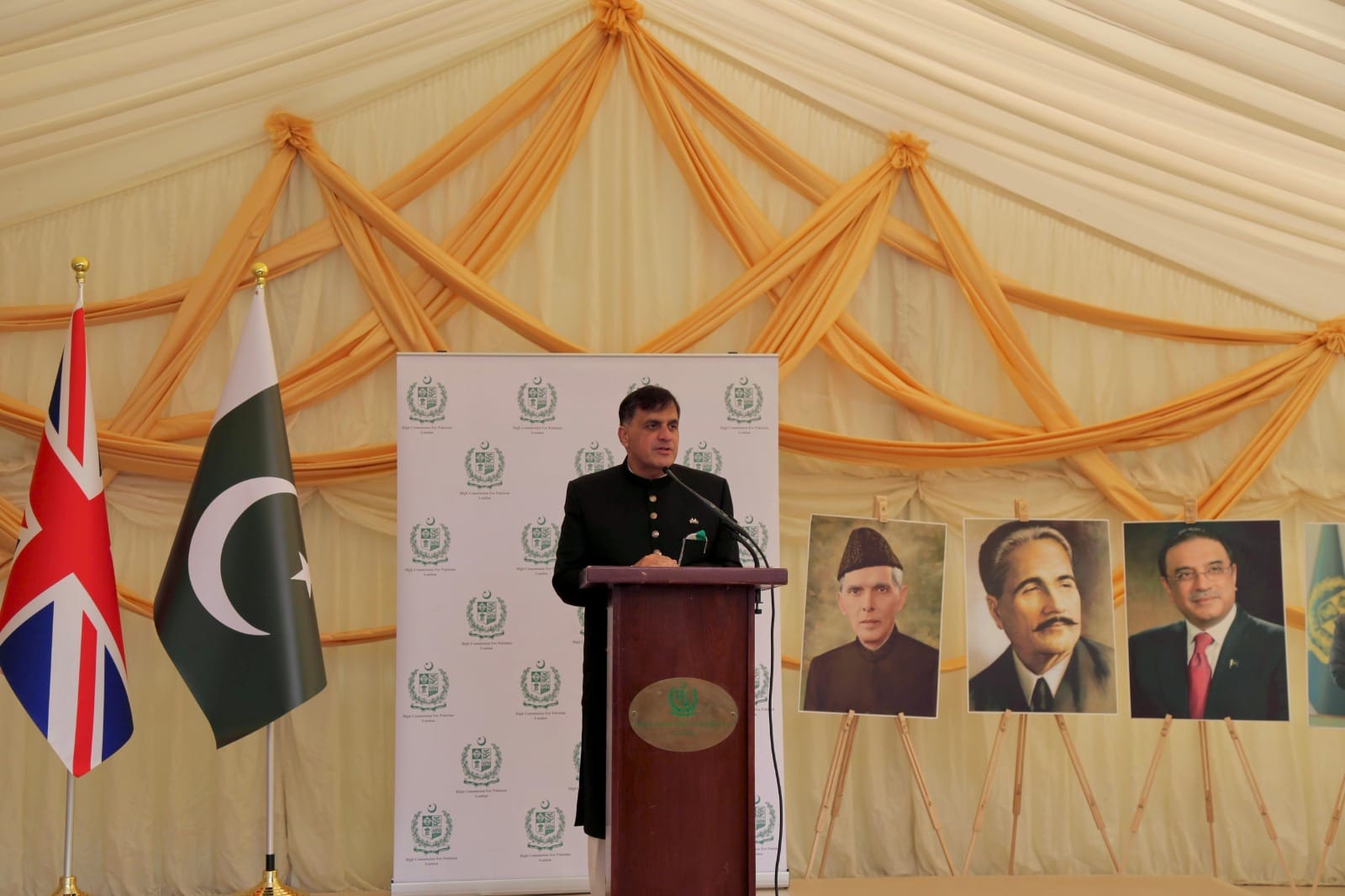
The ceremony was attended by Officials of the High Commission, British – Pakistanis and Media representatives.
Messages of the President, the Prime Minister and Deputy Prime Minister / Foreign Minister were read out.
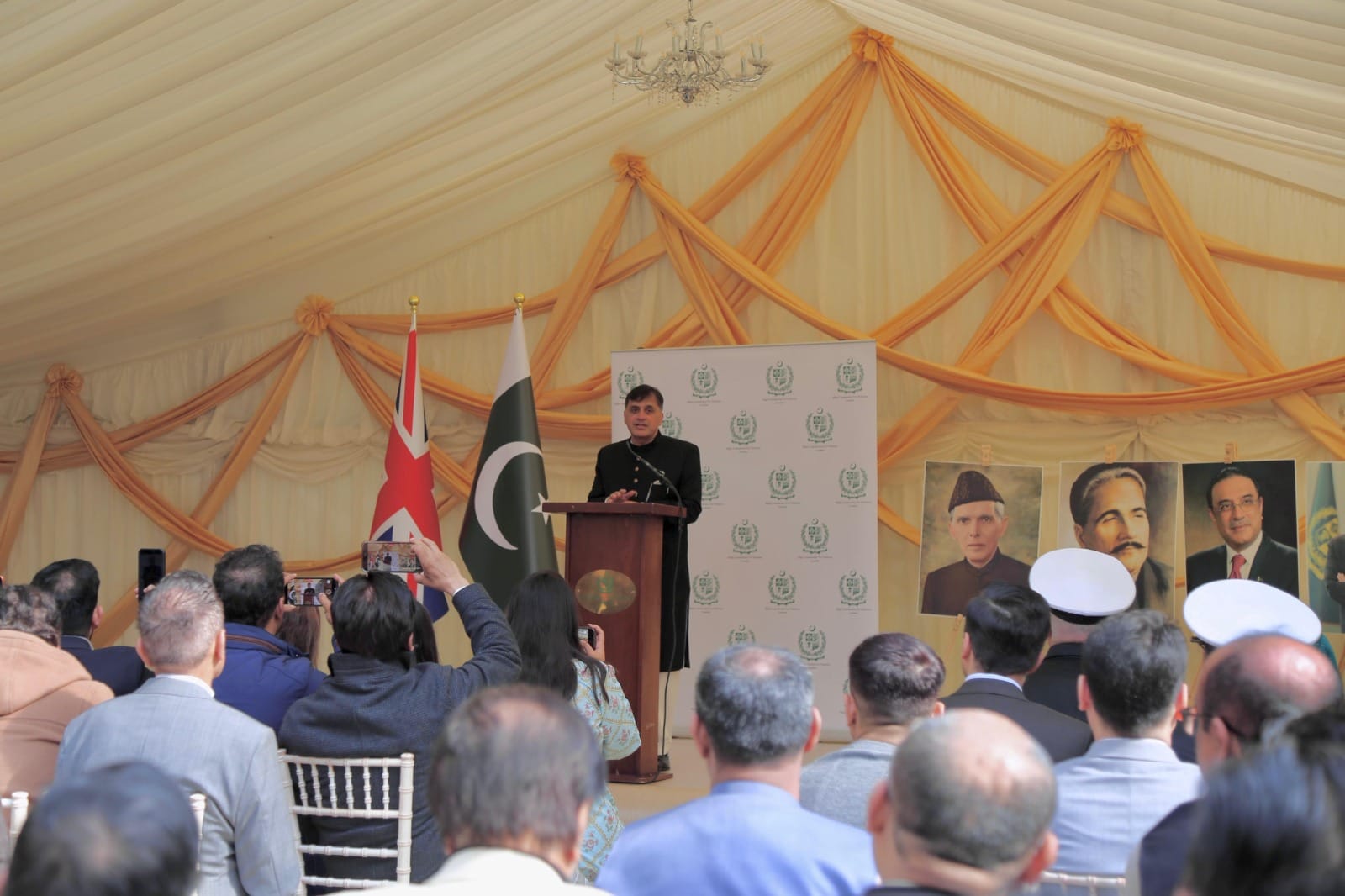
In his keynote address, the High Commissioner said that Pakistan Day was a tribute to our founding fathers who united the Muslims of Indian sub-continent where they could live independently as a Nation and live according to their customs & traditions.
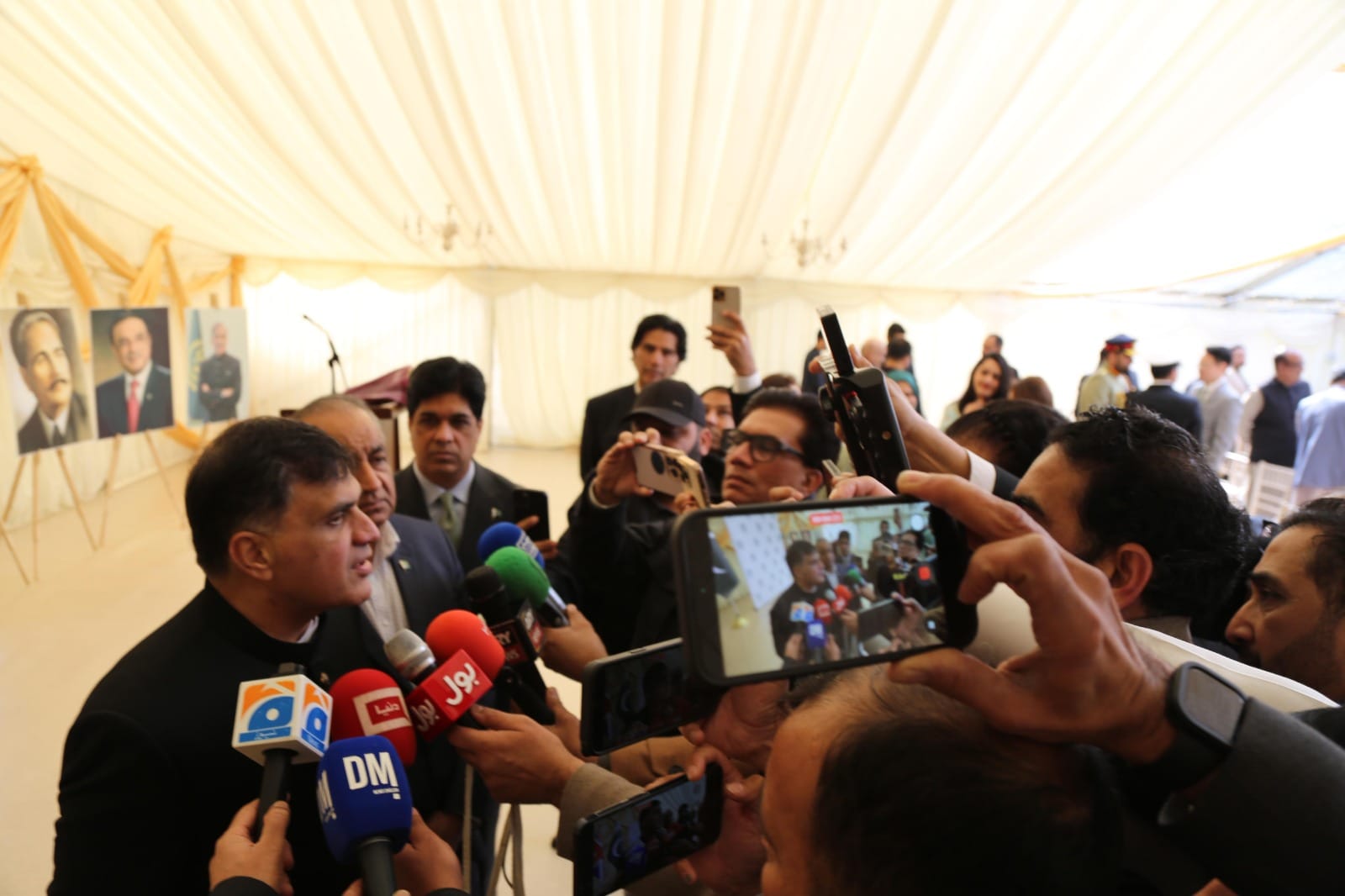
Dr. Faisal stated that Pakistan had always professed peace and stability in the region. However, Pakistan will not tolerate any aggression from neighbouring countries.
The High Commissioner said that Pakistani nation, despite the difficulties, remains resilient and demonstrates courage & perseverance.
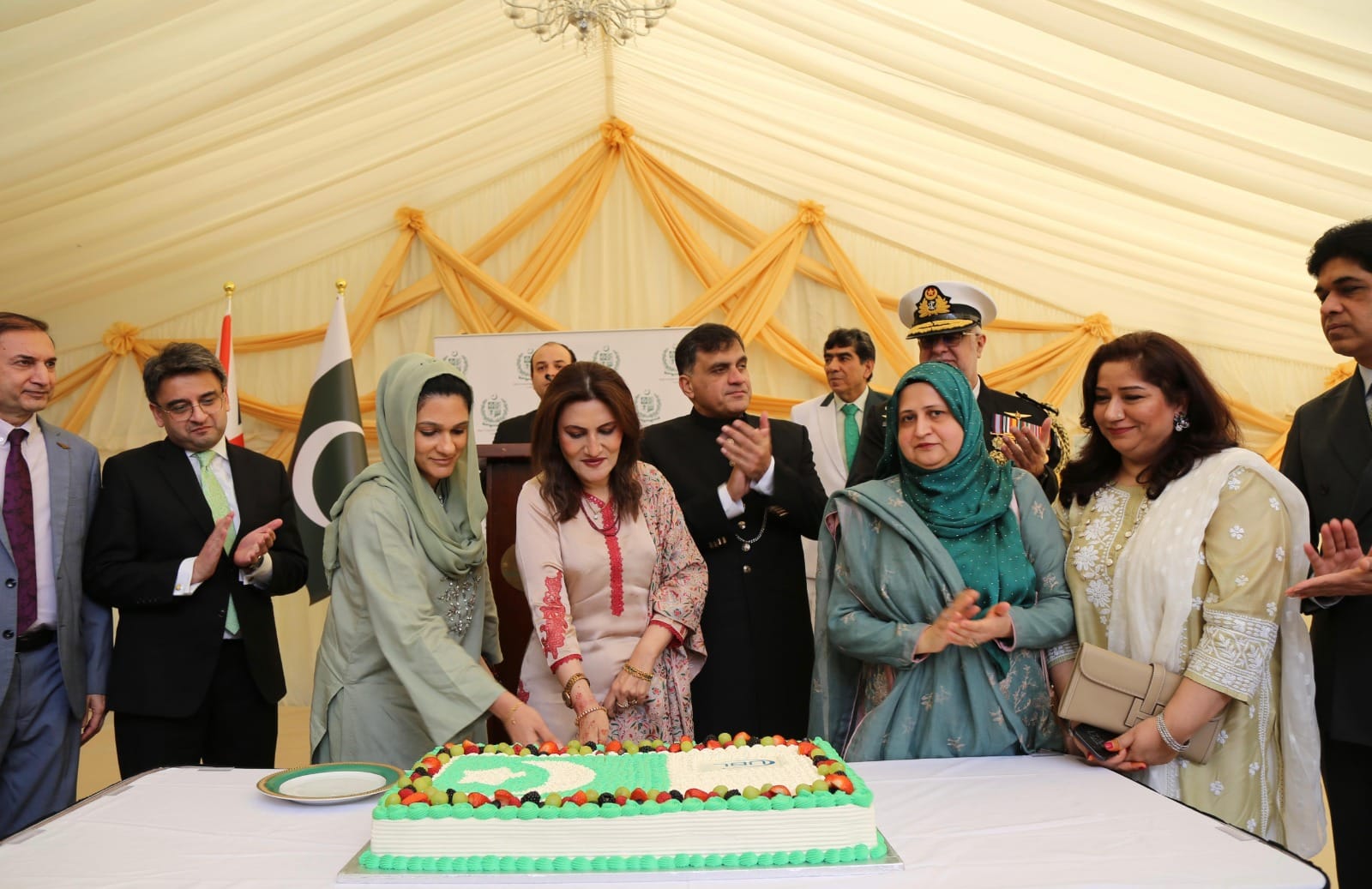
Dr. Mohammad Faisal stated that, in line with the instructions of the Prime Minister, the Deputy Prime Minister / Foreign Minister and the Federal Cabinet, Pakistan High Commission London is implementing strict austerity measures. However, these measures will not affect the performance & working of the High Commission.
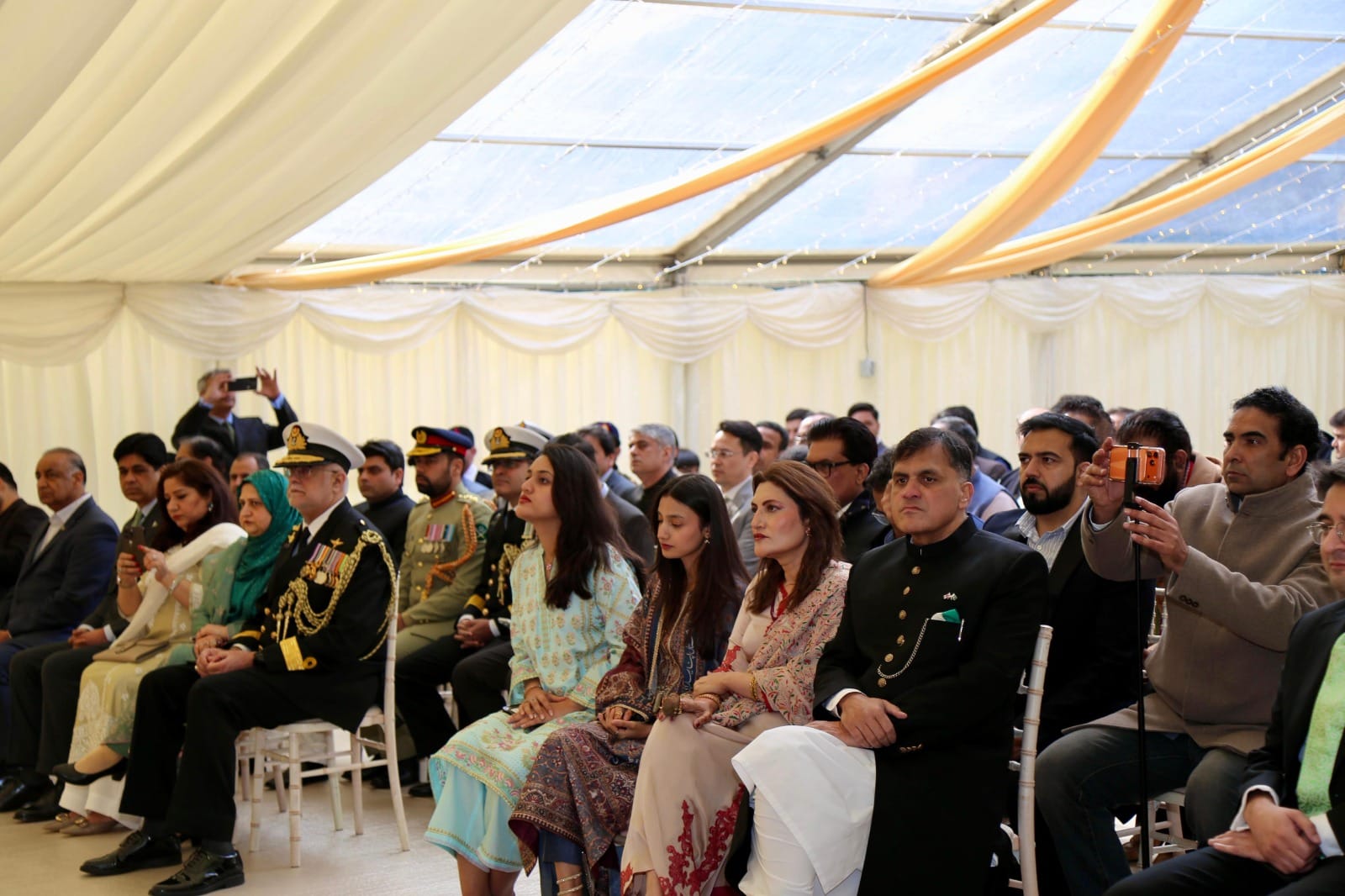
He acknowledged the remarkable contributions of Pakistani diaspora in UK and their extraordinary performance in various fields. He said that their achievements are a source of immense pride for Pakistan.
The High Commissioner expressed solidarity with the people of Indian Illegally Occupied Jammu and Kashmir and committed to continue diplomatic, moral and political support for their right to self determination under UN Resolutions.
London
23rd March, 2026


How the World Is Forced to Fund the Iran War

Scholars Urge UN to Protect Iran’s Scientific Sites Amid Airstrikes Global Academics Warn Attacks Threaten Research, Health, and Civilian Safety

How Iran Humiliated U.S. and Israeli Power


-

 Europe News1 year ago
Chaos and unproven theories surround Tates’ release from Romania
-

 American News1 year ago
Trump expands exemptions from Canada and Mexico tariffs
-

 American News1 year ago
Trump Expels Zelensky from the White House
-

 Pakistan News9 months ago
Comprehensive Analysis Report-The Faranian National Conference on Maritime Affairs-By Kashif Firaz Ahmed
-

 American News1 year ago
Zelensky bruised but upbeat after diplomatic whirlwind
-

 Art & Culture1 year ago
The Indian film showing the bride’s ‘humiliation’ in arranged marriage
-

 Art & Culture1 year ago
International Agriculture Exhibition held in Paris
-

 Pakistan News1 year ago
Can Pakistan be a Hard State?