
Pakistan News
Diaspora Dissent: Not for Sale


Paris (Imran Y. CHOUDHRY) :- Former Press Secretary to the President, Former Press Minister to the Embassy of Pakistan to France, Former MD, SRBC Mr. Qamar Bashir analysis : In an unprecedented wave of political activism, overseas Pakistanis—particularly staunch supporters of Pakistan Tehreek-e-Insaf (PTI) and Imran Khan—have mounted a global campaign of defiance against the current Pakistani regime. From London to New York, Toronto to Berlin, these protests have transcended symbolic gestures to become aggressive assertions of political will. The Pakistani diaspora has turned global cities into battlegrounds for democratic accountability, branding those allegedly involved in electoral manipulation as persona non grata.
These protests reflect deep-rooted disillusionment among overseas Pakistanis toward what they perceive as a civilian-military coup. The Form-45 regime, symbolizing electoral rigging, has become a rallying cry for expatriates who feel democracy has been hijacked. These protests have evolved into personal confrontations, with Pakistani officials—civilian and military alike—being heckled and humiliated abroad.
Overseas Pakistanis have effectively shrunk the world for those they hold responsible for undermining democracy. These individuals can no longer travel abroad in peace—they are harassed mid-flight, greeted at airports with derogatory slogans, and often followed to their hotels or residences. Even during public events, speakers perceived to be aligned with the alleged illegitimate regime are frequently interrupted, insulted, and publicly shamed.
In response, the government resorted to repressive measures. The relatives of vocal expatriate Pakistanis were reportedly detained and mistreated while the expatriates were made to listen via phone—an intimidation tactic designed to silence dissent. Passports and national identity cards of active overseas Pakistanis were suspended, barring them from returning home. Laws were swiftly enacted to curtail digital speech, with social media platforms blocked and internet speeds deliberately slowed during key protests.
These coercive actions were accompanied by an expansive state-led propaganda campaign. The Ministry of Information, effectively reduced to an auxiliary arm of the ISPR, was mobilized to downplay protests, suppress online dissent, and discredit critics. Despite these efforts, the resolve of the overseas Pakistani community remained unshaken. Rather than diminishing in strength, the protests gained momentum and international visibility.
Realizing that intimidation alone was failing, the state pivoted toward engagement. Delegations comprising serving and retired generals and senior diplomats were dispatched to diaspora hubs to appeal for support. These officials implored expatriates to differentiate between state institutions and individual actions, warning that criticism of the army was tantamount to treason. The government’s outreach primarily targeted embassy-affiliated individuals—those who maintain close ties with diplomats in return for favors and visibility. These individuals, often viewed with suspicion by the broader community, lack genuine grassroots legitimacy and are regarded as mouthpieces rather than representatives.
These select figures were later included in choreographed trips to Pakistan, where they were feted with VIP treatment and praised as “the lifeline of Pakistan.” These public relations exercises, orchestrated and funded by ISPR, were designed to create the illusion of overseas unity and support. Simultaneously, the government rolled out investment incentives, preferential immigration procedures, and tax breaks for expatriates—misguided attempts to purchase silence.
But this strategy ignored a fundamental truth: overseas Pakistanis are not fighting for personal gains. They are fighting for the soul of their nation. Their commitment stems from a deep emotional bond with their homeland and a belief in democratic values, human dignity, and national justice.
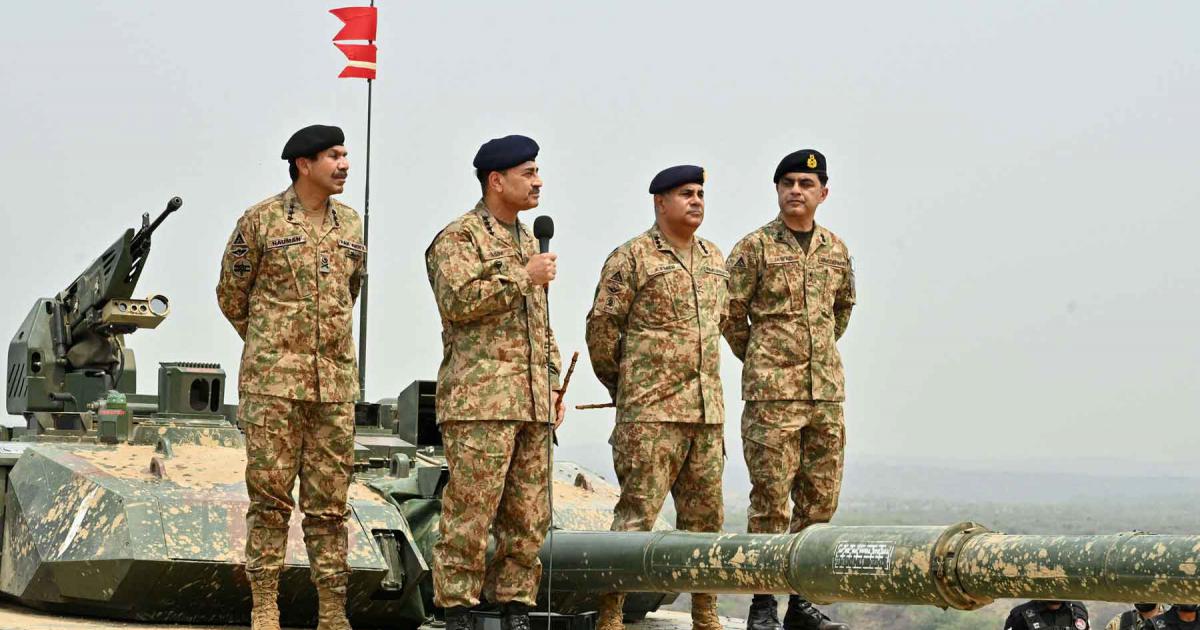
Their agitation against the army was fueled by the perception that the civilian government, judiciary, and parliament have been rendered powerless, acting only to bolster military dominance and implement the vision of General Syed Asim Munir. His leadership has come to symbolize the transformation of Pakistan into a “hard state”—a nation where dissent is not debated but disciplined.
General Asim Munir’s thinking pattern to deal with dissent follows a strict, militarized doctrine. He sees public demonstrations, political activism, and journalistic inquiry not as democratic exercises but as threats to national cohesion. His public statements reflect an unwavering commitment to rooting out what he describes as “internal enemies,” “foreign agents,” or “facilitators” of chaos. Whether dealing with Baloch separatists, the TTP, or dissenters on social media, his response framework remains rooted in control through surveillance, suppression, and force.
This worldview—conditioned by years of counterinsurgency and military strategy—is ill-suited for civilian governance. In his formulation, peace is imposed, not negotiated; order is enforced, not earned. In practice, this leads to silencing voices, curbing freedoms, and criminalizing criticism. Such a posture may be effective in battlefield logistics, but when applied to civilians, it risks alienating populations and undermining the very fabric of the nation.
This hardline approach overlooks the methods used by progressive and democratic nations to resolve internal conflict: dialogue, negotiation, institutional reform, and civic inclusion. When citizens are treated with respect and their voices are heard, peace prevails. But when fear becomes a tool of governance, nations suffer: capital and talent flee, innovation dries up, and cultural expression is stifled. Pakistan, unfortunately, is heading down that path.
This internal repression mirrors a broader national crisis. In Balochistan, enforced disappearances and heavy-handed military tactics have ignited a rebellion. Rather than addressing long-standing grievances, the state continues to respond with brute force. In Sindh, tensions over water rights have deepened provincial resentment, with no meaningful resolution in sight. Khyber Pakhtunkhwa is once again battling a surge in terrorism, while Punjab reels from rampant political victimization of PTI leaders, supporters, and even apolitical citizens.
The voice of the overseas Pakistani community is, therefore, not a disruption—it is an extension of this national cry for justice. Their message is consistent: without restoring electoral integrity, releasing political prisoners, and withdrawing military interference from civil governance, Pakistan will remain unstable both at home and abroad.
The solution lies not in suppression but in reform. The judiciary must be independent, political plurality must be safeguarded, and the media must be allowed to operate freely. Cosmetic PR campaigns cannot mask the truth, and the diaspora sees through them. Their activism is not for show; it is a principled stand for a democratic Pakistan.
No amount of choreographed visits, orchestrated praise, or economic incentives will pacify a politically awakened diaspora. The state has gravely misjudged their conviction. These Pakistanis abroad are not mere remittance-senders—they are informed, connected, and resolute agents of change.
The path forward requires a national reckoning. Real reform must replace propaganda. Justice must replace intimidation. Dialogue must replace threats. Until that transformation occurs, the voice of the overseas Pakistani community—amplified across borders and continents—will continue to grow louder. And that voice, forged in conviction and steeped in truth, cannot and will not be silenced.

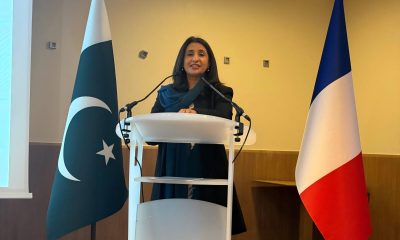



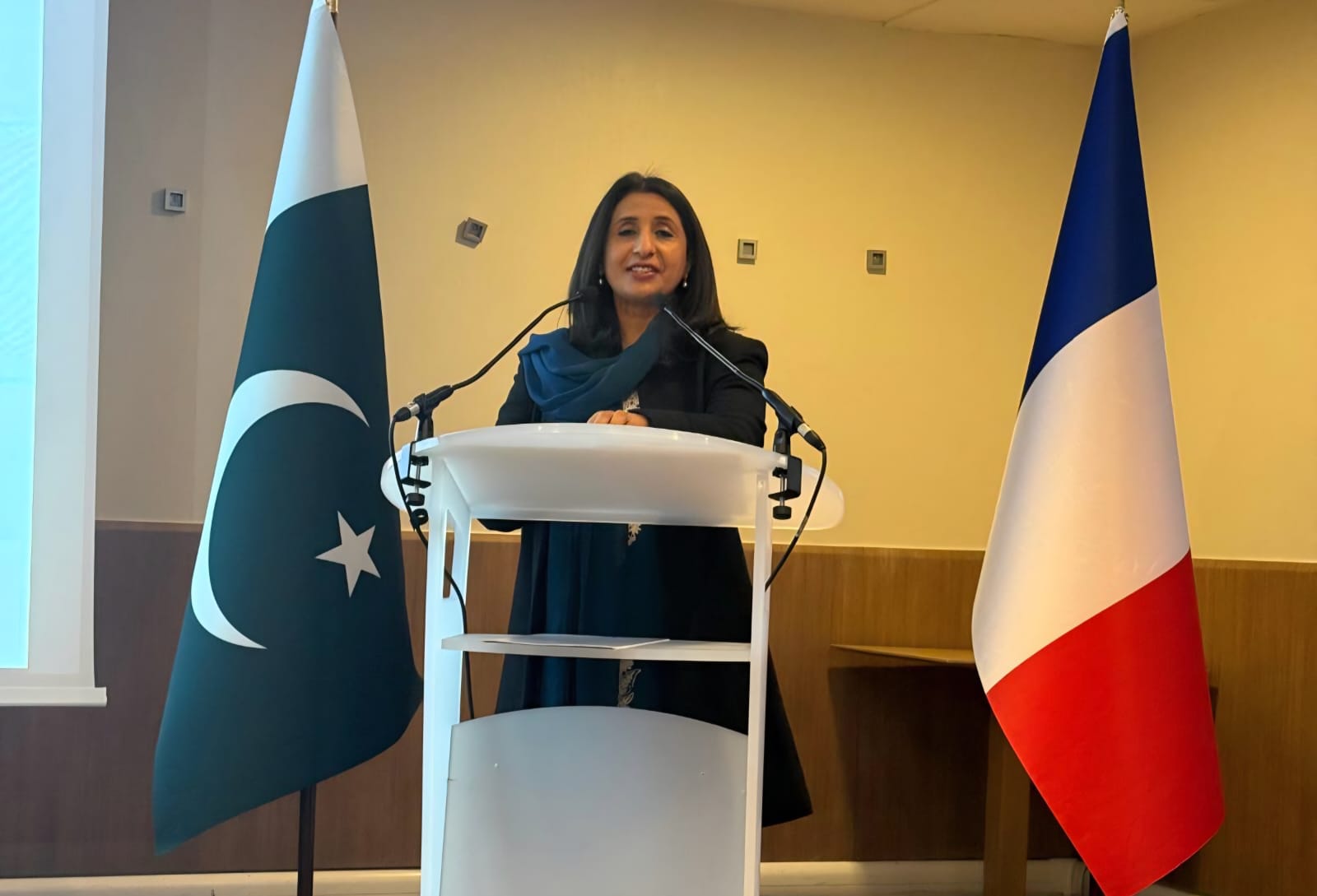
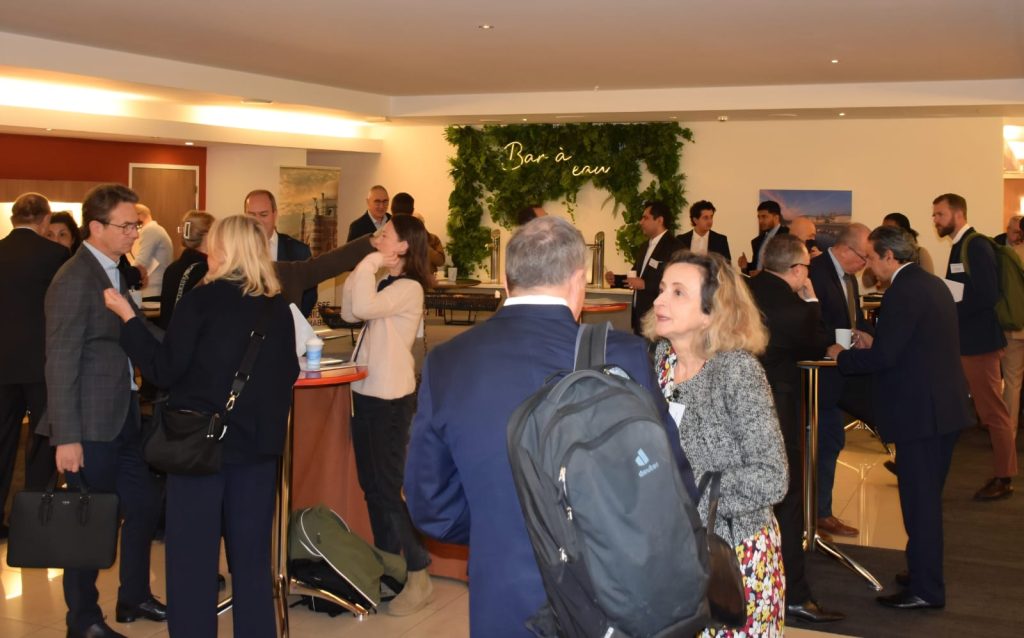
Paris ( Imran Y. CHOUDHRY):- A ‘Pakistan-France Trade and Investment Forum’ was held in Paris today, bringing together government officials, business leaders, industry experts and representatives of trade bodies of both countries.
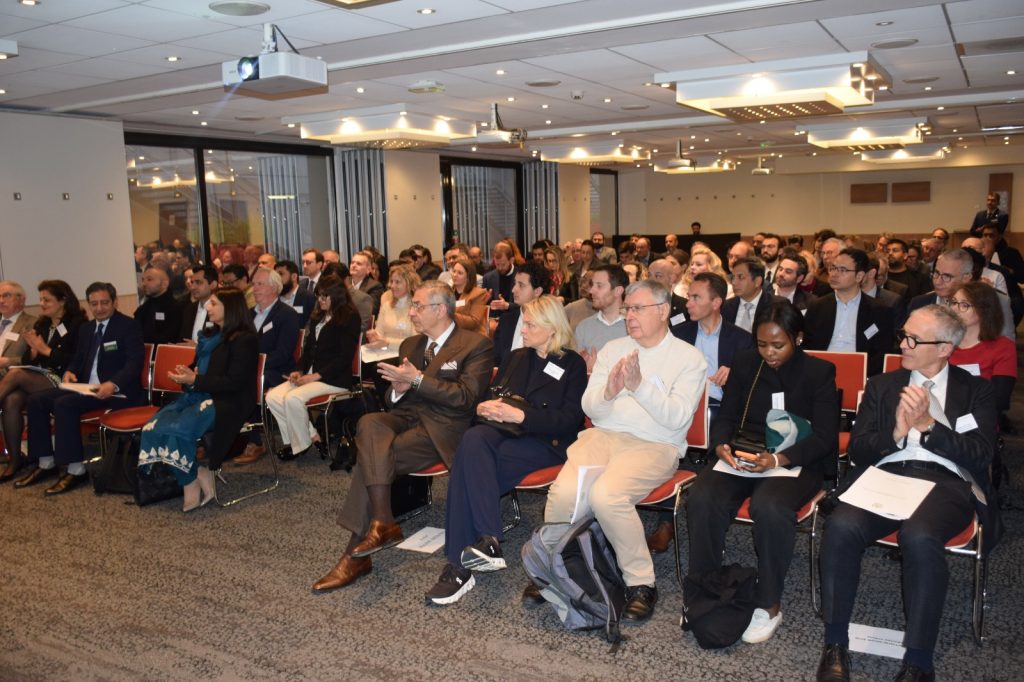
The Forum was held in implementation of an understanding reached between President Emmanuel Macron and Prime Minister Shehbaz Sharif in 2024, to build strong economic partnership between Pakistan and France. The objective of the Forum was to connect businesses, exchange ideas, explore new avenues of bilateral cooperation and showcase Pakistan’s trade and investment potential. It witnessed participation of over seventy French and Pakistani companies from diverse sectors including agriculture, information technology, textiles, energy and tourism.
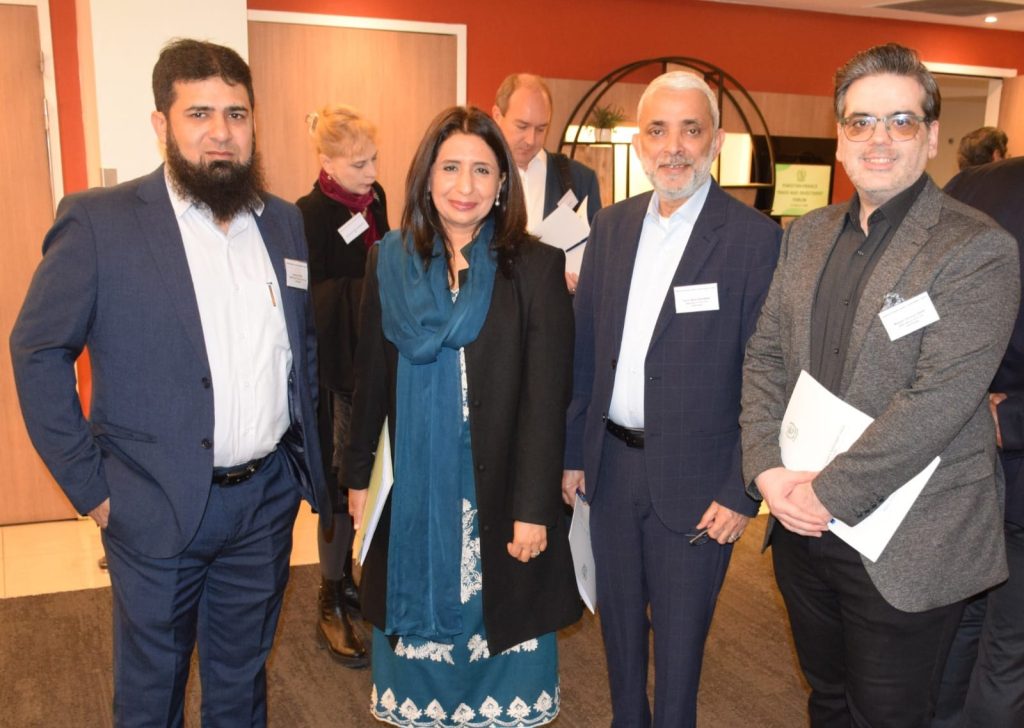
Ambassador Mumtaz Zahra Baloch opened the Business Forum and highlighted Pakistan’s economic growth and potential as an attractive trade partner for France. She outlined investor-focused initiatives and institutional facilitation mechanisms in Pakistan to promote trade and investment. She encouraged Pakistani and French businesses to explore collaborative opportunities, and develop joint ventures and win-win partnerships.
Speakers from the French side included Thierry Pflimlin, Chairman of the France-Pakistan Business Council at MEDEF International, Patricia Glasel, Vice President of the Conseillers du Commerce Extérieur de la France (CCEF) and Ardavan Amir-Aslani. They highlighted the growing momentum in France-Pakistan economic relations; identified the opportunities for trade and investment with Pakistan; and underscored the importance of strengthening private sector linkages to further facilitate bilateral trade and investment.
The plenary session was followed by ‘Breakout and Business-to-Business (B2B)’ sessions to discuss and identify tangible avenues for collaboration in textiles, agriculture and dairy, and Information Technology.
Pakistan News
Dr. Mohammad Faisal Joins Distinguished Quetta Association Event in London Gathering Reinforces Shared Military Heritage of Pakistan and Britain
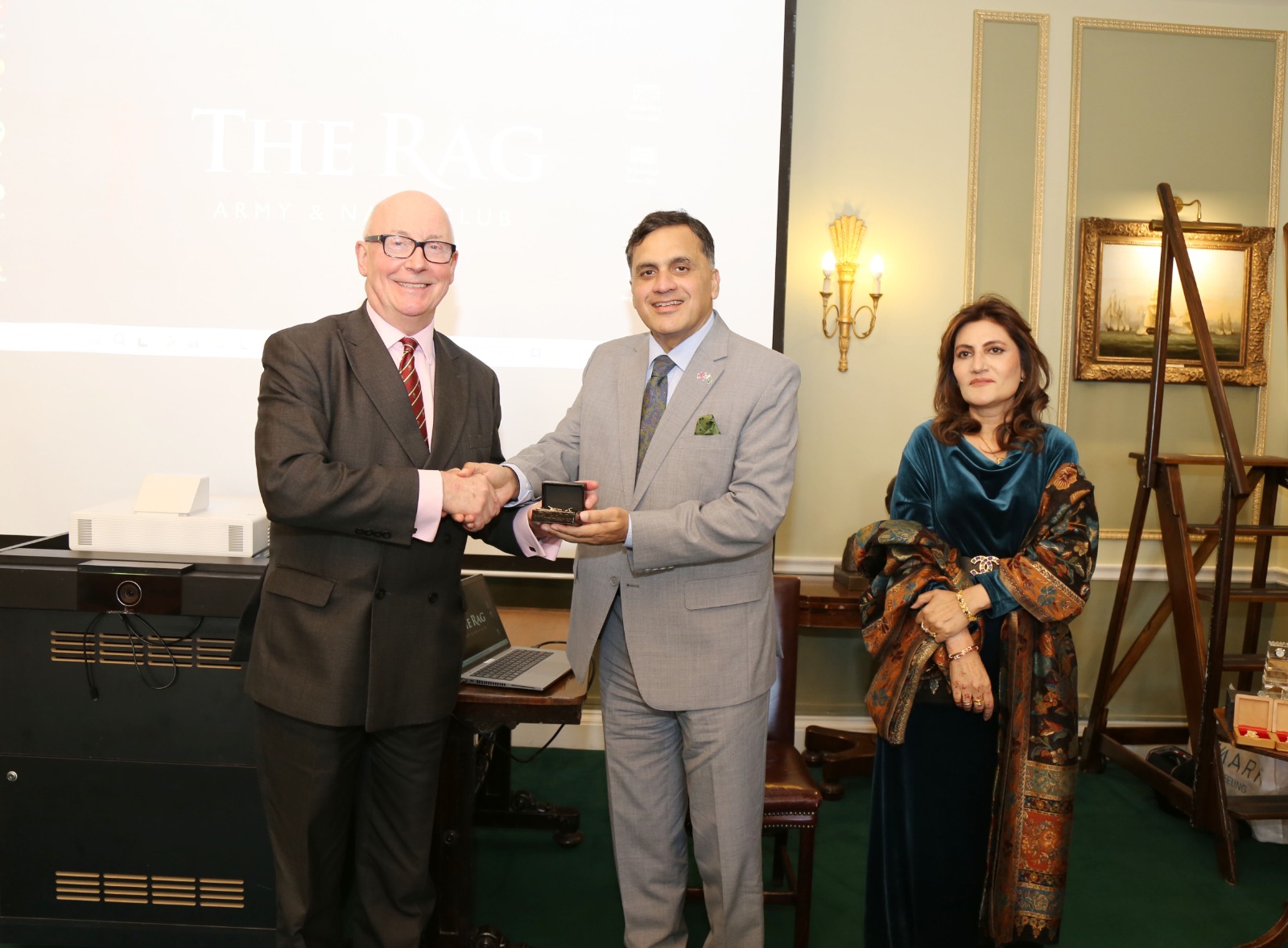
High Commissioner @DrMFaisal and his spouse @drsarahnaeem2 attended, as guests of honor, a distinguished gathering of the Quetta Association at the Army & Navy Club, London.
Military Officers from the Defence Wing of Pakistan High Commission, London, with their families also attended.
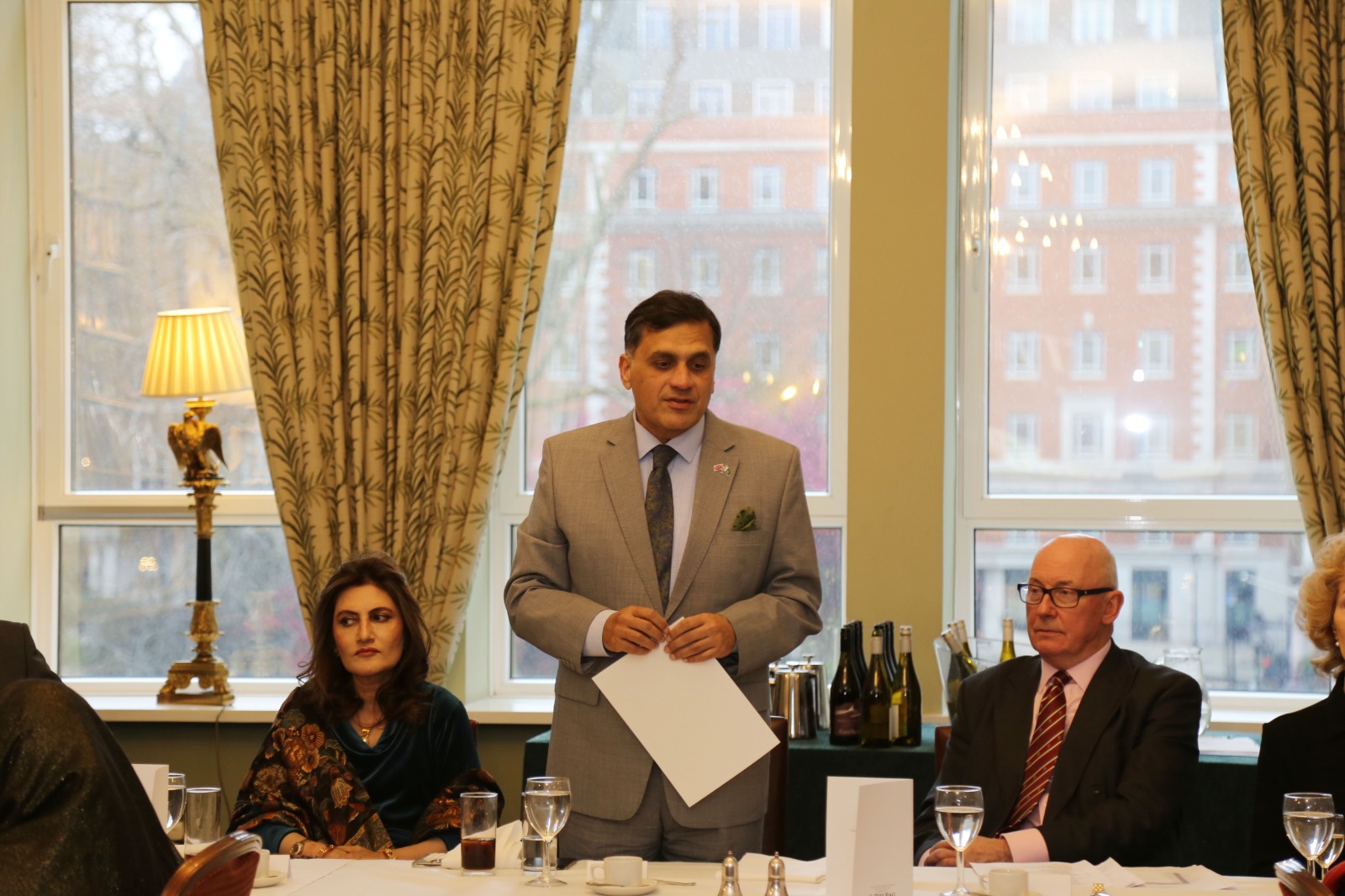
Quetta Association brings together British officers who graduated from the prestigious Command & Staff College, Quetta, Pakistan. The institution has produced outstanding military leaders, including British Field Marshals Sir Claude Auchinleck and Sir William Slim, whose leadership during the Second World War remains widely respected. Field Marshal Syed Asim Munir is also graduate of this prestigious institution.
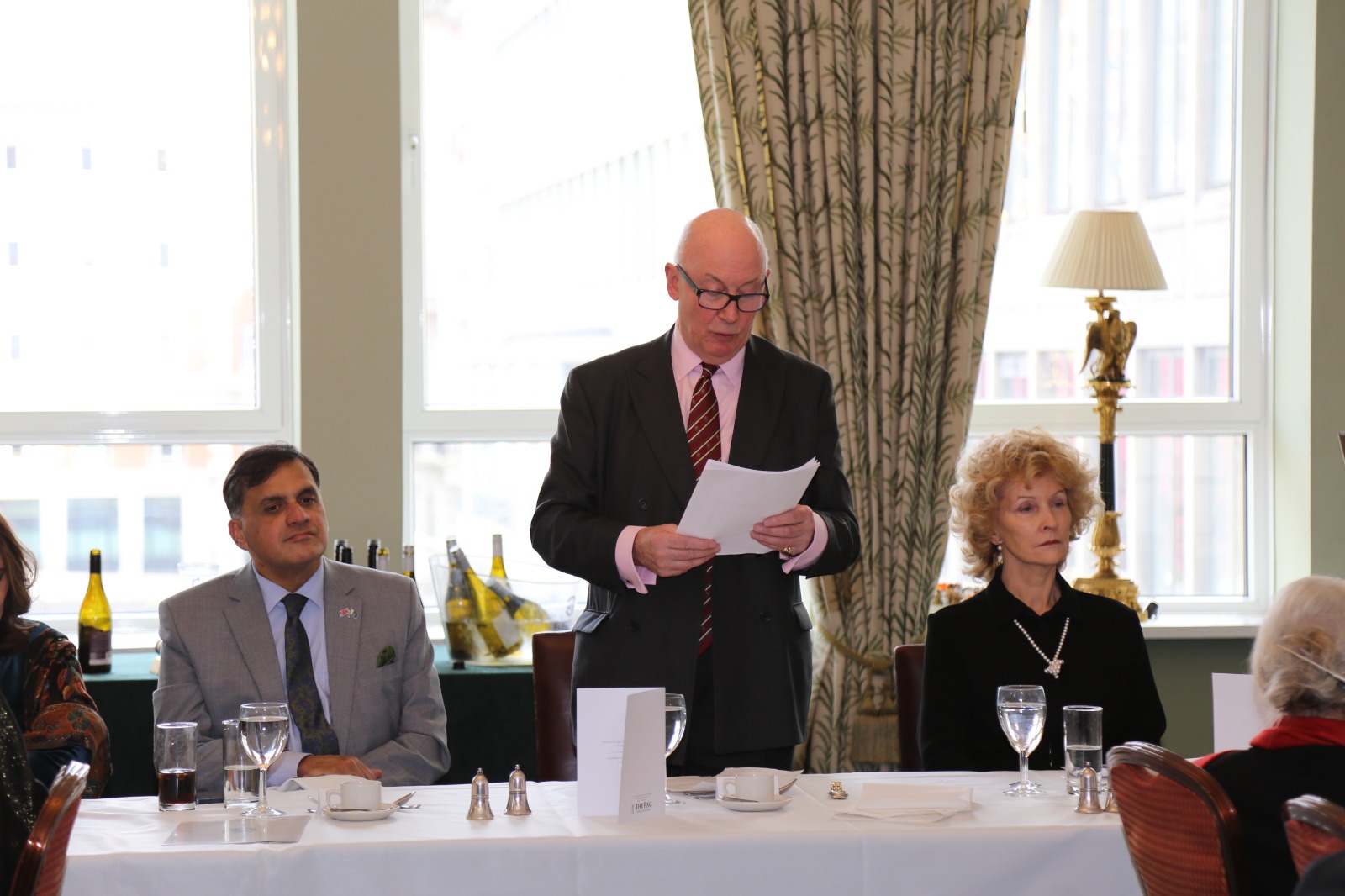
The High Commissioner appreciated the annual gathering that underscored the Association’s enduring role as a vital bridge linking the British Army and Pakistan Army through shared professional heritage and camaraderie.
Decorated British military officers and their families paid glowing tributes while referring to the hospitality accorded by Pakistan during their stay in Quetta.
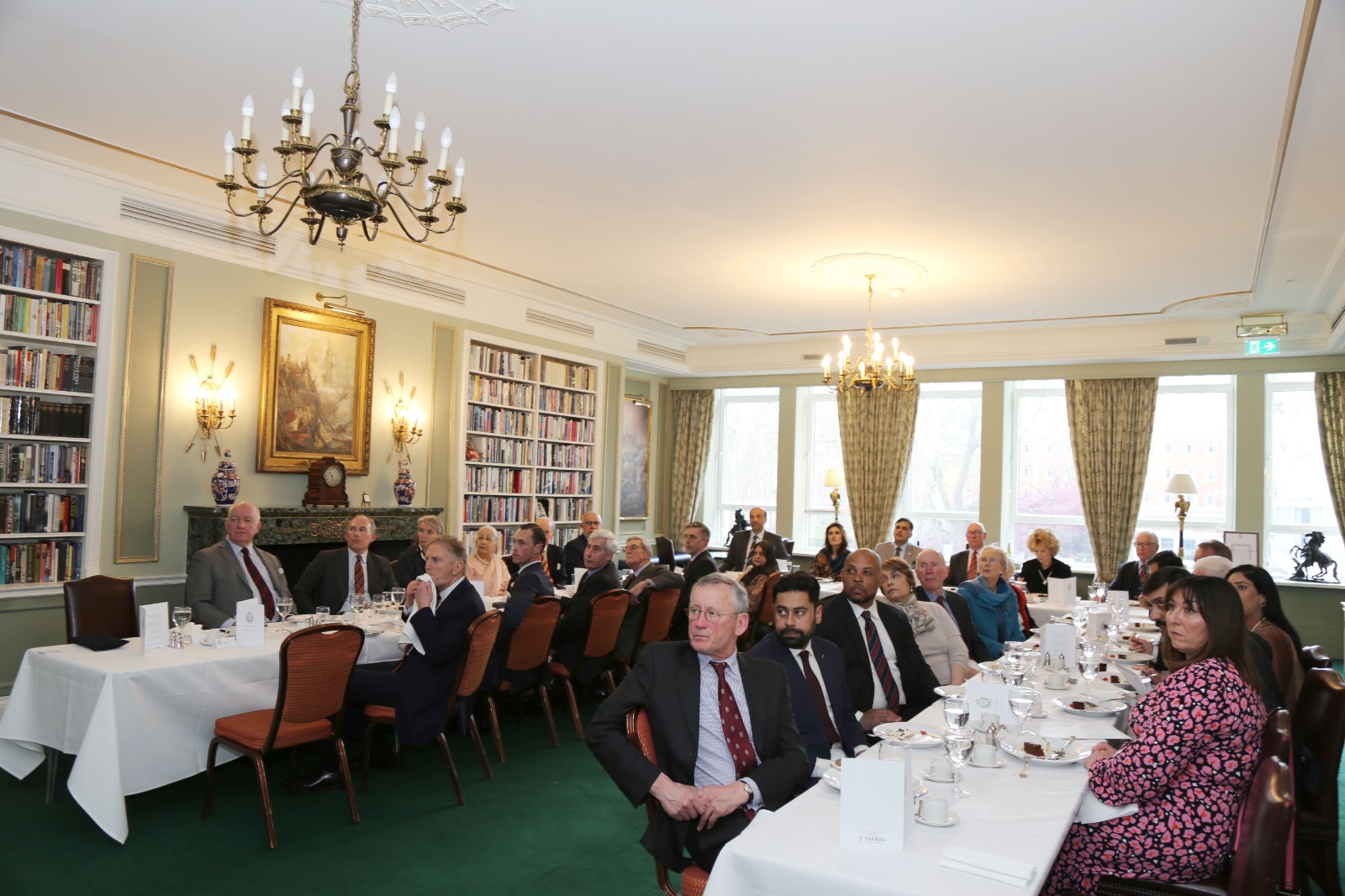
Graduate senior British Officers present at the gathering included Lt. Gen. Sir Alistair Irwin KCB CBE (1980) and Maj. Gen. Seumus Kerr CBE (1985).
Mementos were exchanged between the British officers and officers of @PakistaninUK.
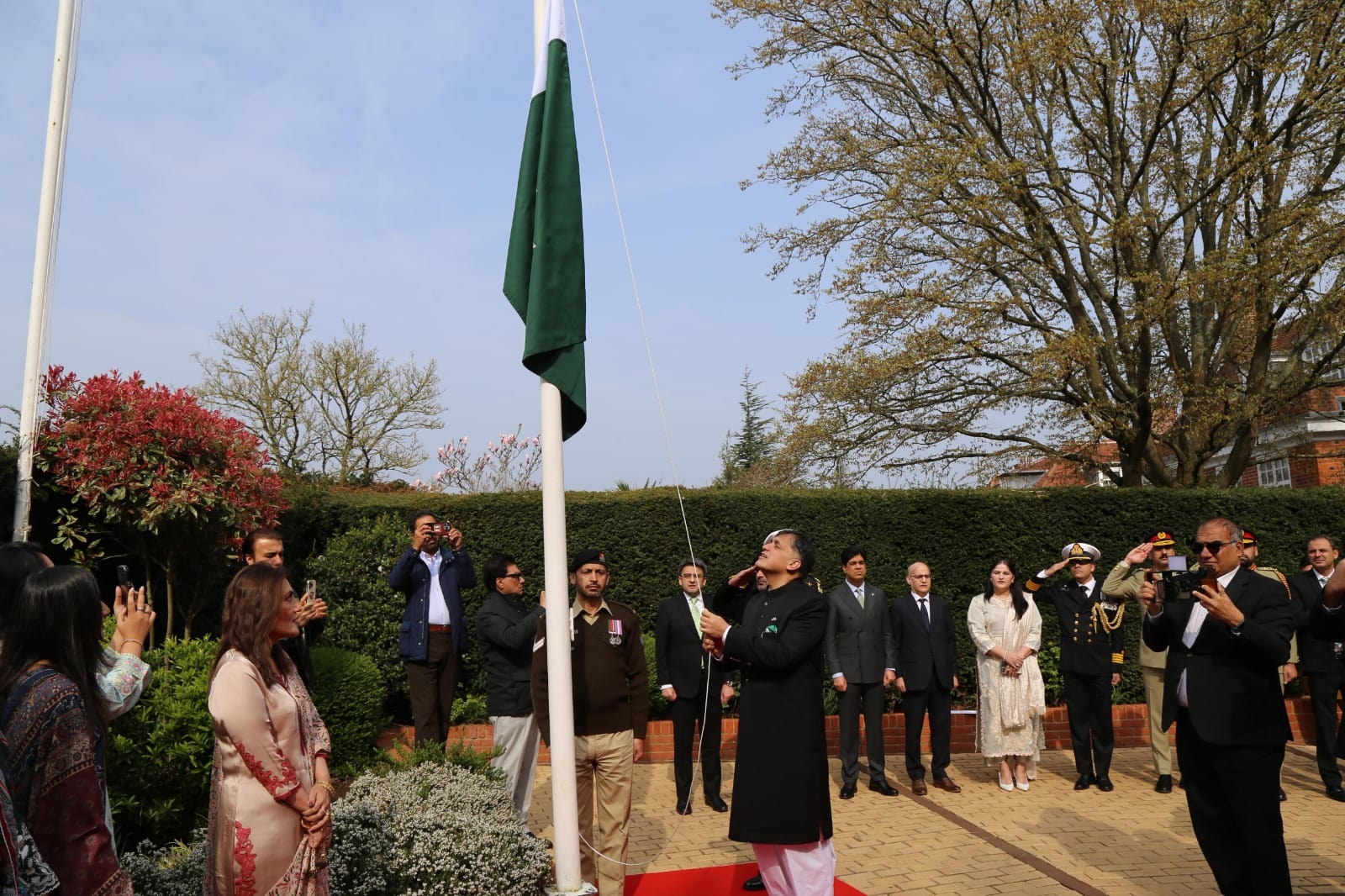
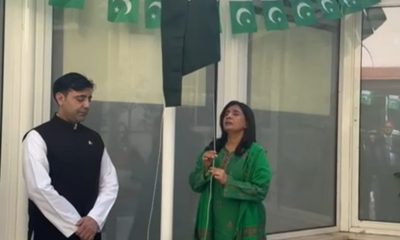
In a simple and dignified ceremony held at Pakistan House, London, the High Commissioner of Pakistan to UK Dr. Mohammad Faisal raised the Pakistan Flag on the occasion of Pakistan Day.
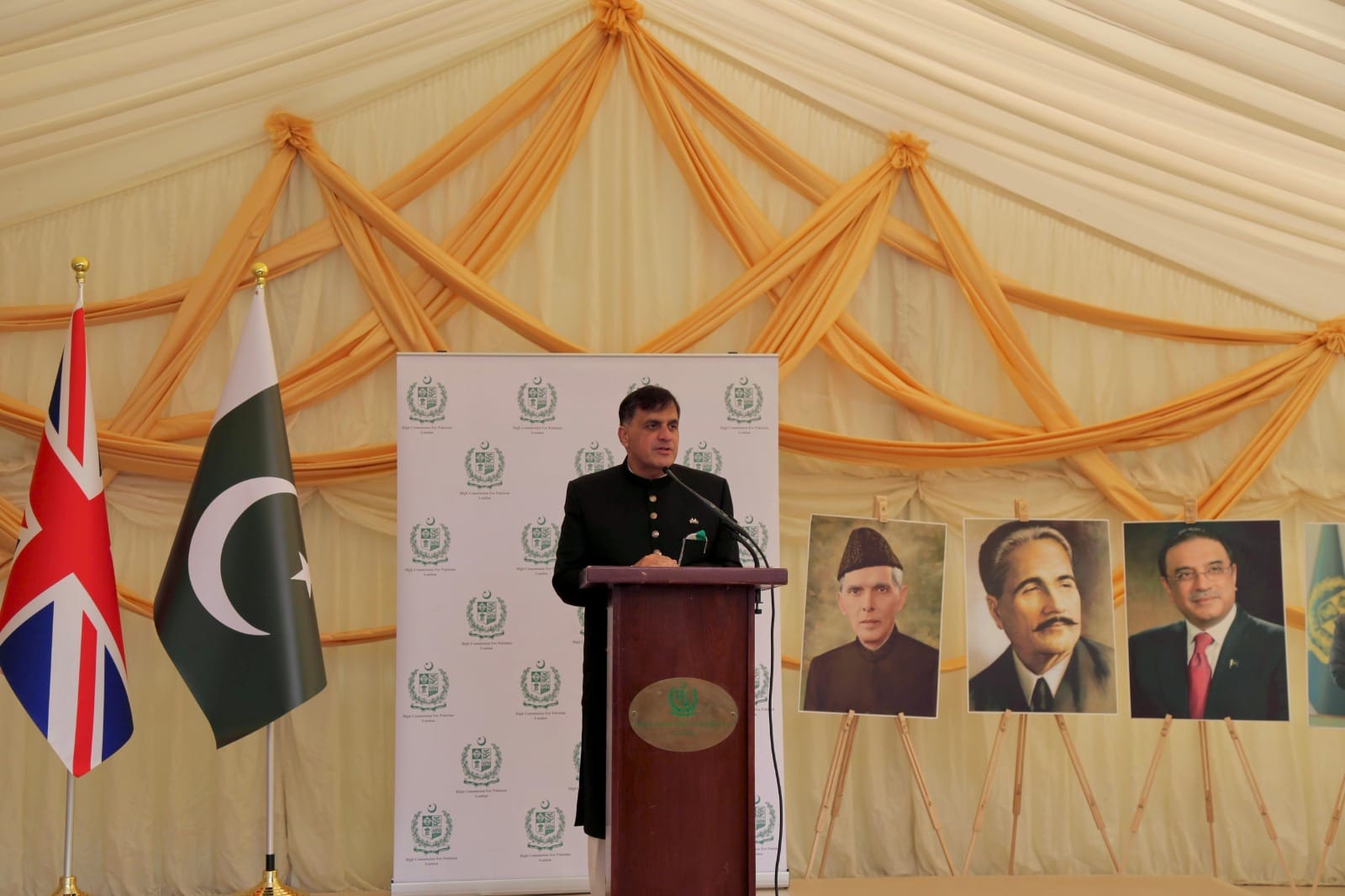
The ceremony was attended by Officials of the High Commission, British – Pakistanis and Media representatives.
Messages of the President, the Prime Minister and Deputy Prime Minister / Foreign Minister were read out.
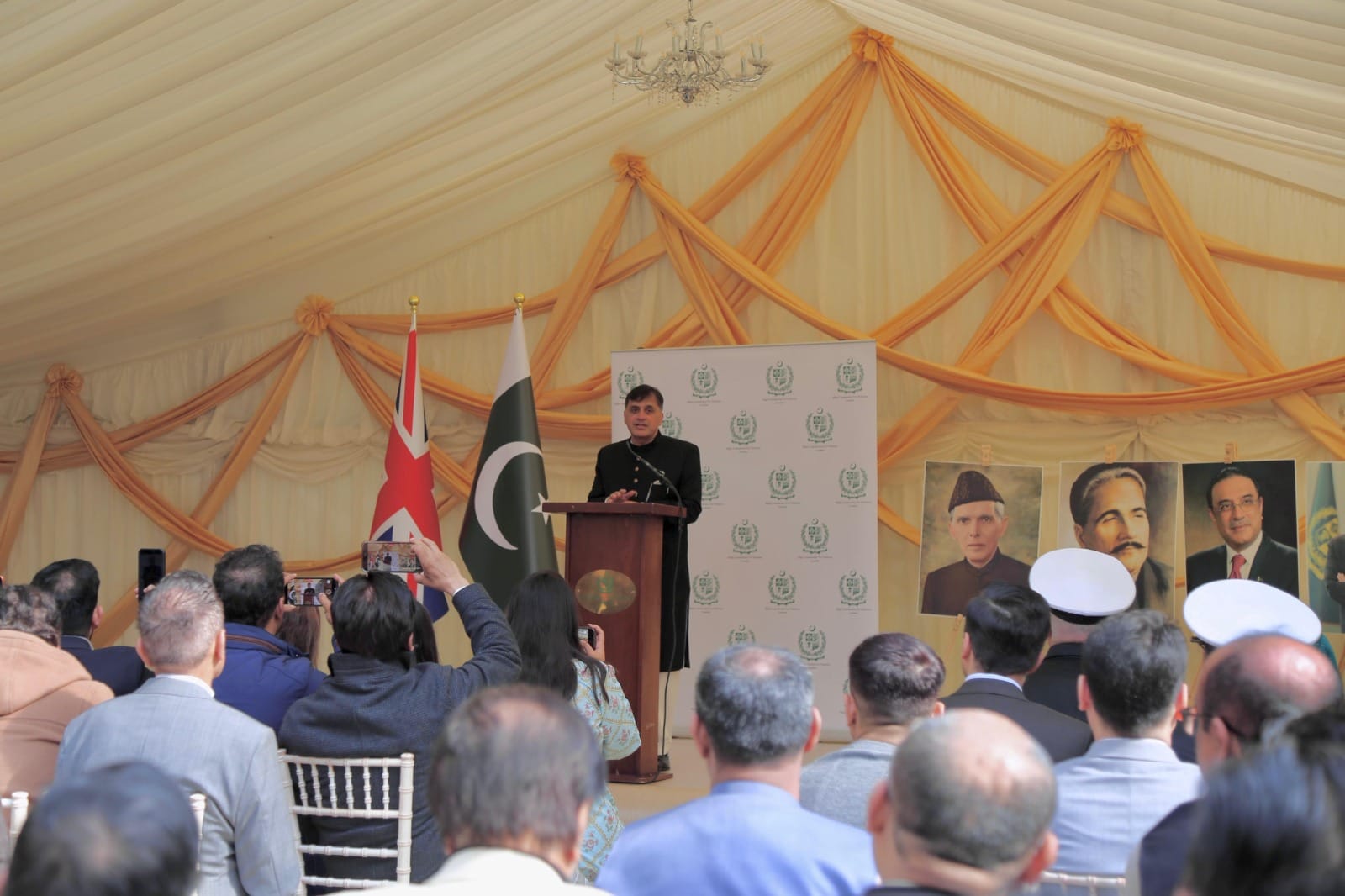
In his keynote address, the High Commissioner said that Pakistan Day was a tribute to our founding fathers who united the Muslims of Indian sub-continent where they could live independently as a Nation and live according to their customs & traditions.
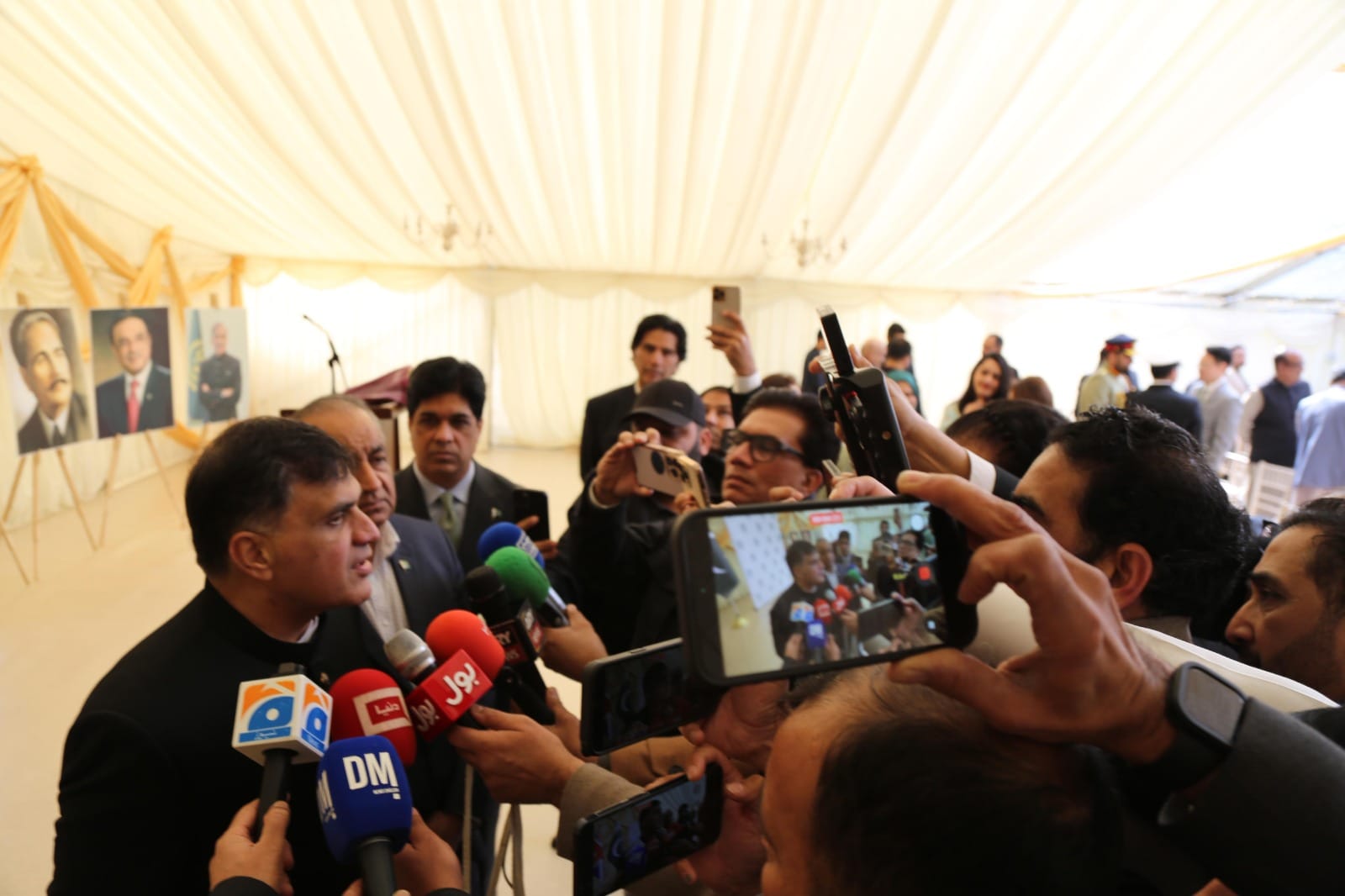
Dr. Faisal stated that Pakistan had always professed peace and stability in the region. However, Pakistan will not tolerate any aggression from neighbouring countries.
The High Commissioner said that Pakistani nation, despite the difficulties, remains resilient and demonstrates courage & perseverance.
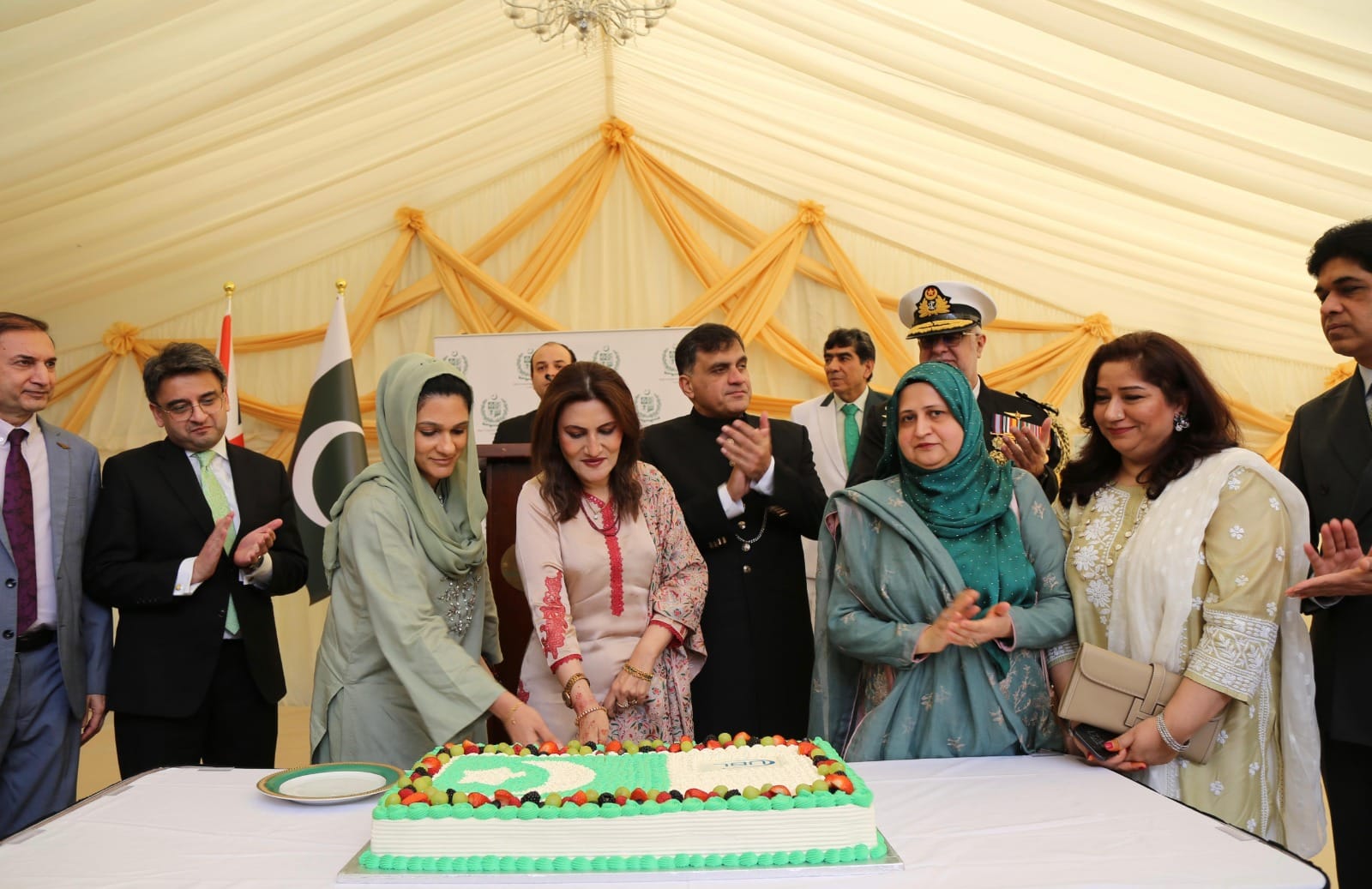
Dr. Mohammad Faisal stated that, in line with the instructions of the Prime Minister, the Deputy Prime Minister / Foreign Minister and the Federal Cabinet, Pakistan High Commission London is implementing strict austerity measures. However, these measures will not affect the performance & working of the High Commission.
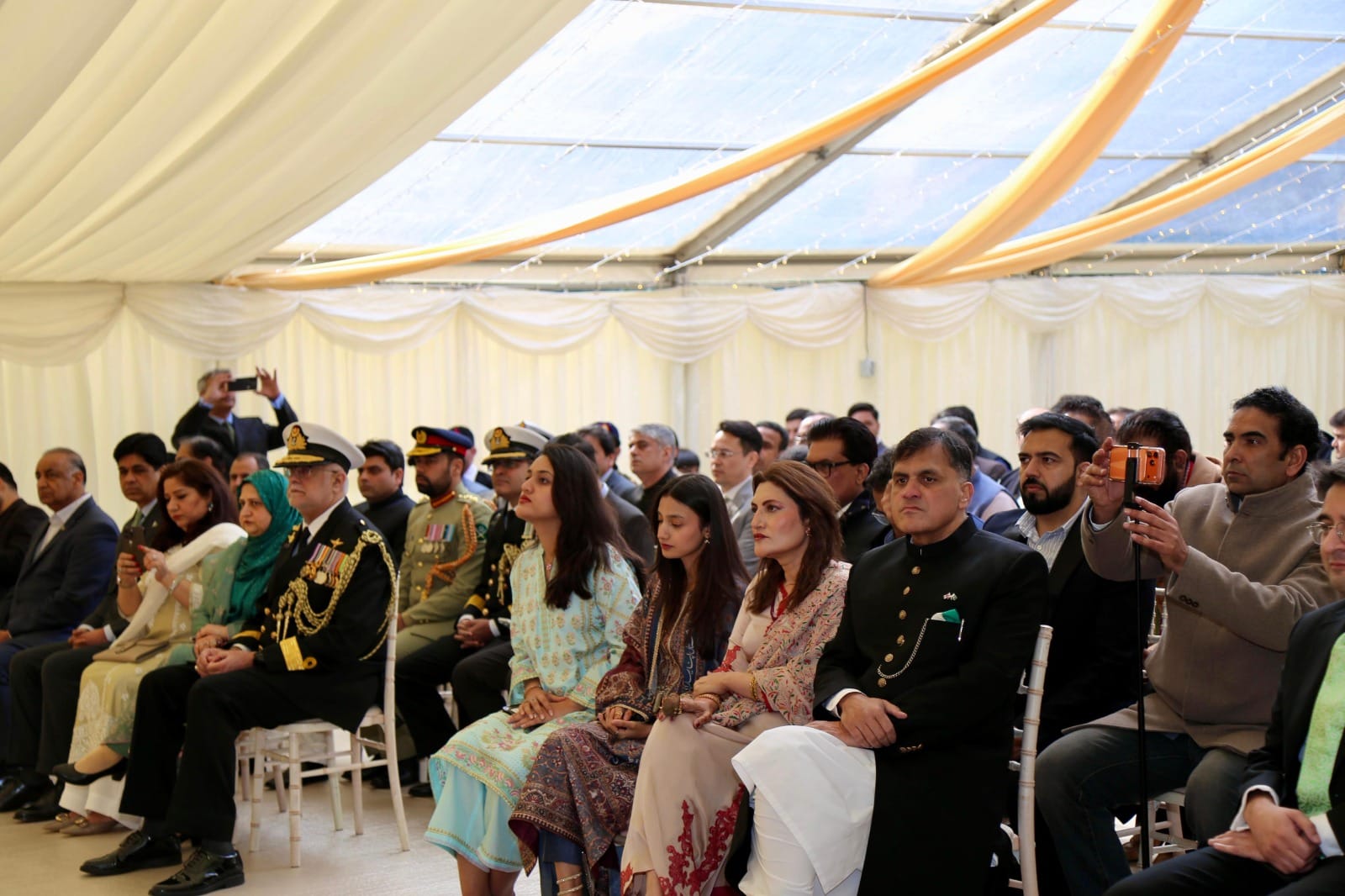
He acknowledged the remarkable contributions of Pakistani diaspora in UK and their extraordinary performance in various fields. He said that their achievements are a source of immense pride for Pakistan.
The High Commissioner expressed solidarity with the people of Indian Illegally Occupied Jammu and Kashmir and committed to continue diplomatic, moral and political support for their right to self determination under UN Resolutions.
London
23rd March, 2026


How the World Is Forced to Fund the Iran War

Scholars Urge UN to Protect Iran’s Scientific Sites Amid Airstrikes Global Academics Warn Attacks Threaten Research, Health, and Civilian Safety

How Iran Humiliated U.S. and Israeli Power


-

 Europe News1 year ago
Chaos and unproven theories surround Tates’ release from Romania
-

 American News1 year ago
Trump expands exemptions from Canada and Mexico tariffs
-

 American News1 year ago
Trump Expels Zelensky from the White House
-

 Pakistan News9 months ago
Comprehensive Analysis Report-The Faranian National Conference on Maritime Affairs-By Kashif Firaz Ahmed
-

 American News1 year ago
Zelensky bruised but upbeat after diplomatic whirlwind
-

 Art & Culture1 year ago
The Indian film showing the bride’s ‘humiliation’ in arranged marriage
-

 Art & Culture1 year ago
International Agriculture Exhibition held in Paris
-

 Pakistan News1 year ago
Can Pakistan be a Hard State?