
Pakistan News
Balochistan govt warns BNP-M to limit march to Quetta’s Sariab Road or face legal action


Balochistan government spokesperson Shahid Rind on Saturday offered the Balochistan National Party-Mengal (BNP-M) to march till Quetta’s Shahwani Stadium on Sariab Road and warned the party of action if the city’s Red Zone is breached.
The BNP-M had announced a “long march” from Wadh to Quetta last Friday to protest against the arrests of Baloch Yakjehti Committee (BYC) leaders and activists, including Dr Mahrang Baloch and Sammi Deen Baloch, as well as the police crackdown on their sit-in in Quetta. Sammi was released on Tuesday.
The BNP-M sit-in has entered its ninth day today. On Thursday in Mastung, party chief Sardar Akhtar Mengal announced three demands during its protest against the recent arrests of rights activists. Mengal stated the demands: “Either release all prisoners of the BYC, including women, or then let us march on to Quetta, where we can hold a peaceful sit-in there. Or then arrest us.
Rind, while addressing a press conference in Quetta, said: “The provincial government held a dialogue and proposed that BNP-M will be allowed till Shawani Stadium [on] Sariab Road, but they did not agree and wanted to hold the demonstration in the Red Zone. However, the government will not accept that.”
He added that peaceful protest is a right, but the specifics of where and for how long the protest will be held are for the district administration to determine.
“They have announced bringing the march to Quetta, and they should know that Section 144 has already been declared, and if it will be violated, then the law will take its course,” Rind continued.
While answering a question regarding how the government would enforce its decision, he responded: “No permission will be given to hold the Red Zone and government functionaries hostage.”
He also claimed that the platform of a registered political party was used for anti-state speeches in reference to the BNP-M, adding that appropriate legal action has been initiated.
“On the remarks made against the Balochistan government by [Akhtar] Mengal yesterday, the government reserves the right and capacity to respond but Balochistan Chief Minister Sarfraz Bugti had directed from day one that no such remarks should be made that would derail this political process, and hence this is not the moment to respond,” Rind said.
On the topic of negotiations with the BNP-M, he added that two rounds of negotiations have taken place with the party, and apart from them, the Balochistan CM has talked to Dr Abdul Malik Baloch, Jamiat Ulema-i-Islam-Fazl and the Balochistan Awami Party and developed a political consensus.
“[Akhtar] Mengal claimed that the negotiation committee was without authority, so they were given authority, and they [BNP] had three demands that were the release of Mahrang and BYC leadership and our stance was clear that if courts provide relief, the government would not object,” Rind stated.
https://www.dawn.com/news/card/1901966
On Thursday, Mengal said the government’s delegation had asked for more time for consultation after the second round of talks. “The deadlock persists despite two more days being sought for consultation, which ends tonight.”
He added: “If all prisoners, including women, are not released, we will march towards Quetta.”
BNP-M central leader and former senator Sanaullah Baloch had told Dawn.com that all national highways were closed due to government incompetence.
“The BNP has held its sit-in on one side of the Mastung National Highway. However, the government has closed all major and minor highways leading to Quetta, including the Lakpass Tunnel, Mastung, and Kolpur.
Quetta’s land connection with 12 other districts in Balochistan has been cut off for the past nine days due to the closure of highways, including the Quetta-Karachi National Highway, as the administration has dug ditches on Lakpass and the surrounding highways.
Taken From Dawn News

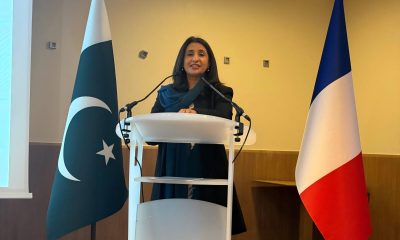



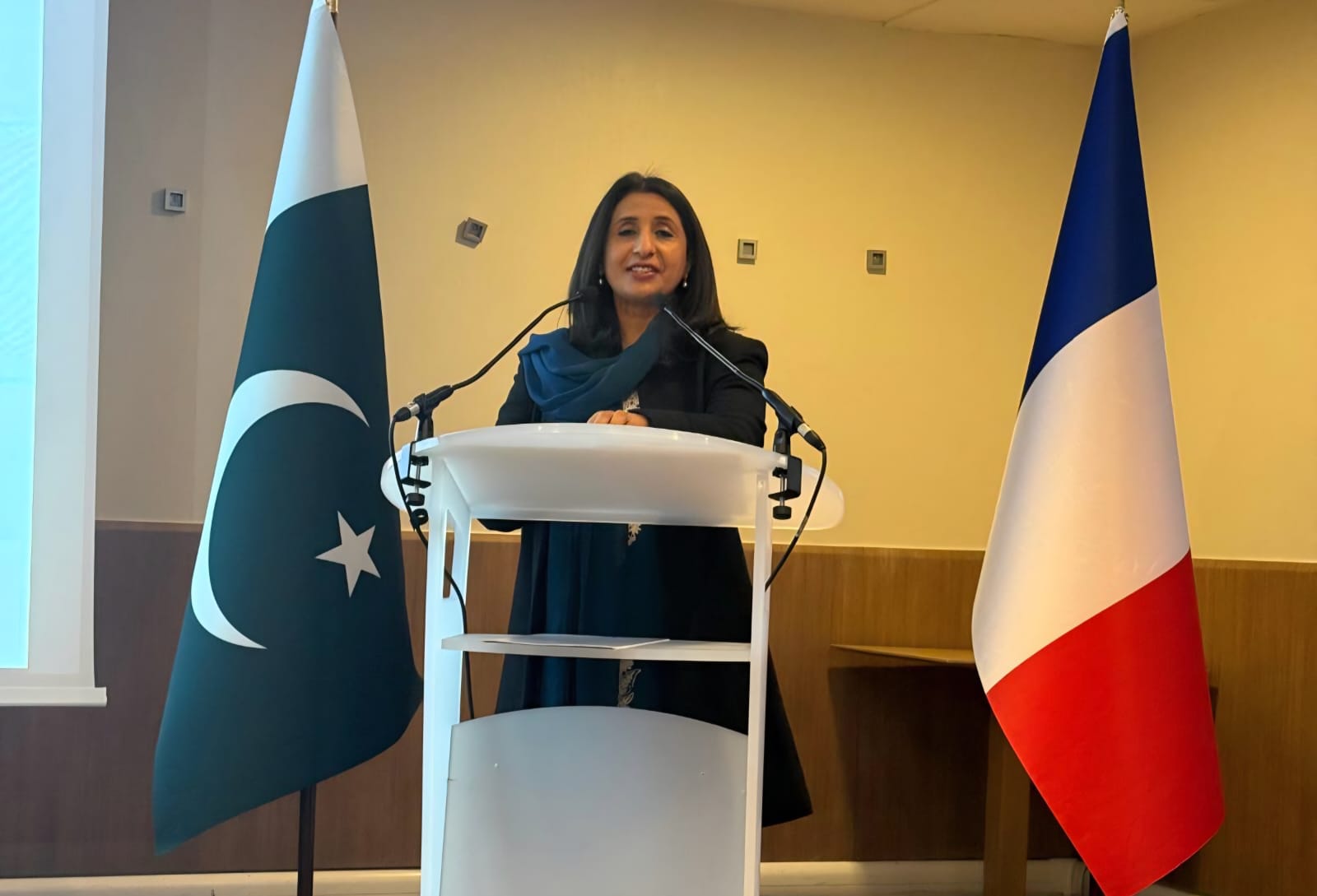
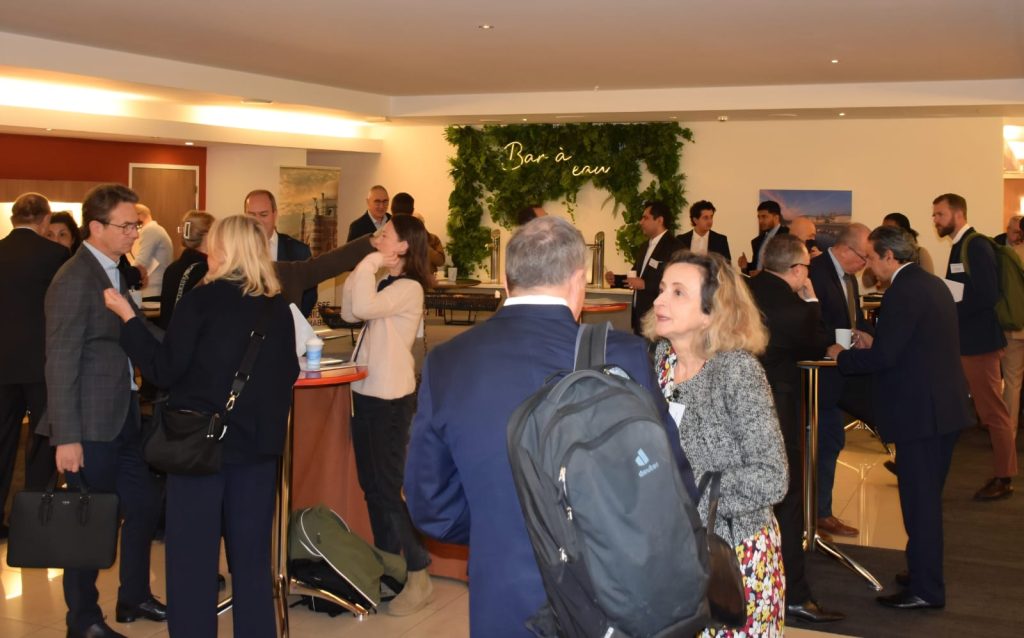
Paris ( Imran Y. CHOUDHRY):- A ‘Pakistan-France Trade and Investment Forum’ was held in Paris today, bringing together government officials, business leaders, industry experts and representatives of trade bodies of both countries.
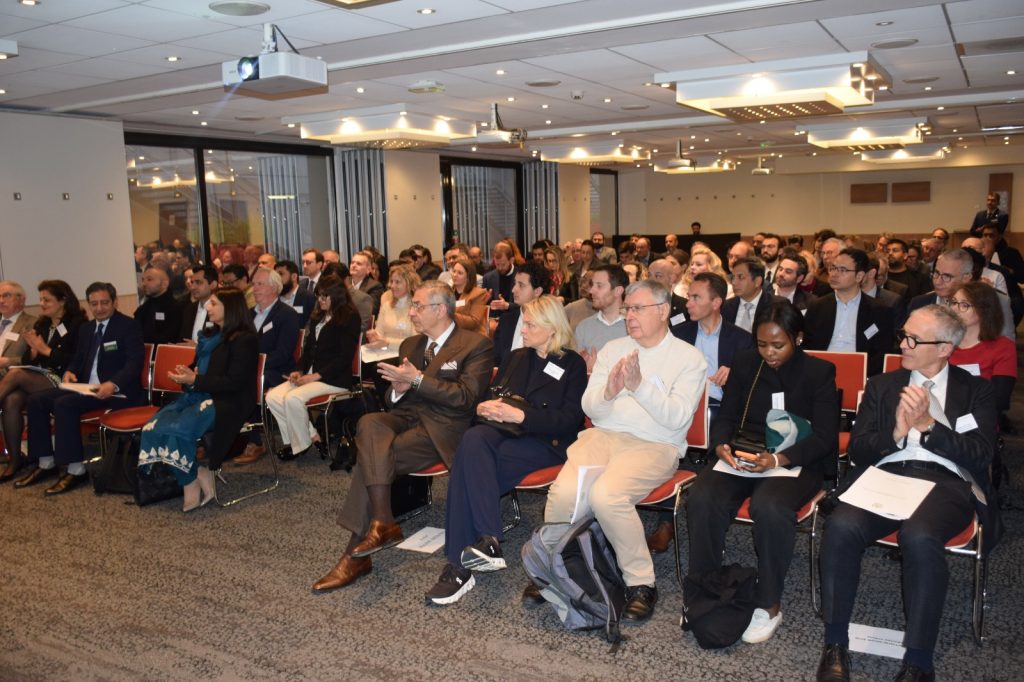
The Forum was held in implementation of an understanding reached between President Emmanuel Macron and Prime Minister Shehbaz Sharif in 2024, to build strong economic partnership between Pakistan and France. The objective of the Forum was to connect businesses, exchange ideas, explore new avenues of bilateral cooperation and showcase Pakistan’s trade and investment potential. It witnessed participation of over seventy French and Pakistani companies from diverse sectors including agriculture, information technology, textiles, energy and tourism.
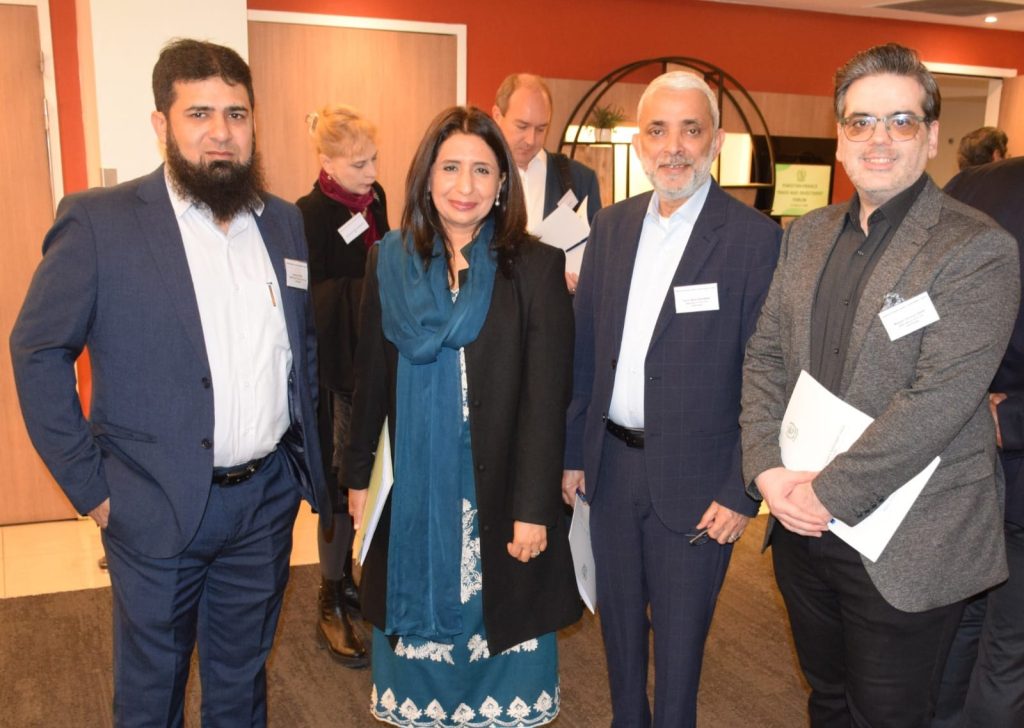
Ambassador Mumtaz Zahra Baloch opened the Business Forum and highlighted Pakistan’s economic growth and potential as an attractive trade partner for France. She outlined investor-focused initiatives and institutional facilitation mechanisms in Pakistan to promote trade and investment. She encouraged Pakistani and French businesses to explore collaborative opportunities, and develop joint ventures and win-win partnerships.
Speakers from the French side included Thierry Pflimlin, Chairman of the France-Pakistan Business Council at MEDEF International, Patricia Glasel, Vice President of the Conseillers du Commerce Extérieur de la France (CCEF) and Ardavan Amir-Aslani. They highlighted the growing momentum in France-Pakistan economic relations; identified the opportunities for trade and investment with Pakistan; and underscored the importance of strengthening private sector linkages to further facilitate bilateral trade and investment.
The plenary session was followed by ‘Breakout and Business-to-Business (B2B)’ sessions to discuss and identify tangible avenues for collaboration in textiles, agriculture and dairy, and Information Technology.
Pakistan News
Dr. Mohammad Faisal Joins Distinguished Quetta Association Event in London Gathering Reinforces Shared Military Heritage of Pakistan and Britain
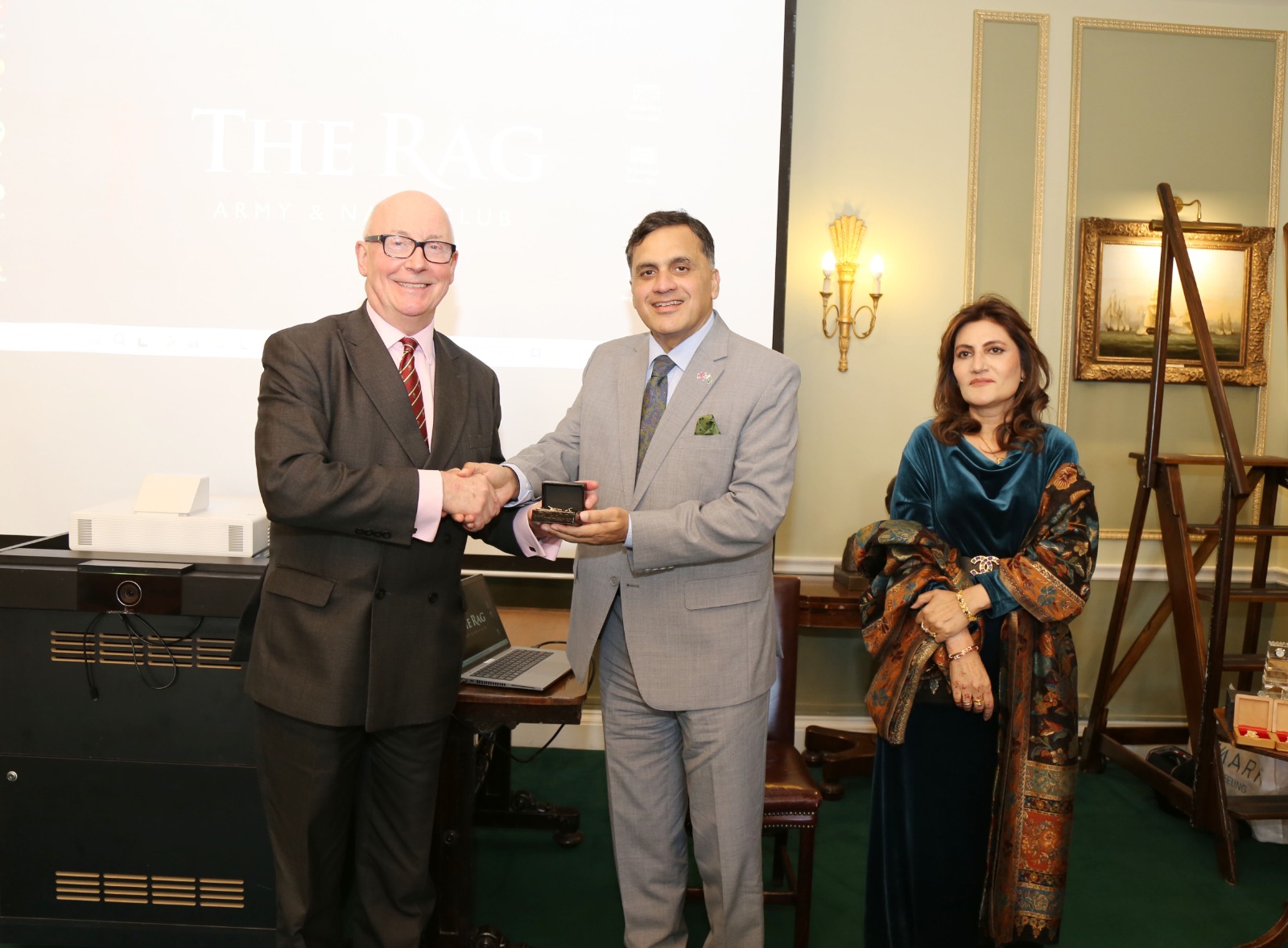
High Commissioner @DrMFaisal and his spouse @drsarahnaeem2 attended, as guests of honor, a distinguished gathering of the Quetta Association at the Army & Navy Club, London.
Military Officers from the Defence Wing of Pakistan High Commission, London, with their families also attended.
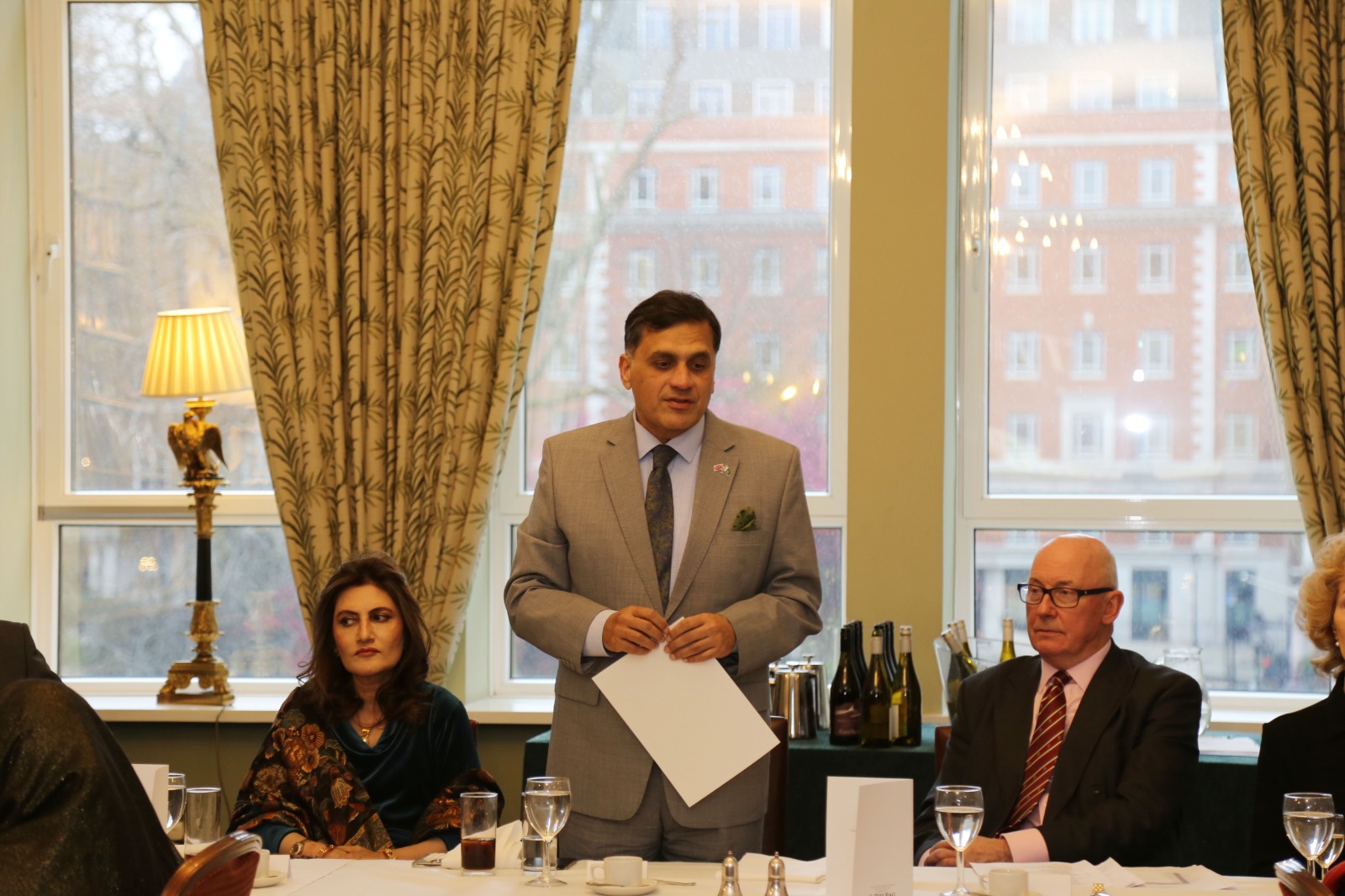
Quetta Association brings together British officers who graduated from the prestigious Command & Staff College, Quetta, Pakistan. The institution has produced outstanding military leaders, including British Field Marshals Sir Claude Auchinleck and Sir William Slim, whose leadership during the Second World War remains widely respected. Field Marshal Syed Asim Munir is also graduate of this prestigious institution.
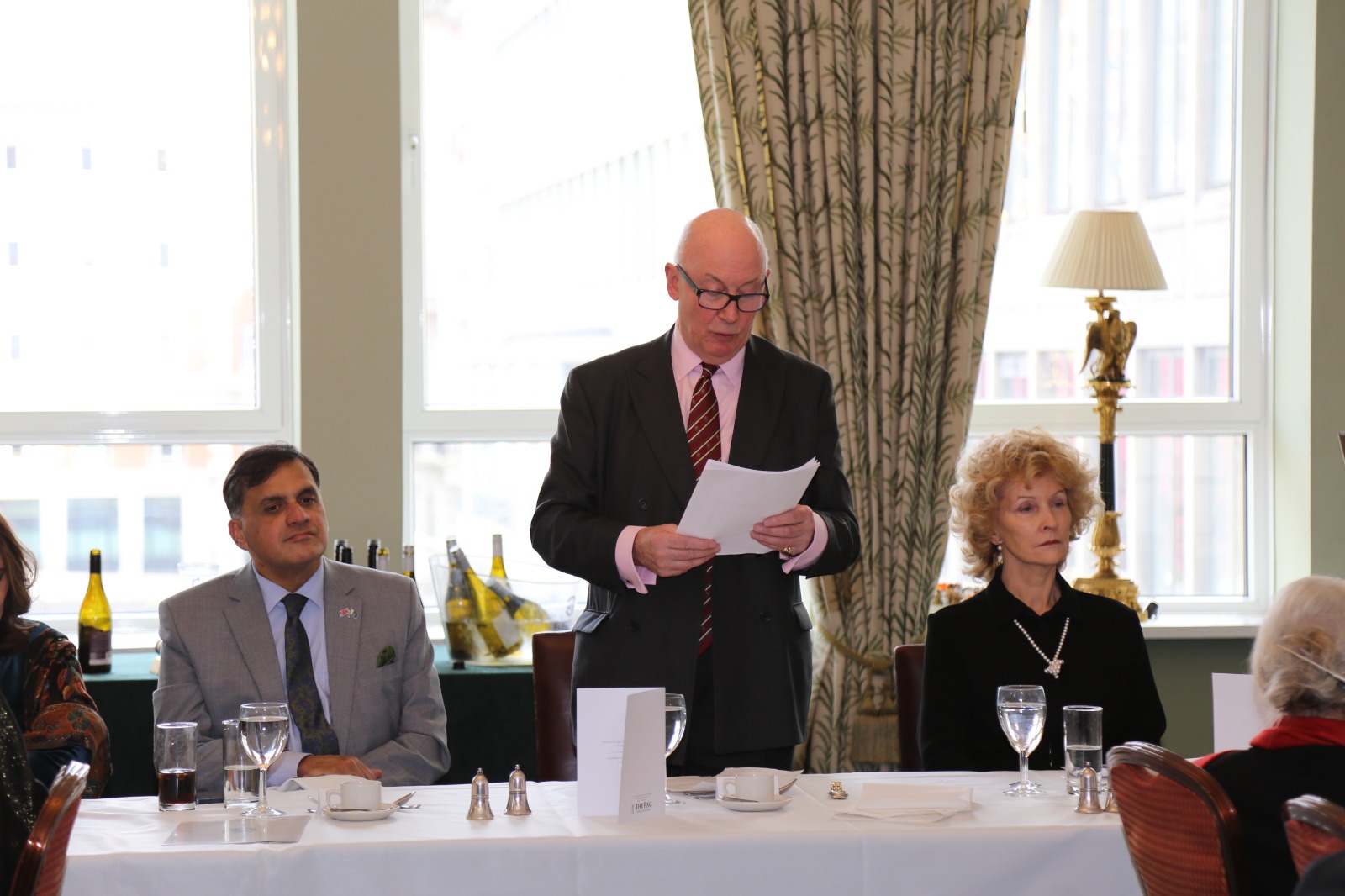
The High Commissioner appreciated the annual gathering that underscored the Association’s enduring role as a vital bridge linking the British Army and Pakistan Army through shared professional heritage and camaraderie.
Decorated British military officers and their families paid glowing tributes while referring to the hospitality accorded by Pakistan during their stay in Quetta.
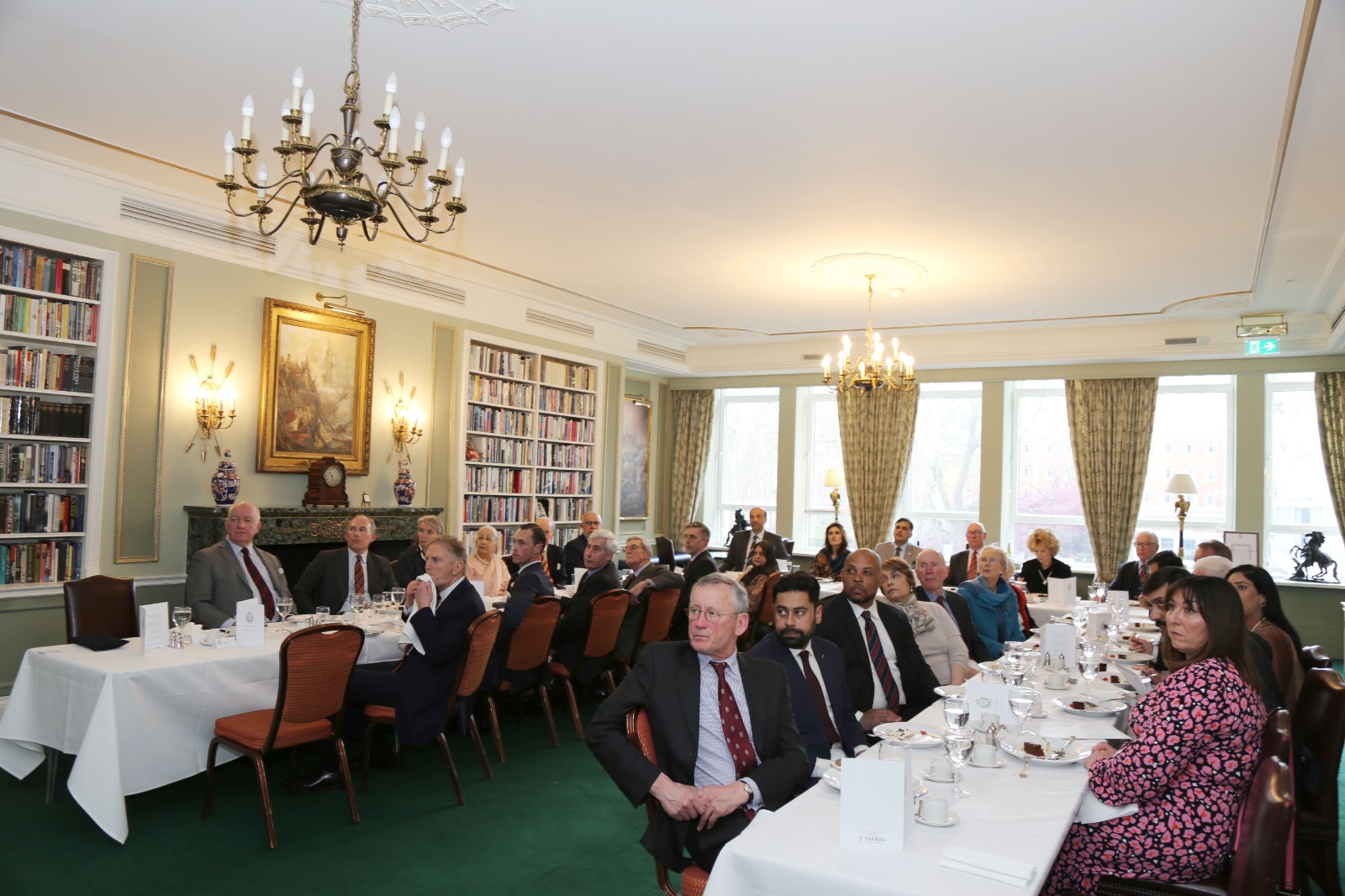
Graduate senior British Officers present at the gathering included Lt. Gen. Sir Alistair Irwin KCB CBE (1980) and Maj. Gen. Seumus Kerr CBE (1985).
Mementos were exchanged between the British officers and officers of @PakistaninUK.
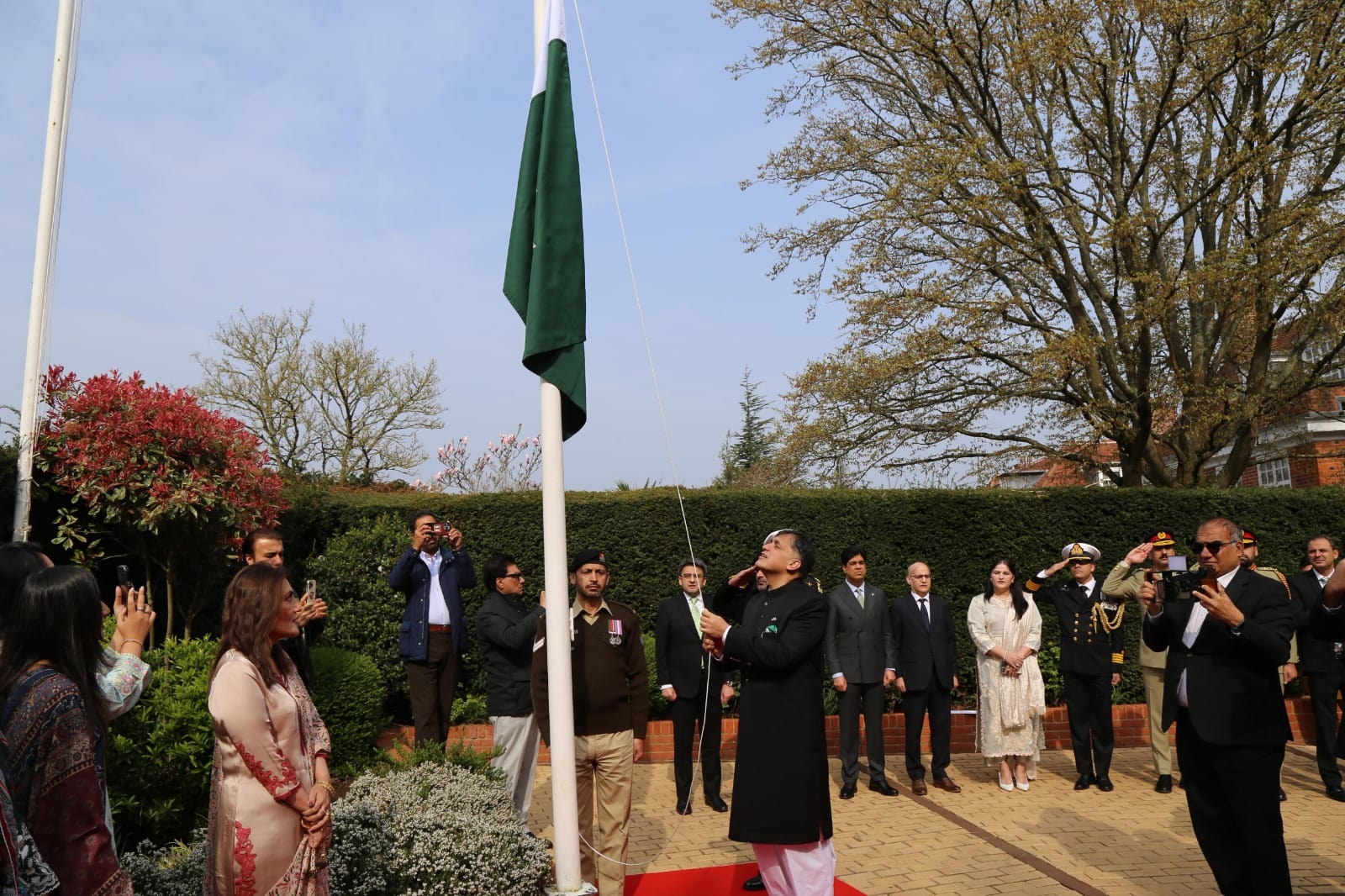
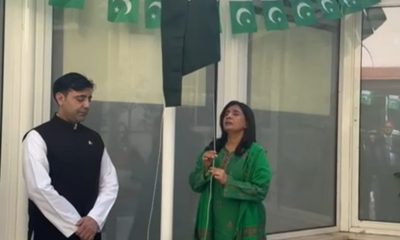
In a simple and dignified ceremony held at Pakistan House, London, the High Commissioner of Pakistan to UK Dr. Mohammad Faisal raised the Pakistan Flag on the occasion of Pakistan Day.
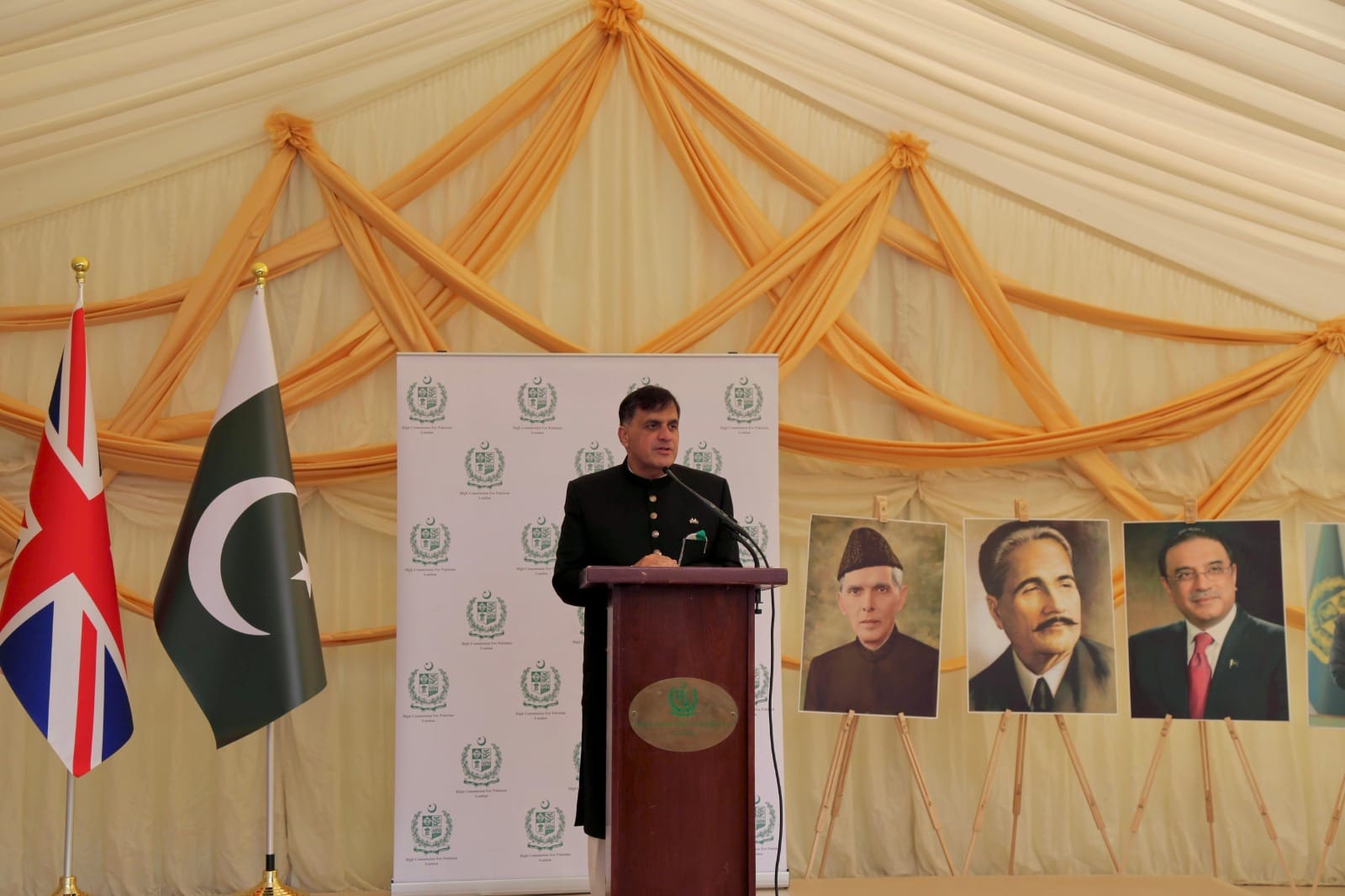
The ceremony was attended by Officials of the High Commission, British – Pakistanis and Media representatives.
Messages of the President, the Prime Minister and Deputy Prime Minister / Foreign Minister were read out.
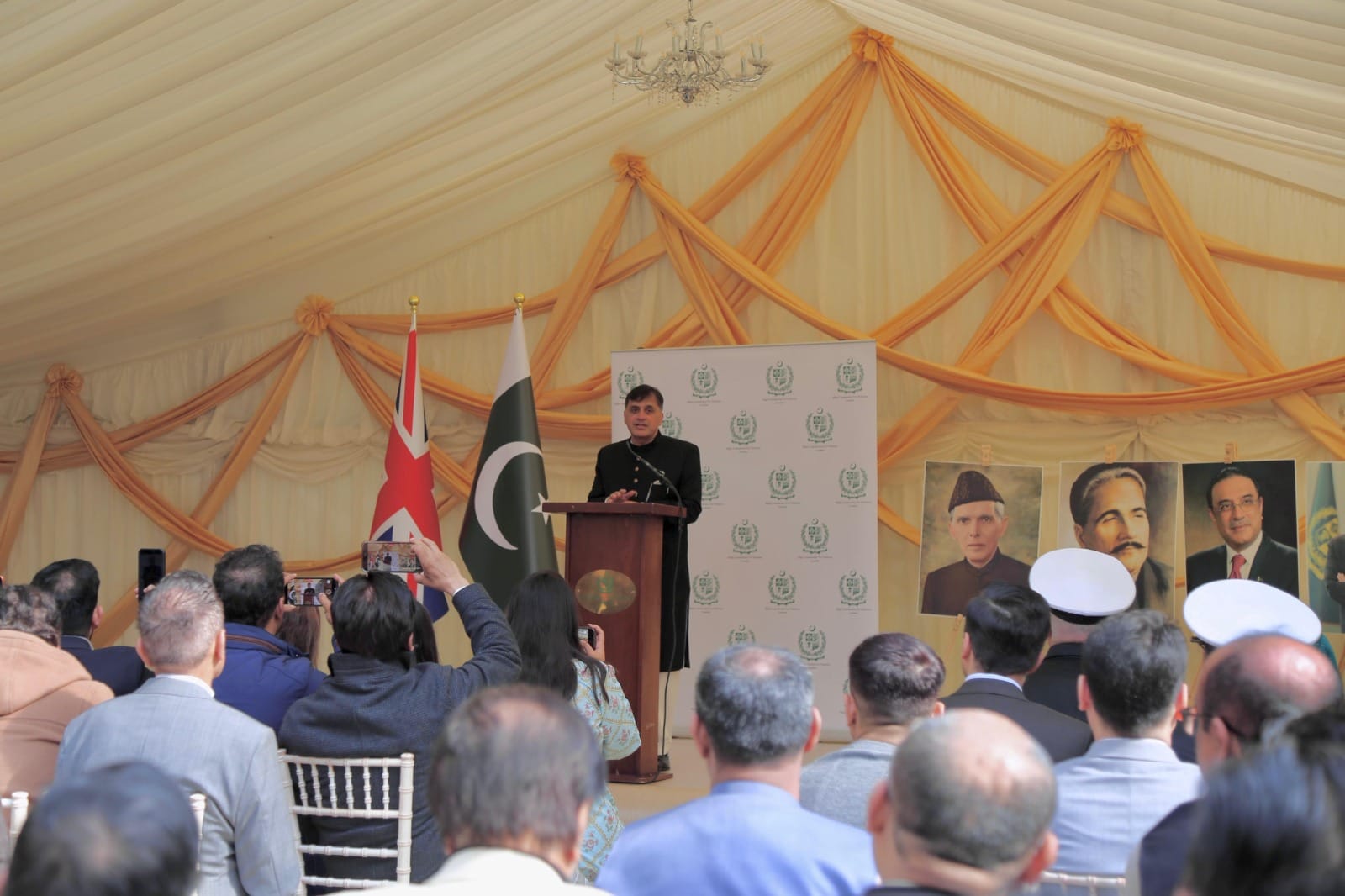
In his keynote address, the High Commissioner said that Pakistan Day was a tribute to our founding fathers who united the Muslims of Indian sub-continent where they could live independently as a Nation and live according to their customs & traditions.
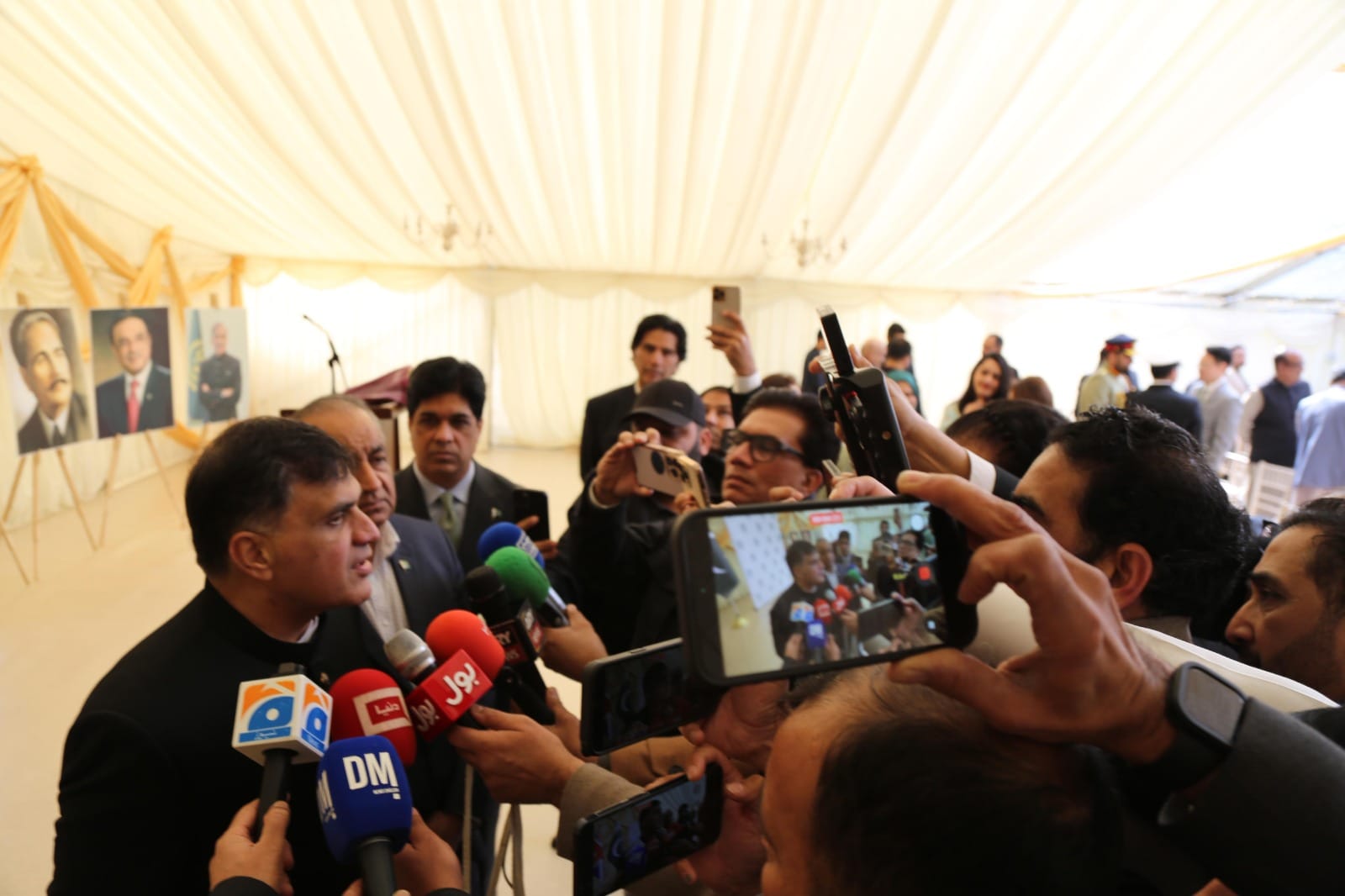
Dr. Faisal stated that Pakistan had always professed peace and stability in the region. However, Pakistan will not tolerate any aggression from neighbouring countries.
The High Commissioner said that Pakistani nation, despite the difficulties, remains resilient and demonstrates courage & perseverance.
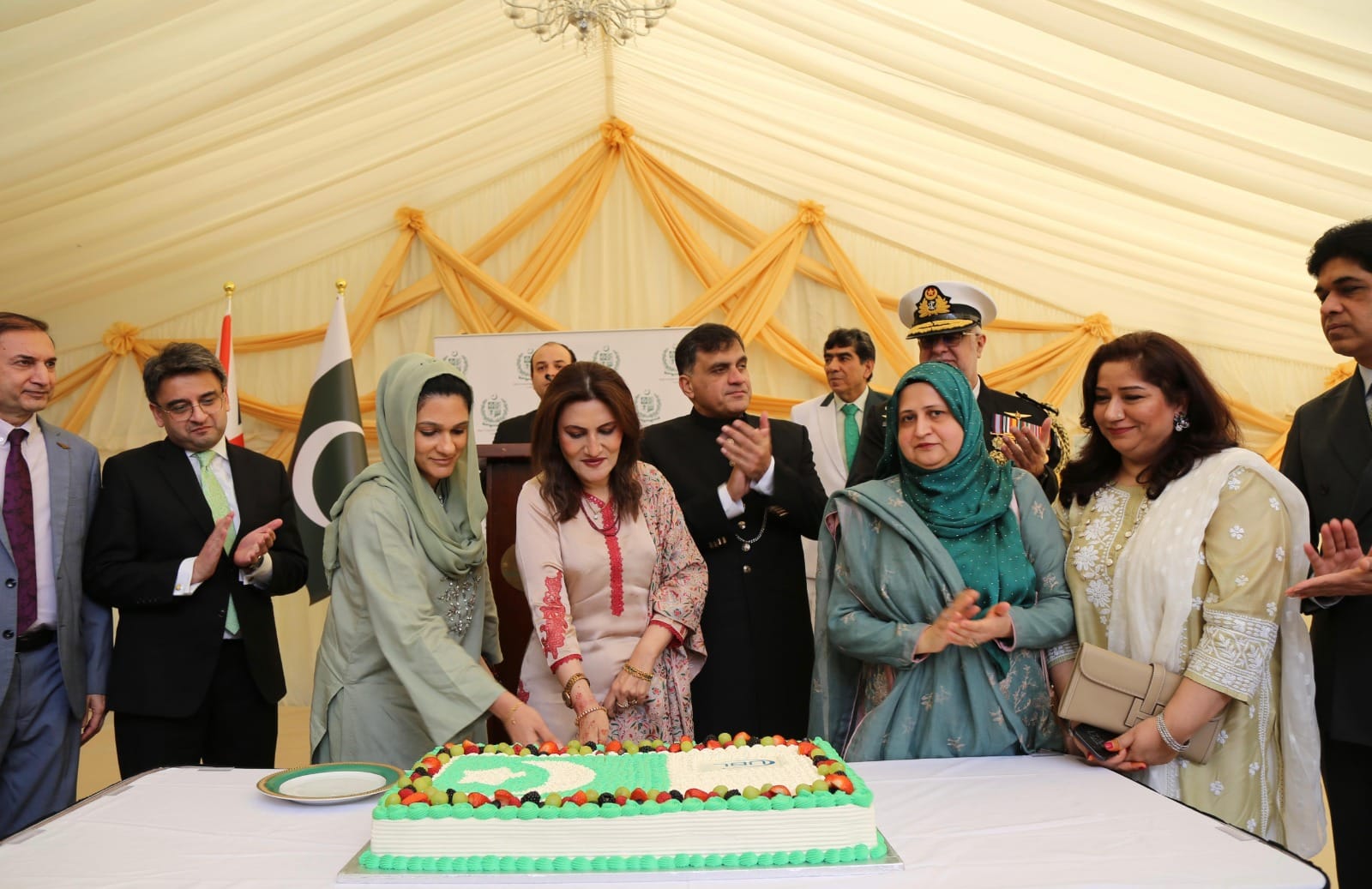
Dr. Mohammad Faisal stated that, in line with the instructions of the Prime Minister, the Deputy Prime Minister / Foreign Minister and the Federal Cabinet, Pakistan High Commission London is implementing strict austerity measures. However, these measures will not affect the performance & working of the High Commission.
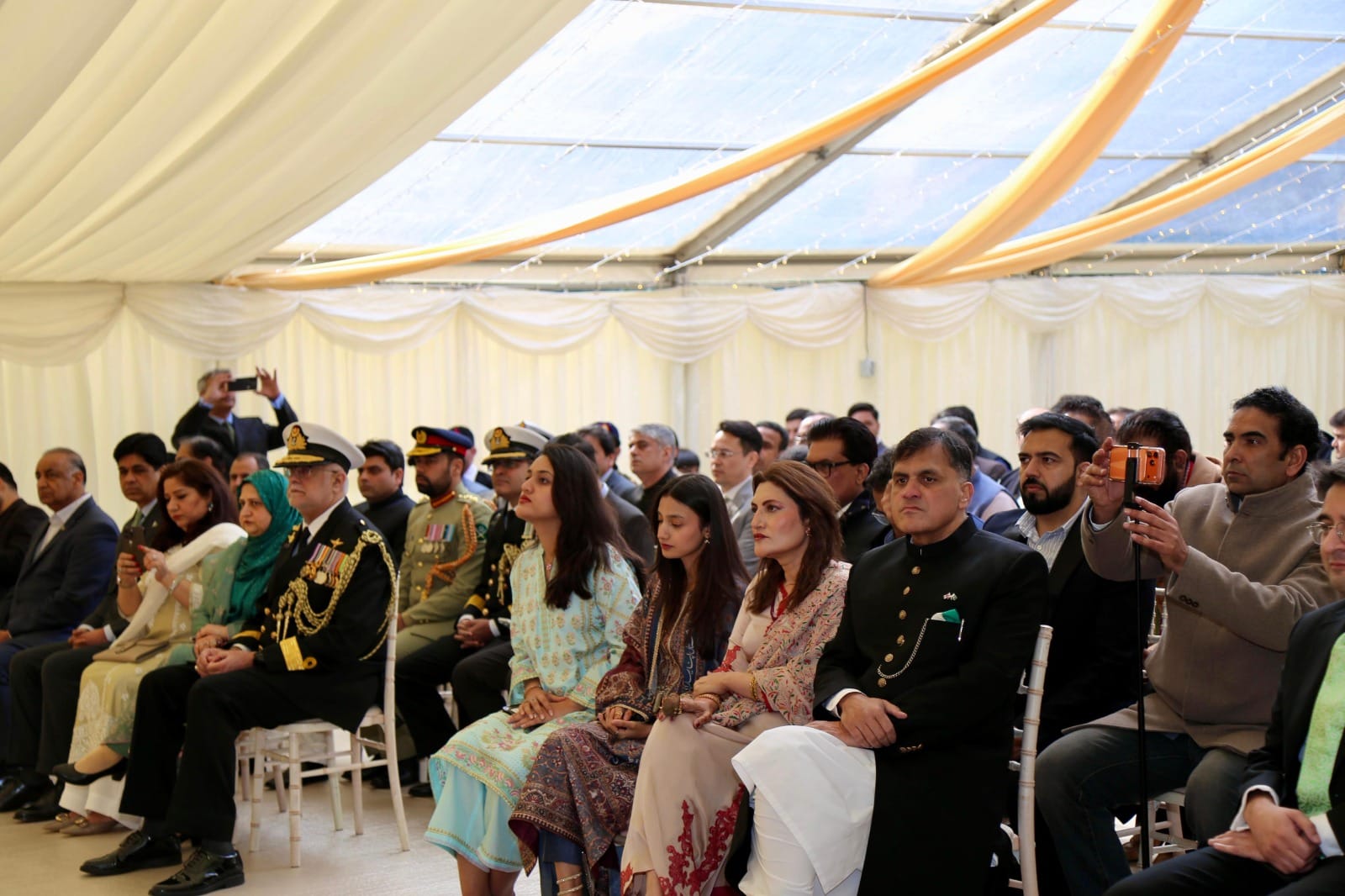
He acknowledged the remarkable contributions of Pakistani diaspora in UK and their extraordinary performance in various fields. He said that their achievements are a source of immense pride for Pakistan.
The High Commissioner expressed solidarity with the people of Indian Illegally Occupied Jammu and Kashmir and committed to continue diplomatic, moral and political support for their right to self determination under UN Resolutions.
London
23rd March, 2026


How the World Is Forced to Fund the Iran War

Scholars Urge UN to Protect Iran’s Scientific Sites Amid Airstrikes Global Academics Warn Attacks Threaten Research, Health, and Civilian Safety

How Iran Humiliated U.S. and Israeli Power


-

 Europe News1 year ago
Chaos and unproven theories surround Tates’ release from Romania
-

 American News1 year ago
Trump expands exemptions from Canada and Mexico tariffs
-

 American News1 year ago
Trump Expels Zelensky from the White House
-

 Pakistan News9 months ago
Comprehensive Analysis Report-The Faranian National Conference on Maritime Affairs-By Kashif Firaz Ahmed
-

 American News1 year ago
Zelensky bruised but upbeat after diplomatic whirlwind
-

 Art & Culture1 year ago
The Indian film showing the bride’s ‘humiliation’ in arranged marriage
-

 Art & Culture1 year ago
International Agriculture Exhibition held in Paris
-

 Pakistan News1 year ago
Can Pakistan be a Hard State?