
Pakistan News
A War, A Ceasefire, and A Shattered Indian Myth


Paris (Imran Y. CHOUDHRY) :- Former Press Secretary to the President, Former Press Minister to the Embassy of Pakistan to France, Former MD, SRBC Mr. Qamar Bashir analysis : In one of the most consequential military escalations in recent South Asian history, the May 2025 conflict between India and Pakistan concluded not with a decisive proclamation of victory, but with an abrupt and uneasy ceasefire—sought under growing international pressure. Initiated by India under the pretext of retribution for the tragic terrorist attack in Pahalgam, the confrontation ended with Pakistan not only holding its ground militarily, but emerging diplomatically strengthened and strategically vindicated.
CNN’s Nic Robertson, reporting from Islamabad, offered a compelling account of Pakistan’s response to India’s deep airstrikes. He described it as a “relentless barrage of missiles and rockets” launched against Indian military targets across the Line of Control and into mainland India, targeting airbases, depots, and command structures with striking precision. Robertson called it a “calibrated show of strength” that reversed India’s offensive momentum and compelled New Delhi to urgently seek international mediation. His report echoed the sentiment that Pakistan’s counteroffensive had significantly altered the trajectory of the conflict and revealed serious gaps in India’s preparedness.
The ceasefire, brokered with the active involvement of U.S. Secretary of State Marco Rubio and Vice President JD Vance, culminated in a statement from President Donald J. Trump on his Truth Social platform:
“I am very proud of the strong and unwaveringly powerful leadership of India and Pakistan… Millions of good and innocent people could have died… I am proud the USA was able to help you arrive at this historic and heroic decision… Additionally, I will work with you both to see if, after a ‘thousand years,’ a solution can be arrived at concerning Kashmir.”
This marked a rare and notable moment—an American president publicly acknowledging Kashmir as the core issue and proposing to facilitate a long-term solution. For Pakistan, this was a diplomatic breakthrough, bringing to the fore a demand it had made for decades: international engagement on Kashmir. For India, it was an abrupt strategic recalibration, revealing the limits of unilateral aggression and the price of escalation in a nuclear environment.
India’s invocation of the Kashmir issue during back-channel negotiations signaled a significant shift. Having long resisted third-party involvement, India found itself using Kashmir as a bargaining lever to draw Pakistan into accepting U.S.-mediated talks. The irony was not lost on observers: India had inadvertently internationalized the very issue it had always insisted was bilateral.
Public sentiment in India reflected growing disillusionment. Social media platforms were awash with criticism of Prime Minister Narendra Modi and Defence Minister Rajnath Singh. Many accused the government of dragging the nation into a conflict it could neither win nor sustain. A widely circulated post read:
“You couldn’t protect Indians. You couldn’t avenge their deaths. More Indians died in the crossfire. Why are you still in office?”
Another stated:
“India was so shocked by Pakistan’s military response, it had to beg Trump for a ceasefire. Don’t provoke a war you can’t manage.”
The backlash highlighted a growing credibility gap between India’s military rhetoric and its battlefield realities. Analysts from leading global outlets offered similar assessments. The Guardian termed the war a “miscalculated gamble” that ended in embarrassment for India. France 24 questioned the performance of India’s Rafale fleet after reports confirmed the downing of three by Chinese-origin jets. Al Jazeera highlighted the precision of Pakistan’s counterstrikes, while the BBC noted how India’s attempt to project strength backfired, leading to diplomatic retreat and external mediation.
Technologically, the mismatch was stark. Pakistan’s use of Chinese J-10CE and JF-17 Thunder jets, armed with PL-15 long-range missiles, displayed integrated network warfare capabilities. India’s multi-sourced fleet—combining French, Russian, and Israeli platforms—suffered from lack of system-wide coordination. This disparity contributed to India’s failure to repel deep strikes and safeguard critical infrastructure, including forward airbases and missile systems in Adampur.
Estimates from defense correspondents suggest at least five Indian aircraft were downed, including three Rafales. Pakistan’s deep penetration—reportedly 200 km into Indian territory—without interception, further dented the credibility of India’s air defense.
Symbolically, India’s perception as the “net security provider” in South Asia took a serious hit. Its attempt to display dominance instead exposed operational vulnerabilities and forced an unwanted climbdown. Conversely, Pakistan’s firm yet controlled response helped restore deterrence, drew international empathy, and opened diplomatic pathways that had long been closed.
Think tanks responded swiftly. The Council on Foreign Relations noted that “India’s effort to assert dominance has backfired, exposing strategic weaknesses.” The International Institute for Strategic Studies (IISS) observed that “Pakistan has demonstrated battlefield coherence, technological integration, and strategic restraint.”
Within India, the political consequences may be far-reaching. The ruling BJP, already facing domestic challenges, now confronts criticism over its handling of national security. The opposition is likely to seize on the events as a turning point in public confidence, particularly among young voters who have grown increasingly skeptical of nationalist bluster.
Though the war lasted just a few days, its implications will reverberate far longer. Pakistan demonstrated not only its military resolve but also its growing stature as a rational and capable state actor. It forced a reevaluation of strategic assumptions in the region and made clear that peace in South Asia hinges not on rhetoric, but on addressing long-standing disputes—beginning with Kashmir.
The May 2025 conflict has redrawn the strategic contours of the subcontinent. For Pakistan, it was not just a matter of defending its borders, but of asserting its place on the regional and global stage. For India, it was a sobering lesson in the limits of power projection without preparation.



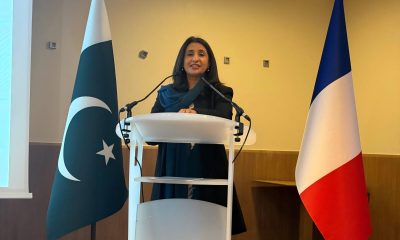

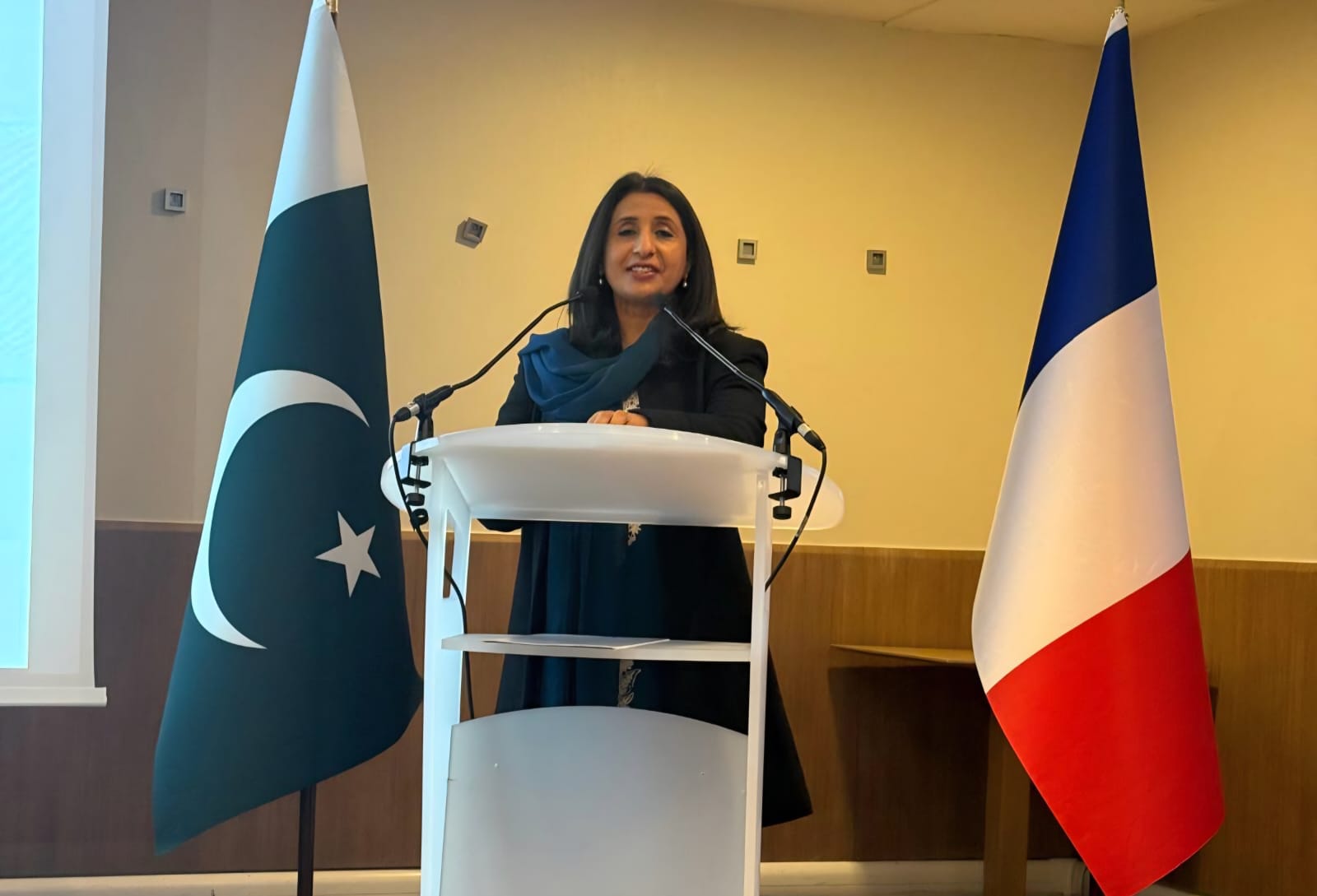
Paris ( Imran Y. CHOUDHRY):- A ‘Pakistan-France Trade and Investment Forum’ was held in Paris today, bringing together government officials, business leaders, industry experts and representatives of trade bodies of both countries.
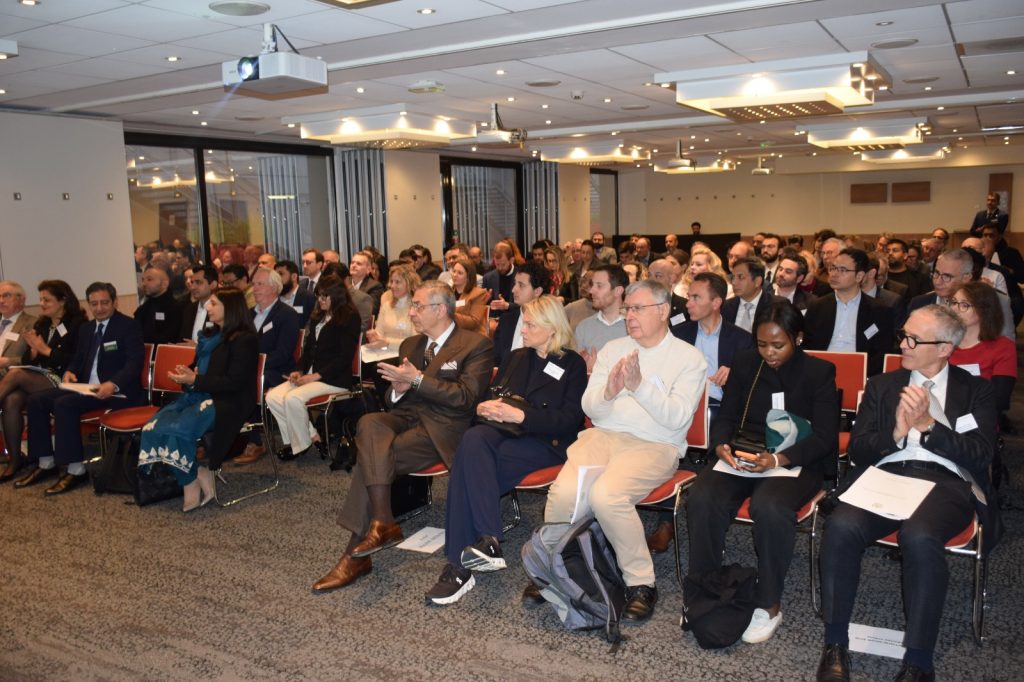
The Forum was held in implementation of an understanding reached between President Emmanuel Macron and Prime Minister Shehbaz Sharif in 2024, to build strong economic partnership between Pakistan and France. The objective of the Forum was to connect businesses, exchange ideas, explore new avenues of bilateral cooperation and showcase Pakistan’s trade and investment potential. It witnessed participation of over seventy French and Pakistani companies from diverse sectors including agriculture, information technology, textiles, energy and tourism.
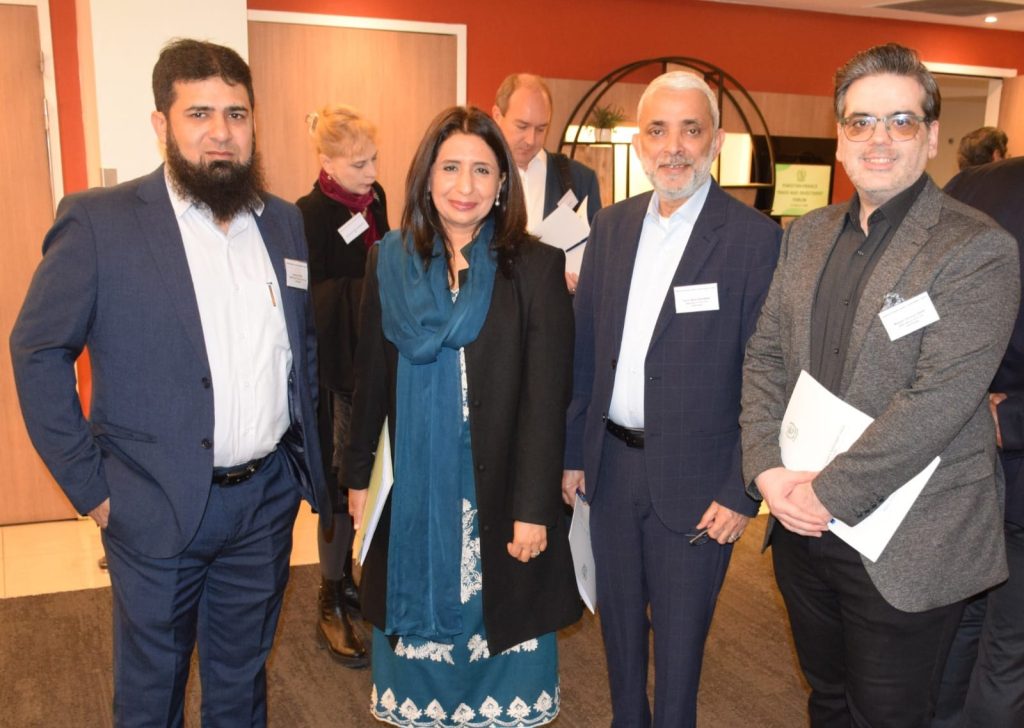
Ambassador Mumtaz Zahra Baloch opened the Business Forum and highlighted Pakistan’s economic growth and potential as an attractive trade partner for France. She outlined investor-focused initiatives and institutional facilitation mechanisms in Pakistan to promote trade and investment. She encouraged Pakistani and French businesses to explore collaborative opportunities, and develop joint ventures and win-win partnerships.
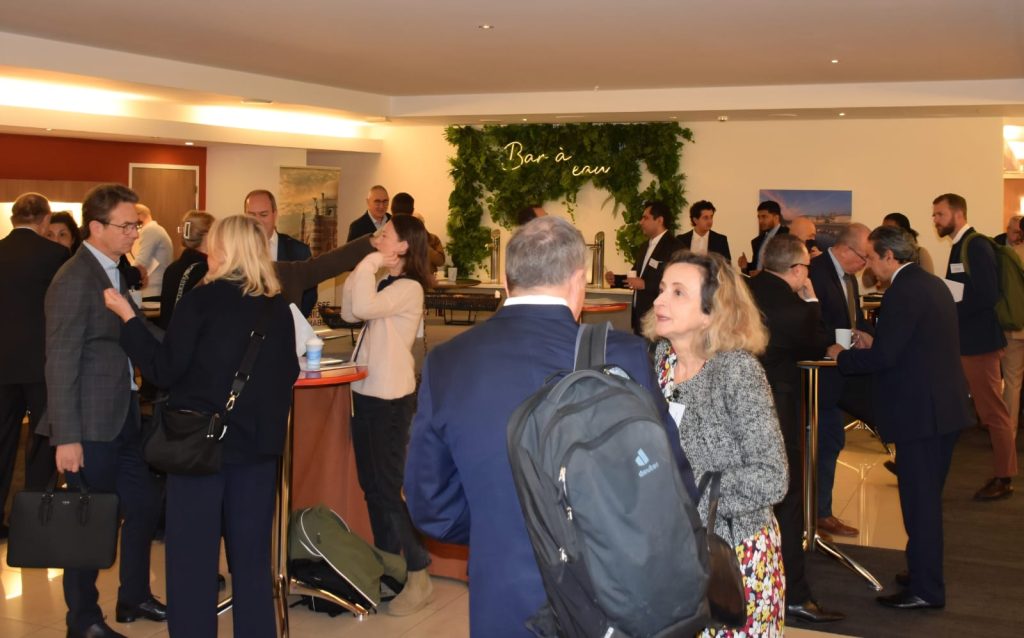
Speakers from the French side included Thierry Pflimlin, Chairman of the France-Pakistan Business Council at MEDEF International, Patricia Glasel, Vice President of the Conseillers du Commerce Extérieur de la France (CCEF) and Ardavan Amir-Aslani. They highlighted the growing momentum in France-Pakistan economic relations; identified the opportunities for trade and investment with Pakistan; and underscored the importance of strengthening private sector linkages to further facilitate bilateral trade and investment.
The plenary session was followed by ‘Breakout and Business-to-Business (B2B)’ sessions to discuss and identify tangible avenues for collaboration in textiles, agriculture and dairy, and Information Technology.
Pakistan News
Dr. Mohammad Faisal Joins Distinguished Quetta Association Event in London Gathering Reinforces Shared Military Heritage of Pakistan and Britain
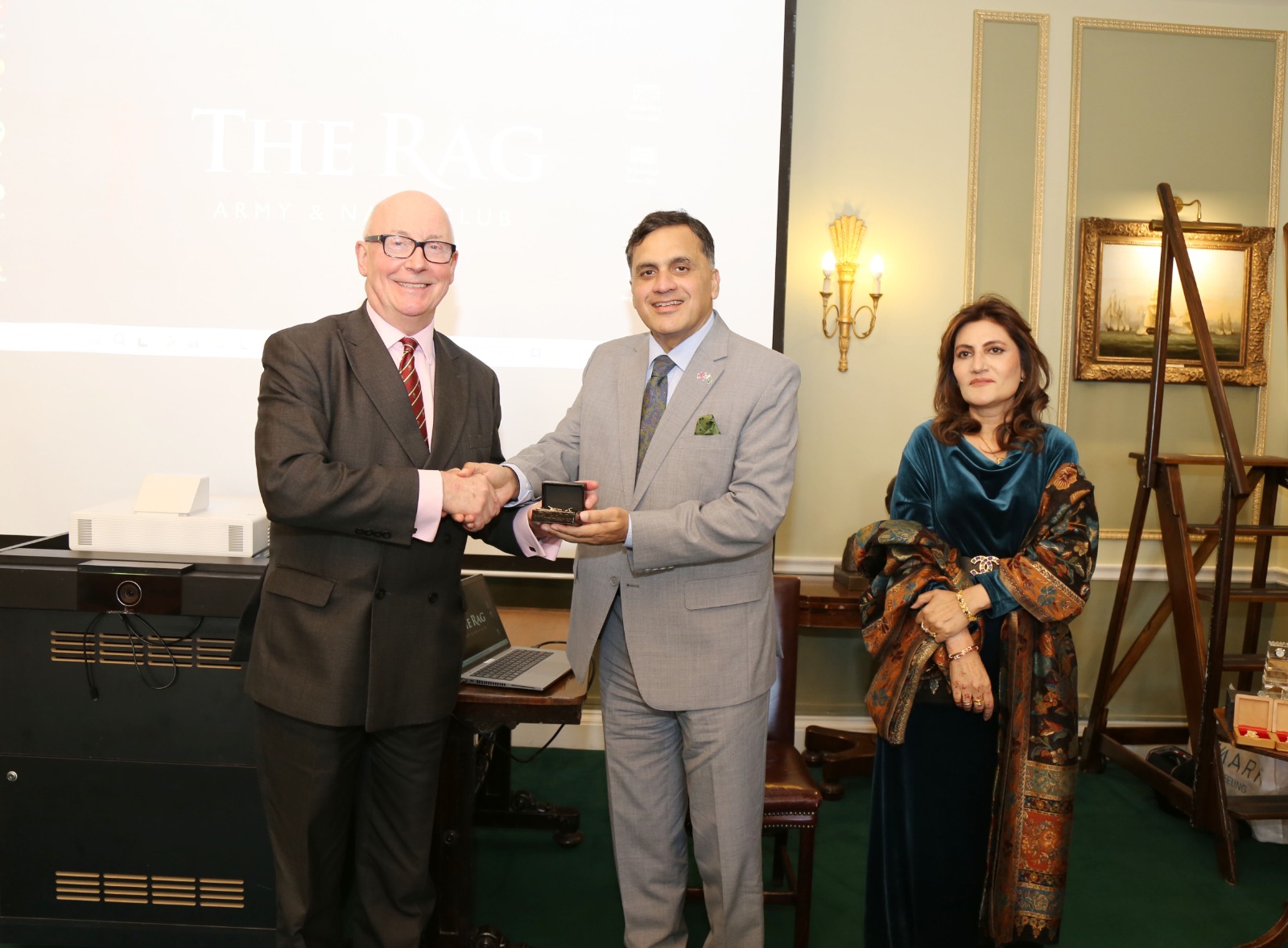
High Commissioner @DrMFaisal and his spouse @drsarahnaeem2 attended, as guests of honor, a distinguished gathering of the Quetta Association at the Army & Navy Club, London.
Military Officers from the Defence Wing of Pakistan High Commission, London, with their families also attended.
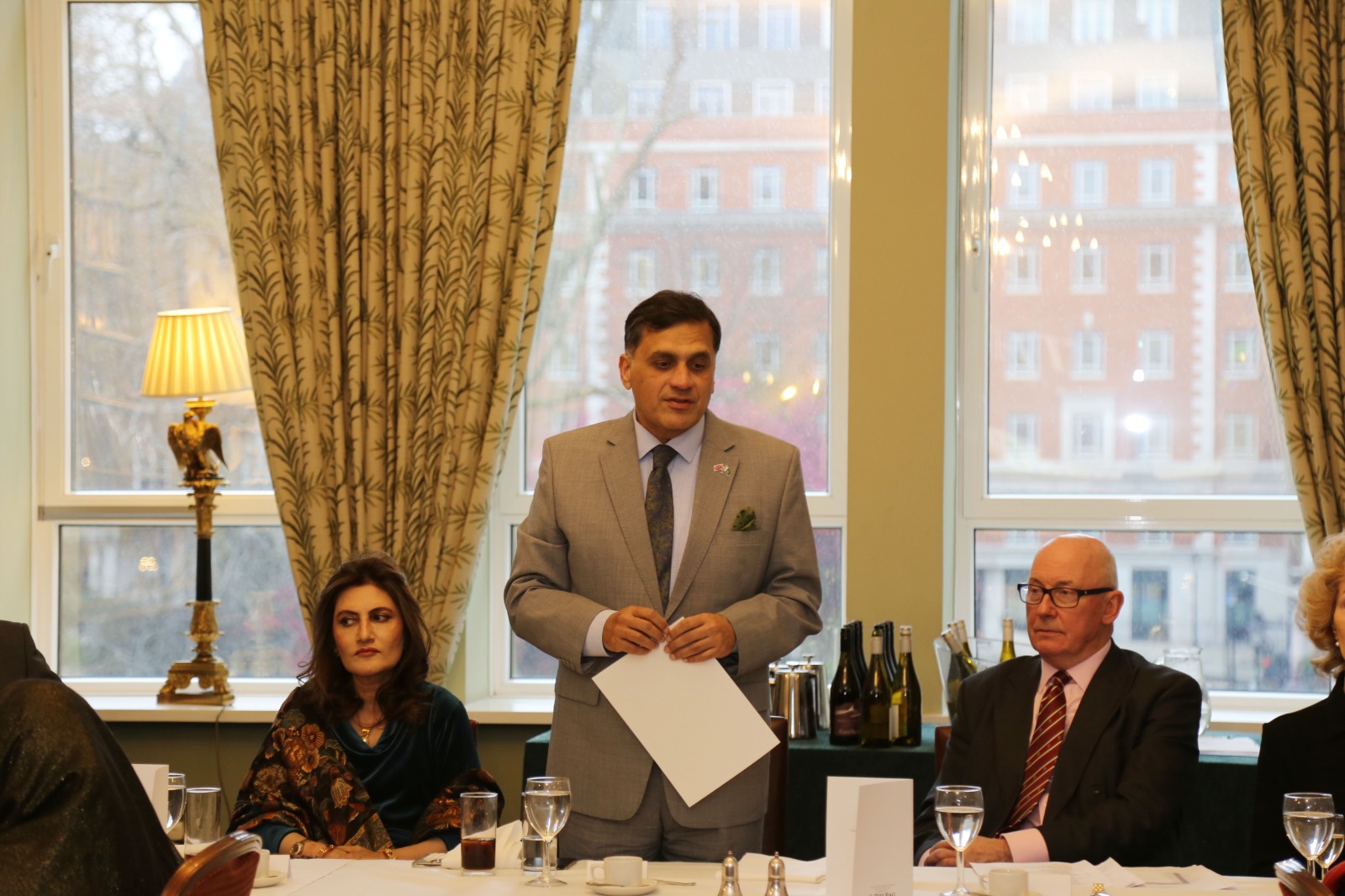
Quetta Association brings together British officers who graduated from the prestigious Command & Staff College, Quetta, Pakistan. The institution has produced outstanding military leaders, including British Field Marshals Sir Claude Auchinleck and Sir William Slim, whose leadership during the Second World War remains widely respected. Field Marshal Syed Asim Munir is also graduate of this prestigious institution.
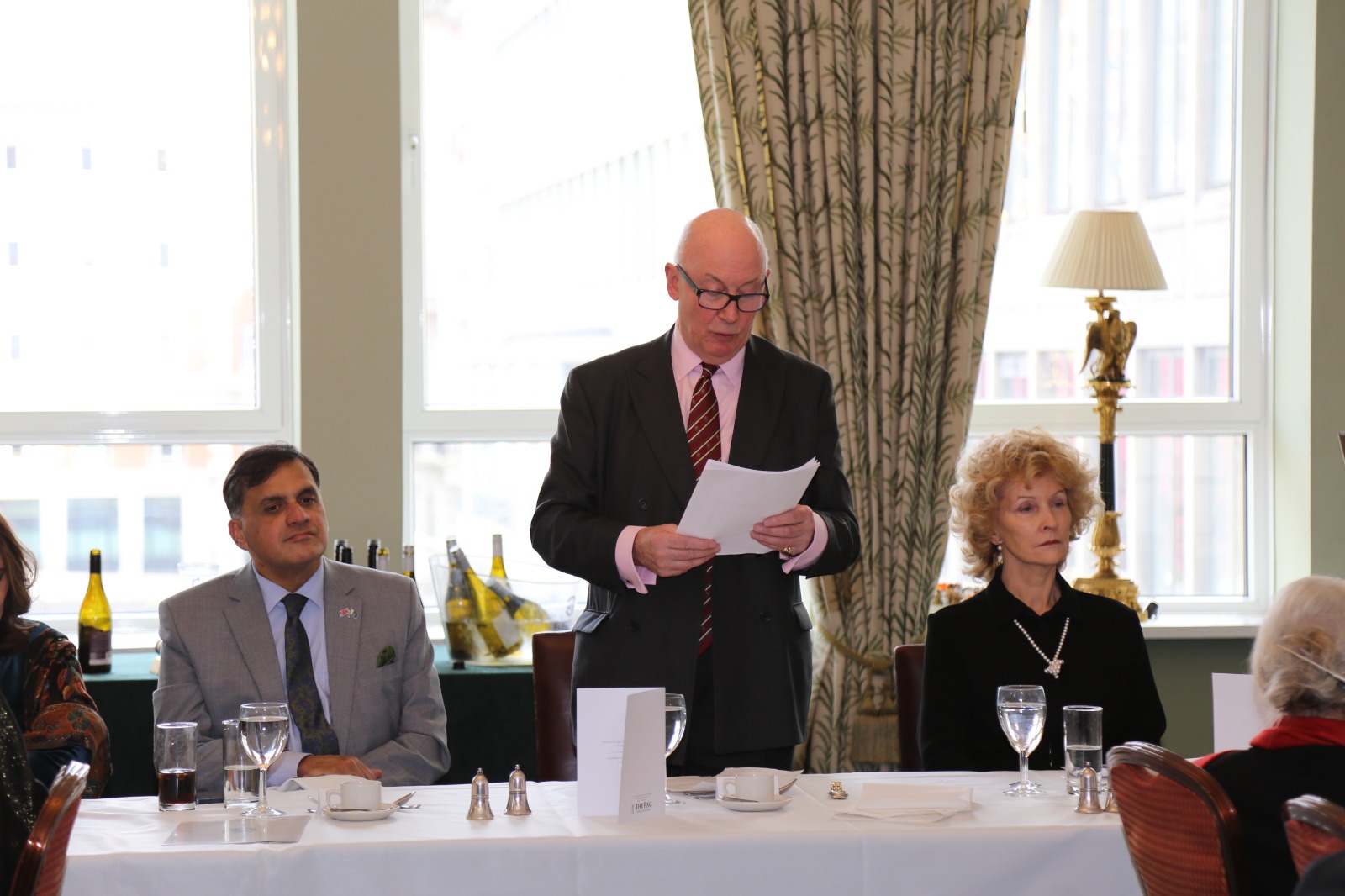
The High Commissioner appreciated the annual gathering that underscored the Association’s enduring role as a vital bridge linking the British Army and Pakistan Army through shared professional heritage and camaraderie.
Decorated British military officers and their families paid glowing tributes while referring to the hospitality accorded by Pakistan during their stay in Quetta.
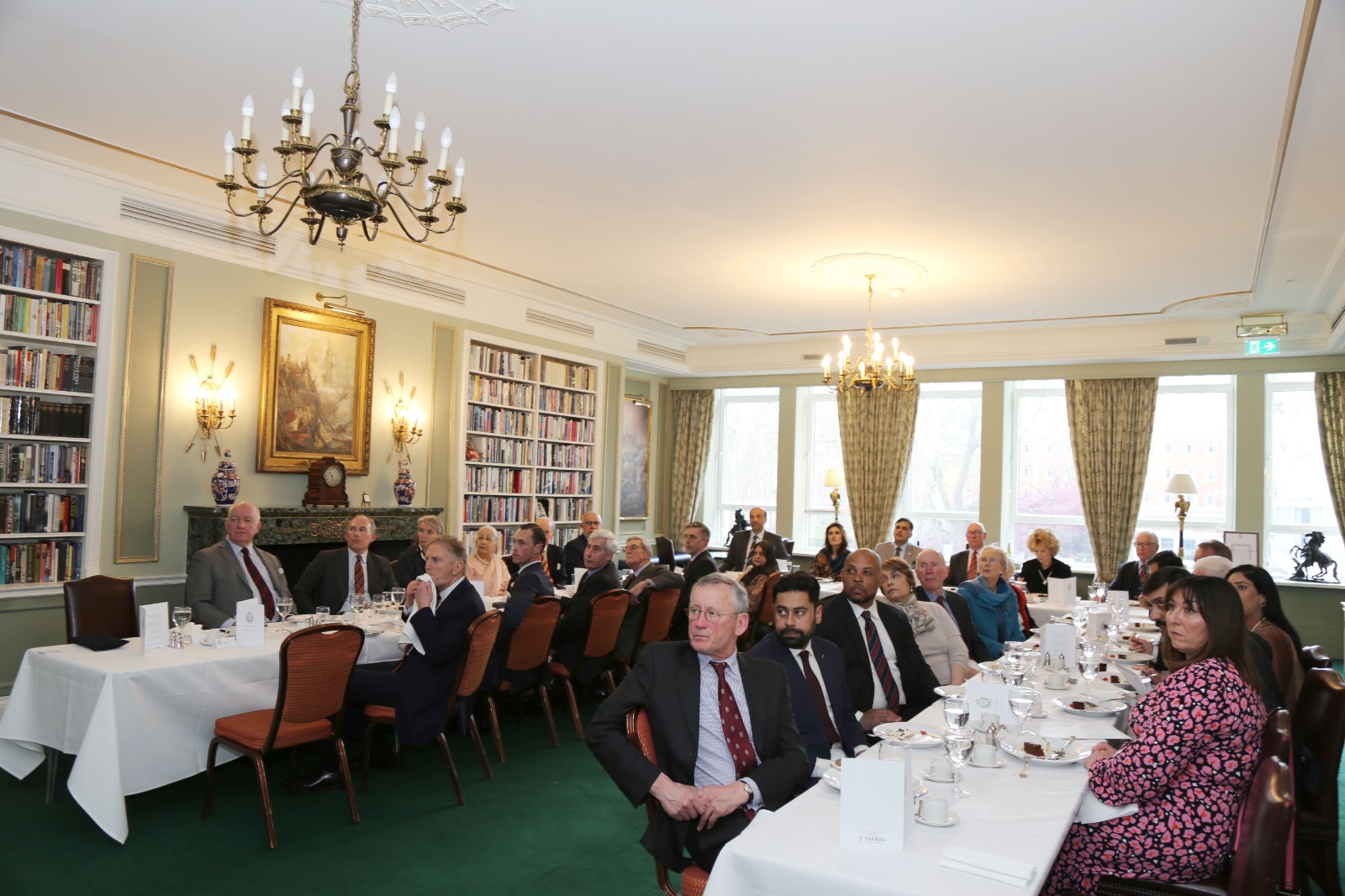
Graduate senior British Officers present at the gathering included Lt. Gen. Sir Alistair Irwin KCB CBE (1980) and Maj. Gen. Seumus Kerr CBE (1985).
Mementos were exchanged between the British officers and officers of @PakistaninUK.
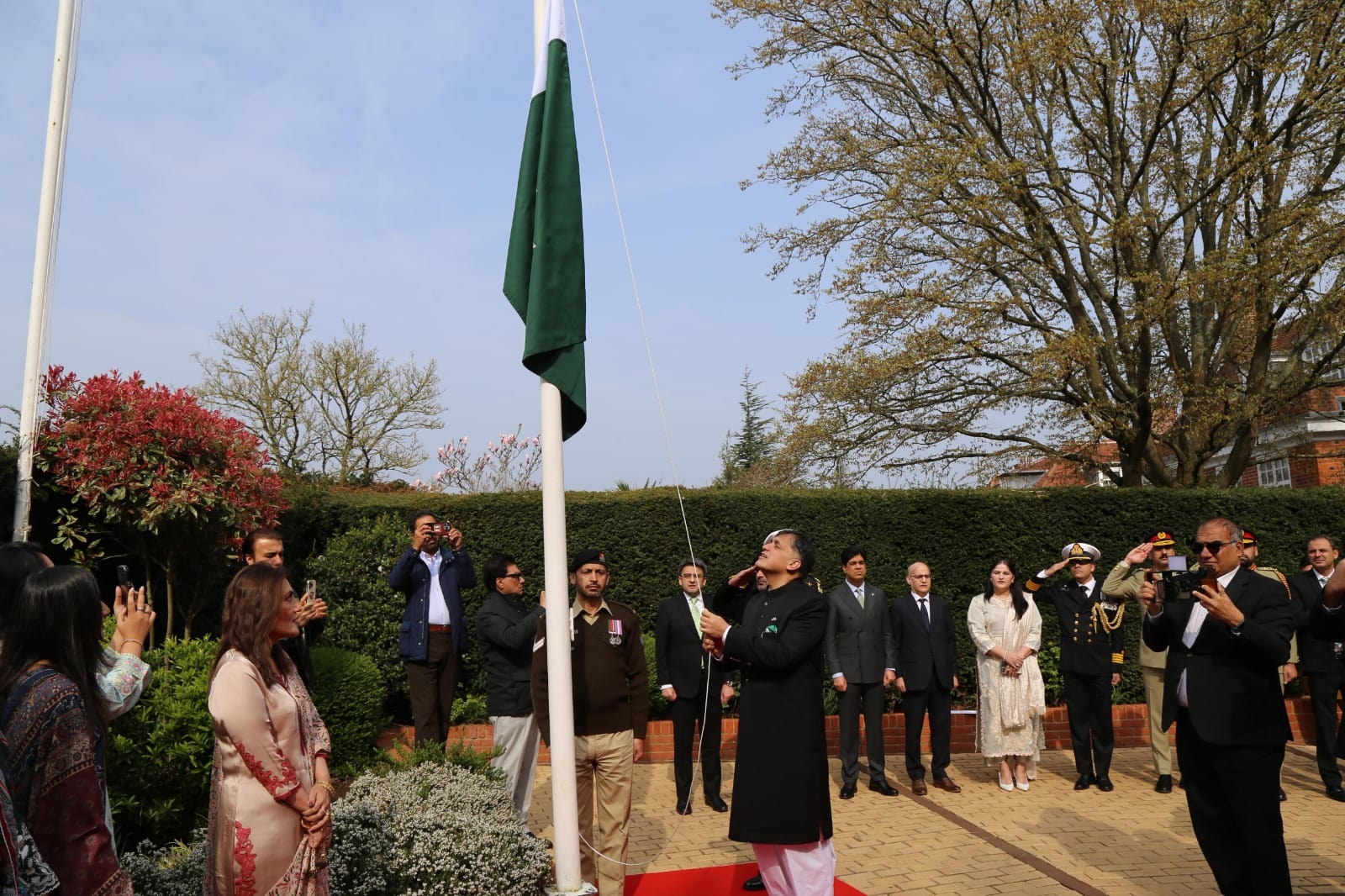
In a simple and dignified ceremony held at Pakistan House, London, the High Commissioner of Pakistan to UK Dr. Mohammad Faisal raised the Pakistan Flag on the occasion of Pakistan Day.
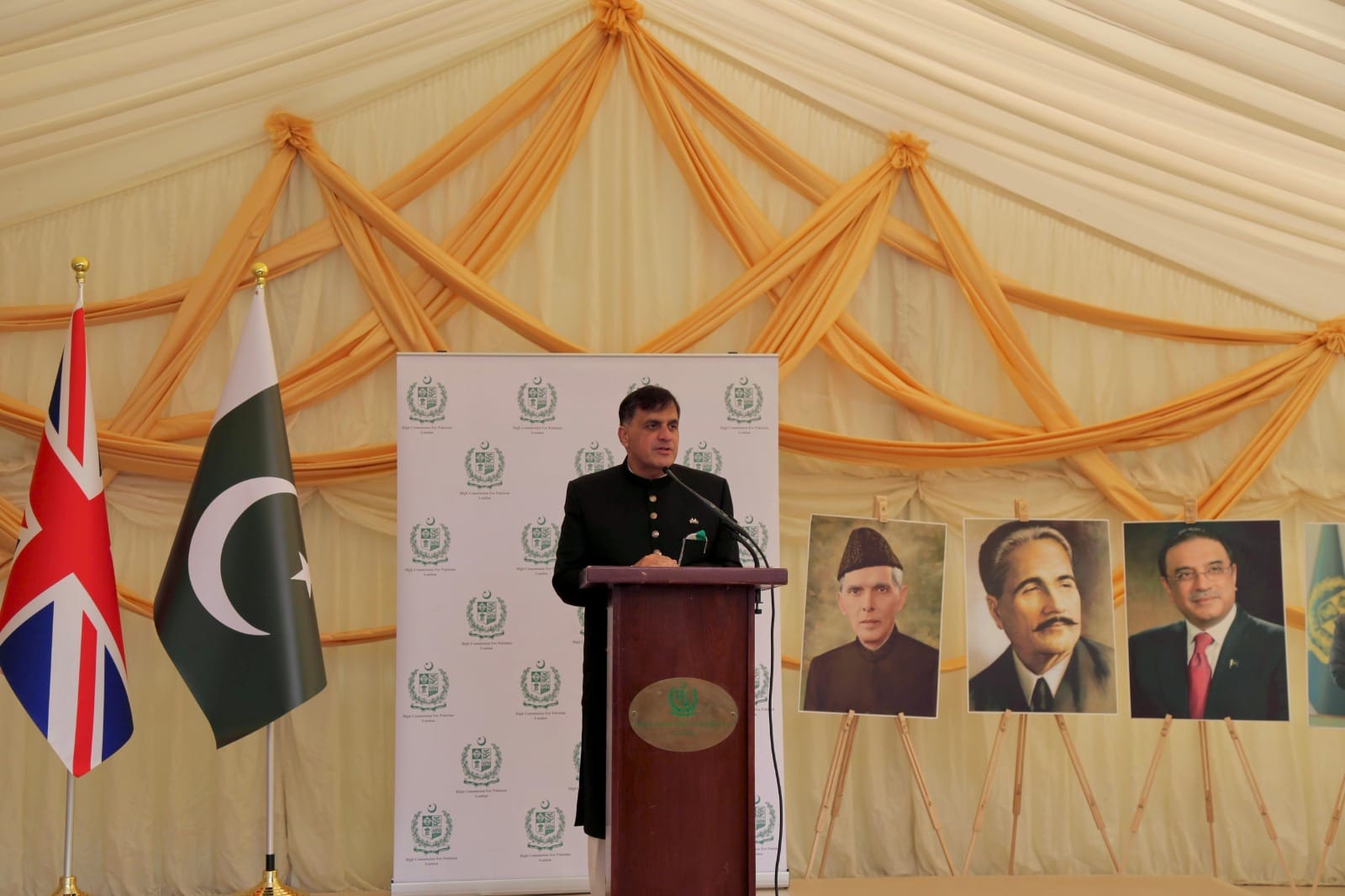
The ceremony was attended by Officials of the High Commission, British – Pakistanis and Media representatives.
Messages of the President, the Prime Minister and Deputy Prime Minister / Foreign Minister were read out.
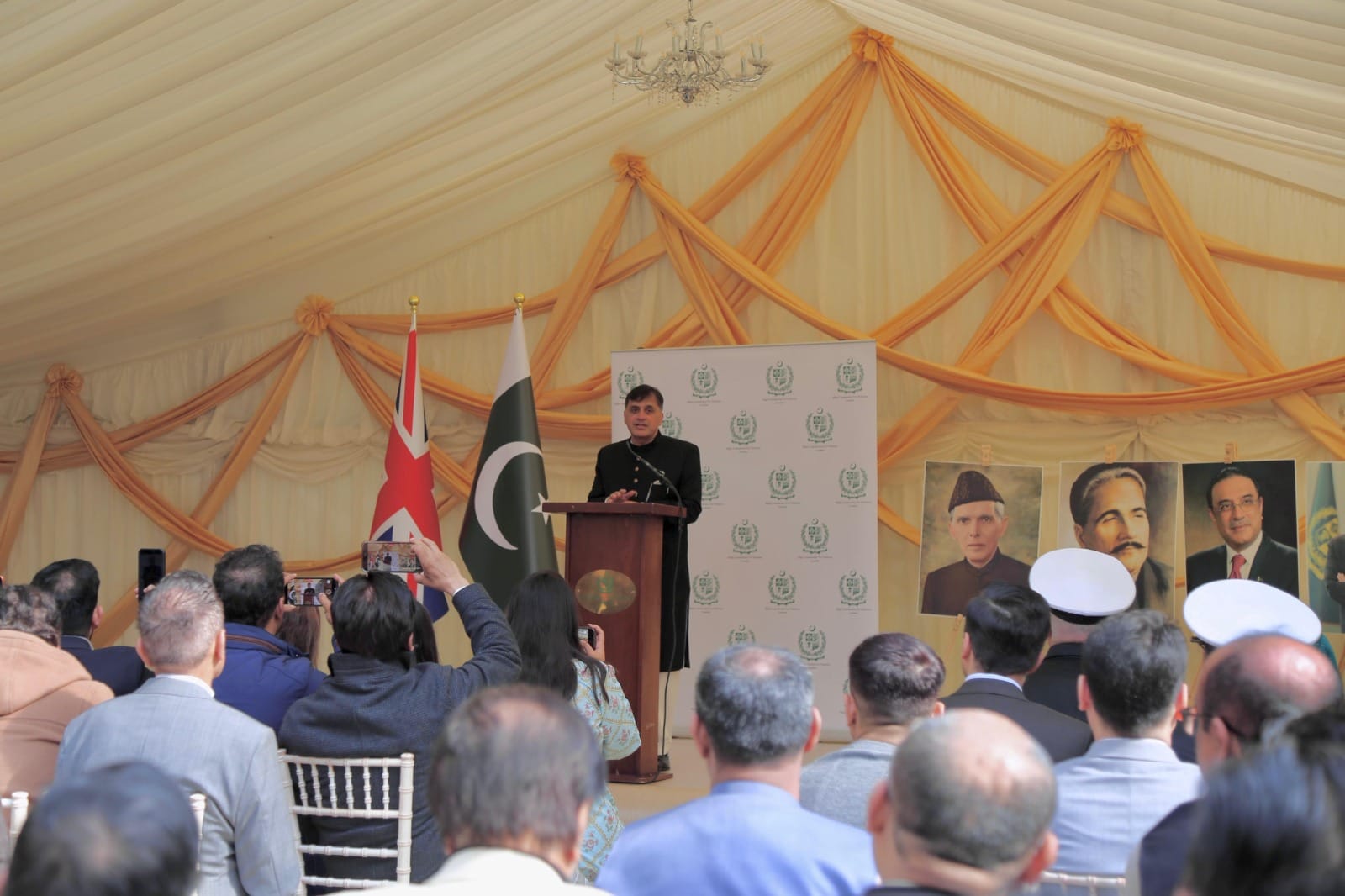
In his keynote address, the High Commissioner said that Pakistan Day was a tribute to our founding fathers who united the Muslims of Indian sub-continent where they could live independently as a Nation and live according to their customs & traditions.
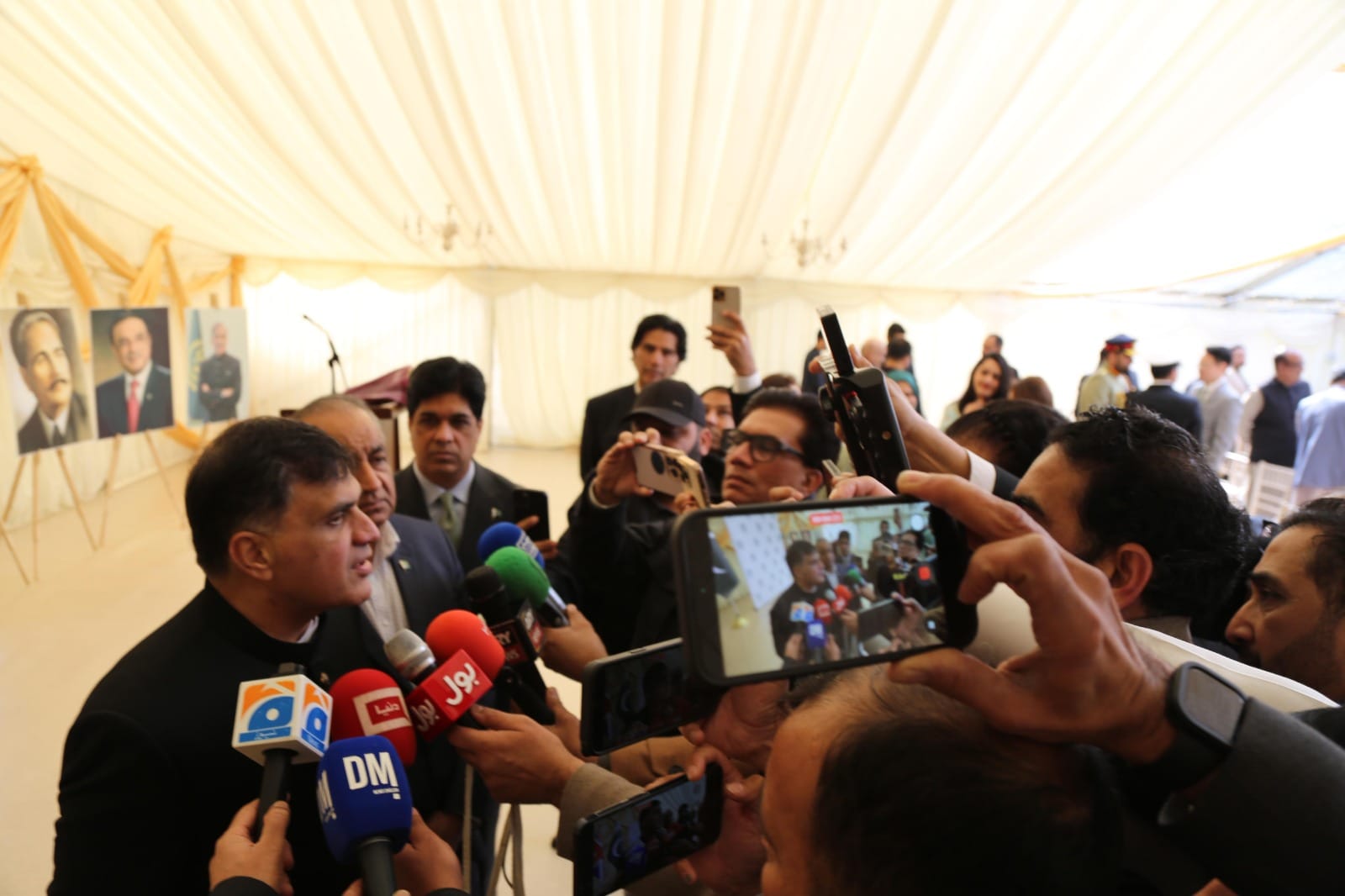
Dr. Faisal stated that Pakistan had always professed peace and stability in the region. However, Pakistan will not tolerate any aggression from neighbouring countries.
The High Commissioner said that Pakistani nation, despite the difficulties, remains resilient and demonstrates courage & perseverance.
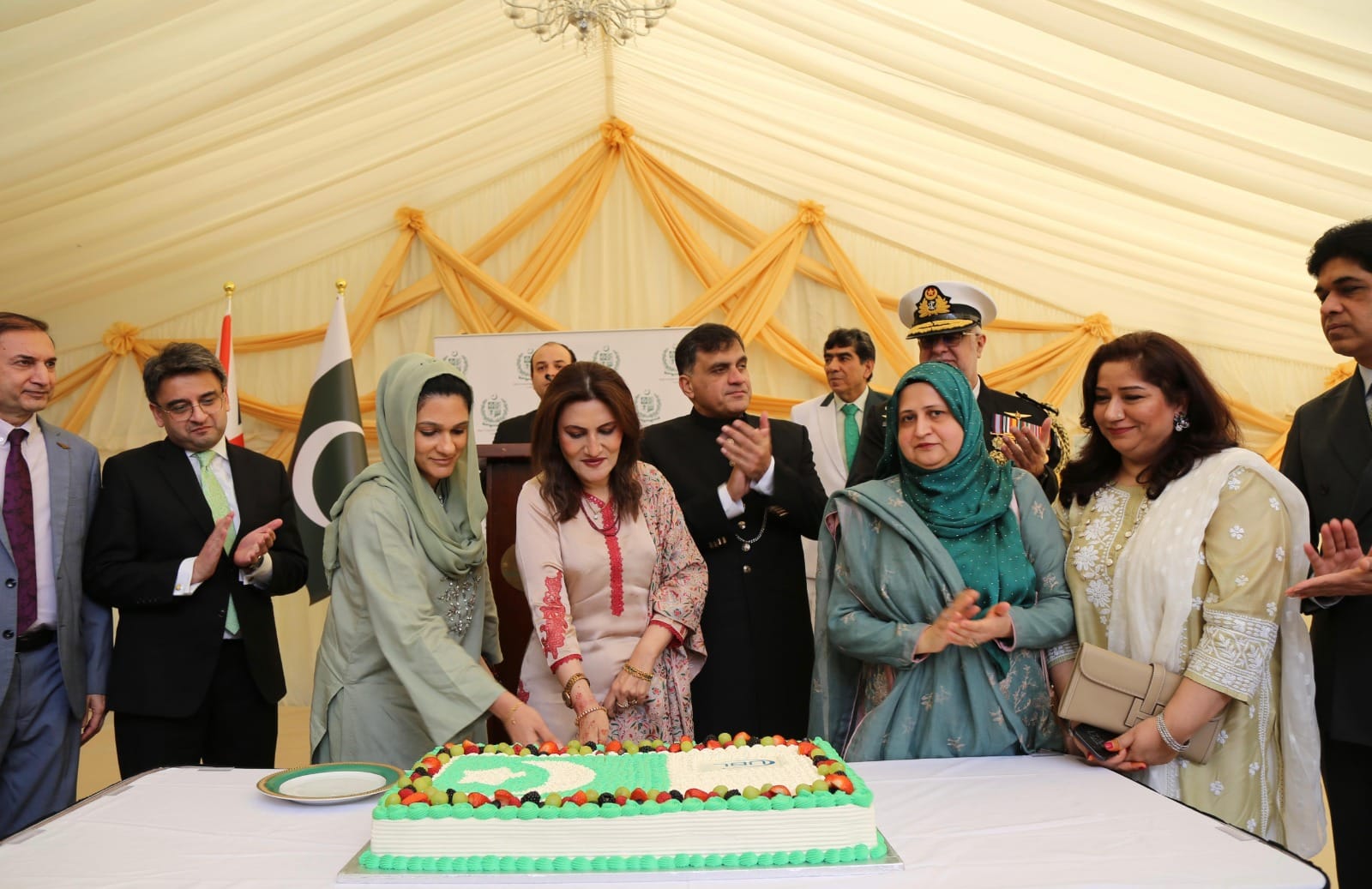
Dr. Mohammad Faisal stated that, in line with the instructions of the Prime Minister, the Deputy Prime Minister / Foreign Minister and the Federal Cabinet, Pakistan High Commission London is implementing strict austerity measures. However, these measures will not affect the performance & working of the High Commission.
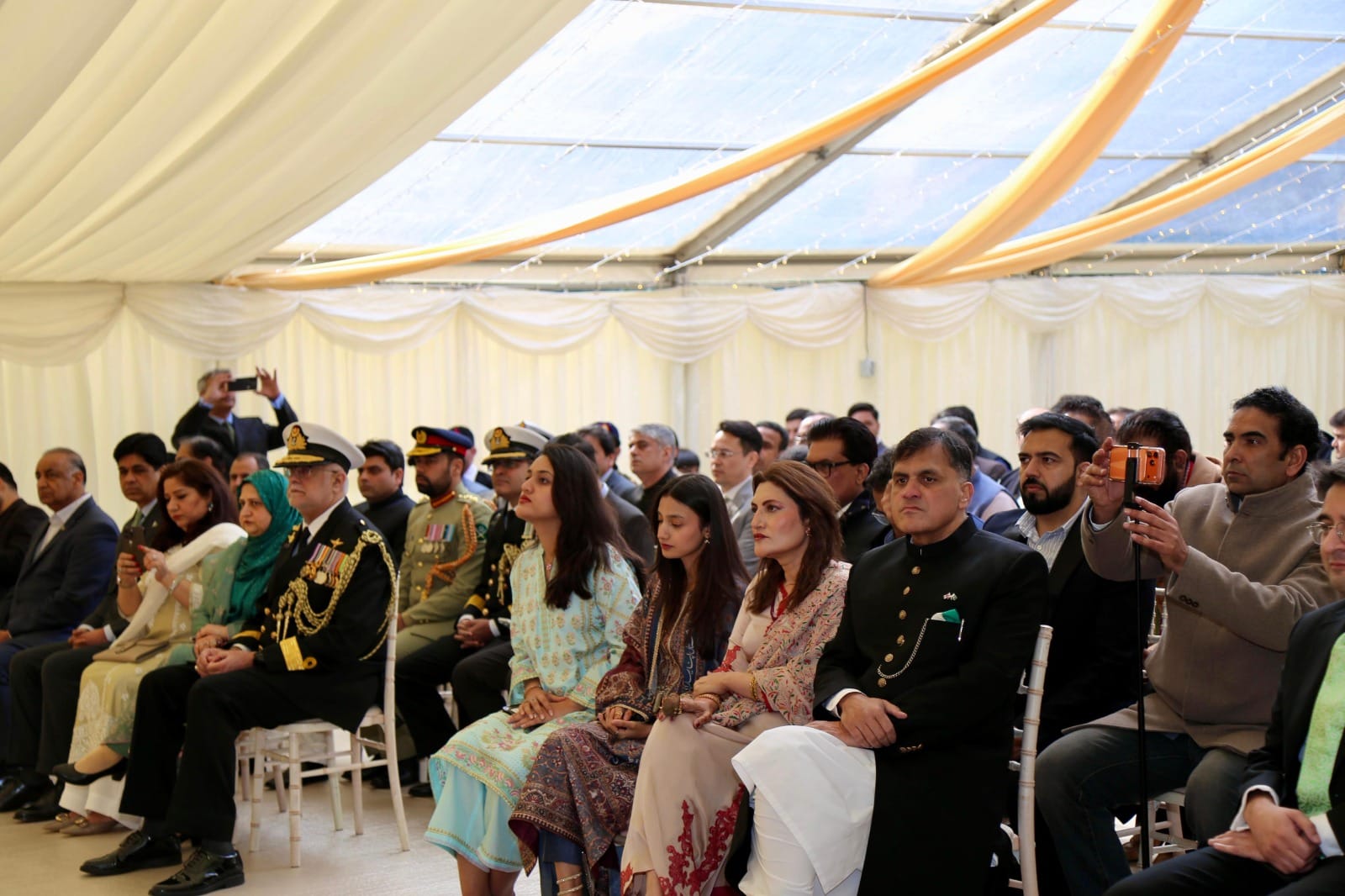
He acknowledged the remarkable contributions of Pakistani diaspora in UK and their extraordinary performance in various fields. He said that their achievements are a source of immense pride for Pakistan.
The High Commissioner expressed solidarity with the people of Indian Illegally Occupied Jammu and Kashmir and committed to continue diplomatic, moral and political support for their right to self determination under UN Resolutions.
London
23rd March, 2026


How the World Is Forced to Fund the Iran War

Scholars Urge UN to Protect Iran’s Scientific Sites Amid Airstrikes Global Academics Warn Attacks Threaten Research, Health, and Civilian Safety

How Iran Humiliated U.S. and Israeli Power


-

 Europe News1 year ago
Chaos and unproven theories surround Tates’ release from Romania
-

 American News1 year ago
Trump expands exemptions from Canada and Mexico tariffs
-

 American News1 year ago
Trump Expels Zelensky from the White House
-

 Pakistan News9 months ago
Comprehensive Analysis Report-The Faranian National Conference on Maritime Affairs-By Kashif Firaz Ahmed
-

 American News1 year ago
Zelensky bruised but upbeat after diplomatic whirlwind
-

 Art & Culture1 year ago
The Indian film showing the bride’s ‘humiliation’ in arranged marriage
-

 Pakistan News1 year ago
Can Pakistan be a Hard State?
-

 Entertainment1 year ago
Champions Trophy: Pakistan aim to defend coveted title as historic tournament kicks off today