
Pakistan News
Rubio’s Gaza Signal and Pakistan’s Strategic Crossroads


Paris (Imran Y. CHOUDHRY) :- Former Press Secretary to the President, Former Press Minister to the Embassy of Pakistan to France, Former MD, SRBC Mr. Qamar Bashir analysis : When US Secretary of State Marco Rubio publicly acknowledged Pakistan’s willingness to “consider being part” of the proposed International Stabilisation Force (ISF) for Gaza, he did more than offer diplomatic gratitude. He placed Pakistan—quietly but unmistakably—at the center of the most sensitive post-war experiment in the Middle East. Rubio’s words, carefully hedged yet pointed, signaled that Washington sees Pakistan not as a peripheral participant, but as a key pillar of a force designed to oversee Gaza’s transition from devastation to an uncertain peace.
For Islamabad, this moment marks a profound strategic crossroads. Participation in the ISF may promise international relevance, economic relief, and renewed favor in Washington. Yet it also carries the risk of deep domestic backlash, ideological rupture, and entanglement in a conflict where the lines between peacekeeping and coercion are dangerously blurred.
At the heart of the issue lies the mandate itself. President Donald Trump’s 20-point Gaza peace plan—endorsed by the UN Security Council—envisions an international force, composed largely of troops from Muslim-majority countries, stepping in after Israel’s withdrawal to oversee stabilisation, reconstruction, and security. Officially, the ISF is framed as a neutral mechanism to prevent chaos and facilitate recovery. In practice, however, its most controversial task is implicit: the disarmament of Hamas and other Palestinian resistance groups.
This is where Pakistan’s dilemma begins. Unlike Israel, which under the plan is required to vacate Gaza, or Western powers reluctant to deploy ground troops, Pakistan would enter Gaza with boots on the ground and credibility among Muslim populations. That very credibility is what makes Islamabad attractive to Washington—and simultaneously vulnerable at home. A Pakistani soldier confronting a Palestinian fighter will not be seen as a neutral peacekeeper by Pakistani public opinion; he will be seen, fairly or not, as enforcing a US-backed order against fellow Muslims.
Field Marshal Asim Munir, now the most powerful military figure Pakistan has seen in decades, stands at the center of this storm. Recently elevated to oversee all three armed services, granted an extension until 2030, and shielded by constitutional immunity, Munir possesses unparalleled authority to take strategic risks. His close personal rapport with President Trump—symbolized by an unprecedented White House lunch without civilian officials—has restored trust between Washington and Rawalpindi after years of strain.
But power does not eliminate consequences. It merely concentrates responsibility. Supporters of participation argue that Pakistan’s military is uniquely qualified for the mission. It is battle-hardened, experienced in counterinsurgency, and among the world’s largest contributors to UN peacekeeping operations. Financially, such missions bring dollar-denominated compensation, easing pressure on a struggling economy and reinforcing an institutional model the Pakistani military knows well. Diplomatically, participation could elevate Pakistan as a responsible global actor and secure US investment and security cooperation at a critical time.
Yet these gains are contingent—and fragile. The most glaring weakness in the ISF proposal is mandate ambiguity. Peacekeeping traditionally rests on consent, neutrality, and limited use of force. Disarmament does not. If Hamas and other resistance factions refuse to surrender weapons voluntarily—as they have already signaled—then enforcement becomes unavoidable. In such a scenario, Pakistani troops would not merely stand between factions; they would become a party to coercion.
Compounding this is the absence of reciprocal enforcement mechanisms. The peace plan offers no clarity on what happens if Israel fails to fully withdraw from designated areas or violates post-withdrawal commitments. There is no indication that the ISF would be empowered to confront Israeli forces. The result is a one-sided enforcement architecture: Palestinian groups disarmed under international supervision, while Israel operates beyond the ISF’s reach. For Pakistan, this asymmetry is politically toxic.
At home, the risks multiply. Pakistan’s Islamist parties—particularly groups with strong street power such as JUI factions and Jamaat-e-Islami—are deeply opposed to US and Israeli policies in Palestine. Even with bans, arrests, and crackdowns, their ideological reach remains intact. Any perception that Pakistani soldiers are killing or detaining Palestinians—even in Gaza, even under UN authorization—could ignite nationwide protests, destabilizing cities and overwhelming civil order.
The backlash would not be confined to religious parties. Large segments of the public, already alienated by domestic political engineering and military dominance, would frame ISF participation as another example of Pakistan’s security establishment acting without popular consent. The absence of parliamentary debate or a national consensus would magnify this perception. In a country where legitimacy increasingly comes from the street rather than the chamber, this is a perilous omission.
There is also a quieter but no less serious concern: morale within the ranks. Pakistani soldiers are drawn from a society that overwhelmingly sympathizes with the Palestinian cause. Asking them to enforce disarmament against Palestinian fighters—while Israeli forces face no comparable restraint—could strain discipline and cohesion. Militaries can obey orders, but they are not immune to moral dissonance.
Internationally, Pakistan faces the risk of strategic isolation if the mission falters. Gaza remains volatile, traumatized, and heavily armed. If the ISF encounters resistance, sustains casualties, or becomes mired in urban conflict, global enthusiasm may fade. Major powers can distance themselves; troops on the ground cannot. Pakistan could find itself trapped in an open-ended deployment with no clear exit strategy, absorbing blame while others retreat to diplomatic safety.
Yet opportunities do exist—if handled with exceptional care. Pakistan could leverage its importance to insist on strict limitations: a mandate centered on civilian protection, humanitarian access, and policing ceasefire lines, explicitly excluding forced disarmament. It could demand written guarantees on rules of engagement, funding, timelines, and collective Muslim participation to avoid unilateral exposure. Properly negotiated, participation could position Pakistan as a mediator rather than an enforcer.
But such outcomes require transparency, parliamentary involvement, and a willingness to say no if red lines are crossed. The fundamental question is not whether Pakistan can participate in the Gaza stabilisation force. It is whether it can afford to do so on the terms currently envisioned.
Without clarity, consensus, and balance, ISF participation risks becoming a strategic trap: modest diplomatic gains purchased at the cost of domestic instability, moral authority, and long-term security. Field Marshal Munir’s unprecedented power may allow him to make the decision—but it will not shield Pakistan from its consequences.
History offers a cautionary lesson. Nations that enter foreign conflicts under vague mandates often discover too late that stabilisation is easier to promise than to deliver. For Pakistan, Gaza is not merely a distant theater. It is a mirror reflecting the tension between power and legitimacy, ambition and restraint. How Islamabad responds will shape not only its role in the Middle East, but the fragile equilibrium at home.
In this moment, strategic prudence—not proximity to power—may prove the ultimate test of leadership.





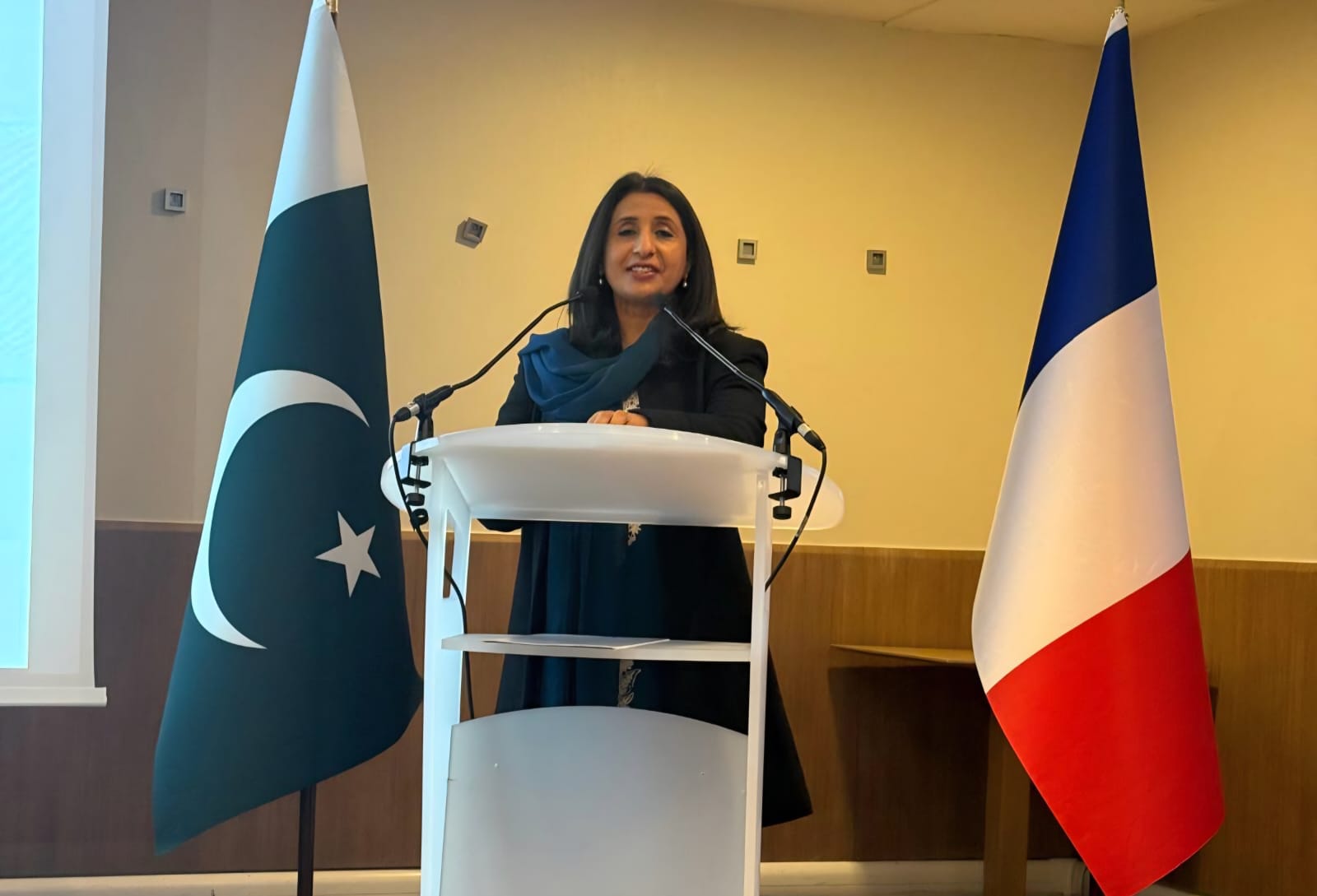
Paris ( Imran Y. CHOUDHRY):- A ‘Pakistan-France Trade and Investment Forum’ was held in Paris today, bringing together government officials, business leaders, industry experts and representatives of trade bodies of both countries.
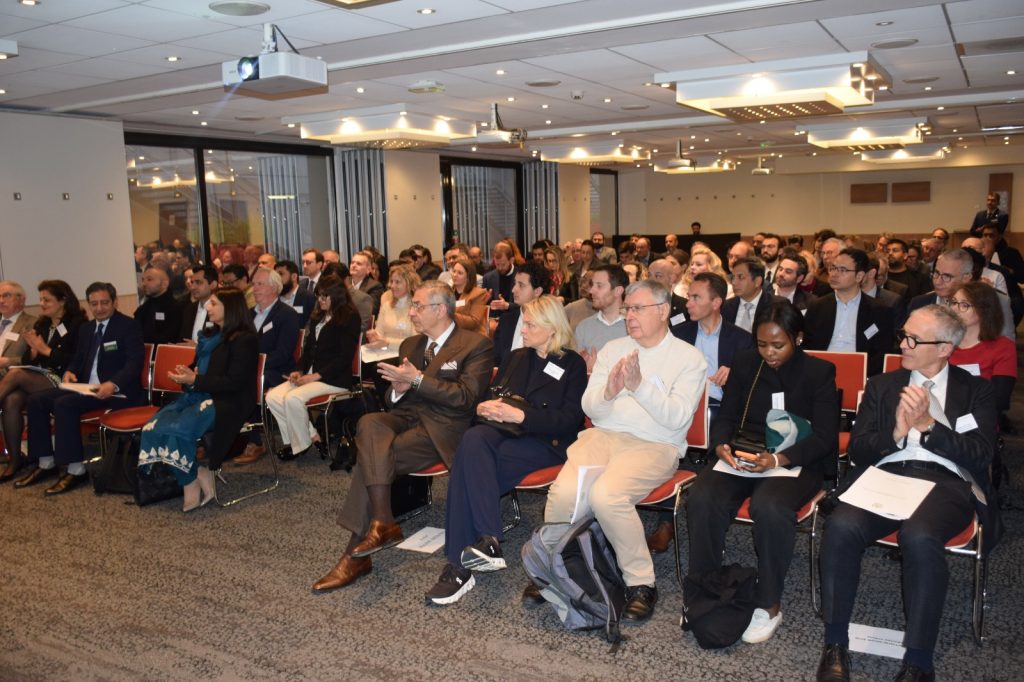
The Forum was held in implementation of an understanding reached between President Emmanuel Macron and Prime Minister Shehbaz Sharif in 2024, to build strong economic partnership between Pakistan and France. The objective of the Forum was to connect businesses, exchange ideas, explore new avenues of bilateral cooperation and showcase Pakistan’s trade and investment potential. It witnessed participation of over seventy French and Pakistani companies from diverse sectors including agriculture, information technology, textiles, energy and tourism.
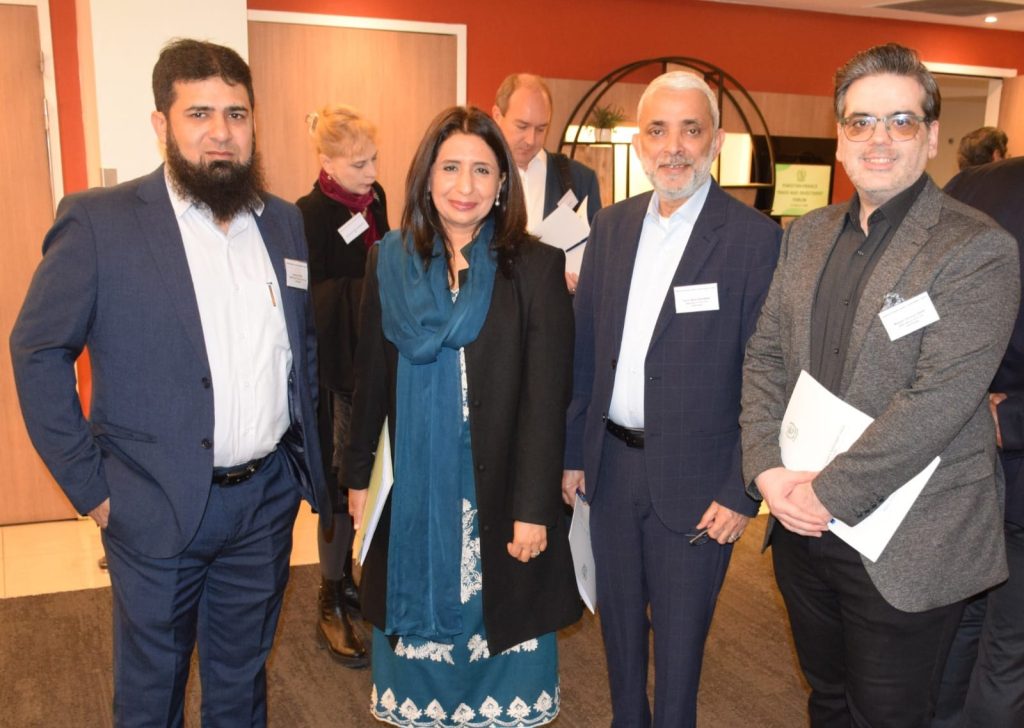
Ambassador Mumtaz Zahra Baloch opened the Business Forum and highlighted Pakistan’s economic growth and potential as an attractive trade partner for France. She outlined investor-focused initiatives and institutional facilitation mechanisms in Pakistan to promote trade and investment. She encouraged Pakistani and French businesses to explore collaborative opportunities, and develop joint ventures and win-win partnerships.
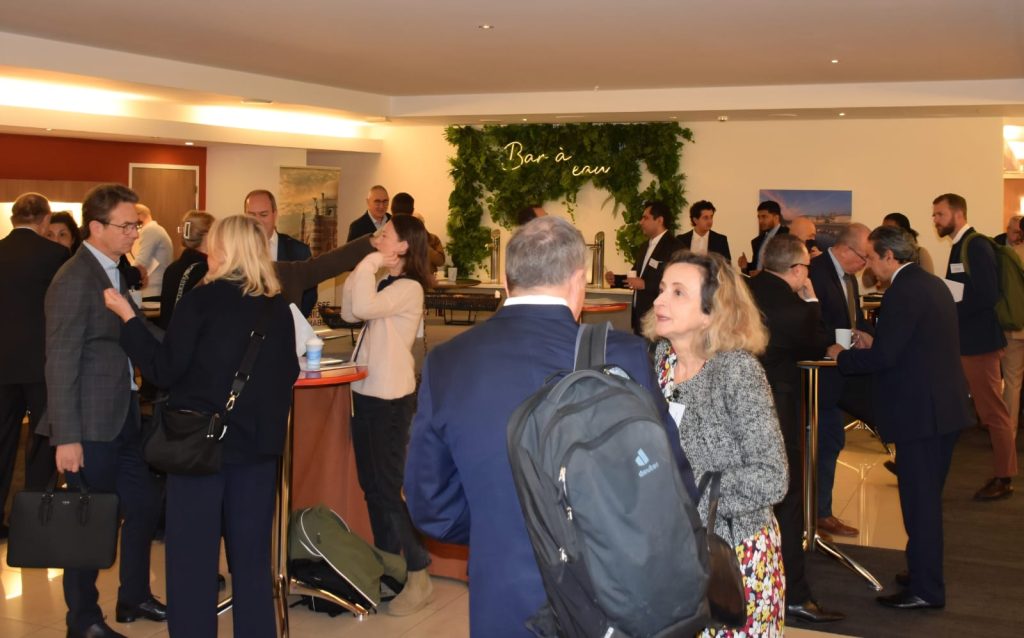
Speakers from the French side included Thierry Pflimlin, Chairman of the France-Pakistan Business Council at MEDEF International, Patricia Glasel, Vice President of the Conseillers du Commerce Extérieur de la France (CCEF) and Ardavan Amir-Aslani. They highlighted the growing momentum in France-Pakistan economic relations; identified the opportunities for trade and investment with Pakistan; and underscored the importance of strengthening private sector linkages to further facilitate bilateral trade and investment.
The plenary session was followed by ‘Breakout and Business-to-Business (B2B)’ sessions to discuss and identify tangible avenues for collaboration in textiles, agriculture and dairy, and Information Technology.
Pakistan News
Dr. Mohammad Faisal Joins Distinguished Quetta Association Event in London Gathering Reinforces Shared Military Heritage of Pakistan and Britain
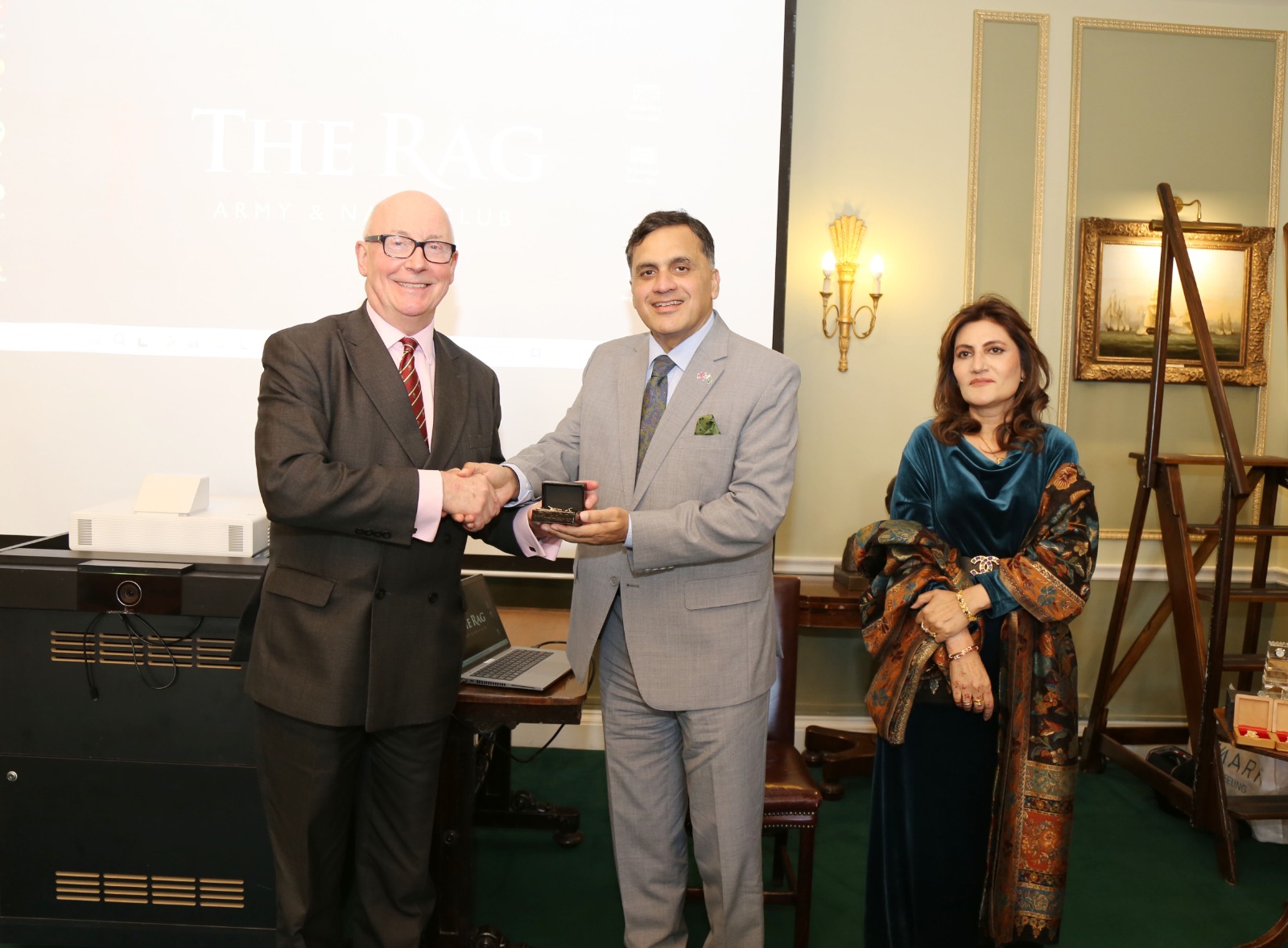
High Commissioner @DrMFaisal and his spouse @drsarahnaeem2 attended, as guests of honor, a distinguished gathering of the Quetta Association at the Army & Navy Club, London.
Military Officers from the Defence Wing of Pakistan High Commission, London, with their families also attended.
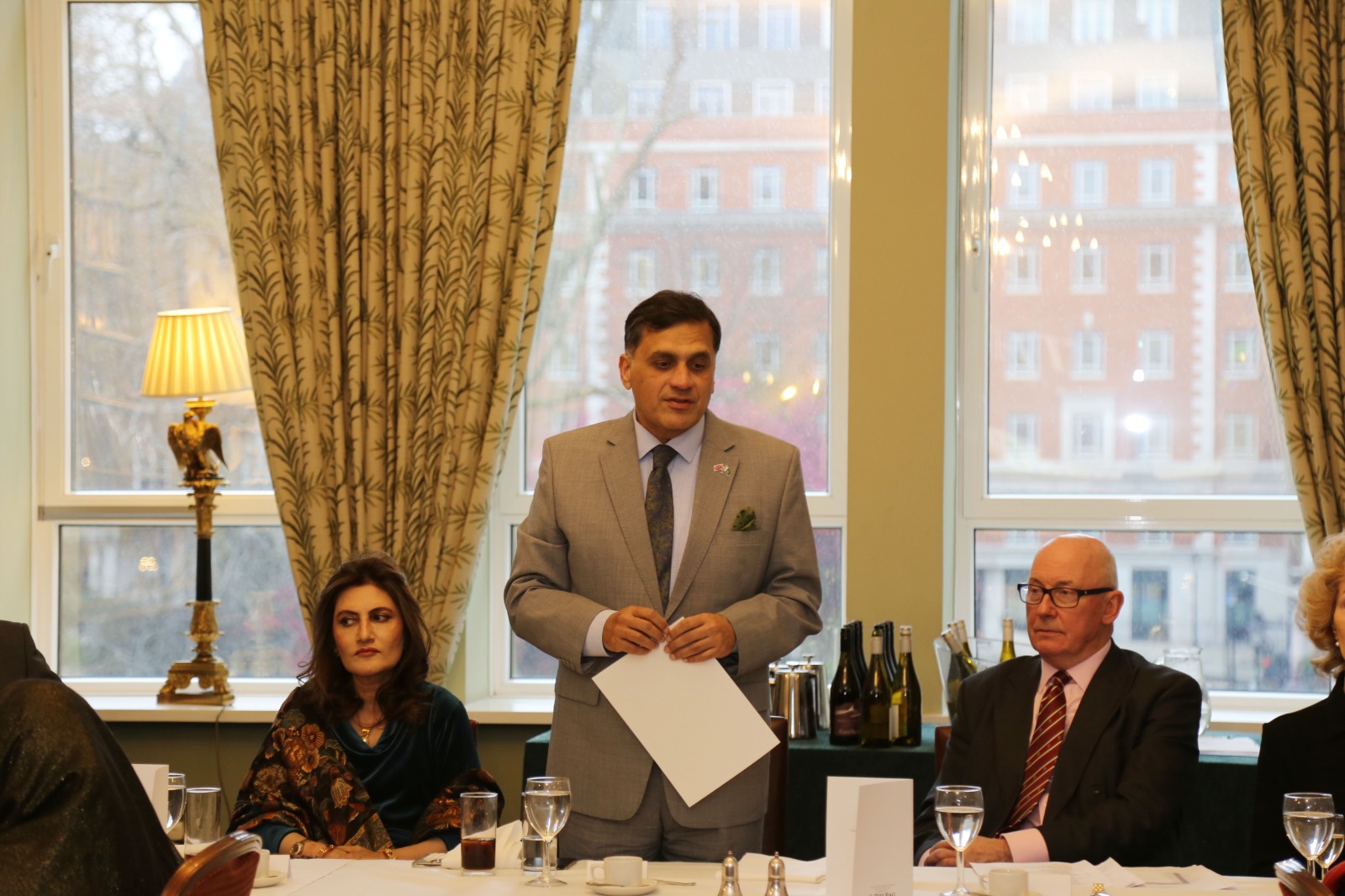
Quetta Association brings together British officers who graduated from the prestigious Command & Staff College, Quetta, Pakistan. The institution has produced outstanding military leaders, including British Field Marshals Sir Claude Auchinleck and Sir William Slim, whose leadership during the Second World War remains widely respected. Field Marshal Syed Asim Munir is also graduate of this prestigious institution.
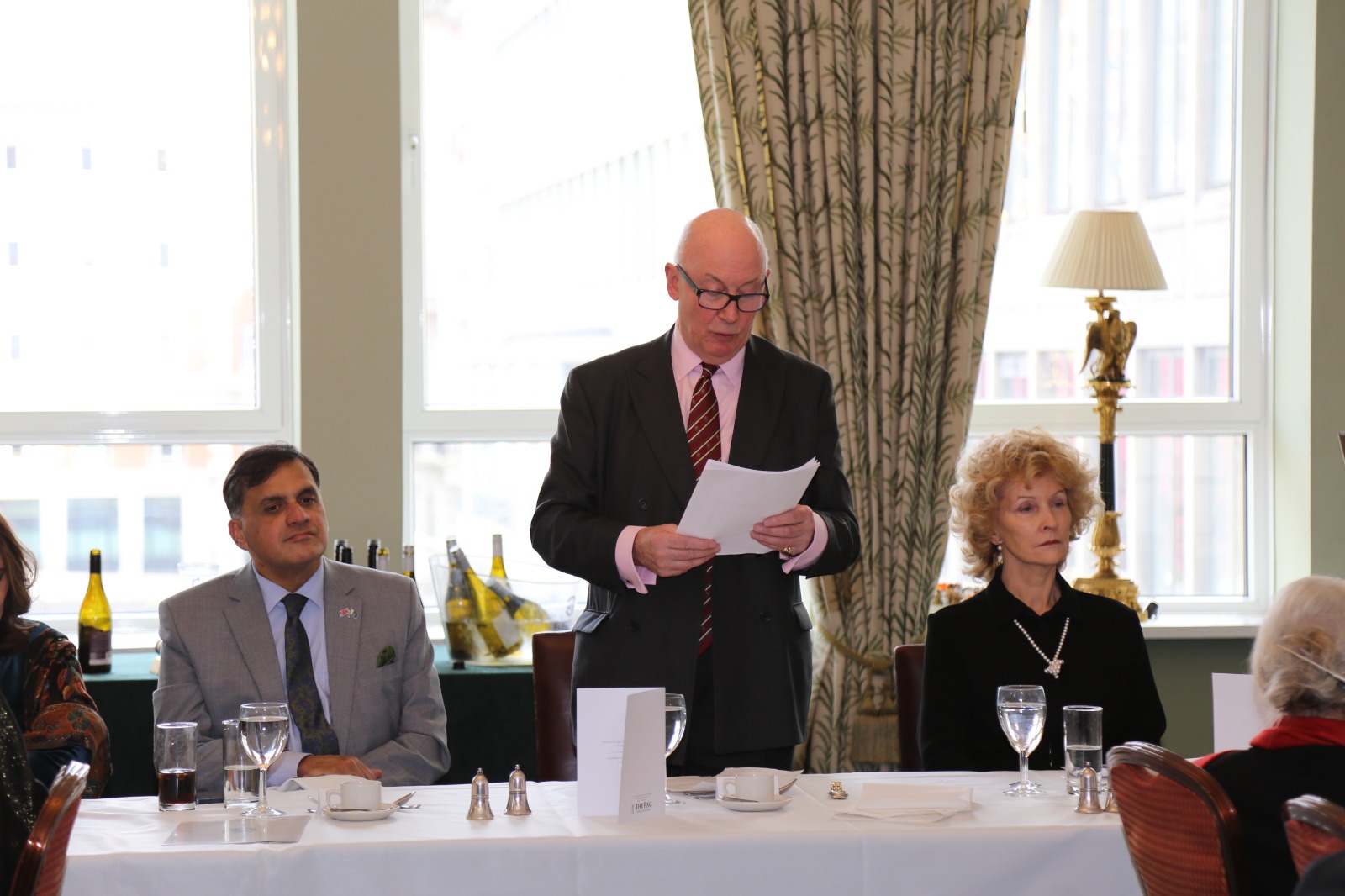
The High Commissioner appreciated the annual gathering that underscored the Association’s enduring role as a vital bridge linking the British Army and Pakistan Army through shared professional heritage and camaraderie.
Decorated British military officers and their families paid glowing tributes while referring to the hospitality accorded by Pakistan during their stay in Quetta.
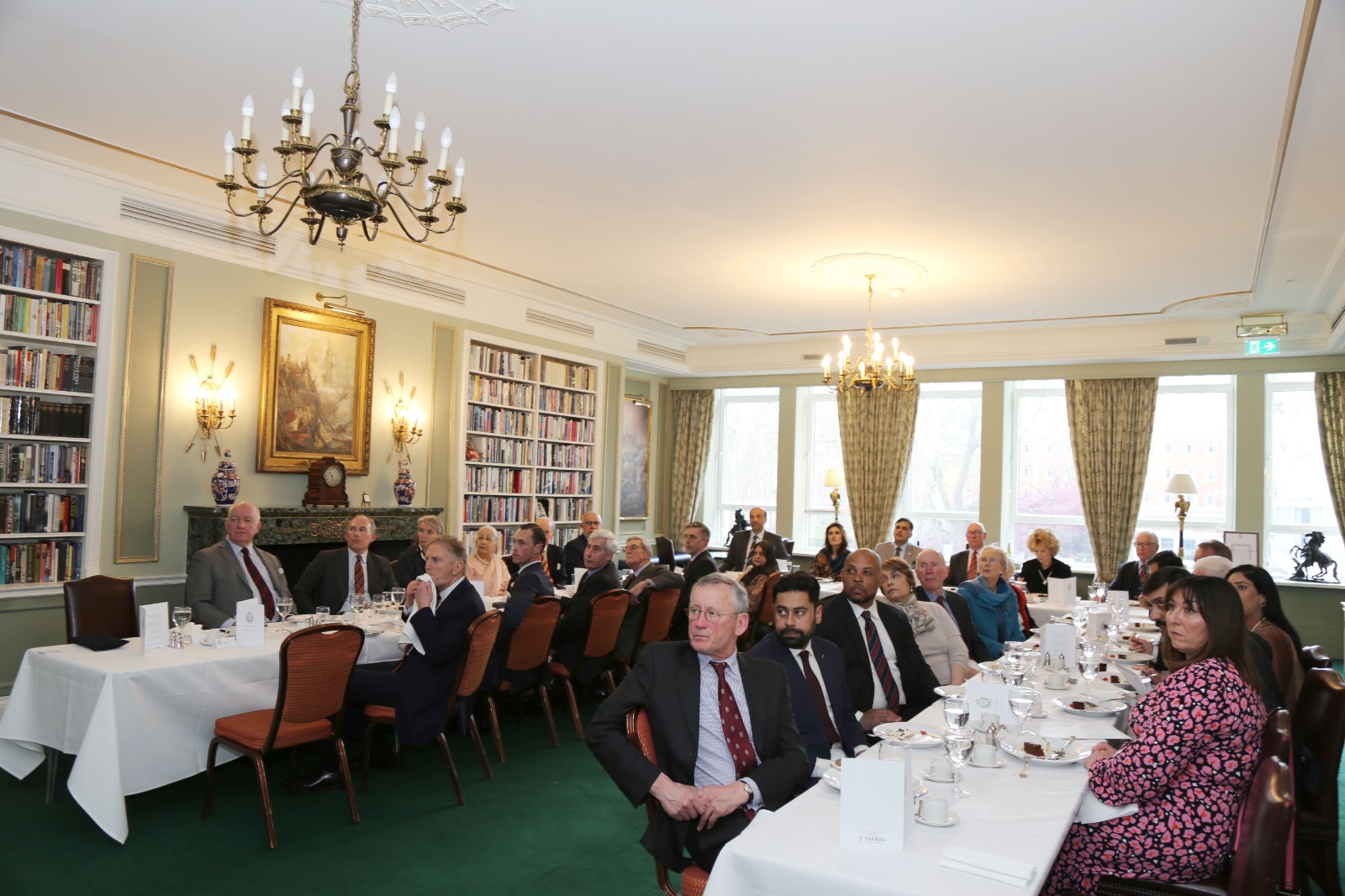
Graduate senior British Officers present at the gathering included Lt. Gen. Sir Alistair Irwin KCB CBE (1980) and Maj. Gen. Seumus Kerr CBE (1985).
Mementos were exchanged between the British officers and officers of @PakistaninUK.
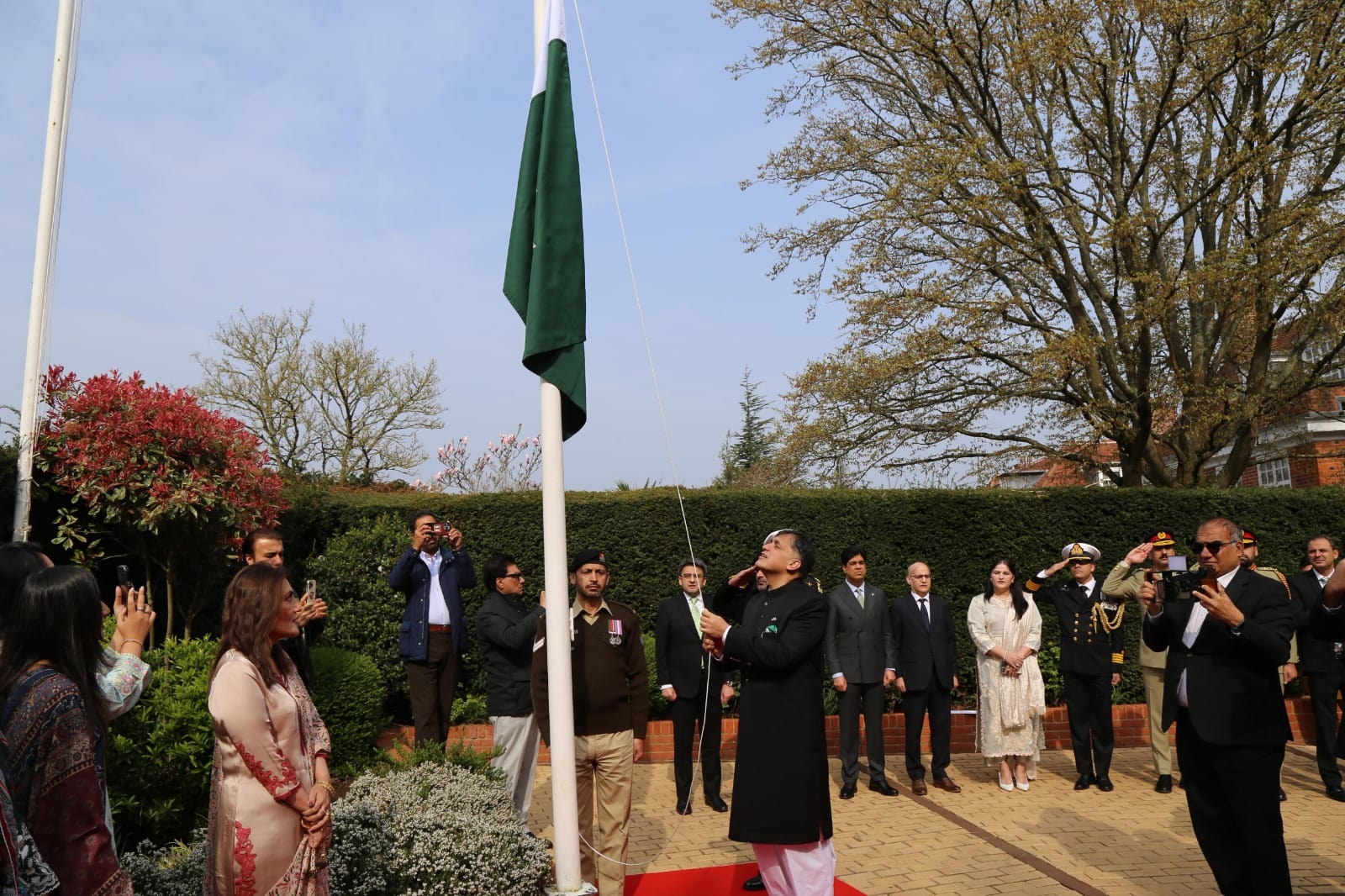
In a simple and dignified ceremony held at Pakistan House, London, the High Commissioner of Pakistan to UK Dr. Mohammad Faisal raised the Pakistan Flag on the occasion of Pakistan Day.
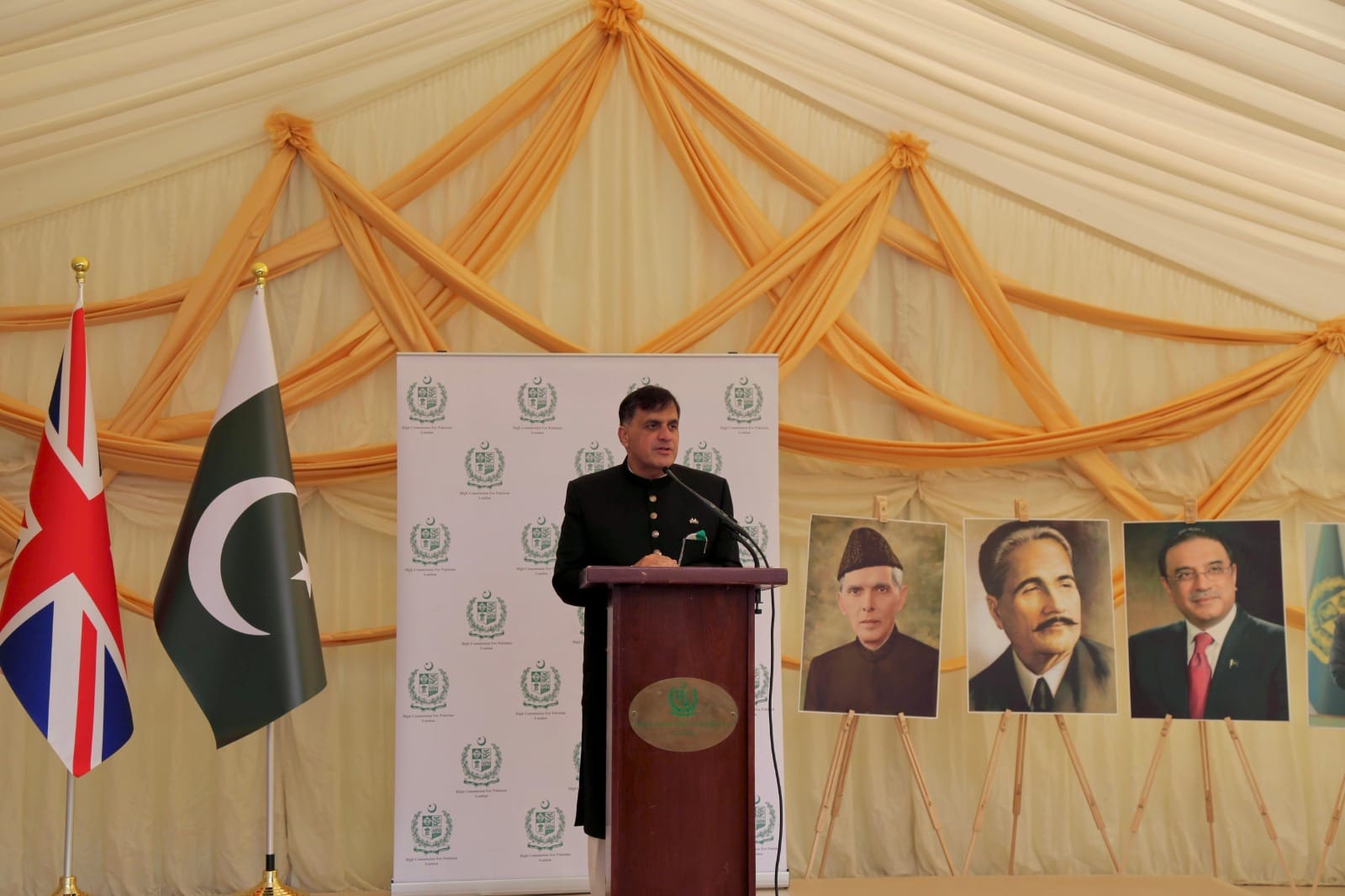
The ceremony was attended by Officials of the High Commission, British – Pakistanis and Media representatives.
Messages of the President, the Prime Minister and Deputy Prime Minister / Foreign Minister were read out.
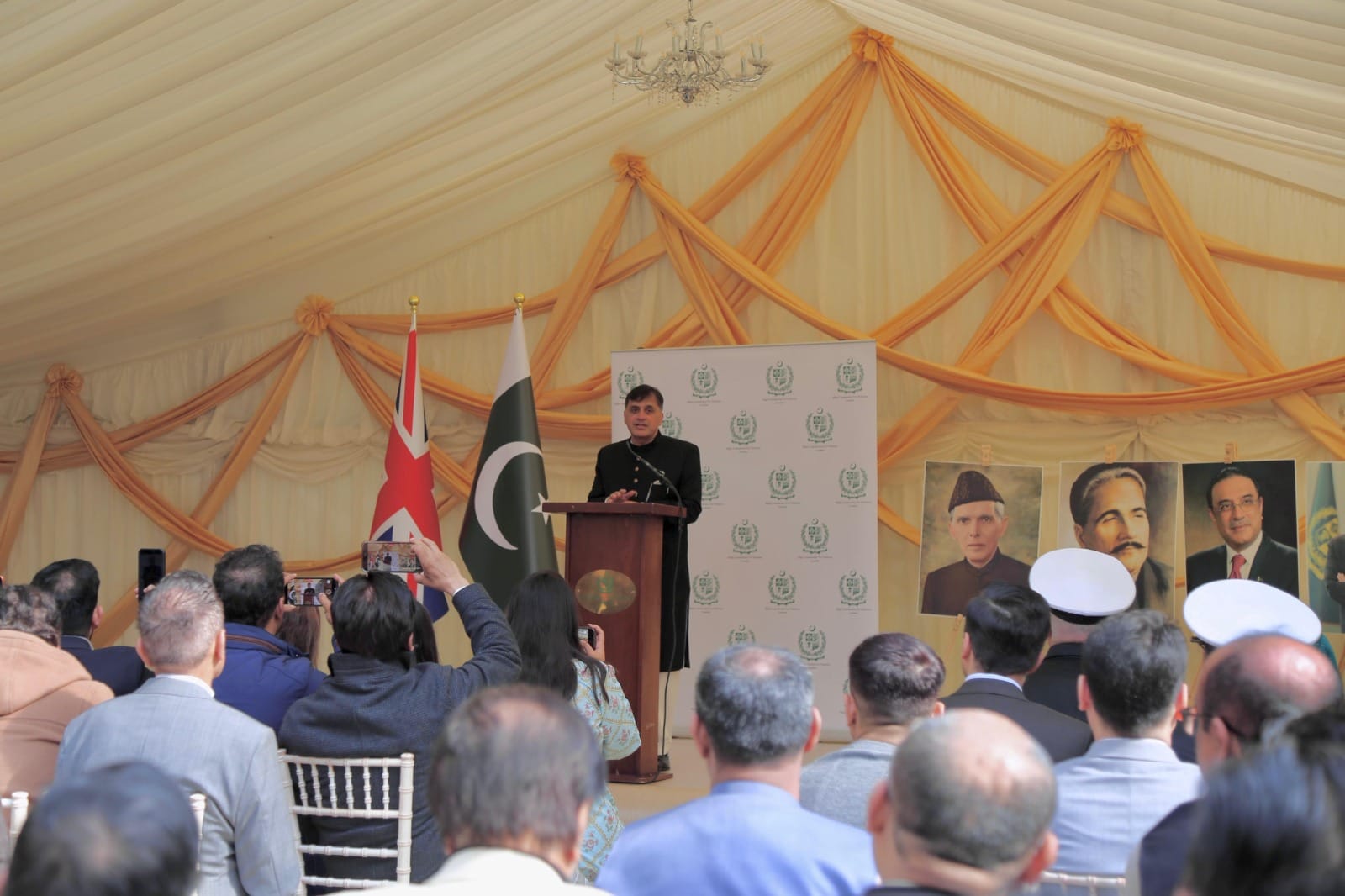
In his keynote address, the High Commissioner said that Pakistan Day was a tribute to our founding fathers who united the Muslims of Indian sub-continent where they could live independently as a Nation and live according to their customs & traditions.
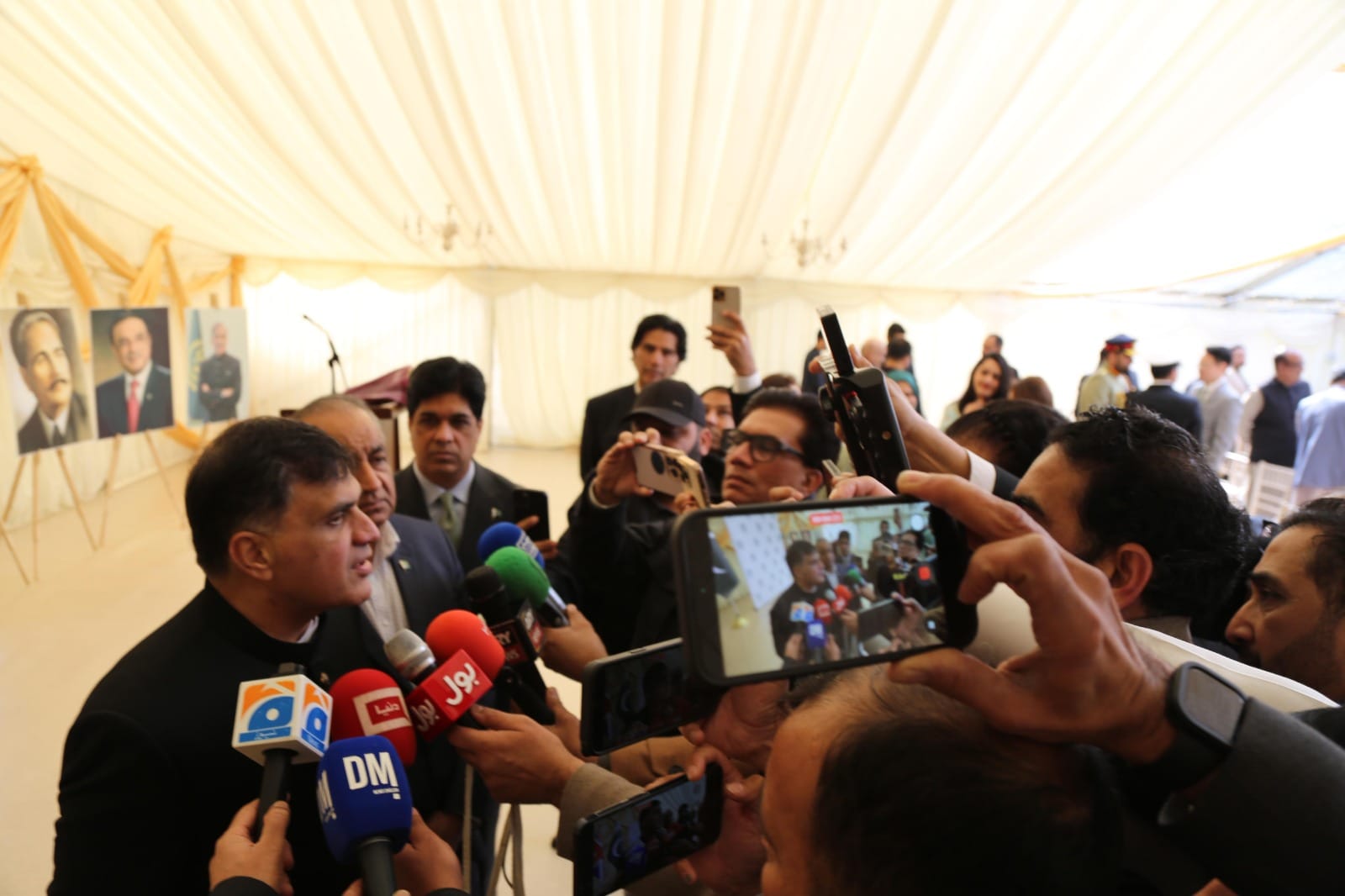
Dr. Faisal stated that Pakistan had always professed peace and stability in the region. However, Pakistan will not tolerate any aggression from neighbouring countries.
The High Commissioner said that Pakistani nation, despite the difficulties, remains resilient and demonstrates courage & perseverance.
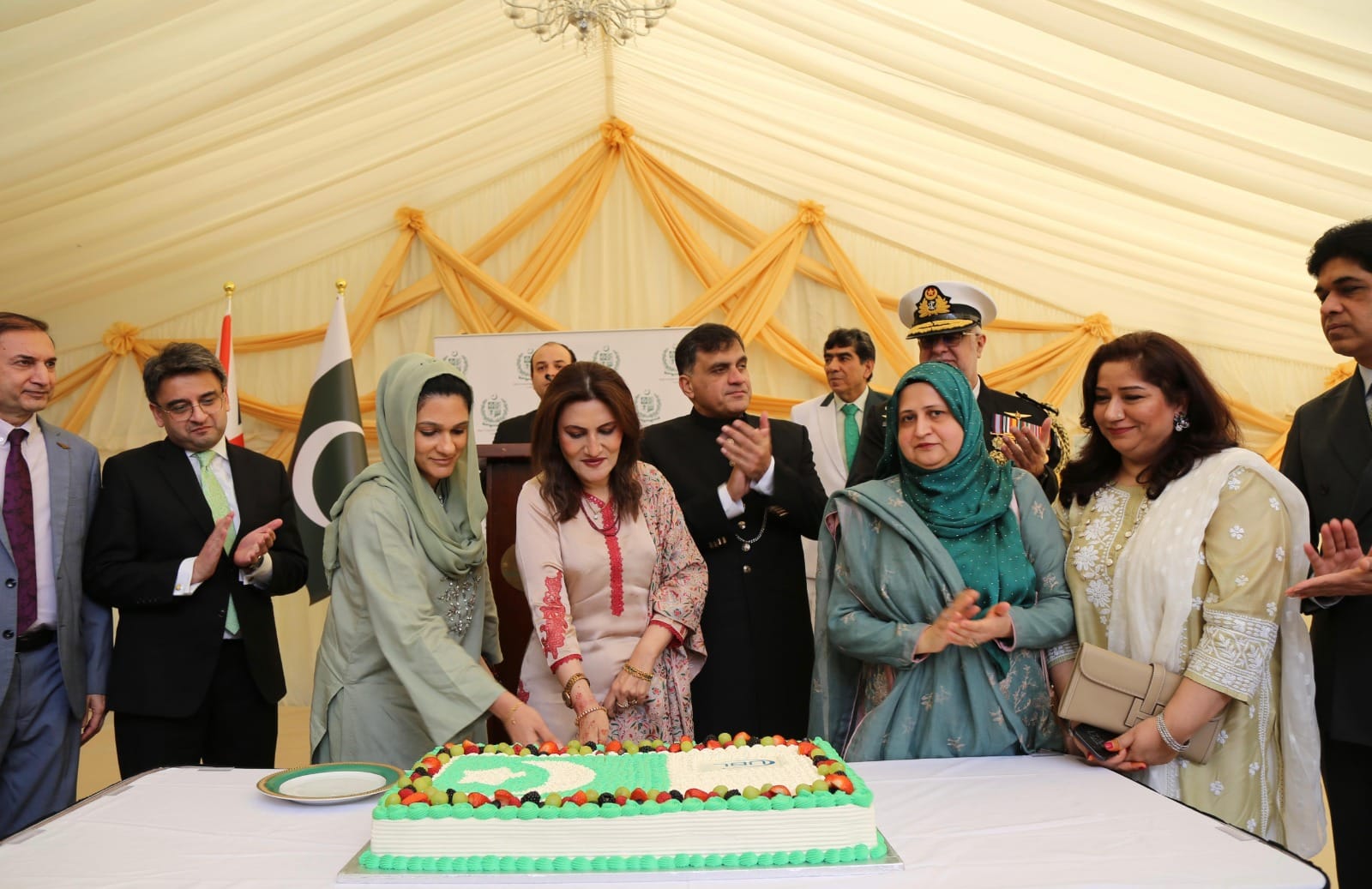
Dr. Mohammad Faisal stated that, in line with the instructions of the Prime Minister, the Deputy Prime Minister / Foreign Minister and the Federal Cabinet, Pakistan High Commission London is implementing strict austerity measures. However, these measures will not affect the performance & working of the High Commission.
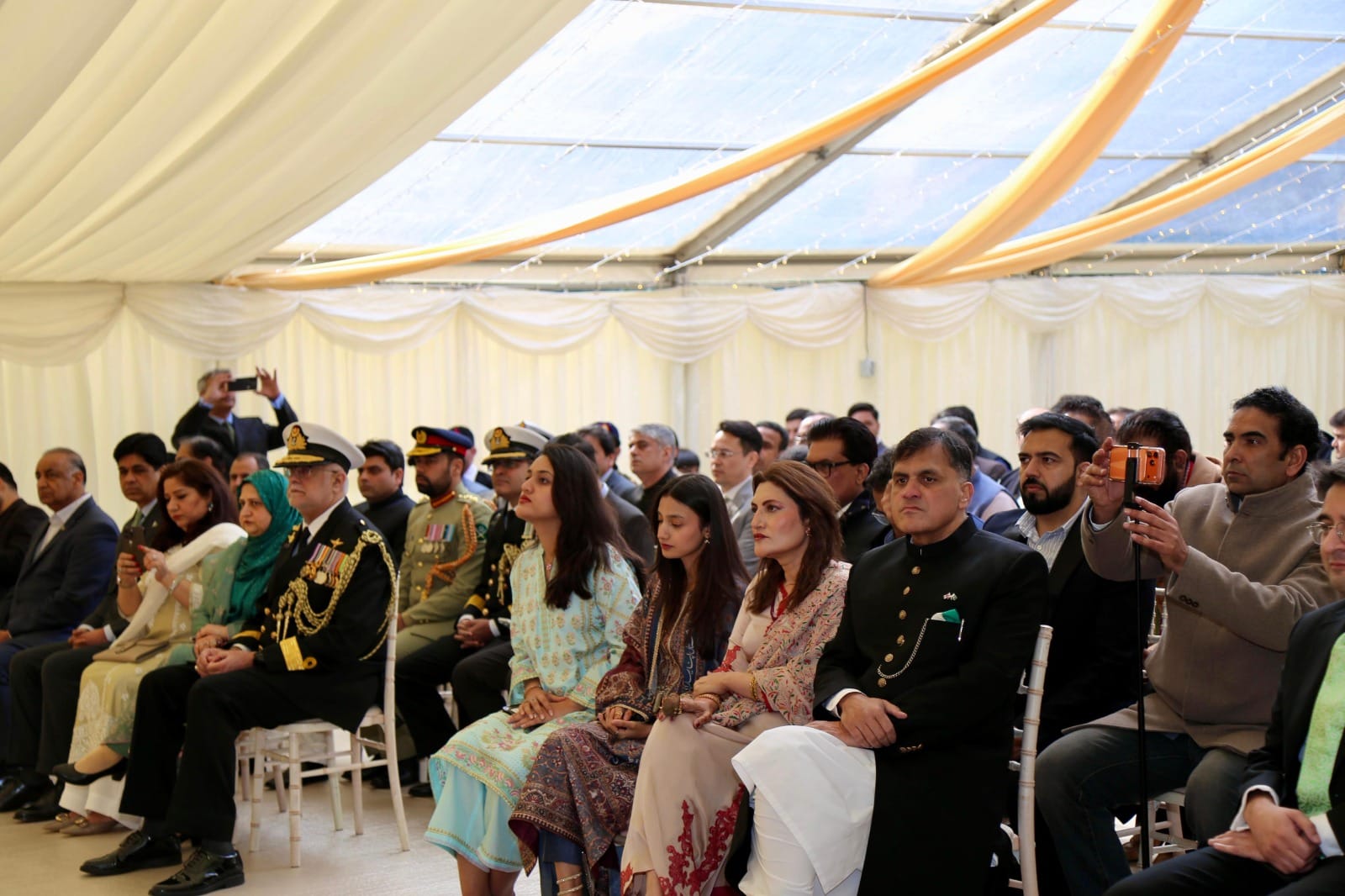
He acknowledged the remarkable contributions of Pakistani diaspora in UK and their extraordinary performance in various fields. He said that their achievements are a source of immense pride for Pakistan.
The High Commissioner expressed solidarity with the people of Indian Illegally Occupied Jammu and Kashmir and committed to continue diplomatic, moral and political support for their right to self determination under UN Resolutions.
London
23rd March, 2026


How the World Is Forced to Fund the Iran War

Scholars Urge UN to Protect Iran’s Scientific Sites Amid Airstrikes Global Academics Warn Attacks Threaten Research, Health, and Civilian Safety

How Iran Humiliated U.S. and Israeli Power


-

 Europe News1 year ago
Chaos and unproven theories surround Tates’ release from Romania
-

 American News1 year ago
Trump expands exemptions from Canada and Mexico tariffs
-

 American News1 year ago
Trump Expels Zelensky from the White House
-

 Pakistan News9 months ago
Comprehensive Analysis Report-The Faranian National Conference on Maritime Affairs-By Kashif Firaz Ahmed
-

 American News1 year ago
Zelensky bruised but upbeat after diplomatic whirlwind
-

 Art & Culture1 year ago
The Indian film showing the bride’s ‘humiliation’ in arranged marriage
-

 Art & Culture1 year ago
International Agriculture Exhibition held in Paris
-

 Pakistan News1 year ago
Can Pakistan be a Hard State?