
Pakistan News
Pakistan and Afghanistan: From Tensions to Trust?

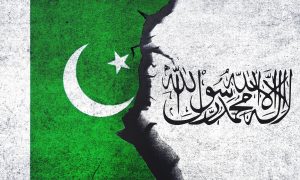
Paris (Imran Y. CHOUDHRY) :- Former Press Secretary to the President, Former Press Minister to the Embassy of Pakistan to France, Former MD, SRBC Mr. Qamar Bashir analysis : When Amir Khan Muttaqi, the Taliban’s acting foreign minister, arrived in New Delhi in October 2025, his message to Pakistan resonated with both challenge and invitation. Speaking in Urdu at moments—an echo of time spent within Pakistani linguistic and cultural space—he proclaimed that Afghanistan seeks peaceful ties with all neighbors but would not accept interference. He claimed the Taliban regime had cleansed its soil of terror groups and demanded Pakistan reciprocate. Behind his words lay the centuries-deep entanglement of Pakistan and Afghanistan: geography, religion, culture, trade, and social contact all wound together.
Yet Islamabad heard not conciliation alone, but a rebuke. For years, Pakistani security forces and civilians have paid a steep cost to militant violence, particularly from the Tehrik-e-Taliban Pakistan (TTP). In 2023 alone, nearly 1,000 Pakistanis were killed in terrorist attacks, including security personnel, police, and civilians. In Khyber Pakhtunkhwa and Balochistan, ACLED recorded 754 and 416 security-incidents respectively in 2023. The TTP’s attacks have surged, tripling between 2021 and 2023. In 2024, militant bombings and gun attacks claimed over 1,600 lives—both civilians and uniformed personnel.
These are not remote skirmishes: even within provincial capitals and main arteries, attacks persist. In January 2023, a suicide bomber struck the Peshawar Police Lines mosque, killing 84 people and wounding 217 during congregational prayers at a high-security compound. In February, militants attacked a Karachi police station, killing four and wounding 14. In March, an IED blast at a Saddar police station in Lakki Marwat killed four policemen, including a Deputy Superintendent. In May 2023, a suicide bombing targeting a security checkpoint in North Waziristan killed four (including two soldiers).
In response, Pakistan’s military has struck hard. In September 2025, raids near the Afghan border killed 12 soldiers and 35 militants. In October 2025, Pakistan claimed to have eliminated 30 militants responsible for an ambush killing 11 soldiers. A recent “sanitisation” operation in Orakzai (KP) left 11 soldiers and 19 militants dead. In Bajaur, Operation Sarbakaf reportedly cost 12 security personnel and eliminated 145 militants. (This figure is claimed in Pakistani press reporting.)
Thus, what was once presumed fraternal kinship becomes a strangling war of where theology, ideology, and authority diverge. Pakistani Taliban fighters—many Pashtun, many local—are killed as enemies; Pakistan’s security forces and civilians are slain as victims of insurgency. The same soil sees brothers on opposite sides, dying for rival claims of divine sanction.
This perpetual mutual bloodletting underscores the futility of purely kinetic solutions. Both sides claim legitimacy: Pakistan through constitutional and institutional authority; the Taliban through scriptural and revolutionary legitimacy. Neither accepts the other’s claim, and so reconciliation becomes a chimera. Yet if one could shift from exclusivity to cooperation, from confrontation to construction, that cycle might be broken. A shift toward shared infrastructure, trade, civil institutions, and education holds the power to cancel out destructive divergence.
In this regard, China offers a potent model. Unlike the United States’ pattern of military intervention, regime change attempts, and kinetic intrusion, China’s long game has been investment, noninterference, and resource diplomacy. Instead of toppling governments, Beijing builds roads, structures, mines, and connectivity. Its approach in Afghanistan underscores this philosophy.
China’s engagement with the Taliban regime is growing, although not without constraints. It continues to insist on noninterference in Afghan domestic politics, preferring to negotiate trade, investment, mining rights, and connectivity rather than dictate internal governance. Beijing has offered tariff-free access to Chinese markets for Afghan goods. It has negotiated BRI/China–Pakistan Economic Corridor (CPEC) integration with Afghan alignment. In January 2023, a $540 million contract was agreed for oil extraction in the Amu Darya basin, in partnership with a Chinese firm (CAPEIC). China openly discusses mining of rare earths, copper, lithium—strategic minerals vital to modern industry.
By contrast, U.S. interventions often came with regime change doctrine, drone strikes, “nation-building” campaigns, and military bases on foreign soil. Such methods provoke backlash, resentment, proxy insurgencies, and dependency. China’s hands-off posture—sovereign engagement rather than regime dominance—has thus gained deeper traction among regimes suspicious of Western coercion. Pakistan itself has benefited from Chinese nonassertive but persistent infrastructure investment under CPEC, turning strategic roads, energy, and ports into national assets rather than zones of domination.
Pakistan could draw lessons from China’s approach in this theatre. It could ease off dictating ideology and instead channel its strength into bridging—building trade corridors, supporting Afghan industrial zones, aiding civil institutions, promoting educational exchange, and partnering in mineral processing. If Afghanistan’s economy, transport, natural resource sectors, and human capital become intimately tied to Pakistan, Kabul’s tolerance for hosting anti-Pakistan militants would decline. Islamabad could then shift from enforcing security to shaping stakes.
Within this framework, the conciliatory elements in Muttaqi’s New Delhi address carry fresh potential. His invocation of mutual respect, shared history, and noninterference could become the basis for a Pakistan-Afghanistan partnership, rather than grudging recrimination. But Pakistan’s swift diplomatic rebuke—warning Kabul against interference in its internal affairs—missed the chance to lay the foundation for constructive engagement.
To move forward, Islamabad must integrate three strategic pillars: security, economics, and narrative. Security cannot be abandoned—but kinetic force must be complemented with institutional channels for dialogue, track II diplomacy, and mechanisms to separate hardline factions from moderate elements. Economy cannot be constrained by suspicion—Pakistan must initiate cross-border trade, joint investment in mining and infrastructure, transit corridors, and cross-training in governance. And narrative cannot be dominated by zero-sum theological certitude—it must shift toward shared destiny, mutual elevation, and overlapping interests.
Absent such a pivot, the consequences are grim. Pakistani soldiers, militants, and civilians will continue to bleed. Families will remain fractured. The border will stay a trench of ideology and death. But if Pakistan can adopt a China-style posture—noninterference, investment, cooperation—the negative torque of theological divergence can be neutralized. Two neighbors, bound by history and faith, might then lean not toward perpetual war, but toward a future of shared prosperity and peace.




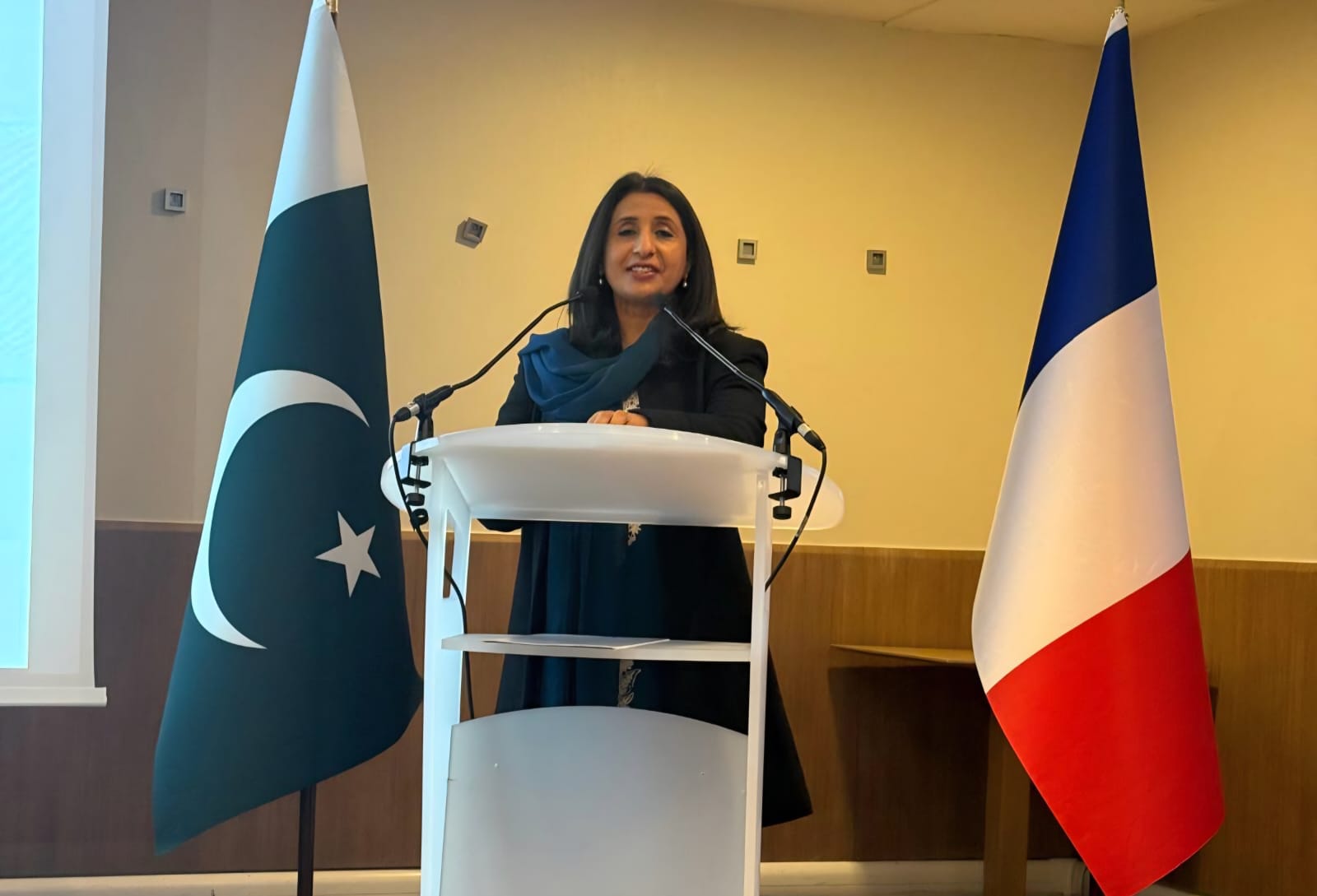
Paris ( Imran Y. CHOUDHRY):- A ‘Pakistan-France Trade and Investment Forum’ was held in Paris today, bringing together government officials, business leaders, industry experts and representatives of trade bodies of both countries.
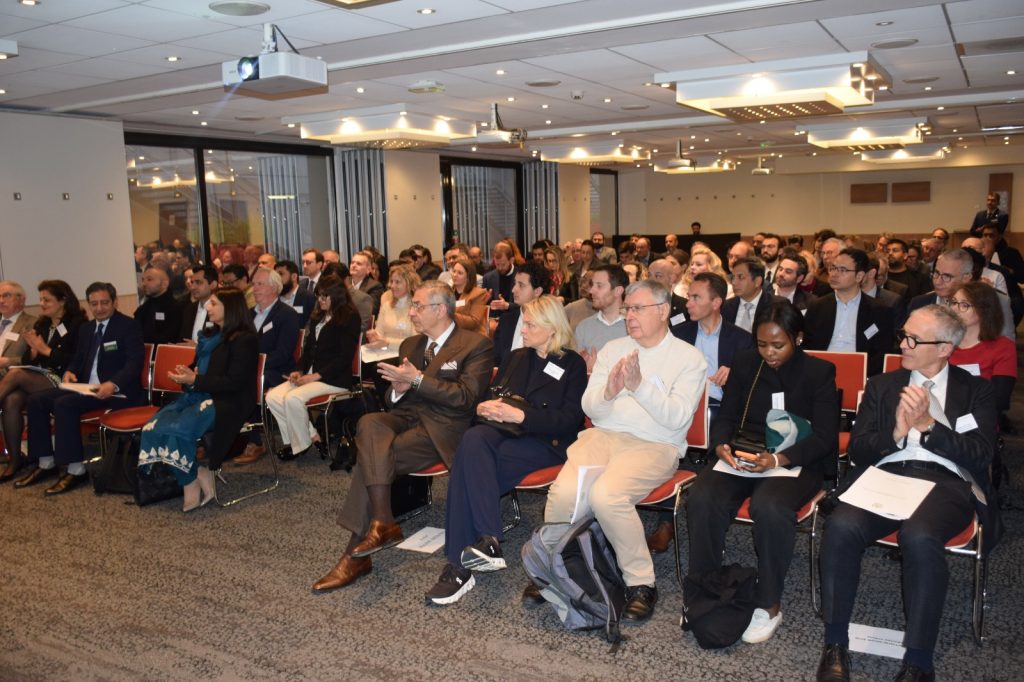
The Forum was held in implementation of an understanding reached between President Emmanuel Macron and Prime Minister Shehbaz Sharif in 2024, to build strong economic partnership between Pakistan and France. The objective of the Forum was to connect businesses, exchange ideas, explore new avenues of bilateral cooperation and showcase Pakistan’s trade and investment potential. It witnessed participation of over seventy French and Pakistani companies from diverse sectors including agriculture, information technology, textiles, energy and tourism.
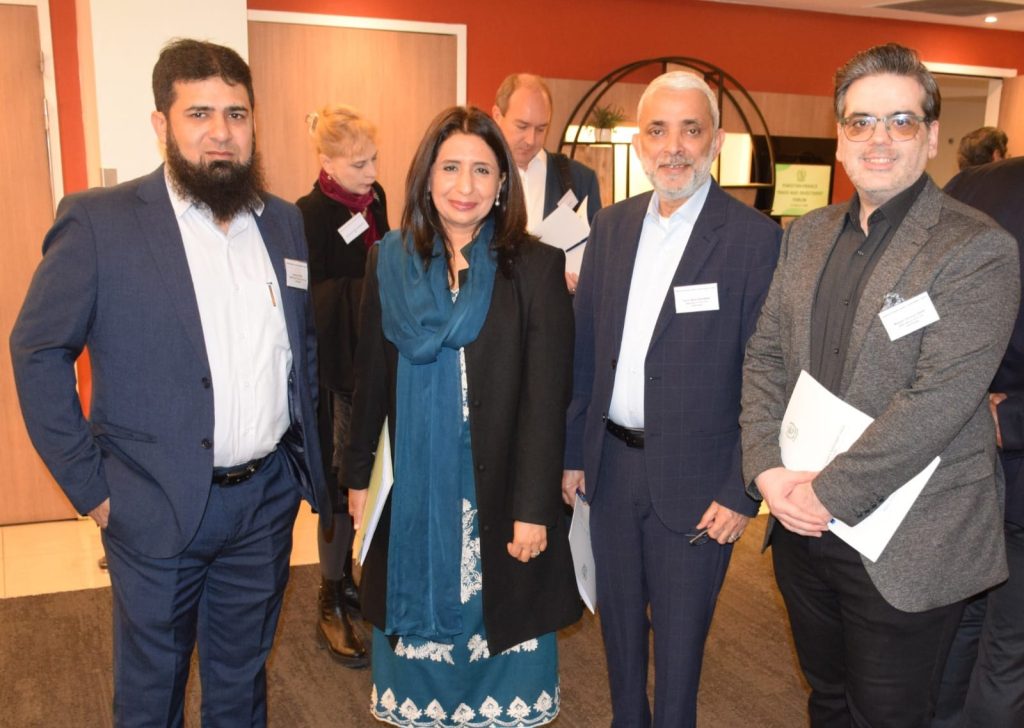
Ambassador Mumtaz Zahra Baloch opened the Business Forum and highlighted Pakistan’s economic growth and potential as an attractive trade partner for France. She outlined investor-focused initiatives and institutional facilitation mechanisms in Pakistan to promote trade and investment. She encouraged Pakistani and French businesses to explore collaborative opportunities, and develop joint ventures and win-win partnerships.
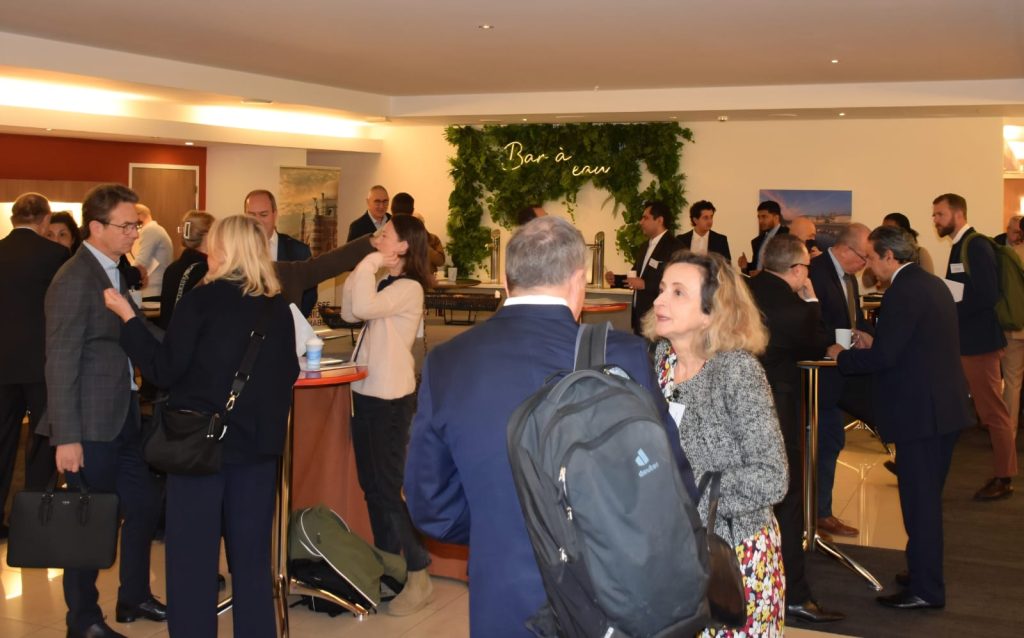
Speakers from the French side included Thierry Pflimlin, Chairman of the France-Pakistan Business Council at MEDEF International, Patricia Glasel, Vice President of the Conseillers du Commerce Extérieur de la France (CCEF) and Ardavan Amir-Aslani. They highlighted the growing momentum in France-Pakistan economic relations; identified the opportunities for trade and investment with Pakistan; and underscored the importance of strengthening private sector linkages to further facilitate bilateral trade and investment.
The plenary session was followed by ‘Breakout and Business-to-Business (B2B)’ sessions to discuss and identify tangible avenues for collaboration in textiles, agriculture and dairy, and Information Technology.
Pakistan News
Dr. Mohammad Faisal Joins Distinguished Quetta Association Event in London Gathering Reinforces Shared Military Heritage of Pakistan and Britain
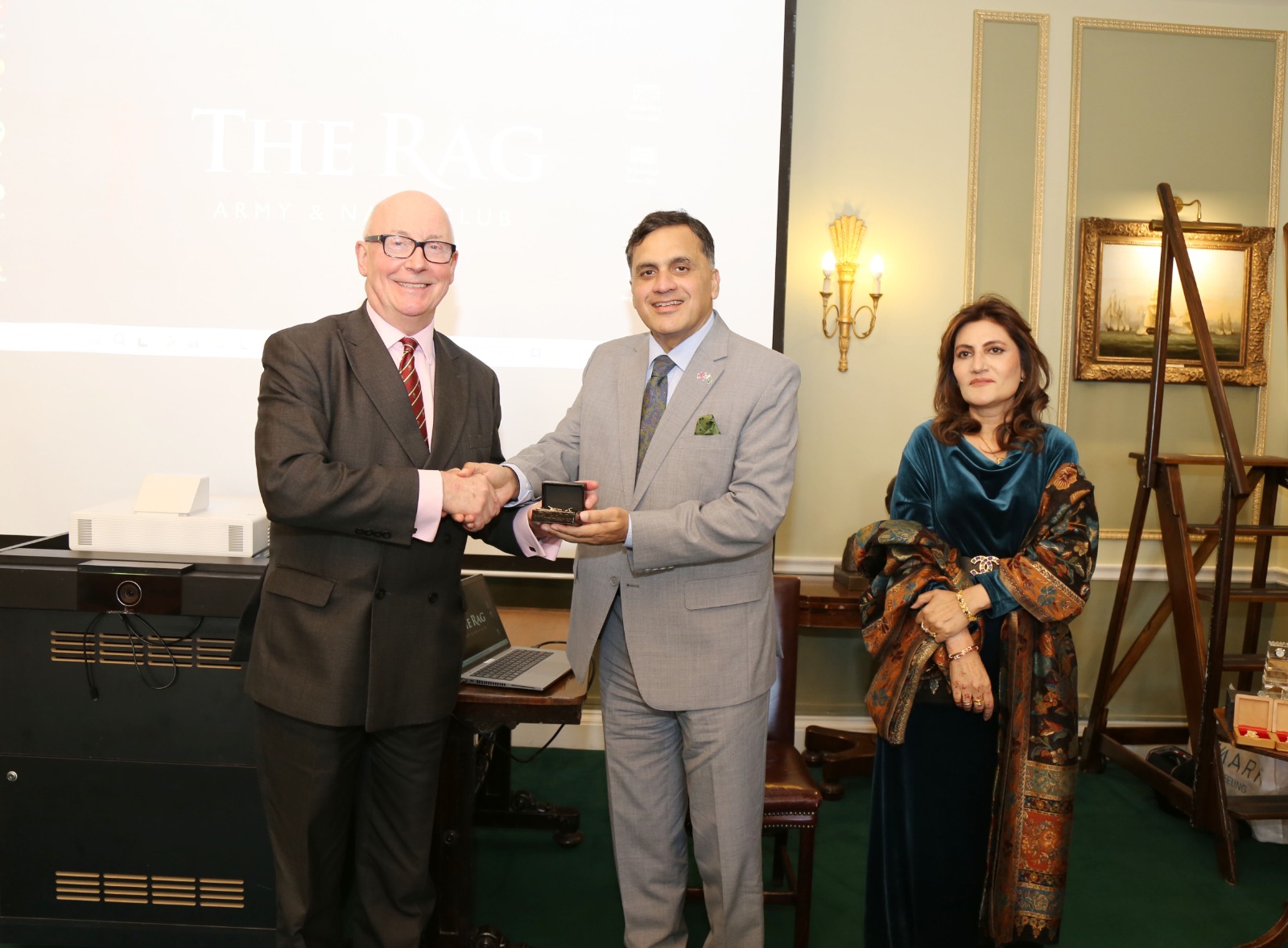
High Commissioner @DrMFaisal and his spouse @drsarahnaeem2 attended, as guests of honor, a distinguished gathering of the Quetta Association at the Army & Navy Club, London.
Military Officers from the Defence Wing of Pakistan High Commission, London, with their families also attended.
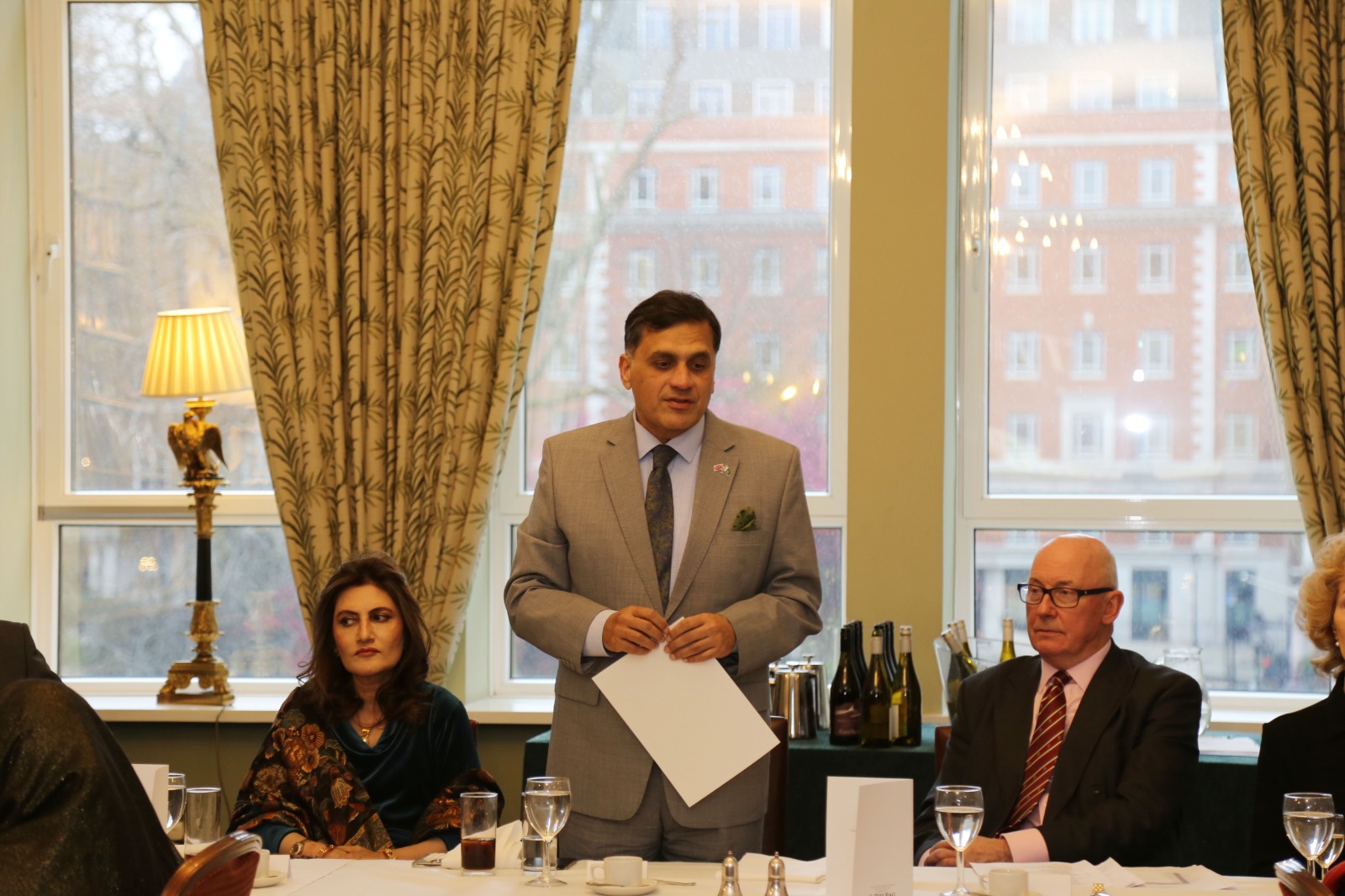
Quetta Association brings together British officers who graduated from the prestigious Command & Staff College, Quetta, Pakistan. The institution has produced outstanding military leaders, including British Field Marshals Sir Claude Auchinleck and Sir William Slim, whose leadership during the Second World War remains widely respected. Field Marshal Syed Asim Munir is also graduate of this prestigious institution.
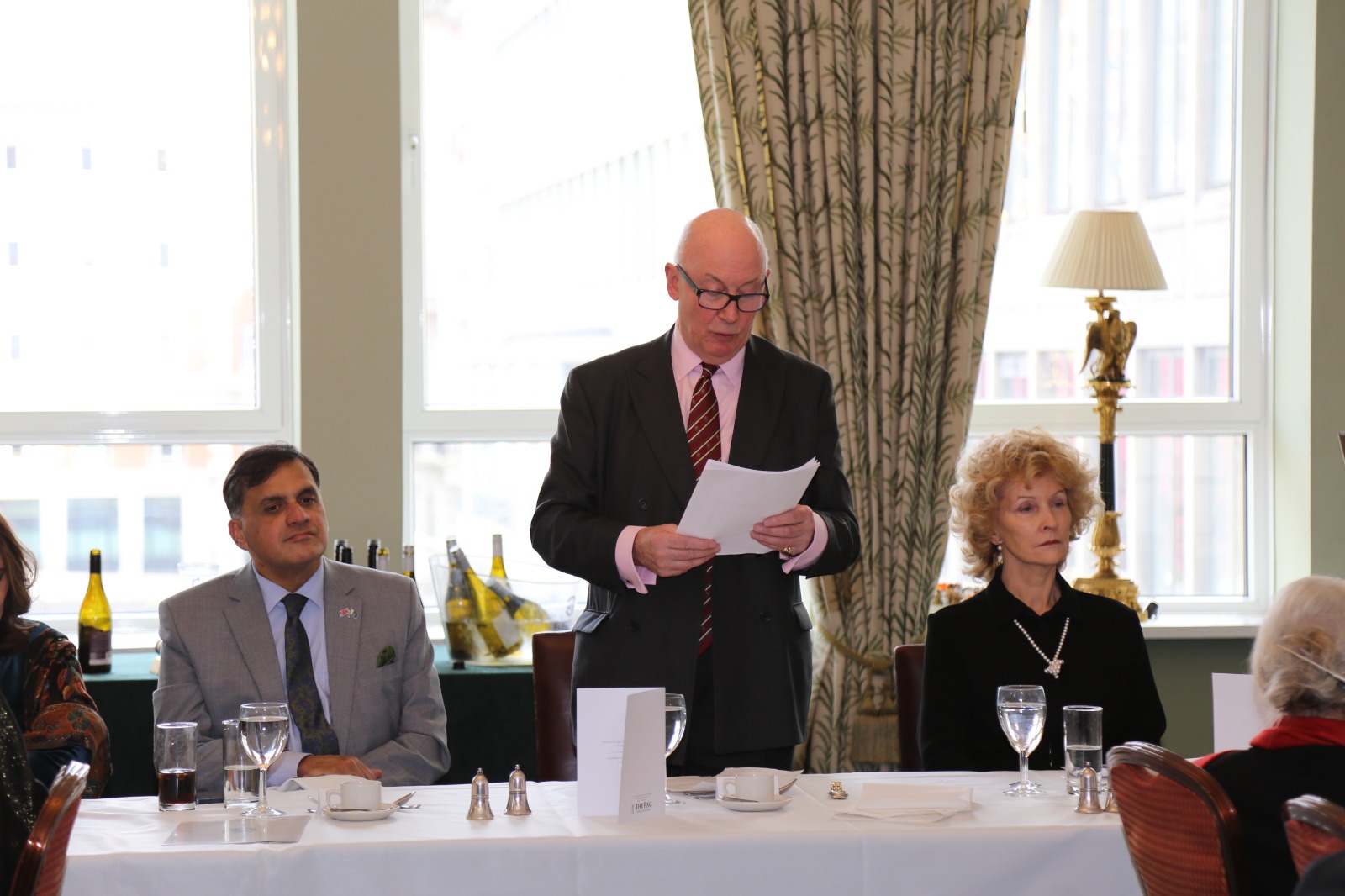
The High Commissioner appreciated the annual gathering that underscored the Association’s enduring role as a vital bridge linking the British Army and Pakistan Army through shared professional heritage and camaraderie.
Decorated British military officers and their families paid glowing tributes while referring to the hospitality accorded by Pakistan during their stay in Quetta.
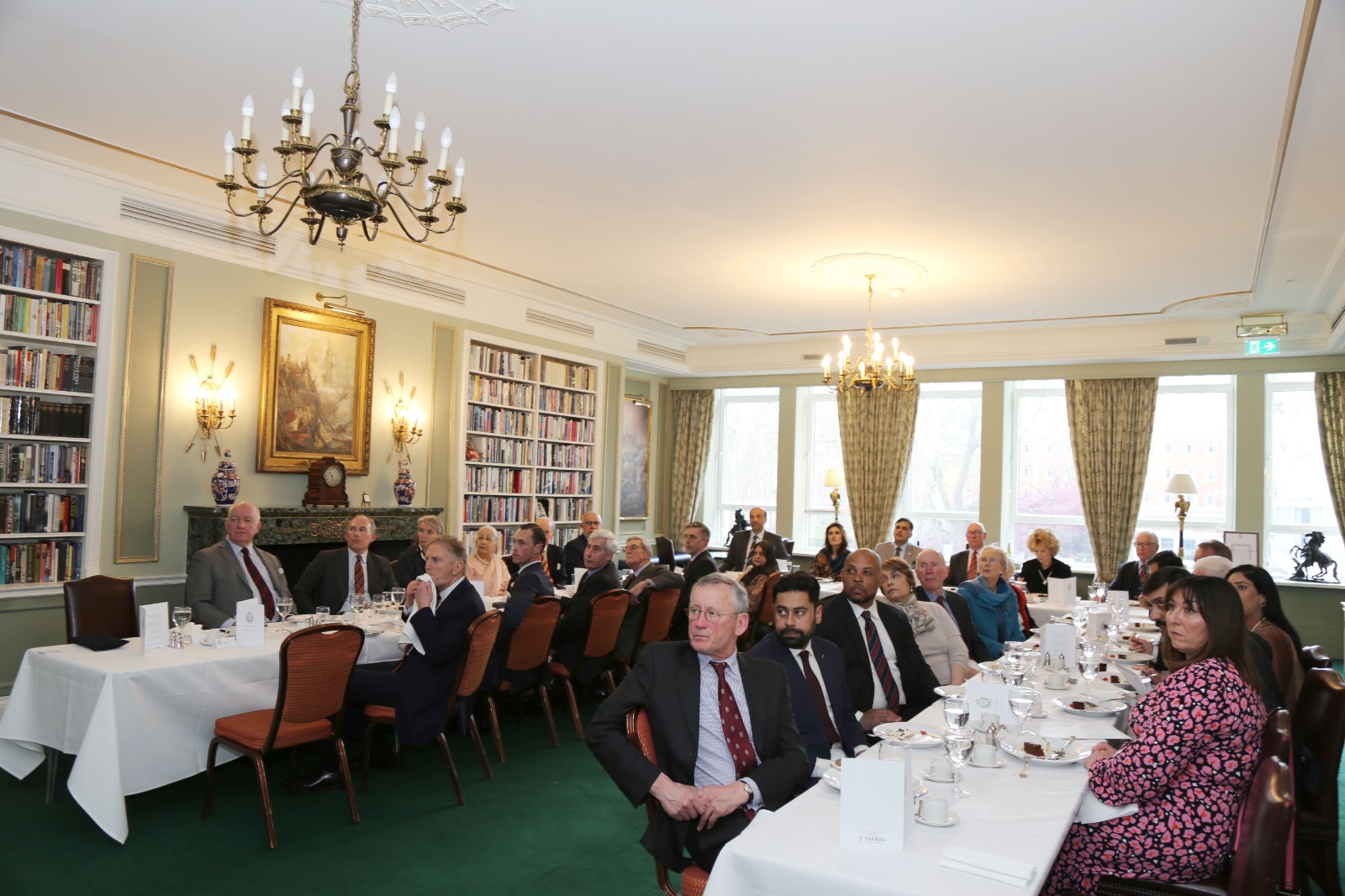
Graduate senior British Officers present at the gathering included Lt. Gen. Sir Alistair Irwin KCB CBE (1980) and Maj. Gen. Seumus Kerr CBE (1985).
Mementos were exchanged between the British officers and officers of @PakistaninUK.
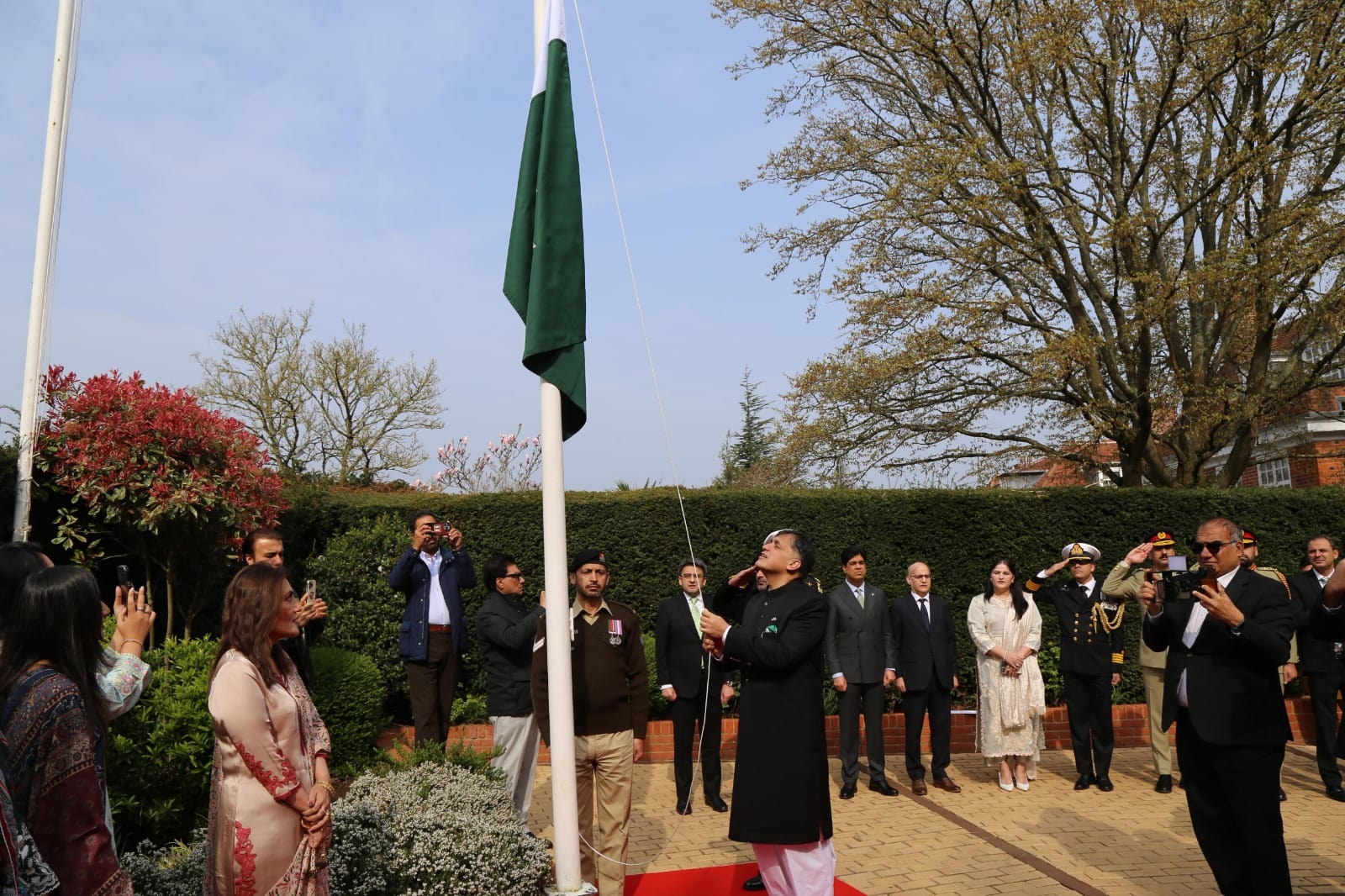
In a simple and dignified ceremony held at Pakistan House, London, the High Commissioner of Pakistan to UK Dr. Mohammad Faisal raised the Pakistan Flag on the occasion of Pakistan Day.
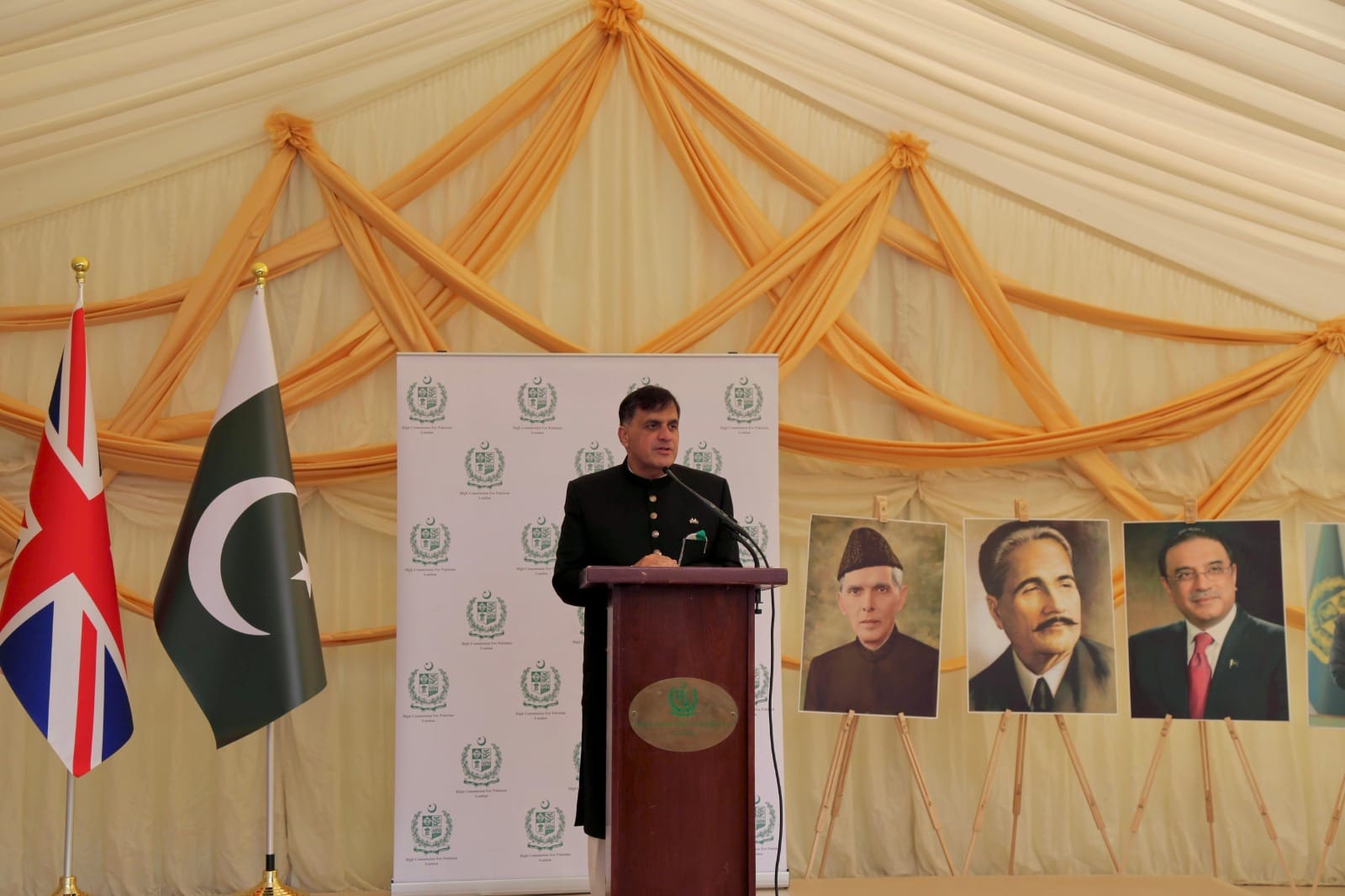
The ceremony was attended by Officials of the High Commission, British – Pakistanis and Media representatives.
Messages of the President, the Prime Minister and Deputy Prime Minister / Foreign Minister were read out.
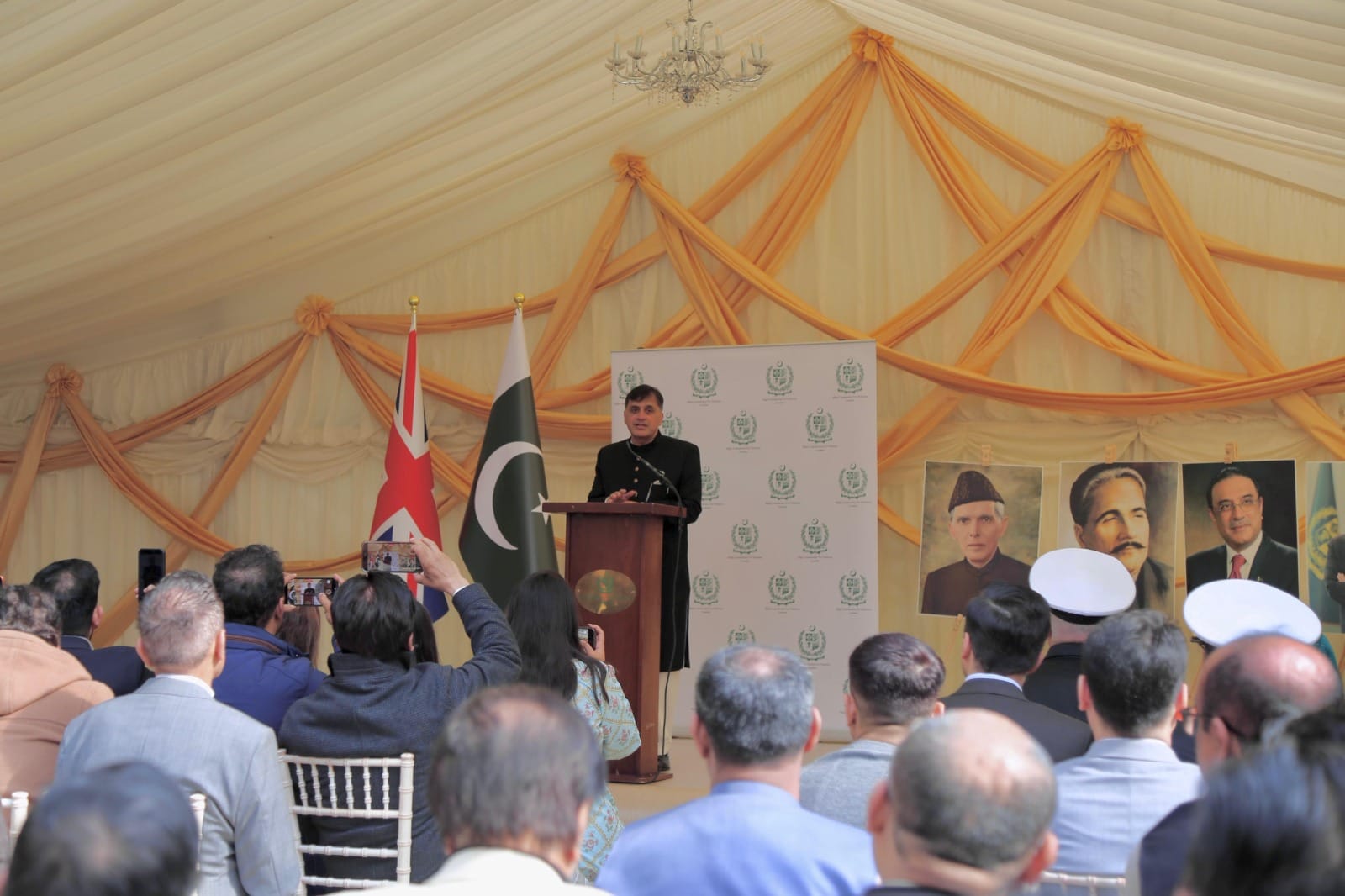
In his keynote address, the High Commissioner said that Pakistan Day was a tribute to our founding fathers who united the Muslims of Indian sub-continent where they could live independently as a Nation and live according to their customs & traditions.
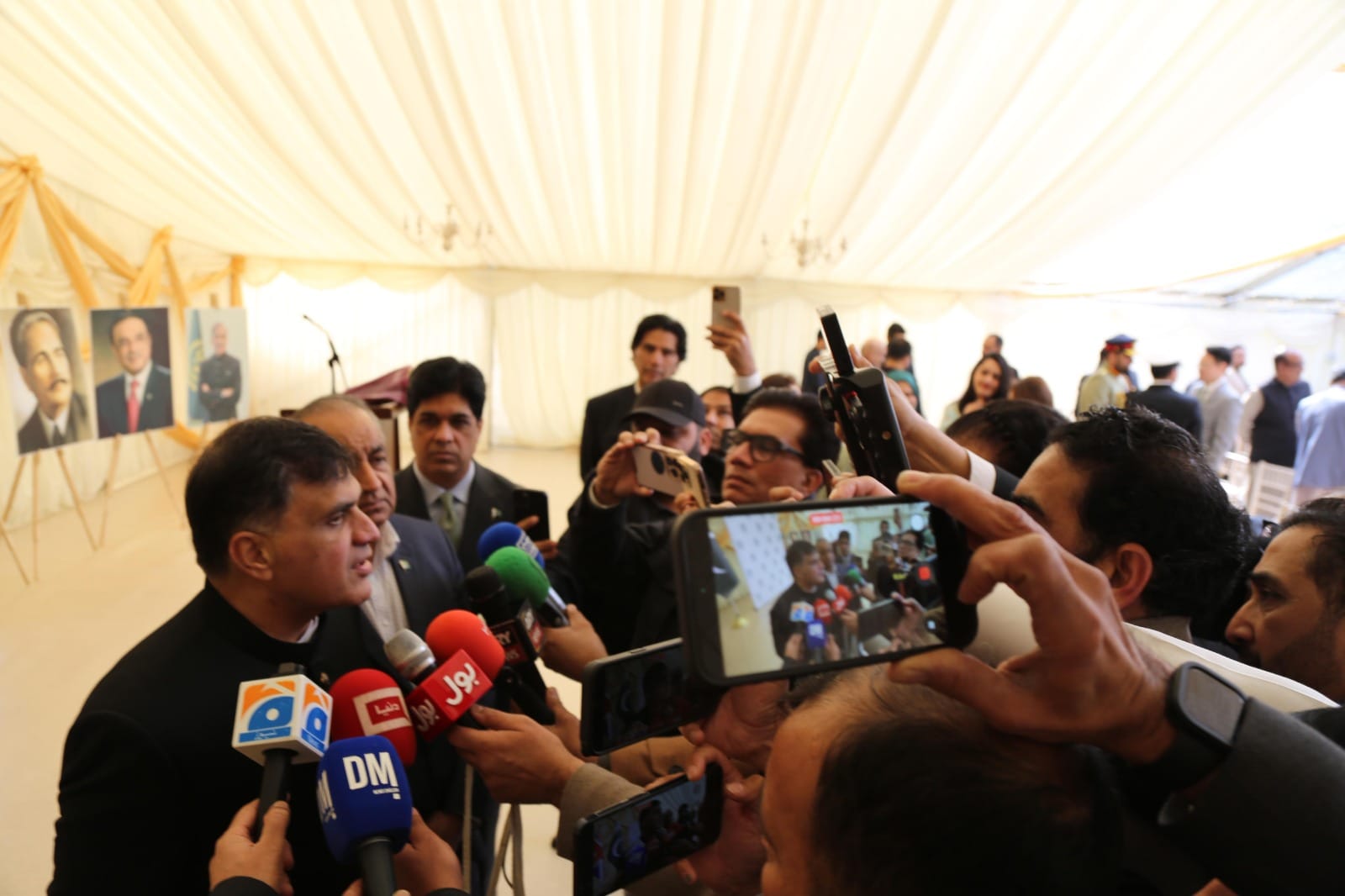
Dr. Faisal stated that Pakistan had always professed peace and stability in the region. However, Pakistan will not tolerate any aggression from neighbouring countries.
The High Commissioner said that Pakistani nation, despite the difficulties, remains resilient and demonstrates courage & perseverance.
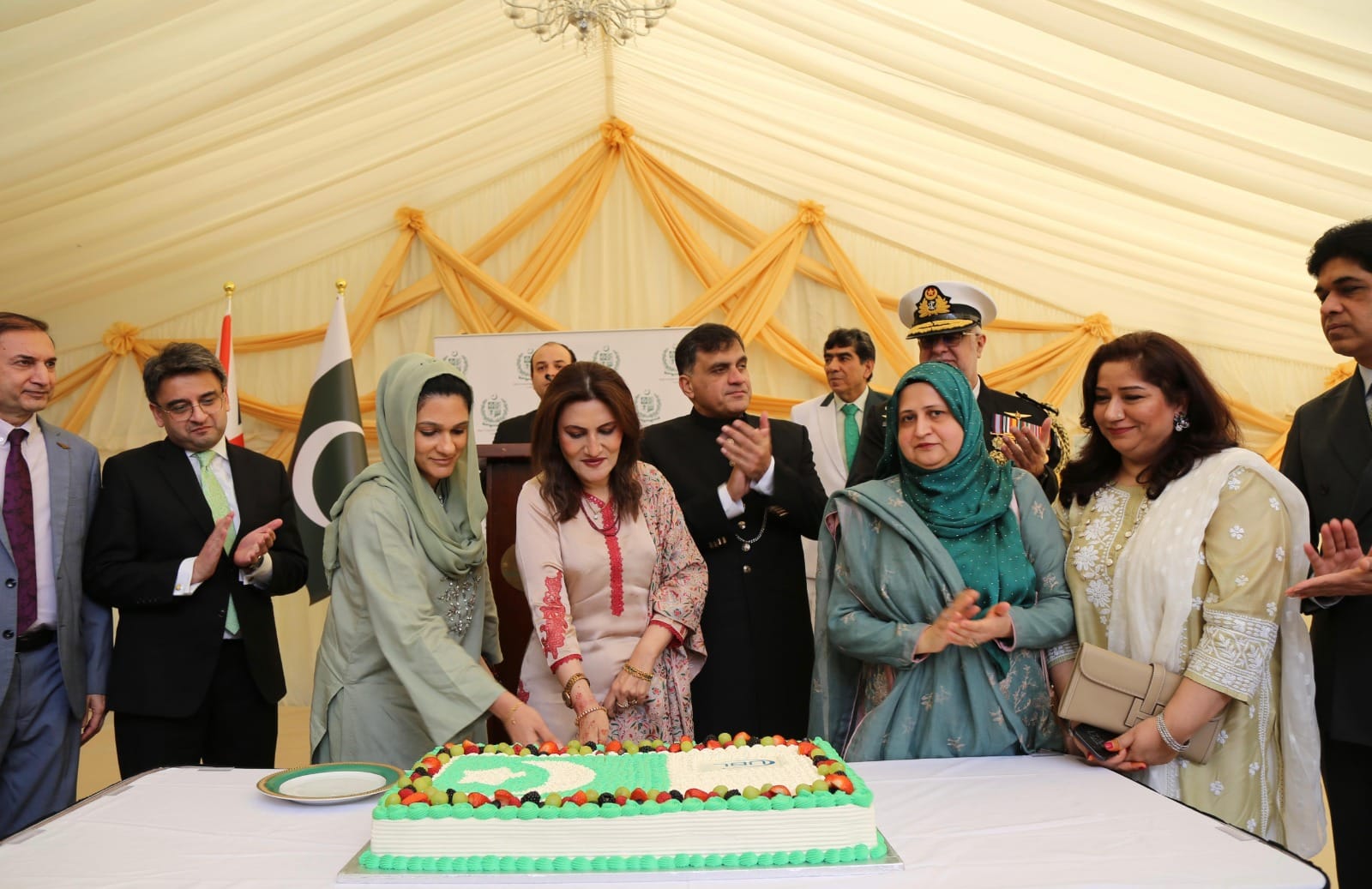
Dr. Mohammad Faisal stated that, in line with the instructions of the Prime Minister, the Deputy Prime Minister / Foreign Minister and the Federal Cabinet, Pakistan High Commission London is implementing strict austerity measures. However, these measures will not affect the performance & working of the High Commission.
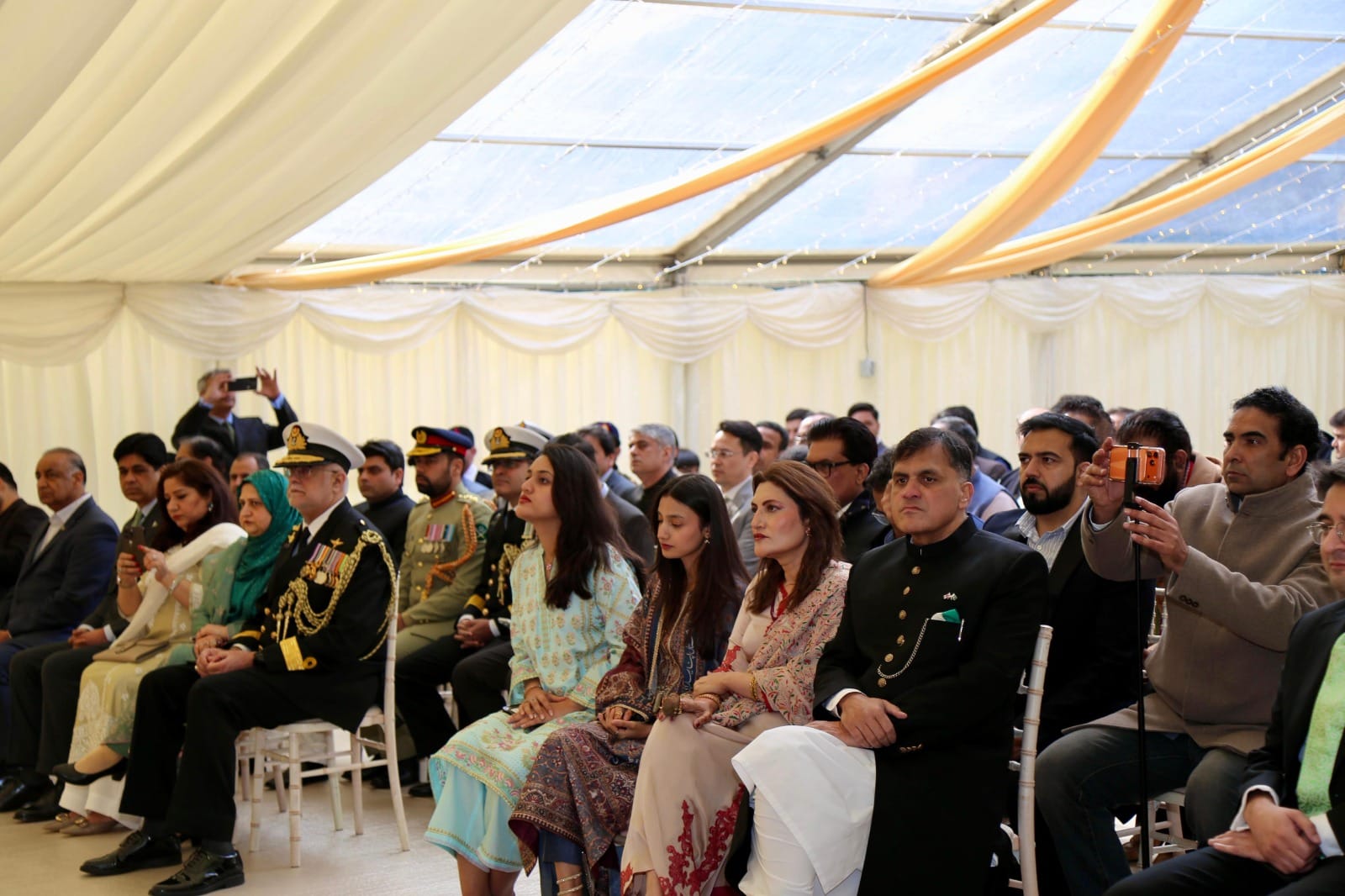
He acknowledged the remarkable contributions of Pakistani diaspora in UK and their extraordinary performance in various fields. He said that their achievements are a source of immense pride for Pakistan.
The High Commissioner expressed solidarity with the people of Indian Illegally Occupied Jammu and Kashmir and committed to continue diplomatic, moral and political support for their right to self determination under UN Resolutions.
London
23rd March, 2026


How the World Is Forced to Fund the Iran War

Scholars Urge UN to Protect Iran’s Scientific Sites Amid Airstrikes Global Academics Warn Attacks Threaten Research, Health, and Civilian Safety

How Iran Humiliated U.S. and Israeli Power


-

 Europe News1 year ago
Chaos and unproven theories surround Tates’ release from Romania
-

 American News1 year ago
Trump expands exemptions from Canada and Mexico tariffs
-

 American News1 year ago
Trump Expels Zelensky from the White House
-

 Pakistan News9 months ago
Comprehensive Analysis Report-The Faranian National Conference on Maritime Affairs-By Kashif Firaz Ahmed
-

 American News1 year ago
Zelensky bruised but upbeat after diplomatic whirlwind
-

 Art & Culture1 year ago
The Indian film showing the bride’s ‘humiliation’ in arranged marriage
-

 Pakistan News1 year ago
Can Pakistan be a Hard State?
-

 Art & Culture1 year ago
International Agriculture Exhibition held in Paris