
American News
Iran War Sparks Congressional Revolt

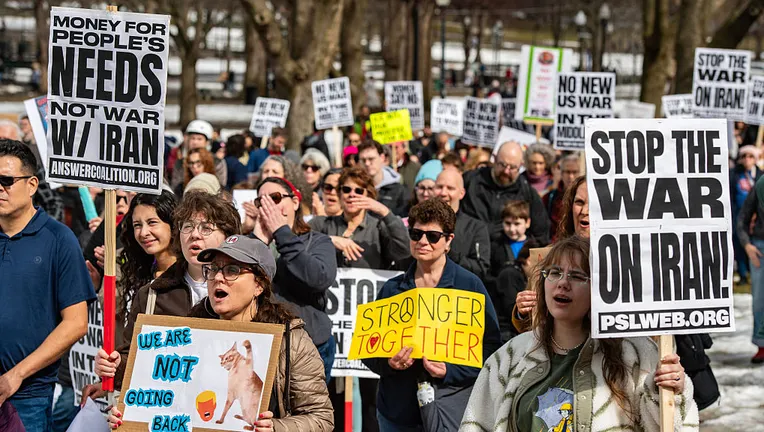
Paris (Imran Y. CHOUDHRY) :- Former Press Secretary to the President, Former Press Minister to the Embassy of Pakistan to France, Former MD, SRBC Mr. Qamar Bashir analysis : The recent congressional hearings involving Secretary of State Marco Rubio and senior military officials may ultimately be remembered as one of the most revealing moments of President Donald Trump’s second term. What unfolded in the hearing rooms of Congress was far more than a routine examination of foreign policy and budget priorities. It became a public referendum on the Iran war, America’s expanding global commitments, the erosion of diplomatic influence, and the growing concern that policies intended to project strength abroad may be diminishing America’s ability to lead the world.
For hours, lawmakers challenged Rubio on nearly every aspect of the administration’s foreign policy. The intensity of the exchanges reflected not merely partisan disagreement but a deep unease among many elected representatives who believe that America is becoming increasingly entangled in conflicts whose costs are rising while their strategic benefits remain uncertain.
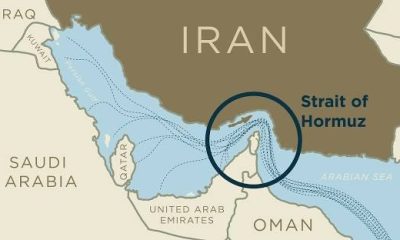
Representative Gregory Meeks, the ranking Democrat on the House Foreign Affairs Committee, was among the most persistent critics. He repeatedly questioned whether the administration had adequately considered the economic consequences of military action against Iran. Rising fuel prices, higher shipping costs, inflationary pressures, and disruptions to global trade, he argued, are ultimately borne not by policymakers in Washington but by ordinary American families. Meeks challenged Rubio on whether the administration had fully anticipated the consequences of instability in the Strait of Hormuz and whether the resulting economic burdens were worth the costs.
Senator Chris Murphy focused on what he described as a fundamental contradiction in U.S. policy. Previous administrations, he noted, had relied primarily on sanctions and diplomacy to pressure Iran. The current administration, by contrast, had tied the stability of global energy markets and international commerce to the uncertain outcome of military confrontation. Murphy repeatedly pressed Rubio to explain what conditions were required to end the blockade and restore normal maritime traffic, warning that prolonged disruption would continue harming consumers and allies alike.
Senator Chris Van Hollen expanded the debate beyond Iran itself. He argued that the administration’s policies had weakened America’s moral standing, reduced humanitarian assistance, restricted refugee admissions, and damaged the country’s international reputation. His criticism became personal when he publicly stated that he regretted voting to confirm Rubio as Secretary of State. That statement reflected a broader sentiment among many Democrats who had once viewed Rubio as a traditional internationalist but now see him as a defender of policies they believe undermine long-standing American values.
Several senators openly expressed disappointment in Rubio’s stewardship of U.S. foreign policy. Senator Jacky Rosen stated that she was no longer angry but simply disappointed by what she viewed as the administration’s role in weakening American global leadership. Much of the criticism centered on the dismantling of USAID, deep cuts to humanitarian programs, and concerns that reducing America’s international presence would create opportunities for strategic competitors such as China.
Representative Sara Jacobs focused heavily on Gaza and humanitarian assistance. She challenged the effectiveness of new aid mechanisms and questioned whether America’s traditional role as a humanitarian leader was being sacrificed for political considerations. Representative Greg Stanton raised concerns about transparency and potential conflicts of interest, arguing that the appearance of financial entanglements among individuals involved in sensitive diplomatic initiatives could undermine public confidence in government decision-making.
Yet the criticism did not stop with Secretary Rubio. After questioning the administration’s political justification for the war, lawmakers turned their attention to the military leadership responsible for executing it. If Rubio’s hearings focused on the political and economic consequences of the conflict, the testimony of Admiral Charles Cooper focused on whether the battlefield results justified those consequences.
The transition from Rubio’s testimony to Cooper’s was revealing because lawmakers carried the same concerns into both hearings. They were not simply questioning diplomatic decisions or military operations in isolation. They were asking whether the overall strategy was working.
Representative Seth Moulton of Massachusetts delivered one of the most memorable exchanges. Cooper repeatedly described Iran’s military capabilities as “significantly degraded.” Moulton immediately challenged the language, reminding the committee that Americans had previously been told Iran’s capabilities were “obliterated.” What, he asked, was the difference between “obliterated” and “significantly degraded”?
The question was not merely semantic. It reflected a broader concern that administration claims of success might be overstated. Moulton repeatedly pressed Cooper on issues that had surfaced during Rubio’s testimony: the continued closure of the Strait of Hormuz, rising energy prices, unresolved nuclear negotiations, and reports of Iranian efforts to rebuild portions of its military infrastructure. If the operation had been such a decisive success, Moulton asked, why did so many strategic problems remain unresolved?
Perhaps the most striking moment came when Moulton summarized his concern bluntly: “It feels like we’re losing.”
That statement captured the essence of what many lawmakers were attempting to convey throughout the hearings. Their criticism was not based on a belief that American forces lacked military superiority. Rather, it stemmed from doubts about whether military achievements were translating into strategic gains.
The administration presented a very different narrative. Rubio argued that the conflict was necessary to prevent Iran from developing a stronger military deterrent and ultimately a more dangerous regional posture. Cooper defended the operation by emphasizing degraded missile forces, weakened military infrastructure, and reduced Iranian power projection capabilities. Supporters of the administration portrayed the campaign as a necessary demonstration of American resolve and military effectiveness.
The disagreement therefore centered on how success should be measured. Administration officials pointed to destroyed targets, damaged facilities, and weakened adversaries. Congressional critics focused on broader outcomes: economic disruption, regional instability, strained alliances, humanitarian crises, and continuing uncertainty.
Many lawmakers also connected the Iran conflict to a wider pattern of American overextension. They cited ongoing commitments in Ukraine, tensions within NATO, disputes involving Venezuela and Cuba, continuing instability in Gaza, and increasing friction with traditional allies. Their concern was that America was becoming simultaneously engaged in too many confrontations without a coherent long-term strategy.
This debate comes at a critical moment. The United States is approaching important midterm elections while preparing to host the FIFA World Cup 2026, one of the largest international events in modern history. Both developments will place America under intense global scrutiny. Political polarization, economic uncertainty, and geopolitical instability will inevitably influence how the world views American leadership.
Whether history ultimately judges the Iran war as a success or a mistake remains uncertain. What is already clear, however, is that Congress has begun openly questioning the trajectory of American power. The voices of Gregory Meeks, Chris Murphy, Chris Van Hollen, Jacky Rosen, Sara Jacobs, Greg Stanton, Seth Moulton, and others reflect a growing concern that military force alone cannot sustain global leadership.
Their message was clear. America’s strength has historically rested not only on military power but also on diplomacy, alliances, economic influence, humanitarian leadership, and international credibility. If those foundations are weakened, then even impressive battlefield achievements may fail to produce lasting strategic success.
That is the debate now unfolding in Washington. It extends far beyond Iran and touches the very question of what kind of global leader the United States seeks to be in the years ahead. The answer may become one of the defining political and strategic questions of the Trump era.

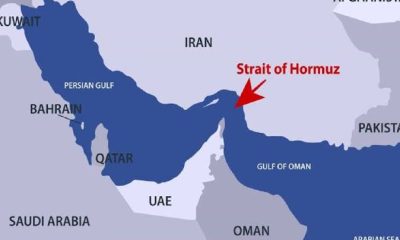





Paris (Imran Y. CHOUDHRY) :- Former Press Secretary to the President, Former Press Minister to the Embassy of Pakistan to France, Former MD, SRBC Mr. Qamar Bashir analysis : The decision to allow Iranian President Masoud Pezeshkian and Foreign Minister Abbas Araghchi to attend the United Nations General Assembly comes at an uncomfortable moment for President Donald Trump. More than 200 days into the war, Iran remains an adversary Washington must confront diplomatically as well as militarily. Meanwhile, Americans face higher fuel prices, mounting military expenditure, and growing doubts about the administration’s strategy. The Iranian delegation’s arrival in New York will place those contradictions on an international stage.
The political contrast is striking. A government subjected to American military pressure will send its president and foreign minister to speak before the world from American soil. Their presence cannot establish surrender by either side, but it challenges any expectation that military force would quickly remove Iran from the diplomatic equation. Tehran remains a participant whose decisions matter to ending the conflict. That reality gives the visit significance beyond the issuing of travel documents.
The decision can therefore be read as preserving room for political engagement while military pressure has failed to produce an enduring settlement. It does, however, leave open a channel at a time when the costs of continuing the war are becoming harder to separate from American domestic life. The question is whether the administration will use that opening to pursue an achievable outcome or continue relying on promises of eventual success.
For American households, the war’s consequences are increasingly tangible. On September 17, the national gasoline average reached $4.44 per gallon, nearly 50 percent above its pre-war level. Diesel reached a record $6.40. These figures translate geopolitical conflict into the price of commuting, delivering goods, operating machinery, and running a business. Families do not need a strategic briefing to understand the difference between an assurance that events are under control and a fuel bill that keeps rising.
Diesel makes the burden especially pervasive. Its cost enters trucking, agriculture, construction, and other activities that sustain everyday commerce. Businesses may absorb part of the increase, but others pass it through to customers. Energy specialists have also warned of higher heating expenses. The pressure intended to influence events overseas consequently reaches American kitchens, workplaces, and household budgets. Other supply disruptions contribute to these prices, but the Iran war is an important part of the economic strain.
That strain provides a direct connection between foreign policy and public frustration. A prolonged war becomes politically harder to sustain when citizens cannot identify either its destination or its benefits. Initial uncertainty can turn into opposition as costs accumulate. The administration must explain why continued sacrifice will produce a better outcome, rather than simply ask the public to wait. Its difficulty is that recent polling records substantial doubt about the existence of a clear strategy.
The September Fox News survey found that 71 percent of registered voters believed the administration lacked a clear plan to end the conflict. That included 43 percent of Republicans and 83 percent of independents. Sixty percent considered the decision to take military action wrong. These results cannot be dismissed as opposition confined to Democrats. They indicate that dissatisfaction reaches voters whose confidence the administration needs, including within its own political coalition.
With the midterms approaching, those doubts carry obvious consequences. Trump’s overall approval stood at 39 percent in the same survey. Electoral outcomes remain uncertain, and national polling cannot determine control of either chamber. Nevertheless, Republicans face the task of defending a government whose handling of the war has attracted broad criticism. Higher living costs make that task more difficult because they bring the consequences of distant decisions into the daily experience of voters.
The military picture adds another layer. Photographs supplied to CBS News by active service members revealed damaged aircraft, buildings, vehicles, and equipment at American positions in Kuwait and Saudi Arabia. They give visible form to losses otherwise expressed through official statements and aggregate figures. Such images raise questions about force protection, preparedness, and the resources required to sustain operations. They also demonstrate that technological superiority has not insulated American assets from serious damage.
The financial accounting reinforces those questions. The Congressional Budget Office estimated that the conflict had cost the Department of Defense approximately $38 billion through August 1. Expenditure on this scale requires an explanation of objectives and results. Americans are entitled to ask what further operations are expected to achieve, how long they will continue, and what alternatives have been examined. Rising expenditure cannot itself become a reason to continue spending in pursuit of an undefined conclusion.
This is the background against which Iran’s leaders will arrive. Their visit gives Washington an opportunity to connect existing intermittent contacts with a concentrated gathering of international officials. Trump’s planned discussions with Gulf leaders add a regional dimension. Those governments have their own interests in reducing attacks and restoring commercial stability. Their presence could help identify terms that address practical concerns, even if the parties remain far apart on larger political questions.
A breakthrough need not begin with a presidential handshake or a comprehensive agreement. It could begin with authorized exchanges through intermediaries, a defined negotiating agenda, or reciprocal measures that reduce immediate risks. What matters is whether communication produces changes in conduct. A visit followed only by competing speeches would leave the central problem intact. A visit that establishes sustained talks could become an important step toward ending a war that continues to impose costs without a settled political outcome.
Washington’s strongest response would be to treat that possibility seriously. Seeking an agreement would not erase American power; it would recognize that military capability and political success are different things. The Iranian delegation’s presence offers no guarantee of peace, but it creates an occasion to test whether diplomacy can achieve what continued confrontation has not. After more than 200 days, the administration owes Americans more than another prediction of success. It owes them a credible course toward ending the war and limiting its further human and economic damage.
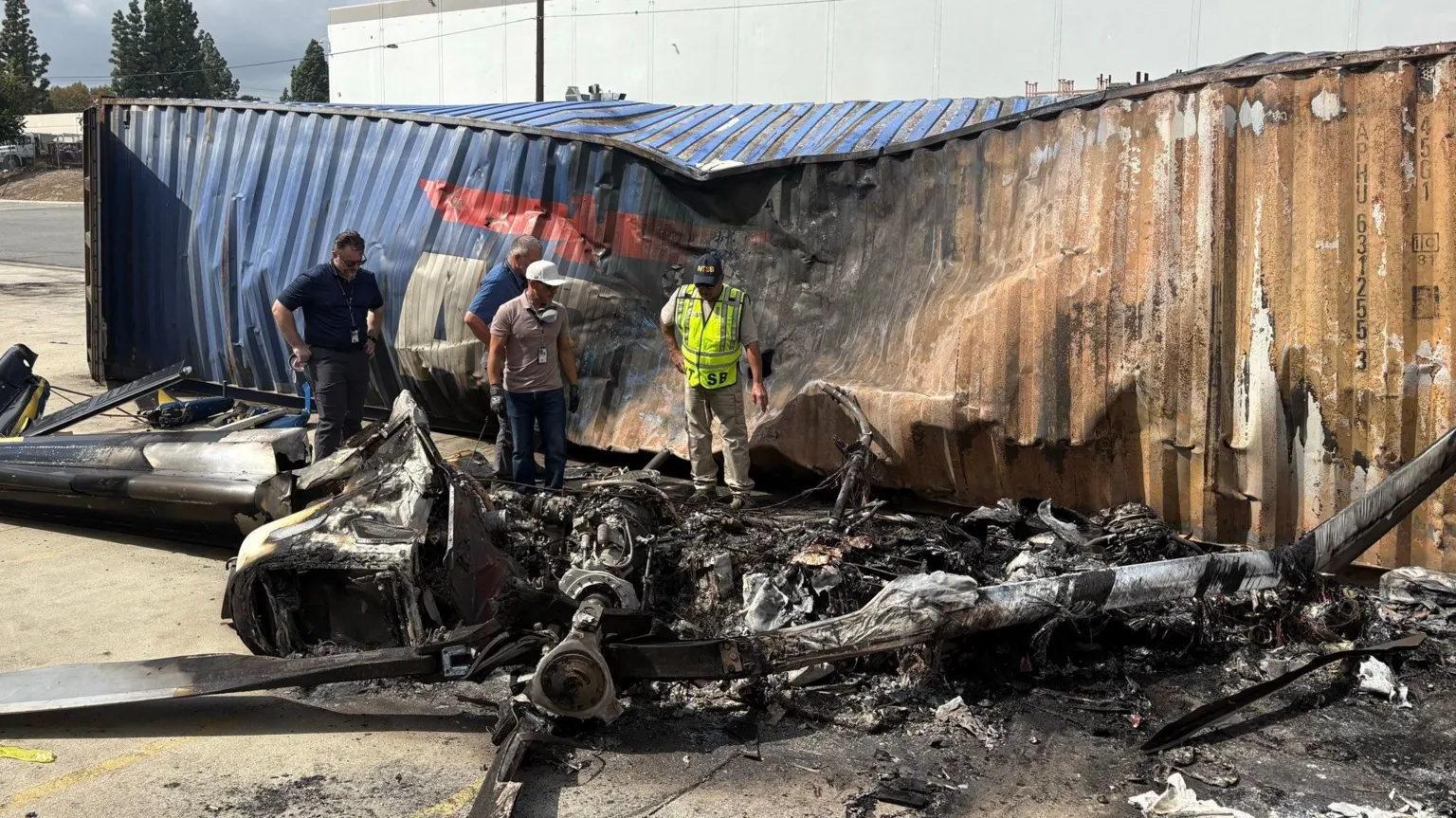
Investigators have released new photos that show the stark aftermath of a news helicopter crash that killed three people in Los Angeles on Tuesday night.
A scorched aircraft and charred storage container were being examined at the scene of the incident on Wednesday. The collision claimed the lives of NBC photojournalist Eliana Moreno and pilot George Marciniw.
The third victim, a pedestrian, was identified as Edy Gutierrez Mejia, 29, by the coroner’s office.
The National Transportation Safety Board (NTSB), which is leading the investigation into the incident, said a report on the cause could take up to 18 months.

NBC Los Angeles said its NewsChopper4, which also operated for the Spanish-language Telemundo 52, was in the city’s suburb on Tuesday night reporting on a deadly bus crash that had killed two people.
Several other news helicopters were also overhead in the area.
The driver in the bus crash has since been arrested on suspicion of murder.
The cause of the aircraft crash has not yet been determined, officials said. Marciniw was reportedly an experienced pilot.
Mejia, the pedestrian killed when the helicopter came down, was a Guatemalan national who had only arrived in Los Angeles this week, according to NBC News.
Investigators were collecting data at the crash site on Wednesday. The helicopter will be moved to a secure facility, where the NTSB will continue to examine the wreckage.
The NTSB is an independent US government agency that investigates civil transportation accidents.
During a news conference on Wednesday, the NTSB’s investigator-in-charge Fabian Salazar said a preliminary report on the incident would be issued within 30 days.
A final report on the cause of the crash could take up to 18 months to be released, he added.
Asked by reporters about video circulating on social media that appears to show the helicopter’s viewpoint in the seconds before the crash, Salazar said it is so far “probably the most important evidence” for investigators.
In addition to the three people killed, two others were taken to the hospital.
During emotional live coverage on NBC4 on Tuesday night, veteran news anchor Colleen Williams confirmed it was the local news station’s helicopter that crashed.
While news coverage via helicopter is not necessarily unique to Los Angeles, it is more prominent compared to other major metropolitan areas.
LA local news stations regularly break into live programming to broadcast high-speed police pursuits from the air, fly over wildfires and show accidents, protests, and holiday traffic jams in often unscripted, real-time aerials.
Taken From BBC News
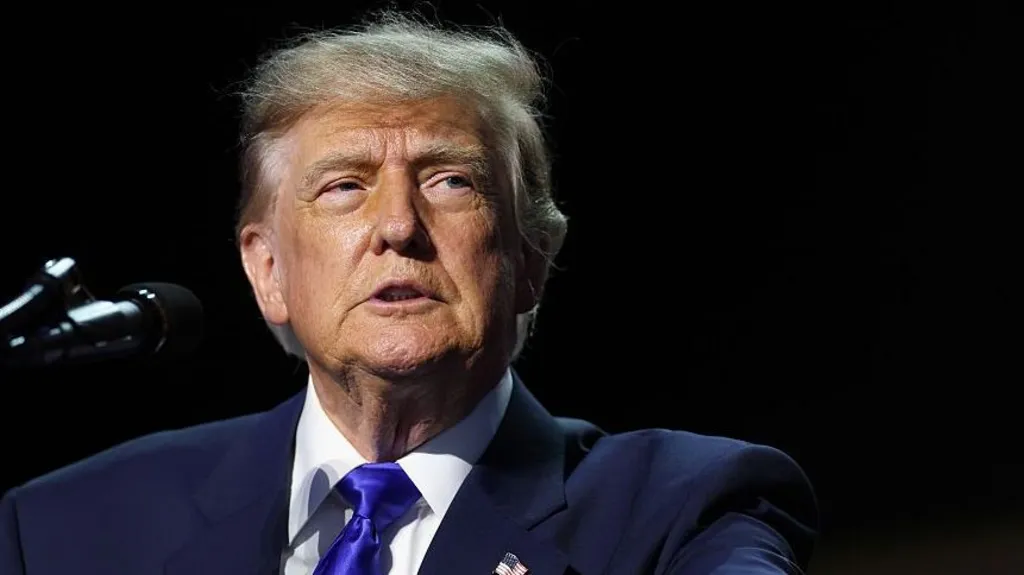
The US Supreme Court has rejected President Donald Trump’s plan to restrict voting by mail before November’s midterm elections, in a setback for the White House.
The justices upheld a federal judge’s order that temporarily blocked the US Postal Service (USPS) from moving forwards with new requirements for postal ballots.
Trump called the decision a blow to his political party. “Republicans just got another bad decision from the United States Supreme Court,” the president wrote on Truth Social.
One legal group said in response that the decision would prevent the USPS from “sowing chaos in our elections”.
The ruling is unlikely to be the final word on the matter. Justice Brett Kavanaugh, a conservative, agreed with the ruling, but indicated he might later rule in Trump’s favour as litigation in the case continues.
Trump, who argued the rules would combat electoral fraud, signed an executive order in March that directed the USPS to deliver ballots only to voters on lists of citizens.
Legal challenges argued that the move violated states’ constitutional rights to run elections.
Election officials from 24 Democratic-led states and the District of Columbia also warned that the proposed changes were not ready for implementation and could prevent ballots from reaching voters.
Meanwhile some Republican-led states, including Florida, Louisiana, and Montana, supported the president in court filings.
Justice Kavanaugh wrote in the opinion that there was “at least a fair prospect that the final rule falls within the Postal Service’s statutory authority”. But he argued that “applying the rule in the 2026 elections would be arbitrary and capricious”.
Justices Samuel Alito and Clarence Thomas, also conservatives, dissented. They wrote that the challenge to Trump’s order was a “Hail Mary pass” that was unlikely to be successful ultimately.
In a Truth Social post, Trump criticised the top court’s Monday decision, as well as other key rulings against him such as striking down his executive order to limit birthright citizenship, and also a key element of his tariff policies.
“The Supreme Court has really let our Country down!” he wrote, alleging some justices were “totally unable to show the courage necessary to save our America”.
“These are not the people I interviewed to serve on the United States Supreme Court,” the president wrote.
However, several states like Oregon, Washington, and Colorado rely heavily or entirely on mail ballots for their elections, requiring Republicans to use the system as well.
Seven Republican state election officials warned the justices that allowing significant changes to mail ballot rules so close to the midterm elections would “lead to mistakes, delays, and confusion”.
Local election officials told the BBC this week they were proceeding as normal but had begun drafting contingency plans in case the court upended existing mail ballot procedures.
The rule changes would have resulted in “thousands of people disenfranchised” in Cherokee County, Georgia, its election director Anne Dover told the BBC. The heavily Republican county voted 69% for Trump in the 2024 election, in which about 10,000 of its residents voted by mail, according to Dover.
Monday’s decision earned praise from legal groups who have challenged other aspects of the Trump agenda.
“Today’s Supreme Court decision prevents the US Postal Service from sowing chaos in our elections,” Trevor Potter, president of Campaign Legal Center, said in a statement.
Since returning to the White House, Trump has sought to restrict voting by mail. While he himself has voted by post, he has long claimed this method allows non-citizens to cast ballots and is prone to fraud.
In March’s executive order, the president directed USPS to introduce unique barcodes on postal ballot envelopes.
State and local election officials would also be required to supply information to an online portal about voters who receive mail ballots.
Twenty-three states and Washington DC sued to stop Trump’s order.
The postal workers’ union also said clerks could not be trained in time for the election.
In court filings, the Trump administration maintained the new USPS rules were constitutional.
It said states “cannot choose to use the federal mails to carry out their elections but then insist that their election-related mail is somehow exempt from the Postal Service’s rule-making authority, conferred by Congress”.
Boston-based Judge Indira Talwani imposed an injunction on 4 September blocking Trump’s order. She ruled that implementing the measures close to November’s elections could disenfranchise voters.
Last week, a US appeals court refused to put Judge Talwani’s order on hold.
On Sunday, another federal judge, Judge Carl Nichols, ruled against Trump’s order.
Some states have already begun distributing mail-in ballots ahead of the midterm elections, which will decide which party controls Congress.
Some states that had not yet sent ballots had already printed their election materials, and changing their voting materials would have required starting the process anew.
“Hypothetically, if we did have to implement, it would have a huge impact, and it would be very costly. At this point, we already have our envelopes printed,” Josh Zygielbaum, the Adams County, Colorado clerk and recorder, told the BBC the day before the Supreme Court ruled.
Colorado conducts its elections by mail, and Zygielbaum had been creating contingency plans in the event its voting system had been disrupted.
The Supreme Court decision is not the first setback on postal ballots for Trump.
In June, the justices ruled that states may count ballots postmarked by election day, rejecting the Trump administration’s push to block votes being tallied when they are received after polls close.
Trump has previously made false claims that he lost the 2020 election owing to widespread electoral fraud.
Taken From BBC News


Iran’s President Heads to New York as the Costs of Trump’s War Mount

US Congress Impeaches Hegseth over Illegal War with Iran

CM Murad asks authorities to boost polio vaccination across Sindh


-

 Sports3 months ago
South Korea’s Yoo Useong Steps Onto the Global Strongman Stage as World Strongman Federation Professional Athlete
-

 Art & Culture1 year ago
A Survey of Mata-E-Zeest
-

 Europe News2 years ago
Chaos and unproven theories surround Tates’ release from Romania
-

 American News2 years ago
Trump expands exemptions from Canada and Mexico tariffs
-

 American News2 years ago
Trump Expels Zelensky from the White House
-

 Art & Culture2 years ago
Will Snow White be a ‘victim of its moment’? How the Disney remake became 2025’s most divisive film
-

 Entertainment2 years ago
Champions Trophy: Pakistan aim to defend coveted title as historic tournament kicks off today
-

 Pakistan News1 year ago
Comprehensive Analysis Report-The Faranian National Conference on Maritime Affairs-By Kashif Firaz Ahmed