
Europe News
Cannes award-winning actress Dequenne dies at 43


Award-winning Belgian actress Émilie Dequenne has died from cancer at the age of 43.
Dequenne shot to fame when she won the best actress award at the Cannes Film Festival at the age of 18 for the film Rosetta in 1999.
She won another Cannes award for À Perdre la Raison (Our Children) in 2012, and received a Cesar, one of France’s top film honours, for Les Choses Qu’on Dit, les Choses Qu’on Fait (The Things We Say, the Things We Do) in 2021.
She mainly acted in French-language films but also appeared as police officer Laurence Relaud in 2014 BBC TV drama The Missing.
Rosetta, a poignant tale about a teenager’s struggle to overcome a life of misery, was Dequenne’s first screen role.
She had been unemployed after losing her job in a food factory when she was picked for the role.
“The first day she filmed in front of a real camera, she managed to bring the whole team together,” Luc Dardenne, who directed it with his brother Jean-Pierre, said in a tribute to broadcaster RTBF.
“It got better and better as the shoot progressed… She was magnificent and the film owes a lot to her.”
In The Missing, she played Laurence Relaud, which starred James Nesbitt as the father of a boy who disappears during a family holiday.
Her other films included 2009’s La fille du RER (The Girl on the Train), 2014’s Pas Son Genre (Not My Type) and 2022 Cannes nominee Close.
Others paying tribute included French Minister of Culture Rachida Dati, who wrote: “Francophone cinema has lost, too soon, a talented actress who still had so much to offer.”
Dequenne revealed in October 2023 that she was suffering from adrenocortical carcinoma (ACC), a cancer of the adrenal gland.
In one of her last Instagram posts, for World Cancer Day in February, she wrote: “What a tough fight! And we don’t choose…”
Taken From BBC News

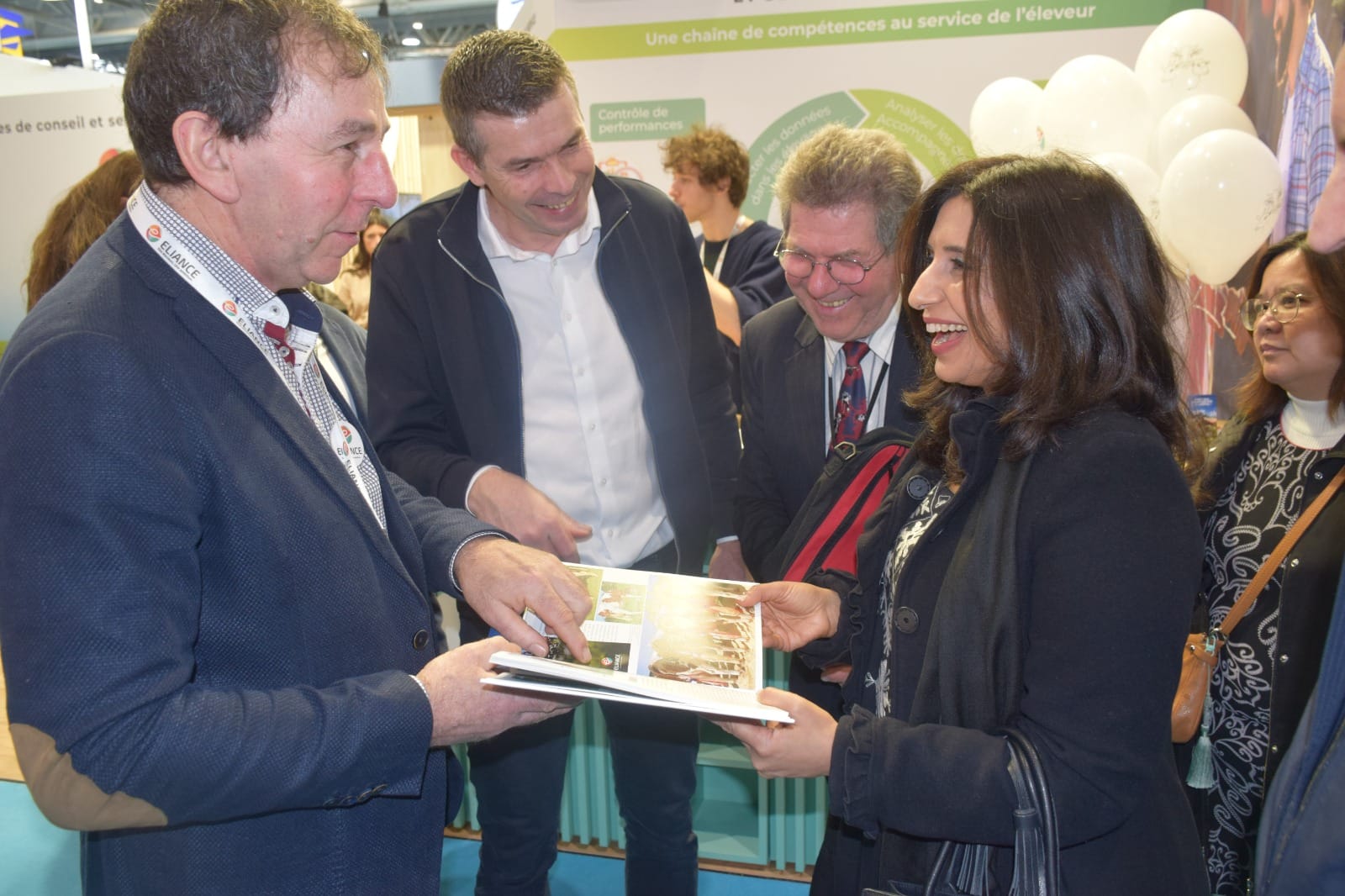
Paris (Imran Y. CHOUDHRY):- The World Famous International Agricultural Show has showcased various agricultural sectors. Paris will play host to three complementary exhibitions: the Paris International Agricultural Show (SIA), the Agricultural Technologies and Solutions Exhibition (SIA’PRO), and the Concours Général Agricole.
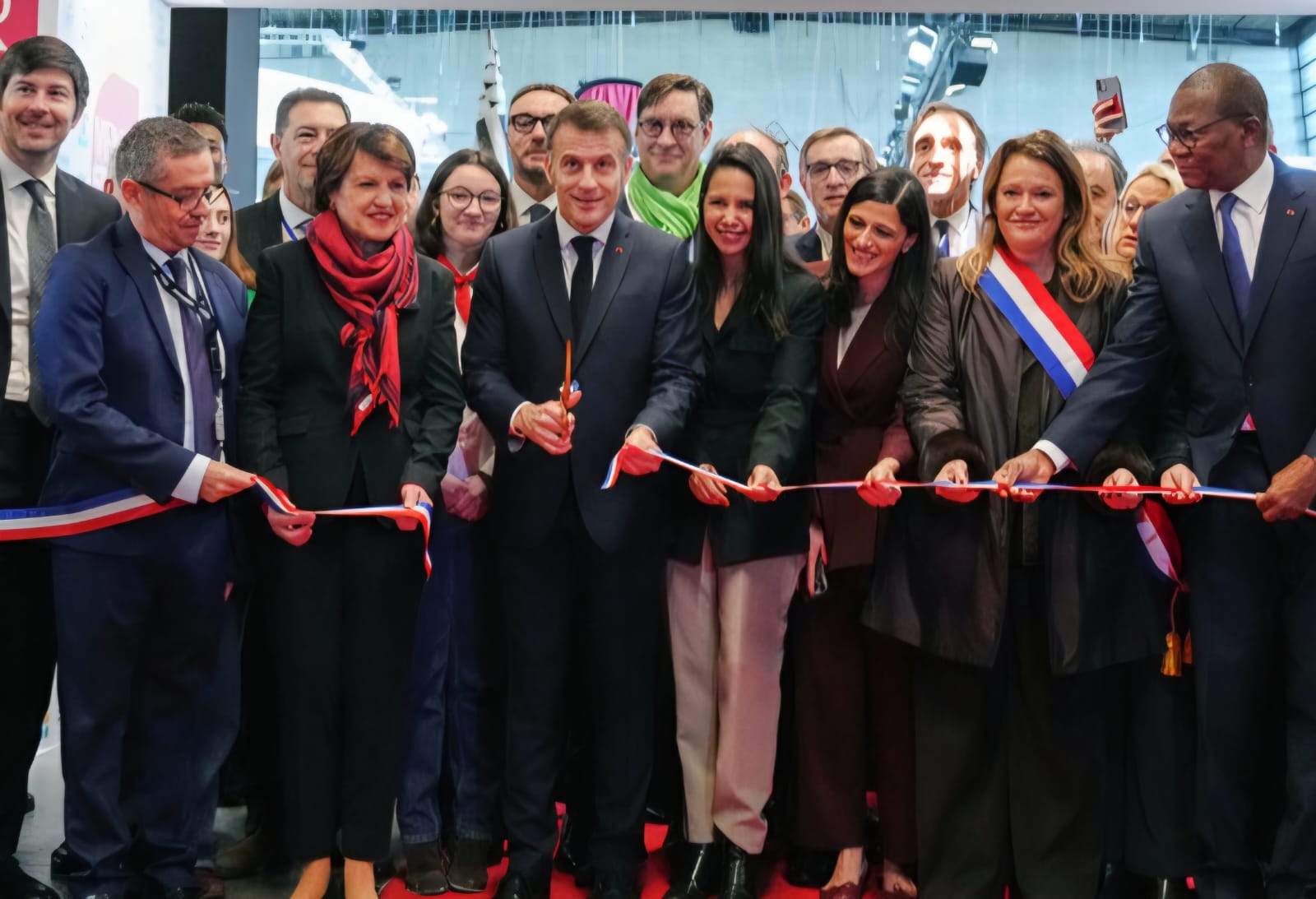
The 2026 Paris International Agricultural Show opened its doors with a call to support the agricultural sector, with a particular focus on the bovine sector.
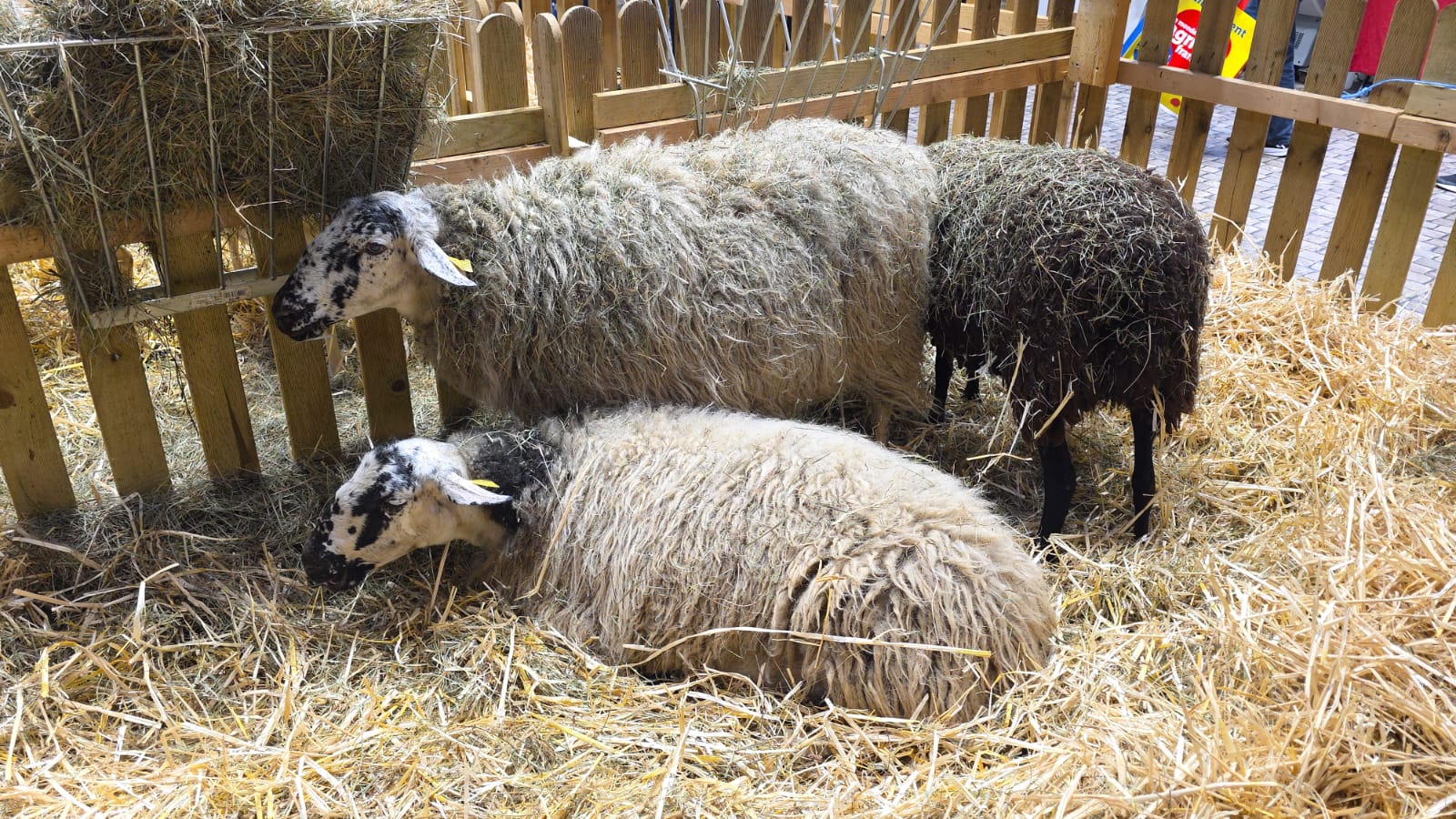
Among the highlights, the final of the Ovinpiades des Jeunes Bergers — the Young Shepherds’ Competition — and the opening of the Concours Général Agricole. Côte d’Ivoire is this year’s guest of honour, showcasing its agricultural innovations. Visitors around the world can explore new spaces such as AGRI’CULTURE, featuring screenings, live performances and a themed bookshop. A varied programme of activities for children and a fishmongers’ competition further enrich the event.
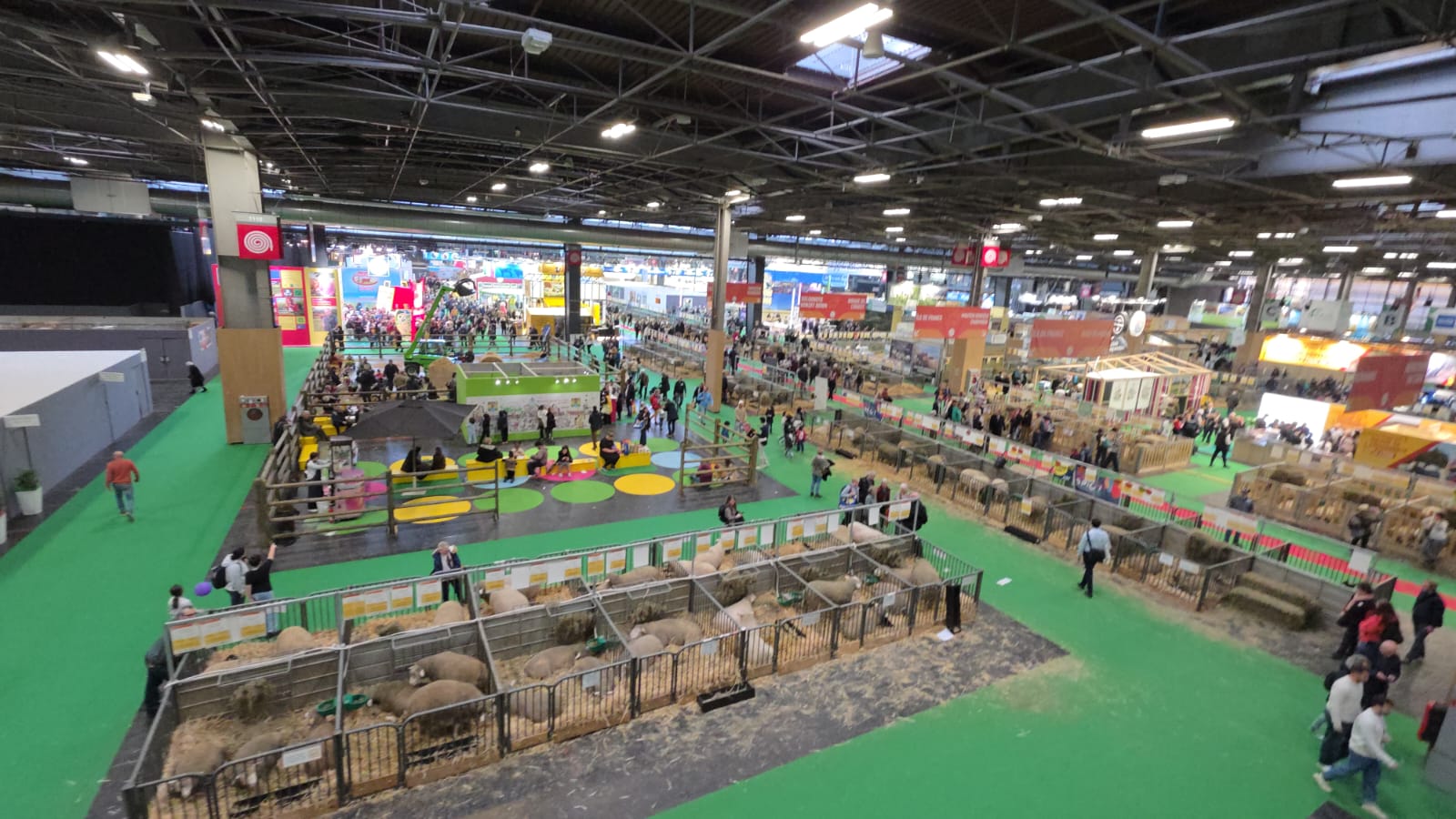
French President Emmanuel Macron attended the opening day and inauguration of the 62nd International Agricultural Fair (Salon de l’Agriculture).
The launch of the Year of Pastoralism at the Grand Ring and the most prestigious Concours Général Agricole wine competition, featuring 100% blind tastings. Côte d’Ivoire, the guest country, celebrates its key sectors: cocoa, coffee, forestry and innovation, through a vibrant and immersive pavilion. On the new additions front, the AGRI’LIBRAIRIE in the AGRI’CULTURE pavilion offers over 800 titles and author meet-and-greet sessions. Today’s programme includes the Texel breed competition, herbal infusion workshops, and Gargantua demonstrations and tastings. Behind the scenes, preparations are underway for SIA’PRO, with professional networking sessions.
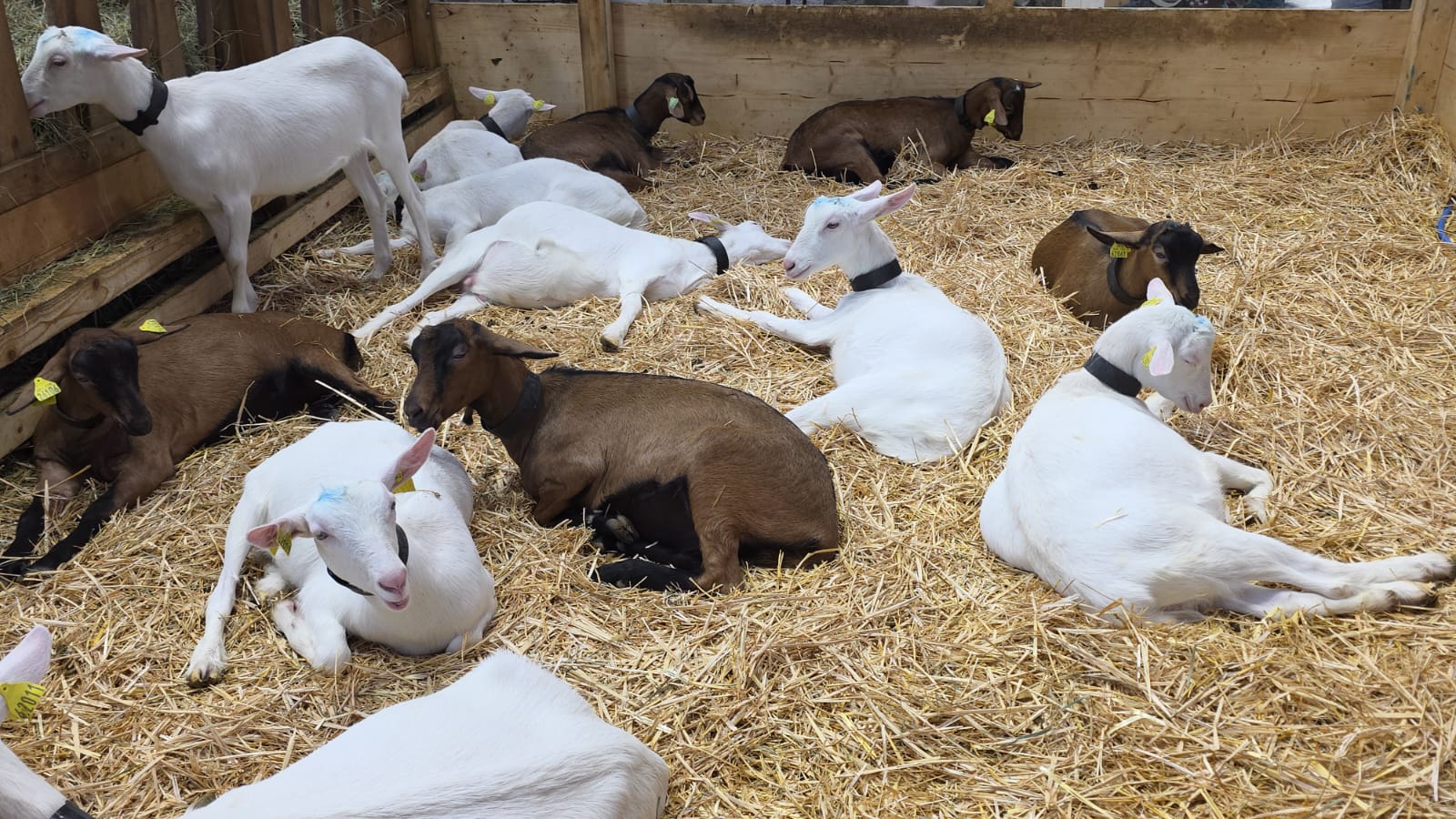
The horses and donkeys featuring shows, demonstrations, a pop-up pony club and a special performance by the Cadre Noir. Today’s highlights include a live cooking show with Redouane Bougheraba and Top Chef winner Quentin Mauro, as well as the official launch of Terres de Jim. New this year: guided tours for visually impaired visitors and the opening of SIA’PRO, the professional trade show dedicated to agricultural technologies and solutions. The 3rd GAIA hackathon also kicks off, focusing on AI and agroecology. Finally, the Maison des Vétos invites families to discover careers in animal health.
Women in agriculture as part of the International Year of Women Farmers, featuring testimonials and discussions on their role and ongoing inequalities. A major highlight is the exceptional Cadre Noir de Saumur gala on the Grand Ring, followed by a signing session. Entertainment includes a first-ever classical concert at the CGA restaurant, the official crowning of Miss and Mister Agri, and tastings at the Pacific Village. Pastoralism also takes center stage with the immersive “Transhumance 360°” exhibition. Finally, the Vendée brioche makes its experimental debut at the Concours Général Agricole.
At this exhibition Pakistani Ambassador Madam Mumtaz Zahra Baloch also visited and represented Pakistan at the Ministerial Session on the sidelines of the exposition. During the visit, Ambassador Baloch held constructive exchanges with farmers, innovators, and industry leaders to explore new avenues for cooperation between Pakistan and France in modern agriculture and sustainable agri-technology.
This year, the Paris International Agricultural Show is marked by crises due to climate disasters, trade tensions and unstable incomes, as well as animal disease outbreaks, which have led to there being no cows or poultry at this edition.
Photos @ Imran Y. CHOUDHRY

Paris (Imran Y. CHOUDHRY) :- Former Press Secretary to the President, Former Press Minister to the Embassy of Pakistan to France, Former MD, SRBC Mr. Qamar Bashir analysis : When Zohran Mamdani declared that he was not apologetic for being Muslim, immigrant, or young, he did more than assert personal pride. Speaking in New York, a city that hosts the United Nations and anchors global finance, he gave voice to a generational shift that has been quietly building across Western democracies. For decades, immigrants—particularly Muslims and people of color—were advised to soften identity, mute faith, and avoid visibility in exchange for conditional acceptance. Mamdani rejected that logic outright. His message was simple and disruptive: visibility is not a risk to manage; it is a civic right. That declaration resonated far beyond city limits because it named a shared experience millions recognize but were taught not to articulate publicly.
This refusal to remain invisible marks a turning point in immigrant political psychology. The old bargain promised tolerance in exchange for silence, but it never delivered equality. A younger generation has decided that restraint does not produce belonging; participation does. Across the United States, Canada, the United Kingdom, and Europe, immigrant and Muslim leaders are stepping into public life without apology, claiming rights already guaranteed by constitutions but unevenly honored by societies. What makes this moment consequential is not a change in law, but a change in posture. The question is no longer whether immigrants can assimilate quietly, but whether democracies will accept citizens who insist on full and visible membership.
The backlash has been swift and revealing. In the United States, chants of “go back to your country” have re-entered political discourse, often directed at citizens—naturalized or native-born—who happen to be nonwhite or Muslim. The phrase collapses under constitutional scrutiny. The Fourteenth Amendment is unambiguous: anyone born or naturalized in the United States is a citizen entitled to equal protection. There is no legal hierarchy between a white immigrant from Germany and a brown immigrant from Pakistan if both hold citizenship. The Constitution does not recognize ancestry, religion, or skin color as criteria for belonging. When exclusionists invoke “we” against “they,” they are not making a lawful claim; they are expressing an ideological preference unsupported by constitutional order.
The same contradiction appears across Western societies. In the United Kingdom, citizenship law makes no distinction between a citizen of Irish or Polish descent and one whose family came from Somalia or India. In France, republican principles formally reject ethnic or religious hierarchies. In Canada, multiculturalism is embedded in public policy. Yet the rhetoric of “we” and “they” persists. This reveals the true fault line: not law versus immigration, but law versus an imagined nation defined by race and culture rather than citizenship. The demand that immigrants leave—even when legally indistinguishable from any other citizen—exposes anxiety about status, not threats to legality.
That anxiety intensifies when immigrants move from invisibility to competition. For decades, immigrant labor was tolerated, even welcomed, so long as it remained concentrated in low-status sectors—driving taxis, cleaning offices, harvesting crops, staffing hotels. Western economies depend heavily on this work. But the discomfort grows when immigrants and their children compete openly for political office, executive authority, and intellectual leadership. The issue is not presence; it is parity. The shift from tolerated utility to equal competition unsettles assumptions about who is entitled to lead.
Economic data underscores this dynamic. Immigrants make up nearly one-fifth of the U.S. labor force and are overrepresented in essential blue-collar jobs. At the same time, more than a quarter of foreign-born workers are employed in high-skill fields such as medicine, engineering, and technology. This two-ended presence disrupts stereotypes of immigrants as permanent dependents. They are not merely sustaining economies from below; they are contesting power at the top. The resulting tension is often reframed as cultural conflict, but its roots lie in competition over opportunity and influence.
Demography adds another layer. Muslim and immigrant communities across the West are younger on average than white majorities and tend to have higher birth rates, largely because of age structure. Research consistently shows these gaps narrow with education and income over time, yet demographic momentum is politically potent. Rather than discuss convergence, populist movements amplify fear, casting ordinary population change as existential threat. Against this narrative, the new immigrant leadership emphasizes citizenship over biology. Belonging, they argue, is not inherited by bloodline but exercised through participation.
Misunderstandings about law and culture further inflame the debate. In the UK, for example, sharia councils are often portrayed as parallel legal systems undermining state authority. In reality, they function primarily as voluntary religious mediation bodies in personal matters and have no power to override national law. The controversy illustrates how easily fear replaces fact. The emerging immigrant leaders are not demanding legal exceptionalism; they are demanding equal protection and dignity within existing constitutional frameworks.
Crime statistics are similarly distorted. Variations in arrest and incarceration rates across groups reflect complex factors—age distribution, socioeconomic deprivation, neighborhood effects, and policing practices. Simplistic narratives that equate minority presence with criminality ignore these realities. The unapologetic generation understands this history of distortion, which is why its rhetoric centers on due process, constitutional rights, and equal treatment rather than appeals for tolerance.
What Mamdani’s words crystallized is the end of managed identity. Earlier generations believed safety lay in invisibility. Today’s leaders argue that invisibility never guaranteed safety—only silence. They replace caution with confidence: know your rights, claim your space, and compete openly. This posture is not radical; it is constitutional. It insists that democratic promises apply without qualification.
The significance of this moment lies in its transatlantic scope. From New York to London, from Toronto to Paris, immigrant and Muslim voices are echoing the same refusal: no apology for faith, origin, or age. This is why the reaction has been intense. The shadows are emptying. Communities once encouraged to hide are stepping into public life with assurance.
The challenge facing Western democracies is therefore stark. Citizenship either means equality under law, or it becomes a racialized privilege. If constitutions are taken seriously, there can be no lawful “we” empowered to expel a “they” among fellow citizens. As unapologetic immigrants step into the light, the meaning of belonging must expand to match the law. If it does not, the contradiction will haunt Western democracies far more persistently than immigration itself.
Belem (Imran Y. CHOUDHRY):- Australia will not hold next year’s UN climate summit, Australia will allow Türkiye to host COP31 next year but Australia will lead negotiations there.
Climate Minister Chris Bowen revealing Australia was willing to cede hosting rights to Türkiye in exchange for it handing him the reins of the negotiations and cementing a major role for the Pacific at the summit.
There had been a growing expectation that Australia would drop its bid to host COP31 in Adelaide as it struggled to convince Türkiye to pull out of the contest.

Under UN rules, if the two countries were unable to strike a deal, then the meeting location would automatically revert to Germany, which hosts the United Nations body responsible for the Paris Agreement.
This unusual arrangement has taken observers by surprise. It is normal for a COP president to be from the host country and how this new partnership will work in practice remains to be seen.

Despite this, there will be relief among countries currently meeting at COP30 in the Brazilian city of Belém that a compromise has been reached as the lack of agreement on the venue was becoming an embarrassment for the UN.
Australia has pushed hard to have the climate summit in the city of Adelaide, arguing that they would co-host the meeting with Pacific island states who are seen as among the most vulnerable to climate change and rising sea levels.
Turkey, which has proposed hosting COP31 in the city of Antalya, felt that they had a good claim to be the host country as they had stood aside in 2021 and allowed the UK to hold the meeting in Glasgow.
If neither country was willing to compromise then the meeting would have been held in the German city of Bonn, the headquarters of the UN’s climate body.
As a result of discussions at COP30, a compromise appears to have been reached.
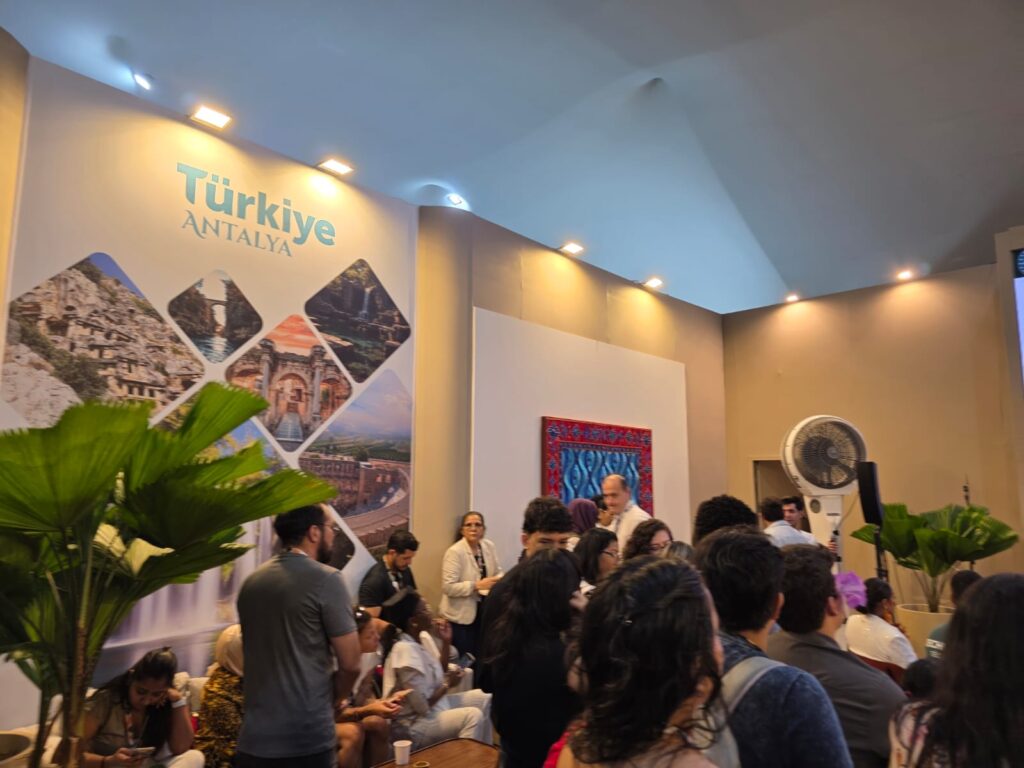
This includes pre-COP meeting will be held on a Pacific island, while the main event is held in Turkey.
Australian Minister believes having a COP president not from the host country will work and that he will have the considerable authority reserved for the president of these gatherings. As COP president of negotiations, I would have all the powers of the COP presidency to manage, to handle the negotiations, to appoint co-facilitators, to prepare draft text, to issue the cover decision,” he said.
He also confirmed to Turkey will also appoint a president who will run the venue, organise the meetings and schedules.
Australia’s climbdown will be embarrassing for the government of Mr Albanese, after lobbying long and hard to win support among the other nations in the Western Europe group.
The compromise will have to be ratified by more than 190 countries gathered here for COP30 in Belem, Brazil.
Photos @ Imran Y. CHOUDHRY


How the World Is Forced to Fund the Iran War

Scholars Urge UN to Protect Iran’s Scientific Sites Amid Airstrikes Global Academics Warn Attacks Threaten Research, Health, and Civilian Safety

How Iran Humiliated U.S. and Israeli Power


-

 Europe News1 year ago
Chaos and unproven theories surround Tates’ release from Romania
-

 American News1 year ago
Trump expands exemptions from Canada and Mexico tariffs
-

 American News1 year ago
Trump Expels Zelensky from the White House
-

 Pakistan News9 months ago
Comprehensive Analysis Report-The Faranian National Conference on Maritime Affairs-By Kashif Firaz Ahmed
-

 American News1 year ago
Zelensky bruised but upbeat after diplomatic whirlwind
-

 Art & Culture1 year ago
The Indian film showing the bride’s ‘humiliation’ in arranged marriage
-

 Art & Culture1 year ago
International Agriculture Exhibition held in Paris
-

 Pakistan News1 year ago
Can Pakistan be a Hard State?