
Pakistan News
At Balochistan grand jirga, PM stresses need to win back ‘misled’ people


Prime Minister Shehbaz Sharif on Saturday said that people who were “misled” by terrorists in Balochistan must be brought back on board, stressing the need for resolving issues through dialogue.
The security situation in Balochistan has worsened in recent months, as militants, long involved in a low-level insurgency, have stepped up the frequency and intensity of their attacks. The outlawed Balochistan Liberation Army, in particular, has adopted new tactics to inflict higher casualties and directly target Pakistani security forces.
Last month, ISPR Director General Lt Gen Ahmed Sharif Chaudhry accused India of activating its “assets” to intensify terrorist attacks in Pakistan, presenting “irrefutable evidence” of Indian state-sponsored terrorism, directed by the Indian military personnel.
Speaking at the Balochistan Grand Jirga in Quetta, PM Shehbaz said, “The terrorists [in Balochistan] must not be tolerated by the public, government or armed forces.
“We must make efforts to bring back the people who were misled [by the terrorists] onto the wrong track.”
He added that economic or social injustices cannot happen in Balochistan during his rule and stressed collectively solving the issues through talks.
“If there are any concerns, brothers need to sit together to solve those issues,” he emphasised. “The blood-thirsty terrorists who are against Pakistan’s success and welfare must be stopped. I want to ask what the gaps [there] are that we can fill with your suggestions [to solve problems].”
Balochistan to receive Rs250bn development budget
The premier also announced that Balochistan will receive Rs250 billion in development funds from the federal budget.
He said, “In the upcoming budget, the federal-funded Public Sector Development Programme (PSDP) for provinces and [the] federation will be Rs1 trillion in total. Balochistan will get Rs250bn, which is 25 per cent of the total PSDP.”
He added, “To me, even that seems like a small amount.
“Whether it is Gwadar, Pasni, Chaman, Qila Saifullah, Quetta, Jhal Magsi or any other place, every penny of these resources must be honestly utilised for the public’s welfare.”
The premier also highlighted past development projects in the province, such as the Rs70bn solar initiative for farmers and the N-25 Highway.
Last month, PM Shehbaz announced that instead of passing on the relief of reduced oil prices in the international market to consumers, the government would use the saved money for the reconstruction of the N-25 Highway and completion of Phase-II of the Kachhi Canal project in Balochistan.
Addressing the event today, he further said, “In 2010, Punjab gave Rs11bn in NFC to Balochistan [and] that would be around Rs155-160bn today. But for the sake of national unity, even Rs1600 billion would not be too much.”
“The vastness of Balochistan demands greater investment,” he added.
Pakistan ‘flying high’ militarily, economically
Earlier on Saturday, the PM said that Pakistan was “flying high” off the back of its victory in a military conflict against India and economic progress made since he took office as prime minister.
The comments, made during an address at the Quetta Command and Staff College, followed a recent military confrontation between India and Pakistan over New Delhi’s allegations against Islamabad, without evidence, about a deadly attack in occupied Kashmir’s Pahalgam.
New Delhi, based on the allegations, launched a series of air strikes in Pakistan in early May, killing civilians. Islamabad retaliated by downing five Indian jets. It took American intervention on May 10 for both sides to finally reach a ceasefire.
https://www.dawn.com/news/card/1906274
India, however, is still weaponising the Indus Waters Treaty (IWT) — a water distribution deal between the two countries — saying that it will no longer abide by the treaty, placing the agreement in “abeyance”.
In his address today, PM Shehbaz congratulated the military personnel in attendance on their counter-operations against India. He said these operations had left New Delhi “completely baffled and shell-shocked”.
“We won a war against an enemy, which in the eyes of our detractors was unthinkable, but we have converted this unthinkable into a reality, and I think that is our finest hour in history,” he stated. “Pakistan at this point in time is flying high.”
PM Shehbaz noted that the conflict with India was not only victorious, but illustrated that the threats Pakistan faces are no longer restricted to conventional battlefields.
“They [threats] are multifaceted, ranging from kinetic warfare to cyber attacks, economic coercion, disinformation campaigns and hybrid threats that challenge both our borders and ideological frontiers,” he elaborated.
“The recent Indian aggression … was not only countered successfully, but we turned the tables on those who tried to establish a new normal,” he added. “Indian leaders had no option but to concoct a patently false explanation for their losses. Operation Bunyanum Marsoos destroyed the enemy’s defences and shattered the myth of their military might.”
The PM highlighted that Pakistan “established a new norm” in its relations with India, warning that the country will never let its neighbour “behave in an arrogant and haughty manner”. He also reiterated that Pakistan would not allow India to continue weaponising the IWT, calling it a “red line”.
“We need to convert this moment into something this nation has been longing for — that Pakistan’s progress … would not only be witnessed [and] enjoyed by [the people], but that the world at large would respect Pakistan’s hard work,” he added.
‘Sacrifice, blood and sweat’
Noting Pakistan’s victory on the battlefield, the prime minister said that the country “faces major challenges” on the economic front.
Highlighting economic difficulties during his tenure in 2022, Shehbaz said, “International banks were refusing our letters of credit for vital imports like energy … linked to Pakistan’s wellbeing”, and the country faced the threat of international lending agencies walking away.
“As a result of that meeting in Paris in July 2023, we were able to sign a standby agreement with the IMF, which averted an impending economic meltdown,” the PM said.
He added that upon assuming office in 2024, his administration “wasted no time” implementing major reforms and making “cast-iron guarantees to lending agencies”.
“We would not shy away from undertaking difficult, tough, but very relevant, deep-rooted changes in our system,” he said. “We undertook those very difficult decisions and we were able to calm those fears of our lending partners. Today, we are witnessing the fruits of those sacrifices made by the common man in Pakistan.”
According to the PM, inflation plummeted from 38 per cent to 0.3pc, while interest rates were halved from 22.5pc in 2022 to 11pc.
“Our rupee stands stable [and] forex reserves have crossed over a billion dollars,” he said.
“These achievements, significant as they are, represent only the beginning of a very arduous, difficult, thorny journey towards progress and prosperity. On the way, we will meet huge challenges like mountains, rivers — we will have to surmount them [and] cross those rivers through unwavering commitment to our nation and our people, and that will require sacrifices, sweat and blood,” he emphasised.




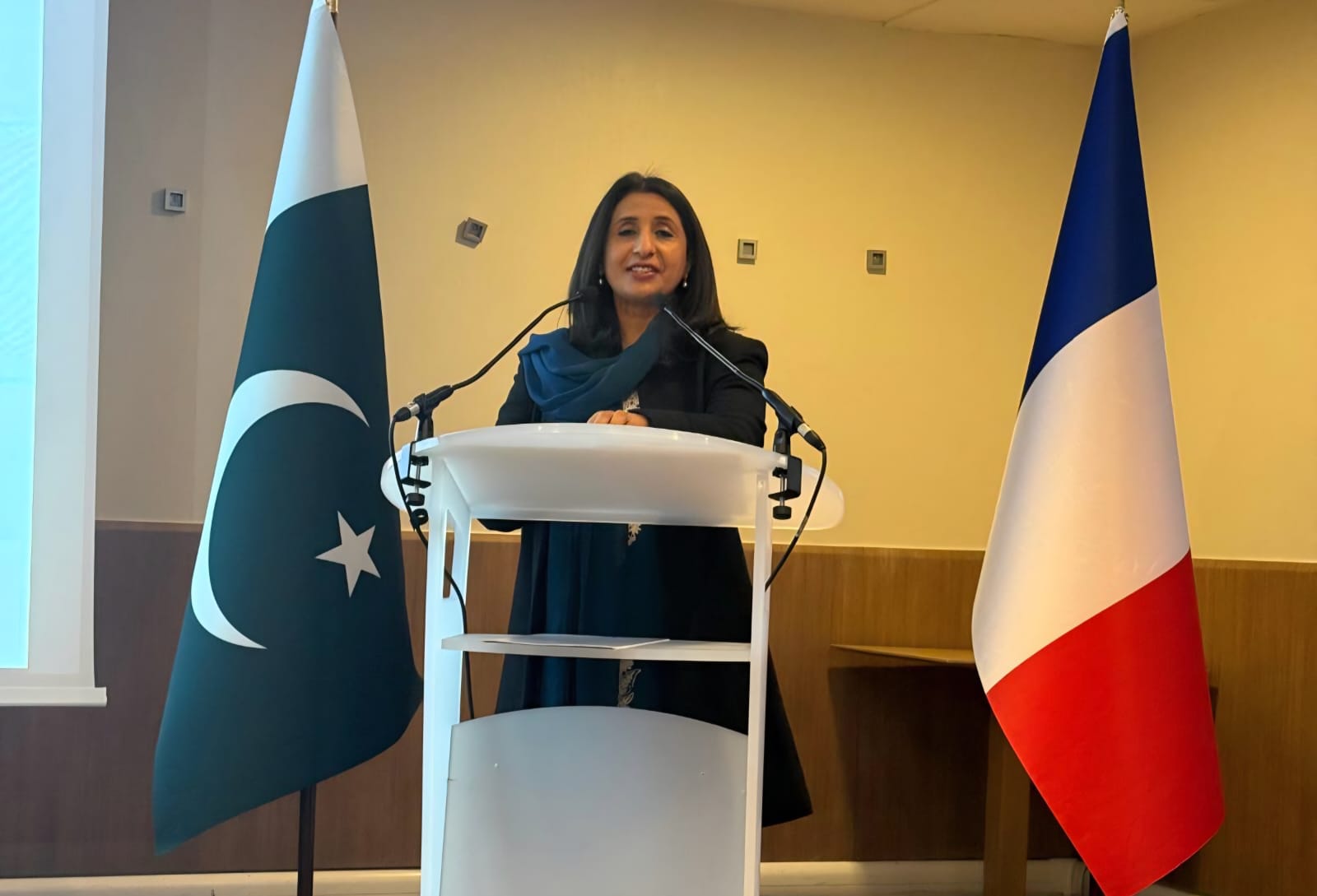
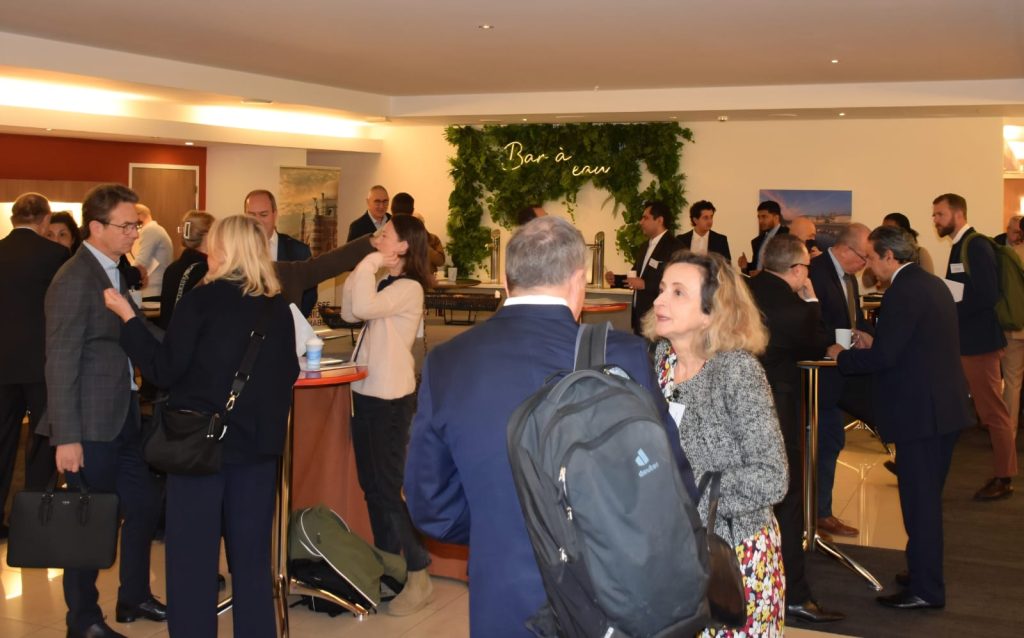
Paris ( Imran Y. CHOUDHRY):- A ‘Pakistan-France Trade and Investment Forum’ was held in Paris today, bringing together government officials, business leaders, industry experts and representatives of trade bodies of both countries.
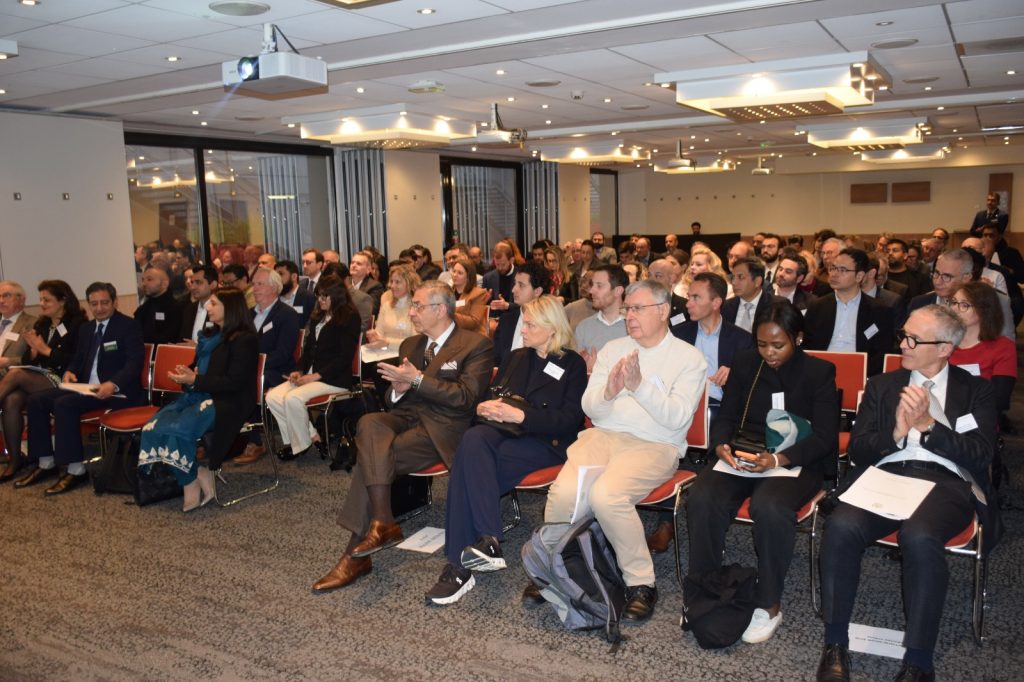
The Forum was held in implementation of an understanding reached between President Emmanuel Macron and Prime Minister Shehbaz Sharif in 2024, to build strong economic partnership between Pakistan and France. The objective of the Forum was to connect businesses, exchange ideas, explore new avenues of bilateral cooperation and showcase Pakistan’s trade and investment potential. It witnessed participation of over seventy French and Pakistani companies from diverse sectors including agriculture, information technology, textiles, energy and tourism.
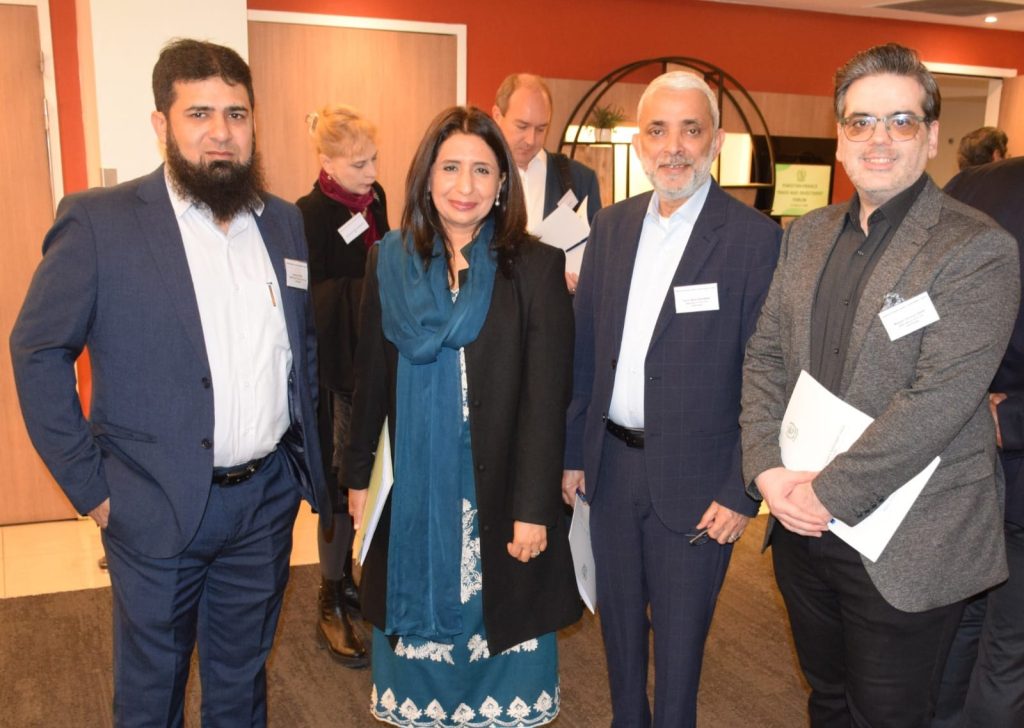
Ambassador Mumtaz Zahra Baloch opened the Business Forum and highlighted Pakistan’s economic growth and potential as an attractive trade partner for France. She outlined investor-focused initiatives and institutional facilitation mechanisms in Pakistan to promote trade and investment. She encouraged Pakistani and French businesses to explore collaborative opportunities, and develop joint ventures and win-win partnerships.
Speakers from the French side included Thierry Pflimlin, Chairman of the France-Pakistan Business Council at MEDEF International, Patricia Glasel, Vice President of the Conseillers du Commerce Extérieur de la France (CCEF) and Ardavan Amir-Aslani. They highlighted the growing momentum in France-Pakistan economic relations; identified the opportunities for trade and investment with Pakistan; and underscored the importance of strengthening private sector linkages to further facilitate bilateral trade and investment.
The plenary session was followed by ‘Breakout and Business-to-Business (B2B)’ sessions to discuss and identify tangible avenues for collaboration in textiles, agriculture and dairy, and Information Technology.
Pakistan News
Dr. Mohammad Faisal Joins Distinguished Quetta Association Event in London Gathering Reinforces Shared Military Heritage of Pakistan and Britain
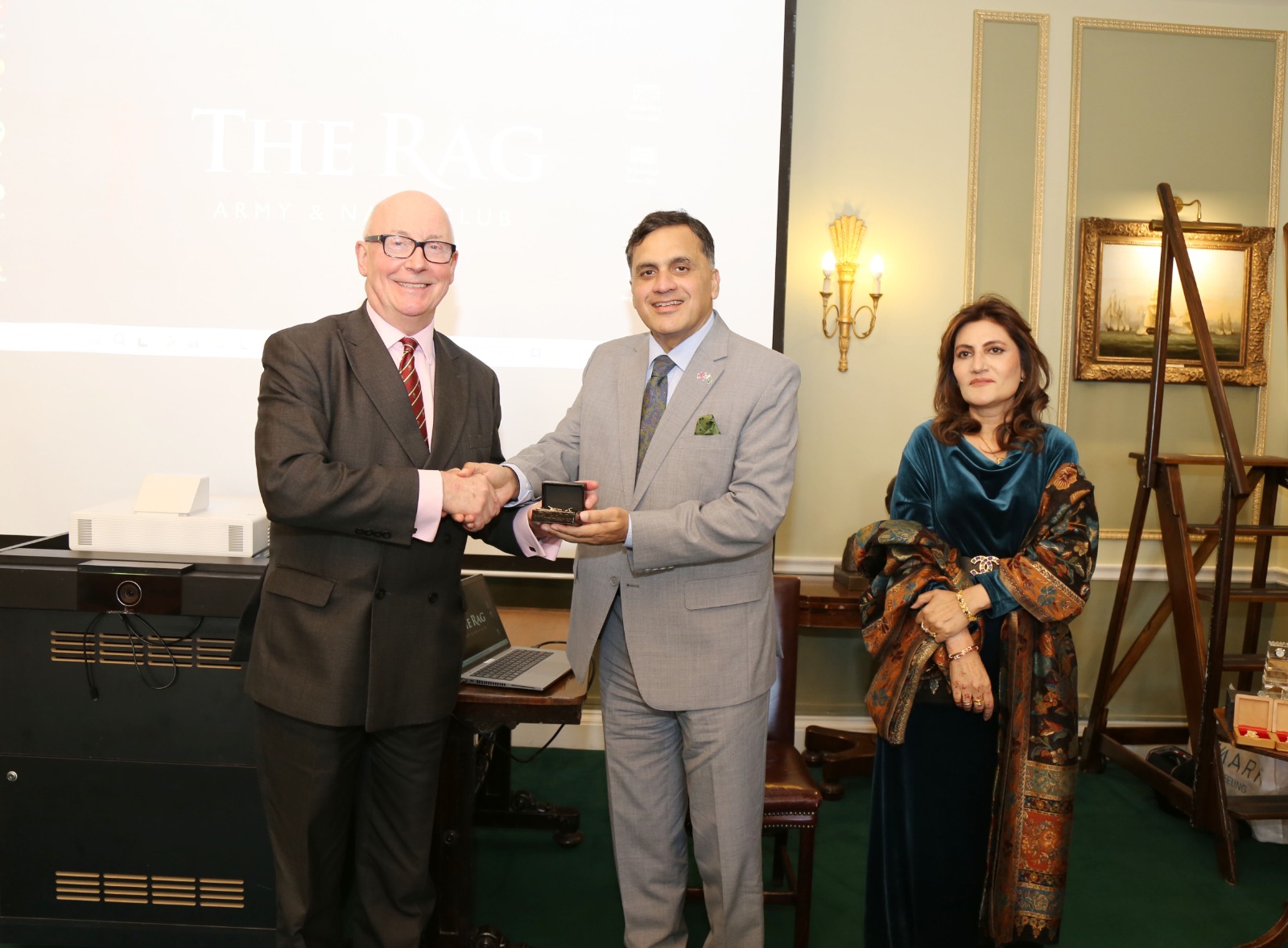
High Commissioner @DrMFaisal and his spouse @drsarahnaeem2 attended, as guests of honor, a distinguished gathering of the Quetta Association at the Army & Navy Club, London.
Military Officers from the Defence Wing of Pakistan High Commission, London, with their families also attended.
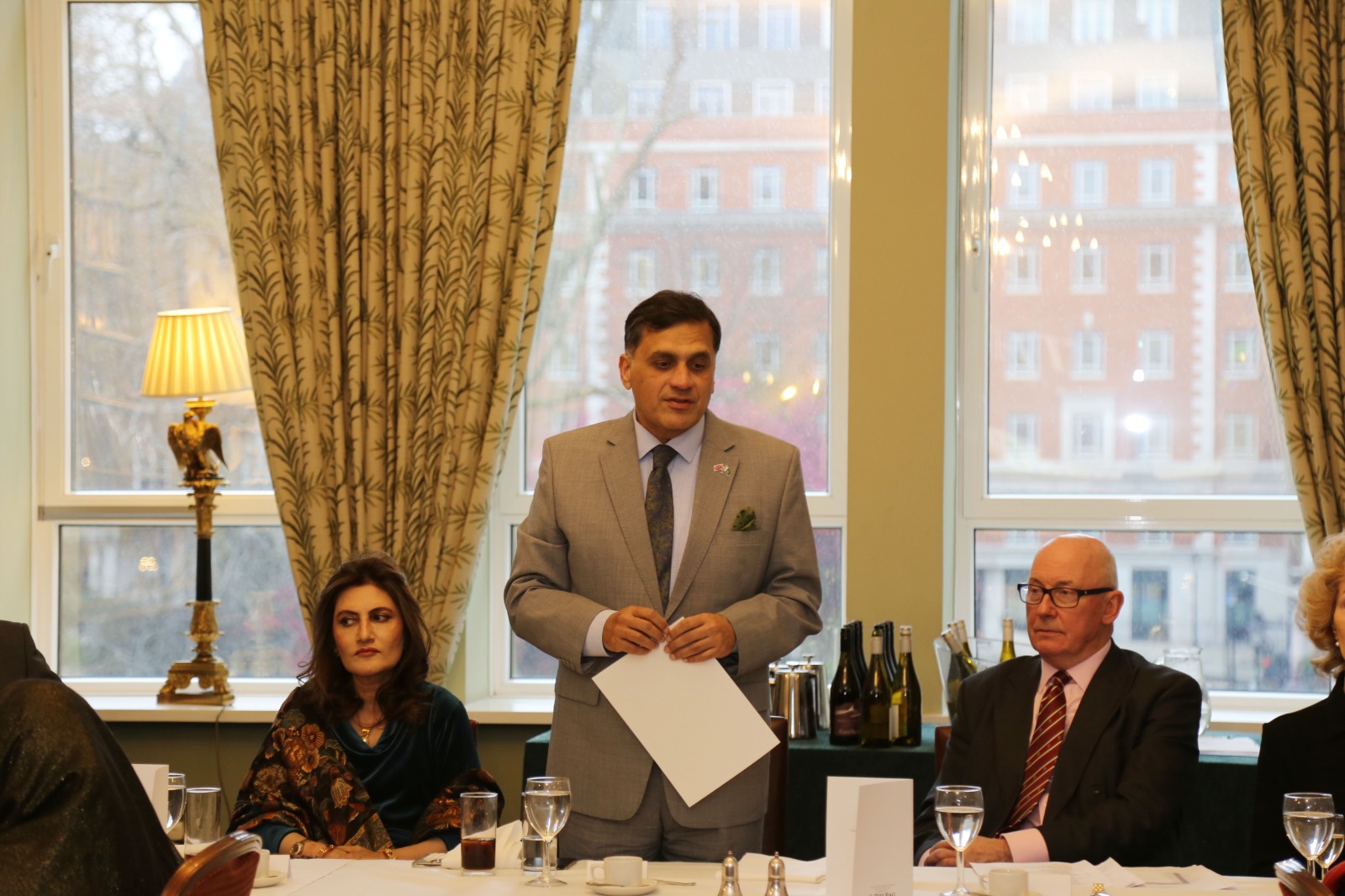
Quetta Association brings together British officers who graduated from the prestigious Command & Staff College, Quetta, Pakistan. The institution has produced outstanding military leaders, including British Field Marshals Sir Claude Auchinleck and Sir William Slim, whose leadership during the Second World War remains widely respected. Field Marshal Syed Asim Munir is also graduate of this prestigious institution.
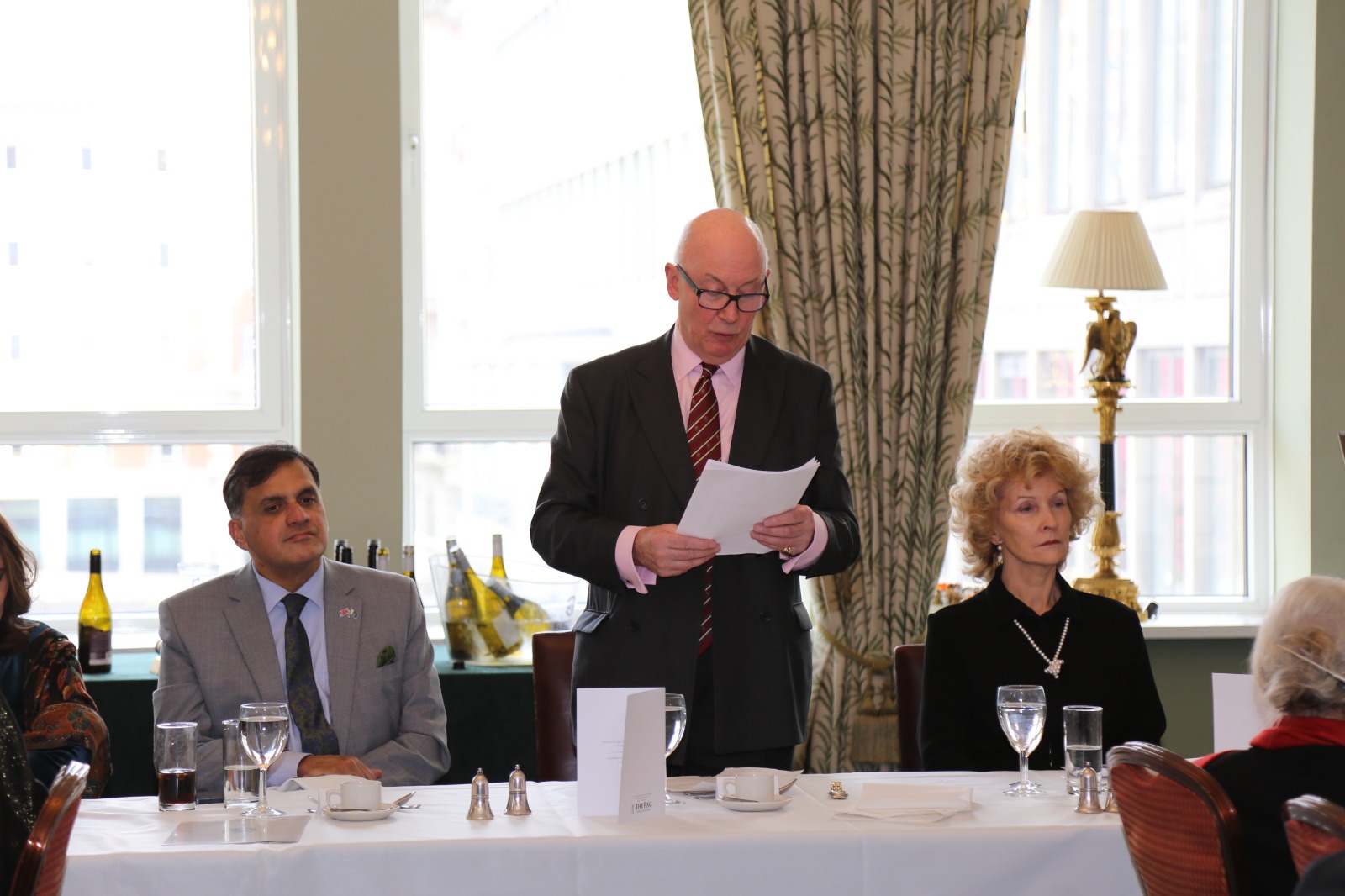
The High Commissioner appreciated the annual gathering that underscored the Association’s enduring role as a vital bridge linking the British Army and Pakistan Army through shared professional heritage and camaraderie.
Decorated British military officers and their families paid glowing tributes while referring to the hospitality accorded by Pakistan during their stay in Quetta.
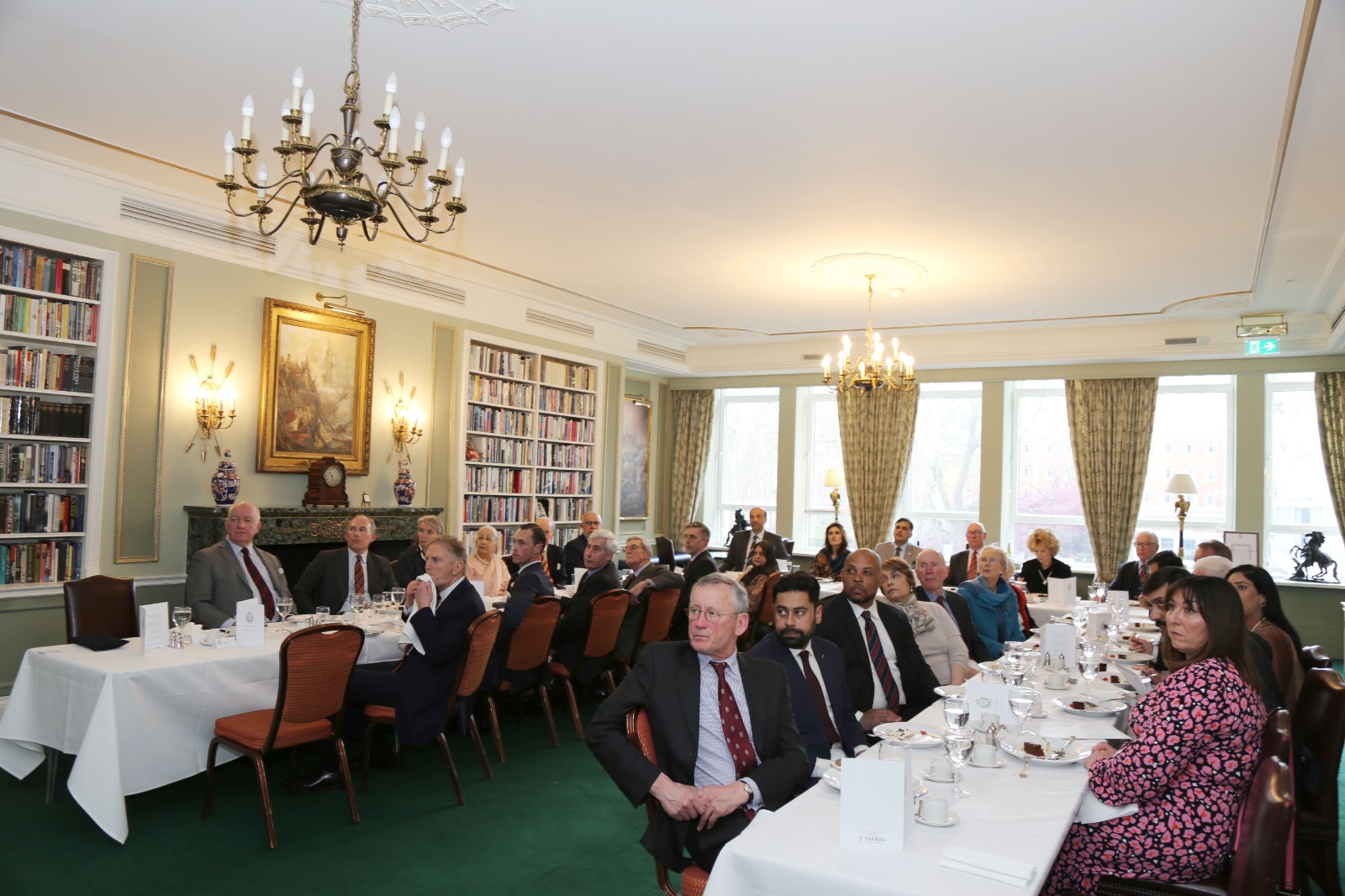
Graduate senior British Officers present at the gathering included Lt. Gen. Sir Alistair Irwin KCB CBE (1980) and Maj. Gen. Seumus Kerr CBE (1985).
Mementos were exchanged between the British officers and officers of @PakistaninUK.
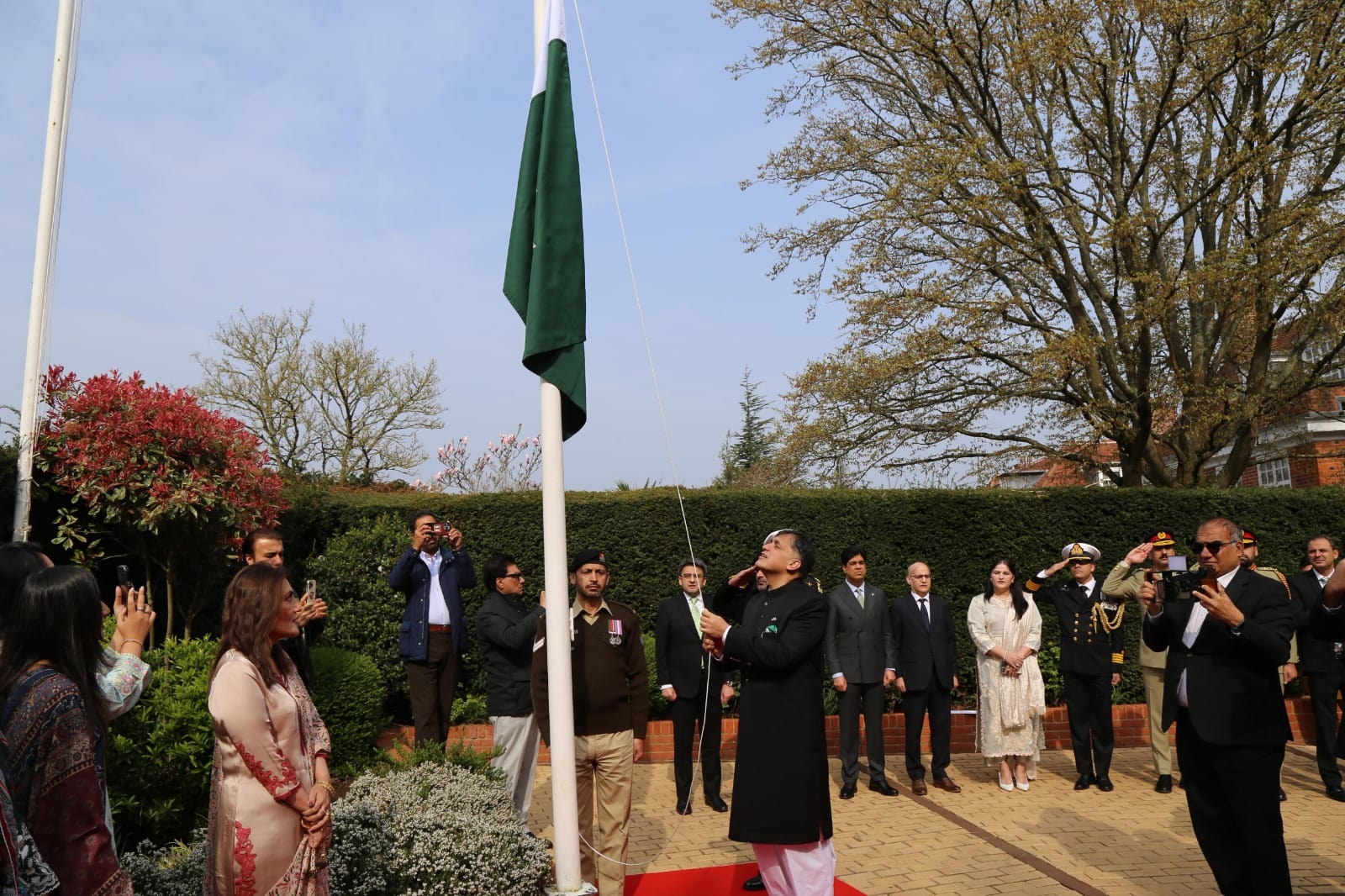
In a simple and dignified ceremony held at Pakistan House, London, the High Commissioner of Pakistan to UK Dr. Mohammad Faisal raised the Pakistan Flag on the occasion of Pakistan Day.
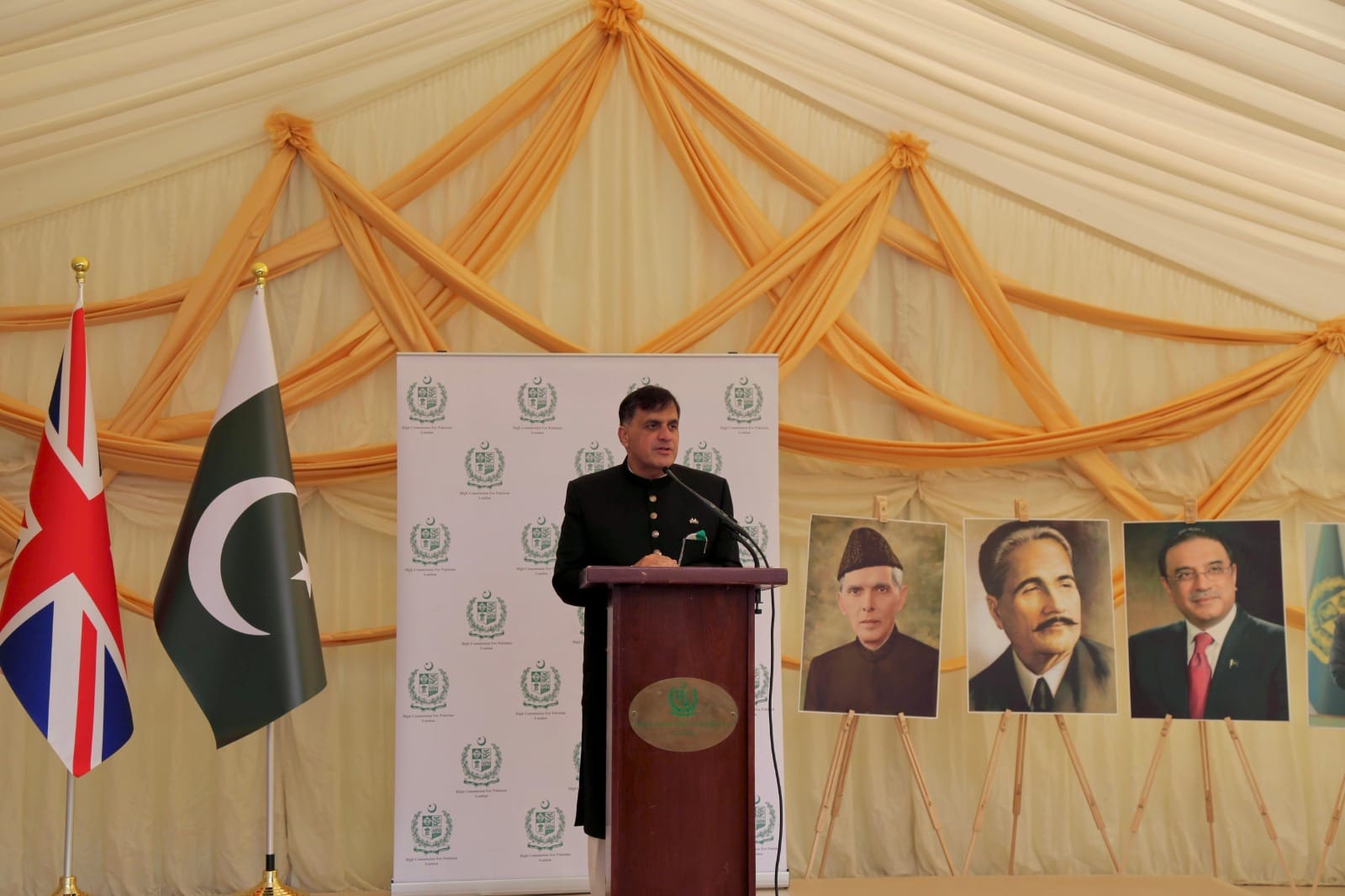
The ceremony was attended by Officials of the High Commission, British – Pakistanis and Media representatives.
Messages of the President, the Prime Minister and Deputy Prime Minister / Foreign Minister were read out.
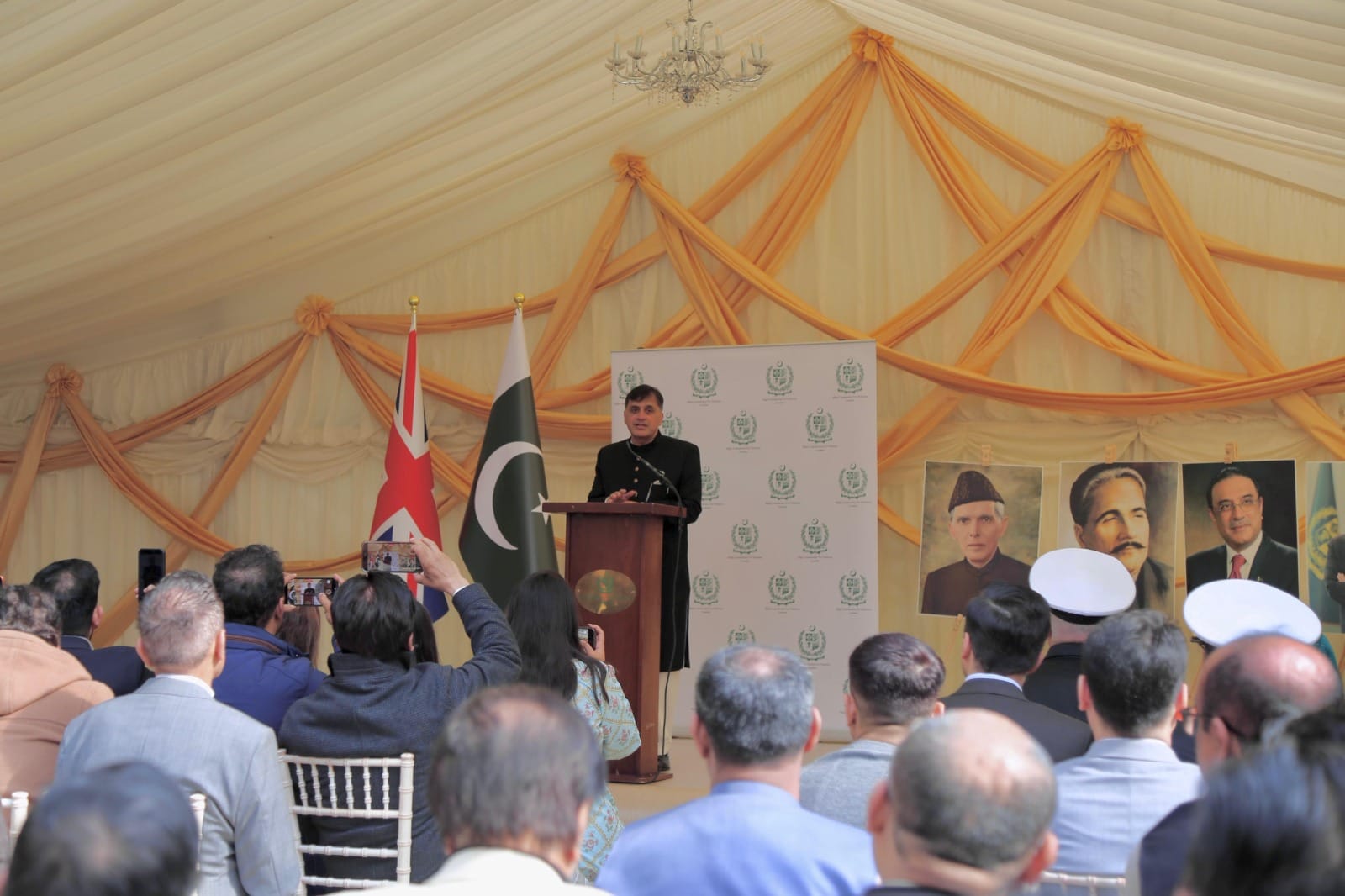
In his keynote address, the High Commissioner said that Pakistan Day was a tribute to our founding fathers who united the Muslims of Indian sub-continent where they could live independently as a Nation and live according to their customs & traditions.
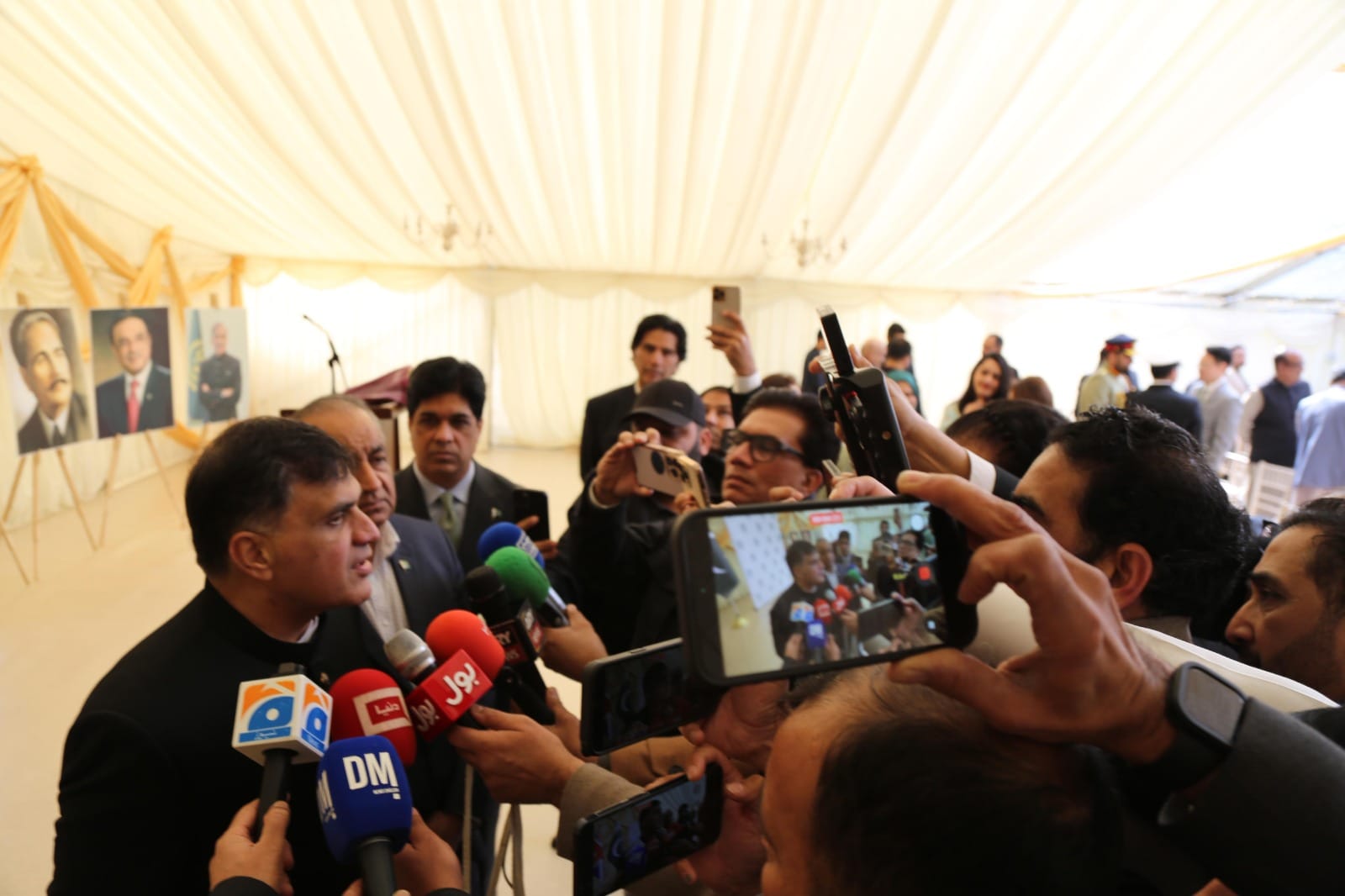
Dr. Faisal stated that Pakistan had always professed peace and stability in the region. However, Pakistan will not tolerate any aggression from neighbouring countries.
The High Commissioner said that Pakistani nation, despite the difficulties, remains resilient and demonstrates courage & perseverance.
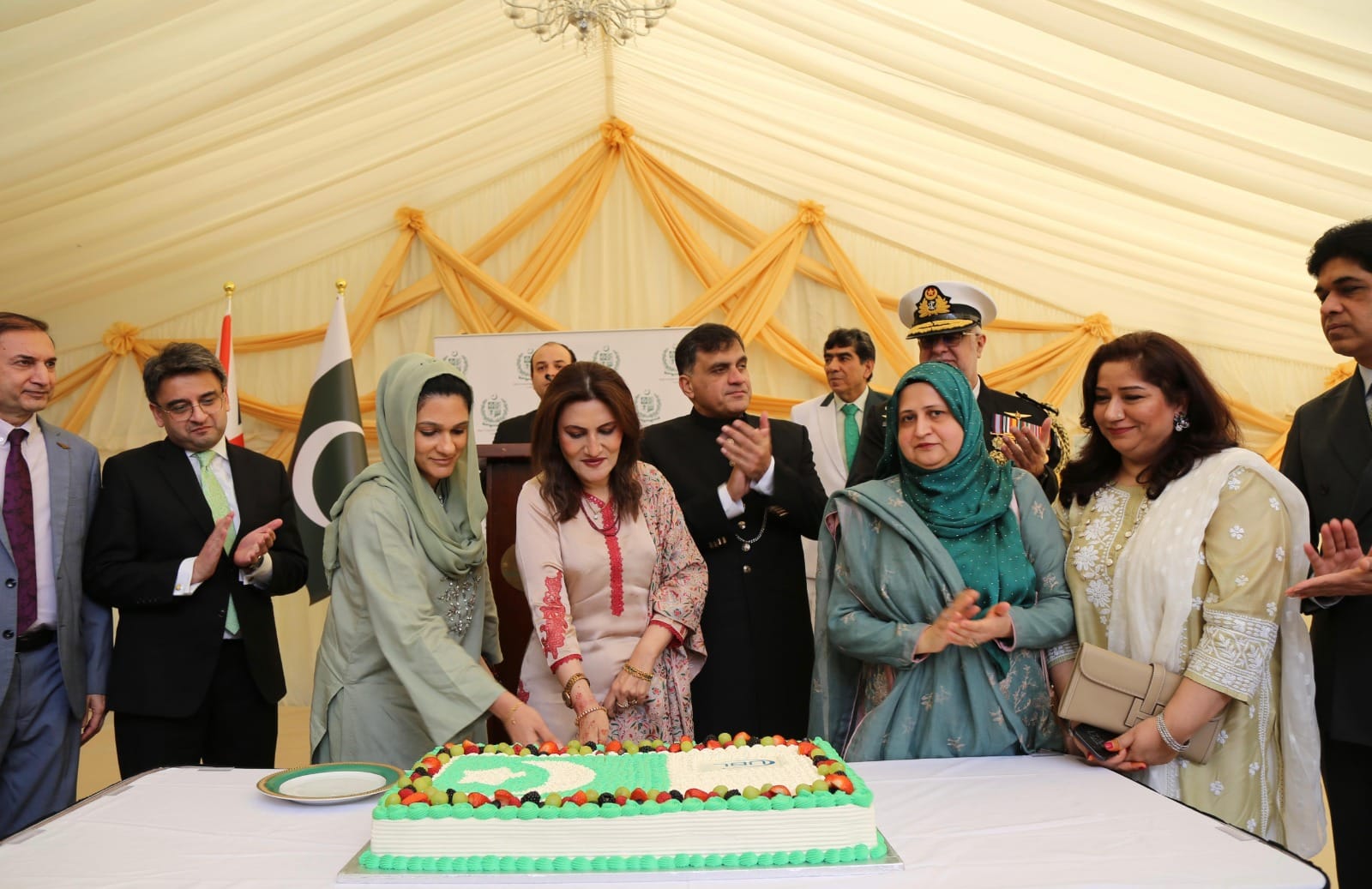
Dr. Mohammad Faisal stated that, in line with the instructions of the Prime Minister, the Deputy Prime Minister / Foreign Minister and the Federal Cabinet, Pakistan High Commission London is implementing strict austerity measures. However, these measures will not affect the performance & working of the High Commission.
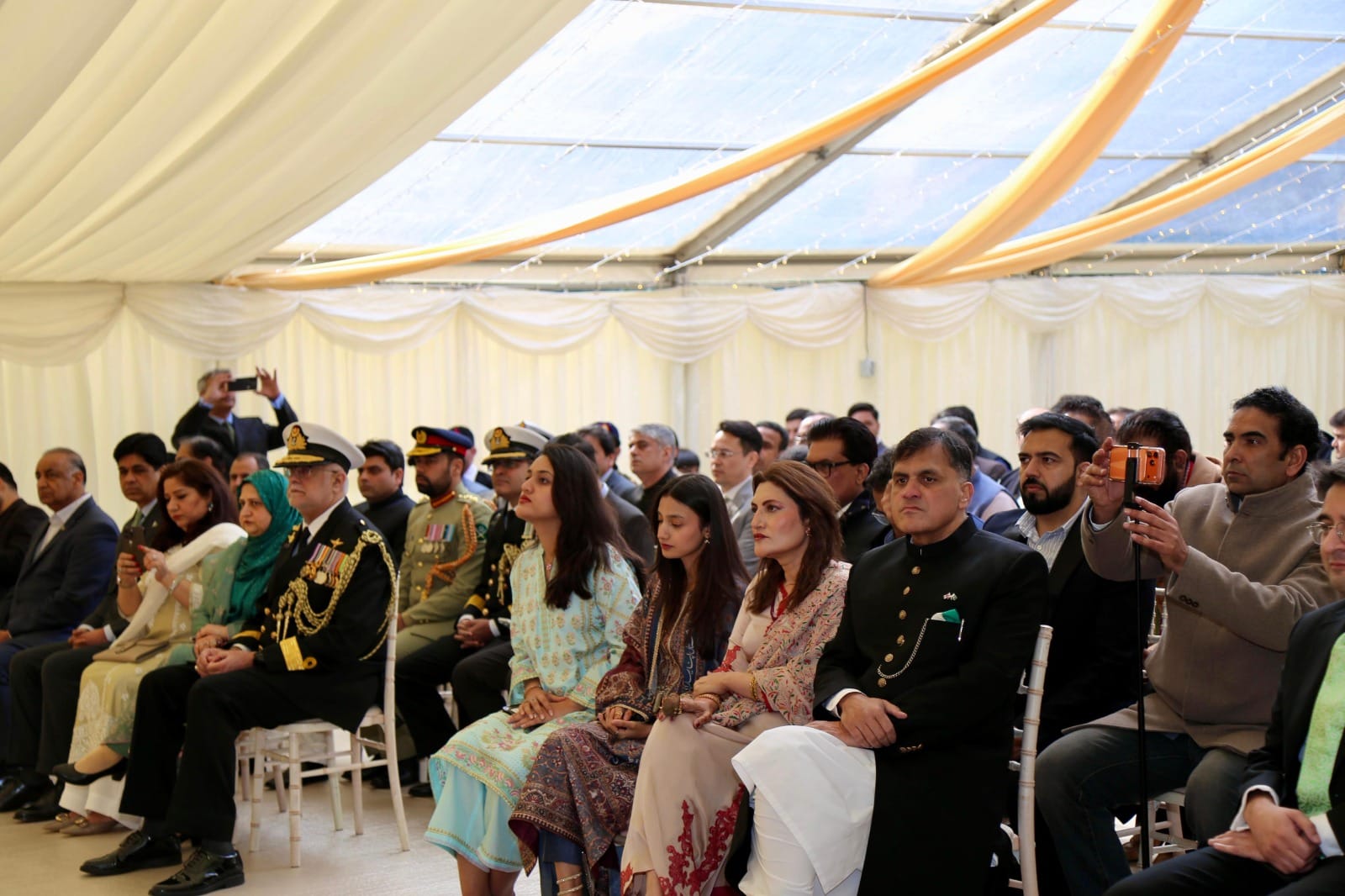
He acknowledged the remarkable contributions of Pakistani diaspora in UK and their extraordinary performance in various fields. He said that their achievements are a source of immense pride for Pakistan.
The High Commissioner expressed solidarity with the people of Indian Illegally Occupied Jammu and Kashmir and committed to continue diplomatic, moral and political support for their right to self determination under UN Resolutions.
London
23rd March, 2026


How the World Is Forced to Fund the Iran War

Scholars Urge UN to Protect Iran’s Scientific Sites Amid Airstrikes Global Academics Warn Attacks Threaten Research, Health, and Civilian Safety

How Iran Humiliated U.S. and Israeli Power


-

 Europe News1 year ago
Chaos and unproven theories surround Tates’ release from Romania
-

 American News1 year ago
Trump expands exemptions from Canada and Mexico tariffs
-

 American News1 year ago
Trump Expels Zelensky from the White House
-

 Pakistan News9 months ago
Comprehensive Analysis Report-The Faranian National Conference on Maritime Affairs-By Kashif Firaz Ahmed
-

 American News1 year ago
Zelensky bruised but upbeat after diplomatic whirlwind
-

 Art & Culture1 year ago
The Indian film showing the bride’s ‘humiliation’ in arranged marriage
-

 Pakistan News1 year ago
Can Pakistan be a Hard State?
-

 Art & Culture1 year ago
International Agriculture Exhibition held in Paris