
Pakistan News
After Aerial Humiliation, Panicked India Bombed Its Own People


Paris (Imran Y. CHOUDHRY) :- Former Press Secretary to the President, Former Press Minister to the Embassy of Pakistan to France, Former MD, SRBC Mr. Qamar Bashir analysis : In one of the most stunning and deeply troubling incidents of modern military conflict, the May 2025 India-Pakistan escalation has not only exposed the weakness of Indian air superiority but has also brought to light a catastrophic failure in India’s missile command and control infrastructure. In an unprecedented embarrassment, several ballistic missiles fired by the Indian military reportedly landed within its own territory—specifically in Indian-administered Kashmir and East Punjab—causing damage, death, and widespread panic.
While Indian media outlets initially attempted to blame these explosions on Pakistani strikes, independent intelligence sources, local reports, and even intercepted communication within Indian military channels revealed the horrifying truth: these were Indian missiles, misfired or misdirected due to systemic failures in guidance systems, lack of coordination, or possibly human error. It is a stark reminder that the world’s largest democracy, which possesses over 170 nuclear warheads, operates with a missile infrastructure plagued by flaws that could have global consequences.
The story doesn’t end with missiles gone rogue. Earlier in the week, Pakistan successfully downed five Indian fighter jets, including three Rafale aircraft—France’s pride, and India’s most advanced multirole fighters. But the embarrassment did not stop at the downing itself; what shook global military experts was the fact that these Rafales were shot down not by any American stealth technology or Russian SAM systems—but by Chinese-made J-10C and JF-17 Thunder jets, operated by Pakistani pilots with surgical precision.
A French defense analyst, when asked how the technologically inferior Chinese platforms could destroy such advanced jets, offered a brutally honest assessment: “We provided the platform. But platforms require skill to operate. That we could not supply to Indian pilots.”
The statement encapsulates the broader dysfunction in India’s military command. Despite heavy investments in advanced platforms, India’s air force continues to be undermined by under-trained personnel, politicized promotions, and insufficient real-combat exposure—particularly compared to Pakistan, whose forces are battle-hardened from two decades of asymmetric and conventional warfare.
The gravest development, however, is the recent missile misfires that have turned India’s own weapons on its people. At least two ballistic missiles, reportedly launched during retaliatory salvos aimed at Pakistani positions, veered off course and exploded within Indian territory. In the immediate aftermath, chaos erupted across Indian-controlled Kashmir and East Punjab, with local hospitals overwhelmed by casualties. Indian media, in a desperate attempt to save face, labeled these attacks as Pakistani provocations—but those claims quickly unraveled.
Pakistan, for its part, categorically denied launching any such strikes and emphasized that its military doctrine does not target civilian populations, especially in areas where it shares deep religious and political sympathies, such as among Kashmiri Muslims and Khalistani Sikhs. More importantly, Pakistani intelligence intercepted and traced the origin of the misfires back to Indian launch sites—corroborated by eyewitness accounts, trajectory tracking, and analysis by third-party observers.
This is not the first time India has humiliated itself through missile mishandling. In 2022, an Indian missile accidentally landed in Pakistan during a “routine maintenance error,” prompting a major diplomatic protest. Then too, India failed to notify its own neighbors in real-time—highlighting a command structure fraught with negligence and poor oversight.
Now, with multiple self-inflicted missile strikes during an active war, the stakes are no longer regional—they’re global.
India’s nuclear capability places it in a high-stakes category where even a minor miscalculation can trigger regional or global catastrophe. Its inability to ensure missile accuracy and its failure to maintain control over its ballistic arsenal demands urgent international scrutiny.
Global watchdogs, including the United Nations Security Council, should urgently convene to impose technical and procedural safeguards on India’s missile testing and deployment systems. Countries like the United States, Russia, and China—regardless of their rivalries—must agree on inspection protocols for South Asia’s missile networks, particularly India’s, to prevent an unintentional nuclear escalation.
If a ballistic missile designed to hit strategic enemy targets instead kills civilians within India, what assurance is there that a future “mistake” won’t hit Karachi, Kabul, or even Moscow?
In stark contrast to India’s series of disasters, Pakistan’s armed forces have demonstrated remarkable professionalism, agility, and strategic foresight throughout the ongoing conflict. The Pakistan Air Force, employing advanced Chinese PL-15 long-range air-to-air missiles, showcased its superior targeting capabilities by neutralizing India’s Rafales—arguably the crown jewel of its air fleet.
Despite being outnumbered and often underestimated, Pakistan’s JF-17 Thunders and J-10Cs have shown tactical supremacy due to better coordination, superior training, and modern Chinese integration protocols. The F-16 fleet, backed by American avionics and enhanced radar systems, played a pivotal role in electronic warfare, disrupting Indian communications and reducing the efficacy of their missions.
Pakistan’s missile corps has remained restrained, precise, and strategically calibrated. No misfires. No civilian casualties. No violations of its own sovereignty. Its restraint has earned it not only strategic ground but also diplomatic credibility.
This war has become a revealing lens through which to judge the operational readiness and ethical responsibility of two nuclear-armed neighbors. India, despite its vast military budget and foreign acquisitions, is now viewed with suspicion and concern—not just by its enemies, but by its allies.
Its Air Force, once touted as a regional juggernaut, has been humbled. Its missile command, often paraded as indomitable, is now a subject of memes, diplomatic concern, and potential UN scrutiny. And its leadership, in attempting to outgun and outmaneuver Pakistan, has stumbled into self-inflicted chaos.
On the other hand, Pakistan has played a calculated hand—militarily and diplomatically. By combining indigenous innovation, foreign partnership with China, and disciplined strategy, it has not only defended its sovereignty but also earned a moral and tactical upper hand.
India’s air strikes and missile barrages may have been intended to send a message to Pakistan—but the only recipients of its destruction so far have been its own citizens and its international reputation.
As missiles rained down on Indian soil—fired not by foreign hands but its own—the world must now reconsider the narrative of regional responsibility. The future of South Asian stability will not be secured through unchecked military parades, but through accountability, training, and respect for the immense power nations wield.
The missile that strikes your enemy may start a war. But the missile that strikes your own heart may end your credibility forever.




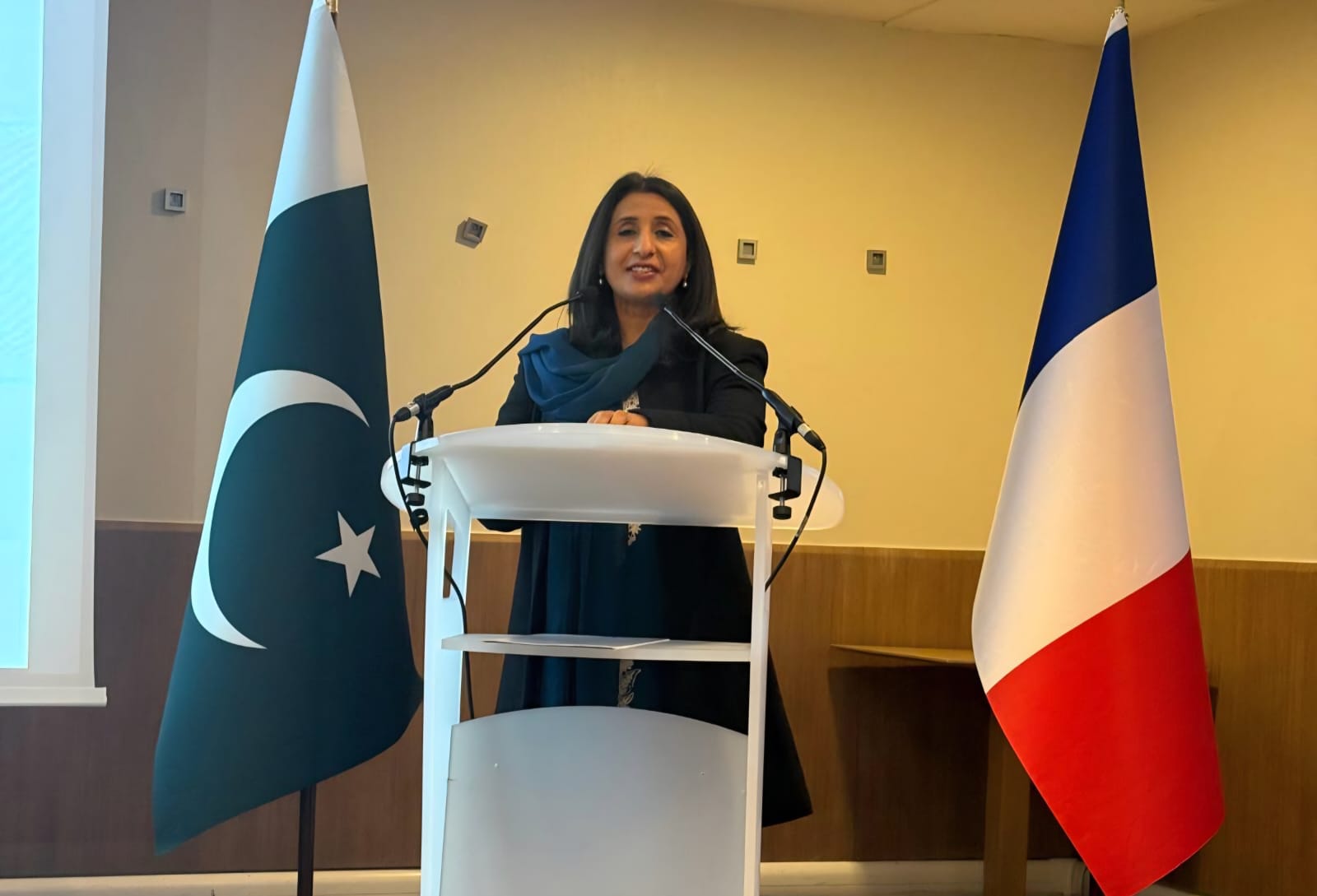
Paris ( Imran Y. CHOUDHRY):- A ‘Pakistan-France Trade and Investment Forum’ was held in Paris today, bringing together government officials, business leaders, industry experts and representatives of trade bodies of both countries.
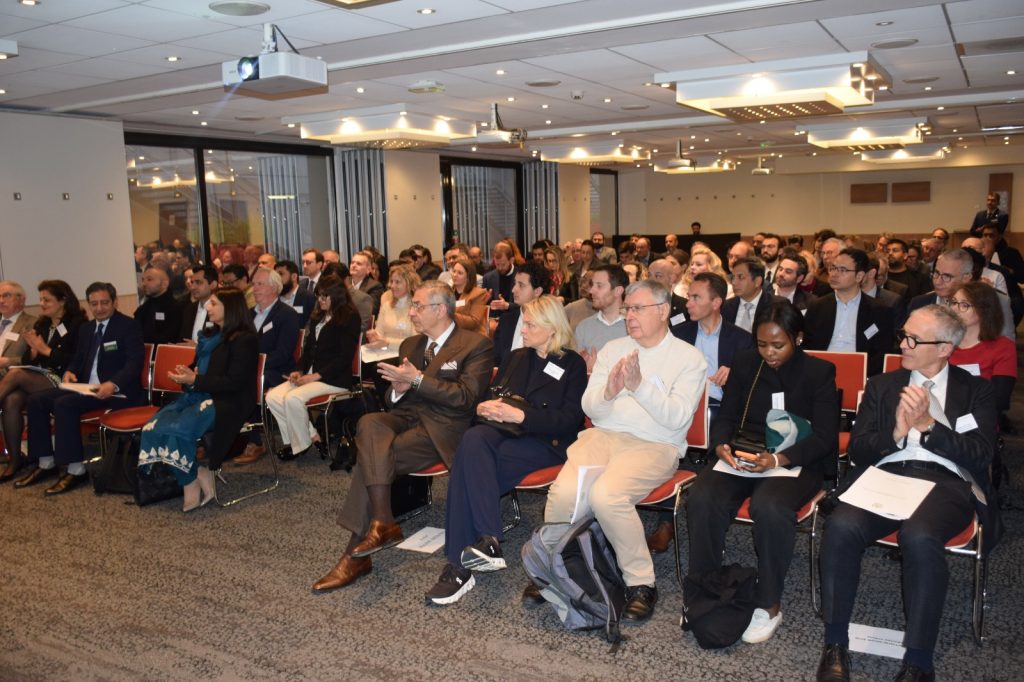
The Forum was held in implementation of an understanding reached between President Emmanuel Macron and Prime Minister Shehbaz Sharif in 2024, to build strong economic partnership between Pakistan and France. The objective of the Forum was to connect businesses, exchange ideas, explore new avenues of bilateral cooperation and showcase Pakistan’s trade and investment potential. It witnessed participation of over seventy French and Pakistani companies from diverse sectors including agriculture, information technology, textiles, energy and tourism.
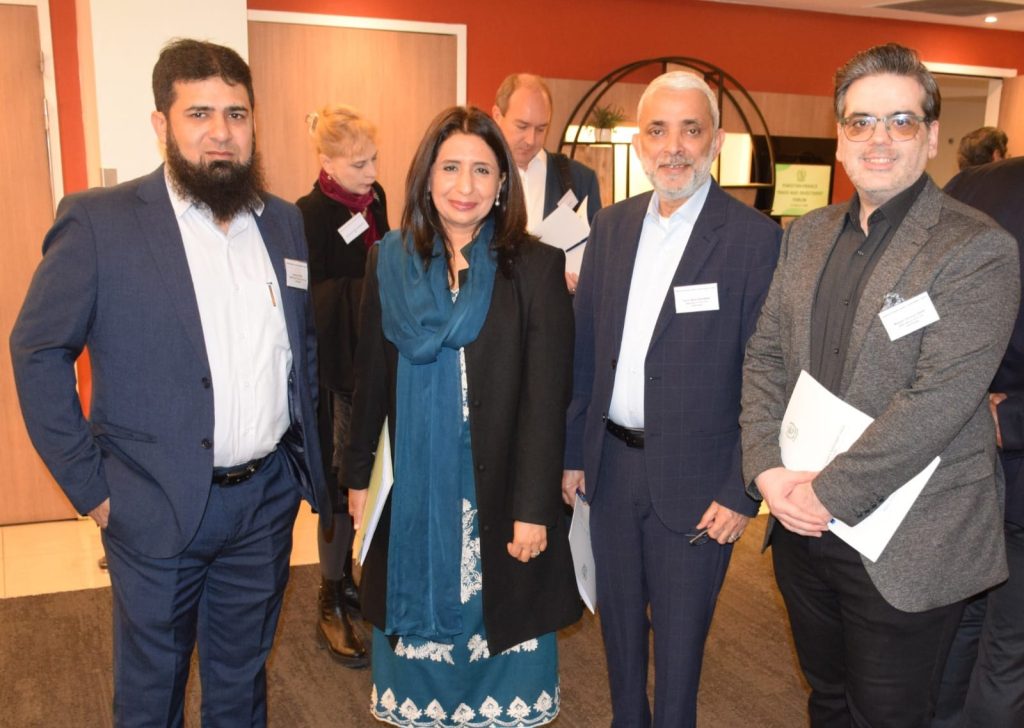
Ambassador Mumtaz Zahra Baloch opened the Business Forum and highlighted Pakistan’s economic growth and potential as an attractive trade partner for France. She outlined investor-focused initiatives and institutional facilitation mechanisms in Pakistan to promote trade and investment. She encouraged Pakistani and French businesses to explore collaborative opportunities, and develop joint ventures and win-win partnerships.

Speakers from the French side included Thierry Pflimlin, Chairman of the France-Pakistan Business Council at MEDEF International, Patricia Glasel, Vice President of the Conseillers du Commerce Extérieur de la France (CCEF) and Ardavan Amir-Aslani. They highlighted the growing momentum in France-Pakistan economic relations; identified the opportunities for trade and investment with Pakistan; and underscored the importance of strengthening private sector linkages to further facilitate bilateral trade and investment.
The plenary session was followed by ‘Breakout and Business-to-Business (B2B)’ sessions to discuss and identify tangible avenues for collaboration in textiles, agriculture and dairy, and Information Technology.
Pakistan News
Dr. Mohammad Faisal Joins Distinguished Quetta Association Event in London Gathering Reinforces Shared Military Heritage of Pakistan and Britain
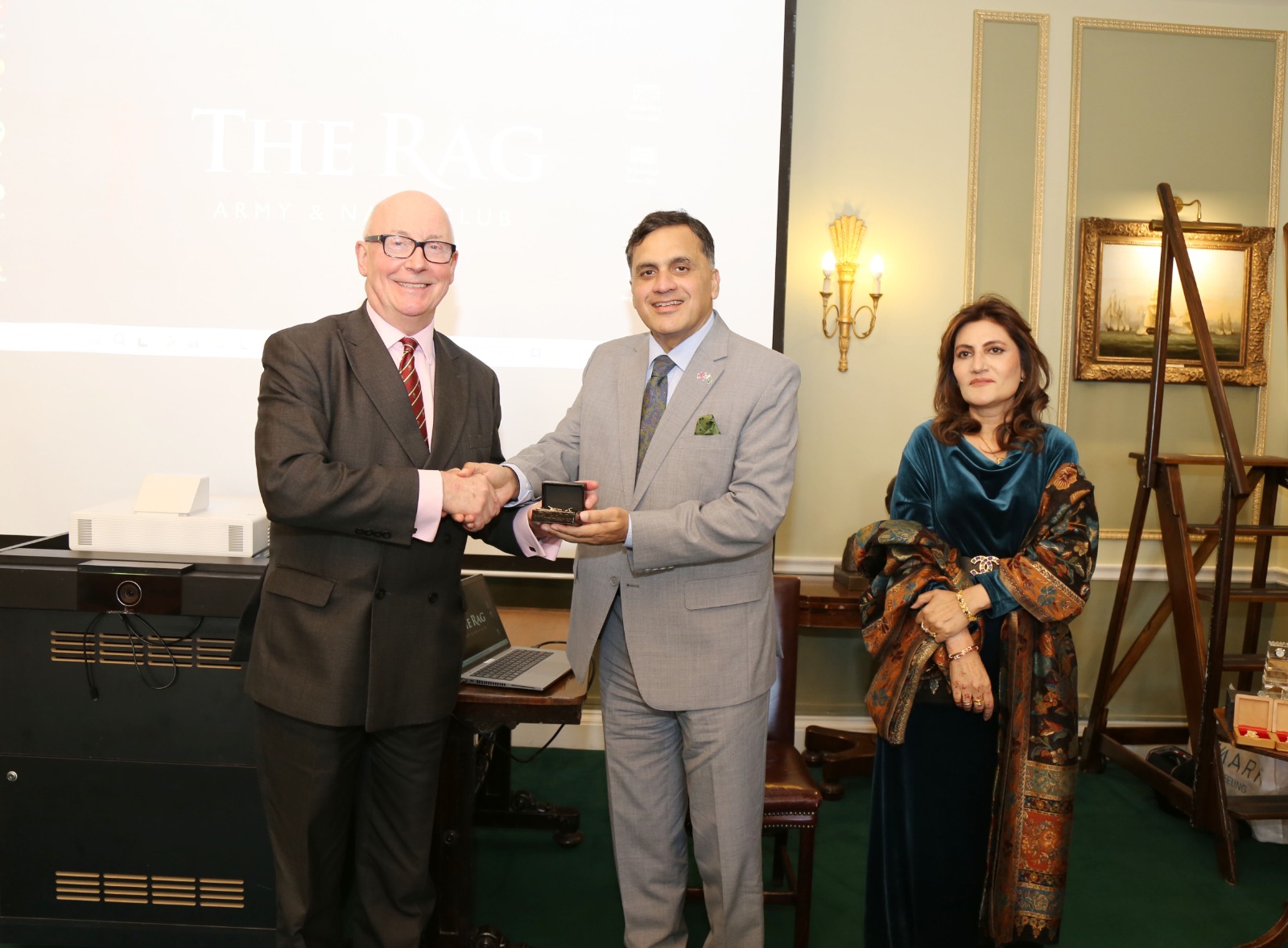
High Commissioner @DrMFaisal and his spouse @drsarahnaeem2 attended, as guests of honor, a distinguished gathering of the Quetta Association at the Army & Navy Club, London.
Military Officers from the Defence Wing of Pakistan High Commission, London, with their families also attended.

Quetta Association brings together British officers who graduated from the prestigious Command & Staff College, Quetta, Pakistan. The institution has produced outstanding military leaders, including British Field Marshals Sir Claude Auchinleck and Sir William Slim, whose leadership during the Second World War remains widely respected. Field Marshal Syed Asim Munir is also graduate of this prestigious institution.
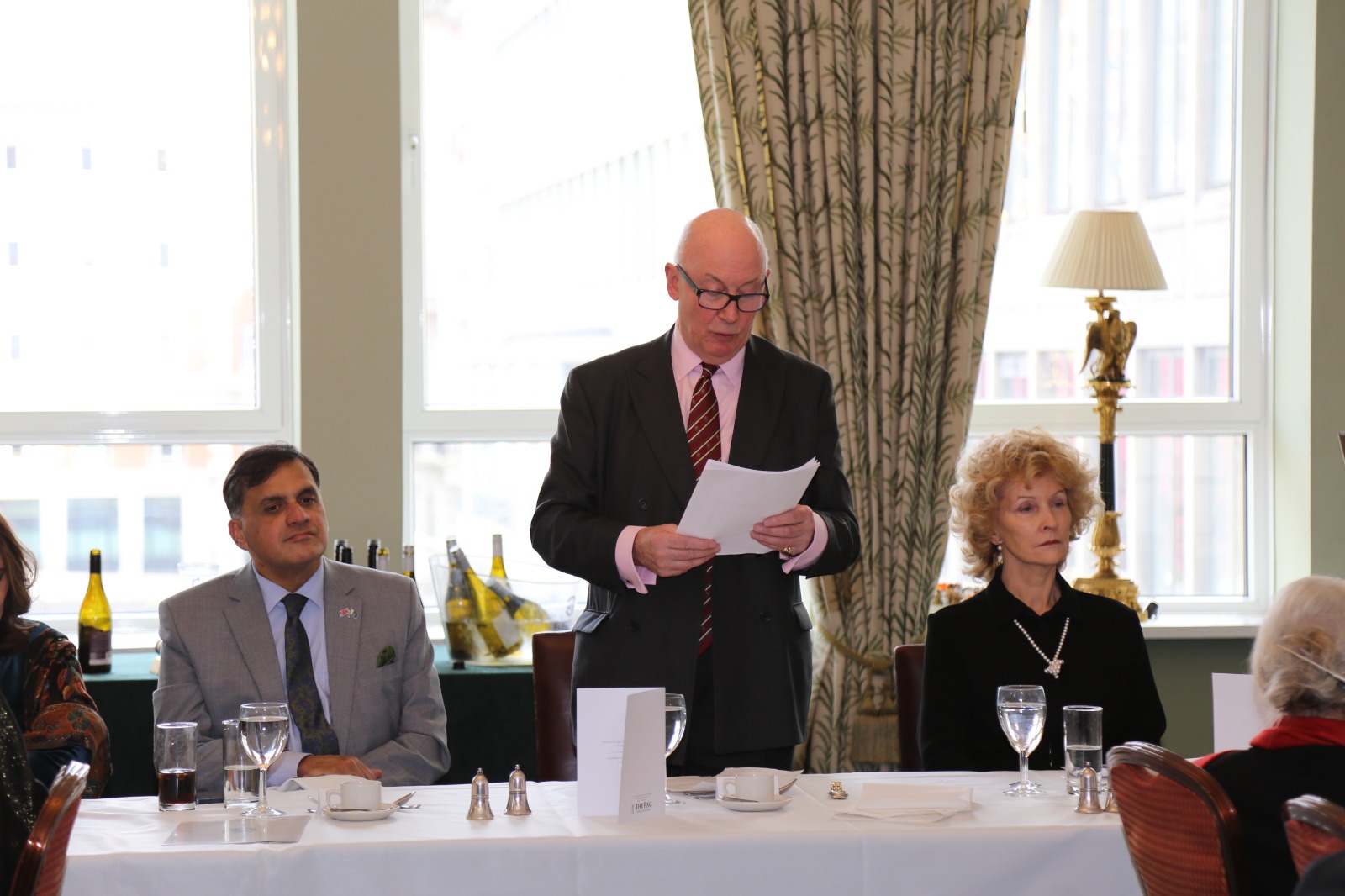
The High Commissioner appreciated the annual gathering that underscored the Association’s enduring role as a vital bridge linking the British Army and Pakistan Army through shared professional heritage and camaraderie.
Decorated British military officers and their families paid glowing tributes while referring to the hospitality accorded by Pakistan during their stay in Quetta.
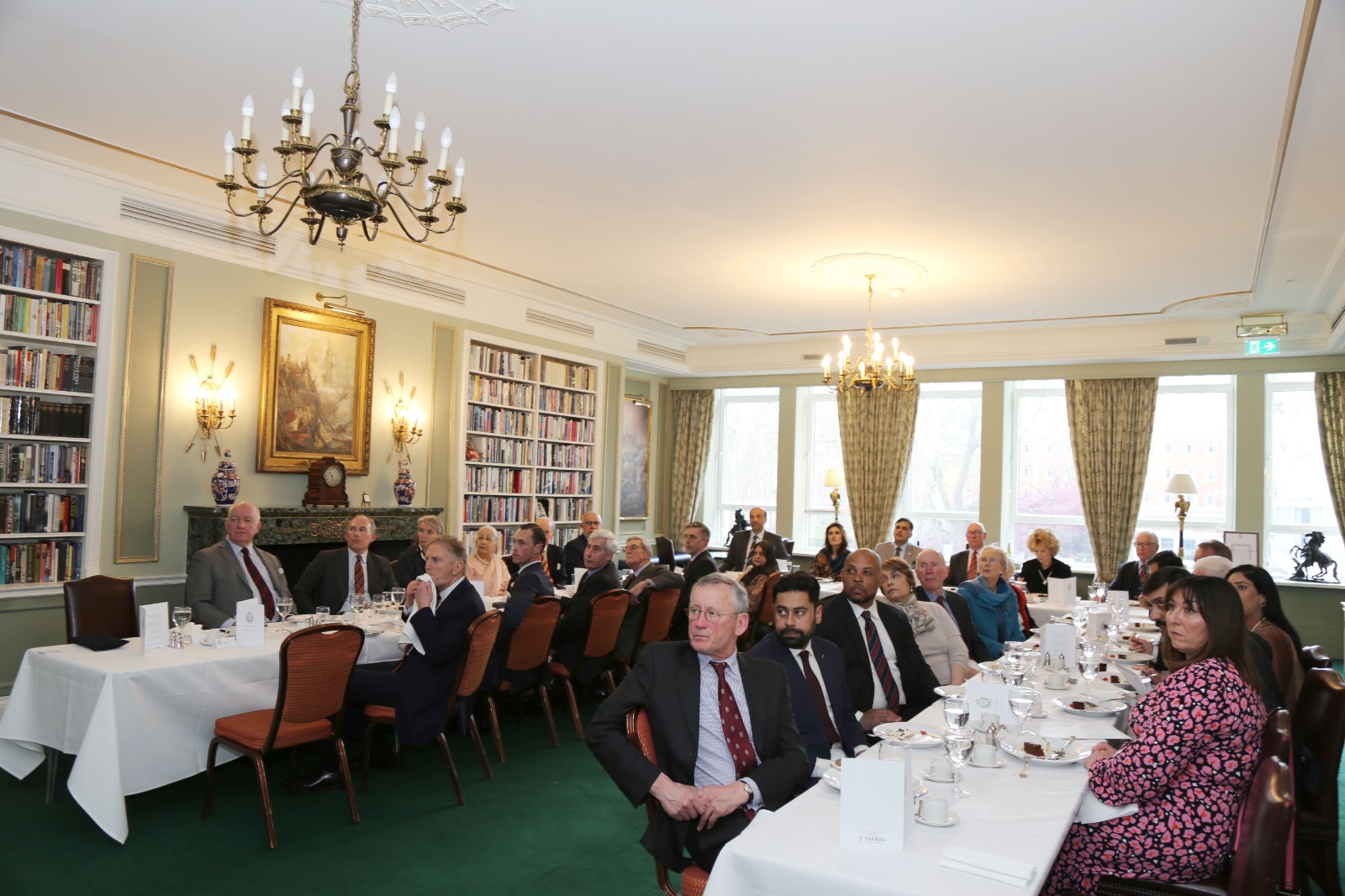
Graduate senior British Officers present at the gathering included Lt. Gen. Sir Alistair Irwin KCB CBE (1980) and Maj. Gen. Seumus Kerr CBE (1985).
Mementos were exchanged between the British officers and officers of @PakistaninUK.
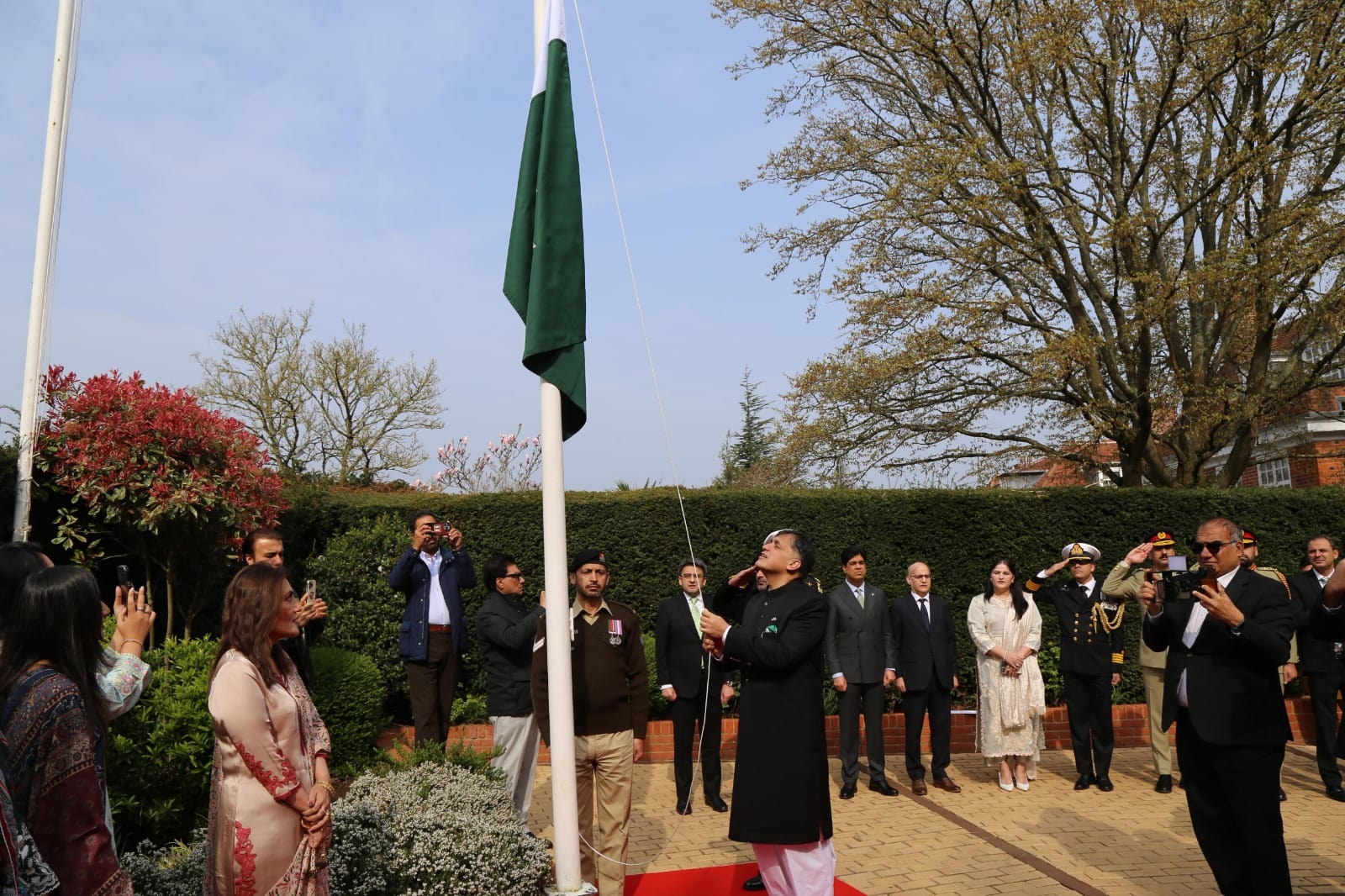
In a simple and dignified ceremony held at Pakistan House, London, the High Commissioner of Pakistan to UK Dr. Mohammad Faisal raised the Pakistan Flag on the occasion of Pakistan Day.
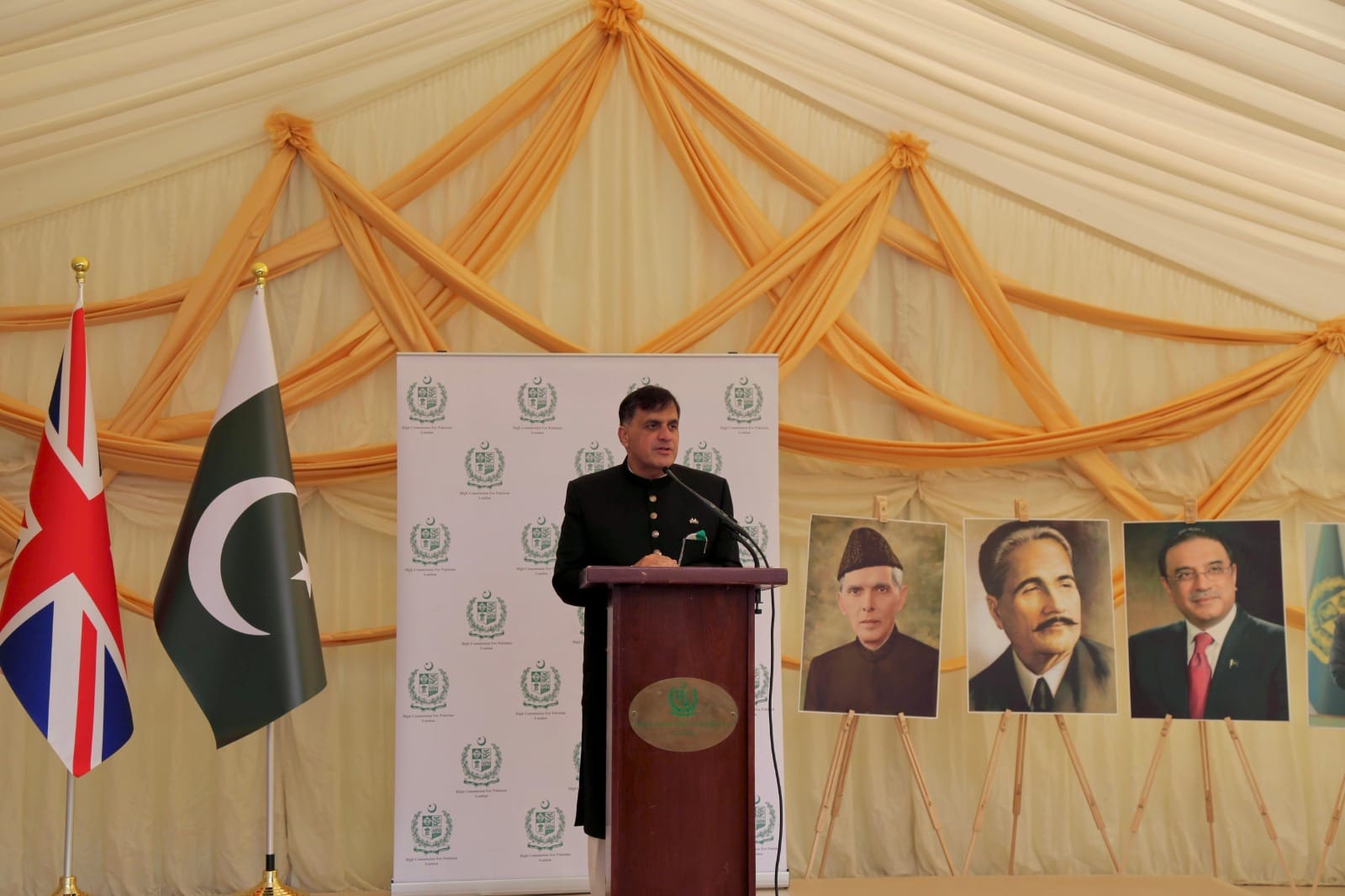
The ceremony was attended by Officials of the High Commission, British – Pakistanis and Media representatives.
Messages of the President, the Prime Minister and Deputy Prime Minister / Foreign Minister were read out.
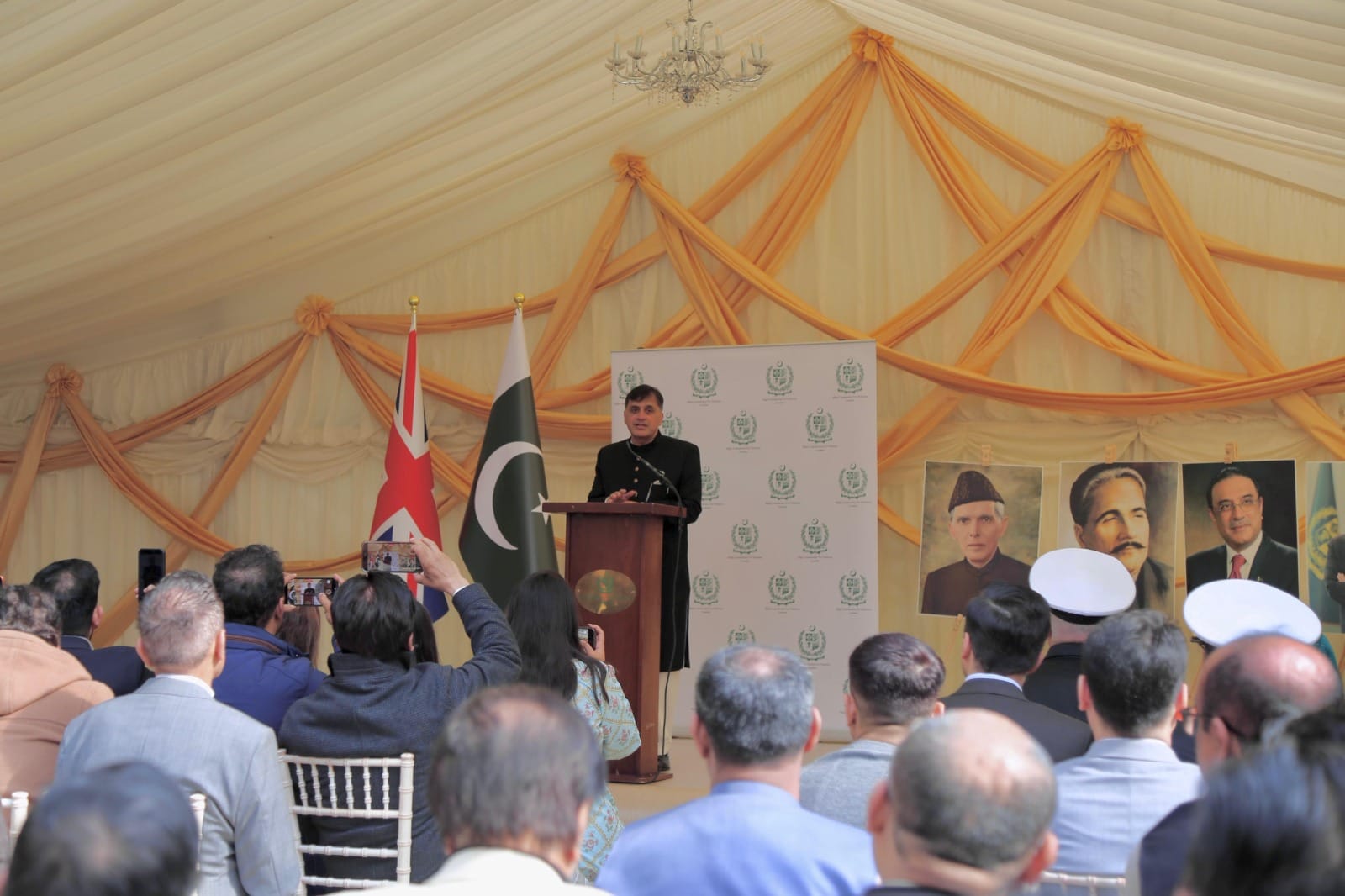
In his keynote address, the High Commissioner said that Pakistan Day was a tribute to our founding fathers who united the Muslims of Indian sub-continent where they could live independently as a Nation and live according to their customs & traditions.
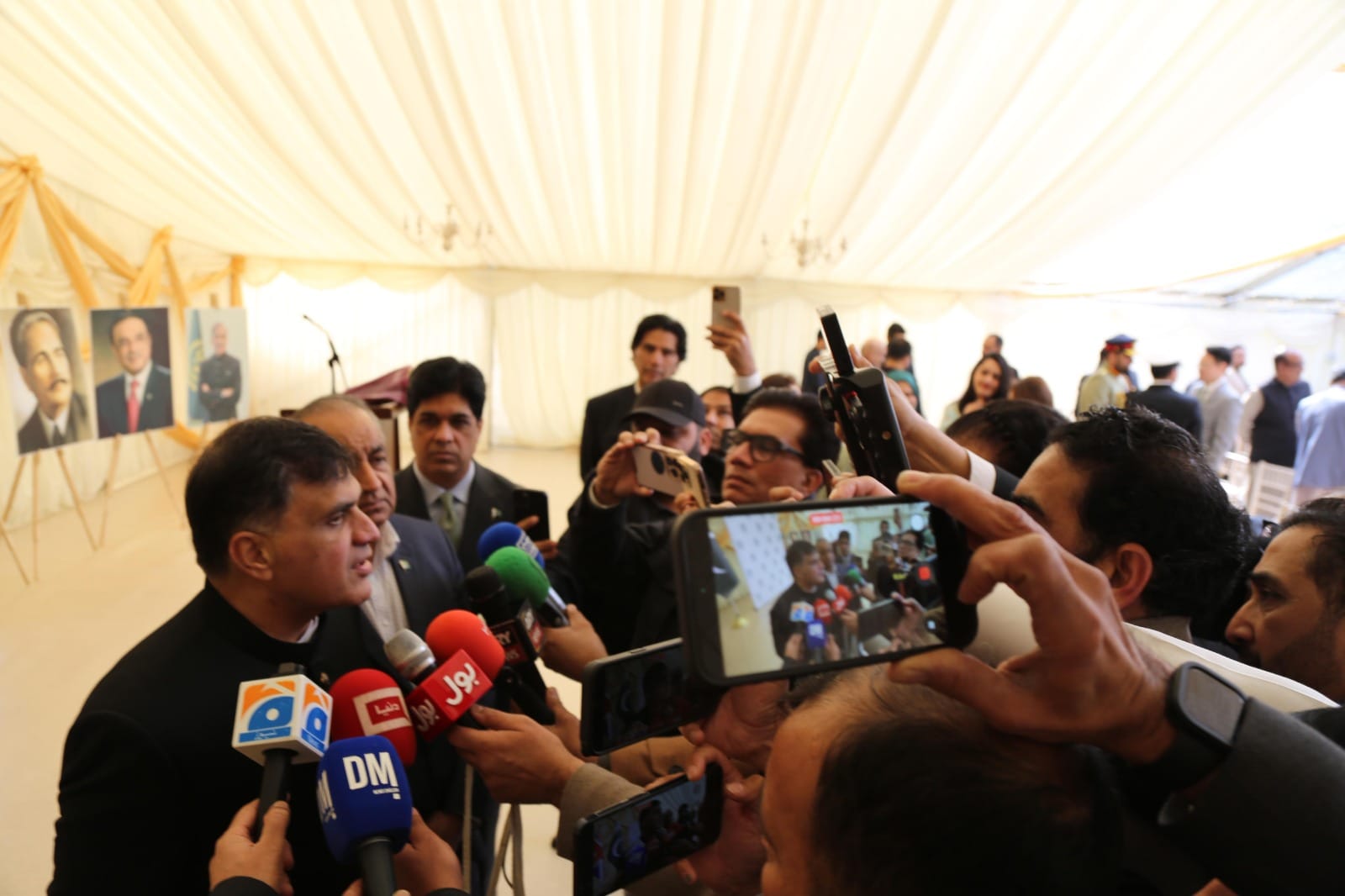
Dr. Faisal stated that Pakistan had always professed peace and stability in the region. However, Pakistan will not tolerate any aggression from neighbouring countries.
The High Commissioner said that Pakistani nation, despite the difficulties, remains resilient and demonstrates courage & perseverance.
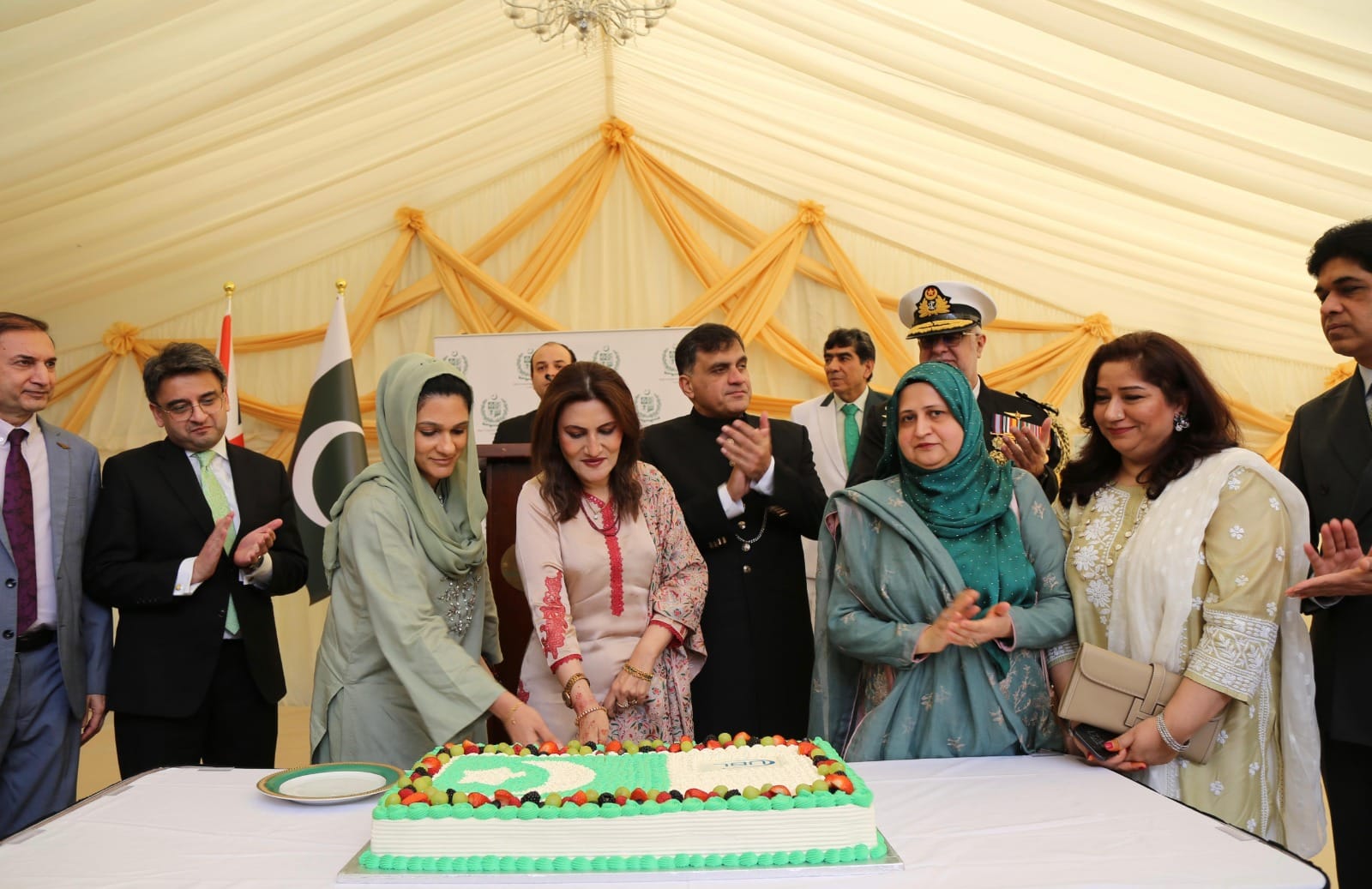
Dr. Mohammad Faisal stated that, in line with the instructions of the Prime Minister, the Deputy Prime Minister / Foreign Minister and the Federal Cabinet, Pakistan High Commission London is implementing strict austerity measures. However, these measures will not affect the performance & working of the High Commission.
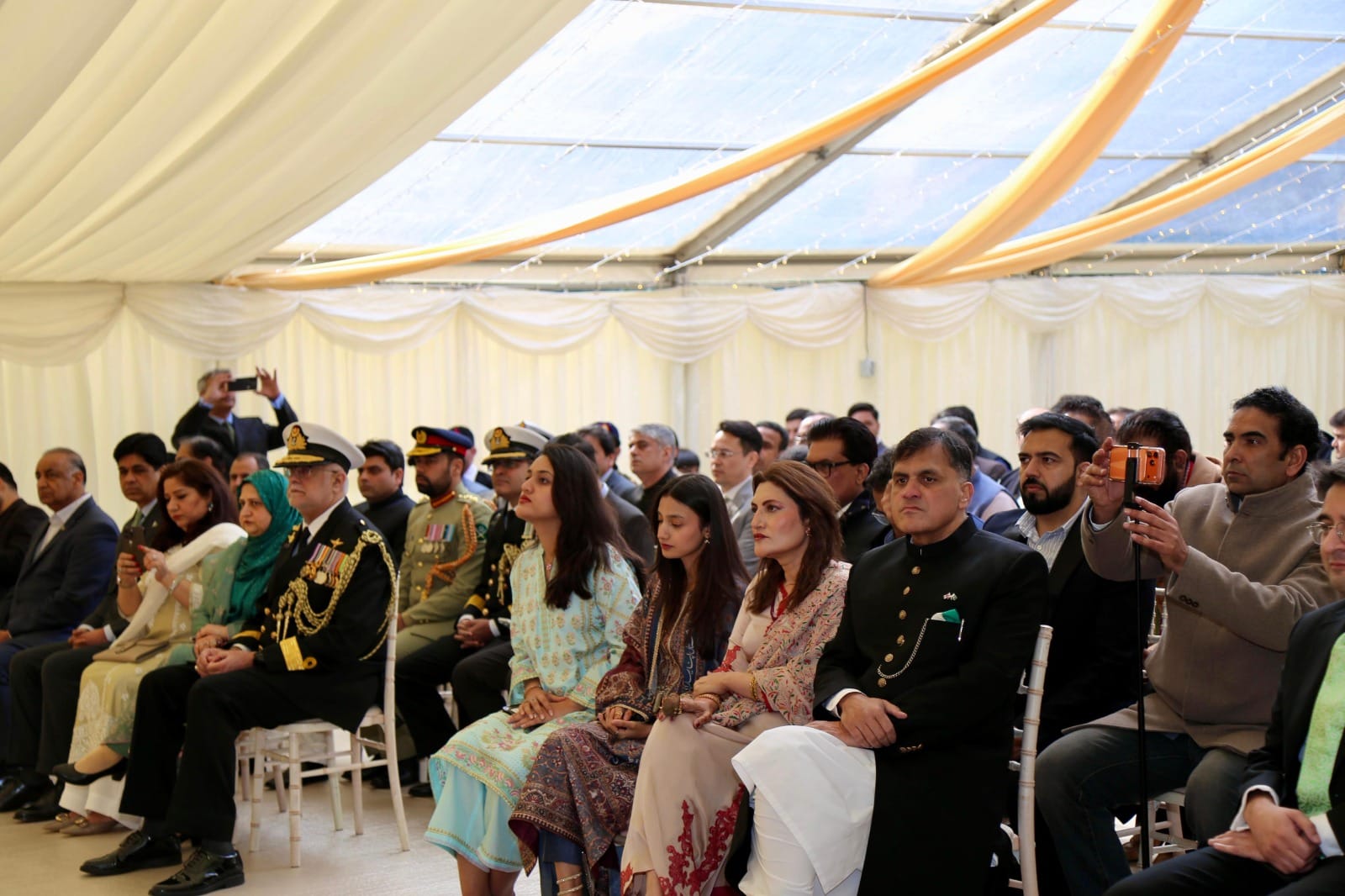
He acknowledged the remarkable contributions of Pakistani diaspora in UK and their extraordinary performance in various fields. He said that their achievements are a source of immense pride for Pakistan.
The High Commissioner expressed solidarity with the people of Indian Illegally Occupied Jammu and Kashmir and committed to continue diplomatic, moral and political support for their right to self determination under UN Resolutions.
London
23rd March, 2026


How the World Is Forced to Fund the Iran War

Scholars Urge UN to Protect Iran’s Scientific Sites Amid Airstrikes Global Academics Warn Attacks Threaten Research, Health, and Civilian Safety

How Iran Humiliated U.S. and Israeli Power


-

 Europe News1 year ago
Chaos and unproven theories surround Tates’ release from Romania
-

 American News1 year ago
Trump expands exemptions from Canada and Mexico tariffs
-

 American News1 year ago
Trump Expels Zelensky from the White House
-

 Pakistan News9 months ago
Comprehensive Analysis Report-The Faranian National Conference on Maritime Affairs-By Kashif Firaz Ahmed
-

 American News1 year ago
Zelensky bruised but upbeat after diplomatic whirlwind
-

 Art & Culture1 year ago
The Indian film showing the bride’s ‘humiliation’ in arranged marriage
-

 Pakistan News1 year ago
Can Pakistan be a Hard State?
-

 Entertainment1 year ago
Champions Trophy: Pakistan aim to defend coveted title as historic tournament kicks off today