
Pakistan News
A New Horizon for Pakistan–Indonesia Relations


Paris (Imran Y. CHOUDHRY) :- Former Press Secretary to the President, Former Press Minister to the Embassy of Pakistan to France, Former MD, SRBC Mr. Qamar Bashir analysis : The Indonesian president’s two-day visit to Pakistan comes at a defining moment in the regional landscape, and for two nations whose histories, identities and ambitions intersect more deeply than often acknowledged. Pakistan and Indonesia are bound by shared faith, parallel post-colonial struggles, and a mutual desire for economic stability and strategic autonomy. This visit provides the most meaningful opportunity in decades to transform cordial ties into a structured, forward-looking partnership.
The roots of the relationship run back to the early years of independence. Both countries forged a natural bond during the anti-colonial wave of the 1950s and stood side by side at the Bandung Conference of 1955, shaping principles that later influenced the Non-Aligned Movement. Over the decades, Indonesia supported Pakistan during moments of regional tension, while Pakistan backed Indonesia internationally as it consolidated its post-independence identity. Yet despite this warmth, economic cooperation lagged behind political sentiment.
Today the environment is far more conducive. During my tenure as Press Attaché to Malaysia, I witnessed Indonesia evolve from a crisis-strained economy into a disciplined, steadily rising middle-income power. Its reforms in governance, social protection and industrial policy helped it become Southeast Asia’s largest economy and a strong voice in the G20 and Global South. Pakistan, despite recent economic strain, retains undeniable strengths: a vast population of 240 million, an established industrial base, globally competitive export sectors, strategic geography linking multiple economic corridors, and a respected defence industry.
In economic terms, the relationship has already expanded significantly. Bilateral trade, which was under half a billion dollars two decades ago, crossed US$4.2 billion in 2022, rose to approximately US$3.3–3.8 billion in 2023, and has now reached a historic US$4.7 billion in FY 2024–25. The imbalance, however, is stark. Indonesian exports—primarily palm oil, coal, rubber, spices, chemicals and consumer goods—make up nearly US$3.5–4 billion, while Pakistan’s exports hover around US$500–600 million, dominated by textiles, seafood, processed food, sports goods, pharmaceuticals and IT services. The forthcoming negotiations to upgrade the existing Preferential Trade Agreement into a full Free Trade Agreement offer space to correct this imbalance and unlock an estimated US$8–10 billion trade potential over the next five to seven years.
Pakistan’s defence and industrial strengths give substance to this partnership. Its position as a nuclear state with a professional, battle-tested military and a growing defence-industrial base makes Pakistan an attractive partner for Indonesia, which is modernising its forces and diversifying its procurement sources. The JF-17 Thunder, cost-effective and combat-proven, remains a strong candidate for Indonesian interest. If converted into structured cooperation—joint production, maintenance facilities, training programmes and technology transfer—the defence relationship alone could evolve into a US$1–1.5 billion annual ecosystem over the next decade.
Pakistan’s broader industrial and agricultural capabilities also align well with Indonesia’s needs. Pakistani textiles, sports goods, surgical instruments, leather products, halal food and pharmaceuticals all have competitive space in the Indonesian market. The IT sector, with Pakistan’s rapidly expanding pool of software developers and engineers, could capture a significant share of Indonesia’s growing demand for digital services. With supportive policies, Pakistani exports to Indonesia could realistically double to US$1–1.2 billion within five years.
For Indonesia, the opportunities in Pakistan are equally promising. With a large consumer market and strategic access to Central Asia, western China, the Middle East and Africa, Pakistan offers Indonesian investors a broad regional gateway. Indonesia’s strength in palm oil, nickel, copper, coal, rubber and downstream manufacturing aligns with Pakistan’s industrial and energy needs. Indonesia’s mineral wealth—especially nickel, essential for electric-vehicle batteries—could support Pakistan’s emerging automotive and renewable-energy ambitions. Long-term palm oil supply agreements and joint ventures in refining and food processing could solidify a US$2–3 billion supply chain anchored in stability and value addition.
Energy cooperation is another high-value domain. Indonesia’s substantial coal exports already support Pakistan’s power sector, but opportunities now extend to renewable technologies, sustainable agriculture, and climate adaptation. Both nations face frequent natural disasters, rising temperatures and food-security pressures. Joint initiatives in disaster management, coastal protection, agricultural resilience and social-protection systems would translate shared vulnerabilities into shared solutions. Indonesia’s successful nutrition and social-welfare frameworks can be harmonised with Pakistan’s experience in large-scale cash-transfer programmes to create replicable models across the Muslim world.
Maritime and logistics cooperation represents an under-utilised frontier. Indonesia’s control over key shipping lanes in the Malacca and Sunda Straits complements Pakistan’s Arabian Sea ports—Karachi, Port Qasim and Gwadar. Better port-to-port coordination, enhanced shipping routes and integrated logistics corridors could turn the two nations into a bridge connecting ASEAN with the Middle East and Central Asia. Such cooperation could expand bilateral maritime trade by US$1–2 billion and improve security collaboration against piracy and other transnational threats.
Cultural, educational and people-to-people exchanges also hold significant promise. Despite being the world’s first and second largest Muslim-majority nations, Indonesia and Pakistan still know surprisingly little about each other’s societies. Joint academic programmes, Islamic cultural exchanges, student mobility, tourism promotion and co-produced media content could build a deeper social foundation for long-term cooperation. As both nations navigate questions of identity, governance and modernity, intellectual exchanges between their scholars, ulema and policymakers could generate meaningful dialogue.
The Indonesian president’s visit should therefore focus on more than symbolic gestures. It must articulate a roadmap built around strategic defence cooperation, balanced trade, maritime connectivity, industrial partnership and cultural exchange. A clear timeline for concluding the FTA, practical measures to reduce tariff and non-tariff barriers, and sector-specific investment frameworks could anchor economic ties at a realistic US$8–10 billion trajectory. Defence collaboration could be formalised through joint committees and production agreements. Maritime security, food security, digital cooperation and energy transition should be placed at the centre of the agenda.
If Islamabad and Jakarta seize this moment with clarity and ambition, Pakistan–Indonesia relations could enter their strongest phase since the Bandung Conference—one defined not by nostalgia, but by shared vision, balanced opportunity and mutual strategic benefit. In a world reshaped by shifting alliances and economic competition, the partnership between these two Muslim nations has the potential not only to uplift their own populations but to contribute to a more stable and empowered Global South.




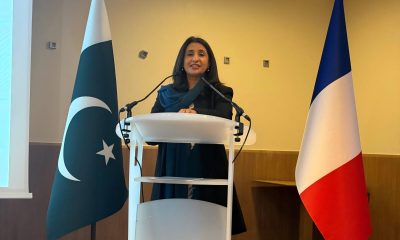

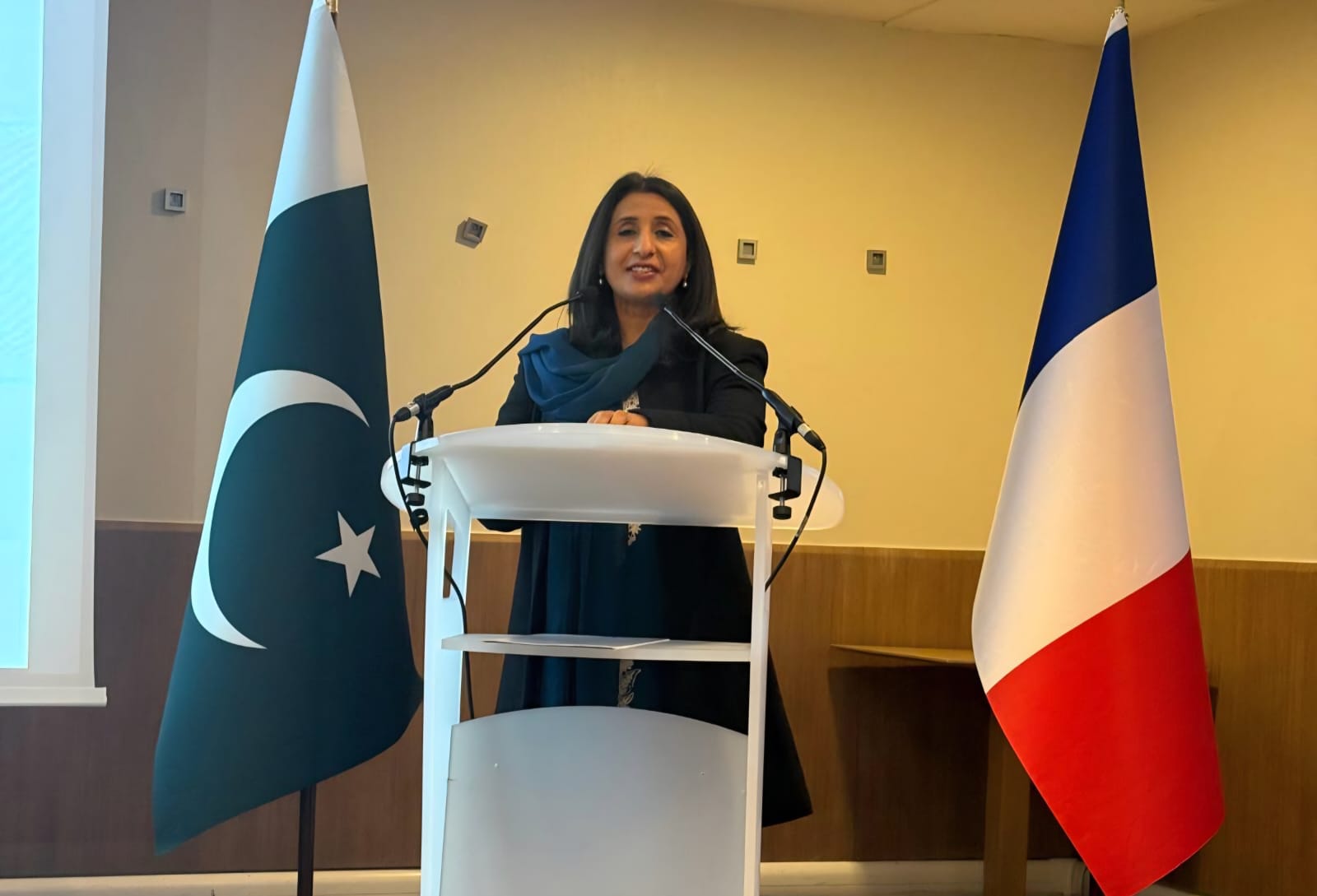
Paris ( Imran Y. CHOUDHRY):- A ‘Pakistan-France Trade and Investment Forum’ was held in Paris today, bringing together government officials, business leaders, industry experts and representatives of trade bodies of both countries.
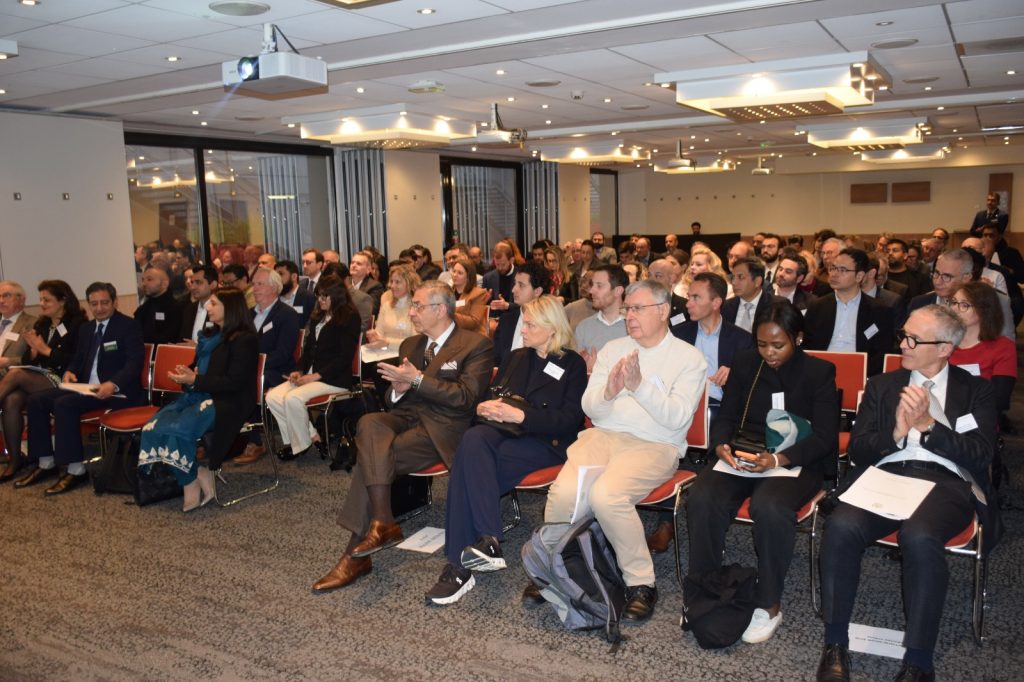
The Forum was held in implementation of an understanding reached between President Emmanuel Macron and Prime Minister Shehbaz Sharif in 2024, to build strong economic partnership between Pakistan and France. The objective of the Forum was to connect businesses, exchange ideas, explore new avenues of bilateral cooperation and showcase Pakistan’s trade and investment potential. It witnessed participation of over seventy French and Pakistani companies from diverse sectors including agriculture, information technology, textiles, energy and tourism.
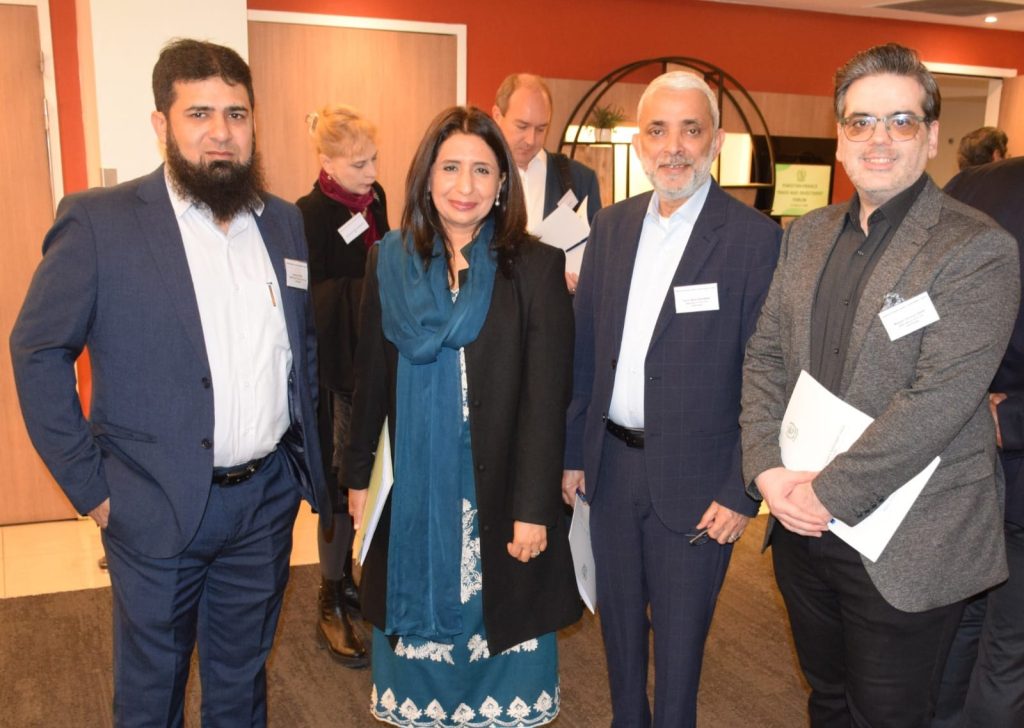
Ambassador Mumtaz Zahra Baloch opened the Business Forum and highlighted Pakistan’s economic growth and potential as an attractive trade partner for France. She outlined investor-focused initiatives and institutional facilitation mechanisms in Pakistan to promote trade and investment. She encouraged Pakistani and French businesses to explore collaborative opportunities, and develop joint ventures and win-win partnerships.

Speakers from the French side included Thierry Pflimlin, Chairman of the France-Pakistan Business Council at MEDEF International, Patricia Glasel, Vice President of the Conseillers du Commerce Extérieur de la France (CCEF) and Ardavan Amir-Aslani. They highlighted the growing momentum in France-Pakistan economic relations; identified the opportunities for trade and investment with Pakistan; and underscored the importance of strengthening private sector linkages to further facilitate bilateral trade and investment.
The plenary session was followed by ‘Breakout and Business-to-Business (B2B)’ sessions to discuss and identify tangible avenues for collaboration in textiles, agriculture and dairy, and Information Technology.
Pakistan News
Dr. Mohammad Faisal Joins Distinguished Quetta Association Event in London Gathering Reinforces Shared Military Heritage of Pakistan and Britain
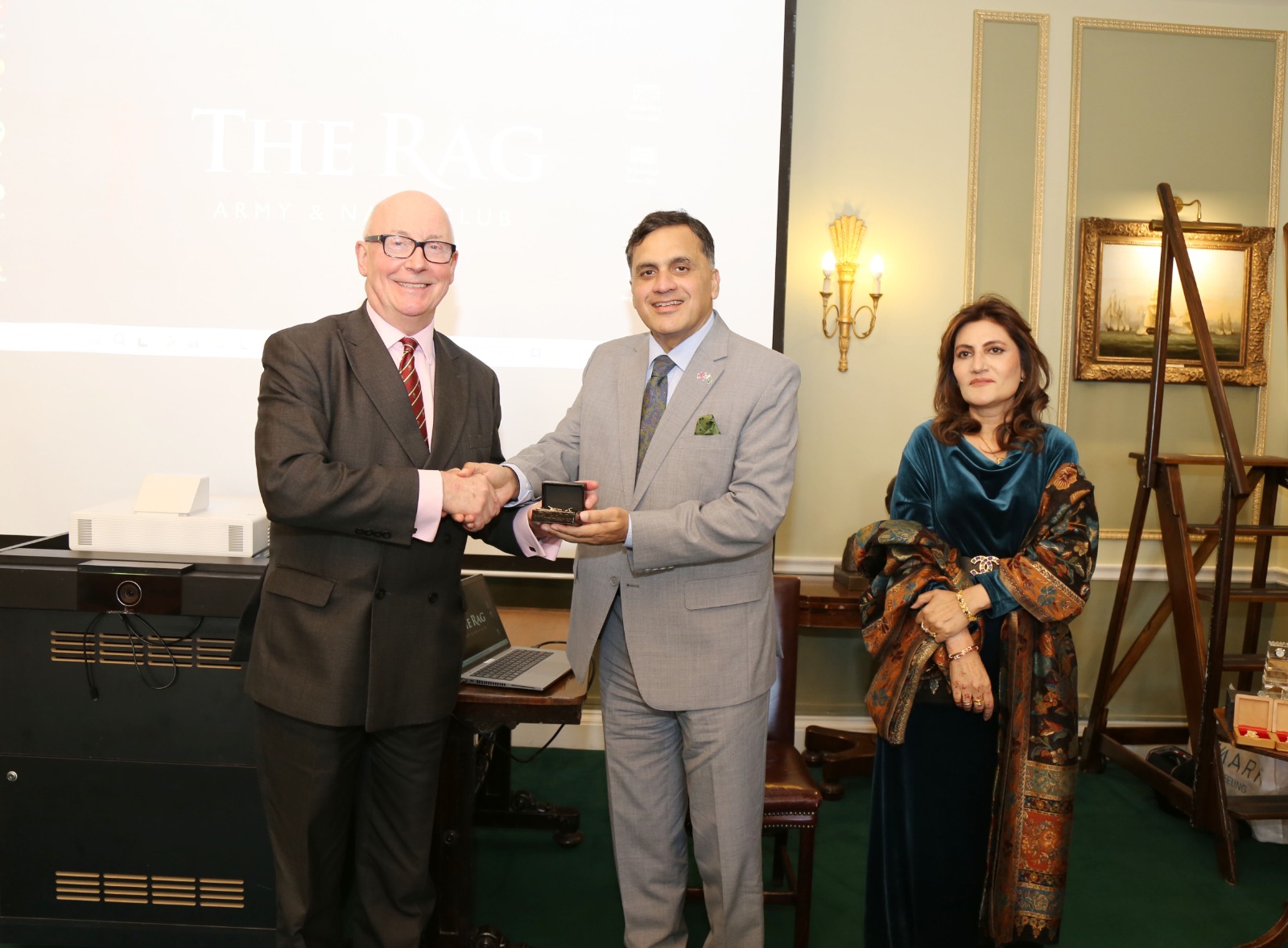
High Commissioner @DrMFaisal and his spouse @drsarahnaeem2 attended, as guests of honor, a distinguished gathering of the Quetta Association at the Army & Navy Club, London.
Military Officers from the Defence Wing of Pakistan High Commission, London, with their families also attended.
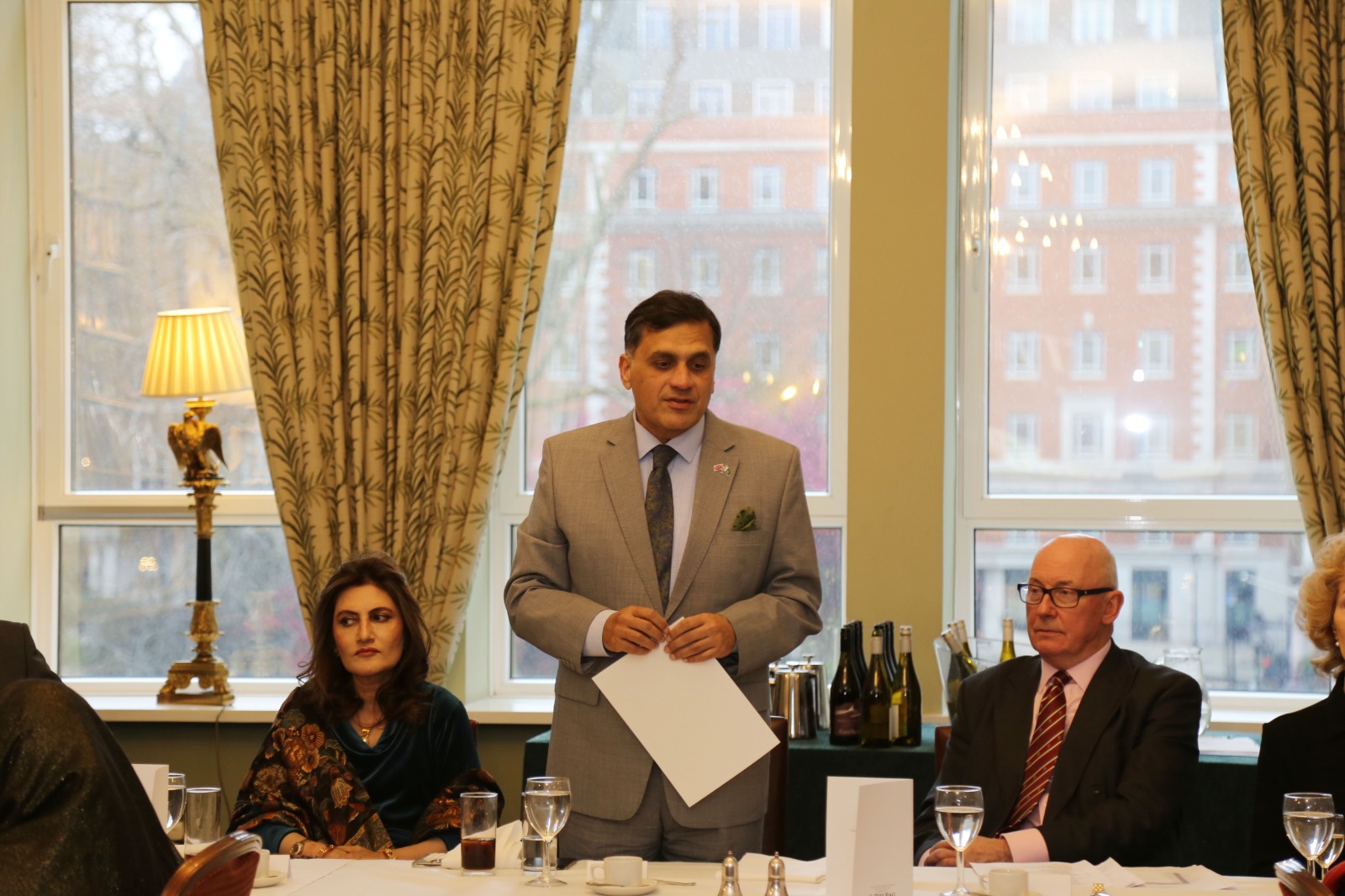
Quetta Association brings together British officers who graduated from the prestigious Command & Staff College, Quetta, Pakistan. The institution has produced outstanding military leaders, including British Field Marshals Sir Claude Auchinleck and Sir William Slim, whose leadership during the Second World War remains widely respected. Field Marshal Syed Asim Munir is also graduate of this prestigious institution.
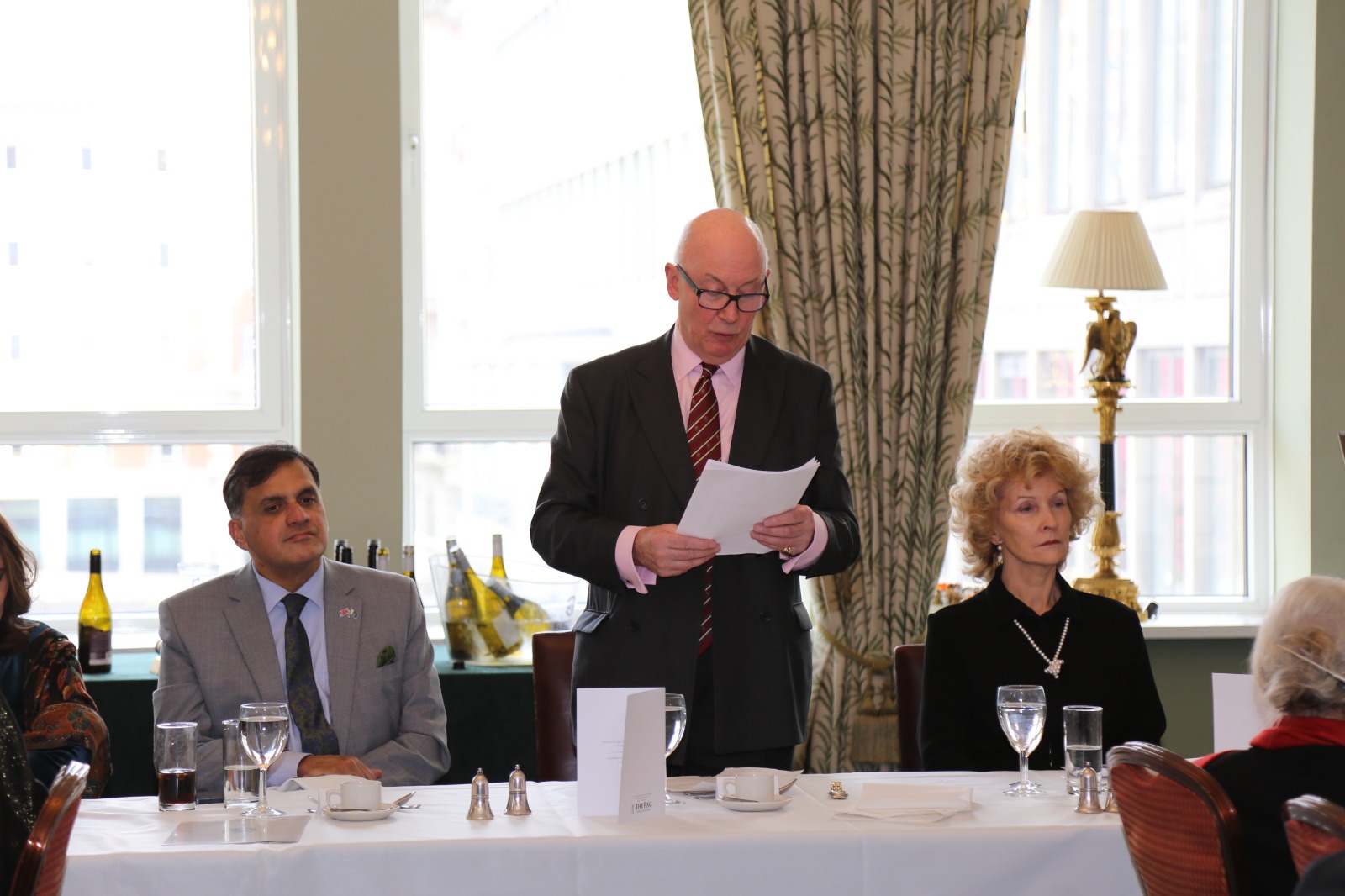
The High Commissioner appreciated the annual gathering that underscored the Association’s enduring role as a vital bridge linking the British Army and Pakistan Army through shared professional heritage and camaraderie.
Decorated British military officers and their families paid glowing tributes while referring to the hospitality accorded by Pakistan during their stay in Quetta.
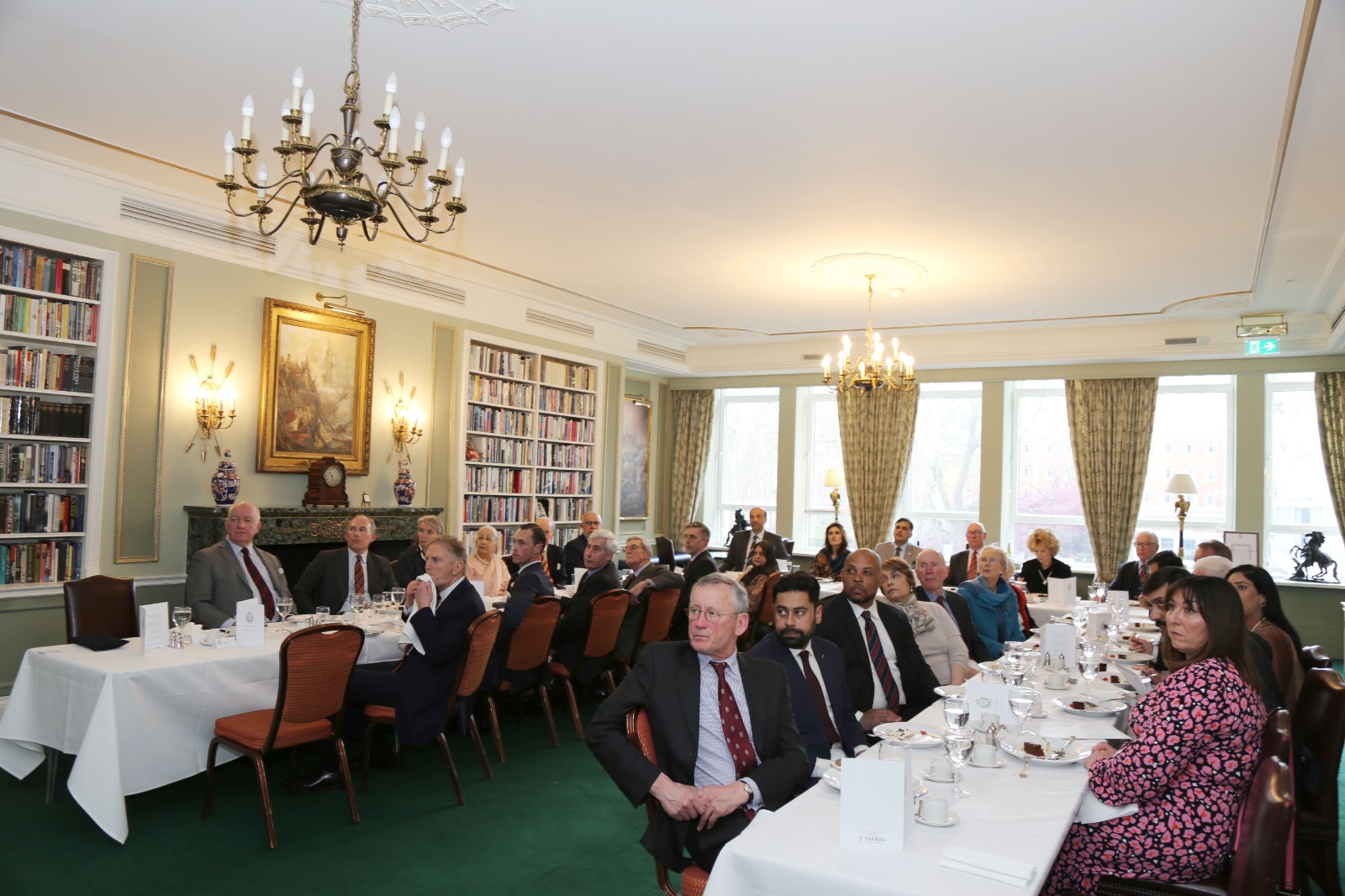
Graduate senior British Officers present at the gathering included Lt. Gen. Sir Alistair Irwin KCB CBE (1980) and Maj. Gen. Seumus Kerr CBE (1985).
Mementos were exchanged between the British officers and officers of @PakistaninUK.
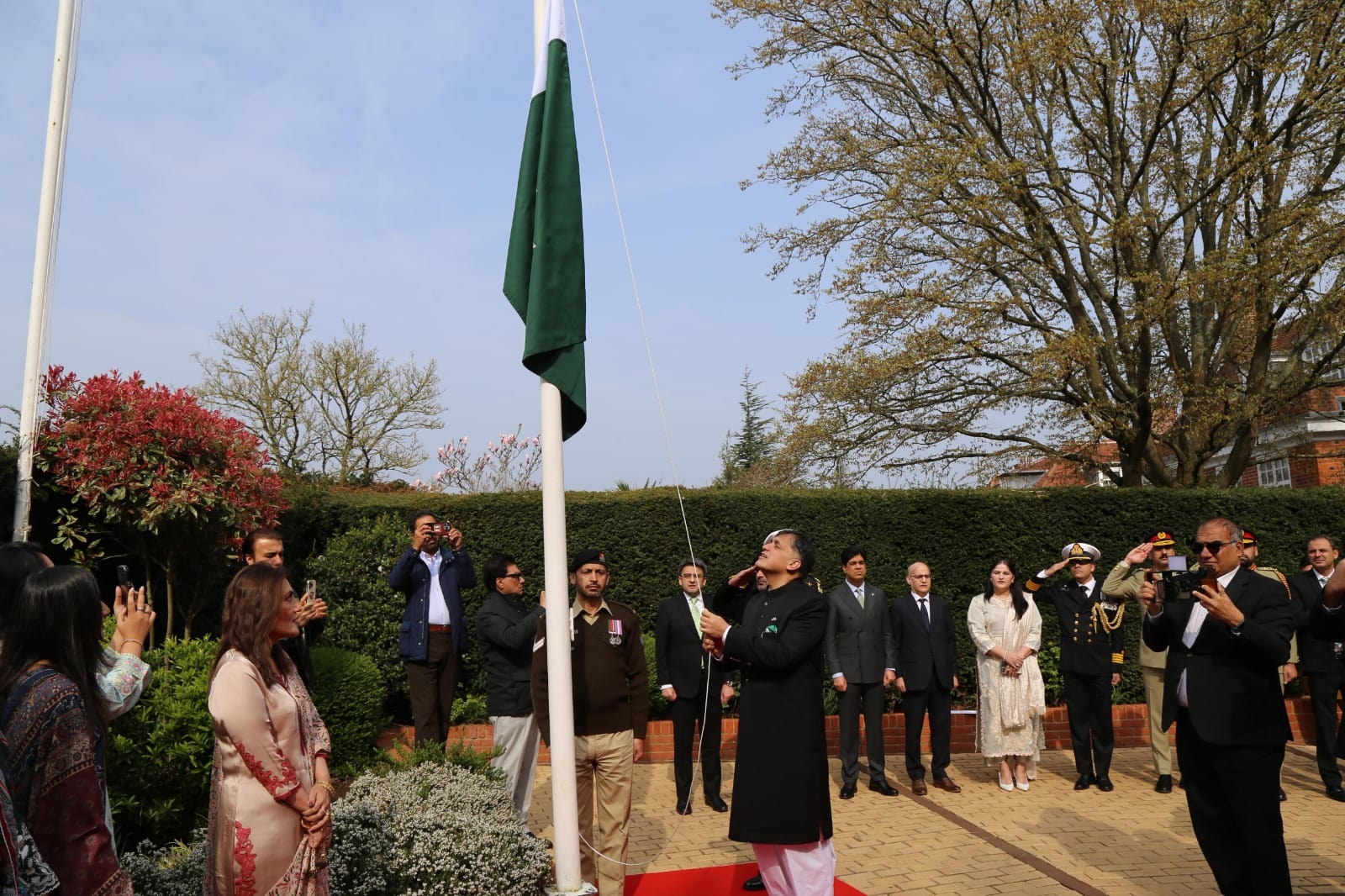
In a simple and dignified ceremony held at Pakistan House, London, the High Commissioner of Pakistan to UK Dr. Mohammad Faisal raised the Pakistan Flag on the occasion of Pakistan Day.
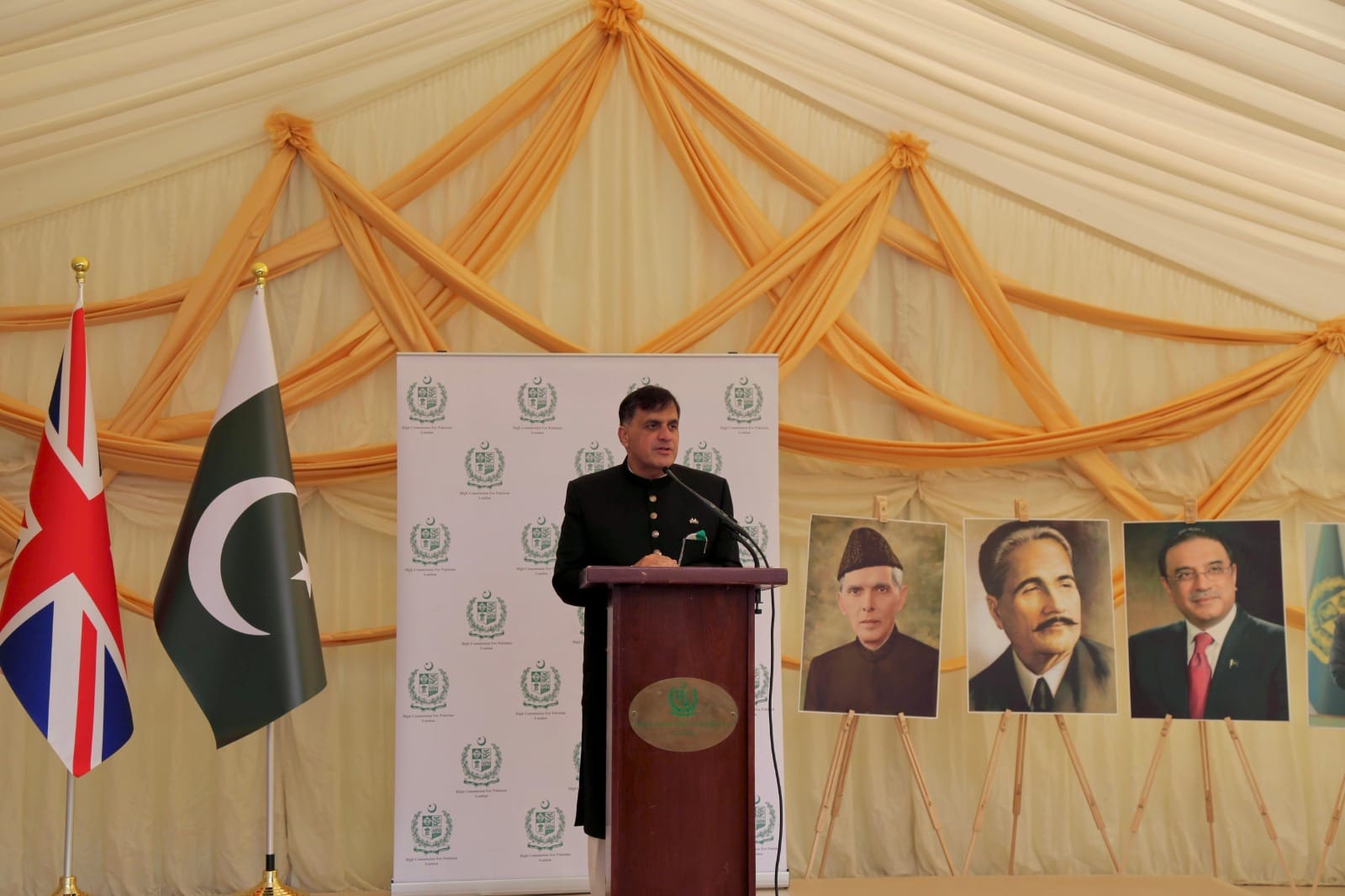
The ceremony was attended by Officials of the High Commission, British – Pakistanis and Media representatives.
Messages of the President, the Prime Minister and Deputy Prime Minister / Foreign Minister were read out.
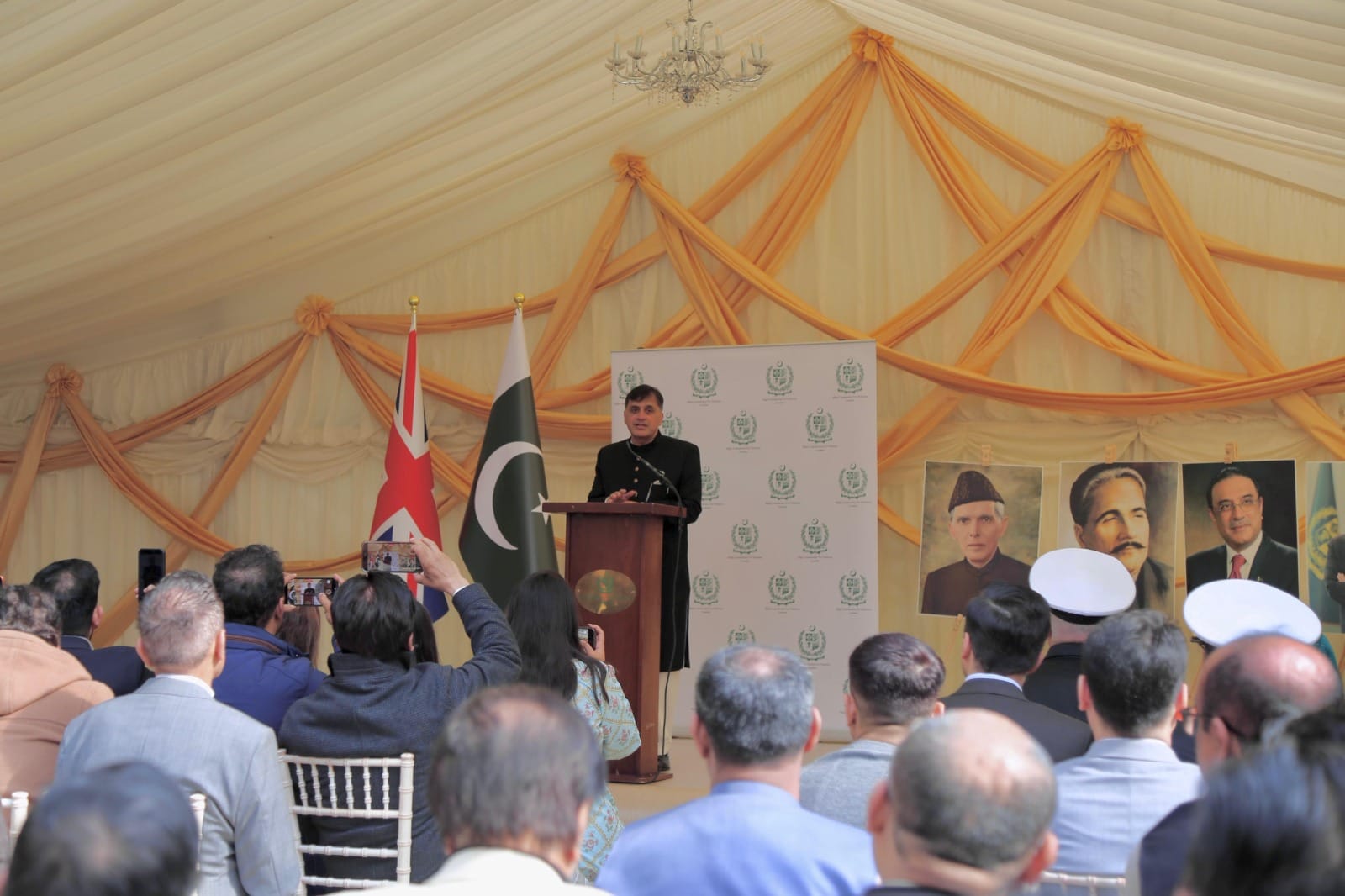
In his keynote address, the High Commissioner said that Pakistan Day was a tribute to our founding fathers who united the Muslims of Indian sub-continent where they could live independently as a Nation and live according to their customs & traditions.
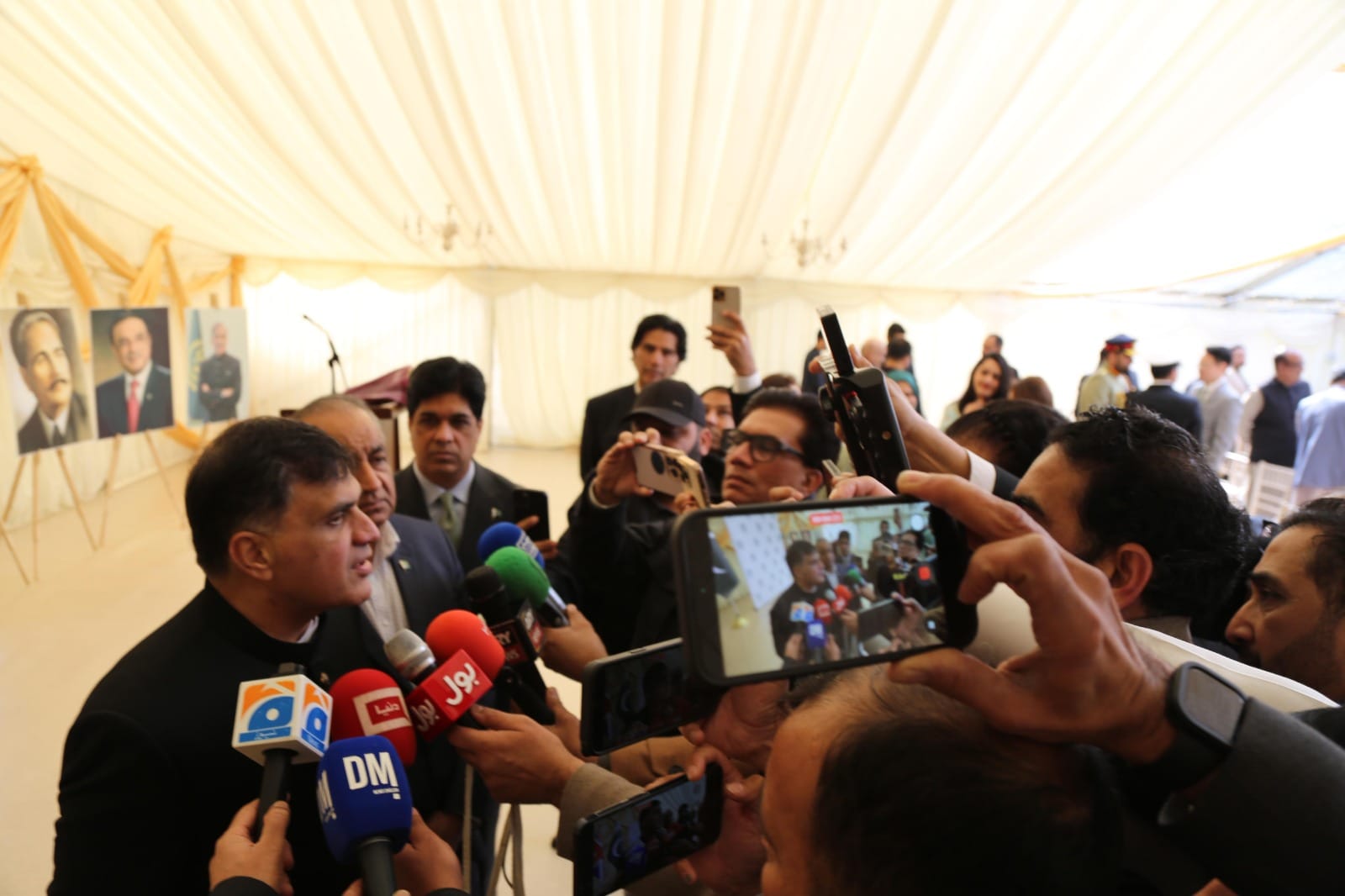
Dr. Faisal stated that Pakistan had always professed peace and stability in the region. However, Pakistan will not tolerate any aggression from neighbouring countries.
The High Commissioner said that Pakistani nation, despite the difficulties, remains resilient and demonstrates courage & perseverance.
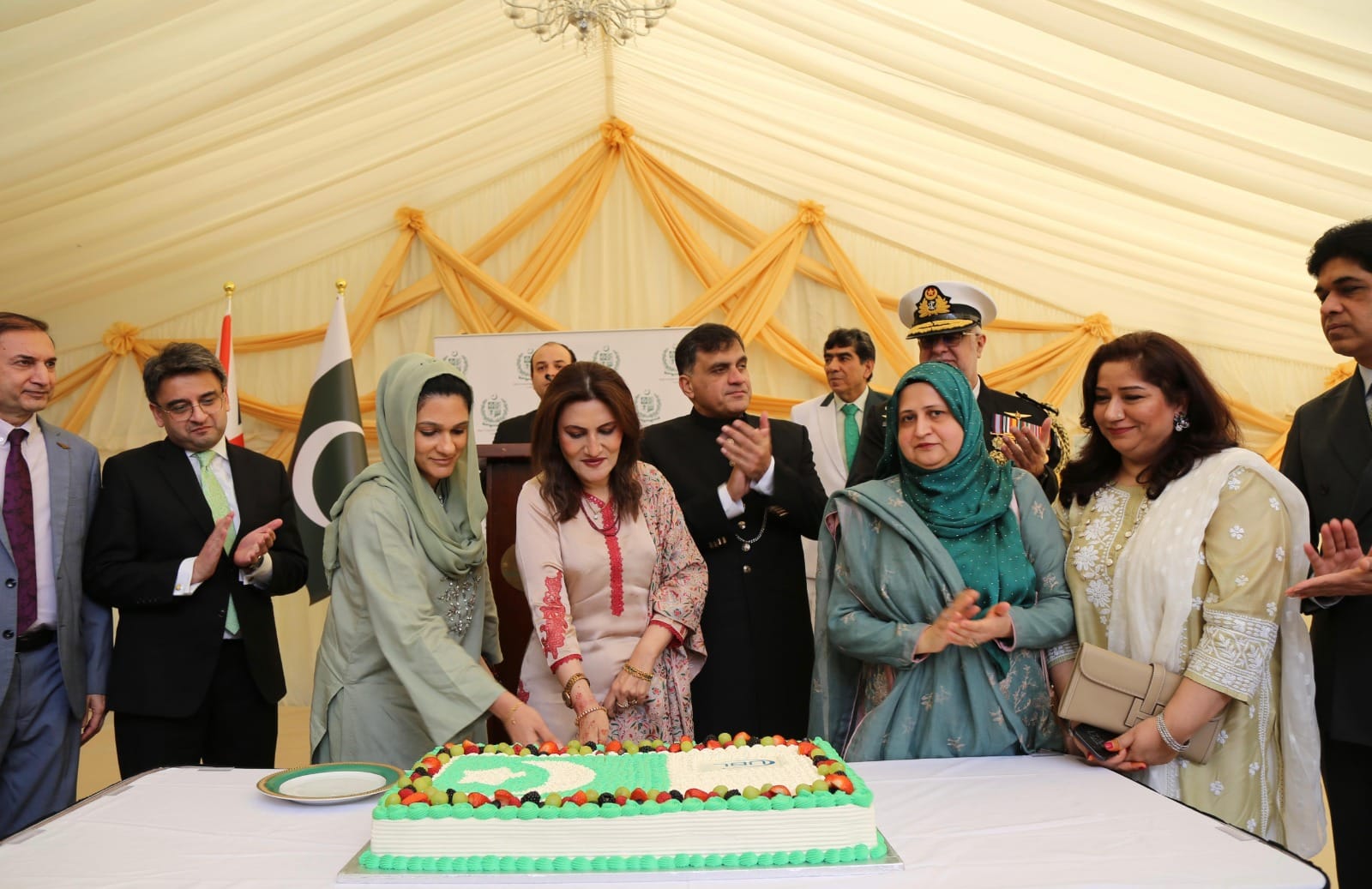
Dr. Mohammad Faisal stated that, in line with the instructions of the Prime Minister, the Deputy Prime Minister / Foreign Minister and the Federal Cabinet, Pakistan High Commission London is implementing strict austerity measures. However, these measures will not affect the performance & working of the High Commission.
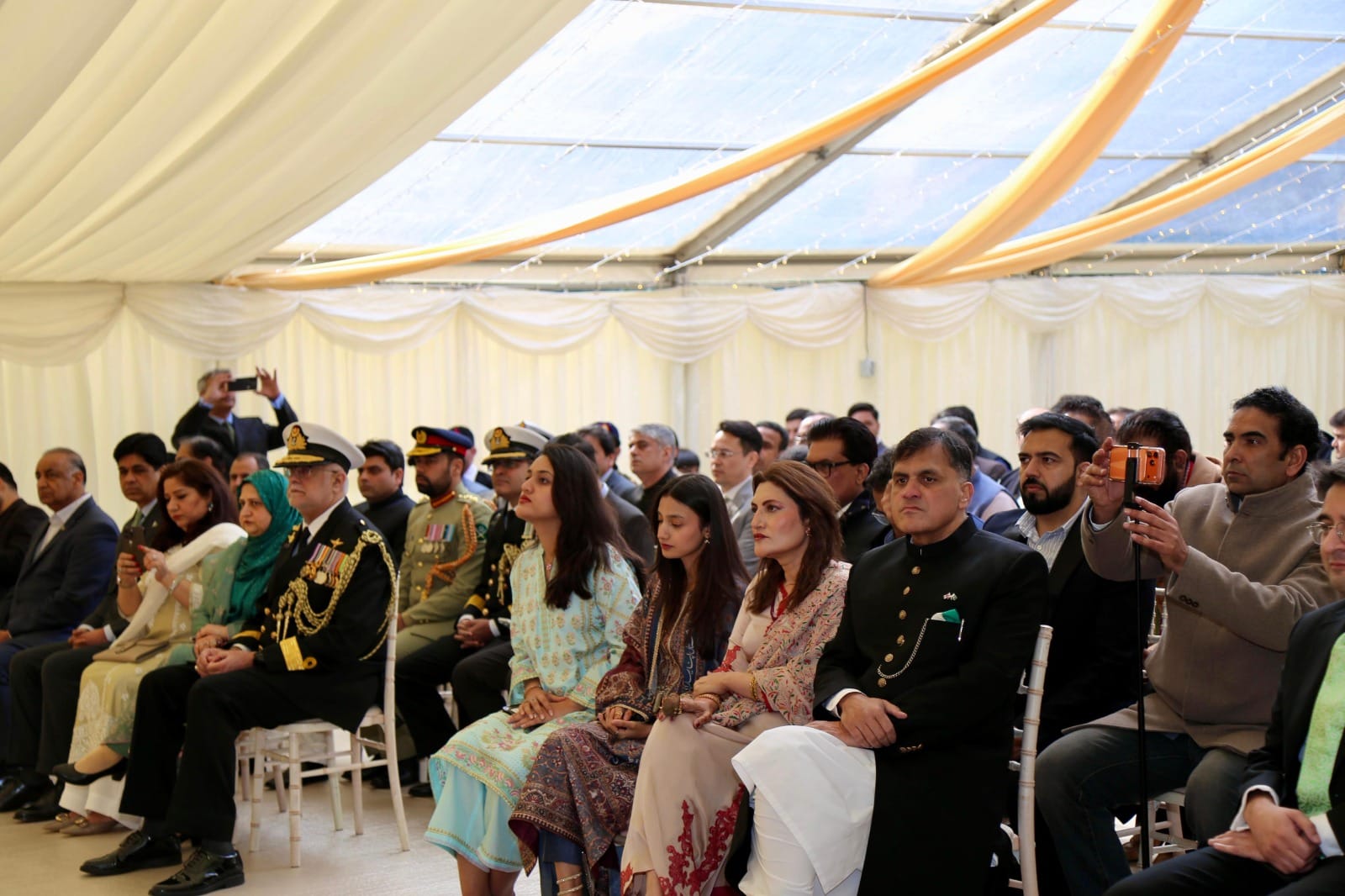
He acknowledged the remarkable contributions of Pakistani diaspora in UK and their extraordinary performance in various fields. He said that their achievements are a source of immense pride for Pakistan.
The High Commissioner expressed solidarity with the people of Indian Illegally Occupied Jammu and Kashmir and committed to continue diplomatic, moral and political support for their right to self determination under UN Resolutions.
London
23rd March, 2026


How the World Is Forced to Fund the Iran War

Scholars Urge UN to Protect Iran’s Scientific Sites Amid Airstrikes Global Academics Warn Attacks Threaten Research, Health, and Civilian Safety

How Iran Humiliated U.S. and Israeli Power


-

 Europe News1 year ago
Chaos and unproven theories surround Tates’ release from Romania
-

 American News1 year ago
Trump expands exemptions from Canada and Mexico tariffs
-

 American News1 year ago
Trump Expels Zelensky from the White House
-

 Pakistan News9 months ago
Comprehensive Analysis Report-The Faranian National Conference on Maritime Affairs-By Kashif Firaz Ahmed
-

 American News1 year ago
Zelensky bruised but upbeat after diplomatic whirlwind
-

 Art & Culture1 year ago
The Indian film showing the bride’s ‘humiliation’ in arranged marriage
-

 Pakistan News1 year ago
Can Pakistan be a Hard State?
-

 Art & Culture1 year ago
International Agriculture Exhibition held in Paris