
UK News
Work checks can cut illegal migration, says Cooper


The home secretary has said plans for new checks on unauthorised working will help cut levels of illegal migration.
Yvette Cooper has announced plans to expand the range of companies that can be fined for not carrying out right-to-work checks on casual workers.
Speaking on the BBC’s Sunday with Laura Kuenssberg, she said criminal gangs were using the prospect of illegal work to lure people into trying to enter the country.
It comes ahead of a UK-hosted summit on Monday, to be attended by about 40 nations, on tackling organised immigration crime.
Conservative shadow minister Alex Burghart said his party would study the proposals, but Labour needed to do more to deter people from coming to the UK.
Companies have a legal responsibility to verify that people they employ directly have the right to work in the UK. For agency workers, the responsibility lies with the agency to conduct the relevant checks.
There are sanctions including fines of up to £60,000 per unauthorised worker in cases where foreign workers are found to be working illegally.
Under plans announced on Sunday, the requirement to conduct a test would be extended to self-employed contractors carrying out work on behalf of a company.
Currently, firms are responsible for conducting checks on such workers only if they have sponsored the visa allowing them to work in the UK.
Cooper told the BBC that checks were currently “not reaching” the so-called gig economy, where many workers are employed in temporary or casual roles.
“Criminal gangs promise people illegal work just as they then take their money for illegal crossings as well,” she added.
Asked how many illegal workers would be stopped under the new measures, she conceded it was “difficult” to provide a precise figure.
“What we need is for employers themselves to take action that prevents the illegal working in the first place,” she added.
“Some of this is about us increasing enforcement, but some of this is the prevention action that we need employers to take.”
‘Wrong end’
The Home Office said the change would be made possible by amending the government’s Border Security, Asylum and Immigration Bill, which is making its way through Parliament.
The department said a “full consultation” with businesses on implementing the checks would then follow, naming construction, food delivery, beauty salons, and couriers among sectors likely to be affected by the new rules.
Elsewhere in her interview, Cooper confirmed the government is reviewing how international human rights law is applied to migration cases, although she did not provide details.
The government has faced pressure from the Conservatives, who have called for a law change to stop those denied the right to stay in the UK challenging their deportation on human rights grounds.
Shadow cabinet office minister Burghart accused Labour ministers of looking at the “wrong end of the problem” when it came to illegal working.
He said Labour’s decision to scrap the Tories’ Rwanda deportation scheme shortly after entering office meant there would be no “deterrent” to stop people trying to enter the UK without permission.
The Conservatives announced the plan in 2022, but failed to bring the scheme into effect before they were voted out of office at last year’s general election.
Taken From BBC News







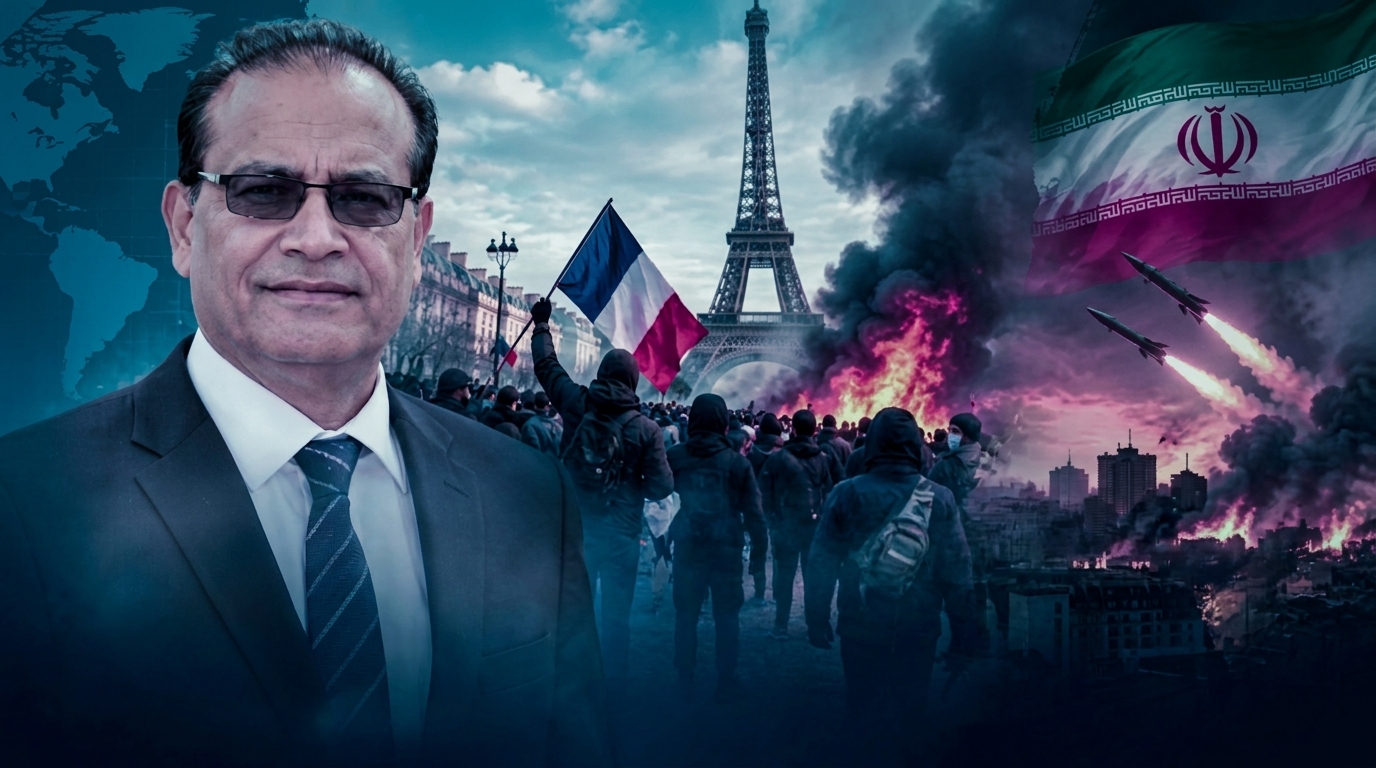
Paris (Imran Y. CHOUDHRY) :- Former Press Secretary to the President, Former Press Minister to the Embassy of Pakistan to France, Former MD, SRBC Mr. Qamar Bashir analysis : During my four years in France, I witnessed a society that refuses to surrender its voice after casting its vote. Demonstrations were part of public life. Teachers, students, workers and pensioners understood that rights must be defended and governments repeatedly reminded of their obligations. The French possess the organization, determination and endurance to turn public dissatisfaction into political pressure.
The question today is therefore not why the French are protesting. It is why longstanding school grievances have produced this rapidly spreading confrontation at this particular moment.
Teacher shortages, uncomfortable classrooms and deteriorating buildings did not suddenly appear this September. What has changed is the economic atmosphere surrounding them. Factually the school protests have become an outlet for a wider accumulation of anger: expensive fuel, pressure on purchasing power, threatened public services and mounting international commitments. The classroom has supplied the immediate cause around which deeper frustration can gather.
On October 1, more than 1,020 high schools were affected by protests or strikes, including 222 blockades, according to Education Ministry figures reported by Le Monde. The movement had expanded from 180 affected schools on September 28. That speed demands an explanation extending beyond the condition of school buildings alone.
Students’ demands are real. Their families’ economic anxieties are real. Together, they can create a confrontation far larger than either grievance would produce in isolation.
A parent paying more to drive to work hears that the government must economize. A student discovers that an absent teacher has not been replaced. Families watch defence commitments expand while being told that improvements in everyday life must wait. Each experience reinforces the same question: whose security and whose future are receiving priority?
France’s fuel crisis illustrates the pressure. Diesel reached approximately €2.41 per litre in September, while SP95-E10 petrol exceeded €2.17 per litre. Reporting described government concern about a return of the anger that drove the Yellow Vest movement. Fuel is politically explosive because millions cannot simply choose to stop travelling to work.
Europe’s exposure to the Middle East is direct and substantial. In 2025, Saudi Arabia and Iraq supplied approximately 6.8 percent and 5.8 percent of EU oil imports respectively—a combined 12.6 percent from those two countries alone. Qatar supplied 8.9 percent of EU LNG imports, while the European Commission puts its contribution to total EU gas imports at approximately 4 percent.
According to S&P Global, Middle Eastern diesel exports to Europe averaged 110,000 barrels a day during September through September 21, down from 191,000 in August—a fall of approximately 42 percent, taking deliveries toward their lowest monthly level since February 2020. Meanwhile, a key European wholesale diesel benchmark rose from $752.25 per tonne immediately before the war on February 27 to $1,536 on September 18, an increase of approximately 104 percent. Europe was receiving fewer Middle Eastern deliveries while paying more than twice the pre-war wholesale price.
Gas supplies have suffered alongside oil products. The International Energy Agency reports that LNG loadings from Qatar and the United Arab Emirates fell by 35 billion cubic metres between March and June compared with the same period in 2025.
The resulting burden reaches directly into European life. By late September, EU countries had spent more than €100 billion—approximately $113.5 billion—extra on energy imports since the Iran war began. That additional bill squeezes businesses and households while increasing demands for government assistance. Resources are consumed by securing and subsidizing energy instead of improving living standards. By late September, EU countries had incurred more than €100 billion—approximately $113.5 billion—in additional energy import expenditure since the Iran war began.
At the same time, NATO allies have committed to defence and related security spending reaching 5 percent of GDP by 2035, including at least 3.5 percent for core military requirements. Trump’s pressure helped secure that commitment. Its implementation creates substantial competing demands on national resources.
Supporting Ukraine, expanding defence capabilities and purchasing expensive energy impose substantial, overlapping demands on Europe’s resources. Since Russia’s full-scale invasion in February 2022, the EU and its member states have mobilised €224.5 billion in support for Ukraine and its people, encompassing military, financial and humanitarian assistance, support for refugees and proceeds from immobilised Russian assets.
France’s public debt reached approximately €3.596 trillion, equivalent to 119 percent of GDP, at the end of June. Against that background, the government’s proposed €54 billion fiscal adjustment for 2027 intensifies the argument over who must sacrifice and what the state must protect.
This is why the timing of the school movement matters. Familiar failings become harder to tolerate when families have less financial breathing space. An overheated classroom or missing teacher can become evidence of something larger: a state asking for patience at home while accepting expanding obligations abroad.
The school issue provides a rallying point. Calling it a pretext should not diminish the students’ grievances; it describes how a specific demand can become the vehicle for broader discontent. The danger for the government is that education, fuel prices and austerity cease to be separate controversies and become one argument about political priorities.
French leaders remain responsible for their choices. They cannot blame every unrepaired building on Washington. But Washington must also answer for the consequences of its strategy. Economic pressure directed at Iran does not remain confined to Iran. It reaches European commuters, businesses and taxpayers. Allies are helping absorb the costs of a war they cannot afford to treat as someone else’s problem.
Across Europe, Asia, Africa, the Americas and Oceania, people who had no voice in this decision are being forced to absorb its consequences. The United States should be confronted with a formal international demand to compensate affected countries and communities for the demonstrable losses this war has inflicted.
Accountability cannot end at the battlefield while families elsewhere pay through higher prices, lost livelihoods and diminished futures. If this destruction continues, millions more could be pushed into poverty, turning military escalation into a prolonged human catastrophe. This war of choice must stop. One means of forcing that reckoning is to insist that those who chose it face its full costs. Washington cannot claim the power to wage war while leaving the rest of humanity to settle the bill.
France’s classrooms are sounding an alarm that the world cannot afford to ignore. When soaring living costs, shrinking opportunities and strained public services exhaust people’s patience, a local grievance can become a national confrontation. The pressures feeding anger in France could fuel unrest across Europe, Asia, Africa, the Americas and beyond, destabilizing governments and driving more families into poverty.
Those who choose escalation must face the costs they impose on others. Stop the war, restore secure energy supplies and return public resources to public needs—before today’s hardship becomes tomorrow’s wider political upheaval. Neither France’s children nor families anywhere should be forced to surrender their education, dignity and future to a war they never chose.
PRESS RELEASE
Diversity Festival London 2025
Dulwich College Great Hall – 22nd November 2025
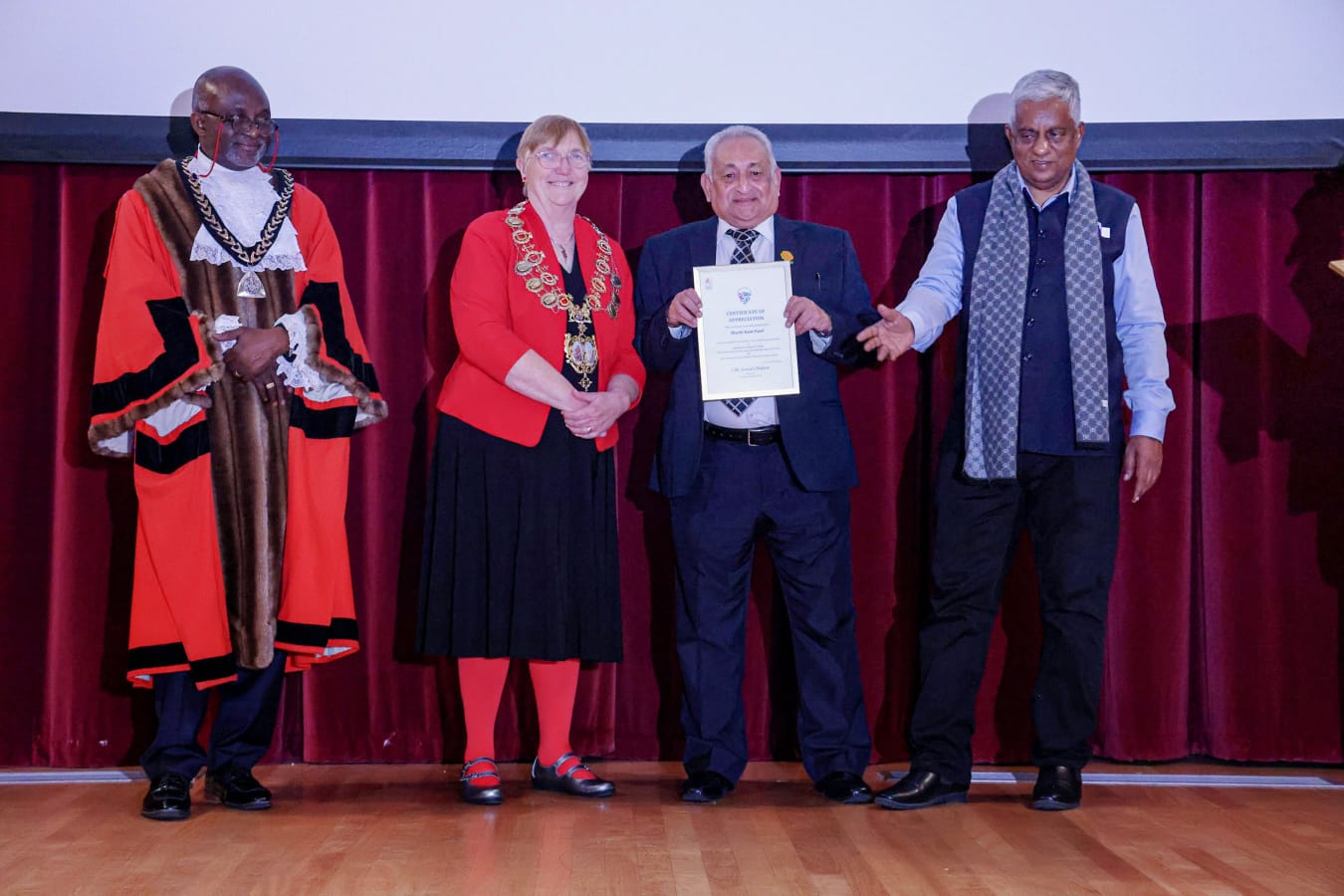
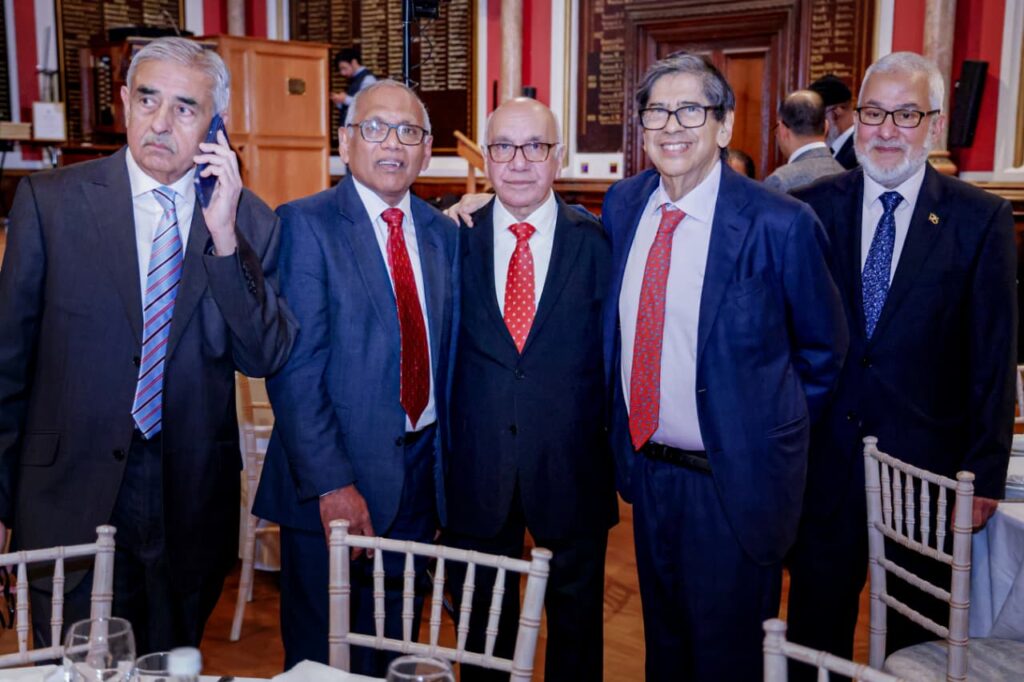
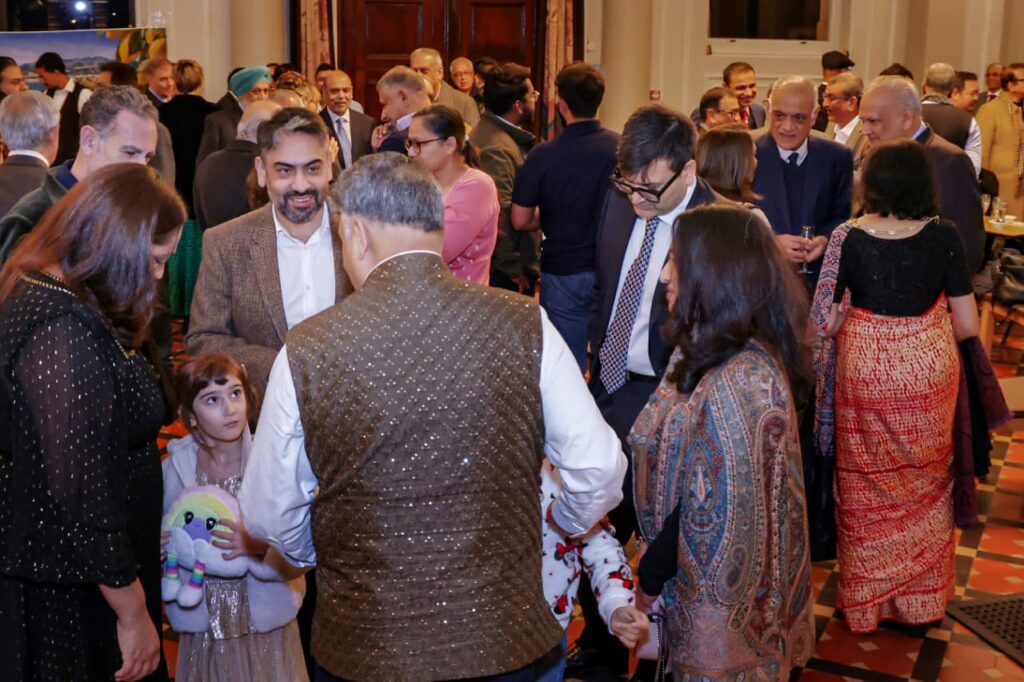
London successfully hosted one of its most significant multicultural events of the year as the Diversity Festival 2025 took place at the Great Hall of Dulwich College on Saturday 22nd November 2025. The Festival brought together international dignitaries, parliamentarians, mayors, councillors, community leaders, cultural organisations, artists, and guests from more than 30 global cultures in a remarkable celebration of unity, heritage, and global friendship.

Organised by the Overseas Friends of India (OFI) Under the Leadership of Chairman Mr Sunil Chopra.
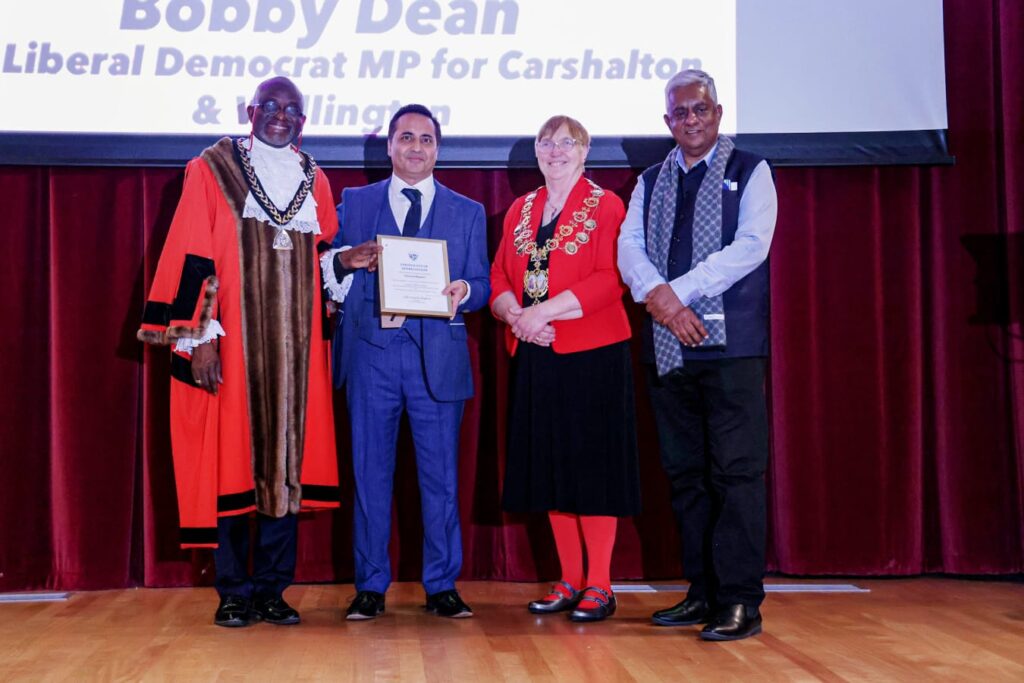
The Festival was organised by the Overseas Friends of India (OFI) under the leadership of its Chairman, Mr Sunil Chopra — a highly respected British-Indian civic leader. Mr Chopra, who has twice served as Mayor of the London Borough of Southwark and is widely recognised as the first Hindu Mayor of any London borough since Indian independence, played a central role in bringing communities together.
Distinguished Leaders in Attendance.
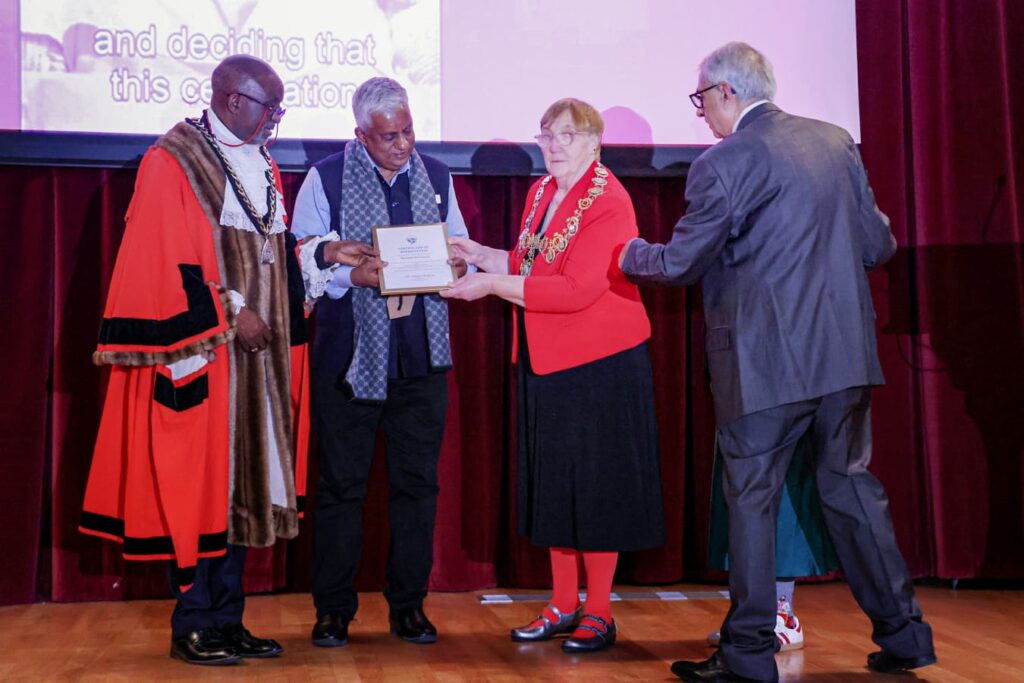
The event was honoured by the presence of:
Former UK Parliament
• Mr Virendra Sharma, former Member of Parliament and long-standing advocate for diversity and UK–India relations.
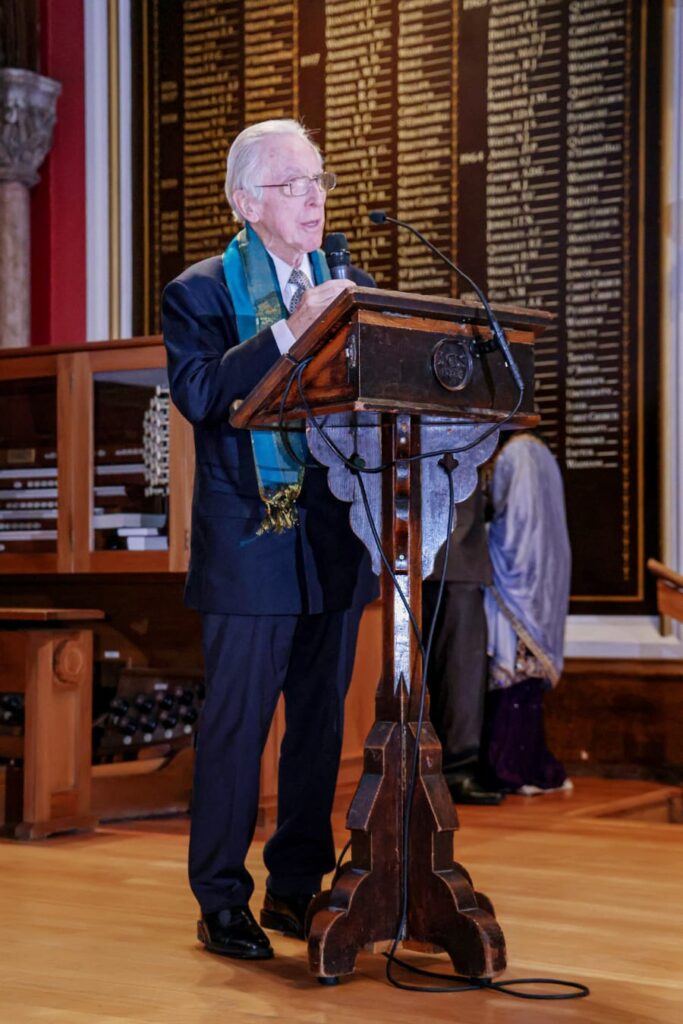
Legal, Political & Civic Leadership
• Lord Brennan KC, distinguished barrister and international legal figure.
• Mayors from multiple London boroughs, demonstrating pan-London unity.
• Councillors from across Greater London, representing the capital’s civic leadership.
International Guests
• Sri Naga Raju, Member of the Legislative Council (MLC), Karnataka, India.
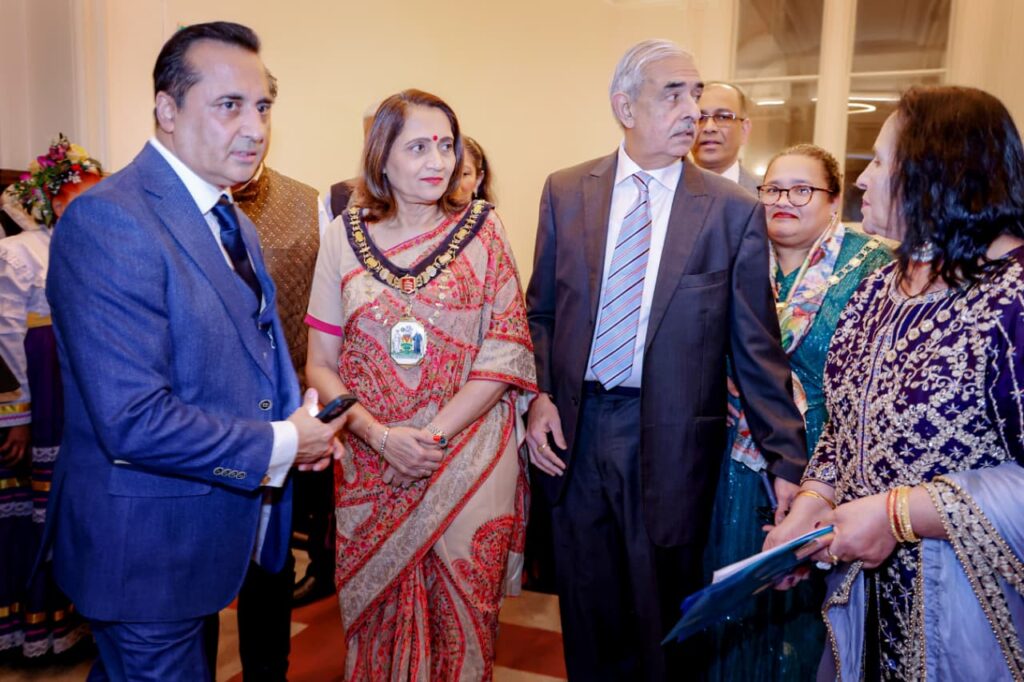
• Diaspora communities from India, Nepal, Africa, the Caribbean, East Asia, and Europe.
In total, more than 180 distinguished guests participated.
Messages of Goodwill From Across the World
The Festival received an outpouring of goodwill messages from senior leaders and faith representatives.
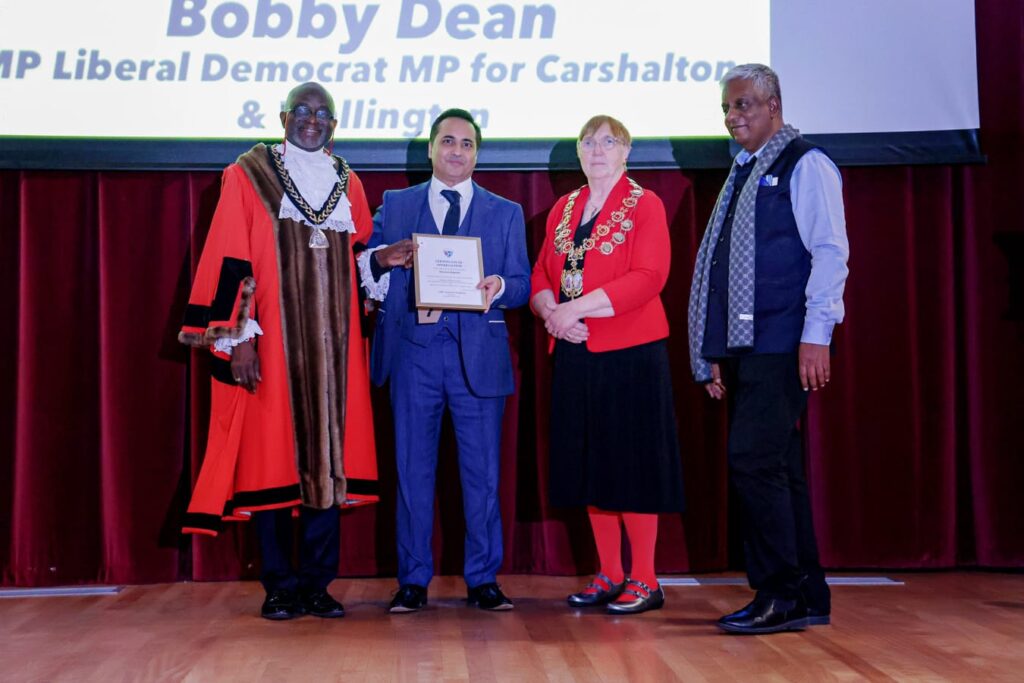


A particularly notable message came from:
Shri H. K. Patil
Hon’ble Minister for Law, Justice, Human Rights, Parliamentary Affairs, Legislation & Tourism, Government of Karnataka, India.


Writing from Vidhana Soudha, Bengaluru, Shri Patil commended the Festival’s mission of cultural diplomacy and global unity, praised the leadership of Mr Sunil Chopra, and conveyed the Government of Karnataka’s appreciation.
Additional blessings and messages were sent by international dignitaries, faith leaders from Hindu- Sikh, MPs .These messages highlighted the Festival’s international significance.
A Successful Evening of Culture, Performance & Global Friendship
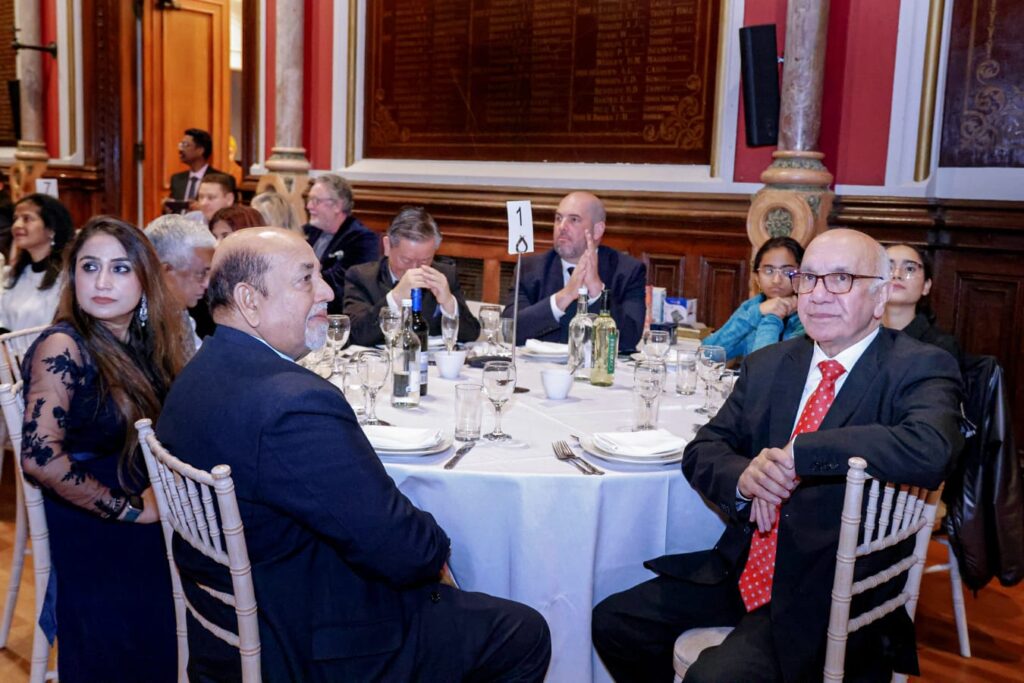
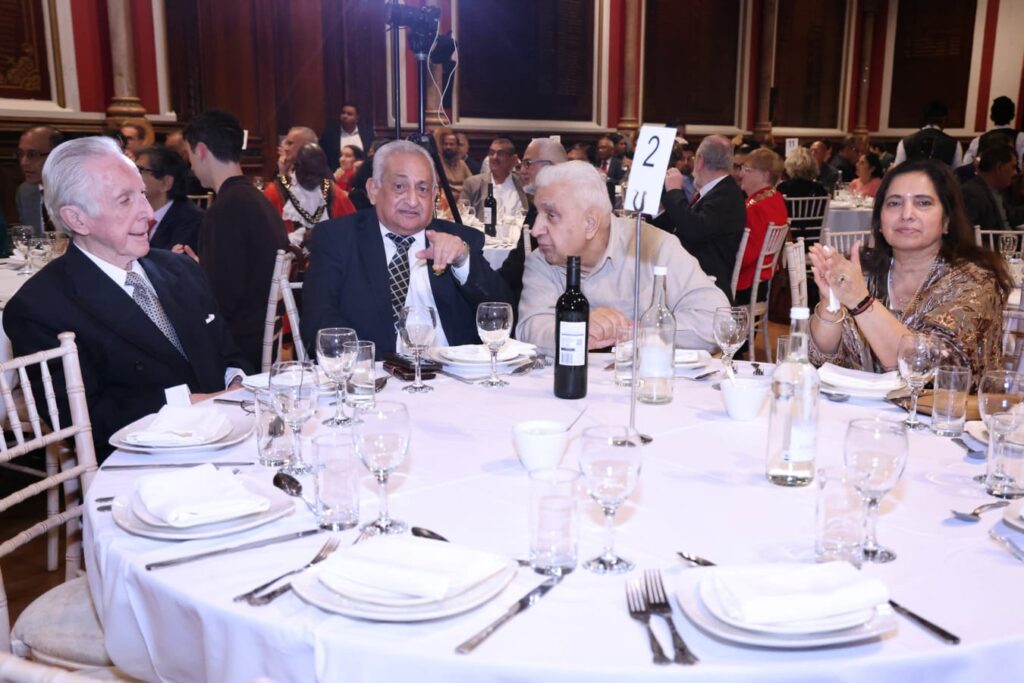
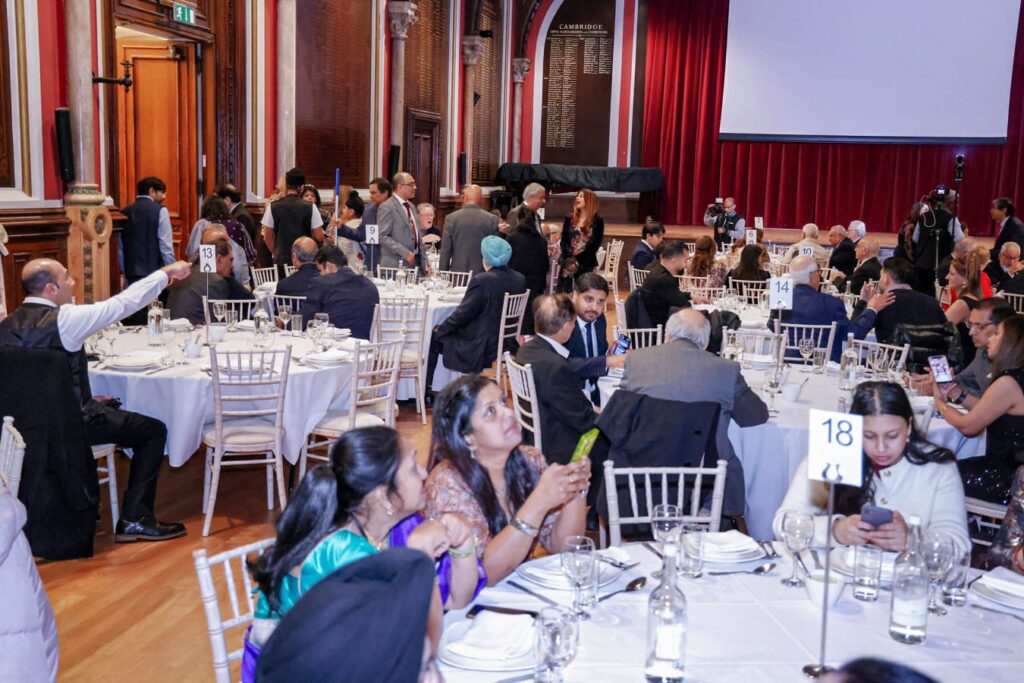
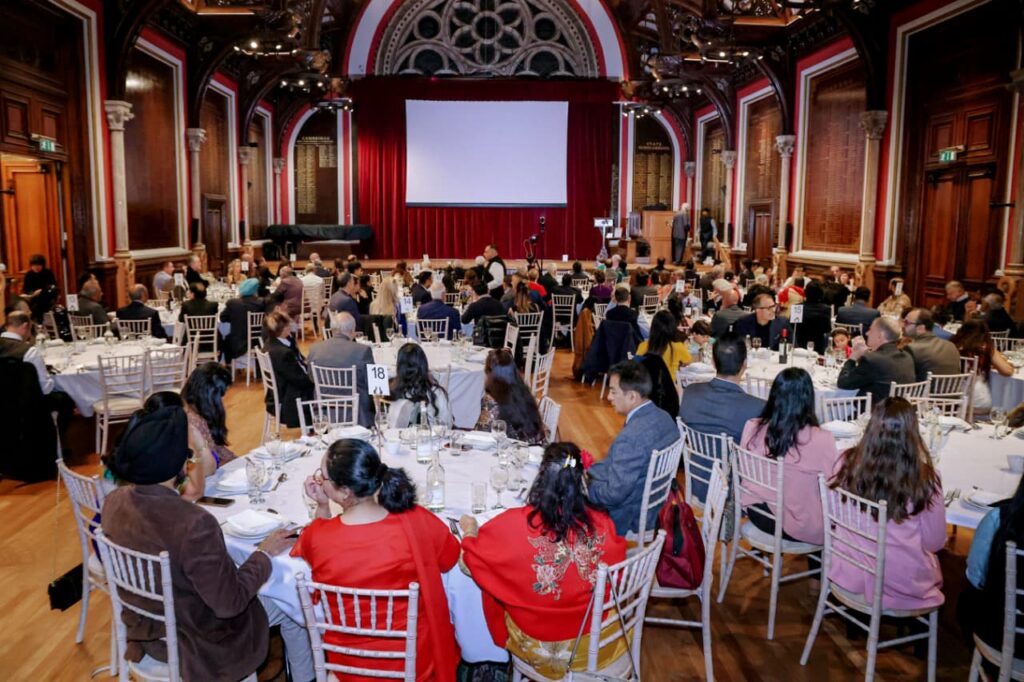
The evening featured:
• International music and dance performances.
• Cultural showcases representing global traditions.
• Speeches on unity, peace and multicultural identity.
• A formal banquet served within the historic Great Hall.
• Networking between diplomatic, political, business, and community leaders.
Media Contact
Diversity Festival London 2025 – Media Desk
Email: [email protected] 07930343360
UK News
New Eurasia Policy Council Launches in UK Parliament, Aims to Forge Bridges on Geopolitics and Climate

LONDON (Ruby Hyder) – A major new voice in British foreign policy emerged yesterday with the formal launch of the Eurasia Policy Council (EPC), an independent think tank dedicated to the geopolitics, economics, and environmental security of Central Asia and the wider Eurasian region.
The high-profile inauguration, hosted by the Independent Media Group UK, was held in the historic River Room of the House of Lords under the patronage of Lord Ghorban Hussein. The event drew a distinguished assembly of peers and MPs, serving and former diplomats, leading British academics, and executives from energy, mining, and infrastructure firms. The gathering also featured senior delegations from Türkiye, Azerbaijan, Kazakhstan, Uzbekistan, Kyrgyzstan, Tajikistan, and Iran, signaling the Council’s ambition to act as a genuine bridge between London, Brussels, and the rapidly evolving Eurasian space.

A Platform for a Complex Era
The EPC establishes itself as a non-partisan, evidence-based institution at a time of escalating geopolitical tensions, economic volatility, and accelerating climate impacts. Its mission is to provide rigorous analysis and foster strategic dialogue to address the region’s most pressing challenges.

In his keynote address, Lord Qurban Hussain described Eurasia as “standing at the crossroads of the world’s most acute challenges – from great-power competition and fragile supply chains to the existential threat of climate change.” He praised the EPC for creating “a neutral, expert-led platform that will allow policymakers, scholars and business leaders to confront these issues with intellectual rigour and mutual respect.”

Strategic Pillars and Climate Focus
The Council has outlined a four-pillar strategy to guide its work:
• Rigorous Research: Conducting peer-reviewed analysis on geopolitical and economic trends.
• High-Level Dialogue: Facilitating diplomatic and track-1.5 dialogue between the UK, EU, and Eurasian states.
• Sustainable Investment: Promoting green technology transfer and responsible economic partnerships.
• Climate Resilience: Building stability through a dedicated focus on transboundary water management, renewable energy, and disaster-risk reduction.

Speakers unanimously emphasized that climate change is not a peripheral issue but a central driver of instability and opportunity. Dr. Robert Hamilton, an authority on climate security, stated, “The EPC’s decision to place climate resilience at the heart of its agenda is both courageous and necessary.” He noted that water scarcity in key basins and glacial retreat are already reshaping the region’s geopolitical landscape.

Economic and Strategic Imperatives
The economic potential of Eurasia was a key theme. Afzal Khan MP welcomed the initiative as “timely and essential,” noting the EPC will help Britain build “deeper, more resilient relationships with a region that is vital for energy security, critical minerals, and the future of the rules-based international order.”
Echoing this, strategist Salman Sheikh highlighted that “Eurasia is not only a geopolitical pivot but an emerging hub of green energy, rare-earth elements and sustainable transport corridors.” He affirmed the EPC’s role in championing “evidence-based partnerships that deliver inclusive growth rather than zero-sum competition.”
A Long-Term Commitment
Speaking at the event’s close, Founders of EPC, Raza Syed and Prof.Shabnam Delfine ,announced the launch the beginning of “a long-term British and European commitment to understanding and engaging with Eurasia not as a distant periphery, but as a vital partner in solving shared global challenges.”
The Council has announced an ambitious initial program, with its first major report on water security in Central Asia slated for Spring 2026 and an inaugural annual conference in London next autumn. By positioning itself at the intersection of policy, commerce, and environmental security, the Eurasia Policy Council aims to become an indispensable actor in the UK’s foreign-policy ecosystem, navigating the complexities of a region at the heart of tomorrow’s global challenges.


Pakistan’s Yemen Dilemma

U.S. Sanctions the International Criminal Court to Shield Netanyahu

Pakistan Reaffirms Commitment to Multilateralism, Peace and International Cooperation at the Executive Board of UNESCO


-

 Sports4 months ago
South Korea’s Yoo Useong Steps Onto the Global Strongman Stage as World Strongman Federation Professional Athlete
-

 Art & Culture1 year ago
A Survey of Mata-E-Zeest
-

 Europe News2 years ago
Chaos and unproven theories surround Tates’ release from Romania
-

 American News2 years ago
Trump expands exemptions from Canada and Mexico tariffs
-

 American News2 years ago
Trump Expels Zelensky from the White House
-

 Art & Culture2 years ago
Will Snow White be a ‘victim of its moment’? How the Disney remake became 2025’s most divisive film
-

 Entertainment2 years ago
Champions Trophy: Pakistan aim to defend coveted title as historic tournament kicks off today
-

 Pakistan News1 year ago
Comprehensive Analysis Report-The Faranian National Conference on Maritime Affairs-By Kashif Firaz Ahmed