
Paris (Imran Y. CHOUDHRY) :- Former Press Secretary to the President, Former Press Minister to the Embassy of Pakistan to France, Former MD, SRBC Mr. Qamar Bashir analysis : President Donald Trump’s war against Iran, launched alongside Israel on February 28, 2026, has become a devastating demonstration of military overreach, economic destruction and political failure. What began with promises of overwhelming American superiority has consumed tens of billions in military expenditure, imposed hundreds of billions in domestic economic losses and potentially inflicted trillions in global damage. The political consequences are equally devastating, threatening leadership in Washington and Tel Aviv while undermining American influence worldwide.
During a congressional hearing, a senator confronted a senior Pentagon official over the naval blockade of Iranian ports. Independent estimates placed its daily cost at $32.5 million, equivalent to $975 million monthly and $11.86 billion annually. The official acknowledged approximately $30 million daily but could not provide comprehensive accounting. An operation intended to economically strangle Iran has instead become a billion-dollar monthly burden on American taxpayers.
Iranian retaliation has compounded the destruction. Strikes against the American naval base in Bahrain, headquarters of the Fifth Fleet, reportedly inflicted at least $400 million in damage. Yet the Pentagon official could not confirm the estimate. The senator cited $47 billion already spent on the conflict, exposing the administration’s inability to explain the mounting costs of military operations, equipment losses and reconstruction.
The opportunity cost is devastating. As the senator argued, $47 billion could eliminate federal student debt for more than two million Americans, finance preschool education for every four-year-old, reduce family health insurance premiums by approximately $200 monthly, or relieve over ten million families of medical debt. Instead, resources essential for education, healthcare, infrastructure and human development have been consumed by destruction. By starving the civilian economy that generates national wealth and sustains military strength, Washington is undermining the foundations of American power.
American households have paid heavily. Estimates cited by the Center for American Progress place the burden at approximately $2,000 per household, representing $260 billion across 130 million households. Broader assessments suggest domestic losses approaching $447 billion through energy inflation, disrupted commerce and declining purchasing power. Gasoline prices exceeding $4.27 per gallon and diesel surpassing $6.31 during peak disruptions intensified pressure on consumers, transportation and manufacturing.
Military replenishment presents another enormous liability. Direct expenditure has been estimated between $37.5 billion and $47.1 billion, while replacing depleted missiles, interceptors, aircraft and drones could require another $29 billion to over $100 billion. Strategic inventories of Tomahawk missiles, Patriot interceptors and precision weapons have been strained. At least 21 American service members have reportedly been killed and 865 wounded, generating additional long-term medical and veterans’ obligations.
Israel has suffered substantial economic and political damage. Military mobilization, missile-defense operations, infrastructure repairs and disrupted commerce have imposed multibillion-dollar burdens. The earlier twelve-day confrontation in 2025 generated combined regional losses estimated at $24 billion to $35 billion. The continuing war has multiplied these liabilities. Netanyahu’s electoral setback and inability to secure a dependable parliamentary majority have exposed the political consequences of his military adventurism.
Iran has endured extensive destruction of military, industrial, energy and civilian infrastructure, with reported fatalities exceeding 6,000. Yet despite enormous human and financial losses, Tehran has sustained resistance and imposed substantial costs upon its adversaries. Washington’s expectation that overwhelming military superiority and economic strangulation would force Iranian submission has failed to deliver its proclaimed objectives.
The wider Middle East has experienced economic and strategic upheaval. More than twenty regional military facilities and infrastructure sites have reportedly suffered damage. Disrupted shipping, higher insurance premiums, damaged energy installations and interrupted investment have generated reconstruction liabilities potentially reaching tens of billions. Gulf governments dependent upon American protection have witnessed the vulnerability of their security arrangements, weakening confidence in Washington’s regional guarantees.
Globally, the economic consequences potentially reach trillions. Brent crude surged more than 54% during acute phases, exceeding $112 per barrel. Disruptions around the Strait of Hormuz increased transportation, manufacturing, fertilizer and food costs across continents. Europe, Asia and developing economies have absorbed inflationary shocks from a confrontation they neither initiated nor controlled. Lost economic output, interrupted investment and disrupted supply chains have multiplied the destruction far beyond the battlefield.
The political costs are equally punishing. Trump’s November midterm setbacks weakened his domestic authority, while Netanyahu’s parliamentary difficulties threatened his political survival. Washington’s diplomatic credibility has deteriorated as governments question whether American military intervention produces security or instability. Iran’s continued resistance has further challenged the assumption that military superiority guarantees political dominance.
America’s domestic infrastructure has simultaneously exposed disturbing vulnerabilities. Disruptions involving Microsoft services, aviation networks, banking operations, communications systems and Apple-related platforms have affected sectors supporting trillions in economic activity. These failures underscore the contradiction of financing military destruction abroad while essential technological and civilian infrastructure at home urgently requires modernization and protection.
Trump’s broader policies reinforce the pattern. Tariff confrontations generated economic uncertainty, immigration restrictions disrupted labor markets, territorial ambitions concerning Greenland and Canada encountered resistance, and intervention in Venezuela raised questions about sovereignty and control over national resources. The Iranian war represents the most expensive manifestation of a foreign policy increasingly dependent upon coercion rather than diplomacy.
Congress now confronts the question of accountability. The hearing exposed the administration’s failure to justify $47 billion in expenditure while Americans struggle with education, healthcare and household expenses. Congressional authority over appropriations provides a powerful mechanism to deny further funding, halt military escalation and redirect national resources toward productive investment and public welfare.
Accountability must extend beyond Washington. Iran, Lebanon and neighboring countries have suffered enormous destruction, displacement and civilian casualties. Reported deaths in Lebanon have exceeded 7,000, while millions across the region have faced disruption. Reconstruction, lost economic output and damaged infrastructure represent substantial financial claims requiring consideration in any eventual settlement.
Trump promised military victory, restored deterrence and strengthened American supremacy. Instead, America confronts $47 billion in cited war expenditure, potentially $100 billion in additional military replenishment, hundreds of billions in domestic losses and worldwide disruption potentially reaching trillions. Israel faces political instability, Gulf governments are reassessing their dependencies, and Iran remains resistant.
The ultimate reckoning will concern more than squandered billions. It will encompass shattered economies, weakened political leadership, diminished American credibility and opportunities stolen from future generations. Trump launched a war to demonstrate American supremacy; instead, he has exposed the economic and political foundations of that supremacy to unprecedented strain. The financial losses are staggering, the political consequences potentially irreversible, and responsibility leads directly to the president who chose the war.
Trump’s Iran War: Trillions Lost and Accountability Looms
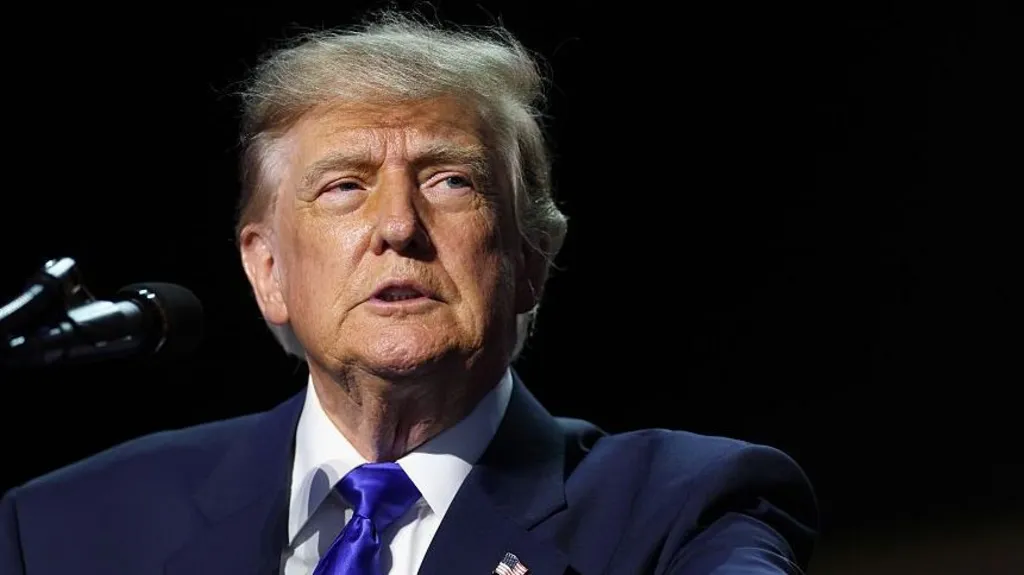
Trump’s Iran War: Trillions Lost and Accountability Looms