
By Prof. Gulmira Shukurova
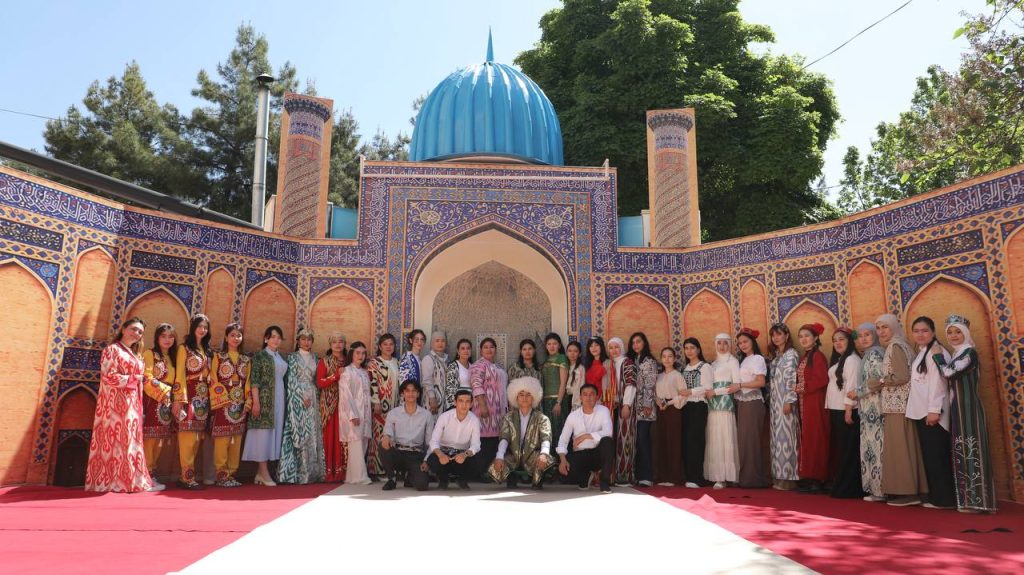
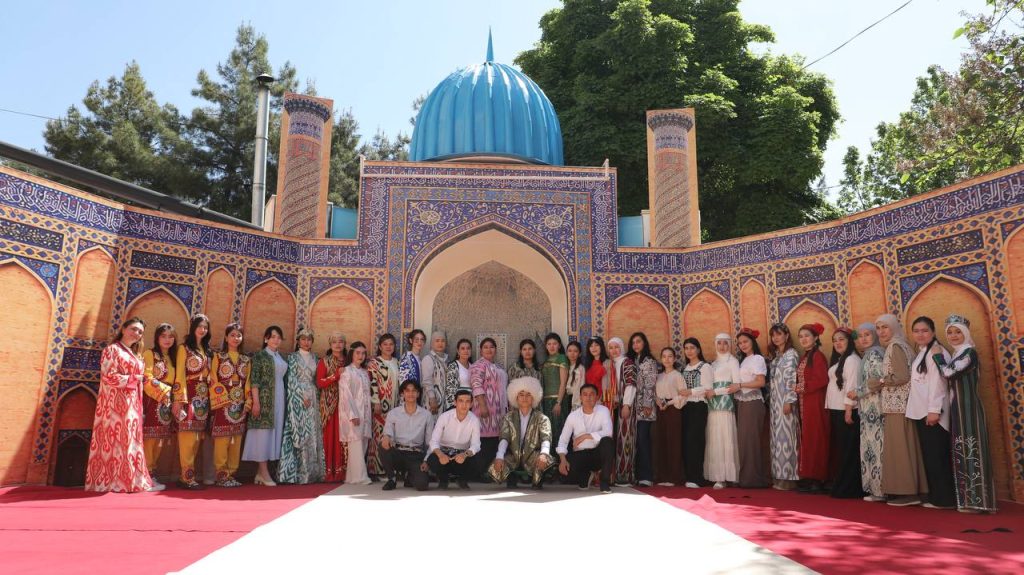
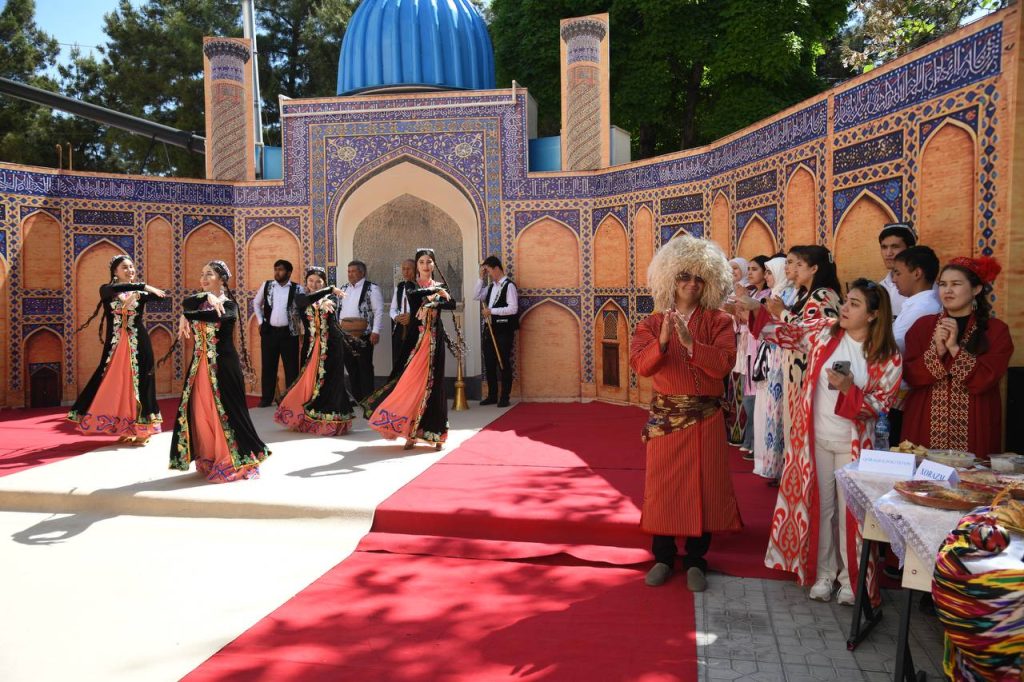
The University of Journalism and Mass Communications of Uzbekistan was not merely a campus today. It was a canvas — a living, breathing tapestry of silk, spice, melody, and memory. Under the resonant banner “The Spirit of Navruz and the Cultures of Amir Temur’s Empire,” the university exploded into a grand cultural festival that turned spring into a story and every visitor into a character within it.

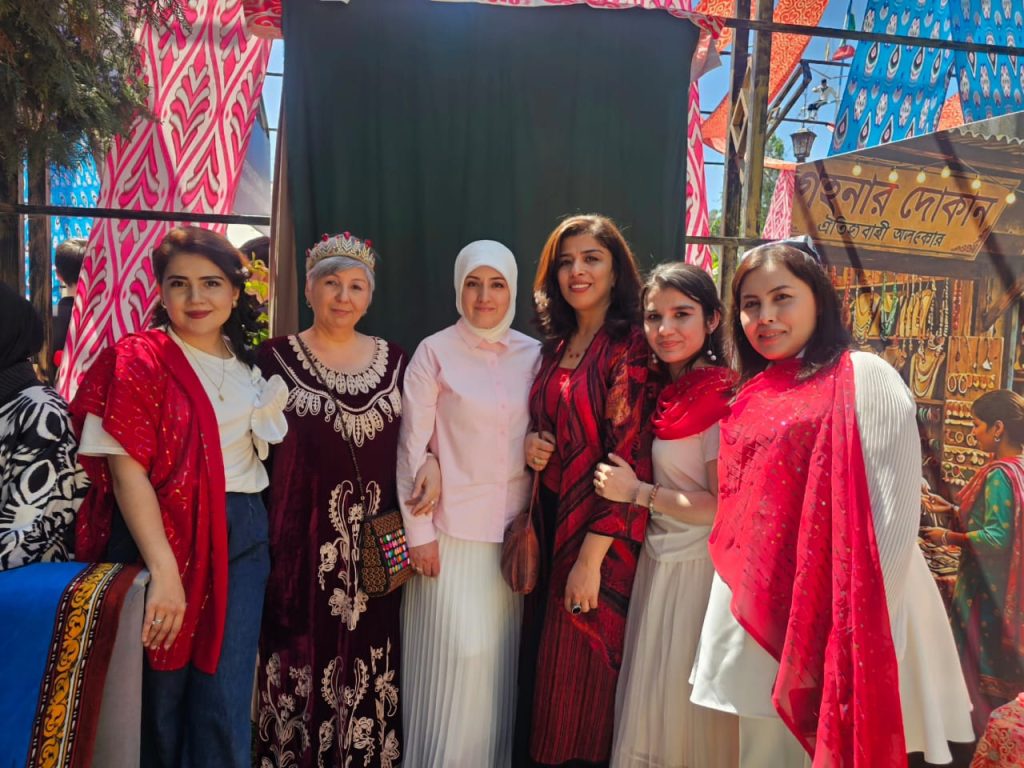
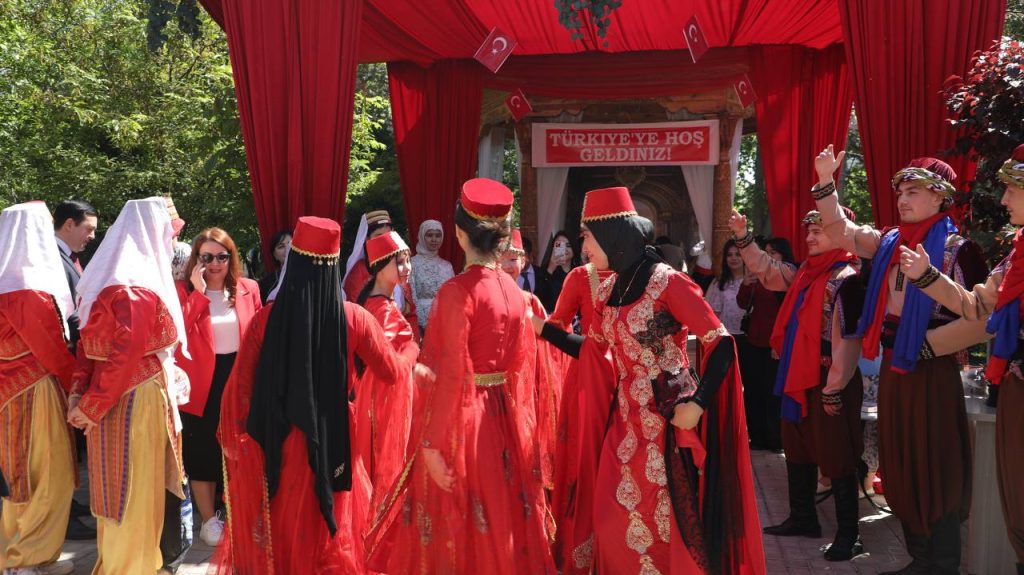
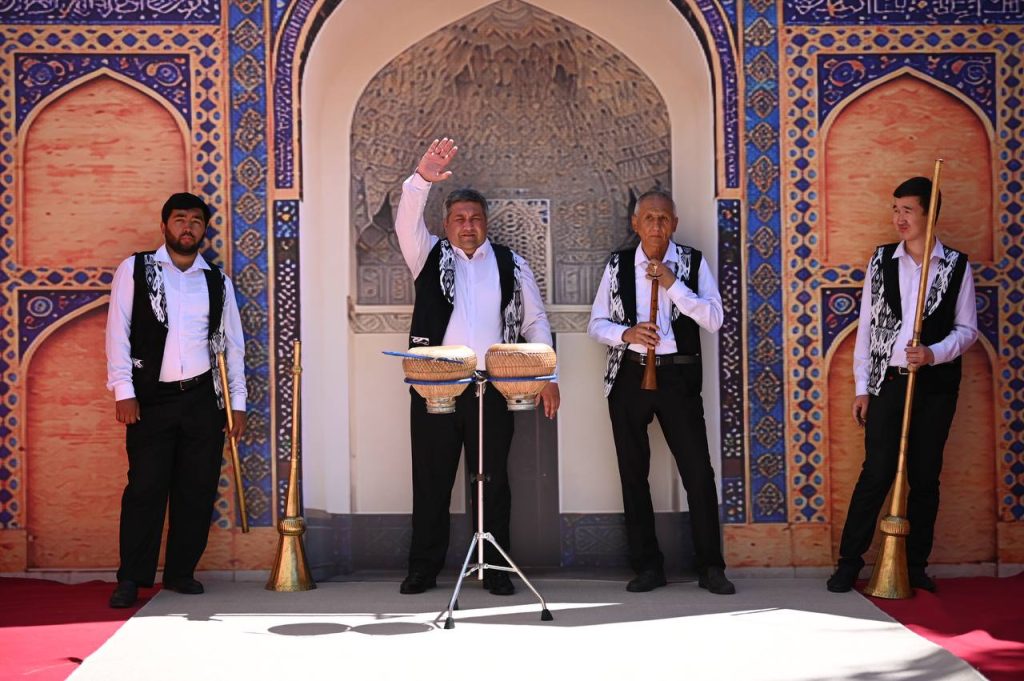
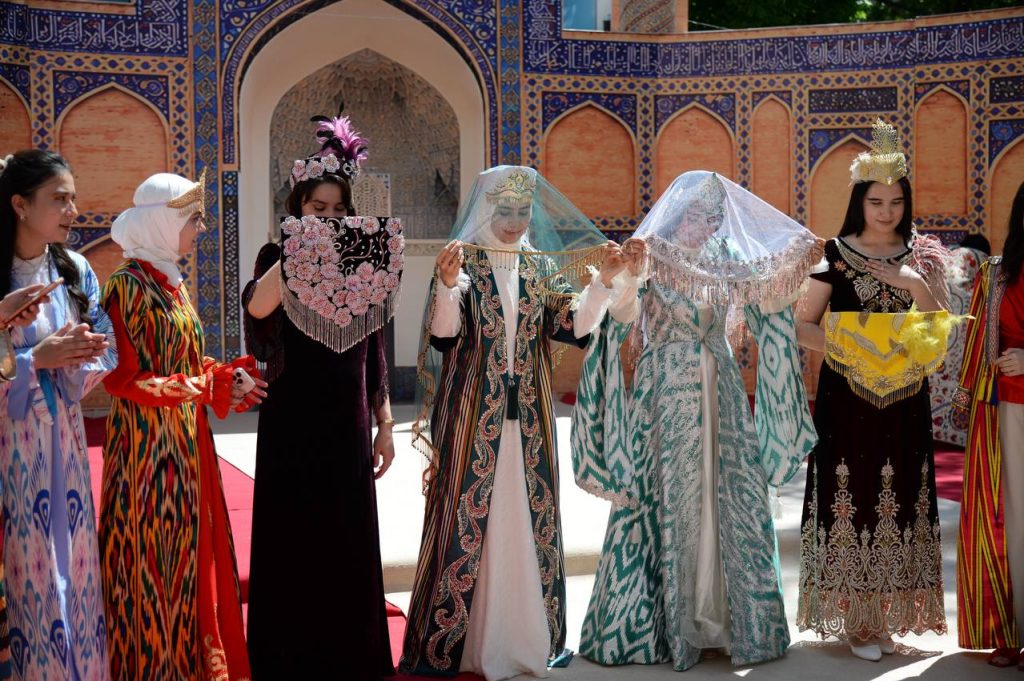
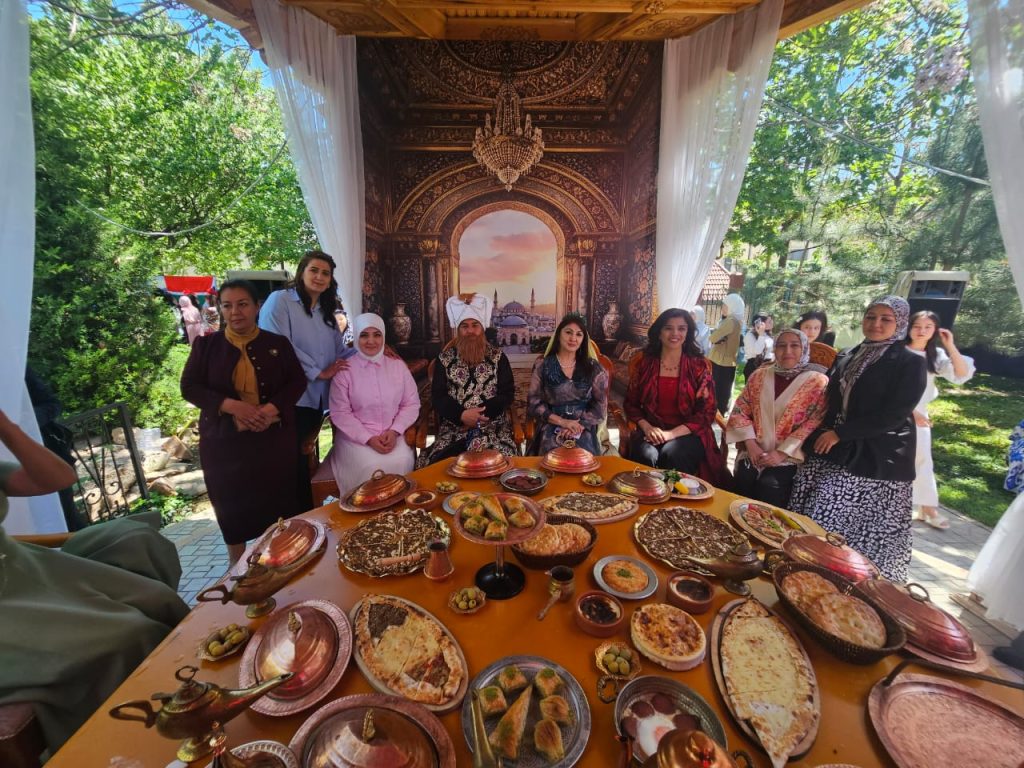
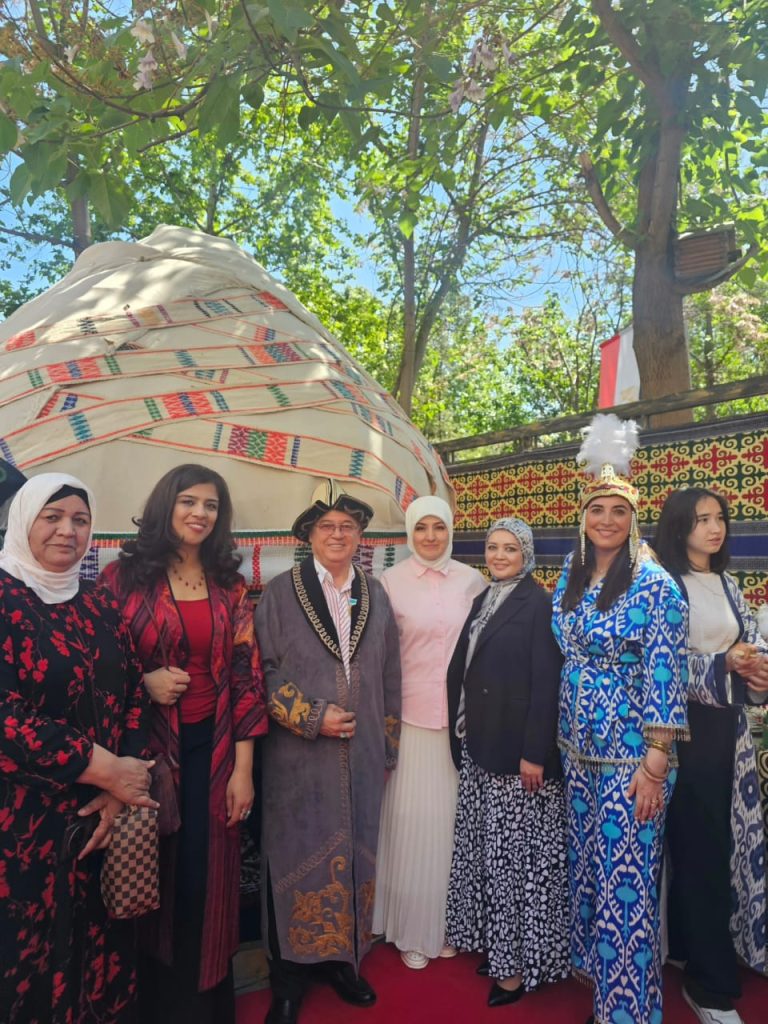
The air thickened from the first light of morning with the fragrance of freshly baked samsa, saffron rice, and the smoky sweetness of tandoori bread. Students in embroidered chapan robes and shimmering kelin dresses moved like living paintings between pavilions. Professors set aside their lecture notes to become curators of heritage. And over it all, the gentle Navruz sun — ancient and forgiving — showered the grounds in gold.
Twenty Nations, One Heartbeat
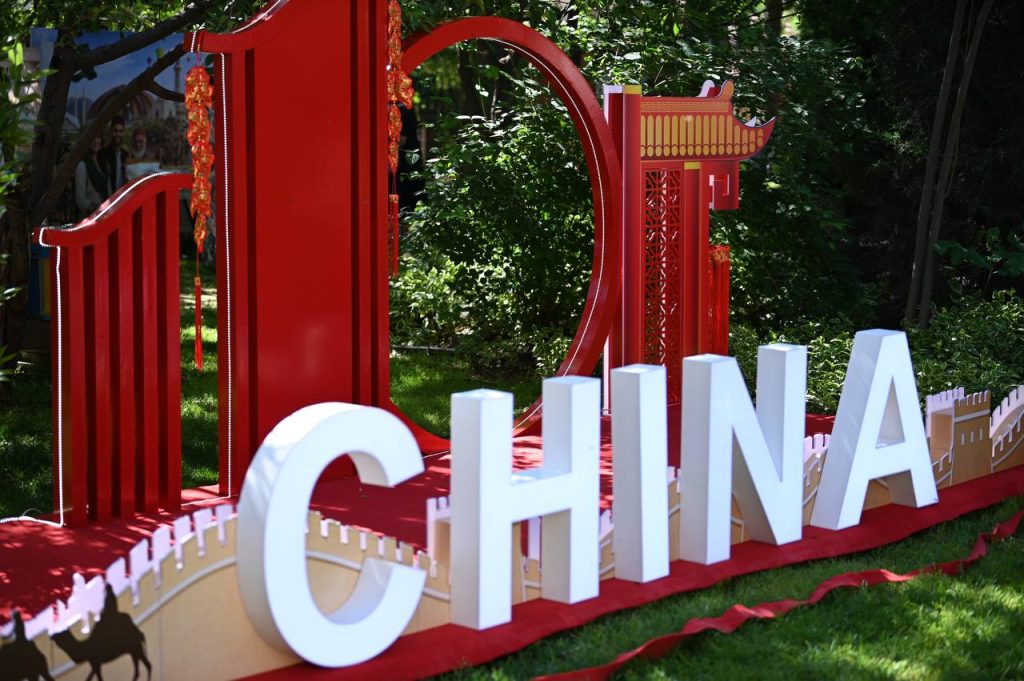
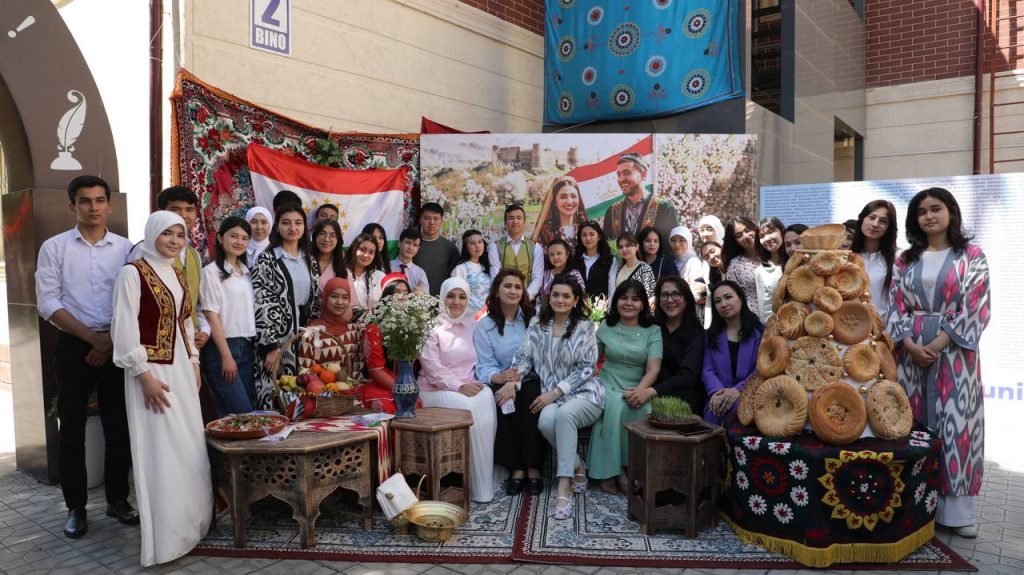
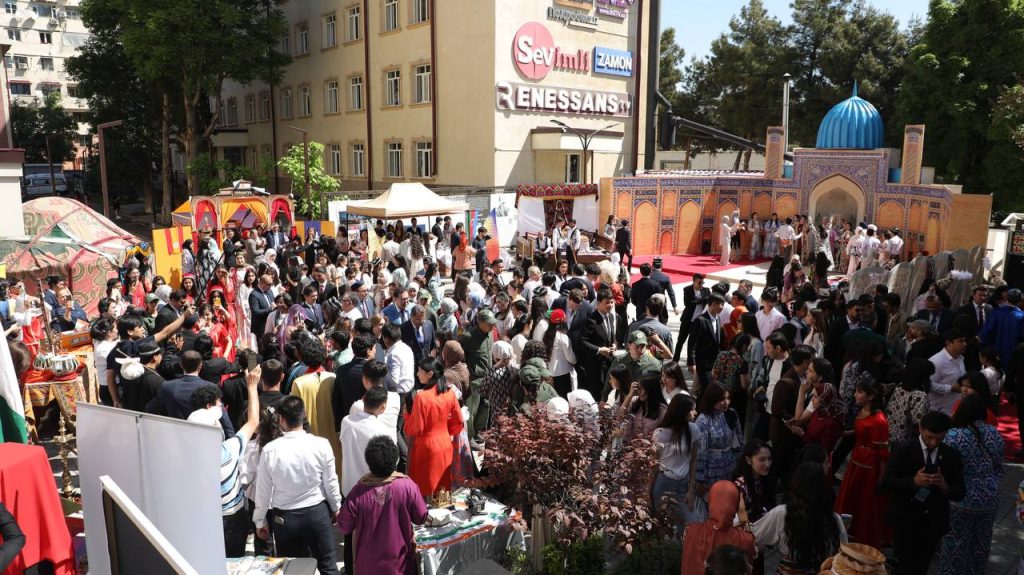
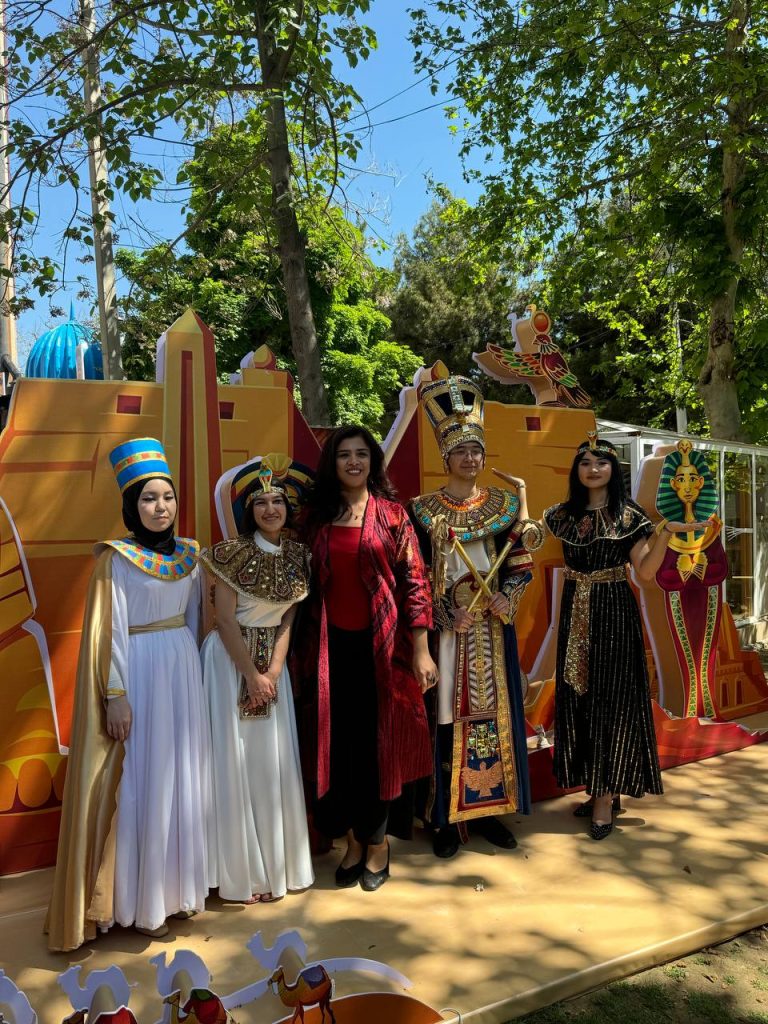
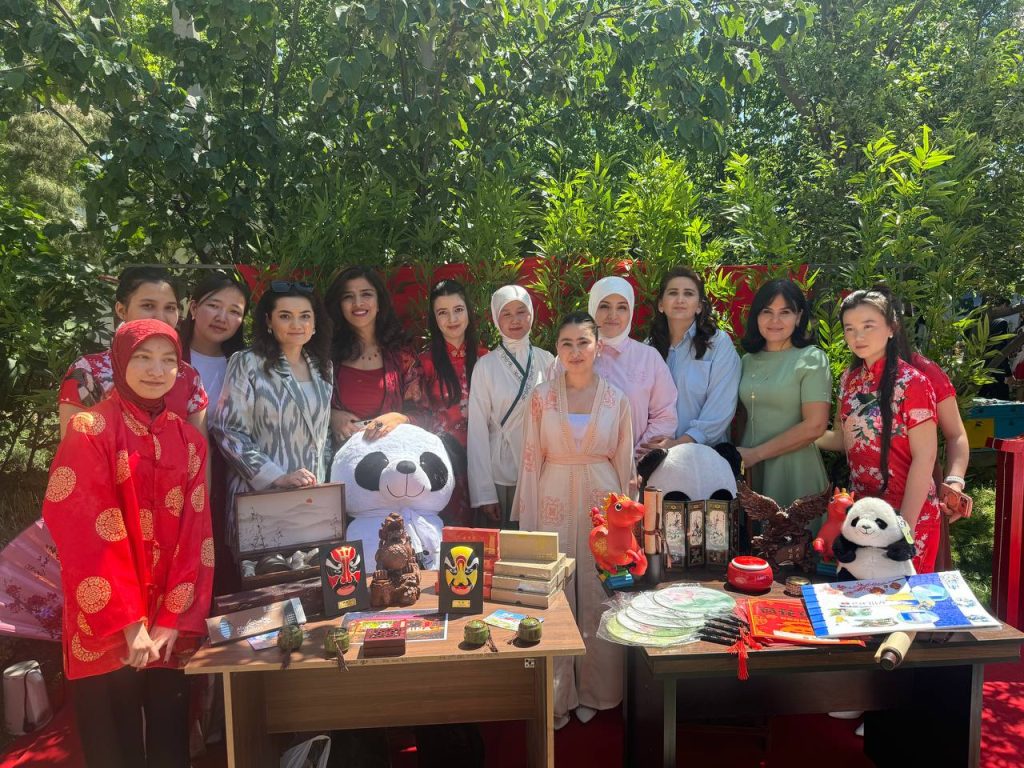
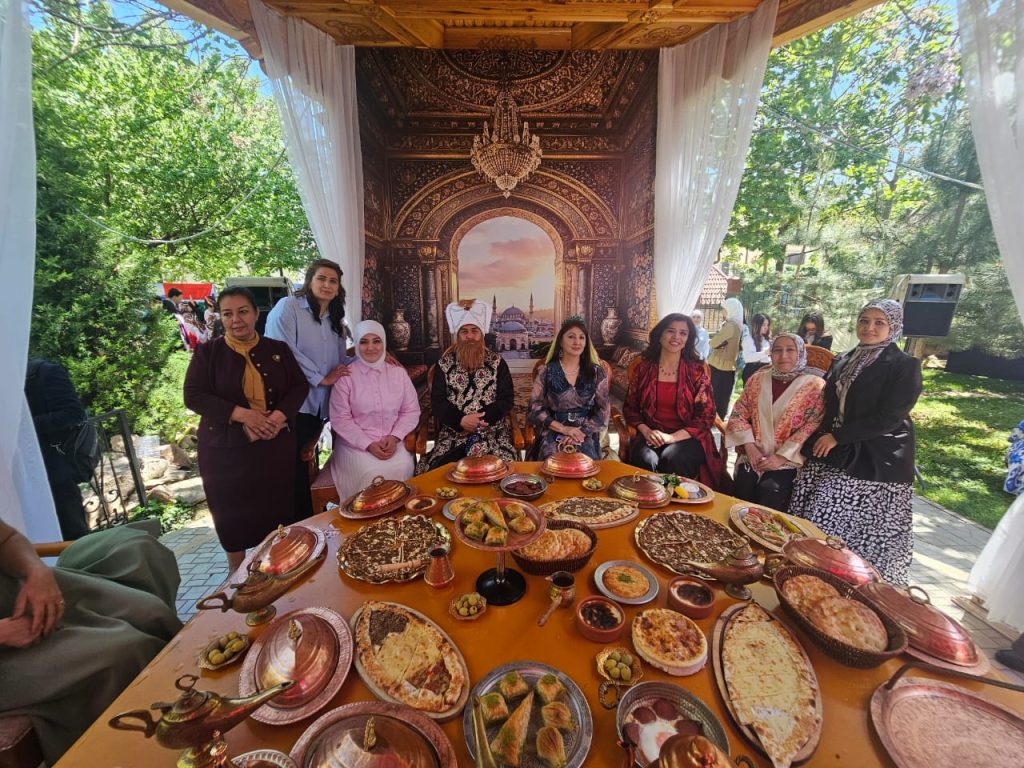
More than twenty nationalities were represented in a sprawling open-air exhibition that turned the university courtyard into a radiant kaleidoscope. Each pavilion was a small universe: hand-carved wooden cradles from one culture, silver jewelry that jingled like forgotten poetry from another, and ceramic plates painted with symbols older than memory.

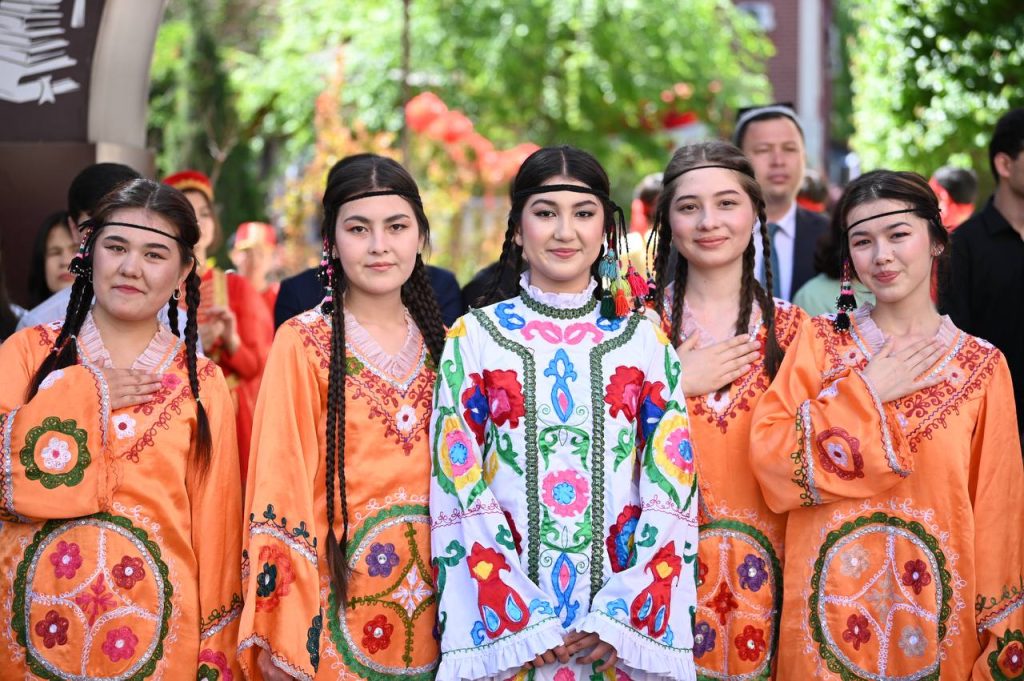
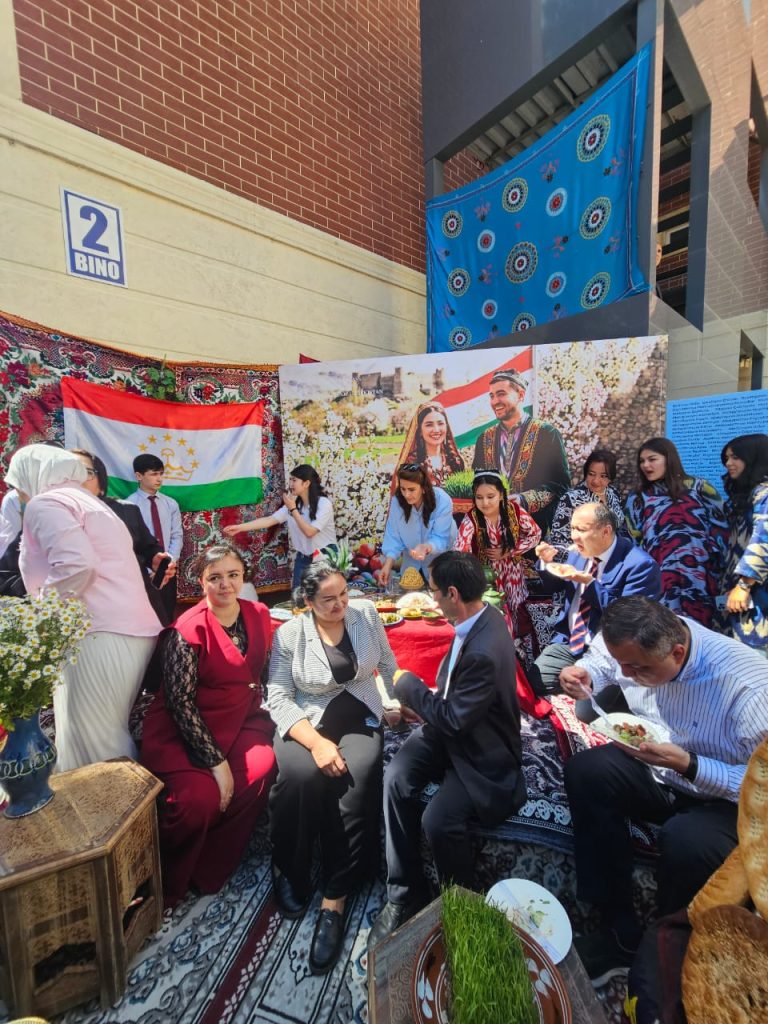
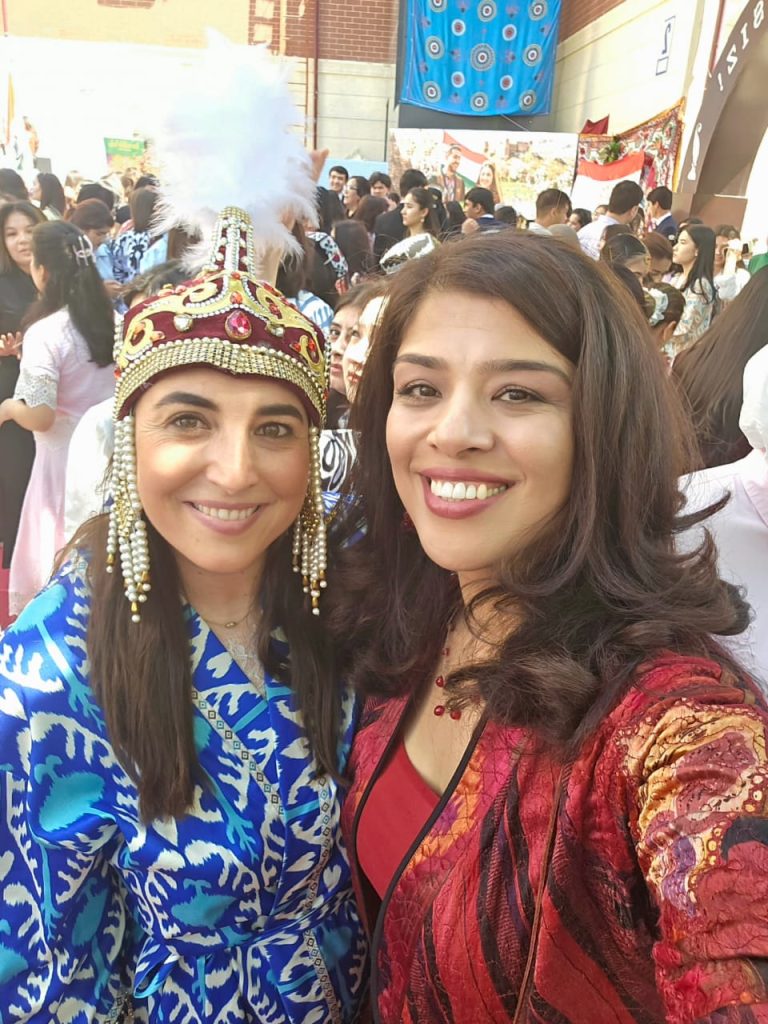
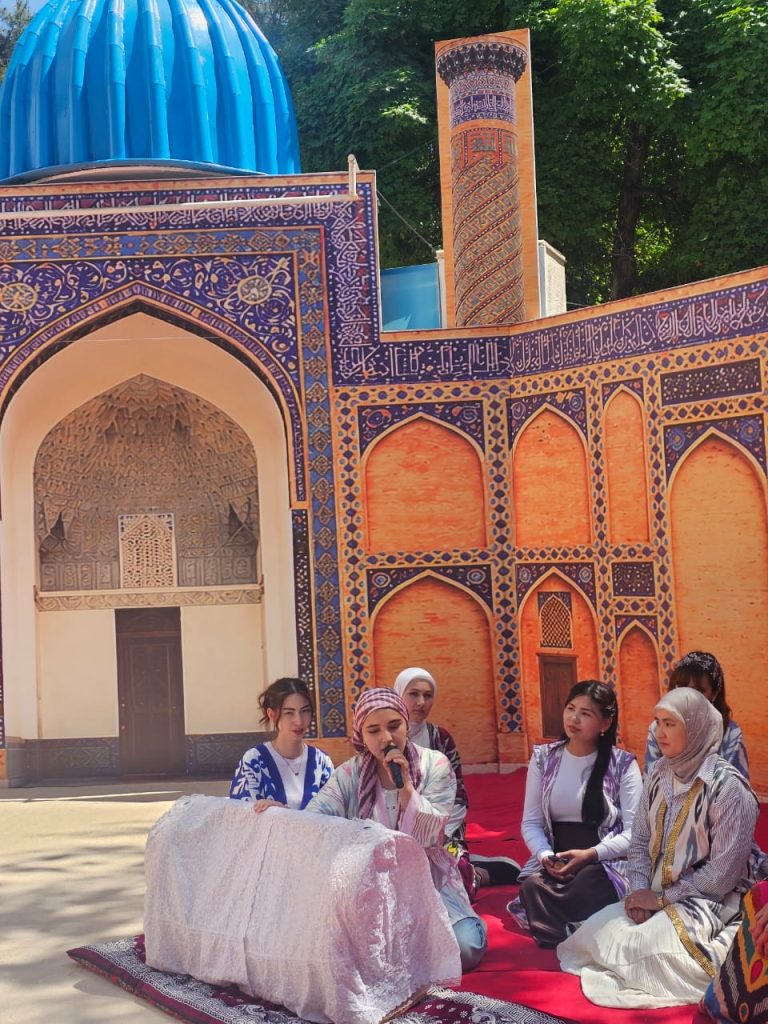
Students, dressed in authentic national costumes, did not simply explain their heritage — they lived it. A girl from the Karakalpak pavilion demonstrated a cradle-lullaby ritual while her partner played a dutar. A young man at the Uzbek stall brewed green tea in a ceramic teapot and recited a Navruz blessing. At the Tajik corner, an elder student handed out sumalak — the sweet wheat pudding of spring — while chanting a folk rhyme about renewal.
Every pavilion competed in charm. There were theatrical skits retelling the legends of Timur’s court, mock weddings showcasing bridal traditions, and even a miniature bazaar where visitors could haggle for handmade scarves and wooden spoons — all in good humor, all in the spirit of bakhshish (generosity). Students, as passionate cultural ambassadors, wove narratives through folk performances, theatrical enactments, and heartfelt conversations that connected visitors to the deep, rich history of their cultures.

A Gathering of Dignitaries and Dreamers
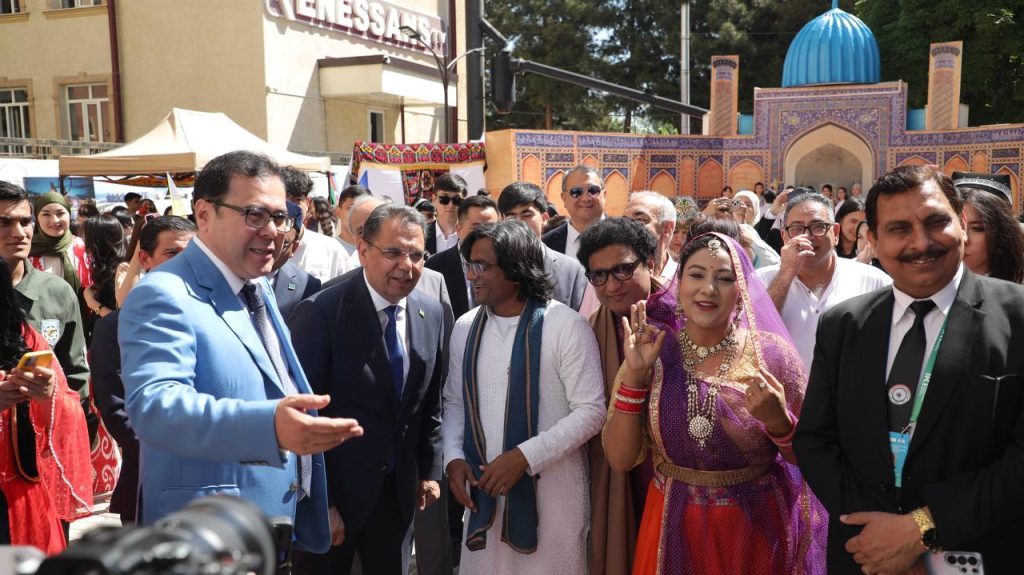
The festival drew a distinguished cross-section of the nation — and the world. Foreign ambassadors in formal suits walked side by side with students in embroidered skullcaps. International guests were seen laughing over plates of plov while Uzbekistan’s Minister of Higher Education, Science and Innovation paused to watch a theatrical performance of a Navruz legend.
State organization representatives, media professionals, and a sea of enthusiastic students filled the walkways. Cameras clicked. Voices hummed. At one point, a group of young journalists from the host university began recording short video interviews — capturing, for posterity, the authentic voice of Central Asian pluralism.
The ambassador of a European nation was overheard saying: “I have attended many cultural days. But this — this feels less like diplomacy and more like family.”
The True Essence of Spring
What made the day unforgettable was not just the spectacle, but the spirit. The university became a poem to spring — a celebration not merely of diversity, but of harmony. Under the open sky, interethnic unity and tolerance were not abstract ideals. They were visible in a Korean-Uzbek student teaching a Russian guest how to fold mandu, and in a Turkmen girl sharing dried apricots with a Kyrgyz journalist.
The event also carried a deeper, historical resonance. The reference to Amir Temur’s Empire was not decorative — it was a reminder that centuries ago, Samarkand was a crossroads of civilizations. Today, that crossroads lives again in every shared smile, every exchanged recipe, every spontaneous dance circle that erupted on the grass. The echoes of his empire — rich in art, culture, and conquest — were present in the performances, the artifacts, and the stories that unfolded before every attendee.

A Bridge Between Eras
As the afternoon sun softened into a honeyed glow, the festival reached its emotional peak. A choir of students sang a Navruz melody in five different languages — Uzbek, Tajik, Karakalpak, Russian, and English. Behind them, a troupe of young actors performed a shadow-play reenacting Temur’s famous decree of religious and cultural tolerance.
For a moment, past and present melted into one. The scent of qaynatma soup mingled with the sound of a child’s laughter. An elderly professor wiped a tear as a student placed a traditional cap on his head. And somewhere, a doira drum kept beating — steady, joyful, and deeply human. National melodies mingled with the laughter of friends, and ancient customs were revived with fresh enthusiasm, creating a vibrant tapestry that was as much about yesterday as it was about tomorrow.
More Than a Festival – A Tradition of Unity
In the end, this gathering was not a one-day celebration. It has become a beloved annual tradition at the University of Journalism — one that strengthens community bonds, nurtures shared values, and reminds everyone that spring’s true magic lies not in the flowers, but in the act of blooming together. The event was a testament to the university’s commitment to fostering tolerance and cultural exchange, where unity was not just an ideal, but a palpable experience.
As the last pavilion folded its carpets and the sun dipped behind the rooftops, guests left with full stomachs, lighter hearts, and the quiet understanding that culture, when celebrated with genuine joy, becomes the truest language of peace.
And that, perhaps, is the most powerful story of all.