
Paris (Imran Y. CHOUDHRY) :- Former Press Secretary to the President, Former Press Minister to the Embassy of Pakistan to France, Former MD, SRBC Mr. Qamar Bashir analysis : Israel’s expanding international reach raises a question that governments can no longer comfortably avoid: when does cooperation become dependence, and when does dependence begin to compromise sovereignty? Weapons, surveillance systems, intelligence partnerships, diplomatic advocacy and investment can establish enduring influence inside another country’s institutions. Examined together, these relationships reveal how a state can acquire leverage far beyond its territory without formally governing the societies affected by its decisions.
The central issue is the conversion of access into power. A weapons contract opens a relationship with a defense ministry. Technical support creates continuing contact with military personnel. Surveillance technology enters intelligence institutions. Political advocacy cultivates sympathetic decision-makers. Commercial partnerships establish constituencies interested in preserving cooperation. These channels can reinforce one another until challenging the relationship carries significant institutional and political costs. Influence becomes most consequential when governments stop asking whether those costs have narrowed their freedom to act.
Ideology matters because it shapes how political leaders justify the exercise of power. Religious nationalism can turn territorial ambitions into sacred obligations and portray compromise as betrayal. Where officials invoke divine entitlement or historical destiny, their language deserves close examination against their policies. The danger is the translation of claims about exceptional entitlement into governmental practice: unequal rights, territorial expansion or the belief that ordinary restraints should yield to a privileged national mission.
Such claims must be attached to identifiable leaders, movements and decisions. Their political force lies in what they authorize. A government that presents its objectives as beyond legitimate challenge creates conditions in which critics become enemies and civilian suffering becomes an acceptable instrument. International partners then face a choice: impose meaningful limits or help normalize exceptional treatment. Strategic friendship becomes dangerous when it functions as permission to evade accountability.
Israel’s international security industry supplies material foundations for its reach. Its defense ministry reported approximately $14.8 billion in new export contracts during 2024. These transactions can establish relationships lasting far beyond delivery. Advanced equipment requires maintenance, training, replacement parts and software. A government purchasing such systems must consider the political implications of relying on an external supplier for essential capabilities. The resulting vulnerability deserves as much attention as the advertised military advantage.
Latin America illustrates several pathways through which these relationships develop. Guatemala’s military governments received Israeli arms and assistance during a period of brutal repression. Colombia’s longstanding reliance on Israeli equipment, including Kfir aircraft and Galil rifles, complicated disengagement when diplomatic relations broke down. Argentina under Javier Milei and Honduras under Juan Orlando Hernández supplied prominent diplomatic backing through commitments concerning Jerusalem. Ecuador under Daniel Noboa pursued cooperation across defense, security, agriculture and water. Together, these cases show military, political and developmental relationships creating multiple points of institutional attachment.
Elsewhere, diplomatic openings and strategic partnerships expand the network. Bolivia restored relations in December 2025. Venezuela’s foreign ministry confirmed continuing technical cooperation following Israeli earthquake assistance in 2026. Recognition of Somaliland introduced Israel into a sensitive sovereignty dispute in the Horn of Africa. India developed extensive defense cooperation, while Austria established a strategic partnership. These relationships differ, but their cumulative significance is international access across security, technology, development and diplomacy. Each deserves examination for the commitments it creates and the interests it advances.
Political lobbying adds another layer. Former Australian foreign minister Bob Carr criticized what he considered excessive pressure from a hardline pro-Israel lobby on government policy. His account raises a fundamental democratic question: can elected officials exercise independent judgment when organized advocacy enjoys privileged access to executive leadership? The answer requires examining meetings, funding, communications and policy changes. Citizens should know whether decisions reflect publicly defensible national interests or pressure operating beyond effective scrutiny.
Surveillance exposes an especially intrusive form of power. Citizen Lab has documented Pegasus attacks involving journalists and human rights defenders. Such capabilities can penetrate the communications through which societies investigate corruption and organize opposition. Responsibility extends through the supply chain, from developers and licensing authorities to purchasing agencies and political leadership. Governments that conceal surveillance abuses cannot credibly claim to protect the freedoms those abuses undermine.
Economic sovereignty requires equally rigorous scrutiny. Banking infrastructure, telecommunications, investment platforms and critical software should be examined for ownership, access rights, contractual dependence and security vulnerabilities.
Claims about foreign control must be established through records and technical evidence. Governments should identify who can access sensitive information, interrupt essential services or influence strategic decisions. Confidential contracts cannot substitute for public accountability where national systems and citizens’ rights are at stake.
The United States provides the principal institutional foundation of Israel’s strategic support. Its longstanding military-assistance framework makes clear that international protection rests on identifiable decisions by legislators and administrations. Those decisions carry responsibility. Officials cannot authorize assistance and then treat its foreseeable consequences as someone else’s concern. An alliance becomes a mechanism of impunity when support continues without meaningful examination of conduct.
Gaza gives this argument its moral urgency. UN satellite analysis based on July 2025 imagery identified damage affecting approximately 78 percent of structures. The scale demands answers from Israeli authorities and the governments sustaining their military and diplomatic position. Palestinian rights cannot remain subordinate to the convenience of strategic partnerships. International standards lose their authority when powerful relationships determine whose suffering produces consequences.
Every government should therefore audit its dependencies, disclose sensitive agreements, investigate unlawful surveillance and scrutinize political influence. Where relationships facilitate abuse or compromise independent decision-making, they should be restricted, renegotiated or ended through lawful processes. Sovereignty requires the capacity to refuse.
Israel’s international influence deserves sustained scrutiny because power exercised through dispersed institutions can escape the accountability attached to visible force. The response must be concrete: expose the mechanisms, identify the beneficiaries and impose enforceable limits. No government should enjoy exceptional permission to override another society’s independence or another people’s rights.
Israel’s Global Reach: From Latin America to Africa and Asia
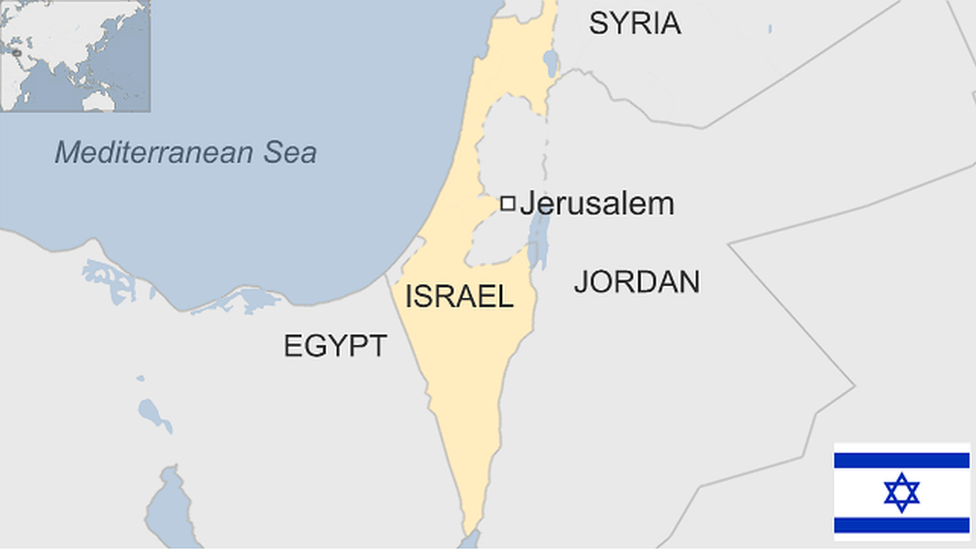
Israel’s Global Reach: From Latin America to Africa and Asia