
Paris (Imran Y. CHOUDHRY) :- Former Press Secretary to the President, Former Press Minister to the Embassy of Pakistan to France, Former MD, SRBC Mr. Qamar Bashir analysis : The unfolding crisis in the Persian Gulf, triggered by escalating tensions with Iran and the disruption of maritime traffic through the Strait of Hormuz, has reshaped the global energy landscape in ways few could have anticipated just months ago. By April 30, 2026, one of the clearest beneficiaries of this upheaval has been the United States, which has witnessed a remarkable surge in oil and gas export revenues. What began as a geopolitical confrontation has rapidly evolved into a powerful economic windfall for American energy producers, fundamentally altering trade flows, pricing dynamics, and global dependence on U.S. energy supplies.
Before the crisis, global oil markets were relatively stable, with Brent crude trading near $70 per barrel and supply chains functioning efficiently through traditional Middle Eastern routes. The United States, already a leading energy producer, was exporting approximately 4.1 to 4.2 million barrels of crude oil per day. These exports generated a steady but predictable stream of revenue, reflective of moderate prices and stable demand. However, the outbreak of hostilities and the subsequent risks to shipping in the Strait of Hormuz—a chokepoint through which nearly one-fifth of the world’s oil supply passes—triggered a dramatic shift.
As fears of supply disruption intensified, global oil prices surged. Brent crude quickly climbed past $110 per barrel, briefly touching even higher levels as markets reacted to the uncertainty. This price escalation alone would have been sufficient to boost revenues for exporting nations, but for the United States, the gains were compounded by a significant increase in export volumes. By April, U.S. crude exports had risen to an average of approximately 5.1 to 5.2 million barrels per day, representing a substantial jump from pre-crisis levels. In one remarkable week toward the end of April, exports peaked at over 6.4 million barrels per day—a historic high.
This combination of higher prices and increased volumes translated into a dramatic rise in daily export revenues. Prior to the crisis, U.S. crude exports were generating roughly $290 million per day. By late April, that figure had climbed to approximately $560–$570 million per day. In simple terms, the United States was earning an additional $270–$280 million every single day from crude exports alone. Over the course of the month, this equates to an incremental gain of approximately $8 to $9 billion—an extraordinary windfall driven largely by geopolitical instability.
Yet crude oil tells only part of the story. The global natural gas market has experienced an equally significant transformation, with U.S. liquefied natural gas (LNG) exports playing a central role. As traditional suppliers in the Middle East faced logistical constraints and uncertainty, import-dependent regions such as Europe and Asia turned increasingly toward the United States to secure their energy needs. American LNG facilities ramped up production to meet this surge in demand, pushing exports to record levels.
Between January and April 2026, U.S. LNG exports are estimated to have reached over 32 million metric tons, representing a year-on-year increase of approximately 28 percent. This surge was accompanied by sharp increases in global gas prices. European benchmark prices rose by roughly 35 percent, while Asian prices experienced an even steeper increase of over 50 percent. These price movements significantly amplified the revenue impact of higher export volumes, ensuring that U.S. gas producers benefited from both sides of the equation.
Taken together, the combined effect of crude oil and LNG exports suggests that the United States has realized an additional $15 to $20 billion in energy export revenues by the end of April alone. This figure is not merely a reflection of increased production capacity; it is the direct consequence of a reordering of global energy flows. As Middle Eastern supply chains became uncertain, buyers were compelled to seek alternative sources, and the United States emerged as the most reliable and scalable provider.
This shift has broader implications beyond immediate financial gains. First, it reinforces the United States’ position as a dominant energy superpower. Over the past decade, advancements in shale technology and infrastructure have enabled the U.S. to transition from a net importer to a major exporter of both oil and gas. The current crisis has accelerated this trajectory, highlighting the strategic importance of American energy in maintaining global stability during periods of disruption.
Second, the redirection of energy flows toward the United States has altered trade balances and geopolitical relationships. Countries that once relied heavily on Middle Eastern suppliers are now deepening their energy ties with Washington. This shift carries long-term consequences, as energy dependence often translates into broader economic and political alignment. In effect, the crisis has expanded the United States’ sphere of influence, not through military intervention, but through the quiet leverage of energy supply.
Third, the economic benefits are not confined to energy companies alone. Higher export revenues contribute to improved trade balances, increased tax receipts, and stronger performance in related industries such as shipping, refining, and infrastructure. The ripple effects extend across the broader economy, supporting jobs and investment at a time when global uncertainty might otherwise dampen growth.
However, it is important to recognize that these gains are not without risks or complexities. Elevated energy prices impose significant costs on consumers worldwide, contributing to inflationary pressures and economic strain, particularly in developing countries. Moreover, the sustainability of current revenue levels depends heavily on the استمرار of geopolitical tensions. A sudden de-escalation or restoration of normal shipping routes could quickly reverse price gains and reduce export margins.
There is also the question of strategic intent. Some analysts argue that the prolonged disruption of key maritime routes indirectly benefits U.S. exporters by forcing a structural shift in global supply chains. Whether by design or coincidence, the outcome is clear: as traditional pathways become less reliable, the world becomes increasingly dependent on American energy.
As of April 30, 2026, the numbers tell a compelling story. Record export volumes, sharply higher prices, and unprecedented global demand have combined to generate a massive revenue surge for the United States. What began as a regional conflict has produced global economic consequences, with the U.S. energy sector emerging as one of the primary winners.
Looking ahead, the durability of this windfall will depend on how the crisis evolves. If tensions persist and alternative supply routes remain constrained, the United States is likely to continue reaping substantial financial and strategic benefits. Conversely, a resolution that restores normal trade flows could moderate prices and reduce export volumes. Either way, the events of early 2026 have already demonstrated the transformative power of energy geopolitics—and the central role of the United States within it.
In the final analysis, the Iran crisis has done more than disrupt markets; it has redefined them. By April’s end, the United States stands not only as a supplier of last resort but as a cornerstone of global energy security, capturing billions in additional revenue while reshaping the contours of international trade and influence.
America Diverts Global Oil Revenues
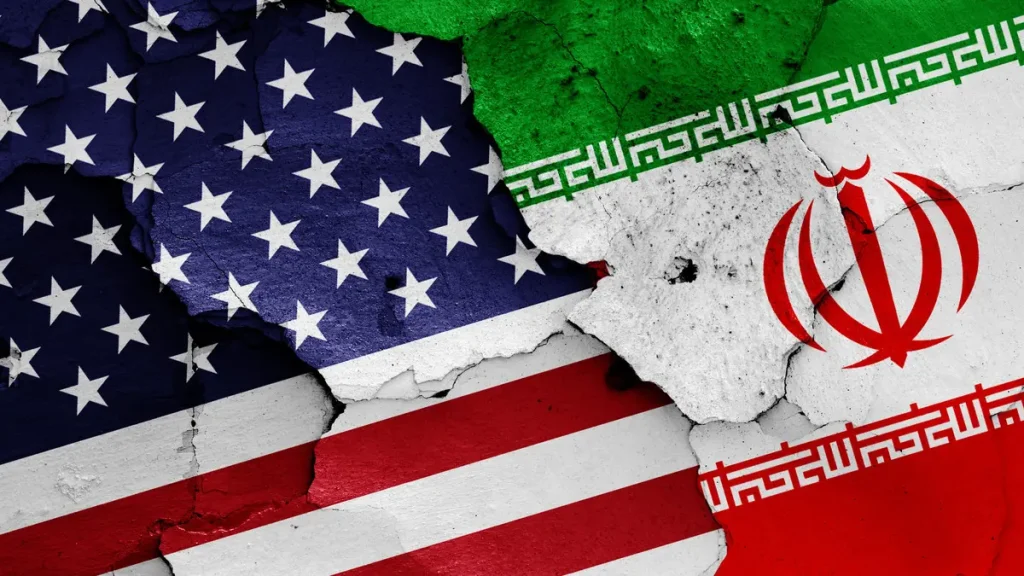
America Diverts Global Oil Revenues